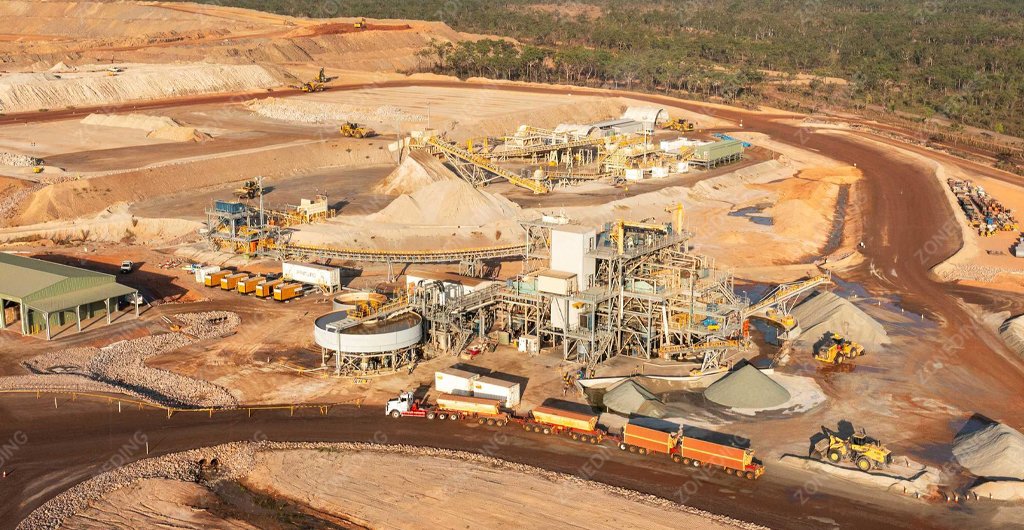
The rapid growth of electric vehicles, energy storage systems, and renewable energy technologies has driven unprecedented demand for lithium worldwide. As a result, new lithium mining projects are being developed across Australia, Canada, Zimbabwe, Brazil, Namibia, and other regions.
However, producing a high-grade lithium concentrate requires far more than simply mining the ore.
The success of a lithium project depends on:
Efficient crushing and screening
Proper mineral liberation
Optimized beneficiation processes
Water and tailings management
Long-term operating cost control
Many new investors entering the lithium industry underestimate one critical fact:
Lithium processing is a mineral recovery business, not a crushing business.
The goal is not to process the most tons per hour. The goal is to maximize lithium recovery and concentrate quality while maintaining sustainable operating costs.
What Types of Lithium Ore Can Be Processed Profitably?
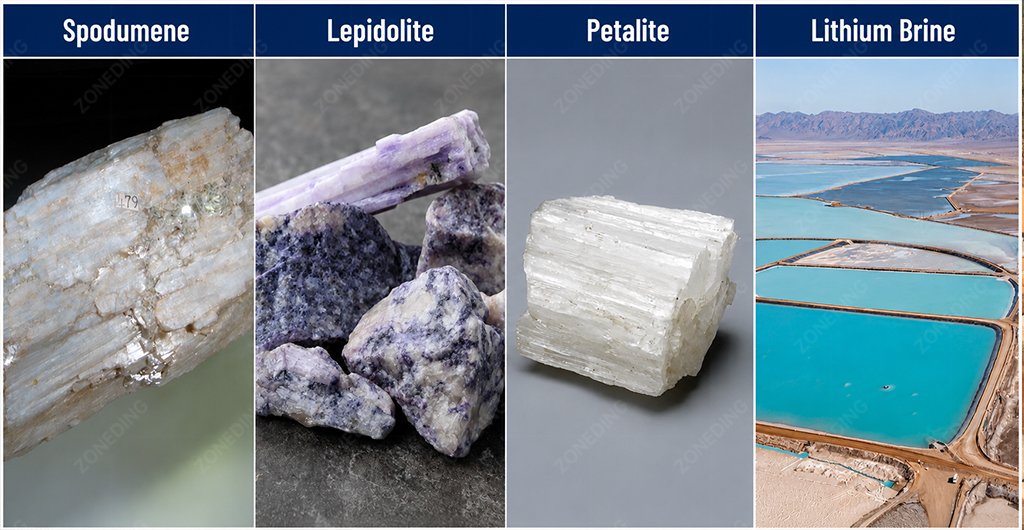
Lithium resources are generally divided into two major categories.
Main Types of Lithium Deposits
Lithium Resource
Typical Processing Method
Spodumene
Crushing + Grinding + Flotation
Lepidolite
Crushing + Grinding + Flotation
Petalite
Crushing + Beneficiation
Lithium Brine
Evaporation + Chemical Processing
Among these resources, hard-rock lithium deposits currently dominate most new mining projects worldwide.
Common hard-rock lithium mining countries include:
Australia
Canada
Zimbabwe
Namibia
Brazil
China
This article focuses on hard-rock lithium ores, especially spodumene, which remains the primary source of lithium concentrate production.
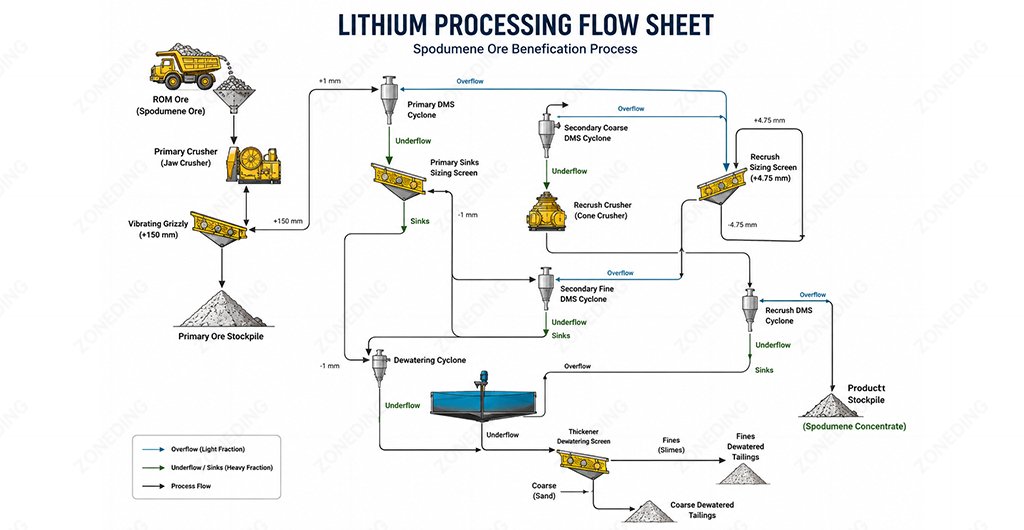
What Is the Complete Lithium Ore Crushing and Processing Flow?
A modern lithium processing plant consists of multiple stages working together to maximize mineral recovery.
Lithium processing flow sheet
Process Stage
Main Objective
Crushing
Reduce ROM ore size
Screening
Remove qualified material
Grinding
Liberate spodumene crystals
Classification
Control particle size
DMS or Flotation
Recover lithium minerals
Dewatering
Produce saleable concentrate
Tailings Management
Recover water and manage waste
Each stage directly impacts downstream performance.
Poor crushing can reduce flotation recovery. Poor grinding can increase slime generation. Poor water management can significantly increase operating costs.
How Is Lithium Ore Crushed Before Beneficiation?
Crushing is the first major processing stage after mining.
Unlike aggregate plants, lithium operations must minimize unnecessary fines generation because excessive fines can reduce recovery during beneficiation.
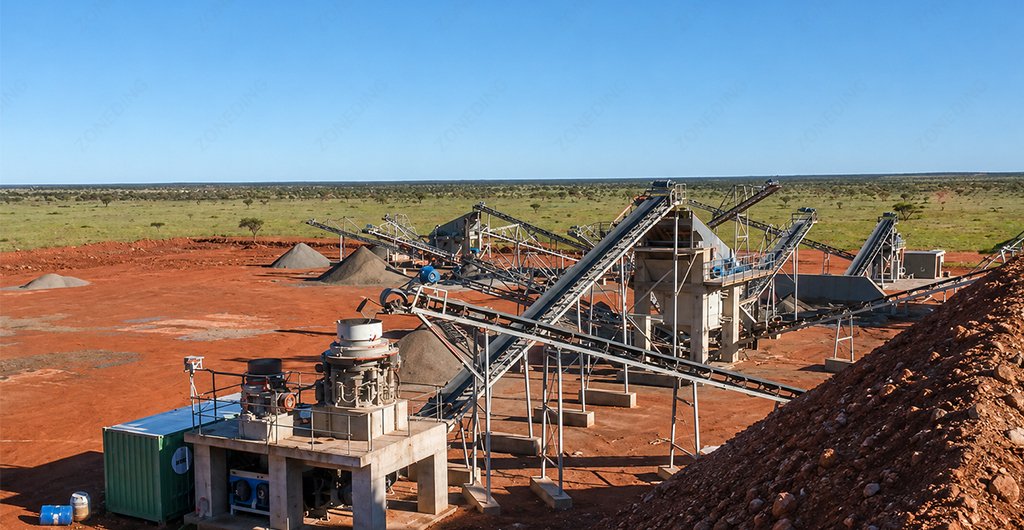
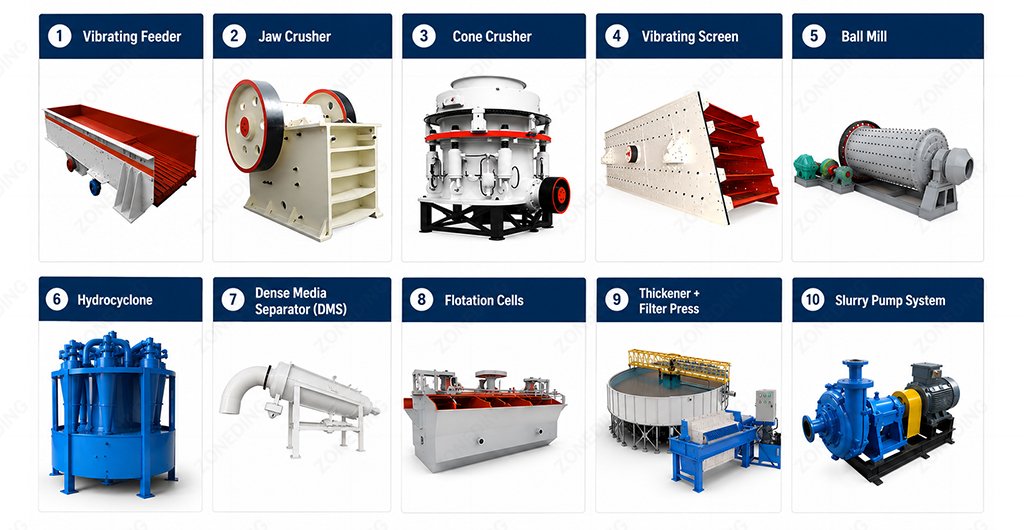
Most hard-rock lithium plants use:
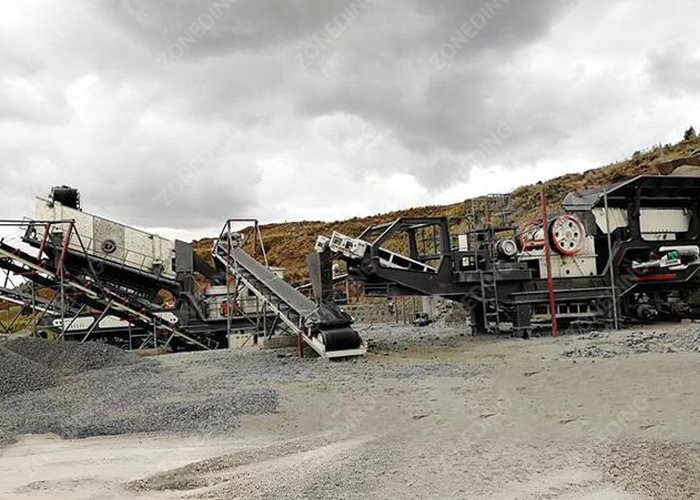
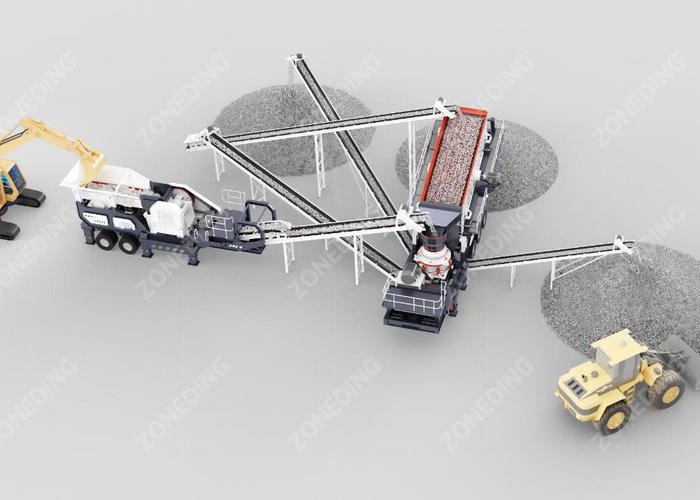
Jaw crusher and cone crusher circuit for spodumene ore processing
How Can You Improve Lithium Recovery and Concentrate Grade?
Recovery and concentrate quality determine project profitability.
Several factors have a major influence on performance.
Improvement Area
Impact
Minimize fines generation
Higher recovery
Optimize grinding size
Better liberation
Stable feed grade
Consistent concentrate quality
Water quality control
Improved flotation performance
Proper reagent selection
Higher recovery and grade
Real Project Example
A 200 TPH spodumene operation experienced recovery rates below expectations.
After reviewing the process, engineers implemented:
Improved crushing control
Optimized grinding size
Modified flotation reagent scheme
Results:
Metric
Before
After
Recovery Rate
68%
79%
Concentrate Grade
Improved
Improved
Operating Stability
Moderate
High
The improvement came primarily from process optimization rather than new equipment investment.
What Factors Affect the Cost of Lithium Ore Processing?
Many investors focus on equipment purchase costs.
Experienced operators focus on operating costs.
Typical operating cost distribution:
Cost Item
Relative Impact
Power Consumption
High
Grinding Media
High
Flotation Reagents
Medium
Water Management
Medium
Wear Parts
Medium
Labor
Medium
One growing trend in the industry is water recycling.
Modern lithium plants increasingly invest in:
High-efficiency thickeners
Water recovery systems
Filter presses
Tailings dewatering systems
These systems can significantly reduce long-term operating expenses.
How Should You Design a Lithium Processing Plant for Future Expansion?
Lithium projects often expand after initial production begins.
Therefore, scalability should be considered during the design phase.
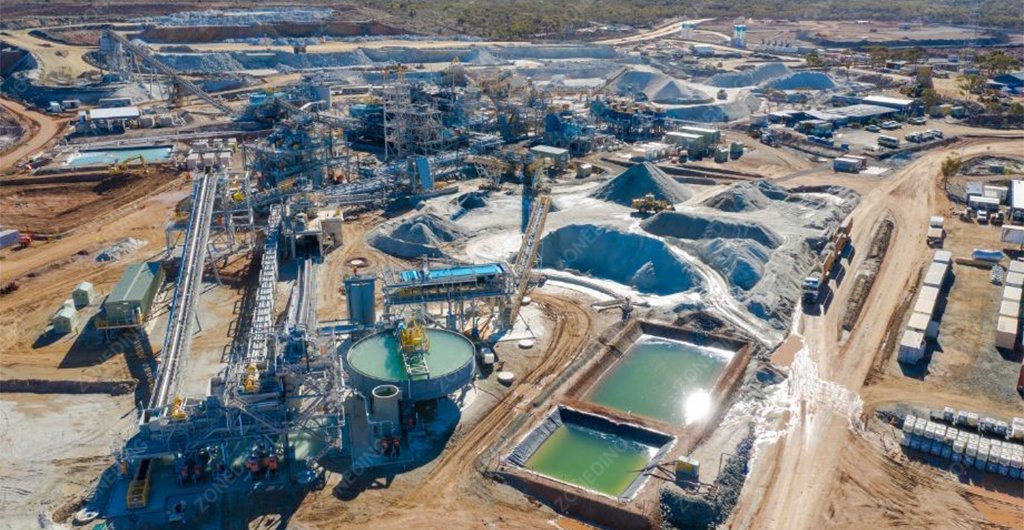
Lithium processing plant
Best practices include:
Modular plant layouts
Reserved space for future equipment
Expandable flotation circuits
Oversized main conveyors
Flexible electrical systems
A well-designed plant can double capacity later with significantly lower expansion costs.
Need a Lithium Plant Design Recommendation?
Send us:
✓ Ore Type
✓ Capacity Requirement
✓ Target Concentrate Grade
✓ Project Location
Our engineering team can prepare a customized plant layout and equipment proposal.
What Are the Common Challenges in Lithium Ore Beneficiation?
Every lithium project faces technical challenges.
The most common issues include:
Challenge
Typical Cause
Low Recovery
Over-grinding
Poor Concentrate Grade
Insufficient liberation
High Reagent Consumption
Excessive slimes
High Operating Cost
Poor process design
Water Shortages
Inadequate recycling system
Variable Performance
Ore variability
Understanding these challenges early can prevent expensive modifications later.
How Much Does a Lithium Ore Crushing and Processing Plant Cost?
Project cost depends on capacity, ore characteristics, location, and process complexity.
Typical investment ranges are:
Plant Capacity
Estimated Investment
100 TPD
$300,000 – $800,000
300 TPD
$1M – $3M
500 TPD
$3M – $8M
1000 TPD+
Customized Design
Actual costs may vary depending on infrastructure, utilities, and beneficiation requirements.
What Is the Expected ROI of a Lithium Processing Project?
Many investors ask:
How much ore can the plant process?
Experienced lithium producers ask:
How much lithium concentrate can the plant recover?
Consider two plants:
Plant
Throughput
Recovery
Plant A
700 TPD
60%
Plant B
500 TPD
80%
Despite lower throughput, Plant B may generate significantly higher profits because more lithium is recovered and sold.
The most profitable lithium operations focus on:
Recovery rate
Concentrate grade
Operating efficiency
Long-term cost control
rather than simply maximizing tons processed per hour.
Frequently Asked Questions
What is the best crusher for lithium ore?
For most hard-rock lithium deposits, a jaw crusher for primary crushing and a cone crusher for secondary crushing provide the best balance of capacity, wear life, and operating cost.
Can impact crushers be used for spodumene ore?
They can, but they are generally not recommended because quartz-rich spodumene ore causes rapid wear of blow bars and impact components.
What is the typical lithium concentrate grade?
Most commercial spodumene concentrates are produced at approximately 5.5% to 6.0% Li₂O.
Is DMS or flotation better for lithium processing?
Both have advantages. DMS works well for coarse liberation, while flotation delivers higher recovery for fine particles. Many modern plants combine both methods.
What is the biggest mistake in lithium plant design?
Treating lithium ore like aggregate. Successful lithium plants focus on mineral recovery rather than simply maximizing crusher throughput.
Final Thoughts
Lithium processing is fundamentally different from traditional aggregate production.
The goal is not to crush more ore. The goal is to recover more lithium.
A successful lithium processing plant combines efficient crushing, controlled grinding, effective beneficiation, and intelligent water management to maximize recovery and profitability.
As lithium demand continues to grow worldwide, well-designed processing plants will play a critical role in supplying the high-quality concentrate required by battery manufacturers and chemical producers.
Need Help Building a Lithium Processing Plant?
Send us:
✓ Ore Analysis Report
✓ Capacity Requirement
✓ Target Concentrate Grade
✓ Project Location
Our engineering team can recommend the most suitable crushing and beneficiation solution for your project.
About ZONEDING
ZONEDING provides crushing, grinding, screening, flotation, magnetic separation, and complete mineral processing solutions for lithium, gold, copper, iron ore, and other mining projects worldwide.
Whether you are developing a new spodumene project or expanding an existing lithium operation, our engineers can help design a customized processing plant that maximizes recovery, efficiency, and long-term profitability.
Starting a gold mine requires a clear budget. Total alluvial gold plant cost ranges from $30,000 for small setups to over $500,000 for industrial lines. Equipment price is only part of the investment. Shipping, power, and labor also impa...
Mobile crushing technology offers the most direct path to reducing operational costs and increasing profit margins in the mining industry. This article explains how a mobile unit eliminates the need for expensive civil works and reduces truck haul...
In a large-scale mining project, selecting a is not just about comparing tonnage. While mobility reduces material handling costs, the compact nature of these machines introduces risks in stability, maintenance, and product quality. Success require...
We use cookies to ensure that we give you the best experience on our website. If you continue to use this site we will assume that you are happy with it.
Privacy Policy
Send us a message
We would love to hear from you
Submit your question and our team will respond to the email provided as soon as possible.
 Zoneding Machine