Search the whole station Crushing Equipment

Cone Crusher Capacity Guide: Output by Model & Application

Blog 4780

One of the first questions buyers ask before purchasing a cone crusher is:

How many tons per hour can a cone crusher produce?

The answer is not as simple as reading a specification sheet.

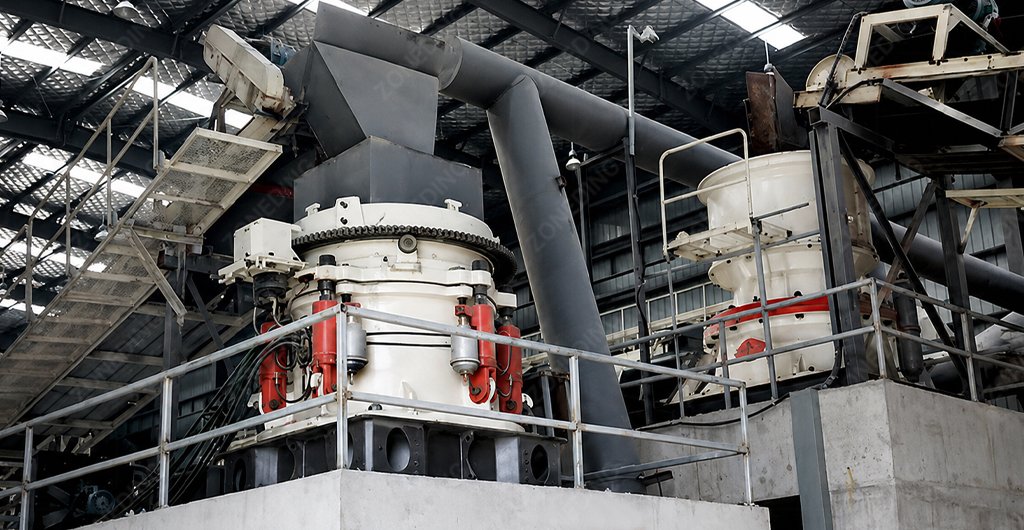
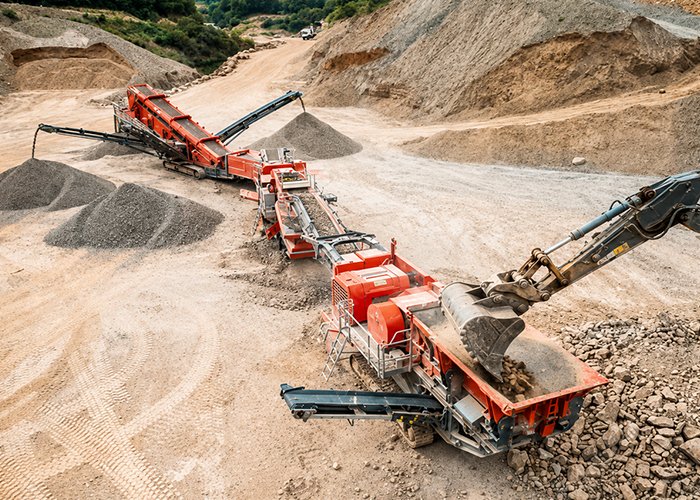
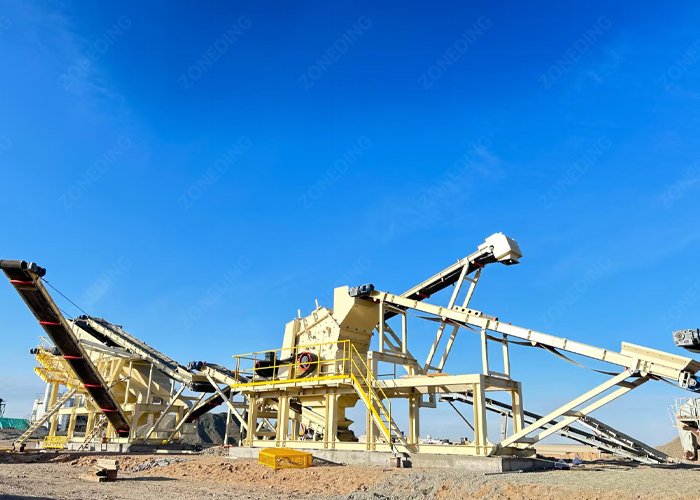
Cone crusher processing aggregate in a quarry operation

Many operators discover that actual production differs significantly from the advertised capacity.

A cone crusher rated at 300 TPH may produce:

  • 350 TPH in limestone
  • 280 TPH in granite
  • 220 TPH in basalt

The difference comes from material characteristics, feed conditions, crusher settings, and plant design.

This guide explains how cone crusher capacity is calculated, what affects output, and how to choose the right model for your application.

What Is the Capacity Range of a Cone Crusher?

Cone crushers are available in a wide range of sizes.

Crusher SizeTypical Capacity
Small Cone Crusher30-120 TPH
Medium Cone Crusher120-350 TPH
Large Cone Crusher350-800 TPH
Mining Cone Crusher800-2000+ TPH

The actual output depends on:

  • Material hardness
  • Feed size
  • Closed Side Setting (CSS)
  • Crushing chamber design
  • Plant configuration

This is why two operators using the same model may achieve very different results.

Need Help Choosing the Right Cone Crusher?

Send us:

✓ Material Type

✓ Feed Size

✓ Capacity Requirement

✓ Final Product Size

Our engineers can recommend the most suitable model for your project.

Why Advertised Capacity and Actual Capacity Are Different

Many specification sheets are based on ideal conditions.

In reality, production is affected by numerous factors.

Example

A cone crusher rated at:

300 TPH

may actually produce:

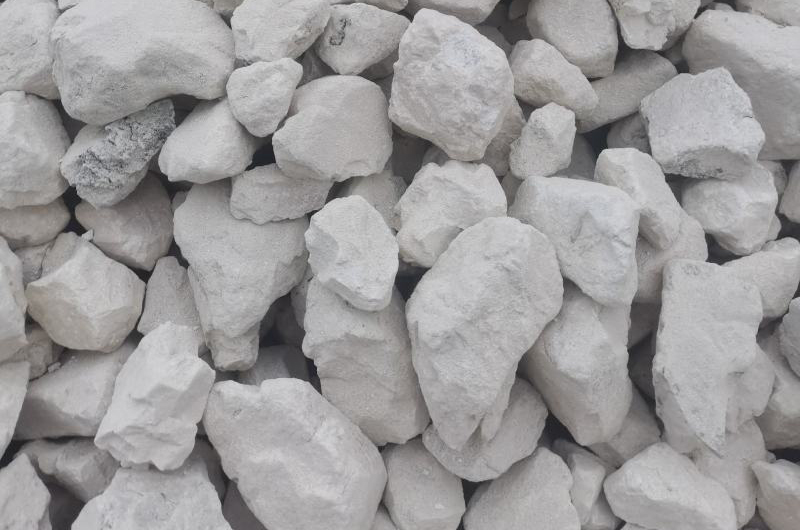
Limestone
Limestone
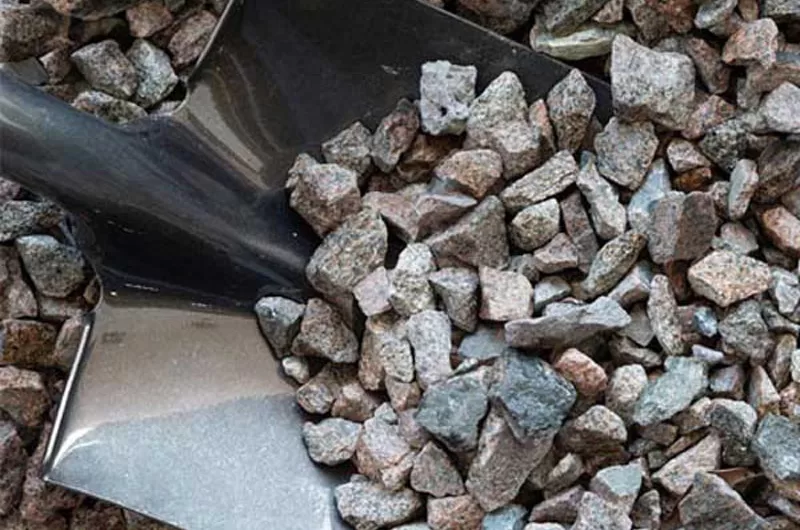
Granite
Granite
Basalt
Basalt
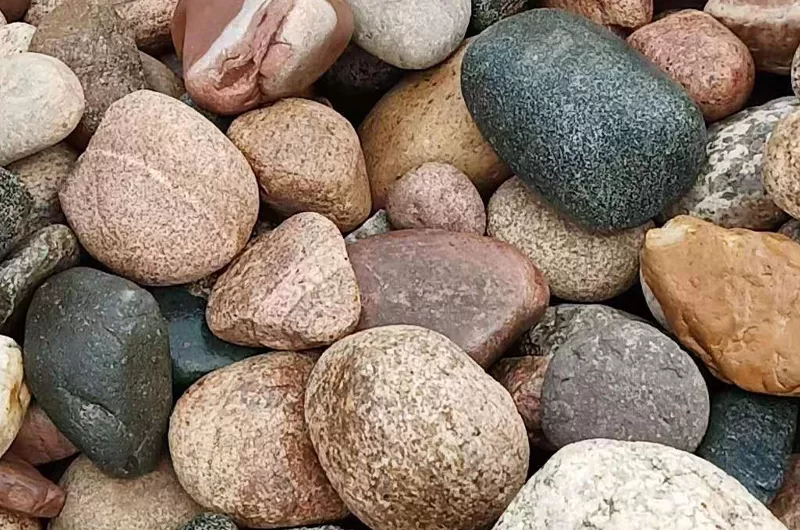
River Stone
River Stone
MaterialActual Output
Limestone320-350 TPH
Granite260-300 TPH
Basalt220-280 TPH
River Stone240-290 TPH

This is completely normal.

Harder materials require more crushing force and reduce throughput.

Cone Crusher Capacity by Model

The following figures represent typical production ranges under normal operating conditions.

ModelFeed SizeCapacity
Small Cone Crusher≤150 mm30-120 TPH
Medium Cone Crusher≤215 mm120-350 TPH
Large Cone Crusher≤300 mm350-800 TPH
Heavy-Duty Mining Cone Crusher≤350 mm800-2000+ TPH

Actual performance varies depending on chamber design and operating conditions.

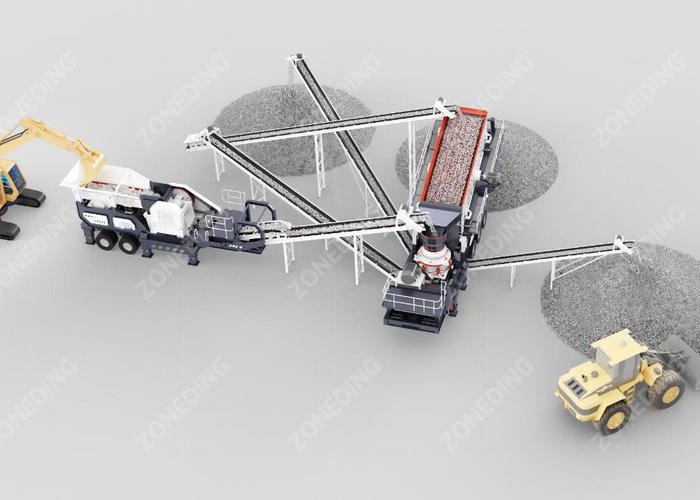
When designing a complete Stone Crushing Plant, engineers usually evaluate the entire production line rather than a single crusher.

Which Materials Produce the Highest Output?

Material hardness is one of the biggest factors affecting cone crusher capacity.

Higher Output Materials

MaterialCapacity Performance
LimestoneExcellent
DolomiteExcellent
Concrete RecyclingGood
Soft SandstoneGood

These materials break more easily and allow higher throughput.

Lower Output Materials

MaterialCapacity Performance
GraniteModerate
BasaltLower
QuartzLower
Iron OreLower

These materials require more crushing energy, reducing production rates.

How Does Feed Size Affect Capacity?

Many operators focus on crusher size while overlooking feed size.

This can significantly impact production.

Ideal Feed Conditions

Benefits include:

  • Higher throughput
  • Better chamber utilization
  • Lower wear costs
  • Improved product consistency

Oversized Feed

Problems include:

  • Reduced capacity
  • Increased wear
  • Higher power consumption

For this reason, a properly sized Jaw Crusher is essential before the cone crusher.

A well-prepared feed often increases production more than upgrading to a larger cone crusher.

How Does CSS Affect Output?

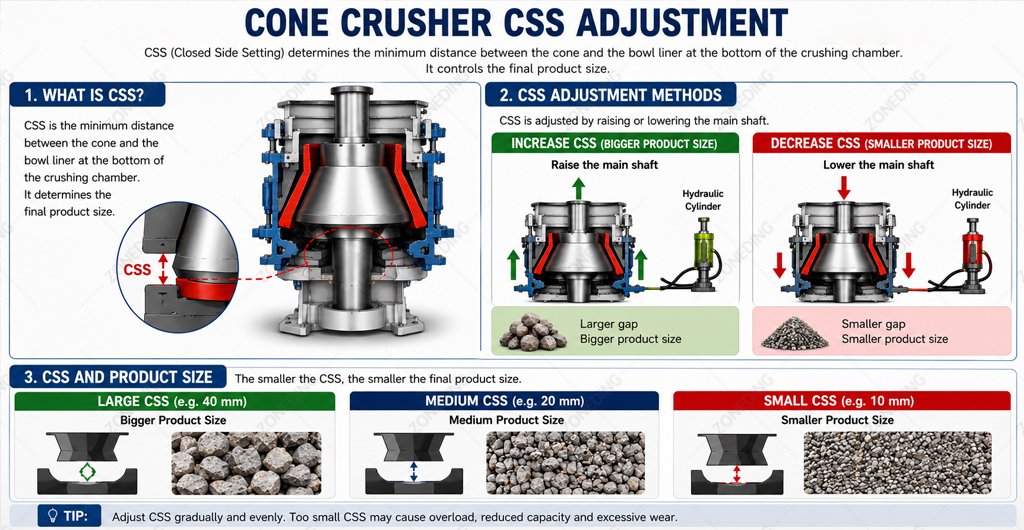
CSS (Closed Side Setting) determines the final product size.

Cone crusher css adjustment
Effect of closed side setting on cone crusher capacity

As a general rule:

CSSProduct SizeCapacity
Smaller CSSFiner ProductLower Output
Larger CSSCoarser ProductHigher Output

Many operators reduce CSS to achieve finer material.

However, this often reduces capacity significantly.

The best setting balances:

  • Production requirements
  • Product quality
  • Operating cost

Which Cone Crusher Chamber Produces the Highest Output?

Modern cone crushers often offer multiple chamber options.

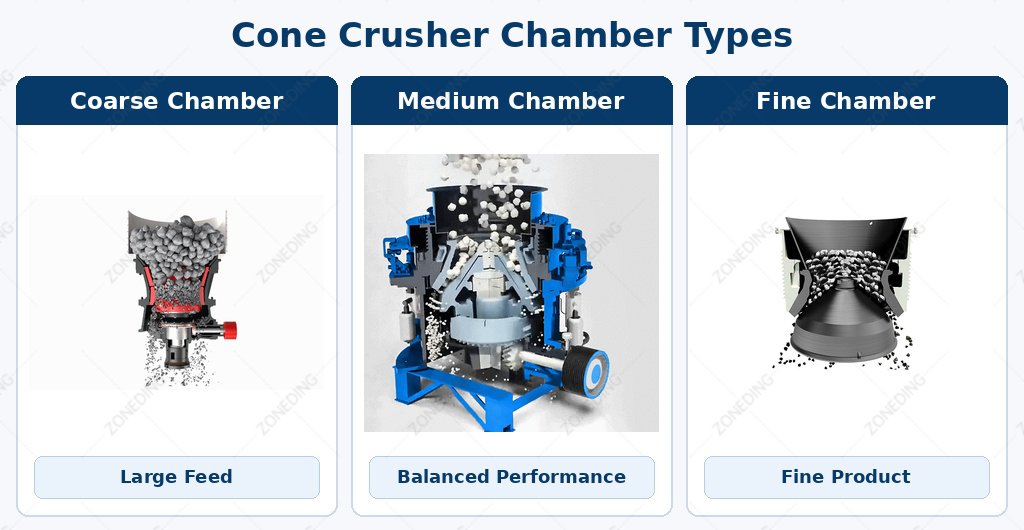
Coarse Chamber vs Medium Chamber vs Fine Chamber
Cone crusher chamber types coarse medium fine

Coarse Chamber

Best for:

  • Larger feed material
  • Higher throughput

Medium Chamber

Best for:

  • General aggregate production
  • Balanced performance

Fine Chamber

Best for:

  • Fine aggregate
  • Manufactured sand feed

Many operators select the wrong chamber and unintentionally reduce capacity.

Proper chamber selection is often one of the easiest ways to improve production.

Increasing Capacity Without Buying a New Crusher

A quarry producing granite operated a cone crusher rated at 300 TPH.

Actual production averaged:

220 TPH

The customer considered purchasing a larger machine.

After inspection, engineers identified:

  • Poor feed distribution
  • Incorrect chamber selection
  • Excessive recirculation load

Improvements Made

✓ Chamber upgraded

✓ Feed distribution optimized

✓ Screen settings adjusted

Results

MetricBeforeAfter
Output220 TPH285 TPH
Wear CostHighLower
Power EfficiencyModerateImproved

The quarry increased production by nearly 30% without purchasing another crusher.

How to Select the Right Cone Crusher Capacity

Many buyers make one of two mistakes:

Mistake #1

Buying a crusher that is too small.

Results:

  • Production bottlenecks
  • Reduced plant efficiency
  • Limited future expansion

Mistake #2

Buying a crusher that is too large.

Results:

  • Higher investment
  • Lower utilization
  • Increased operating costs

The ideal crusher should match:

  • Plant capacity
  • Feed characteristics
  • Market demand
  • Expansion plans

Need a Capacity Calculation?

Our engineers can help calculate:

✓ Required TPH

✓ Crusher Model

✓ Chamber Configuration

✓ Screening Requirements

✓ Complete Plant Layout

Simply provide your project details.

Cone Crusher vs Impact Crusher Capacity

Many aggregate producers compare cone crushers with impact crushers.

FeatureCone CrusherImpact Crusher
Hard Rock CapacityExcellentModerate
Limestone CapacityGoodExcellent
Wear CostLowerHigher
Aggregate ShapeGoodExcellent
Long-Term Operating CostLowerHigher

For granite and basalt, cone crushers generally provide lower cost per ton.

For limestone, impact crushers may deliver higher production and better particle shape.

Related Reading:

Frequently Asked Questions

What is the average capacity of a cone crusher?

Most commercial cone crushers operate between 120 and 800 TPH, depending on model size and material characteristics.

Why is my cone crusher producing less than its rated capacity?

Common causes include improper feed distribution, incorrect chamber selection, excessive recirculation, and unsuitable CSS settings.

Does harder rock reduce cone crusher output?

Yes. Materials such as granite, basalt, quartz, and iron ore generally reduce throughput compared with limestone.

Can I increase capacity without replacing my crusher?

Often, yes. Optimizing feed conditions, chamber selection, and screen settings can significantly improve production.

What crusher should be installed before a cone crusher?

A jaw crusher is typically used for primary crushing to prepare material for efficient cone crusher operation.

How do I choose the right cone crusher model?

Selection should be based on material type, feed size, desired capacity, final product requirements, and future expansion plans.

Final Thoughts

Cone crusher capacity depends on much more than the machine model.

Material hardness, feed conditions, chamber selection, and crusher settings all play major roles in determining actual output.

Instead of focusing only on the highest advertised capacity, evaluate the complete production process and choose a crusher that matches your long-term operating goals.

A properly selected cone crusher can deliver higher production, lower wear costs, and better profitability for years to come.

Need Help Selecting a Cone Crusher?

Send us:

✓ Material Type

✓ Feed Size

✓ Capacity Requirement

✓ Final Product Size

Our engineers can recommend the most cost-effective cone crusher solution for your operation.

About ZONEDING

ZONEDING provides cone crushers, jaw crushers, impact crushers, vibrating screens, feeders, and complete crushing plant solutions for quarry, mining, and aggregate production projects worldwide.

Whether you are building a new crushing plant or optimizing an existing operation, our engineering team can help you maximize productivity and reduce operating costs.

The prev:

Related recommendations

1
Scan the code