A cone crusher working principle differs significantly from simple impact crushers. It is a high-precision machine designed for hard rock processing. Success in mining or aggregate production depends on the balance between eccentric speed and cavity shape. Most operators treat these machines like large jaw crushers. However, a cone relies on the laminated crushing principle. This method uses stone-on-stone pressure to achieve the final size. This guide explains how to select the right equipment and maintain it for years. Understanding these mechanics prevents broken shafts and burnt bushings.
How is Eccentric Movement Turned Into Crushing Force?
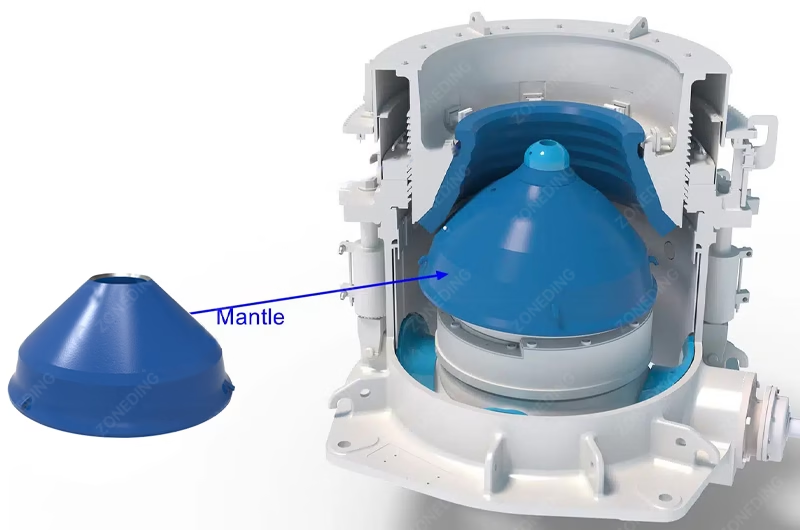
The cone crusher working principle relies on a wobbling main shaft to squeeze rock. A motor drives a large gear. This gear turns an eccentric sleeve. The main shaft sits inside this sleeve. The sleeve is off-center. So, the shaft does not just spin. It wobbles in a circular motion. This movement makes the mantle move closer to and further from the concave. This is the crushing stroke. When the gap closes, the rock is crushed. When it opens, the rock falls further down. This happens hundreds of times every minute. Speed is vital in this mechanical process. If the speed is too slow, the rock falls through without being hit. If the speed is too fast, the machine chokes. The eccentric throw determines the power of each squeeze. A large throw is great for secondary crushing. A small throw is better for making fine sand. The motor speed must match the rock hardness. This balance ensures the cone crusher working principle stays efficient. It also prevents the machine from jumping on its base. A steady rhythm indicates a well-tuned plant.
Eccentric Sleeve
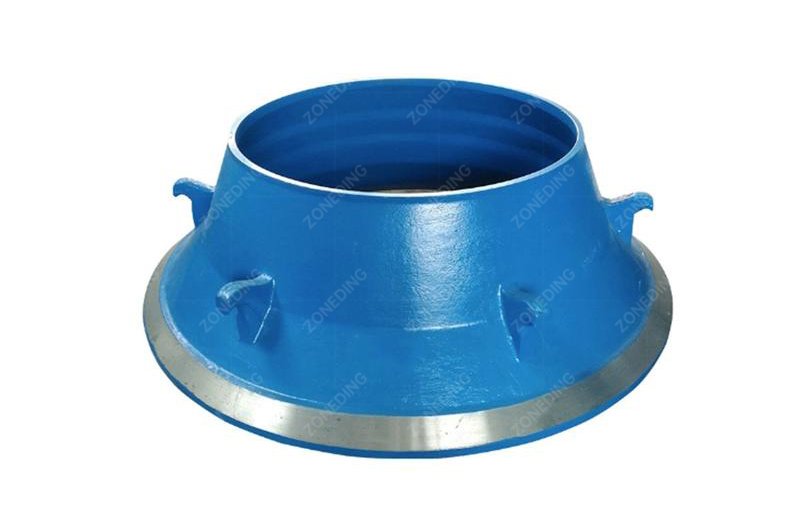
Mantle
Concave
Components of the Crushing Force
Part Name
Role in Crushing
Effect on Production
Practical Meaning
Eccentric Sleeve
Creates the wobble
Determines the stroke
Controls how hard the rock is hit
Mantle
Moving crusher face
Wears over time
Needs regular thickness checks
Concave
Fixed crusher face
Holds rock in place
Defines the outer limit of the cavity
Tips for Managing Crushing Force
Check Drive Belts: Loose belts cause speed drops. This ruins the crushing cycle.
Listen for Noises: A rhythmic thumping is normal. A sharp metal screech means the gap is too small.
Watch the Amps: High motor amps mean the rock is too hard or the feed is too high.
Why is the Laminated Crushing Principle the Key to Shape?
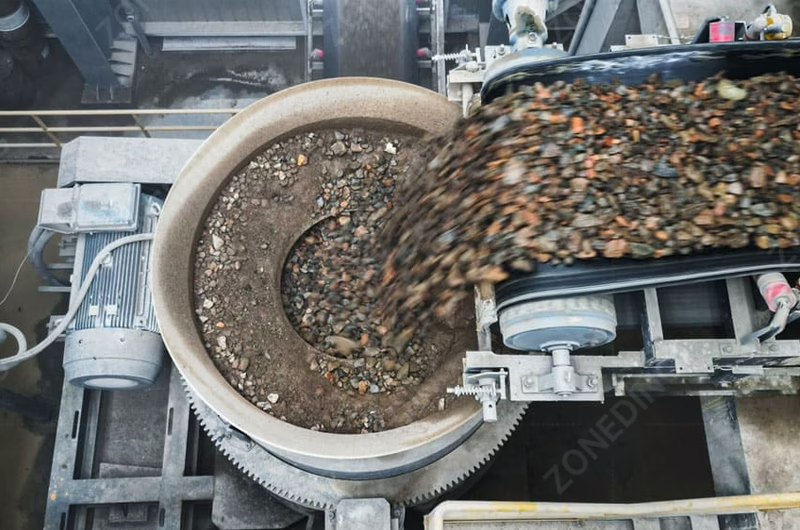
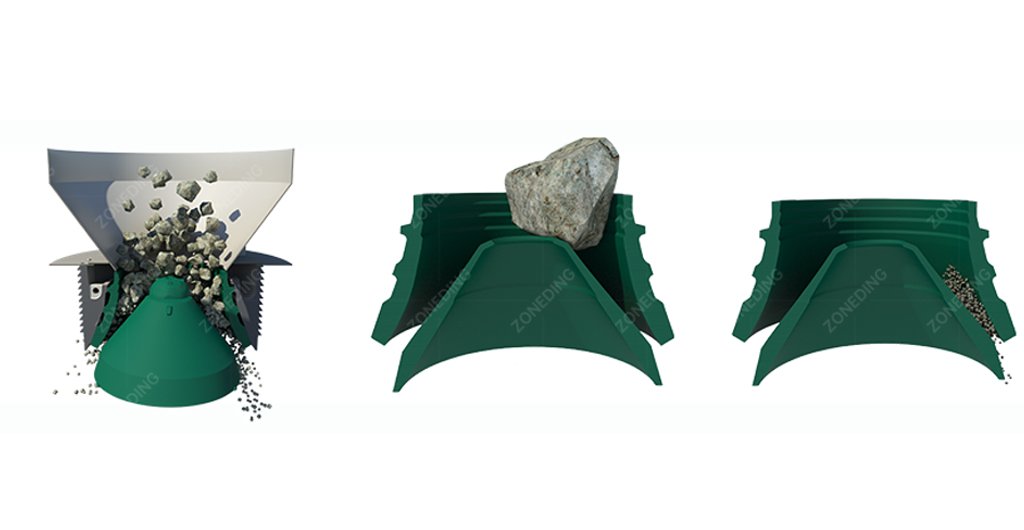
The laminated crushing principle focuses on stone-on-stone interaction. In an old-style crusher, rock hits steel liners directly. This makes flat and thin pieces. These pieces are bad for high-grade concrete. In a modern Cone Crusher, the cavity is kept full. This is called “choke feeding.” When the cavity is full, the mantle pushes a thick layer of rocks. The rocks squeeze each other. This is the laminated crushing principle. It breaks rocks along natural lines. The result is a cubical shape. Shape is often worth more than volume in the aggregate market. Road builders want square stones. They do not want thin flakes. Thin flakes break under the weight of trucks. By using the laminated crushing principle, the plant produces a premium product. This also reduces wear on liners. Since rocks crush each other, the steel takes less damage. This makes liners last longer. It also means less electricity is used per ton produced. This benefits both quality and operational costs.
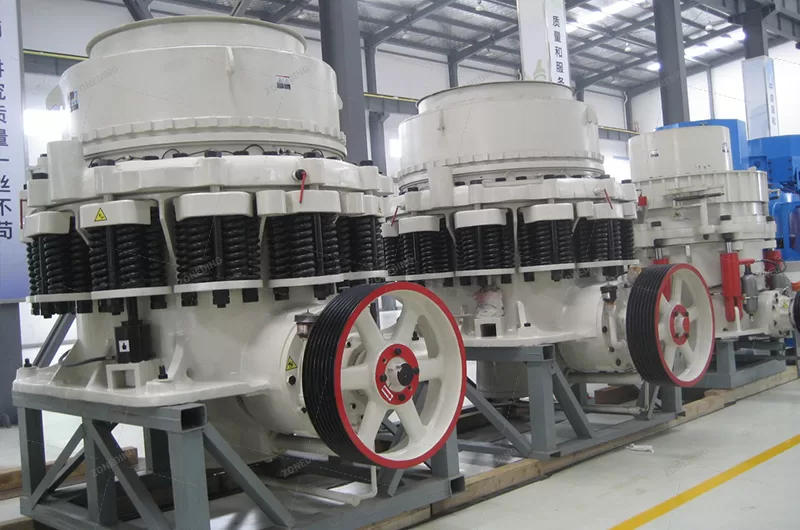
Cone crusher for crushing stone
Cone Crusher
Benefits of Laminated Crushing
Better Shape: Produces cubical stones for high construction standards.
Lower Wear: The rock does much of the work. This saves the mantle and concave.
Higher Density: The final product packs better in asphalt and concrete mixes.
Tips for Achieving Laminated Crushing
Choke Feed the Machine: Keep the feed hopper full. This is the only way the principle works.
Use a Surge Bin: A surge bin keeps the flow steady. It stops the empty-full cycle.
Check Feed Grading: Mix big and small rocks in the feed. This fills gaps in the cavity.
How Does Cavity Design Affect Your Yield?
The cone crusher cavity design determines the maximum size of the feed and the final product. There are two main types: Standard and Short Head. The Standard cavity has a long slope and a large opening. It is for secondary crushing. It takes big rocks from a jaw crusher. The Short Head has a steeper slope and a smaller opening. It is for tertiary crushing. It makes fine gravel and sand. Picking the wrong cone crusher cavity design will cause production failure. Operators often try to make fine sand with a Standard cavity. They close the gap too much. This causes the machine to vibrate violently. It also damages the adjustment ring. The cavity must be picked based on the final goal. Standard is for size reduction. Short Head is for shaping and finishing. Also, each cavity has a “parallel zone” at the bottom. This is where final sizing happens. A longer parallel zone means a more consistent product size. This is a critical part of the cone crusher cavity design.
Feed grading
Cavity Selection Table
Cavity Type
Feed Size
Final Product
Best Use Case
Standard Coarse
Very Large
25mm to 50mm
Secondary crushing stage
Standard Fine
Medium
15mm to 25mm
General aggregate production
Short Head
Small
Below 15mm
Making sand and fine chips
Tips for Selection
Know Your Feed: Measure rocks before buying. Do not guess the feed size.
Check the Slope: A steeper slope handles wet or sticky material better.
Parallel Zone Check: Ensure the zone is long enough for the precision needed.
Maintenance Cost: Hydraulic vs Spring Cone Crushers?
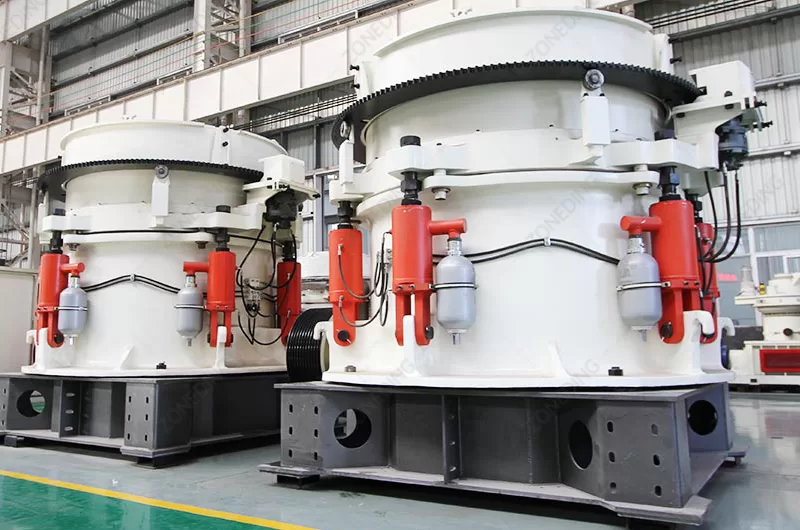
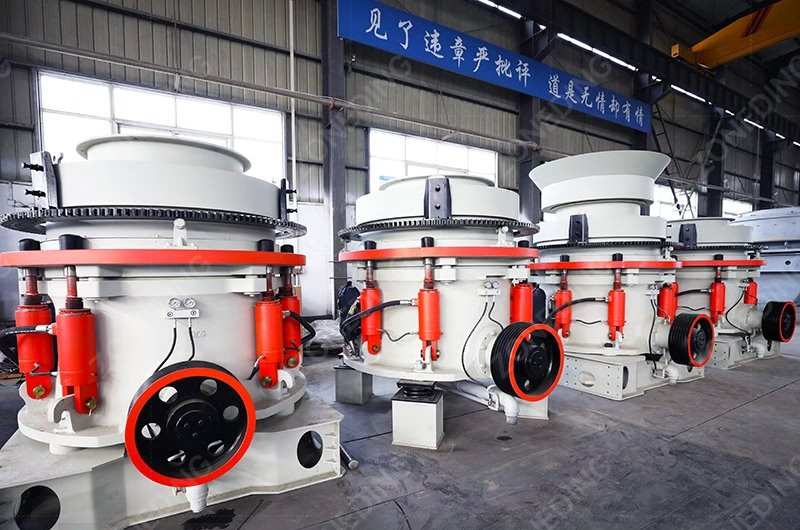
Choosing between a hydraulic cone crusher vs spring cone crusher depends on budget and skill. The spring type is an old design. It uses heavy springs to protect the frame. It is very tough. It is also easy to fix with basic tools. But it is hard to adjust. The operator must stop the machine. Then they turn a large ring by hand. This takes a lot of time and labor. The hydraulic cone crusher vs spring cone crusher debate usually ends with a choice between low price or high efficiency. Hydraulic machines are much easier to operate. A button changes the gap. The operator does not have to stop the feed. The hydraulic cone crusher vs spring cone crusher comparison shows that hydraulics save hours every week. But they are complex. They have pumps, valves, and computers. If the oil is dirty, the system fails. Big mines prefer hydraulics. Remote mines often stick to springs because they are durable and simple. A decision must be based on the technician’s ability to handle hydraulic parts.
Hydraulic cone crusher
Spring cone crusher
Comparison Highlights
Spring Type: Lower purchase price. Very durable. Manual adjustment is slow.
Single Cylinder Hydraulic: Simple design. Easy to adjust. Great for secondary crushing.
Multi-Cylinder Hydraulic: High power. Best shape. Highest cost and maintenance needs.
Maintenance Tips
Clean the Oil: For hydraulic units, change filters every month.
Check Spring Tension: For spring units, ensure all springs are at the same height.
Watch for Leaks: A small oil leak in a hydraulic system can lead to failure.
How Does the Tramp Iron Release System Prevent Breakage?
A tramp iron release system protects the machine from uncrushable objects. Sometimes a loader tooth or a bolt falls into the crusher. Steel does not break like rock. If the machine tries to squeeze it, the main shaft will snap. The tramp iron release system allows the mantle to drop down. This creates a large gap. Then the steel falls through. In spring machines, the springs compress. In hydraulic machines, the oil moves into an accumulator. Broken shafts often occur because the tramp iron release system was stuck. In spring machines, threads on the adjustment ring get rusty. Then the ring cannot jump. In hydraulic machines, accumulators can lose gas pressure. This system must be tested every week. A working tramp iron release system is the only thing standing between a normal day and a huge repair bill. It is the most important safety feature on the entire machine.
How the System Works
Detection: The machine feels a sudden spike in pressure.
Release: Hydraulic cylinders or springs give way immediately.
Reset: Once the metal is gone, the mantle returns to its spot.
Practical Tips for Protection
Use a Magnet: Put a strong magnet on the feed conveyor to catch metal.
Monitor Accumulators: Check the nitrogen charge in hydraulic accumulators.
Keep it Clean: Dust can block the movement of the adjustment ring. Wash it often.
Why is CSS Adjustment Critical for Production Balance?
The CSS adjustment controls the gap that defines the product size. CSS stands for Closed Side Setting. It is the smallest distance between the mantle and concave during the wobble. Changing the CSS adjustment changes the whole production line. If the gap is too wide, rocks going to the Vibrating Screens will be too big. This fills the return belt. It slows down the whole plant. This is called a closed-loop imbalance. Operators should check the CSS adjustment twice a day. Liners wear down as the machine works. This makes the gap bigger. If not adjusted, the product gets larger every hour. Modern hydraulic machines do this automatically. They use a sensor to measure the mantle position. Proper CSS adjustment keeps the load on conveyors even. It also ensures that final bins are filled with the right size of stone. It is the key to a balanced plant.
CSS adjustment controls the gap that defines the product size
Effects of Poor CSS Control
Oversize Return: Too many rocks go back for a second try. This wastes power.
Product Contamination: Big rocks end up in the fine bin. Customers will complain.
Uneven Wear: Staying at one setting for too long creates a lip on the liner.
Predicting Liner Wear Through Analysis?
Crusher mantle and concave wear must be tracked to prevent frame damage. If liners get too thin, they can crack. Then the crushing force hits the main frame directly. This can warp the machine. Measuring the thickness of liners every week is necessary. Use an ultrasonic tool or a simple gauge. By tracking the wear, an operator can predict the next shutdown. This prevents surprise stops that cost money. The wear pattern tells a story. If the bottom wears out first, the feed is too small. If the top wears out, the feed is too big. Analyzing crusher mantle and concave wear helps fix feeding logic. Most people change liners too late. They try to save money but lose efficiency. Thin liners do not crush as well. They use more power. It is often cheaper to replace them early to keep production rates high.
Wear Analysis Indicators
Lower Efficiency: The machine takes longer to crush the same amount of rock.
Vibration: Thin liners do not sit tight. They cause a rattle.
Heat: More friction against thin steel makes oil temperature rise.
Optimizing Feed Size for Basalt and Hard Rocks?
Hard rocks like basalt require a specific feed size to prevent ring bounce. If the feed is too big, the mantle cannot grab the rock. The rock just dances on top. This is a waste of time. If the feed is too small, rocks fall too far down before the first hit. This puts stress on the very bottom of the machine. This can cause the adjustment ring to bounce. Ring bounce can destroy the threads on a machine in a few days. A feed that is about 80% of the maximum opening is ideal. This ensures the rock is gripped immediately. Also, use a Vibrating Feeder to keep the flow even. Basalt is very abrasive. If the feed is not centered, one side of the machine wears out faster. This causes the shaft to lean. A centered, well-sized feed is the secret to a long-lasting cone. It protects the bearings and the motor.
Feeding Rules for Hard Rock
Center the Load: Use a feed plate to drop rock exactly in the middle.
Remove Fines: Use a screen to remove small dirt before the cone.
No Segregation: Do not let big rocks go to one side and small rocks to the other.
Preventing Bushing Failure via Oil Monitoring?
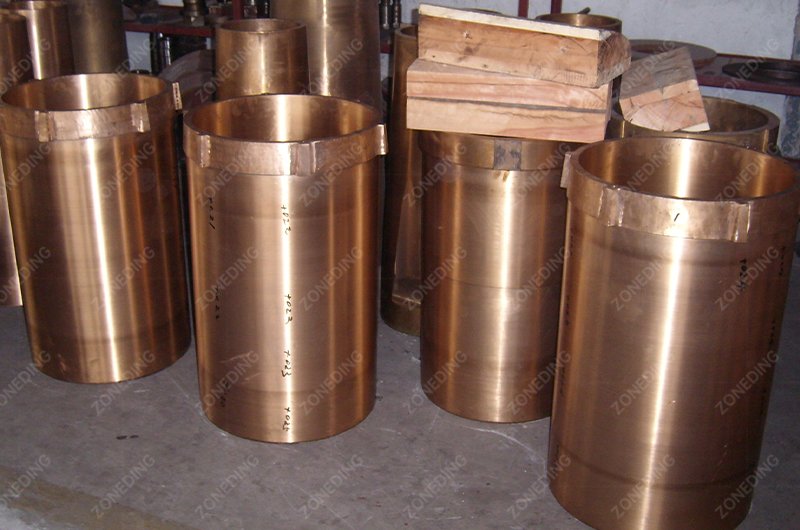
The lubrication system is the lifeblood of the cone crusher. Bronze bushings inside the machine carry a massive load. They need a thin film of oil at all times. If the oil gets too hot, it becomes thin. Then metal touches metal. This is called bushing burnout. It can weld the shaft to the sleeve. This is a total disaster. Monitor oil temperature and pressure every minute. Install a high-temperature alarm on the return line. If the oil coming out is hot, something is wrong inside. Also, check the oil filters. If you see shiny bronze bits, the bushings are wearing out. This is an early warning. Changing a bushing is cheap. Changing a main shaft is very expensive. Proper oil care ensures a Gold Processing Plant or quarry stays profitable.
Pressure: Ensure the pump is strong. Low pressure means oil cannot reach bearings.
Cleanliness: Use a 10-micron filter. Rock dust in the oil acts like sandpaper.
Frequently Asked Questions
Question 1: Why does the cone crusher vibrate so much? Vibration is usually caused by ring bounce. This happens when the CSS is too small or rock is too hard. It can also happen if there are too many fines in the feed. Try widening the gap or screening the feed. Question 2: How often should the lubrication oil be changed? The recommendation is every 1,000 to 2,000 hours. However, if the environment is very dusty, do it more often. Always change filters whenever the oil is changed. Question 3: Can wet ore go into a cone crusher? Yes, but it is risky. Wet material can turn into a pancake in the cavity. This blocks rocks from falling. It causes pressure to spike. If the ore is very wet, use a wider gap. Question 4: What is the difference between mantle and concave? The mantle is the moving part on the main shaft. The concave is the fixed part in the frame. They work together to squeeze the rock. Both are wear parts. Question 5: Why is the final product size inconsistent? This usually means the parallel zone is worn out. When the bottom of the liners gets thin, they cannot hold the size. It is time to replace the liners.
About ZONEDING
ZONEDING is a leading manufacturer of crushing equipment. Since 2004, the company has helped mines in 120 countries. The range includes Cone Crushers, Jaw Crushers, and Mobile Crushers. Professional engineers design custom production lines for any rock. The company sells directly from the factory to provide the best price and support. ZONEDING provides solutions for long-term success. Contact ZONEDING today for a professional quote and technical support.
Buying mining machinery is the start of a long-term investment. Many buyers focus only on the lowest initial price. However, an unreliable supplier can cause massive losses through downtime and high maintenance costs. A professional procurement st...
Designing a profitable high-purity quartz sand production line requires strict adherence to physical and chemical principles. Quartz ore processing follows a strict sequence. Operators must crush, grind, classify, and purify the raw rock in order....
I have spent 50 years in the mining and recycling industry. I have seen people turn piles of trash into mountains of cash. But I have also seen many people lose everything because they bought the wrong machine. In 2026, urban recycling is a gold m...
A rock quarry can be very profitable if you control production costs, transportation distance, and equipment efficiency. In many regions, aggregate demand keeps growing because of roads, housing, and infrastructure projects. But quarry profit does...
We use cookies to ensure that we give you the best experience on our website. If you continue to use this site we will assume that you are happy with it.
Privacy Policy
Send us a message
We would love to hear from you
Submit your question and our team will respond to the email provided as soon as possible.
 Zoneding Machine