 Zoneding Machine












How Feed Size Affects Ball Mill Capacity and Energy Cost
581Learn how ball mill feed size affects throughput, kWh/t, grinding efficiency, and the total cost of crushing and grinding.
View detailsSearch the whole station Crushing Equipment
Optimizing the gold ore dressing process is the most direct way to increase profit in a mine. A high gold recovery rate depends on how well the equipment works together. Many plants lose gold because the flow is not right. I have seen mines lose 15% of their metal just because of bad grinding. This guide shows how to stop those losses in a gold processing plant. Using the right tools and steps will keep the gold in the concentrate and out of the waste.
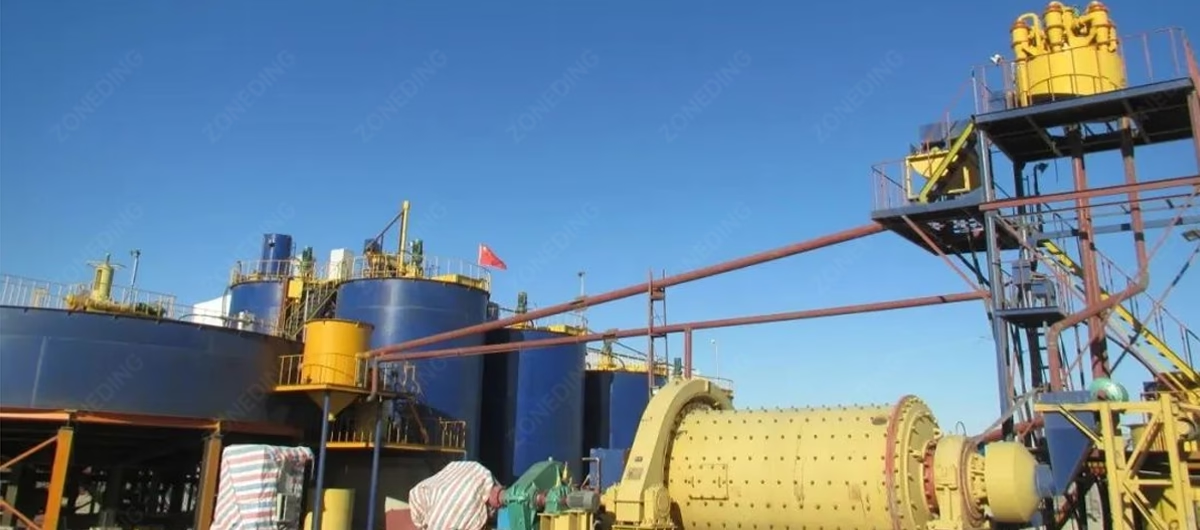
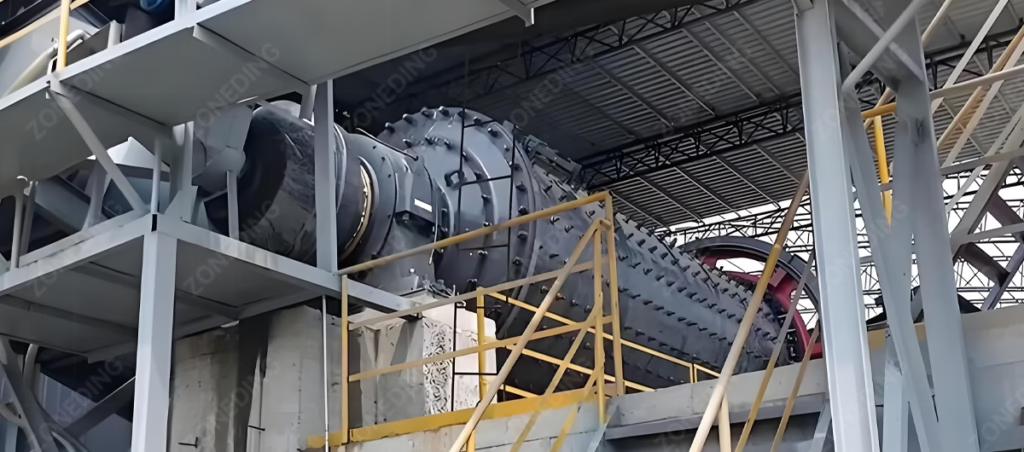
Grinding fineness is the foundation of the gold ore dressing process. If the rock is too big, the gold stays trapped inside. Chemicals cannot touch the metal. If the rock is too small, it turns into mud or “slime.” This mud makes it hard to catch gold later. Most gold mines get the best gold recovery rate when 75% to 85% of the ore is smaller than 200 mesh. This size allows the gold to be free but not destroyed.
The main tool here is the . It must work in a loop with a classifier. This loop sends big rocks back to the mill and moves small ones to the next stage. I have noticed that adding more balls is not always the answer. The ball size must match the rock size. Big balls break big rocks. Small balls grind small rocks. Balancing this mix keeps the gold processing plant efficient. It also saves energy and lowers the cost of steel liners.
| Particle Size (Mesh) | Gold Liberation Level | Recovery Success | Practical Meaning |
|---|---|---|---|
| Above 100 Mesh | Very Low | Poor | Gold is still inside the rock |
| 200 Mesh (80%) | High | Excellent | Most gold is free and ready |
| Below 400 Mesh | Total | Low | Gold is too fine to catch |
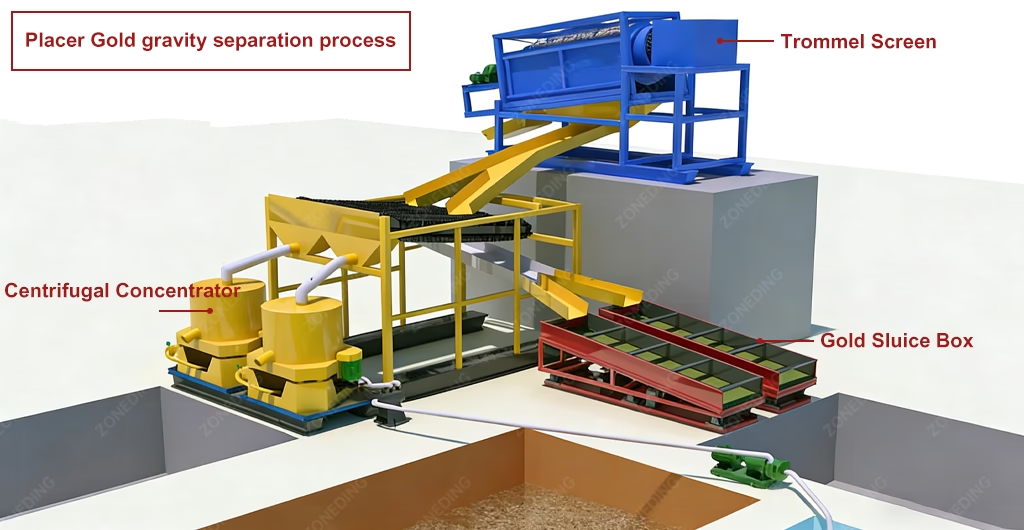
Gravity separation of gold is the cheapest way to get metal early. This method uses the weight of the gold to pull it out. Gold is much heavier than quartz or iron. It sinks fast in moving water. If an ore has “free gold,” this step is a must. Catching big gold particles early stops them from getting lost in the pipes. It also reduces the work for the chemical tanks later.
I suggest using a Centrifugal Concentrator for this task. These machines spin fast to create high force. This force catches even tiny gold flakes. Gravity tools do not use chemicals. This makes them very clean and cheap to run. Even a small gold processing plant can use a shaking table. This table separates gold into a visible line. It is a very reliable way to see the gold quality in real time.
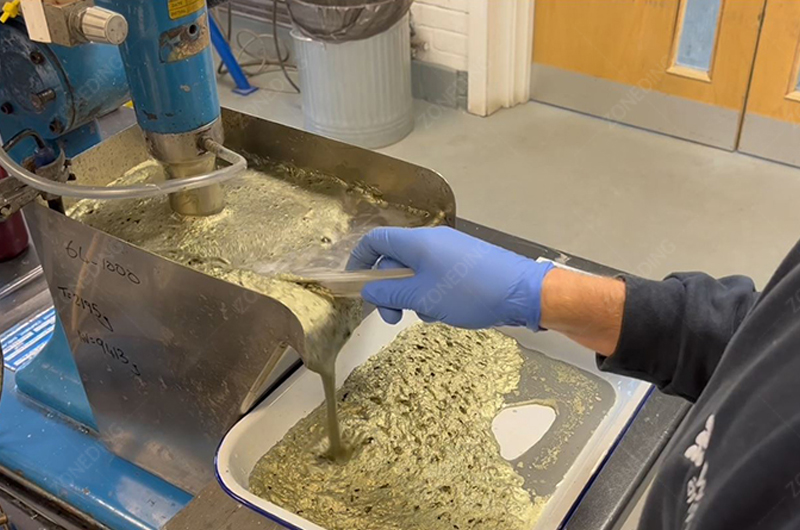
Flotation uses air bubbles to lift gold to the top of a tank. This works best for gold that is stuck inside sulfide minerals like pyrite. The chemicals make the gold-bearing minerals stick to the bubbles. If the mix is wrong, the bubbles will pop or ignore the gold. This is where many plants lose their gold recovery rate. Managing the pH level of the water is the first step. Most gold floats best when the water is slightly alkaline.
I recommend using a Flotation Machine with adjustable air flow. The bubbles must be small and steady. Big bubbles are violent and drop the gold back down. The chemicals, called collectors and frothers, must be added in small doses. Adding too much is a waste of money. Also, some chemicals fight each other. I have found that testing the water every two hours prevents big losses. This keeps the gold ore dressing process stable all day.
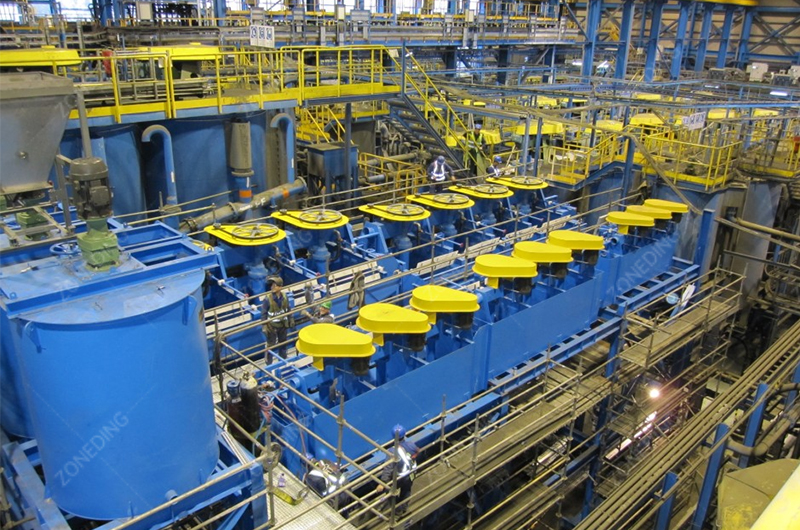
| Reagent Type | Function | Result |
|---|---|---|
| Collector | Makes gold stick to air | Higher total gold recovery |
| Frother | Makes strong bubbles | Stable foam that carries gold |
| Modifier | Fixes the water pH | Best environment for chemicals |
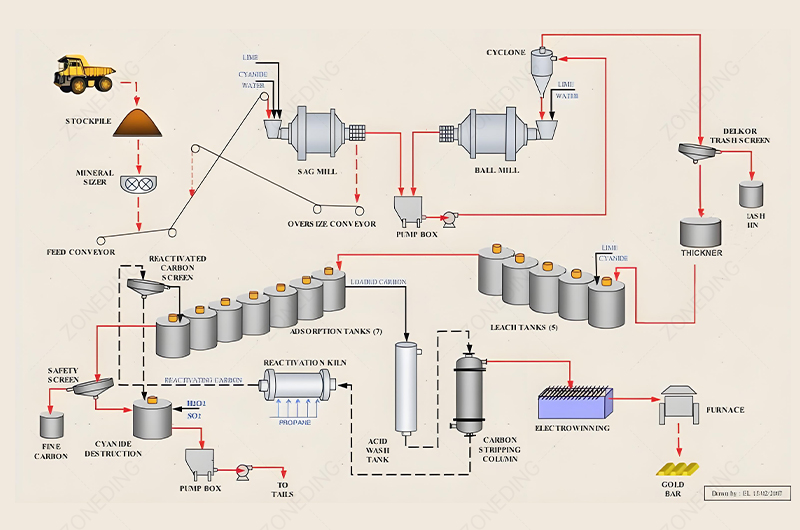
The choice between CIL and CIP depends on the ore type. Both use activated carbon to soak up gold from a liquid. CIP means Carbon-In-Pulp. Here, the gold is dissolved first, then carbon is added. CIL means Carbon-In-Leach. In this way, the gold is dissolved and soaked up at the same time. CIL is the most common choice now. It is better for ores that have clay or organic carbon.
I have seen CIL save projects that were failing. Some ores have “preg-robbing” materials. These materials act like magnets and steal the gold before the plant can catch it. In a CIL tank, the activated carbon is much stronger. It wins the race and catches the gold first. This is a huge help for the gold recovery rate. CIP is still good for very clean ores. But CIL needs fewer tanks and less space. This lowers the cost of building the gold processing plant.

Complex ores are called “refractory” because they resist simple treatment. Gold in these rocks is often hidden inside arsenic or sulfur. Normal chemicals cannot reach it. To fix this, the rock must be changed before leaching. This is a hard part of the gold ore dressing process. One way is roasting. This burns off the sulfur and arsenic. But it can cause air pollution if not done right.
Another way is ultra-fine grinding. I have seen mines grind ore to 10 microns. This breaks the “cages” around the gold. It is a very clean method. Bio-leaching is also an option. This uses special bacteria to eat the sulfur. It is slow but very cheap to run. For these ores, the gold recovery rate can be as low as 30% without pre-treatment. With the right prep, it can reach 90%.
Automation stops human errors in the gold ore dressing process. In an old plant, workers might forget to add chemicals. Or they might feed the mill too fast. Automation uses sensors to watch these things. It keeps the gold processing plant running at the best speed all day. This leads to a much more stable gold recovery rate. Even a 1% increase in recovery can pay for the sensors in a few months.
I suggest using sensors for the mill load and the water flow. A PLC system can adjust the Vibrating Feeders automatically. This ensures the ball mill is always at its best capacity. Sensors can also check the pH in the flotation tanks. If the pH drops, the system adds lime immediately. This fast action keeps the gold from sinking to the bottom. It makes the final concentrate grade much higher and more consistent.
Question 1: What is the most common reason for low gold recovery?
The most common reason is bad grinding size. If the ore is too coarse, the gold is trapped. If it is too fine, the gold is lost as slime. Always check your grind size every two hours.
Question 2: Can I recover gold without using cyanide?
Yes. You can use gravity separation and flotation. These methods do not use cyanide. However, they may not catch 100% of the gold. They work best for coarse or sulfide gold.
Question 3: How can I recover gold from old tailings?
You can use a Fine Sand Recovery Machine or a centrifugal concentrator. Many old tailings still have fine gold that was missed. Re-grinding them and using CIL is also a common way.
Question 4: Why is my flotation froth too thin?
This usually means you lack frother or the air flow is too low. Also, check the water quality. Oil or grease in the water can kill the froth and drop the gold.
Question 5: Does water recycling affect gold recovery?
Yes. If the water has too many old chemicals or salts, it can slow down the leaching. You must clean the water or add some fresh water to the mix.
ZONEDING is a professional manufacturer of mining and mineral processing equipment. Since 2004, we have provided high-quality crushers, mills, and flotation machines to 120 countries. Our team of 15 expert engineers designs full production lines for gold, copper, and iron mines. We offer factory-direct sales to give you the best price and full-service support. From design to installation, ZONEDING helps you succeed in the mining business.
Contact ZONEDING for a free project quote and expert advice.
Learn how ball mill feed size affects throughput, kWh/t, grinding efficiency, and the total cost of crushing and grinding.
View details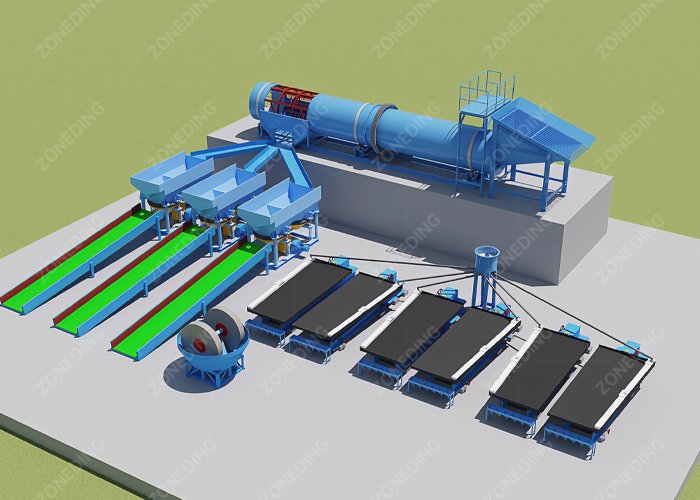
Stop fine gold loss by using a combination of high-energy washing and centrifugal separation. Most mines lose 30% of their gold because they only use simple sluice boxes. Successful alluvial gold processing technology requires a multi-st...
View details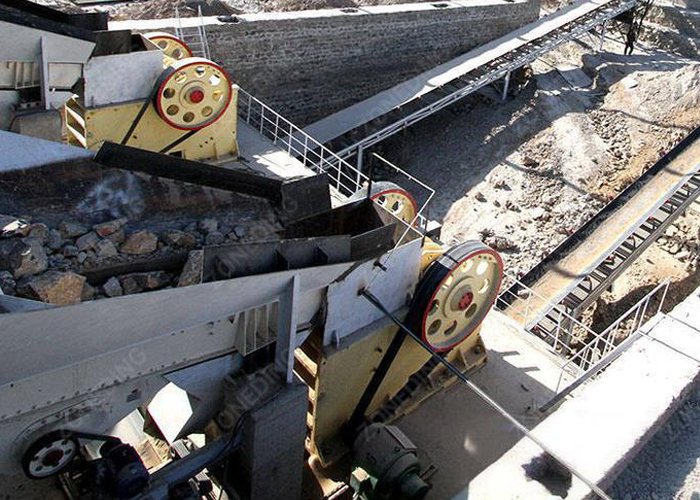
Fifty years of experience across global mining sites reveals that plant managers frequently struggle with high costs and machine failures. Profitability depends on the selection of the correct mining crushing equipment. Understanding hidden wear p...
View details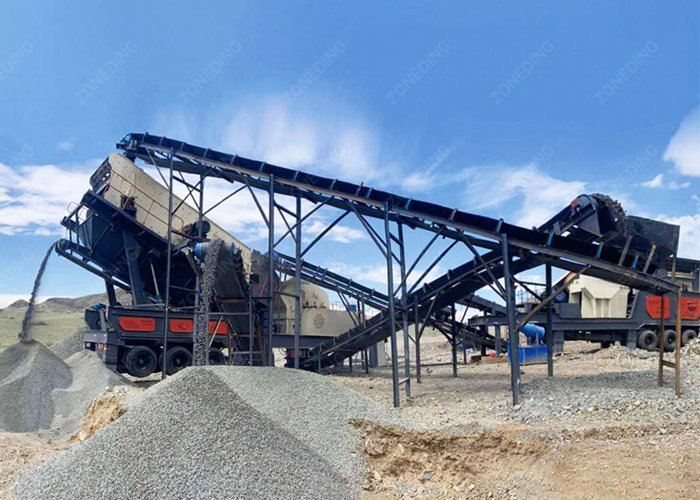
A represents the peak of integrated mineral processing technology. This machine functions as a complete factory on wheels or tracks. It performs feeding, crushing, and screening in one continuous flow. This setup eliminates the need for expensive ...
View details