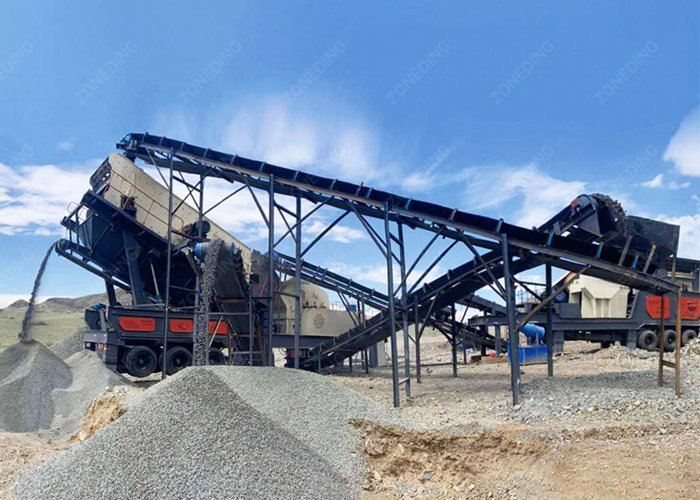
Proper crushing production line equipment configuration determines the final aggregate quality and daily operational cost. Correct aggregate equipment selection prevents material blockages and reduces wear part consumption. A scientific crushing system design relies on rock mechanics and fluid dynamics. This guide explains equipment selection based on feed size, rock hardness, and final capacity requirements.
How Do Vibrating Feeders Control Feed Rates to Prevent Primary Crusher Blockages?
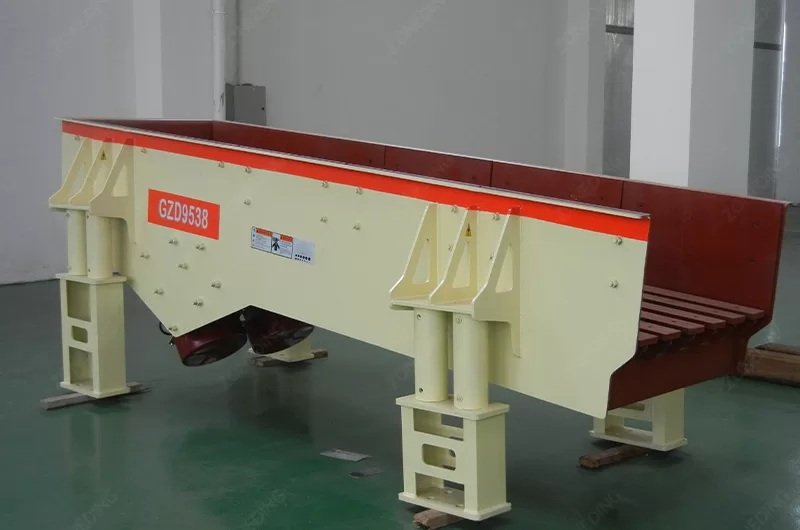
Vibrating feeders control the raw material flow speed to match the exact swallowing capacity of the primary crusher. They use eccentric shafts to generate continuous vibrations. This continuous movement pushes large rocks forward evenly. Stable feeding prevents the primary crushing chamber from overflowing. The primary crushing stage faces the highest risk of mechanical blockage. Huge boulders dump directly from mining trucks into the raw material hopper. If all these rocks slide into the crusher simultaneously, the crushing chamber chokes. The machine stops completely. Clearing a choked crusher takes hours of dangerous manual labor. Installing heavy-duty eliminates this problem entirely. These machines feature adjustable variable-frequency drives. The operator changes the vibration frequency based on the rock size. Slower vibrations reduce the feed rate for massive boulders. Faster vibrations increase the feed rate for smaller, easily crushed rocks. Grizzly bars form the end section of the feeder pan. These parallel steel bars perform a crucial pre-screening function. Small stones and loose dirt fall through the gaps between the bars. This dirt bypasses the primary crusher completely. Sending clean, oversized rocks into the crusher increases the actual crushing efficiency by 20%. Dirt and wet mud cause severe sticky blockages inside the crushing chamber. Removing the mud beforehand reduces wear and tear on the primary crusher plates. Feeder selection directly dictates the continuous operational time of the entire plant.
Feeder Selection Requirements
Selecting the right feeder depends heavily on the maximum boulder size and the required hourly tonnage. A weak feeder motor fails to move heavy rocks. A narrow feeder pan causes rocks to wedge against the side walls. Matching the feeder width to the crusher feed opening is mandatory. Proper alignment prevents material spilling and belt damage.
vibrating feeder
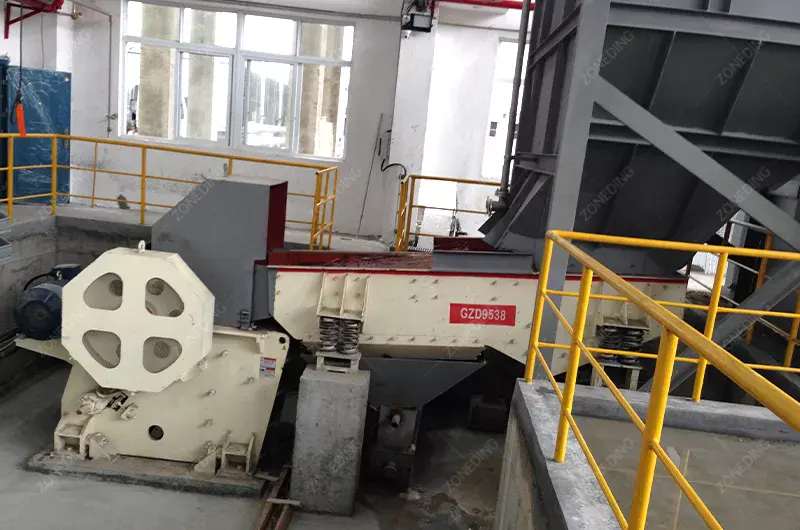
Vibrating Feeder & Jaw Crusher: Primary Crushing System
Rock Size Limit
Feeder Type
Drive Mechanism
Practical Benefit
Over 800mm
Heavy Grizzly Feeder
Dual Eccentric Shaft
Handles massive impact forces
400mm – 800mm
Standard Vibrating Feeder
Unbalanced Motor
Offers precise speed control
Under 400mm
Reciprocating Feeder
Mechanical Linkage
Provides steady flow for wet materials
Feeder Setup Advice
Drop Height: Keep the drop distance from the truck to the feeder under 3 meters to prevent plate deformation.
Variable Frequency: Install a VFD control cabinet to adjust the material flow rate instantly during operation.
Grizzly Gap: Set the grizzly bar gap 10% smaller than the primary crusher closed side setting.
How to Choose Between Jaw Crushers and Gyratory Crushers for Primary Crushing?
Choosing the primary machine depends strictly on the hourly capacity target and the maximum feed block size. Jaw crushers dominate medium capacities. Gyratory crushers handle extreme capacities.
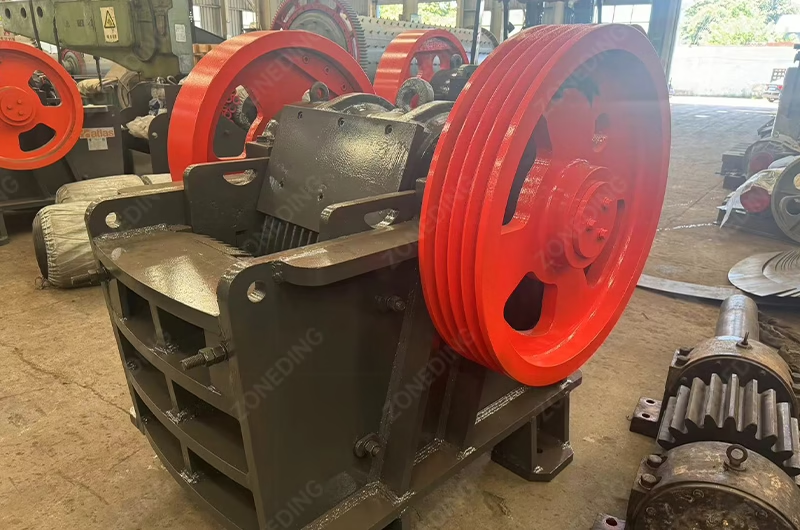
Jaw crusher
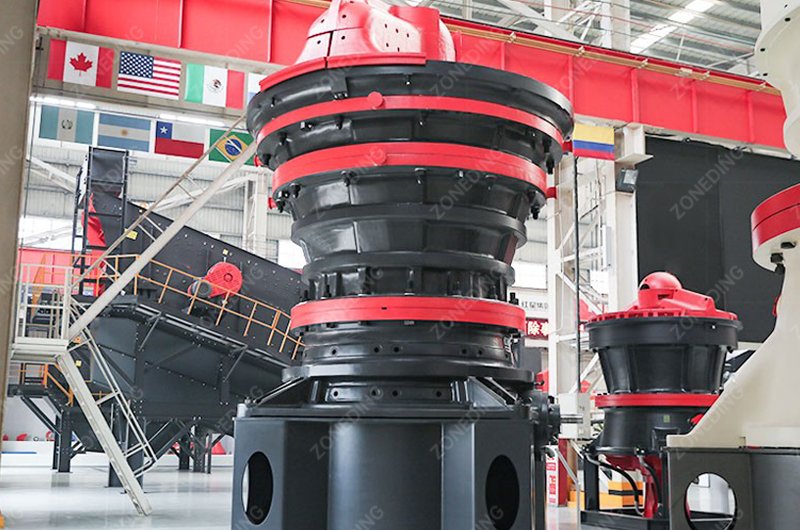
Gyratory Crusher
The jaw crusher vs gyratory crusher debate focuses on capital investment versus operational scale. Jaw Crushers utilize a simple mechanical principle. A moving jaw plate squeezes rocks against a stationary jaw plate. This V-shaped chamber handles very hard and highly abrasive materials easily. The initial purchase cost remains relatively low. Replacing the manganese steel jaw plates takes only a few hours. These machines perfectly match projects requiring 100 to 800 tons per hour. The rectangular feed opening accepts large, flat boulders efficiently. However, they do not accept direct truck dumping easily. A heavy-duty vibrating feeder is always necessary to regulate the input. Gyratory crushers operate on a different scale entirely. A massive conical head gyrates inside a bowl assembly. This creates continuous crushing action along the entire circular chamber. Continuous crushing generates massive throughput. These machines routinely process 1000 to 3000 tons per hour. The circular feed opening is enormous. Large mining trucks dump directly into the gyratory crusher without a feeder. This simplifies the plant layout significantly. The initial investment costs millions of dollars. The foundation requires massive concrete civil works. Only giant commercial quarries and major metal mines justify the cost of a gyratory crusher.
Chamber Dynamics Comparison
The internal chamber shape dictates the output particle size distribution. Jaw crushers produce a high percentage of flat and elongated stones. The secondary crushing stage must correct these bad shapes. Gyratory crushers produce a slightly better initial shape due to the curved crushing surface. Both machines primarily reduce huge boulders into manageable sizes for the secondary stage.
Machine Type
Capacity Range
Truck Dumping
Practical Benefit
Jaw Crusher
100 – 800 TPH
Requires Feeder
Low initial cost and easy maintenance
Gyratory Crusher
1000 – 3000 TPH
Direct Dumping
Massive throughput for mega projects
Why Use Cone Crushers for Hard Rock and Impact Crushers for Soft Rock?
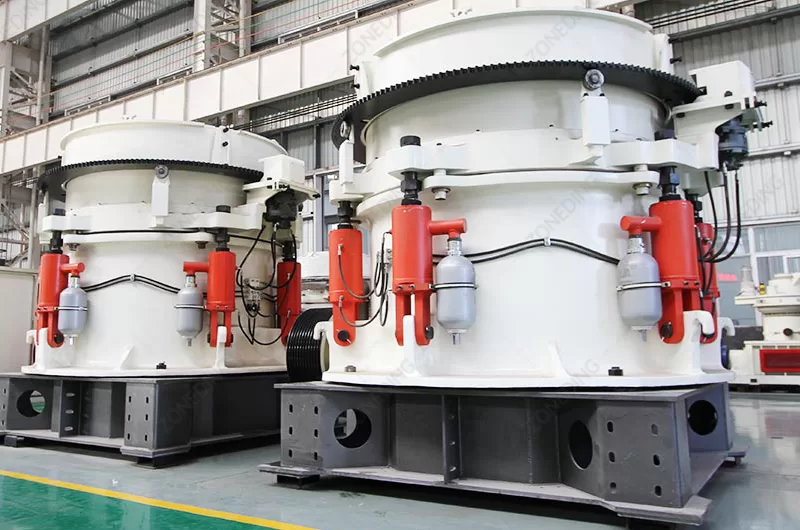
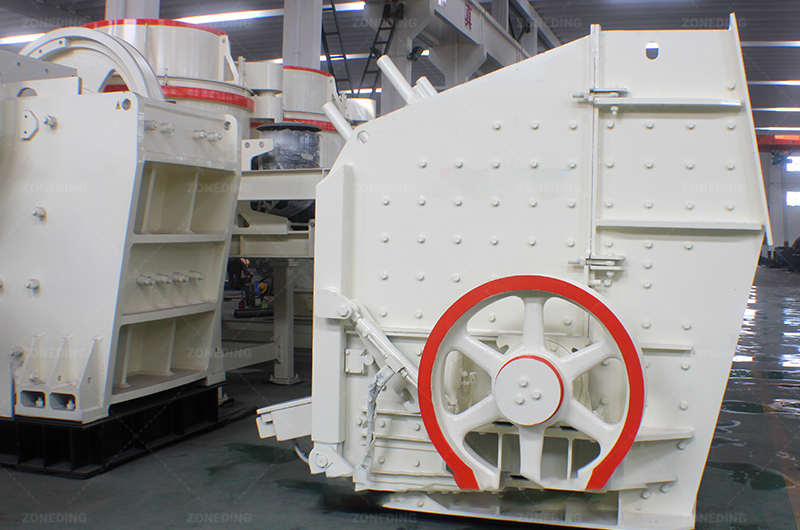
Cone crushers use compression force to break hard rock, minimizing wear part consumption. Impact crushers use high-speed striking force, which is only economical for soft rock. The physical hardness of the raw material dictates the secondary crushing technology. Hard rocks include granite, basalt, and river pebbles. These materials contain high levels of silica. Silica causes extreme abrasion on metal surfaces. Cone Crushers handle this abrasion effectively. The machine crushes rocks by squeezing them between a moving mantle and a stationary bowl liner. The rocks break against each other, known as inter-particle comminution. This compression action minimizes direct scraping against the metal liners. The manganese liners last for weeks or months in hard rock applications. Cone crusher application guarantees continuous operation and low maintenance costs in highly abrasive quarries. Soft rocks include limestone, gypsum, and coal. These materials break easily with a sharp blow. Impact Crushers use heavy blow bars mounted on a spinning rotor. The rotor throws the rocks violently against steel impact plates. This high-speed collision shatters the soft rock instantly. This shattering effect produces perfectly cubical aggregate shapes. The final product quality is excellent. However, putting hard granite into an impact crusher is a financial disaster. The abrasive silica destroys the expensive chrome blow bars in just a few days. Impact crusher cost calculations show massive savings for limestone but terrible losses for granite.
Cone Crusher
Impact Crusher
Secondary Crushing Cost Analysis
Matching the machine to the rock hardness controls the long-term profitability. High-pressure grinding rolls (HPGR) also offer an alternative for extremely hard ores, creating micro-cracks to save downstream milling energy. However, for standard aggregates, cone crushers remain the industry standard for hard materials.
Rock Type
Recommended Machine
Crushing Action
Practical Benefit
Granite / Basalt
Cone Crusher
Compression
Long wear life and low operating cost
Limestone
Impact Crusher
High-Speed Impact
Excellent stone shape and high reduction ratio
River Gravel
Cone Crusher
Compression
Prevents rapid destruction of steel parts
Maintenance Planning Advice
Hard Rock: Check the cone crusher hydraulic oil pressure daily to ensure proper mantle support.
Soft Rock: Rotate the impact crusher blow bars periodically to maintain a sharp striking edge.
Feed Size: Never exceed the maximum feed size printed on the machine nameplate to prevent rotor damage.
Why Does Aggregate Production Require a VSI Crusher for Shaping?
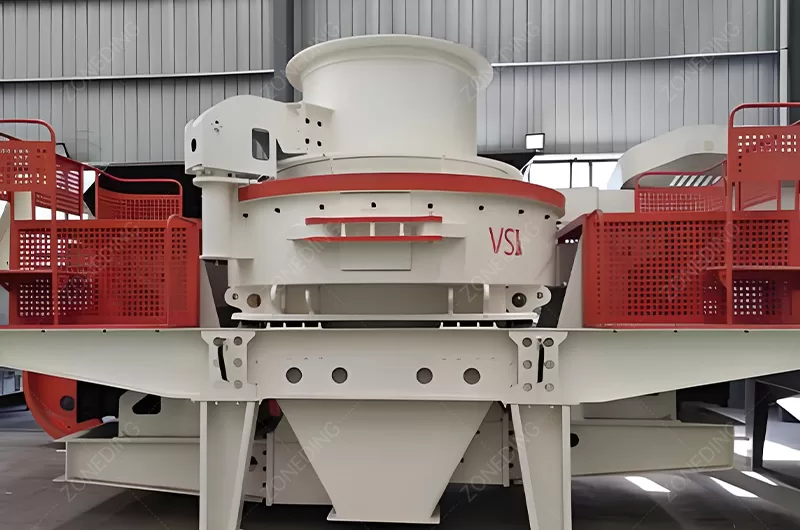
A Vertical Shaft Impact (VSI) crusher eliminates flat and elongated stones, producing the highly cubical aggregates required for high-strength concrete. Standard compression machines like jaw and cone crushers often produce poorly shaped stones. These stones look like needles or flat plates. Concrete mixing plants reject these flat stones. Flat stones break easily under heavy pressure. They also create large gaps in the concrete mix. Filling these gaps requires massive amounts of expensive cement powder. High-speed roads, bridge pillars, and skyscraper foundations demand perfectly cubical stones. A Sand Making Machine (VSI Crusher) solves this shaping problem entirely. It acts as the final quality control stage in the crushing system design.
Sand Making Machine
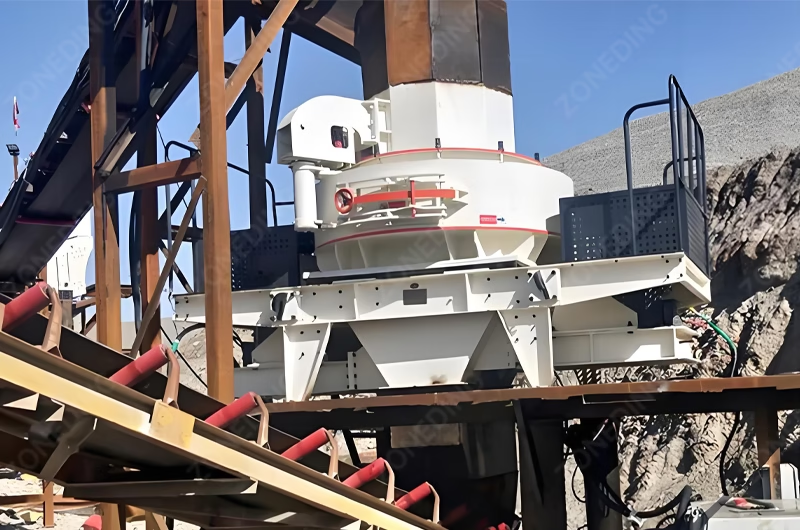
Sand Making Machine Customer Site
VSI crusher shaping utilizes the “rock-on-rock” crushing principle. A high-speed central rotor throws stones outward at extreme velocities. These flying stones collide violently with a stationary wall of other stones inside the crushing chamber. The impact chips off all the sharp edges and thin points. The stones grind against each other, rounding into perfect cubes. This process produces very little wear on the machine’s steel parts because the rocks destroy each other. VSI crushers also generate a large percentage of manufactured sand (0-5mm) during this shaping process. This dual function of shaping coarse aggregate and manufacturing fine sand maximizes the final product value.
How to Match Vibrating Screen Mesh Sizes to Prevent Aggregate Mixing?
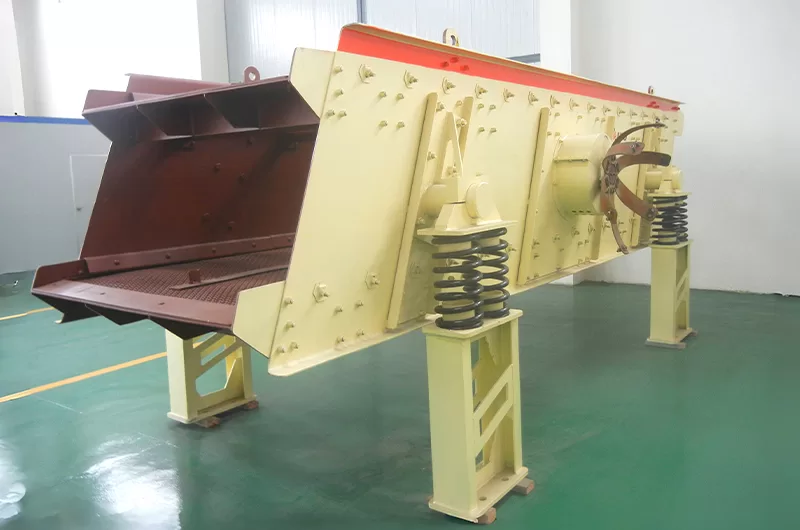
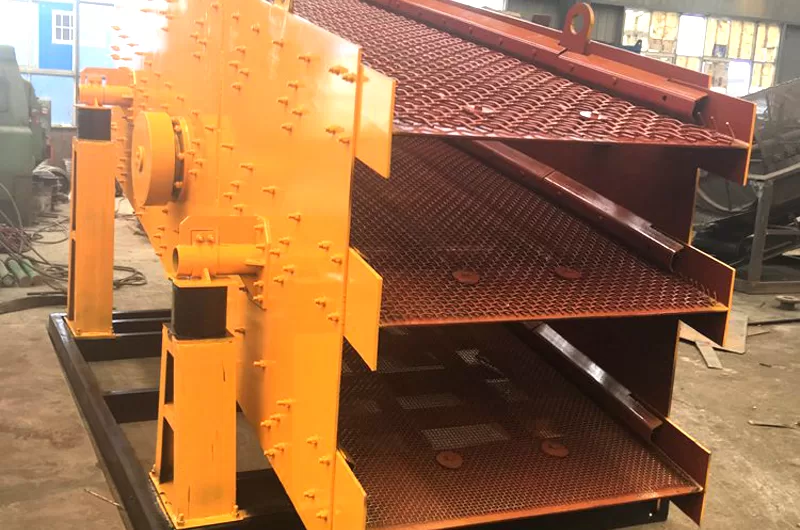
Correct vibrating screen mesh configuration controls the material flow speed and ensures precise particle stratification. Matching the mesh aperture to the target product size prevents oversized stones from contaminating the final stockpile. Screening efficiency directly determines the final product specification. Vibrating Screens separate mixed crushed stones into distinct commercial sizes. A typical screen uses three or four layers of steel or polyurethane mesh. The top layer has the largest holes, capturing oversized rocks and sending them back to the crusher. The bottom layer has the smallest holes, usually filtering out sand and dust. If the mesh holes are incorrectly sized, smaller stones ride on top of larger stones. This causes severe product mixing. A stockpile of 20mm aggregate containing 10% of 40mm aggregate gets rejected by buyers immediately. Stratification requires proper vibration amplitude and deck angle. The screen must throw the rocks upward and forward. This shaking action forces the small stones to sink to the bottom of the material bed. The small stones then touch the mesh and fall through the holes. If the material bed is too thick, the small stones never reach the mesh. Adjusting the feed rate ensures a thin, even layer of rocks spreads across the entire screen deck. Polyurethane mesh panels offer significant advantages over woven steel wire. Polyurethane flexes slightly during vibration. This flexing action ejects small stones wedged in the holes, preventing screen blinding and maintaining high sorting efficiency.
Vibrating Screen
Vibrating Screen
Screen Deck Layout Details
The screen inclination angle controls how fast the rocks travel over the mesh. A steep angle speeds up the travel but reduces sorting accuracy. A flat angle slows down the travel and increases accuracy.
Screen Deck
Hole Size Example
Function
Practical Benefit
Top Deck
40mm
Removes Oversize
Protects lower decks from heavy impacts
Middle Deck
20mm
Produces Coarse Stone
Separates premium road base materials
Bottom Deck
5mm
Separates Sand
Isolates fine sand for washing
How Do Sand Washers and Fine Sand Recovery Machines Work Together?
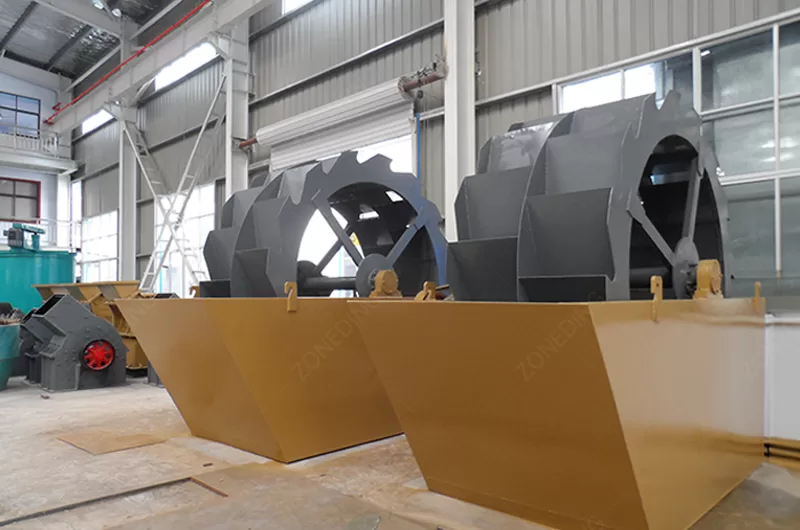
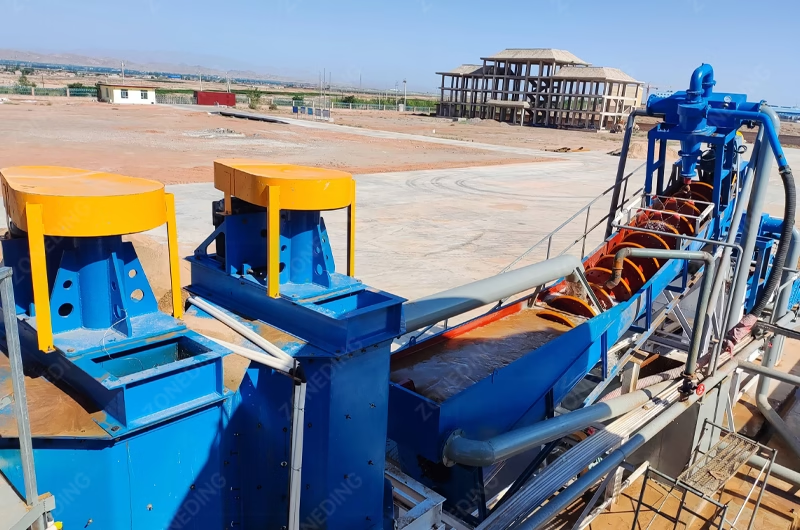
The sand washer recovery system combines a water wheel washer with a hydrocyclone to clean the sand and capture valuable micro-particles. Manufactured sand contains large amounts of stone powder and clay. Concrete plants reject dirty sand. Washing the sand removes this dirt. A traditional wheel Sand Washer rotates steel buckets through a water tank. The buckets scoop up the clean sand and let the dirty water drain away. However, this simple process creates a massive problem. The draining dirty water carries away up to 20% of the valuable fine sand (particles between 0.1mm and 0.5mm). Losing this fine sand destroys the particle gradation curve. The resulting sand feels too coarse and makes harsh, unworkable concrete.
Sand washing machine
Spiral sand washing machine
Adding a fine sand recovery machine solves this loss. This machine uses a high-pressure slurry pump and a hydrocyclone. The pump sends the dirty overflow water from the wheel washer into the hydrocyclone. Centrifugal force inside the cyclone separates the heavy fine sand from the lightweight mud. The clean fine sand discharges from the bottom and drops onto a high-frequency dewatering screen. The dewatering screen removes the remaining moisture. Mixing this recovered fine sand back into the main stockpile restores the perfect gradation curve. This complete washing and recovery loop maximizes resource utilization and significantly boosts daily revenue.
How Much Infrastructure Cost Does a Mobile Crusher Save?
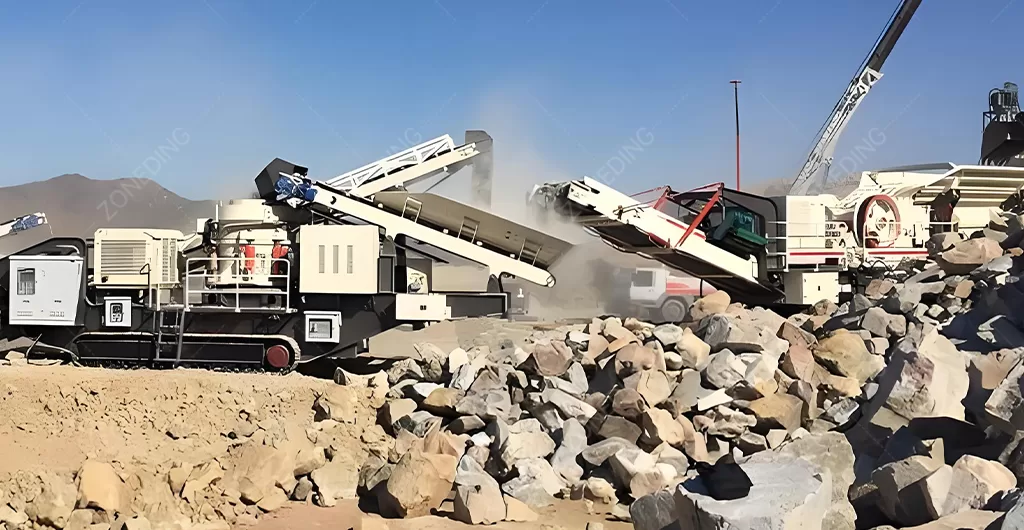
A mobile crushing station eliminates concrete foundations, reduces installation time to zero, and slashes material hauling costs. Building a stationary crushing plant requires massive civil engineering. Excavators must dig deep trenches. Contractors must pour hundreds of tons of reinforced concrete. The concrete needs weeks to cure. Assembling the steel structures and wiring the electrical panels takes several more weeks. A Mobile Crushing Station bypasses this entire process. The crushers, screens, and conveyors arrive pre-mounted on heavy-duty steel chassis. These machines drive directly into the quarry and start producing aggregate on the very first day. The initial infrastructure cost drops to near zero.
Mobile Crushing and Screening Plant
Mobile crusher cost benefits extend to daily operations. In a stationary plant, dump trucks burn massive amounts of diesel moving raw rocks from the blasting face to the primary crusher. As the blasting face moves further away over the years, the hauling distance increases. Transport costs destroy the profit margin. A mobile crusher moves along with the blasting face. The excavator loads rocks directly into the mobile hopper. Short-distance dump truck hauling is completely eliminated. Tracked mobile plants offer the highest flexibility, navigating muddy terrain and steep slopes with ease. Wheeled mobile plants offer fast highway towing between different project sites.
Cost Comparison Data
Mobile equipment commands a higher initial purchase price. However, the elimination of civil works and hauling trucks results in a much faster return on investment.
Expense Category
Stationary Plant
Mobile Plant
Practical Benefit
Concrete Foundations
High Cost (Weeks)
Zero Cost
Immediate production startup
Installation Labor
High Cost (Weeks)
Minimal (Hours)
Reduces specialized labor fees
Internal Hauling
High Fuel Cost
Zero Fuel Cost
Eliminates dump truck fleet
Frequently Asked Questions
Question 1: Can a jaw crusher produce perfectly cubical stones? No. Jaw crushers naturally produce a high percentage of flat and elongated stones due to the V-shaped compression chamber. A secondary cone or VSI crusher is always required for proper shaping. Question 2: Why does the cone crusher hydraulic oil overheat? Overheating occurs when the feed material is too fine, causing the machine to work too hard. It also happens if the cooling radiator gets clogged with thick quarry dust. Question 3: How often do impact crusher blow bars need replacement? Crushing soft limestone allows blow bars to last several weeks. Crushing hard granite destroys blow bars in two or three days. Material hardness dictates the replacement schedule entirely. Question 4: Does washing sand reduce its final selling price? Washing sand significantly increases its selling price. Clean sand bonds perfectly with cement, creating stronger concrete. Unwashed dirty sand causes concrete structures to crack and fail. Question 5: Can a mobile crusher connect to the city power grid? Yes. Modern wheeled and hybrid-tracked mobile crushers feature dual-power systems. Plugging into the cheap city grid lowers daily operating costs significantly compared to burning diesel fuel.
About ZONEDING
ZONEDING manufactures premium mineral processing and crushing equipment for the global aggregate and mining industries. The product range covers everything from heavy-duty jaw crushers to intelligent mobile stations. Advanced manufacturing facilities and strict quality control ensure durable performance in the harshest quarry environments. A dedicated global engineering team provides customized plant design and full lifecycle support. Contact the technical team today for a detailed crushing system proposal.
I have worked in the mining and recycling industry for over 50 years. Choosing the best concrete crushing setups is the most important step for your profit. Many owners lose money because they pick the wrong bones for their machine. I will show yo...
Anti-clogging screening equipment provides the most reliable way to handle sticky materials in 2026. Traditional vibrating screens often fail when clay moisture exceeds 10%. This leads to frequent downtime and high cleaning costs. Our technic...
A represents the peak of integrated mineral processing technology. This machine functions as a complete factory on wheels or tracks. It performs feeding, crushing, and screening in one continuous flow. This setup eliminates the need for expensive ...
We use cookies to ensure that we give you the best experience on our website. If you continue to use this site we will assume that you are happy with it.
Privacy Policy
Send us a message
We would love to hear from you
Submit your question and our team will respond to the email provided as soon as possible.
 Zoneding Machine