Cone crusher performance analysis determines final aggregate quality. Machine technical parameters directly dictate operational success. Analyzing these parameters prevents expensive mechanical failures. This guide relies strictly on physical mechanics and actual engineering data. Equipment selection requires exact matching with specific rock types.
What Differences Exist Between Spring and Hydraulic Cone Crushers?
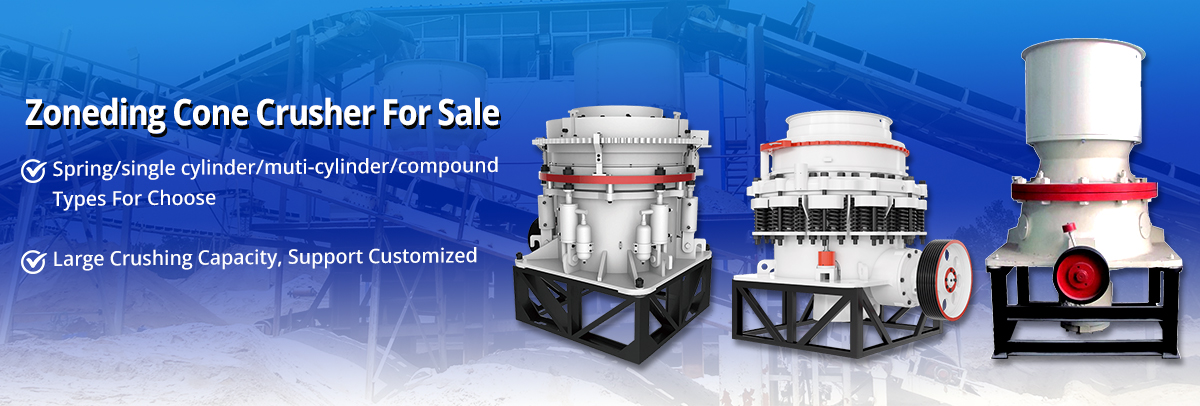
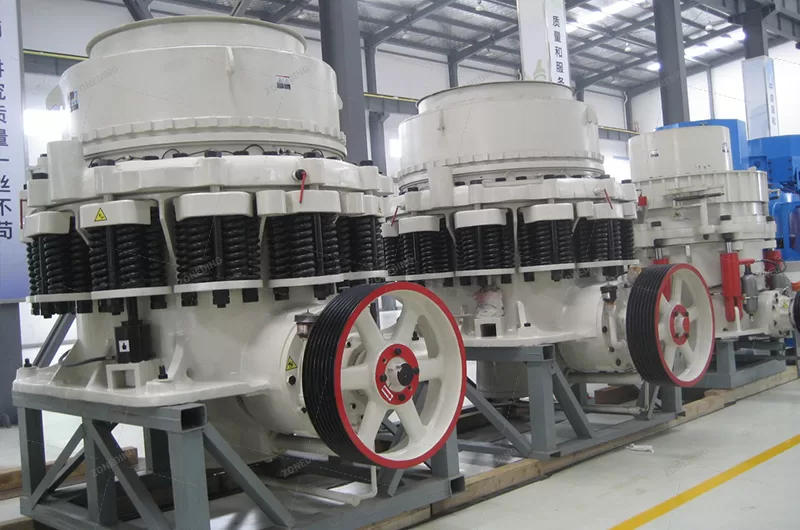
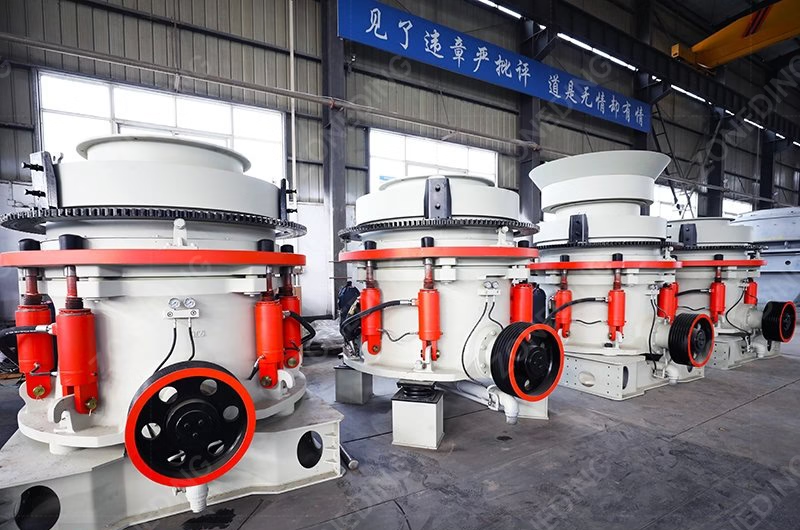
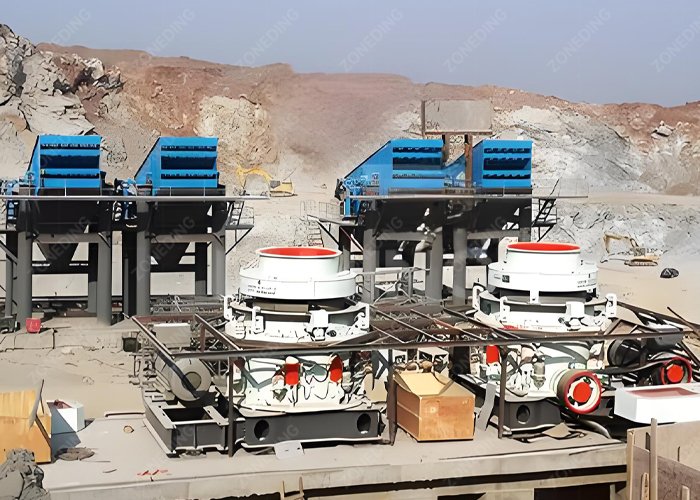
Spring cone crushers use mechanical coil springs for overload protection. Multi-cylinder hydraulic cone crushers use advanced hydraulic cylinders instead. Multi-cylinder structures provide higher crushing forces and operate at faster main shaft speeds. This structural upgrade fundamentally improves fine crushing efficiency. Modern multi-cylinder hydraulic crushers operate at very high speeds, usually between 750 and 1000 RPM. They use internal bronze bushings to support the massive main shaft. Fine rock dust easily destroys these precise copper parts. During normal operation, the rapid moving cone creates a strong piston effect. This movement sucks external dust directly into the sealing rings. Simple mechanical seals fail to stop this dust effectively.
Dust Prevention System Parameters
An independent positive pressure blower system is mandatory. This blower constantly pumps clean air into the sealing cavity. The internal air pressure remains 0.1 to 0.2 bar higher than the outside environment. This physical air barrier completely prevents dust entry. Clean lubricating oil extends bearing lifespan significantly. Routine maintenance requires checking the air filter element weekly. Blocked filters reduce the air pressure instantly and cause immediate contamination.
Spring Cone Crusher
Hydraulic Cone Crusher
Seal Type
Operating Pressure
Dust Prevention
Practical Benefit
Maze Seal
Ambient Pressure
Low
Basic protection for old equipment
Water Seal
Water Pressure
Medium
Prevents dust but risks water mixing
Positive Air
+0.2 Bar
Extremely High
Doubles bronze bushing lifespan
Practical Operation Tips
Blower Filter: Clean the air filter element every 50 working hours.
Oil Condition: Inspect the lubricating oil color daily to detect dust early.
Pressure Gauge: Install an alarm sensor on the positive pressure air line.
How Do Speed and Eccentricity Change Crusher Capacity?
Eccentricity determines the moving cone swing range. Main shaft speed dictates the crushing frequency. Large eccentric throws process large rocks quickly. Fast shaft speeds increase inter-particle crushing actions. These two cone crusher parameters define the total machine capacity. Motor power is often the only metric checked during equipment selection. The eccentric throw parameter is frequently ignored. The eccentric throw essentially defines specific cone crusher applications. A large eccentric throw creates a wide mechanical swing. Rocks fall through the crushing chamber very fast. This provides massive processing capacity but yields a low reduction ratio. This setup perfectly suits secondary crushing stages.
Small Eccentricity Applications
A short eccentric throw creates a narrow mechanical swing. Rocks receive three to five compression impacts before exiting the chamber. This yields a lower capacity but produces excellent product fineness. This setup belongs exclusively in tertiary or quaternary crushing stages. Specifying the correct eccentric sleeve configuration before ordering is necessary. Matching the throw to the process stage prevents oversized product issues.
How to Match Crushing Cavity With Feed and Discharge Sizes?
The maximum feed size must occupy 60% to 80% of the maximum feed opening. Matching these dimensions prevents severe electrical energy waste. Correct cavity selection ensures the machine uses its entire crushing volume. Standard coarse cavity liners are sometimes wrongly used for tertiary fine crushing. Very small stones are fed into a huge feed opening. These small stones fall directly to the bottom half of the chamber. The entire upper section performs zero mechanical work. This mismatch reduces the effective crushing volume drastically. The electrical energy consumption per ton increases by over 30%.
Liner Wear and Cupping
The bottom section of the liners experiences intense friction. This creates severe cupping wear at the discharge zone. These liners are often discarded even when the overall wear rate stays below 40%. Manufacturers design specific liner profiles, including extra coarse, coarse, medium, and fine types. Feeding oversized rocks into a fine cavity causes instant blockages. Proper feed gradation stabilizes motor amperage and maximizes output.
Cavity Type
Application Stage
Feed Size Ratio
Practical Benefit
Extra Coarse
Secondary
80% of Opening
Accepts largest possible rocks
Standard Medium
Secondary
70% of Opening
Balances capacity and reduction
Short Head Fine
Tertiary
60% of Opening
Produces maximum fine aggregates
Practical Operation Tips
Feed Gradation: Remove all fine dust from the raw material first.
Cavity Change: Replace both the mantle and bowl liner simultaneously.
Size Check: Measure the largest rocks on the feed belt weekly.
Why Use Short Head Cone Crushers in Metal Mines?
Short head cone crushers produce extremely fine particle sizes. They prepare the ore effectively for the downstream milling process. They successfully implement the more crushing less grinding process strategy. This reduces the heavy electrical load on the grinding mills. Metal ore processing requires liberating valuable minerals from the waste rock. High crushing ratios are absolutely essential for efficiency. A short head cone features a steep cone angle. It also has a long parallel crushing zone. This specific geometry forces the ore to undergo multiple high-pressure compressions.
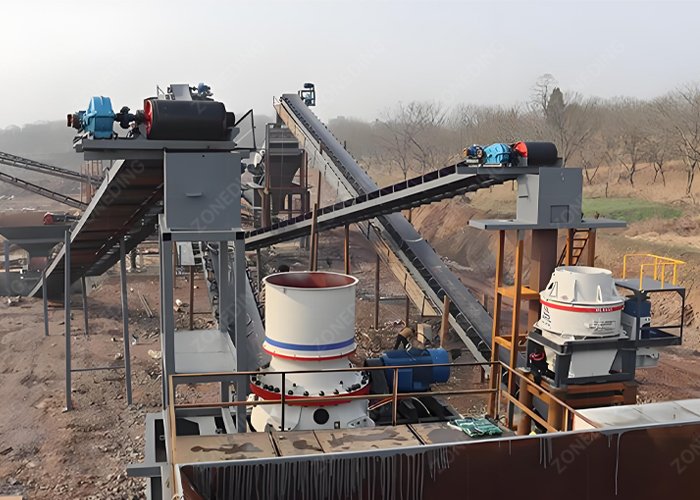
Hydraulic Cone Crusher
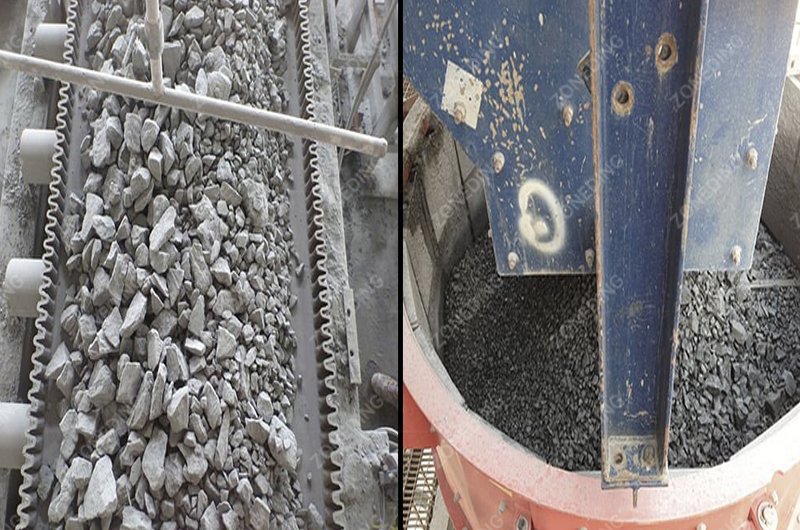
Cone Crusher For Crushing Stone
Saving Energy in Grinding
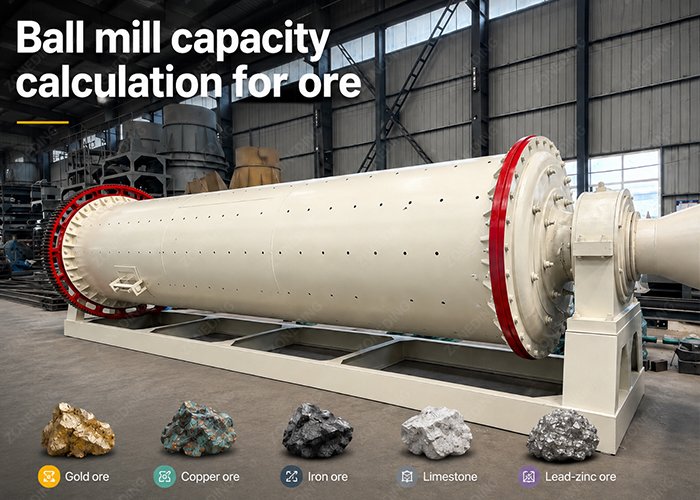
The resulting product contains a high percentage of fine particles under 12mm. Sending this fine material to Ball Mill Machines saves tremendous energy. Grinding consumes much more electricity than crushing. Every millimeter reduced in the crushing stage saves massive operational costs. This physical logic forms the core of efficient mineral processing design.
How Does Automation Adjust CSS Data Accurately?
Automation systems monitor motor power and hydraulic pressure to adjust the Closed Side Setting (CSS). This constant adjustment compensates for daily manganese liner wear. Maintaining a consistent CSS guarantees highly stable product quality. The CSS value is often mistakenly thought to equal the maximum discharged product size. This assumption is physically incorrect. Rocks possess natural elasticity and spring back after intense compression. The moving cone also undergoes slight mechanical yielding during peak crushing loads.
Screen Mesh Matching
If the CSS is set to 20mm for hard rock, 15% to 20% of the discharged material will measure 25mm to 28mm. The control panel displays the mechanical gap, not the final rock size. The CSS value should never be used to select Vibrating Screens mesh sizes. The check screen mesh must always be 20% to 30% larger than the CSS setting. This sizing difference prevents circulating load overloads.
How to Calculate and Minimize Mantle and Bowl Liner Wear Rates?
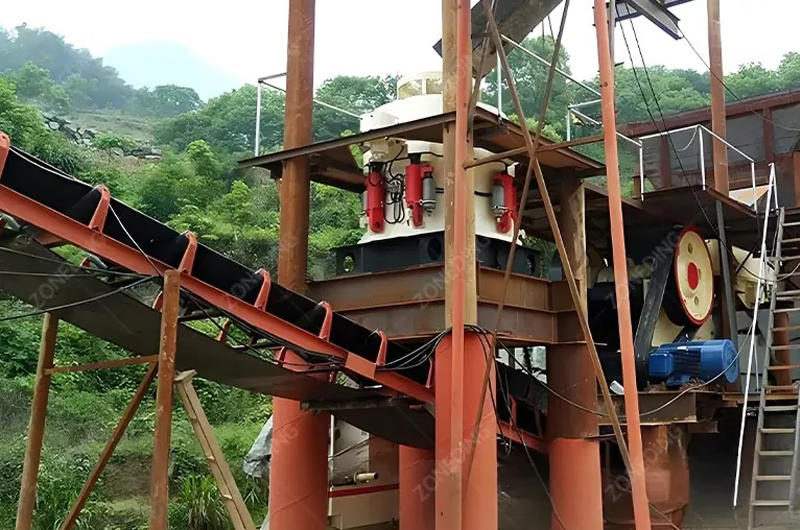
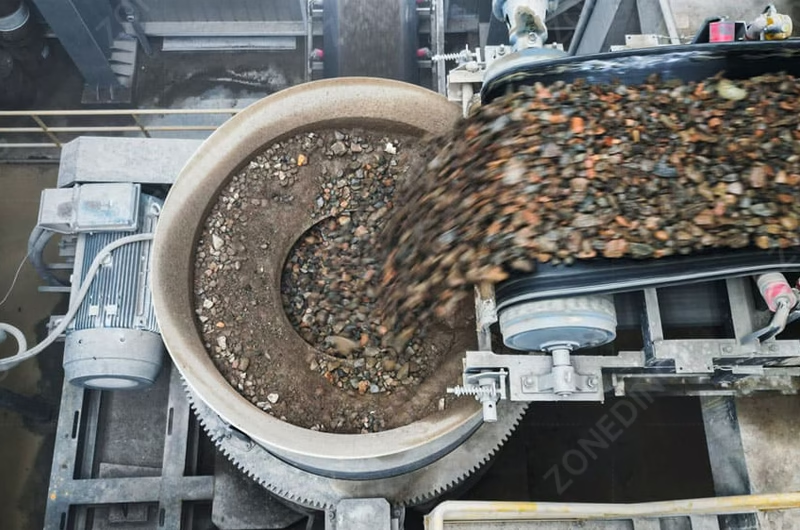
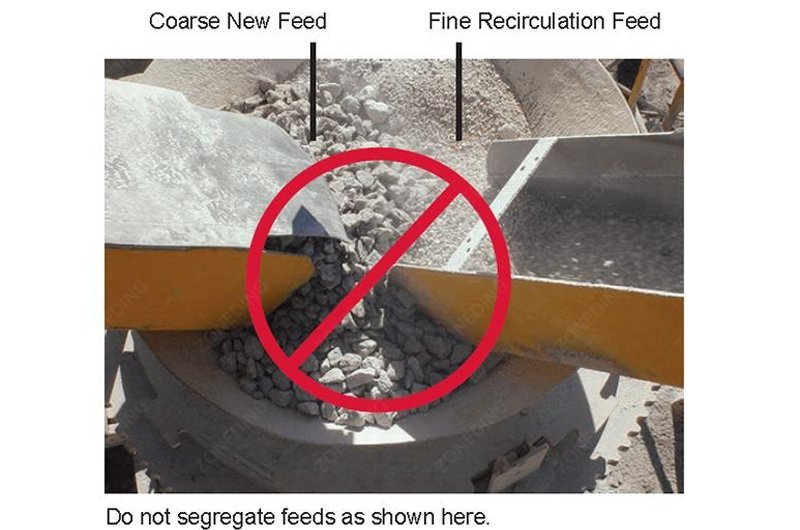
Liner wear rate depends on rock abrasiveness, crushed tonnage, and material feeding methods. Eliminating material segregation extends the physical lifespan of manganese steel liners significantly. Belt conveyors often throw material directly into the crusher feed hopper. Centrifugal force pushes large rocks to one side and fine sand to the other. This phenomenon is called material segregation. Segregation causes extreme uneven forces inside the crushing chamber. The coarse material side generates massive mechanical reaction forces. These forces tilt the main shaft violently during operation.
Protecting the Main Shaft
The tilted shaft destroys the hydrodynamic oil film between the bronze bushings. The localized temperature spikes rapidly and burns the copper parts. Feeding must remain center-aligned and choke-fed at all times. Installing a rock box above the feed plate forces the material to drop vertically. This simple addition distributes rocks evenly around the chamber. Controlling the feed flow via Vibrating Feeders is mandatory for stable operation.
How Do Hydraulic Systems Handle Packed Material and Iron?
Cone Crusher Material Segregation
Cone Crusher Feed Segregation Diagram
Hydraulic release cylinders push the adjustment ring upward when uncrushable objects enter. This opens the discharge gap wide enough to pass the object safely. The system resets automatically after the object clears. When processing sticky materials, the machine often experiences ring bounce. The adjustment ring lifts rapidly and repeatedly. Pumping more nitrogen gas into the hydraulic accumulators is a common but fatal mistake. The accumulator pressure limits are mathematically calculated based on the main frame strength.
Preventing Frame Cracks
Increasing this pressure forces the machine to absorb extreme overload forces. The thick steel main frame eventually develops irreversible fatigue cracks. Ring bounce indicates a severe process problem, not a machine setting error. The feed must be checked for tramp iron or excessive mud. Fixing the feed conditions prevents equipment destruction and ensures continuous production.
2026 Latest More Crushing Less Grinding Process Trends
The mineral processing industry heavily prioritizes energy reduction in 2026. High-pressure grinding rolls increasingly supplement traditional crushing circuits. These advanced machines generate internal micro-cracks within the complex ore structure. Artificial intelligence now monitors crushing circuits continuously. Software adjusts the equipment settings to maximize ultrafine particles.
Latest Tech Highlights
Smart Wear Sensors: Internal sensors measure liner thickness in real-time. They predict replacement dates accurately.
Variable Speed Drives: Main motors change rotation speed based on rock hardness variations on the belt.
Automated Clearing: Hydraulic systems clear packed chambers automatically within two minutes. Advanced control technologies stabilize the entire Iron Ore Processing Plant. Smooth crushing operations prevent sudden downstream mill fluctuations. Process stability directly translates into higher metal recovery rates and lower power bills.
Frequently Asked Questions
Question 1: Why does the cone crusher lubricating oil temperature rise rapidly? High oil temperatures indicate a destroyed oil film. Segregation feeding or worn bronze bushings cause metal-to-metal friction. The machine requires immediate inspection of the copper parts. Question 2: Can a standard cone crusher produce manufactured sand? No. Cone crushers utilize compression forces, which generate flat and elongated stone shapes. Manufactured sand production requires high-speed impact forces from a shaping crusher. Question 3: How often should nitrogen pressure be checked in accumulators? Checking the nitrogen gas pressure every month is standard. Low gas pressure reduces machine overload protection. Factory-recommended pressure limits must never be exceeded. Question 4: What causes cupping wear on the lower crushing liners? Feeding undersized rocks into a large crushing cavity causes this pattern. The upper chamber performs no mechanical work. Matching the feed size to the correct cavity profile solves this issue.
About ZONEDING
ZONEDING manufactures heavy-duty Stone Crushing Equipment for global mining and aggregate operations. The product portfolio includes advanced multi-cylinder hydraulic cone crushers engineered for maximum structural durability. Precision machining and strict factory quality control ensure stable performance in harsh environments.
Stone crushing is the first step in producing aggregates for roads, buildings, bridges, railways, and concrete plants. Every successful quarry or aggregate operation depends on choosing the right crushing method and equipment. However, many invest...
Aggregate plants face challenges with hard rock processing daily. Cone crushers in the aggregates industry solve this exact problem efficiently. High-grade construction projects require perfectly shaped stones constantly. These machines handle ext...
I have spent 50 years in the mining and recycling industry. I have seen people turn piles of trash into mountains of cash. But I have also seen many people lose everything because they bought the wrong machine. In 2026, urban recycling is a gold m...
We use cookies to ensure that we give you the best experience on our website. If you continue to use this site we will assume that you are happy with it.
Privacy Policy
Send us a message
We would love to hear from you
Submit your question and our team will respond to the email provided as soon as possible.
 Zoneding Machine