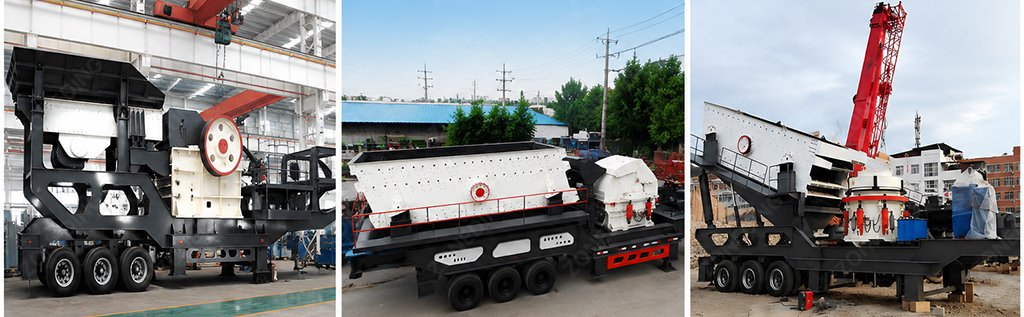
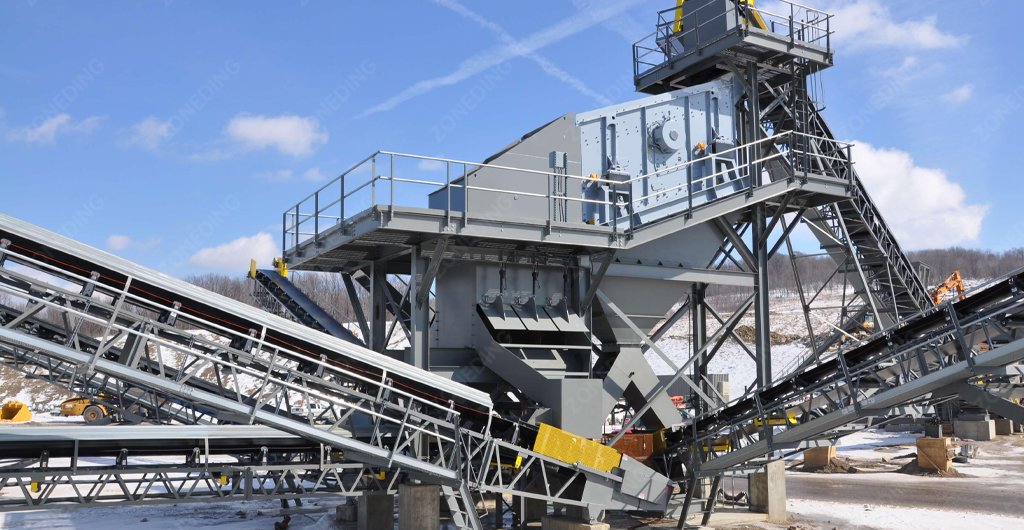
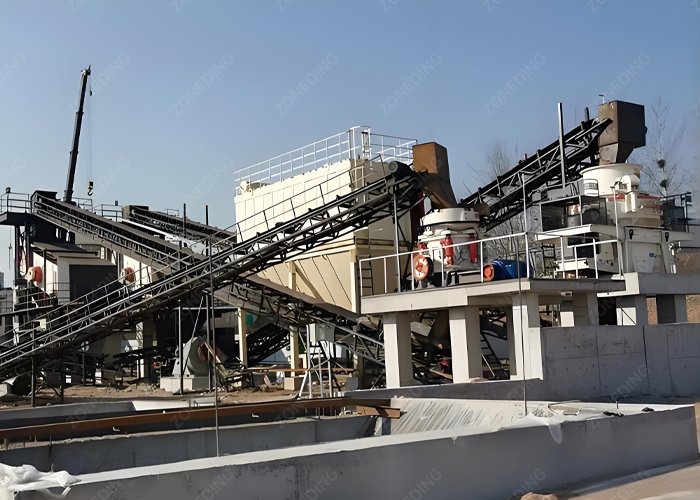
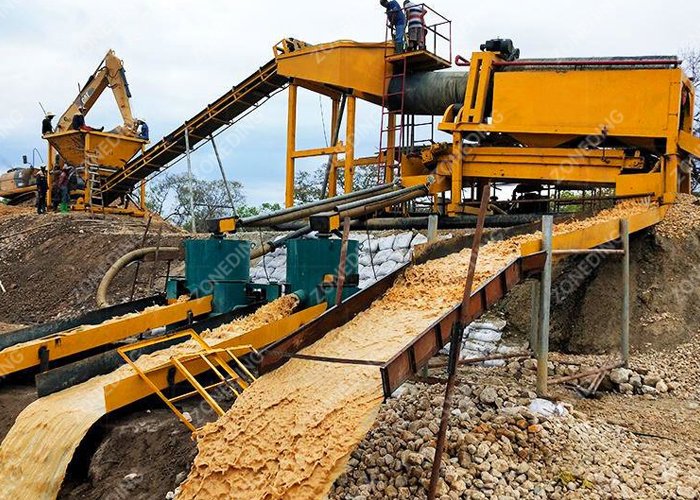
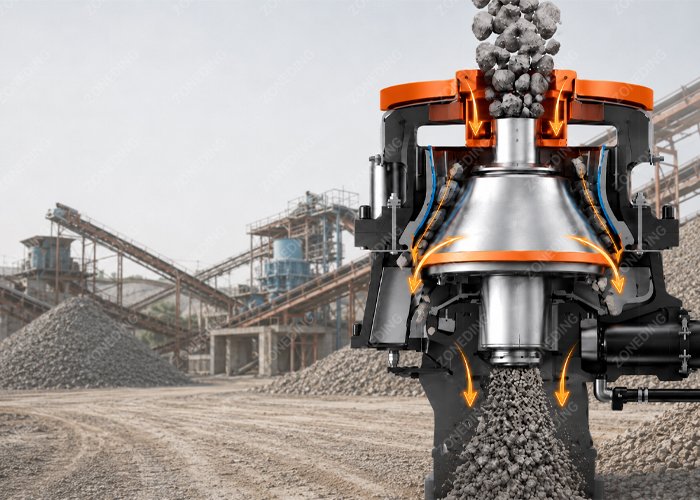
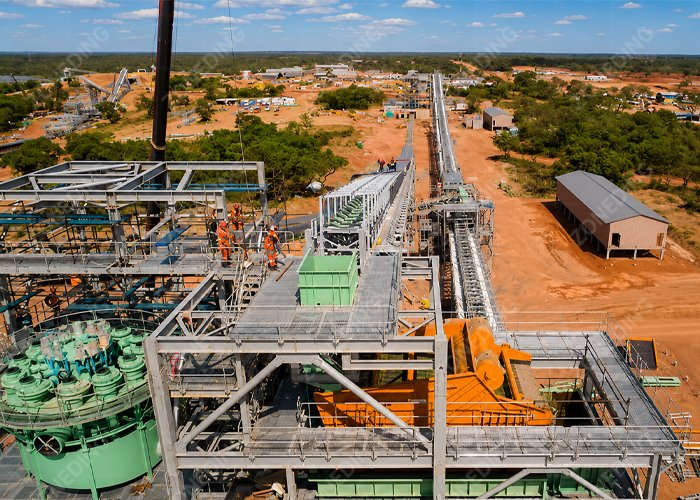
Small aggregate plants are growing rapidly in 2026 because many investors want lower startup risk, faster ROI, and simpler operations. A well-designed small crushing plant can generate stable profits with relatively low investment if the equipment matches local market demand and operating conditions.
Why Are Small-Scale Aggregate Plants Growing So Fast?
Small aggregate plants are expanding quickly because they require lower investment and can respond faster to local construction demand.
Many regions in Africa, Southeast Asia, and rural developing markets continue building roads, housing projects, and local infrastructure. Small quarry owners often prefer compact crushing systems because they are easier to transport, install, and maintain.
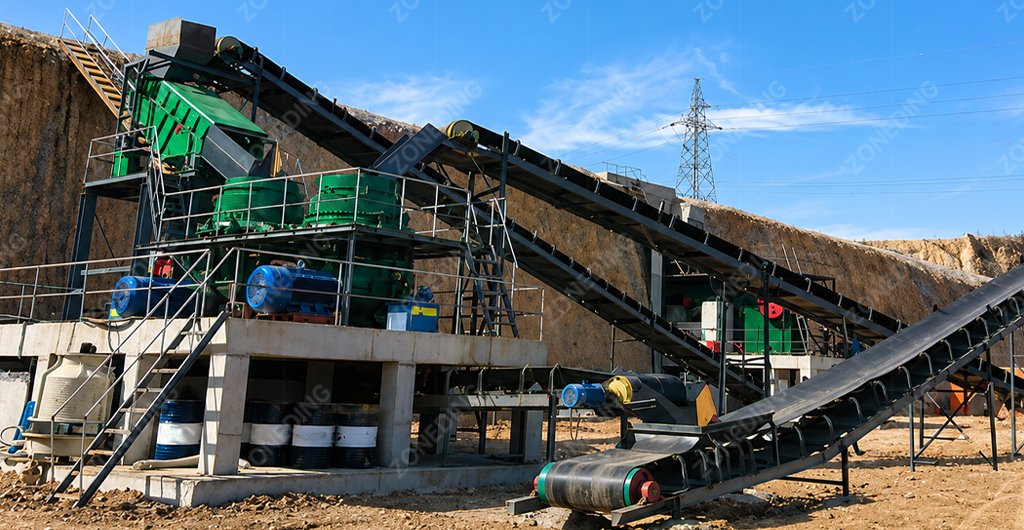
A properly configured Stone Crushing Plant can operate profitably even with relatively small daily production if transportation costs remain low and aggregate quality stays stable.
Smaller crushing operations also reduce financial risk for new investors entering the aggregate industry for the first time.
Why Small Aggregate Plants Are Attractive
Many investors choose smaller crushing systems because they offer:
Lower startup investment
Faster installation
Easier operation
Lower fuel consumption
Reduced labor requirements
In many local markets, a stable 80 TPH crushing line can become more profitable than a large underutilized plant.
Advantage
Small Plant
Large Plant
Real Business Impact
Investment Risk
Lower
Higher
Safer startup
Fuel Consumption
Lower
Higher
Better margins
Mobility
Easier
More difficult
Faster deployment
Maintenance
Simpler
Complex
Lower downtime
Practical Startup Suggestions
For rural markets: Focus on stable local aggregate demand.
For first-time investors: Start with expandable layouts.
For limited budgets: Prioritize simple crushing flows.
What Is the Most Cost-Effective Stone Crusher for Small Businesses?
Jaw crushers usually provide the best balance between low investment, easy maintenance, and stable long-term operating cost.
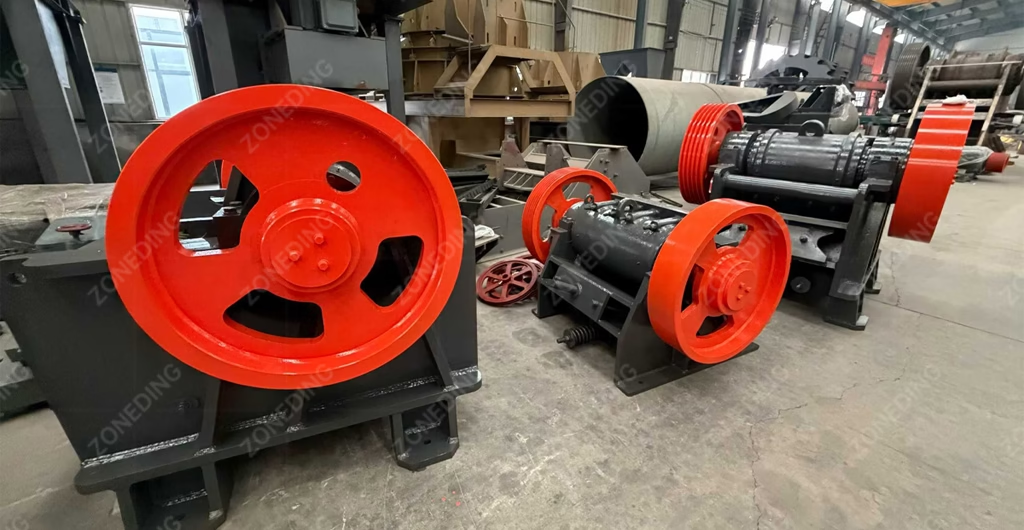
Many successful small quarry operations still rely heavily on a Jaw Crusher because jaw crushers have:
Small jaw crusher.
Simple structure
Easy maintenance
Affordable wear parts
Stable performance
Lower power consumption
This becomes especially important in remote areas where technical support and spare parts availability are limited.
Cheap crushers may reduce initial investment, but unstable production and frequent downtime often destroy profitability later.
Why Cheap Crushers Often Become Expensive
Many low-price machines use:
Thin steel plates
Low-quality bearings
Weak conveyor structures
Poor motors
After several months, operators often face:
Bearing failures
Unstable production
Excessive wear
Spare part shortages
Experienced quarry owners focus on long-term cost per ton instead of only purchase price.
Crusher Type
Initial Cost
Operating Cost
Best Application
Jaw Crusher
Moderate
Low
Primary crushing
Hammer Crusher
Lower
Medium to high
Soft limestone
Cone Crusher
Higher
Higher
Hard rock
Mobile Crusher
Higher
Variable
Temporary projects
Practical Crusher Selection Tips
For beginners: Use jaw crushers for operational simplicity.
For soft limestone: Hammer crushers may reduce investment.
For hard rock: Prioritize wear resistance over low price.
How Much Does a Small Stone Crusher Plant Cost?
A small crushing plant usually costs between $50,000 and $250,000 depending on capacity, mobility, and rock type.
Small aggregate plants commonly range from:
30 TPH
50 TPH
80 TPH
100 TPH
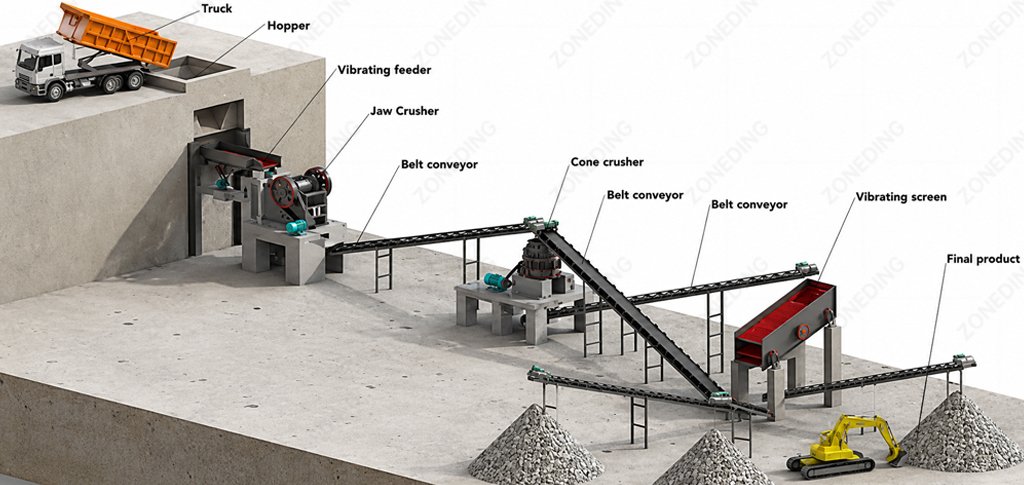
Many compact systems use a combination of a Vibrating Feeder, jaw crusher, and screening system for efficient material flow.
Mobile crushing systems generally cost more initially but reduce foundation and installation expenses.
Mini crushing plant setup
What Affects Small Crusher Plant Pricing?
Major cost factors include:
Rock hardness
Capacity
Mobility
Automation
Screening requirements
Dust control systems
Granite and basalt plants usually cost more because hard rock requires stronger equipment and higher wear protection.
Capacity
Typical Price Range
Common Use
Mobility Option
30-50 TPH
$50,000-$120,000
Rural projects
Optional
50-80 TPH
$80,000-$180,000
Small quarry
Common
80-100 TPH
$120,000-$250,000
Aggregate supply
Available
Practical Investment Suggestions
For low-risk investment: Avoid unnecessary automation.
For remote sites: Simplify maintenance requirements.
For future expansion: Use modular layouts.
Jaw Crusher vs Hammer Crusher: Which Is Cheaper?
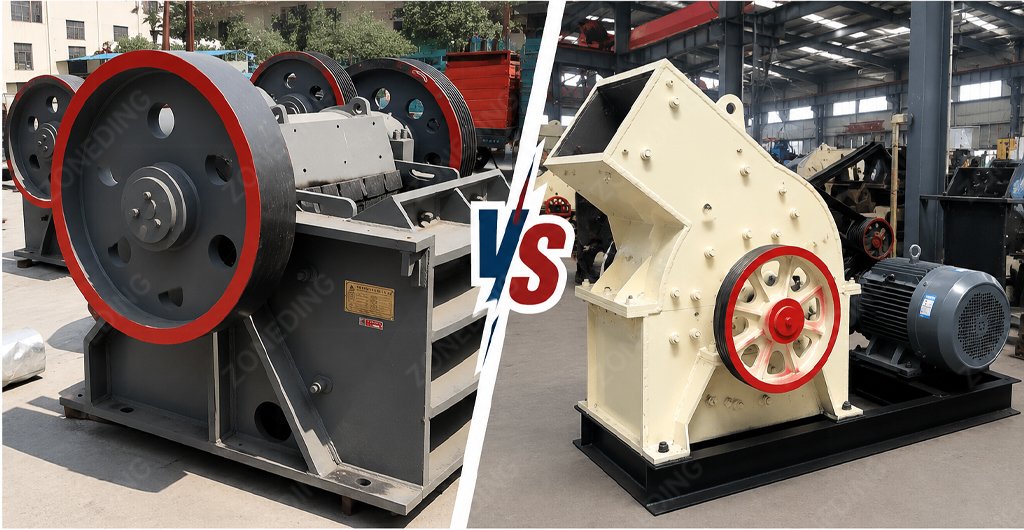
Hammer crushers usually cost less initially, but jaw crushers often provide lower long-term operating costs.
Hammer crushers work well in soft material applications like limestone. They provide good shaping performance and lower purchase prices.
However, many operators still prefer Hammer Crushers only for softer stone because wear increases rapidly in hard rock applications.
Jaw crushers remain more versatile and stable for mixed material conditions.
Jaw-vs-hammer-crusher
Choosing the Right Crusher for Your Material
Material type determines profitability more than machine price alone.
Hard rock like granite or basalt quickly destroys low-quality wear parts.
Soft material operations can often use simpler crushing circuits such as:
Jaw crusher + vibrating screen
Jaw crusher + hammer crusher
Material Type
Recommended Crusher
Wear Level
Operating Cost
Limestone
Hammer Crusher
Lower
Lower
Granite
Jaw Crusher
Medium
Stable
Basalt
Jaw + Cone
High
Higher
Practical Crusher Comparison Tips
For soft stone: Hammer crushers may reduce startup investment.
For mixed materials: Jaw crushers provide better flexibility.
For lower downtime: Avoid oversized hammer systems.
Is a Mobile Crusher Better for Small Projects?
Mobile crushers can reduce startup investment and improve flexibility in temporary or changing jobsite conditions.
Many contractors now choose a Mobile Crusher because mobile systems reduce:
Foundation construction
Site preparation
Material transportation
Installation time
However, mobile systems are not always cheaper operationally.
Diesel consumption, hydraulic maintenance, and track wear can increase long-term operating costs.
Mobile mini crusher
When Mobile Crushers Make Sense
Mobile systems work best when:
Raw material locations frequently change
Contracts are temporary
Land ownership is uncertain
Transportation distances are high
Stationary plants usually remain:
Easier to repair
More fuel-efficient
More stable operationally
Plant Type
Main Advantage
Main Limitation
Best Application
Mobile Crusher
Flexibility
Higher fuel cost
Temporary projects
Stationary Crusher
Stability
Less mobility
Permanent sites
Modular Plant
Expandable
Medium complexity
Growing businesses
Practical Mobility Suggestions
For road projects: Use mobile crushing systems.
For permanent quarries: Build stationary plants.
For uncertain projects: Start with mobile equipment.
How to Reduce Operating Costs in Small Aggregate Production?
Operational discipline matters more than machine size in small aggregate businesses.
Many operators try increasing output simply by buying larger crushers. But poor feeding and unstable workflow often reduce efficiency instead.
A properly configured Vibrating Screen helps maintain clean aggregate separation and reduces recirculation load.
Small operational improvements can create major yearly savings.
Small Aggregate Screening
What Quietly Increases Operating Costs?
Many small operations lose money because of:
Uneven feeding
Excessive recirculation
Poor conveyor layout
Oversized motors
Incorrect CSS settings
Electricity and diesel fuel become major long-term expenses in small crushing operations.
Operating Cost
Main Cause
Risk Level
Profit Impact
Fuel
Poor feeding
High
Lower margins
Wear Parts
Hard rock
High
Downtime
Electricity
Oversized motors
Medium
Long-term cost
Labor
Complex systems
Medium
Lower efficiency
Practical Cost Reduction Tips
For fuel savings: Maintain stable feeding conditions.
For lower wear: Match crusher size to real demand.
For better efficiency: Keep crushing flows simple.
Can a Small Crusher Plant Be Expanded Later?
Yes. Many successful small crushing plants expand gradually based on real market growth.
Experienced operators usually avoid buying oversized equipment for “future expansion” too early.
Instead, they build flexible layouts that allow:
Additional conveyors
Extra screening stages
Secondary crushing upgrades
Mobile expansion units
Many modular operations also integrate a Mobile Stone Crusher later when production demand increases.
Why Gradual Expansion Is Safer
Many failed quarry investments happen because owners purchase:
Oversized crushers
Excess screening capacity
Unnecessary automation
before securing stable customers.
Successful operators usually:
Secure local demand first
Start with stable production
Expand gradually later
This greatly reduces investment risk.
What Is the ROI of a Small Aggregate Crushing Business?
Small aggregate plants can often recover investment within 1 to 3 years if local demand remains stable.
ROI depends heavily on:
Aggregate selling price
Transportation distance
Equipment uptime
Fuel efficiency
Wear cost control
The most profitable small plants usually focus on:
Operational simplicity
Stable feeding
Easy maintenance
Reliable product quality
The Biggest Industry Truth
Cost-effective aggregate production is not about buying the cheapest crusher.
It is about building a crushing system that:
Matches local demand
Minimizes downtime
Controls wear cost
Operates efficiently
Remains easy to maintain
Simple stable plants often generate better profits than oversized complicated systems.
Frequently Asked Questions
What is the best low-cost stone crusher for small businesses?
Jaw crushers are usually the most cost-effective choice because they provide stable performance and lower maintenance cost.
How much does a small crushing plant cost?
Most small aggregate crushing plants cost between $50,000 and $250,000 depending on configuration and capacity.
Are mobile crushers good for small projects?
Yes. Mobile crushers reduce installation cost and improve flexibility for temporary projects.
Can small crusher plants handle granite?
Yes, but hard rock applications require stronger wear-resistant equipment and higher maintenance planning.
How quickly can a small crusher plant become profitable?
Many small aggregate plants recover investment within 1 to 3 years if utilization and market demand remain stable.
Final Thoughts
The best low-cost stone crusher is not necessarily the cheapest machine. Long-term profitability depends on stability, fuel efficiency, maintenance simplicity, and matching the equipment to local market demand.
Successful small aggregate operations usually focus on:
Simple crushing flows
Stable feeding
Lower downtime
Easy maintenance
Gradual expansion
A properly balanced small crushing plant can remain profitable for many years with relatively low financial risk.
About ZONEDING
We are ZONEDING, a Chinese manufacturer specializing in crushing, screening, grinding, and mineral processing equipment for global B2B customers. We provide affordable jaw crushers, mobile crushers, vibrating screens, and customized aggregate crushing solutions for small and medium-sized operations.
Our equipment has been exported to more than 120 countries. We help customers reduce operating costs, improve production efficiency, and build reliable long-term aggregate businesses.
Contact us today for customized small crushing plant recommendations and equipment quotations.
Designing an is fundamentally different from designing an aggregate plant. Iron ore has a very high specific gravity, often between 4.5 and 5.2, and extreme abrasiveness. If you use standard design formulas for limestone, your structures might col...
Starting a gold mine requires a clear budget. Total alluvial gold plant cost ranges from $30,000 for small setups to over $500,000 for industrial lines. Equipment price is only part of the investment. Shipping, power, and labor also impa...
Cone crushers are among the most widely used machines in the aggregate, mining, and quarry industries. They are especially popular for processing hard and abrasive materials such as granite, basalt, river stone, and iron ore. However, many buyers ...
We use cookies to ensure that we give you the best experience on our website. If you continue to use this site we will assume that you are happy with it.
Privacy Policy
Send us a message
We would love to hear from you
Submit your question and our team will respond to the email provided as soon as possible.
 Zoneding Machine