Stop fine gold loss by using a combination of high-energy washing and centrifugal separation. Most mines lose 30% of their gold because they only use simple sluice boxes. Successful alluvial gold processing technology requires a multi-stage approach to catch particles smaller than 0.074mm. Professional mineral testing helps identify these “flour gold” levels early. High recovery rates of 95% or more are possible with the right equipment setup. This guide shares fifty years of field experience to help maximize profit and reduce waste.
Why is gold recovery lower than expected in your plant?
Low recovery in alluvial gold processing technology usually stems from poor liberation and incorrect equipment sizing. Many operators believe gold is always large and heavy. The reality is that much of the gold in a placer deposit is microscopic. If the wash water moves too fast, these fine flakes float away like paper. I have seen countless mines discard 40% of their wealth because they did not account for surface tension. If the equipment cannot handle the specific grain size of the deposit, the gold ends up in the tailings pile. Mineral testing is the only way to avoid this trap. I always insist on a full analysis of the sand and clay content before buying any machines. Some rocks have high magnetic sand levels that clog up gravity separators. This “bed hardening” prevents gold from sinking into the mats. Without knowing the exact mineral makeup, the plant design is just a guess. A successful operation matches the water flow and the machine vibration to the weight of the gold. This careful balance ensures that every gram is captured before it leaves the plant.
Slow Down Water: Reduce the velocity in your sluice to allow fine gold to settle.
Check Tailings: Regularly pan the waste material to see if gold is escaping.
Use Surfactants: In some cases, adding simple agents reduces water tension to help fine gold sink.
How to solve “lost gold” in clay-heavy gold ore?
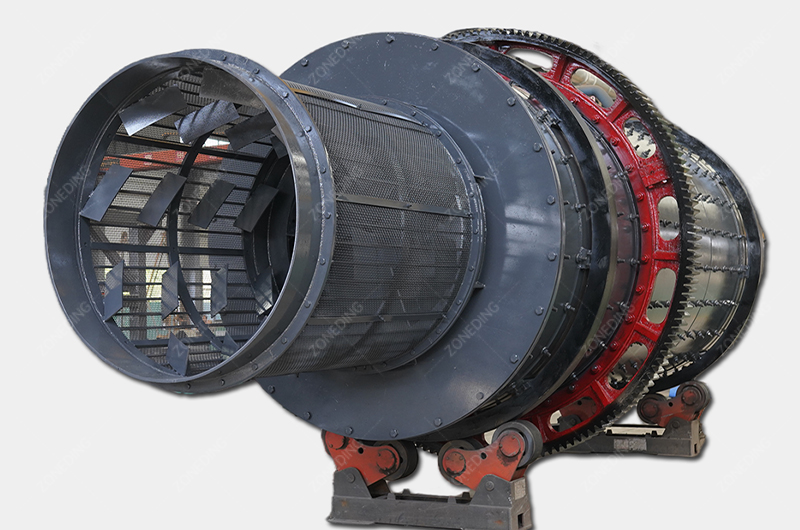
High clay content is the biggest enemy of placer gold recovery equipment. I call this “the clay ball effect.” When clay enters the system, it forms sticky balls that roll through the plant. These balls pick up gold flakes and carry them directly into the waste. If the clay is not fully turned into liquid mud, the gold stays trapped. Simple trommels often fail here because they do not have enough scrubbing power. A dedicated Gold Trommel Scrubber is mandatory for any mine with more than 15% clay. The heart of the plant must be a high-energy rotary scrubber. These machines use internal lifters to drop the rock and clay repeatedly. This mechanical action breaks the bonds and releases the gold. I recommend adding high-pressure water jets inside the scrubber to speed up the process. The goal is to ensure the discharge looks like clean sand and muddy water. If you can still find lumps of clay in the waste, your plant is failing. Proper scrubbing can increase recovery by 20% in difficult deposits.
Clay Treatment Comparison
Standard Trommel: Good for clean sand, poor for sticky clay.
Rotary Scrubber: Best for high clay, uses more power but saves more gold.
Log Washer: Useful for very tough, cemented materials but has lower capacity.
How to select the right trommel screen parameters?
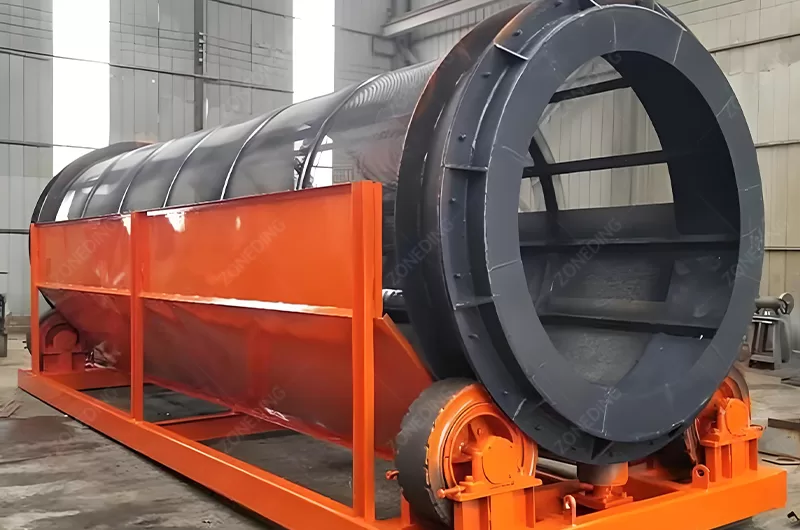
Choosing a trommel screen depends entirely on the feed size and the desired capacity. The screen mesh must be large enough to let gold through but small enough to block big rocks. I usually suggest a double-layer screen for better performance. The inner layer protects the fine mesh from damage caused by heavy boulders. This extends the life of the machine and reduces downtime. The length of the screen also matters because it determines how much time the material spends under the wash water.
Trommel Screen
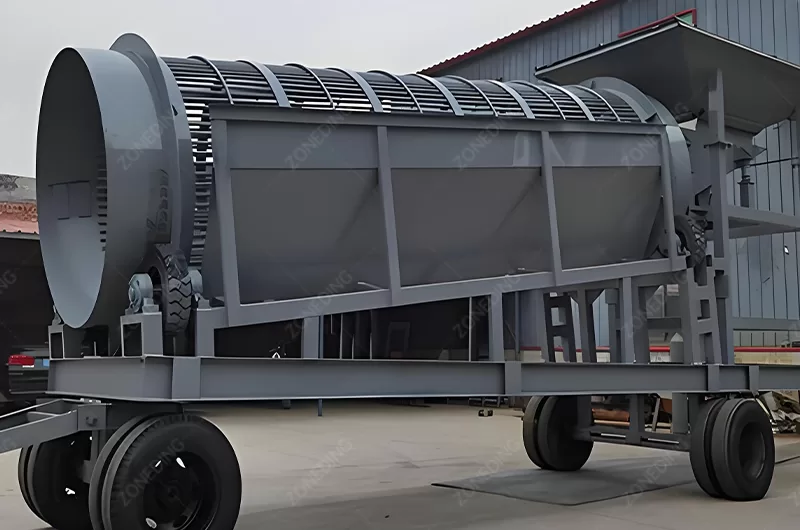
Mobile Trommel screen
Angle and rotation speed are the two most ignored settings. If the trommel spins too fast, the material just sticks to the sides. If it is too slow, the bed becomes too thick for the gold to reach the screen holes. Most Alluvial Gold Wash Plants run best at a slight incline of 5 to 7 degrees. This allows enough time for the high-pressure spray to wash every single rock. Selecting the right drive system, like a rubber wheel or gear drive, also impacts long-term maintenance costs.
Trommel Selection Guide
Mesh Size: Usually 10mm to 15mm for the final discharge to the sluice.
Water Pressure: Needs at least 2-3 bar to penetrate thick mud.
Drive Type: Rubber wheels are quieter and easier to fix in remote areas.
Which combination of gravity separation catches the most fine gold?
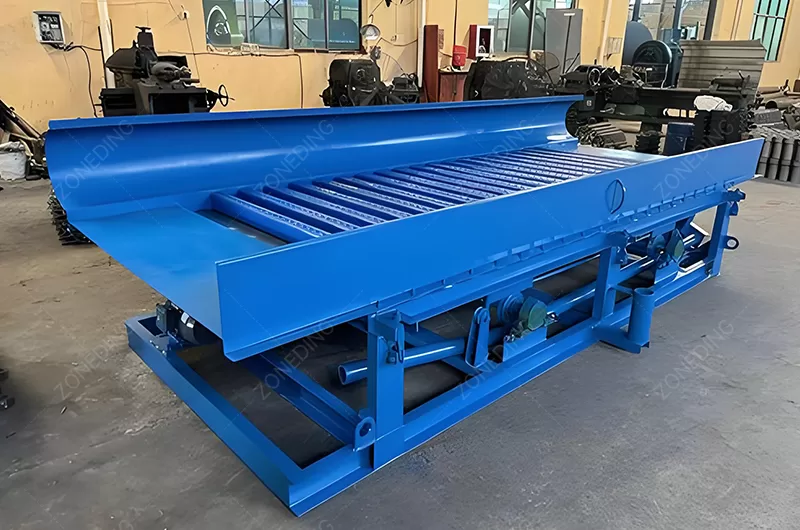
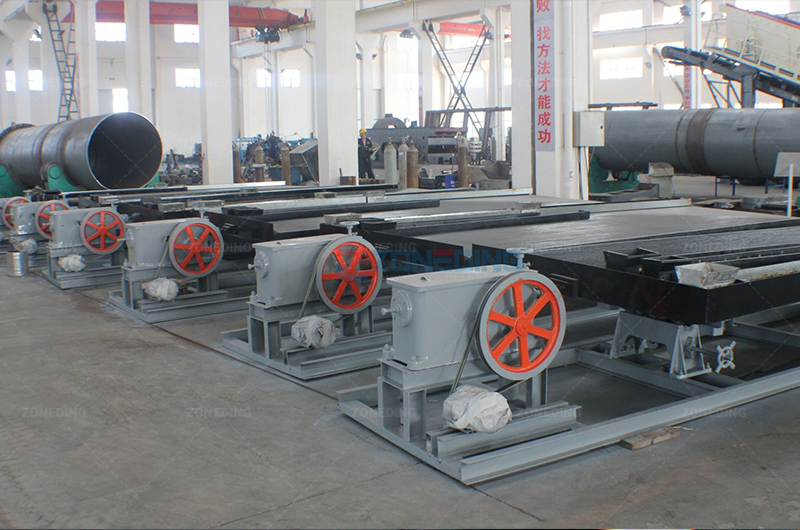
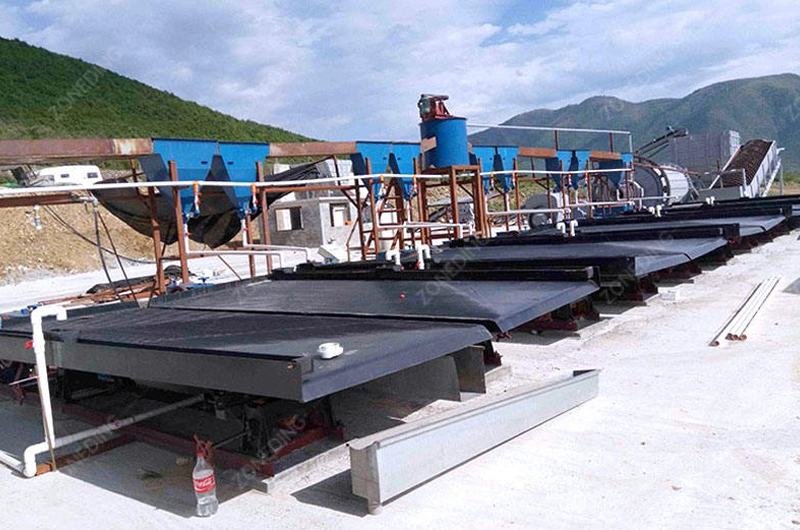
Relying on a single machine is a mistake in fine gold recovery techniques. A professional plant uses a combination of different tools. For coarse gold, a sluice box is perfect because it is cheap and reliable. However, the overflow from the sluice should always go into a Centrifugal Concentrator. This machine uses G-force to catch the tiny particles that the sluice missed. I have seen this setup increase total recovery by 15% on almost every site I have visited. For the final cleaning of the concentrate, a Shaking Table is the best choice. It provides a clear visual line of gold that the operator can see. This allows for high-purity gold without the need for dangerous chemicals. Some plants also add a jigging machine between the trommel and the centrifuge. Jigs are excellent for handling large volumes of material with high heavy mineral content. Using these machines in a series creates a “safety net” that prevents gold from escaping.
How does a centrifugal concentrator achieve 98% fine gold recovery?
The Centrifugal Concentrator is the most powerful tool for fine gold. It spins a bowl at very high speeds, creating a force many times stronger than gravity. This force pushes the heavy gold into grooves while the lighter sand stays on top. Modern machines use a “fluidized bed” system. This means water is injected through the bowl to keep the sand loose. This prevents the grooves from packing hard, which allows the gold to sink deeper. I recommend the automatic discharge models for larger mines. These machines stop and clean themselves every hour without stopping the whole plant. This keeps the recovery rate steady throughout the day. In manual machines, the recovery drops as the grooves fill up with heavy black sand. If your deposit has a lot of magnetite, you must clean the concentrator more often. This technology is the industry standard for modern Placer Gold Recovery Equipment because it works where other tools fail.
Practical Tips for Centrifuge Operation
Control Water Pressure: Too much pressure blows the gold out; too little packs the sand hard.
Match Feed Size: Always screen material to -2mm or -5mm before it enters the bowl.
Regular Timers: Set automatic flush cycles based on the black sand volume in your ore.
How to manage water recycling in dry gold mining areas?
Water is the lifeblood of alluvial gold processing technology. In dry areas, the cost of water can be higher than the cost of diesel. I always design plants with a three-stage settling pond system. The first pond catches the heavy sand. The second pond allows the fine silt to settle. The third pond holds the clean water for reuse. Using a High Efficiency Concentrator or thickener can speed up this process significantly. This machine uses chemicals to make the mud sink to the bottom instantly. Recycling water also keeps your chemicals and fine gold inside the plant. If water leaves the site, it often takes profit with it. I suggest using submerged pumps to pull clean water from the top of the final pond. This prevents sand from entering the pumps and causing wear. A well-managed water system can reduce total consumption by 80%. This makes mining possible in deserts where other companies cannot survive. It also keeps the environment clean and avoids legal trouble with local authorities.
Water Management Benefits
Lower Costs: Less money spent on pumping water from distant rivers.
Pump Life: Clean water reduces the abrasion on expensive pump impellers.
Compliance: Zero-discharge plants get government permits much faster.
Why are mobile gold washing units the first choice for modern mines?
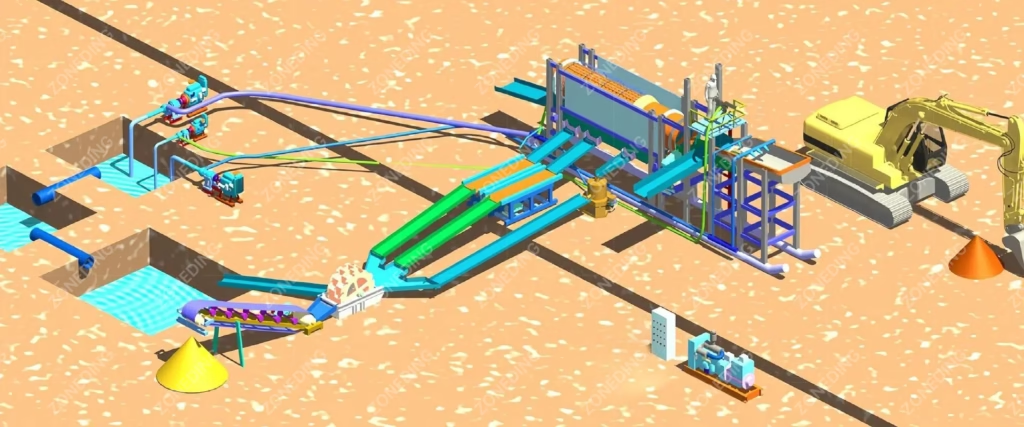
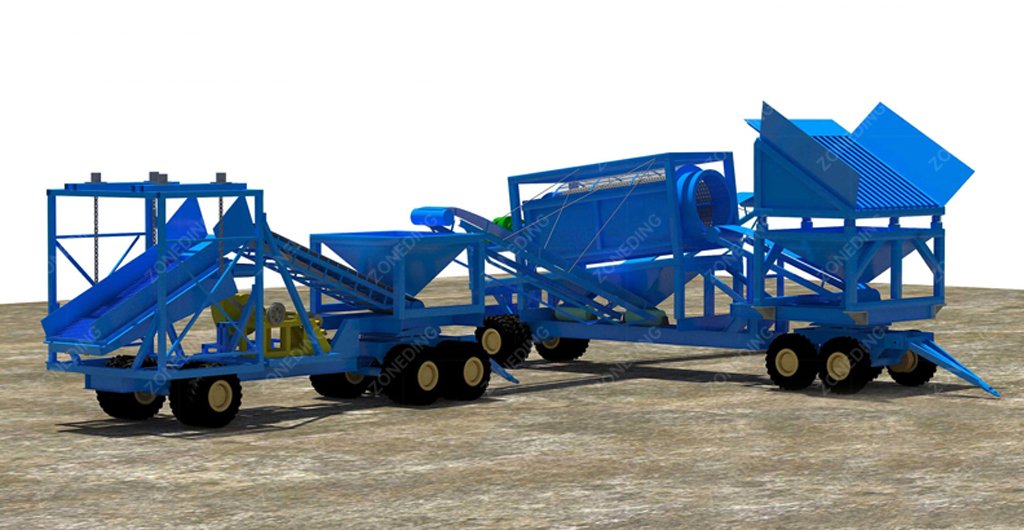
Mobility is a major advantage in placer mining. These deposits are often spread over long distances but are not very deep. A Mobile Stone Crusher or mobile washing unit allows the plant to follow the gold. This reduces the distance that trucks must carry the raw dirt. I have found that moving the plant every month is much cheaper than hauling sand five kilometers. These “plug and play” designs are fast to set up and easy to move with a bulldozer. I prefer “skid-mounted” bases over wheel-mounted bases for heavy mining. Wheels often sink into the mud or rust in wet environments. A heavy steel skid is much more durable. You can drag it across rough ground without damaging the machinery. These mobile units usually include the feeder, the scrubber, and the sluice on a single frame. This integrated design means you only need one power source and one water connection. It simplifies the whole operation for the mine manager.
Mobile Gold Washing Units
Mobile Unit Advantages
Fast Setup: Start washing gold within 48 hours of arriving at the site.
Resale Value: Modular, mobile plants are easier to sell when the project is finished.
Flexibility: Change locations quickly if the gold grade in one area drops.
How to achieve mercury-free gold extraction for high purity?
The mining industry is moving away from toxic chemicals. Mercury-free placer gold recovery equipment is now the global standard. I advocate for the use of intensive gravity separation followed by direct smelting. By using a Centrifugal Concentrator and a Shaking Table, you can get a 90% pure concentrate. This concentrate can go straight into an induction furnace. This process is safer for the workers and the land. Mercury is actually less efficient than modern gravity tools for fine gold. It only catches the gold it touches, while a centrifuge uses physics to catch everything. Transitioning to green technology also allows you to sell gold at a premium price to ethical buyers. Many banks and refineries now require proof of mercury-free production. Investing in a clean finishing room is a smart business move that pays for itself through better market access and higher safety.
Dredging vs. land-based plants: which model is most economical?
Choosing between a dredging boat and a land-based plant depends on the water level. If the gold is under a lake or a large river, a dredge is the only option. These boats suck the sand from the bottom and process it on board. This is very efficient because the waste goes right back into the water behind the boat. However, maintenance on a boat is more difficult and expensive. I recommend dredges only for large, deep water deposits where land excavators cannot reach. Land-based plants are much easier to manage for most operators. They allow for better control over the washing process and easier access for repairs. You can use standard excavators and trucks to feed the plant. This equipment is easy to rent or sell locally. Most alluvial gold wash plants in the world are land-based because they are more flexible. They can handle dry deposits and flooded areas with the same machinery. Unless the gold is under ten meters of water, stay on the land.
2026 Latest Alluvial Gold Trends and Development
The year 2026 sees a huge shift toward digital monitoring and green energy. Smart sensors now allow operators to see the gold recovery rate on their phones. If the recovery drops, the system sends an alert to check the water pressure. Solar power is also becoming common for small mobile units. This eliminates the need for expensive diesel fuel in remote jungle locations.
2026 Technology Highlights
AI Sorting: Using X-ray sensors to find large nuggets before they enter the scrubber.
Remote Monitoring: Track fuel use and machine hours from anywhere in the world.
Hybrid Power: Combining solar panels with small generators for 24/7 operation.
Frequently Asked Questions
Question 1: What is the best equipment for fine gold recovery? A Centrifugal Concentrator is the best tool for catching fine gold down to 0.04mm. It should be used after a trommel and before a shaking table for the best results. Question 2: How much water does an alluvial gold plant need? A standard plant needs about 3 to 5 cubic meters of water for every ton of sand. Using a water recycling system can reduce this requirement by 80%. Question 3: Can I process gold without using cyanide or mercury? Yes. Modern gravity separation using shaking tables and centrifuges can recover over 95% of gold without any chemicals. This is the safest way to mine today. Question 4: Why is my sluice box losing gold? Gold loss usually happens because the water is too fast or the mats are clogged with heavy black sand. Reducing the slope and cleaning the mats more often will help. Question 5: How do I handle very sticky clay in my mine? You must use a rotary scrubber with high-pressure water jets. A simple trommel will not break the clay balls, and you will lose all the gold trapped inside them.
About ZONEDING
ZONEDING is a leading Chinese manufacturer of high-performance mining equipment. We specialize in B2B solutions for gold, aggregate, and mineral processing. Our products include the Jaw Crusher, ball mills, and complete Placer Gold Mining plants. With over 20 years of experience, we have exported to more than 120 countries. Our 8,000-square-meter factory and team of 15 engineers ensure that every machine meets the highest quality standards. We offer factory-direct sales and full-service support for every project.
Decades of experience in the mining sector reveal a common financial drain. Many crushing facilities struggle with high electricity bills and frequent machine failures. Facility owners often attempt to save money by purchasing cheap replacement pa...
Magnesite mining and processing is a major sector for industrial investment in 2026. High-purity magnesium oxide (MgO) is now a critical material for steel, chemicals, and farming. Success in this industry depends on raising ore purity while cutti...
Building a high-recovery gold ore processing plant development project requires a very clear plan. The process starts with the rock and ends with pure gold. Most projects fail because the machinery does not match the mineral type. High recovery ra...
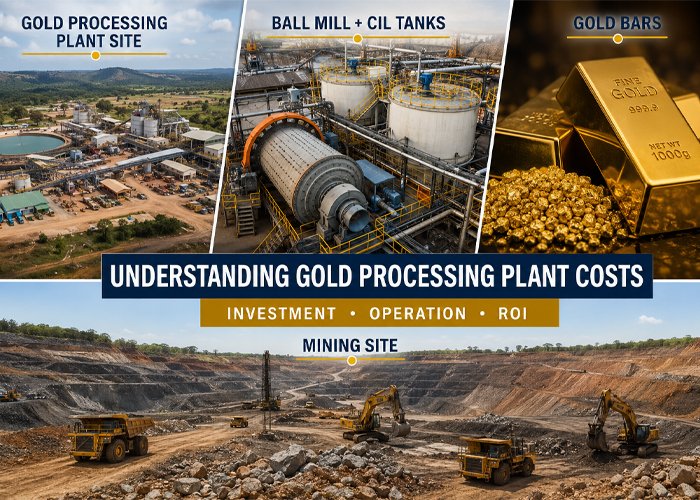
One of the first questions investors ask before starting a mining project is: How much does a gold processing plant cost? Unfortunately, there is no single answer. A small gravity gold plant may cost less than a luxury house in some countries, whi...
We use cookies to ensure that we give you the best experience on our website. If you continue to use this site we will assume that you are happy with it.
Privacy Policy
Send us a message
We would love to hear from you
Submit your question and our team will respond to the email provided as soon as possible.
 Zoneding Machine