Choosing mobile crushing equipment determines project setup speed and long-term operating costs. Many buyers only look at the transport method. They ignore the hidden costs of site preparation and energy consumption. This guide shows the real differences between tracked and wheeled chassis designs. The chassis type directly affects daily aggregate production and long-term project profitability.
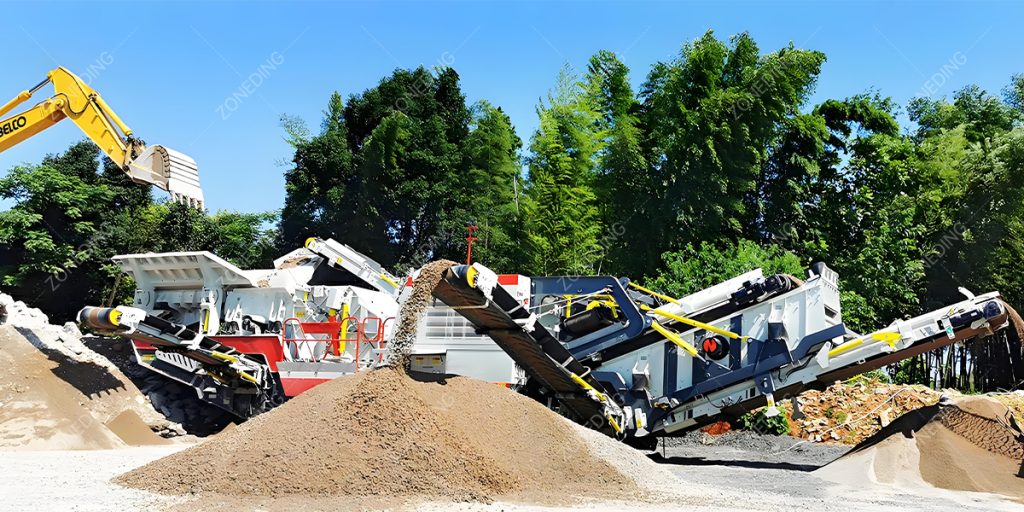
A track mobile crusher uses a fully hydraulic crawler chassis to conquer muddy and uneven ground easily. The heavy tracks distribute the machine weight over a very large surface area. This prevents heavy equipment from sinking into soft dirt after heavy rain. Tracked machines excel at high-frequency, short-distance movements. These machines follow the active blasting face. Excavator operators feed the rock directly into the hopper. Extra dump trucks are unnecessary to carry raw stones across the quarry. Moving the crusher fifty meters forward every few days is simple. This feature makes them perfect for crushing in rough mining terrain. City recycling projects also benefit from this design. Construction waste relocation crushing happens in very tight spaces. The ground has sharp rebar and broken concrete. Rubber tires puncture easily in these conditions. Steel tracks roll over scrap metal without damage. Positioning the machine perfectly in small demolition sites is highly efficient.
Track Mobile Crusher
Mobility and Movement Frequency
A tracked machine climbs steep grades up to thirty degrees. Driving it up a pile of broken rocks starts processing immediately. This saves massive amounts of fuel and time compared to hauling material away. The ground pressure of a 40-ton tracked machine is often lower than a human footprint.
Chassis Feature
Movement Type
Site Condition
Practical Benefit
Steel Tracks
High-frequency short moves
Muddy and uneven
Eliminates dump truck usage
Wide Footprint
Climbs steep slopes
Soft dirt
Prevents sinking and getting stuck
Hydraulic Drive
Zero turning radius
Tight city sites
Fits into small demolition areas
Practical Advice for Terrain Assessment
Muddy Sites: Choose a tracked machine for sites with heavy rain and deep mud.
Tight Spaces: Use tracked equipment for city demolition projects with small turning circles.
Hauling Costs: Select tracks to follow the rock face and eliminate short-distance dump truck hauling.
Are Wheeled Crushers Fast on Roads?
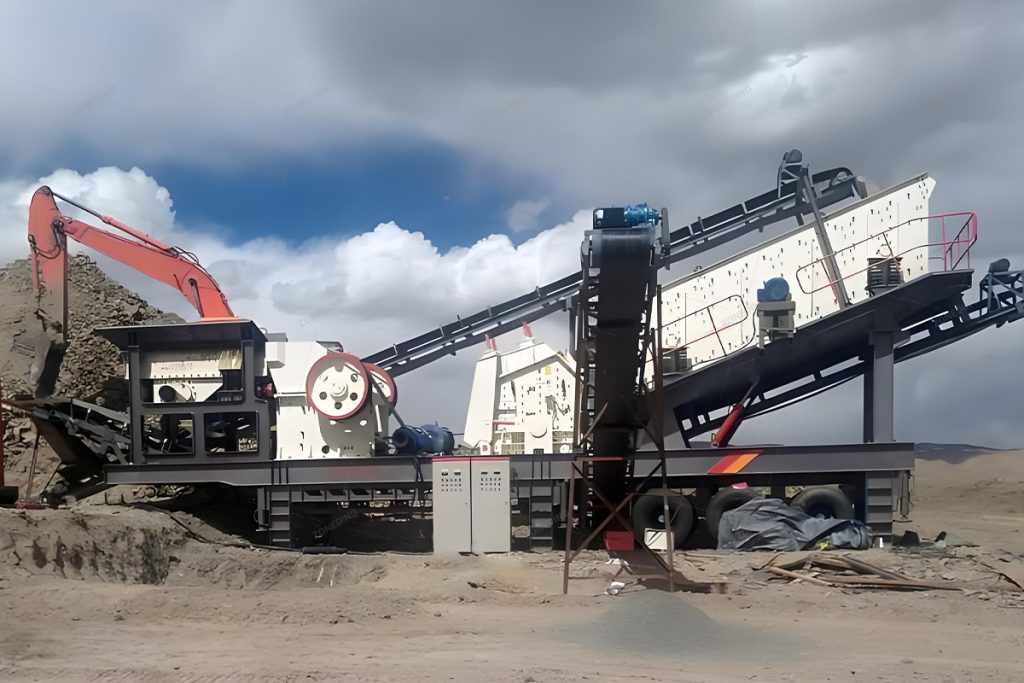
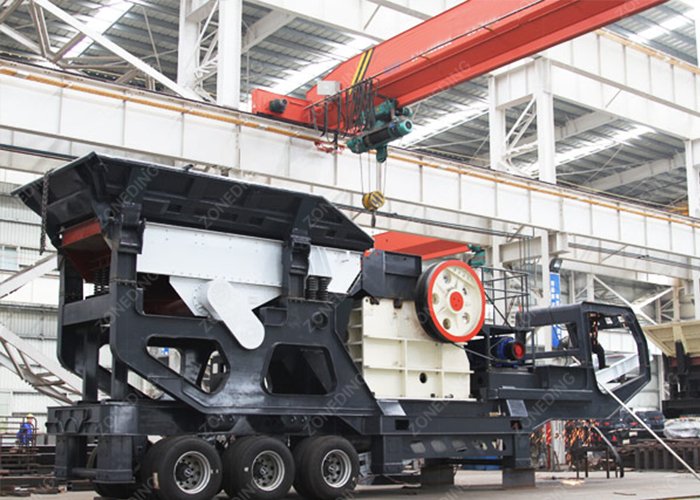
A semi-trailer towed wheeled crusher handles low-frequency, long-distance moves between different cities. Standard truck heads connect to the trailer pin for transport.
Mobile jaw crusher + impact crusher
A legal compliance trap exists here. Many believe wheels allow driving on any highway like a normal cargo truck. This is untrue for large machines. A Mobile Stone Crusher carrying a massive primary jaw weighs too much. The single axle load far exceeds standard highway limits. Normal license plates do not apply. Special oversized and overweight transport permits are still necessary. Highway patrols strictly enforce these weight limits. Pilot vehicles are often required. Wheels make pulling around a large, flat quarry easier, but they do not solve public road restrictions. Tracked machines require heavy lowbed trailers. These trailers have many axles to distribute the weight legally. They often pass strict highway weight stations much easier than a heavy two-axle wheeled crusher.
Initial Budget vs Maintenance Cost?
Wheeled units cost less initially, but energy choices and structural fatigue change the long-term budget. Evaluating the total life-cycle cost before buying is critical. A wheel mobile crusher plant usually runs on pure electric power. Connecting the machine to the local city power grid is standard practice. Industrial electricity is very cheap in most regions. This lowers the daily operating cost massively compared to burning diesel. Tracked machines usually rely on onboard diesel engines. Diesel fuel costs more than grid electricity. However, tracked machines save money on structural maintenance. The massive steel track chassis acts as a giant shock absorber. It transfers violent crushing vibrations evenly into the ground. Wheeled machines must lift their tires off the ground using hydraulic landing legs during operation. The machine weight and vibration rest on four or six small points. If the ground is not perfectly flat, the steel frame twists. This twisting action causes main frame welds to crack over time. Repairing these structural cracks stops production and increases maintenance costs.
Which Machine Sets Up Faster?
Tracked crushers set up in under thirty minutes because they require zero civil engineering work. Driving the machine off the delivery trailer allows immediate rock feeding. Wheeled crushers demand serious site preparation. They sit very high off the ground. A standard wheel loader cannot reach the feeding hopper. Building a massive dirt ramp behind the machine is mandatory. Building this ramp takes excavators and bulldozers several days. Preparing the ground under the hydraulic legs is also required. The legs sink into soft dirt under heavy vibration. Pouring concrete pads or laying thick steel plates to support the legs is common. This preparation costs thousands of dollars and delays the production schedule. Tracked machines sit very low to the ground. An excavator sits on flat ground and drops rocks right into the hopper. Ramps are unnecessary. Concrete pads are not needed. The tracks spread the weight so well that operating on normal compacted dirt is perfectly safe.
Does Chassis Affect Crushing Yield?
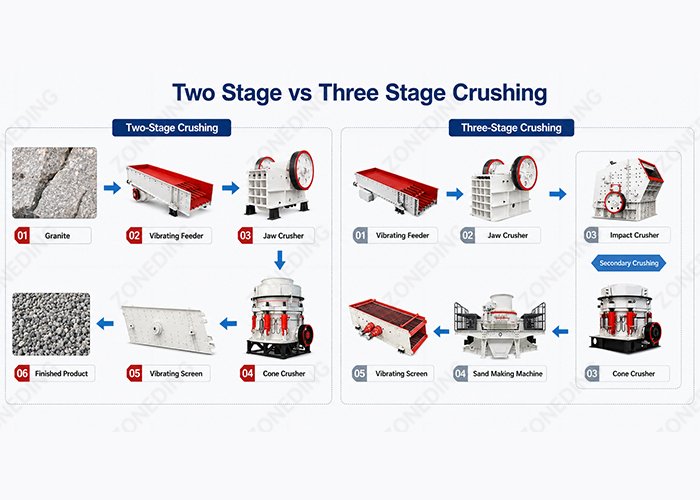
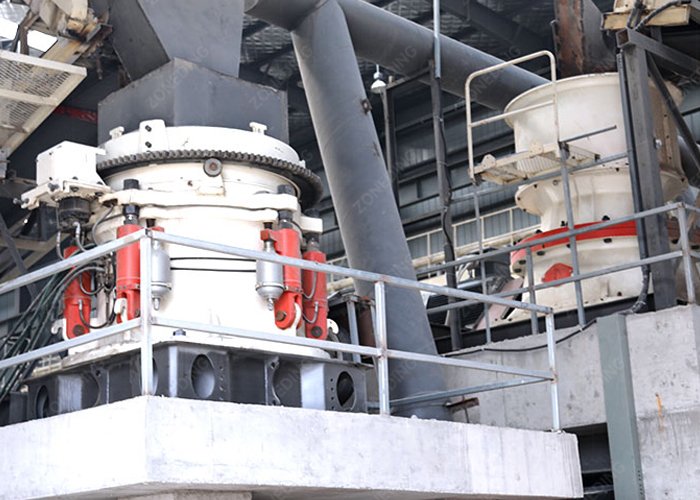
The chassis type does not change the rock shape or output capacity at all. The crushing chamber determines the final aggregate quality entirely. A mobile jaw/cone crusher main unit performs the exact same way on tracks or wheels. The jaw plates squeeze the hard rock with the exact same physical force. The Mobile Cone Crusher mantle spins at the same speed. The vibrating screen sorts stones with the same accuracy. Excellent, cubical aggregates come from both chassis types. The only factor affecting daily yield is feed consistency. Tracked machines follow the excavator closely. This ensures the hopper stays full all the time. Wheeled machines sit far away. If the wheel loader takes too long to fetch rock, the crusher runs empty. Empty running reduces the daily yield. Keeping the hopper full guarantees maximum output. Steady feeding prevents material blockages and maximizes the hourly tons produced.
Frequently Asked Questions
Question 1: Can a wheeled crusher be pulled with a normal pickup truck? No. Wheeled crushers weigh tens of tons. A heavy-duty commercial semi-truck head is necessary. Proper air brake connections are also required. Question 2: Does a tracked crusher consume a lot of diesel when moving? Moving takes very little fuel because travel distances are short. The main diesel consumption happens during the actual rock crushing process. Question 3: Which chassis is better for a permanent quarry? For a permanent setup over several years, a wheeled plant is better. Connecting it to the city power grid saves money on fuel. Question 4: Do tracks require more maintenance than tires? Steel tracks are very durable but have moving metal pins and pads. Keeping them clean and tensioned is important. Tires require less daily maintenance but puncture easily on sharp rocks. Question 5: Is it possible to put a cone crusher on a wheeled chassis? Yes. Modular plants put a heavy Stone Crushing Equipment unit on wheels. Deploying the hydraulic legs stabilizes the high vibrations.
About ZONEDING
ZONEDING manufactures heavy-duty mineral processing equipment for global contractors and mining companies. The engineering team designs both wheeled and tracked mobile crushing solutions. Premium hydraulic components and heavy steel frames ensure machines survive the harshest quarry environments. A full range of parts and dedicated after-sales service keeps production running smoothly. Contact the sales team today to get a detailed cost analysis for the next aggregate project.
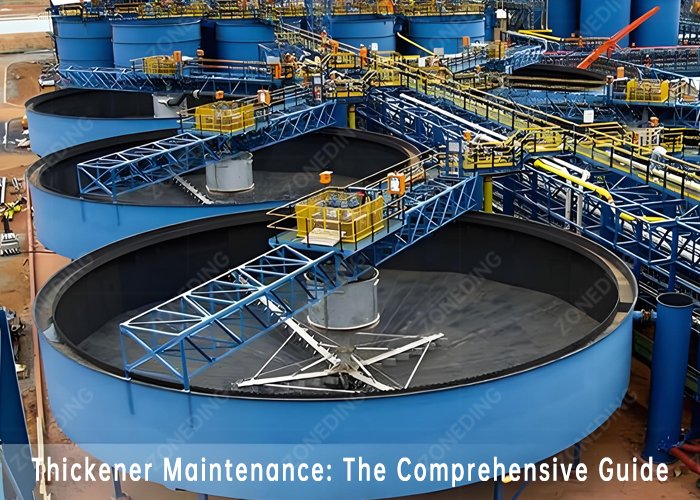
Proper is the key to preventing expensive mine shutdowns. A broken thickener stops the whole water cycle of a mineral plant. Most failures happen because of small ignored details in the drive or underflow systems. This guide provides practical ste...
We use cookies to ensure that we give you the best experience on our website. If you continue to use this site we will assume that you are happy with it.
Privacy Policy
Send us a message
We would love to hear from you
Submit your question and our team will respond to the email provided as soon as possible.
 Zoneding Machine