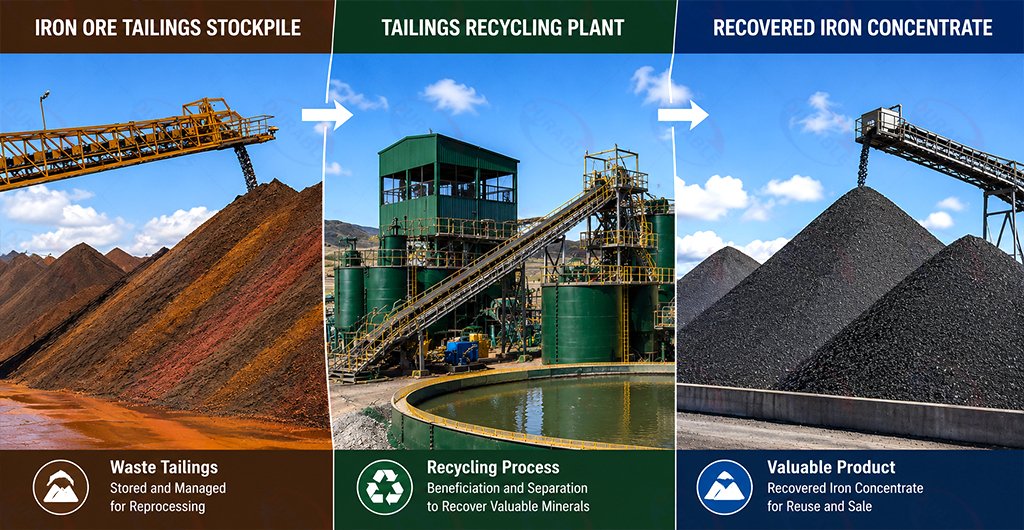
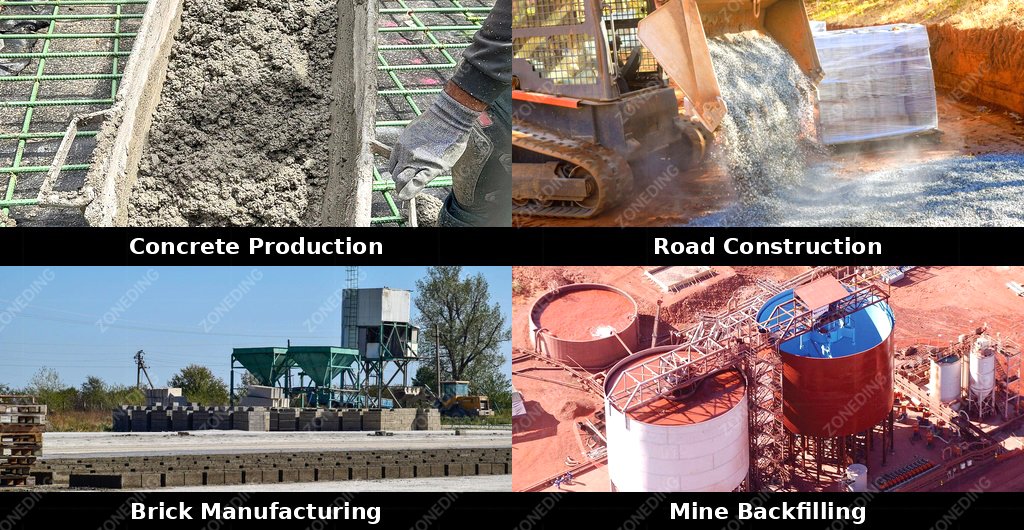
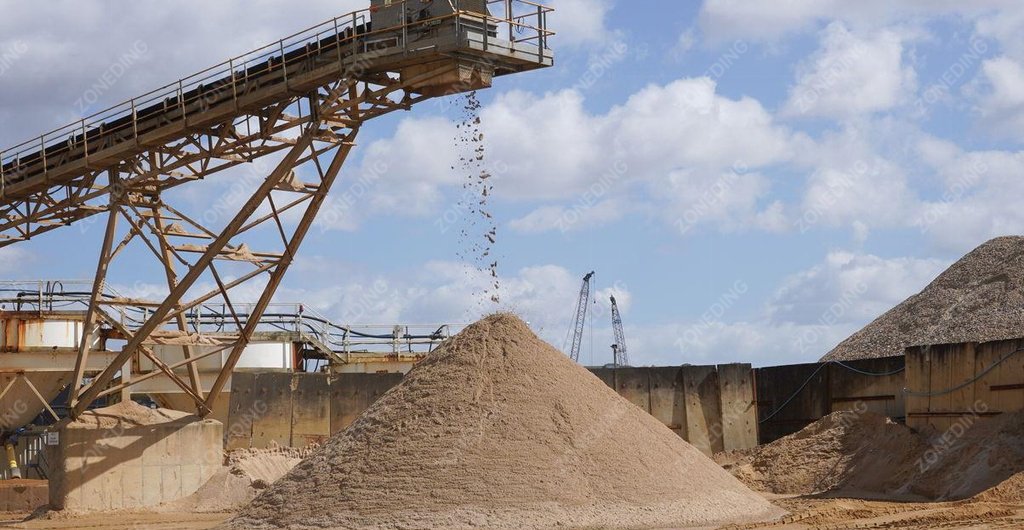
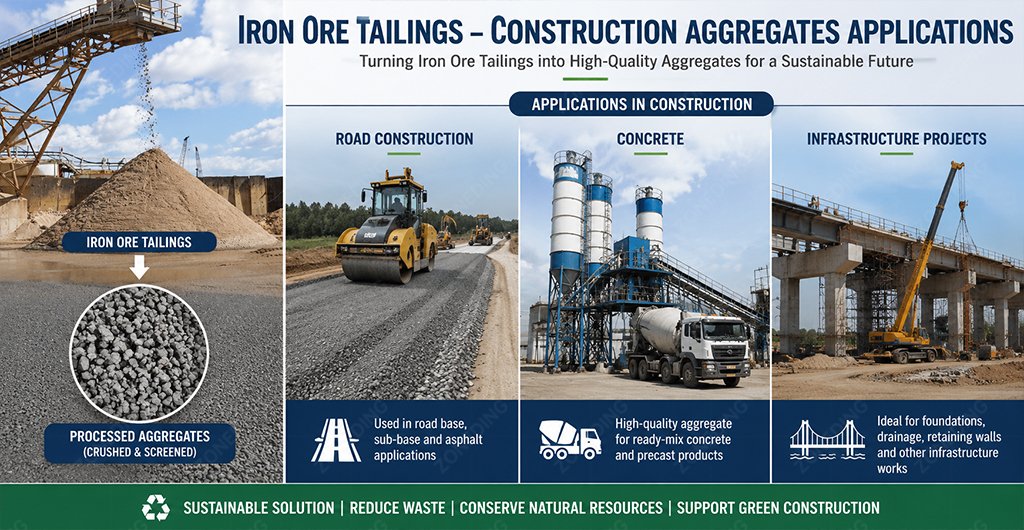
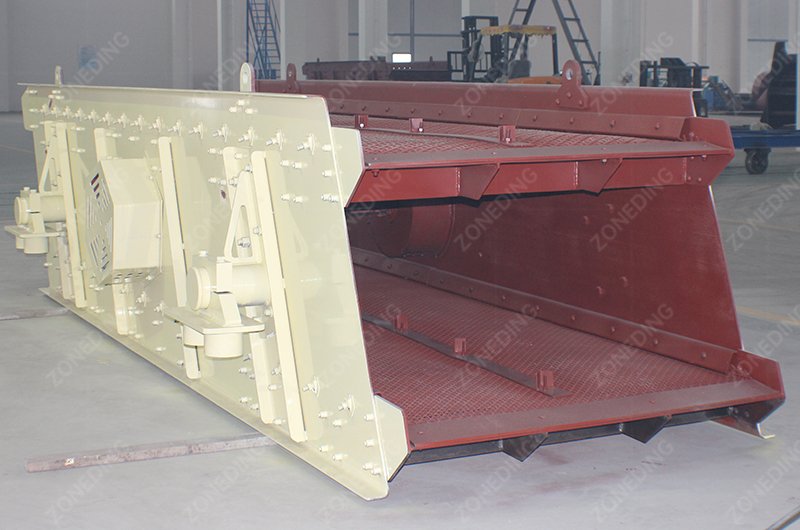
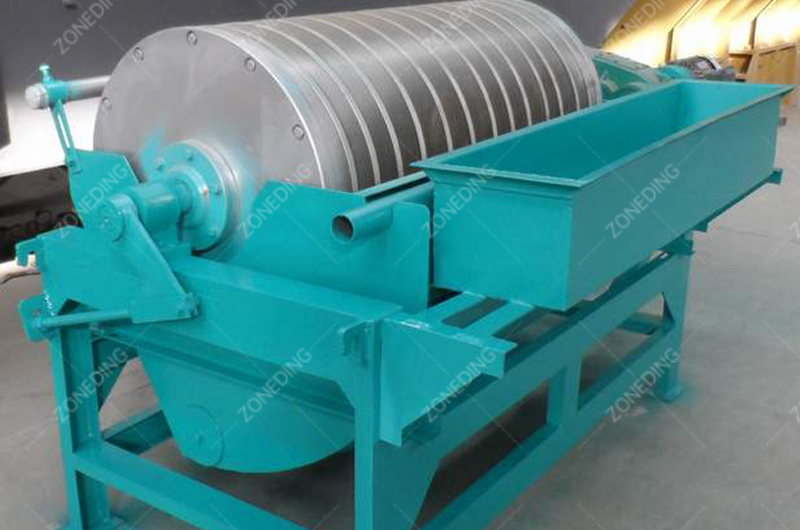
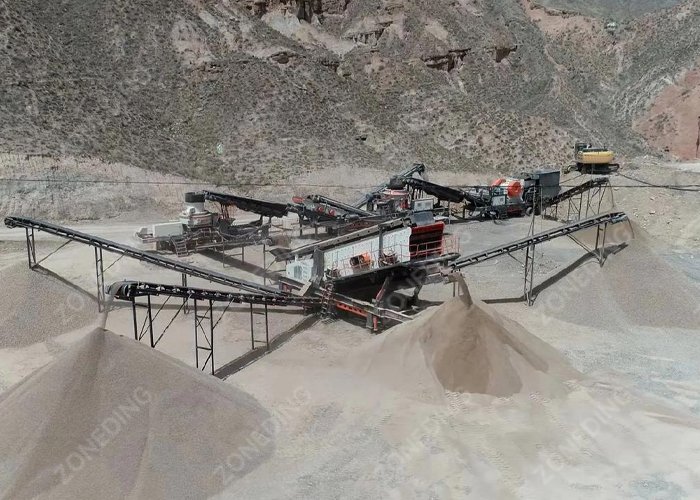
For this reason, many modern tailings plants include a magnetic separation stage before aggregate production.
Real Case: Iron Ore Tailings Sand Project
A mining company generated approximately 500,000 tons of tailings annually.
Initial Situation
Problems:
Increasing tailings storage costs
Environmental pressure
No additional revenue from tailings
New Solution
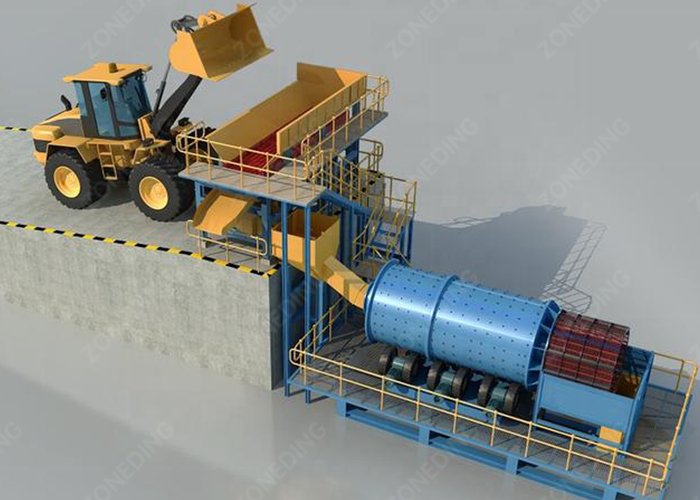
The company installed:
Magnetic separation system
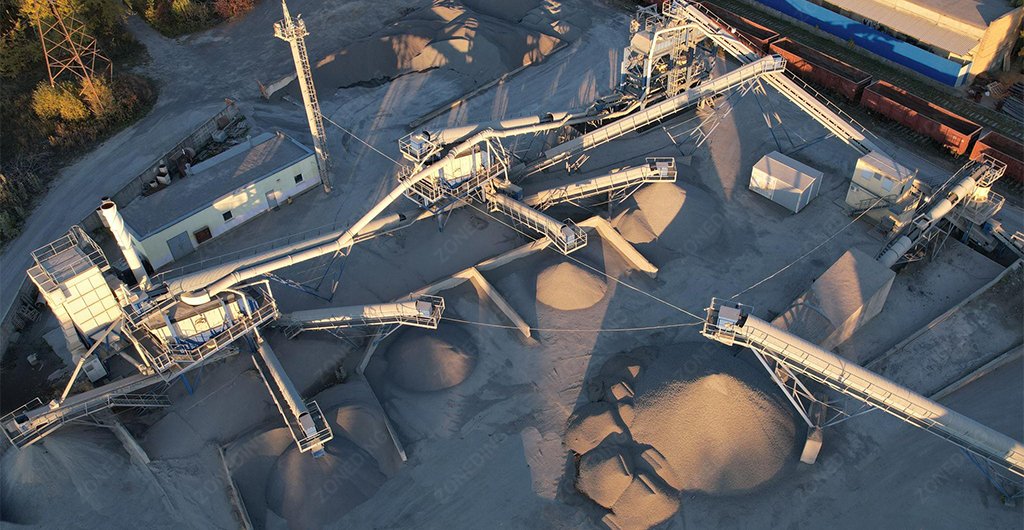
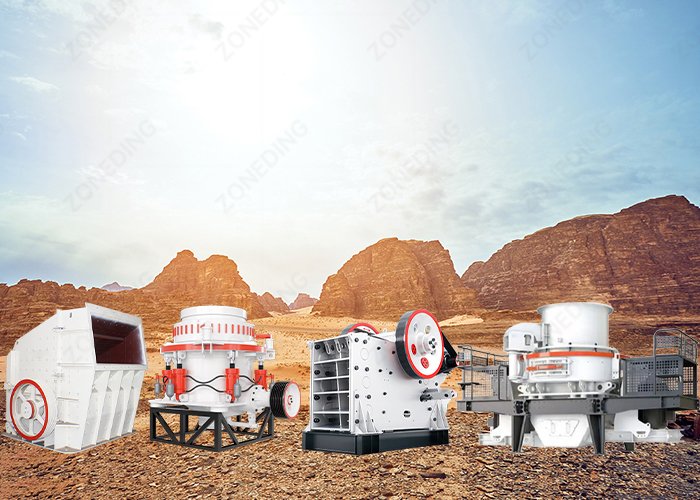
Crushing and screening line
Sand production system
Results
Metric
Before
After
Tailings Utilization
0%
85%
Iron Recovery
None
Additional Concentrate
Sand Production
None
Commercial Product
Revenue
Disposal Cost
Additional Income
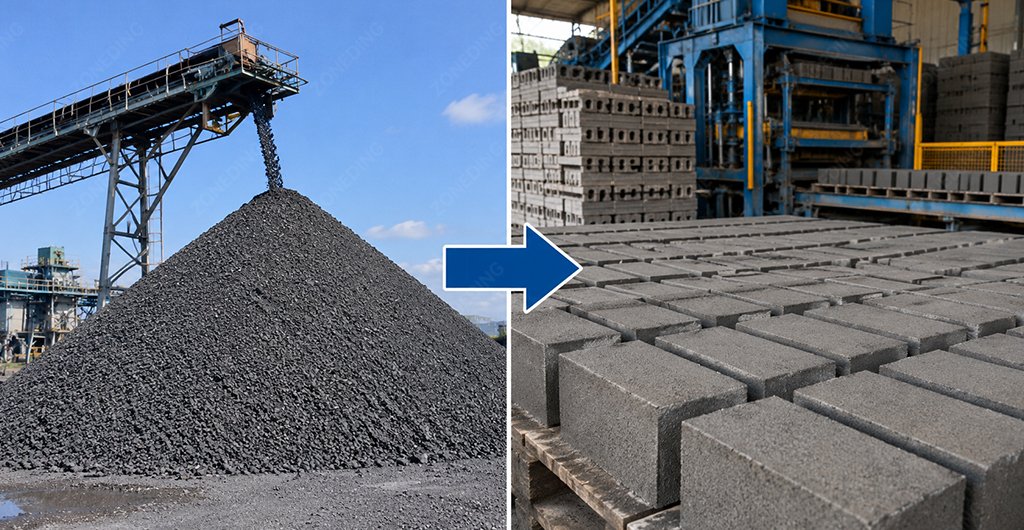
The project transformed a waste stream into a profitable business unit.
What Factors Affect Project Profitability?
Not all tailings projects are equally profitable.
Several factors have a major impact.
Tailings Composition
Higher iron content often improves economics.
Local Sand Prices
Regions with sand shortages generally offer better returns.
Transportation Distance
Transport costs can quickly reduce profitability.
Projects located near consumers usually perform better.
Environmental Regulations
In many countries, governments actively support tailings utilization projects.
This may provide:
Tax incentives
Faster permitting
Reduced disposal costs
Plant Capacity
Larger projects generally benefit from lower processing costs per ton.
Need a Tailings Profitability Assessment?
Our engineers can help evaluate:
✓ Tailings Composition
✓ Recovery Potential
✓ Sand Production Feasibility
✓ Equipment Requirements
✓ Project ROI
Simply provide your sample analysis report.
Typical Capacity Ranges
Plant Size
Capacity
Small
30-100 TPH
Medium
100-300 TPH
Large
300-800 TPH
Industrial Scale
800+ TPH
The optimal capacity depends on:
Tailings availability
Local market demand
Investment budget
A properly sized plant usually achieves better utilization and profitability.
Frequently Asked Questions
Can iron ore tailings be used to make sand?
Yes. Many tailings contain suitable particle characteristics for manufactured sand production after proper processing and classification.
Should iron be recovered before producing construction materials?
In most cases, yes. Recovering residual iron first often increases overall project profitability and improves product quality.
What is the most profitable use of iron ore tailings?
The answer depends on local markets. Common profitable applications include iron recovery, manufactured sand production, aggregates, and construction materials.
Do tailings projects require crushing equipment?
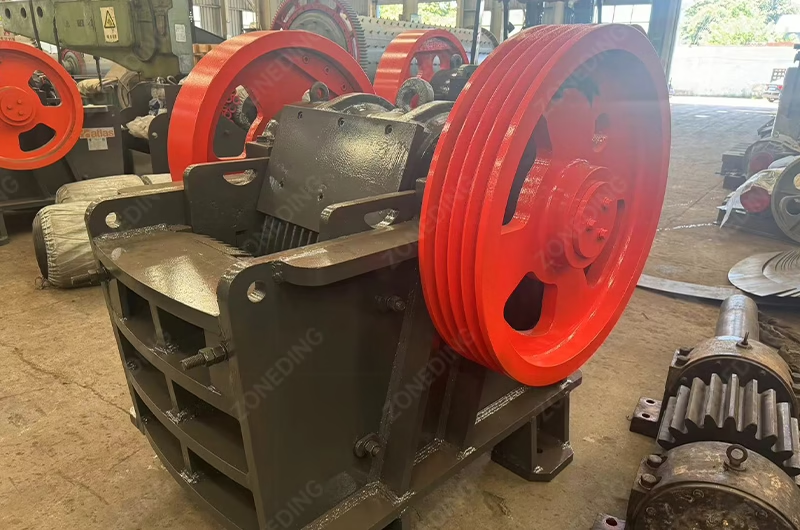
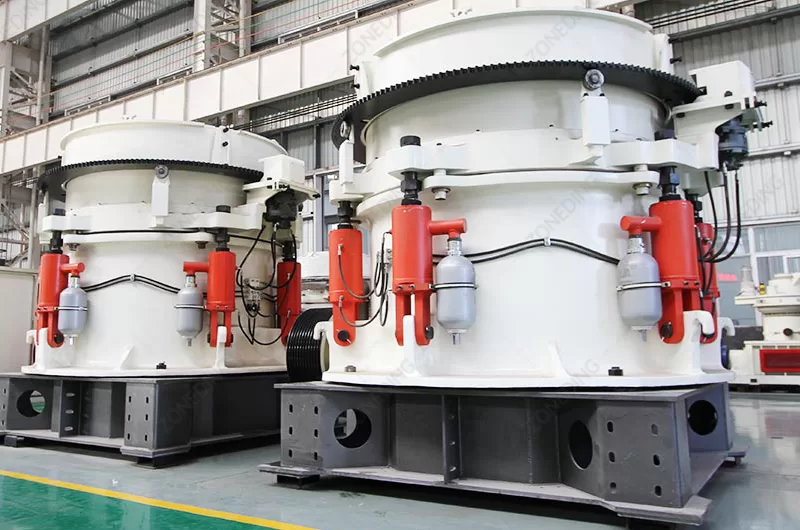
Many projects do. Depending on particle size and product requirements, crushers, screens, and sand-making equipment may be required.
How much does an iron ore tailings production line cost?
Investment varies depending on capacity and process requirements. Small systems may start at tens of thousands of dollars, while large industrial projects can require several million dollars.
Can existing tailings ponds be processed?
Yes. Many successful projects recover valuable materials from historical tailings ponds while reducing environmental liabilities.
Final Thoughts
Iron ore tailings are no longer viewed solely as waste.
With the right processing technology, they can become a valuable source of construction materials and additional mineral recovery.
For many mining companies, a well-designed tailings production line provides:
Additional revenue
Reduced disposal costs
Better environmental performance
Improved resource utilization
Before investing, evaluate both the material characteristics and the local market demand. The most successful projects focus on maximizing value from every ton of tailings processed.
Need a Customized Iron Ore Tailings Solution?
Send us:
✓ Tailings Analysis Report
✓ Capacity Requirement
✓ Moisture Content
✓ Desired End Product
Our engineering team can recommend the most cost-effective processing solution for your project.
About ZONEDING
ZONEDING provides crushing, screening, sand-making, magnetic separation, and mineral processing equipment for iron ore, gold ore, copper ore, tailings recycling, and aggregate production projects worldwide.
Whether you are developing a new tailings utilization project or upgrading an existing operation, our team can help you design a customized production line that maximizes recovery and profitability.
In a professional mineral processing plant, meeting catalog specifications does not always guarantee on-site success. Many buyers focus only on motor power or feed size, but these are surface numbers. Real profitability depends on how equipment ha...
Anti-clogging screening equipment provides the most reliable way to handle sticky materials in 2026. Traditional vibrating screens often fail when clay moisture exceeds 10%. This leads to frequent downtime and high cleaning costs. Our technic...
What is a concrete crusher and how to select the best model? This industrial manual covers technical parameters, types, and maintenance for recycling projects. Effective debris management requires precise machine choice to ensure high-quality aggr...
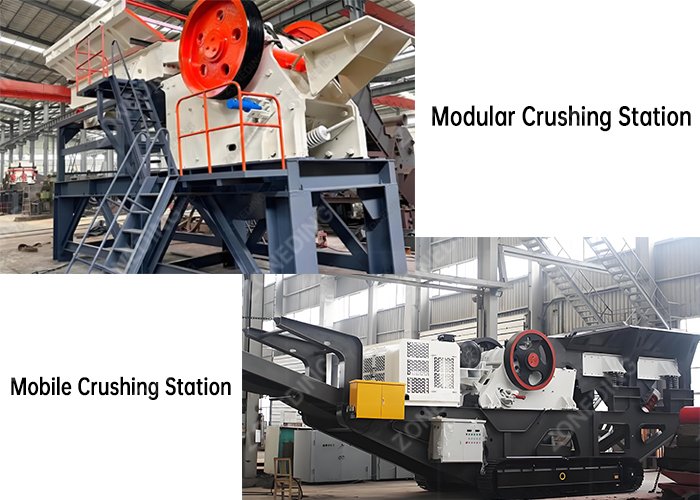
Choosing between a modular crushing station and a mobile crushing plant depends on project duration and move frequency. A mobile plant offers speed for short projects. A modular plant provides stability for long-term production. I have seen many o...
We use cookies to ensure that we give you the best experience on our website. If you continue to use this site we will assume that you are happy with it.
Privacy Policy
Send us a message
We would love to hear from you
Submit your question and our team will respond to the email provided as soon as possible.
 Zoneding Machine