2026 brings new global standards for construction aggregates and production efficiency. High-performance concrete now requires stones with perfect shape and extreme cleanliness. This manual explains how to use a and Cone Crusher to meet these goals. Modern plants must use intelligent screening and green mining technologies to stay legal. This guide helps producers optimize every step from raw rock to high-quality manufactured sand.
What are the latest 2026 aggregate classifications?
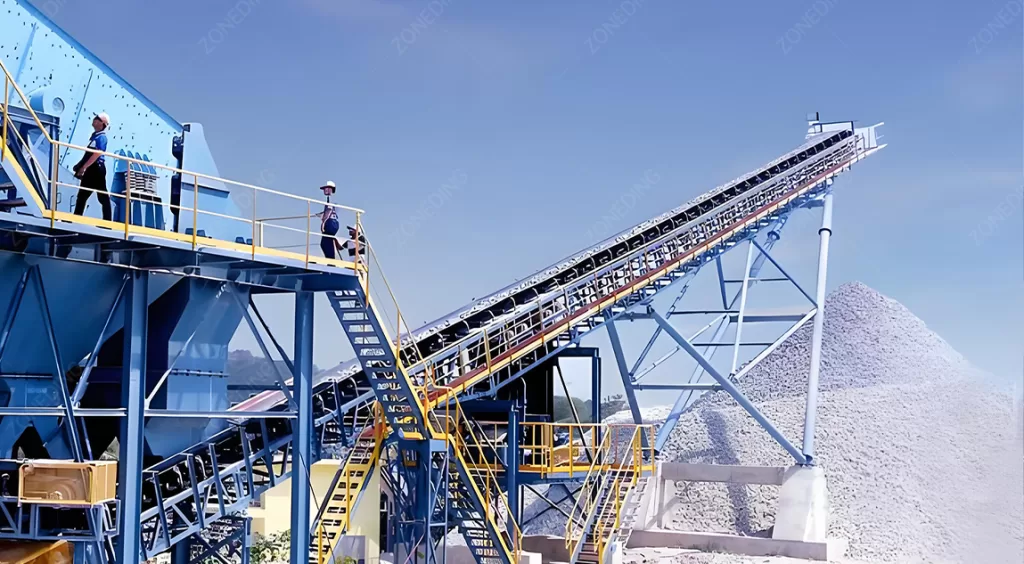
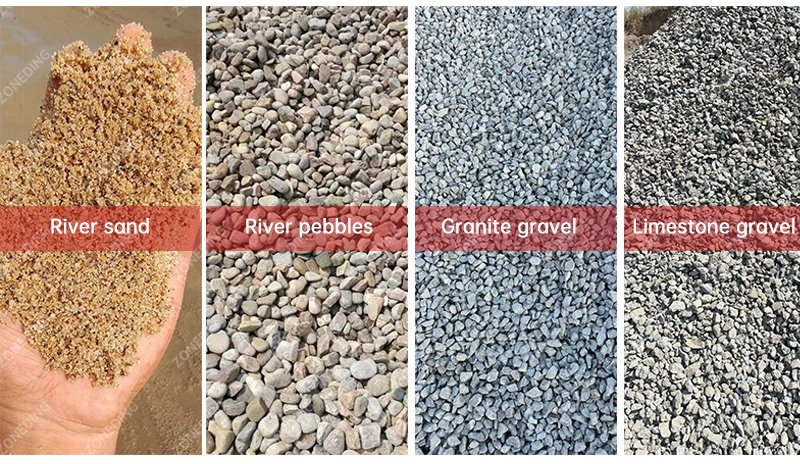
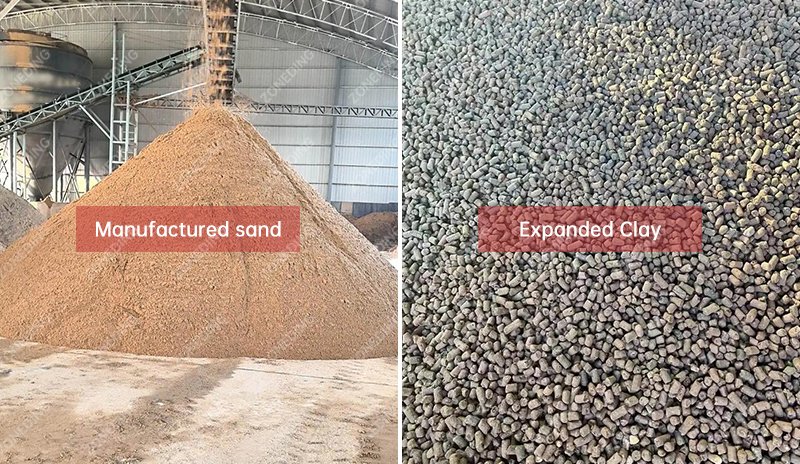
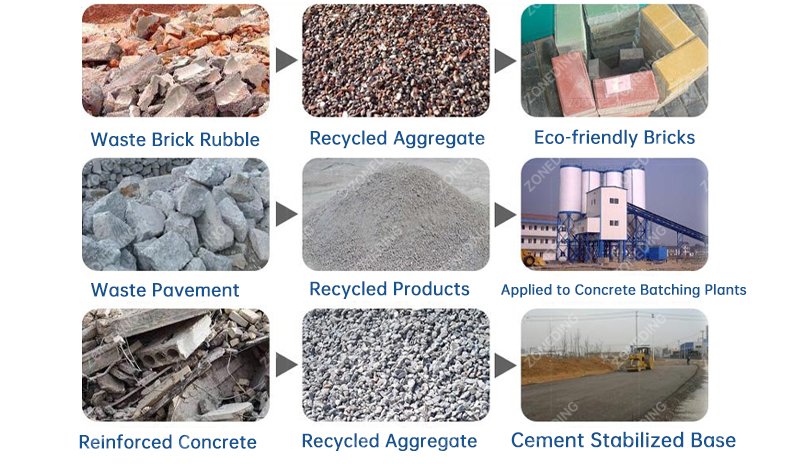
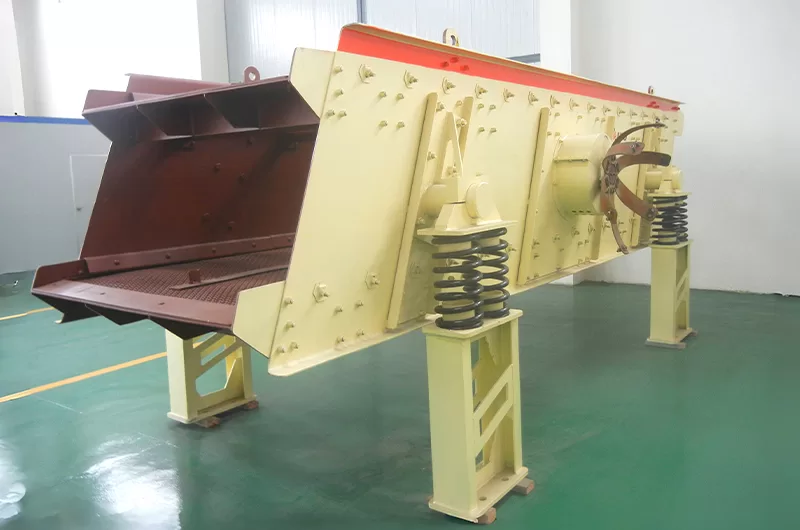
Construction aggregates in 2026 are split into natural, manufactured, and recycled categories with strict durability limits. Natural aggregates come from mountain stone or river gravel. Manufactured sand, or M-Sand, is made by a Sand Making Machine. Recycled aggregates come from crushed old concrete. Every type must pass the Aggregate Crushing Value (ACV) test. For high-speed roads, the ACV must be under 20%. This ensures the stones do not turn to powder under heavy truck tires. Strength is the most important factor for all infrastructure projects in 2026.
Natural aggregates
Manufacturing aggregates
Recycled aggregates
Chemical safety is also a major part of the new 2026 requirements. Aggregates must have very low levels of reactive silica. If silica levels are high, a bad chemical reaction happens inside the concrete. This reaction makes the concrete expand and crack over many years. Water absorption is another key rule. It must stay below 1.5% for all structural work. Stones that absorb too much water will freeze and break in winter weather. Regular lab tests are now a standard part of every production day. Producers must keep detailed records of these chemical traits for every batch of stone.
Core physical indicators and standards
The three main indicators are strength, shape, and cleanliness. Strength is checked by the Los Angeles Abrasion test. Shape is measured by the flakiness index. Cleanliness is measured by the silt content. In 2026, buyers only pay top prices for cubical stones with zero mud coating. Regular calibration of testing equipment is the only way to maintain these high standards over time.
Aggregate Property
2026 Standard Requirement
Practical Meaning
Crushing Value (ACV)
Less than 20%
Stones resist heavy traffic loads
Flakiness Index
Less than 10%
Concrete flows better in pumps
Water Absorption
Less than 1.5%
Stone lasts longer in winter weather
What are the specific grading curve standards for high-performance concrete?
High-performance concrete (HPC) requires a continuous grading curve to fill all gaps between stones. A perfect curve means there is very little empty space in a pile of stone. This empty space is called the void ratio. If the void ratio is low, the concrete needs less cement. This makes the final product stronger and much cheaper to build. A Vibrating Screen with multiple decks is the best tool to create these specific sizes. Each deck separates a different size of rock. Then these sizes are mixed back together in an exact ratio. The standard grading curve follows an S-shape on a graph for 2026 projects. This curve makes the concrete easy to pump up into high-rise buildings. If one size is missing, the mix becomes “gap-graded.” Gap-graded concrete is hard to work with and often clogs the concrete pump. Fine sand must also have a specific Fineness Modulus (FM) between 2.6 and 3.0. Sand that is too fine makes the concrete weak. Sand that is too coarse makes the concrete rough. Monitoring the FM every hour is the best way to keep the concrete quality high.
Importance of fine particle distribution
Fine particles must be spread evenly throughout the mix. This creates a dense skeleton that supports heavy weight. In 2026, engineers use digital sensors on the conveyor belts to check the size of the stones in real-time. This helps the plant manager adjust the machines before any bad material is made.
Size Category
Particle Range
Best Mix Percentage
Coarse Stone
10mm – 25mm
40% of the total weight
Medium Stone
5mm – 10mm
25% of the total weight
Fine Sand
0.075mm – 5mm
35% of the total weight
How to control grain shape and fineness modulus in M-Sand production with a VSI crusher?
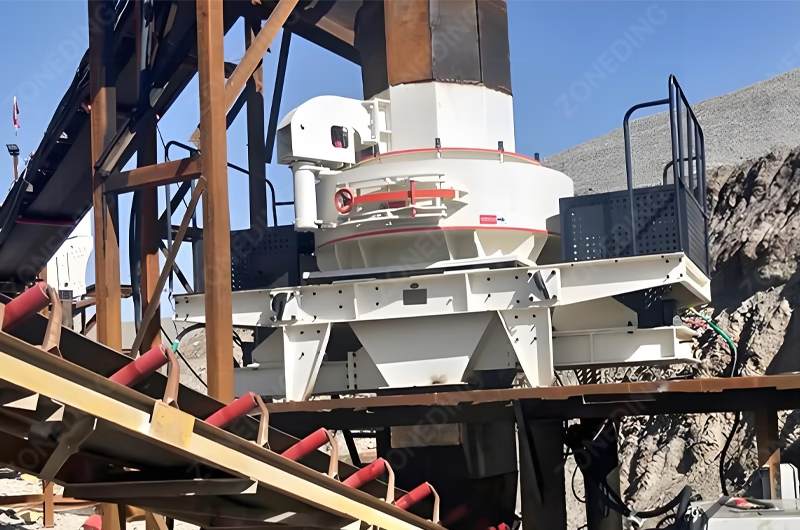
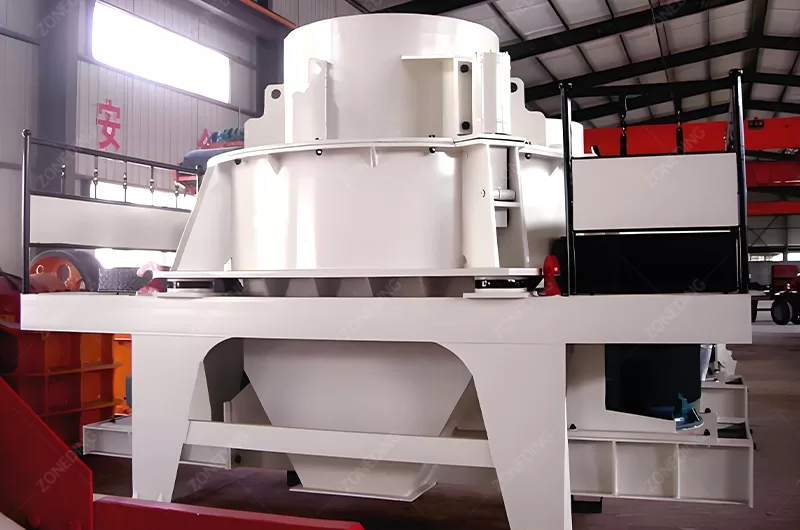
A VSI crusher uses high-speed rock collisions to create round and cubical sand grains. Manufactured sand (M-Sand) is the primary choice for 2026 construction. Traditional crushers produce sharp, flat sand that makes concrete difficult to mix. A VSI machine spins rock at very high speeds. The rock hits other rocks inside a crushing chamber. This action breaks off the sharp edges and corners. The result is a smooth, high-quality grain that acts like natural river sand. This machine is the heart of any modern Sand Making Machine line.
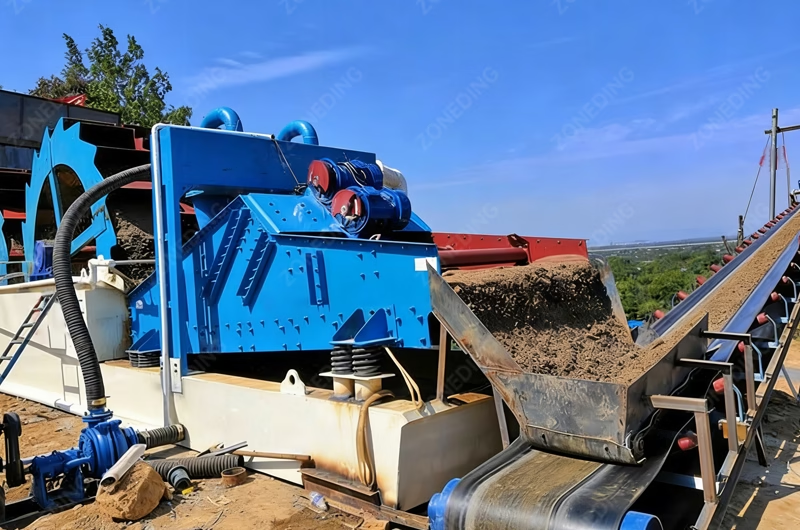
High-Quality Manufactured Sand Production
Sand making machine customer site
Controlling the Fineness Modulus (FM) in a VSI machine is done by changing the rotor speed. A faster rotor creates more fine particles and a lower FM. A slower rotor creates coarser sand and a higher FM. In 2026, frequency drives allow operators to change this speed on a computer screen. This allows the plant to switch between different sand types in seconds. Keeping the rotor tips in good condition is also vital. Worn tips change the way rock flies and can lead to poor grain shape and high repair costs. Checking the tips every day prevents these quality problems.
Details of grain shape control
The “cascade” feed system is another way to control sand quality in 2026. This system lets some rock bypass the rotor and fall into the crushing chamber. This creates more collisions and improves the roundness of the sand. Finding the right balance between rotor feed and cascade feed is a common task. It ensures the sand meets the strict grading rules for modern skyscrapers.
How to configure Jaw, Cone, and Screen in an automatic plant for max output?
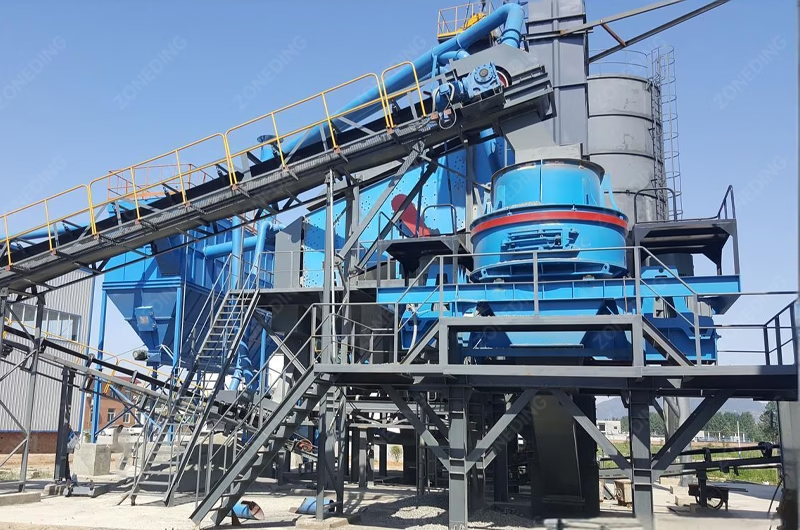
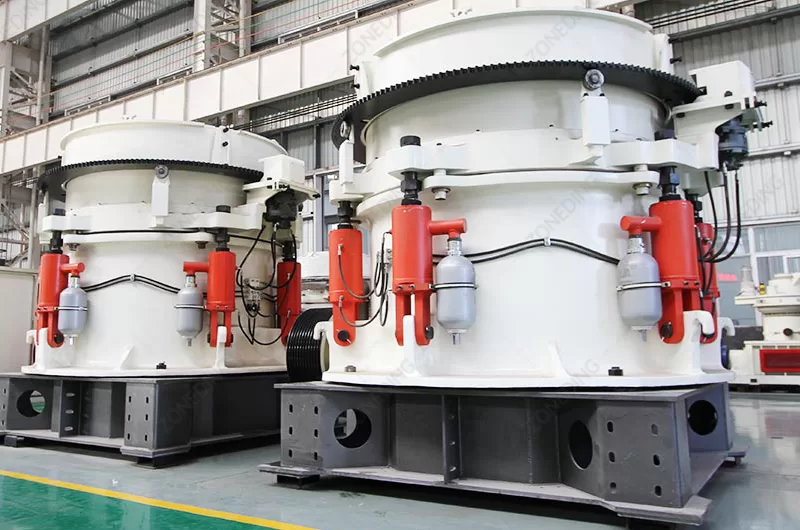
An efficient plant uses a three-stage crushing process to ensure high tonnage and perfect shape. The first stage uses a Jaw Crusher to handle large boulders from the mine. This machine breaks big rocks into smaller pieces for the next machine. The second stage uses a Cone Crusher for secondary crushing. This machine is perfect for hard rocks like basalt or granite. The third stage uses a VSI for final shaping. A Vibrating Screen is placed between these stages to remove finished products and send large rocks back for more crushing. Automation is the secret to maximum output in 2026. Smart sensors monitor the level of rock in the crusher cavity. If the level is too low, the feeder speeds up. This “choke feeding” makes rocks crush against other rocks, which saves the metal liners. Automated plants also track the power use of every motor. If power drops, it means a machine is empty. If power spikes, it means there is a blockage. This data allows a plant to run at 98% efficiency with very few workers. Proper site planning and consistent feeding are the best ways to keep the plant profitable.
How does 2026 intelligent screening detect silt and dust in real-time?
Intelligent screening uses laser sensors and cameras to watch the cleanliness of the stone. Silt and dust are the enemies of high-quality aggregate. In 2026, buyers will not accept any stone with more than 1% dust. Smart screens watch the stone as it falls off the conveyor belt. If the camera sees too much mud, it alerts the control room. It can also turn on a Sand Washing Machine to start cleaning the material immediately. This prevents a whole day of production from being wasted. These sensors work 24 hours a day without getting tired.
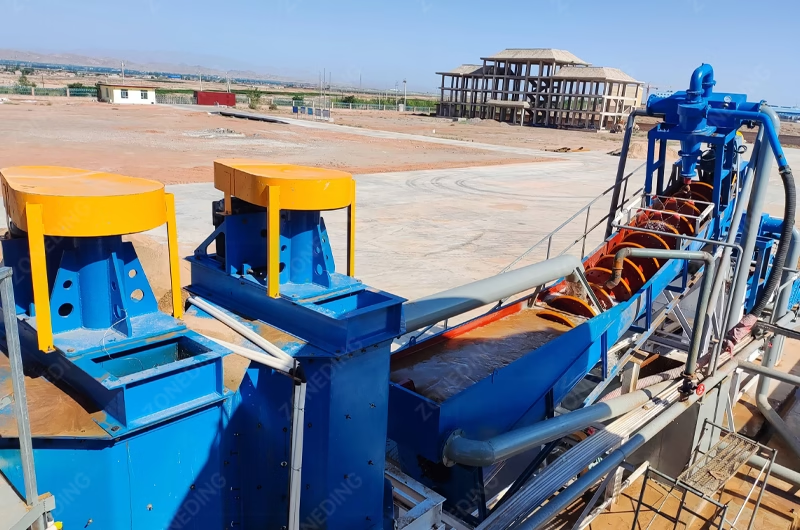
Spiral sand washing machine
Sand Washing Machine
Some systems use air instead of water to remove dust in 2026. A big fan blows through the falling stone. This pulls the fine dust into a collection bag. Sensors measure the weight of the collected dust to confirm the stone is clean. This “dry cleaning” method is very popular in dry areas where water is expensive. These digital reports are sent directly to the customer as proof of quality. Clean stone builds a strong reputation and allows for higher market prices. Using these automated tools reduces the need for manual sampling and laboratory delays.
How to reduce consumable costs when crushing hard rocks like basalt and granite?
Crushing hard rock requires the right manganese steel and a correct crushing ratio. Basalt and granite are very abrasive and eat through metal liners quickly. In 2026, producers use liners with a high chromium content to last longer. The Cone Crusher is the best machine for these hard materials. If the crushing ratio is too high in one machine, the metal wears out fast. Spreading the work across three stages reduces the wear on each individual part. This saves a lot of money over a full year of production. Proper maintenance also lowers the cost of wear parts. If the crusher is not fed evenly, the liners wear out on one side only. This makes the operator change the whole set even if half the metal is still good. Using a Vibrating Feeder ensures the rock is spread across the entire crushing chamber. Monitoring the temperature and vibration of the machine also prevents sudden breaks. These simple steps keep the cost per ton low and the profit per ton high. Regular inspections are the best tool for any hard rock quarry.
Wear part life management
Producers should track the tonnage of every set of liners. This data helps predict when the next change is needed. In 2026, most managers use mobile apps to see the wear levels on their phones. This prevents the machine from running with thin metal and breaking the main frame.
How can mobile stations turn construction waste into standard recycled aggregate?
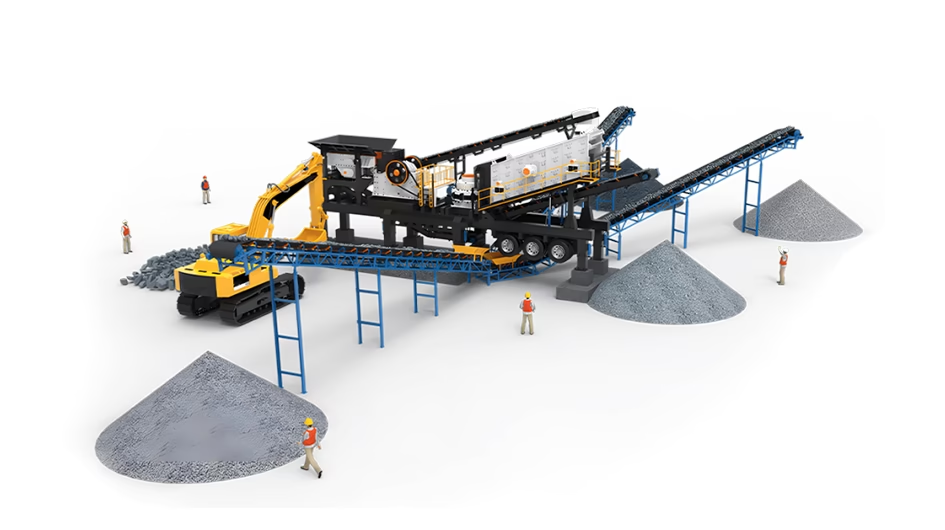
A Mobile Stone Crusher can process old concrete and bricks directly at the work site. This is a massive trend in 2026 due to new recycling laws. It is now too expensive to haul waste to a landfill. A Mobile Jaw Crusher breaks the big concrete chunks. A strong magnet on the belt pulls out all the steel rebar. The remaining stone is then screened into different sizes. This recycled aggregate is perfect for road bases and new parking lots. It is a great way to turn trash into cash.
Mobile crushing station
To meet 2026 quality standards, recycled aggregate must be very clean. Modern Mobile Crusher units use air blowers to remove plastic and wood. They also use water tanks to float away light waste. The final product is a clean, strong stone that is 30% cheaper than natural rock. This makes it very popular for city building projects. Using a mobile station also lowers the carbon footprint. It removes the need for hundreds of truck trips across the city. Many cities now give tax breaks to companies that use recycled aggregate. “Learn more about recycling in our Mobile Stone Crusher section.”
What are the dust and noise rules for aggregate production under green mining policies?
Green mining rules in 2026 require fully enclosed conveyors and high-pressure misting systems. Dust is a major health risk and a big problem for neighbors. Modern plants must cover every belt and every crusher. A high-pressure misting system sprays tiny water drops at every transfer point. These drops grab the dust and pull it to the ground. This keeps the air clean without making the stone too wet. These systems are now required by law in most countries. Noise suppression is another key part of green mining in 2026. Producers use rubber screen mesh instead of steel to reduce the loud clanging sound. Enclosing the Stone Crushing Plant in a building also keeps the noise inside. Planting trees around the site acts as a natural wall for sound and dust. These steps help the company stay friendly with the local community. It also prevents expensive fines from environmental inspectors. A clean, quiet site is a sign of a professional and profitable business.
Modern environmental requirements
Most 2026 sites must use electric motors instead of diesel engines. This reduces the smoke and the noise at the site. Using solar panels on the roof of the factory buildings can provide enough power for the whole screening process.
Environment Factor
2026 Control Method
Practical Benefit
Dust Levels
Misting and enclosures
Better health and no fines
Noise Levels
Rubber mesh and walls
Happy neighbors and longer hours
Water Use
Recycling tanks
Lower costs and better compliance
Why are surface roughness and cleanliness vital for modern high-performance concrete?
Rough and clean stones create a stronger bond with the cement paste in 2026 concrete. If a stone is smooth like glass, the cement cannot grab onto it tightly. This creates a weak spot in the concrete. If the stone is covered in dust, the cement sticks to the dust instead of the stone. This makes the concrete crumble under pressure. Using an impact crusher or a VSI creates a rough surface that is perfect for high-strength buildings. This surface allows the cement to “lock” into the stone. Cleanliness is just as important as roughness. Any mud or clay on the stone ruins the bond between the stone and the cement. In 2026, most high-performance concrete projects require the stone to be washed. A Sand Washing Machine removes all the fine silt and clay. This ensures the cement paste hits the actual rock surface. This results in concrete that can last for 100 years. Testing the bond strength in a lab is the final step to confirm the aggregate is ready for a major project.
How to meet ESG compliance using carbon footprint tracking in 2026?
Aggregate producers use digital tracking to measure the energy used for every ton of stone. Environmental, Social, and Governance (ESG) rules are now a part of the global supply chain. Large construction companies only buy from “green” suppliers. Producers must track the electricity, fuel, and water used by the Stone Crushing Plant. This data is put into a yearly report. If the carbon footprint is too high, the company might lose its best customers. Lowering energy use is now both a moral and a financial goal. The best way to lower the carbon footprint is to use high-efficiency machines. A modern Cone Crusher uses 20% less power than an old model. Using gravity to move rock through the plant instead of long conveyors also saves energy. In 2026, some plants use their own solar or wind power to run the machines. Tracking these savings through a digital system provides proof for the ESG auditors. This proof allows the company to win contracts for “green” building projects and get better rates from banks.
2026 Latest trends at a glance
Electric Mobile Units: Using battery power for a Mobile Crusher to eliminate diesel smoke.
Digital Twins: Using a computer model of the plant to find where energy is being wasted.
Water Recycling: Using a thickener and filter press to reuse 98% of the plant’s water.
Frequently Asked Questions
Question 1: Why is the flakiness index so important for 2026 projects? Flaky stones are thin and break easily under heavy loads. They also make concrete hard to pump. Keeping the flakiness index under 10% ensures the concrete is strong and the building process is smooth. Question 2: Can I use a Jaw Crusher for the final product size? No, a Jaw Crusher is for primary crushing only. It makes rocks smaller but the shape is often too sharp and flaky. A secondary Cone Crusher or VSI is needed for the final shape. Question 3: How does M-Sand compare to natural river sand? M-Sand is often better because the quality is controlled. Natural sand can have mud and organic waste. M-Sand from a Sand Making Machine is clean, consistent, and has the perfect grading for concrete. Question 4: What is the benefit of a mobile station for city waste? A Mobile Stone Crusher saves transport costs. It crushes the waste on the site where it was created. This reduces truck traffic and allows for the immediate reuse of the aggregate on the same project. Question 5: How do I know when to change my crusher liners? Monitor the thickness of the liners every week. If the production rate drops or the motor power goes up, the liners are likely worn out. Changing them before they break protects the whole machine from damage.
About ZONEDING
ZONEDING is a leading manufacturer of mineral processing equipment in China. Since 2004, the company has provided high-efficiency Jaw Crushers, Cone Crushers, and Mobile Stone Crushers. The company specializes in complete Stone Crushing Plant designs for 120 countries. With 15 expert engineers, ZONEDING ensures every product meets the 2026 global standards for strength and sustainability. Contact ZONEDING today for a custom plant design and a direct factory quote.
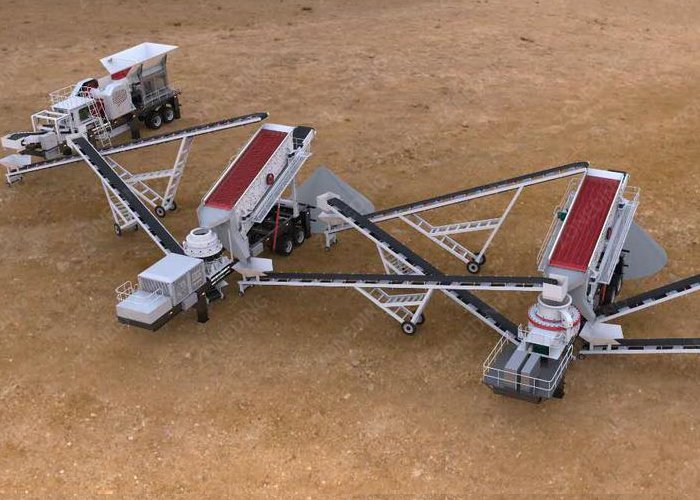
Managing scattered construction sites requires highly adaptable equipment. The mobile crushing plant solves the massive challenge of tight schedules and frequent project relocations. Multi-project contractors deploy these machines to eli...
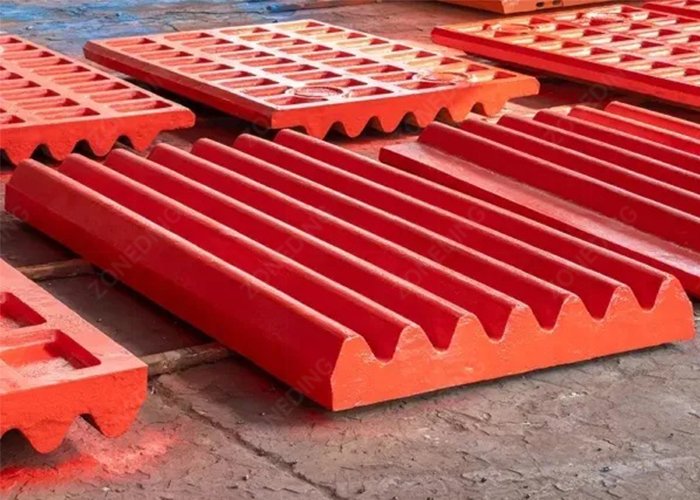
Many quarry operators spend months comparing crusher models, motor power, and production capacity. However, very few spend the same amount of time evaluating the jaw plates that actually perform the crushing. That oversight can become surprisingly...
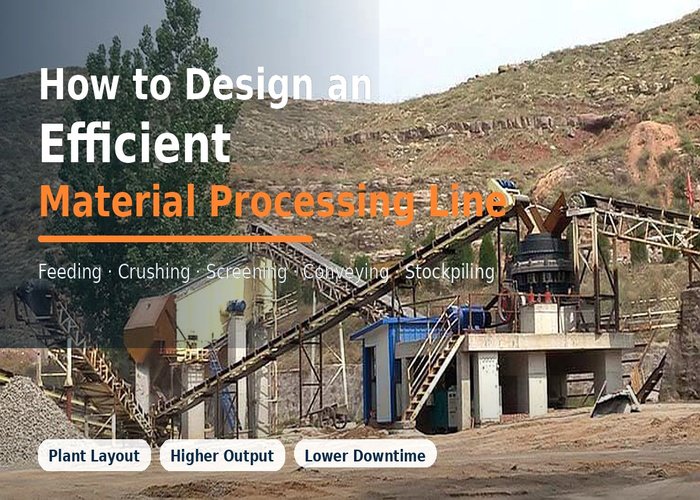
An efficient material processing line is the foundation of a profitable operation. Whether you are producing aggregates, processing minerals, manufacturing sand, or handling industrial raw materials, the success of your project depends on much mor...
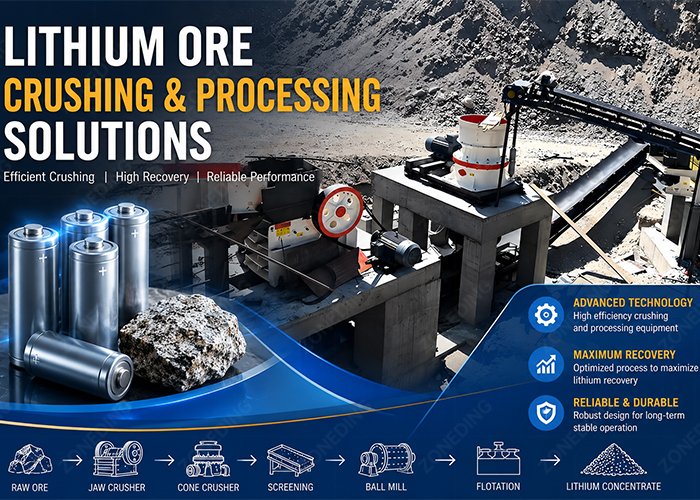
The rapid growth of electric vehicles, energy storage systems, and renewable energy technologies has driven unprecedented demand for lithium worldwide. As a result, new lithium mining projects are being developed across Australia, Canada, Zimbabwe...
We use cookies to ensure that we give you the best experience on our website. If you continue to use this site we will assume that you are happy with it.
Privacy Policy
Send us a message
We would love to hear from you
Submit your question and our team will respond to the email provided as soon as possible.
 Zoneding Machine