The lead-zinc flotation process is the industrial standard for separating galena and sphalerite. This technology uses the specific surface chemistry of sulfide minerals to create high-grade concentrates. Success depends on the selective suppression of zinc while floating lead. Then, the process activates the zinc for a second stage of recovery. Most plants fail because of poor reagent timing or incorrect pH levels. This guide explains how to achieve a clean separation and maximize silver recovery. Modern plants must balance chemical precision with mechanical efficiency to remain profitable in 2026.
Why is Flotation Essential for Lead-Zinc Separation?
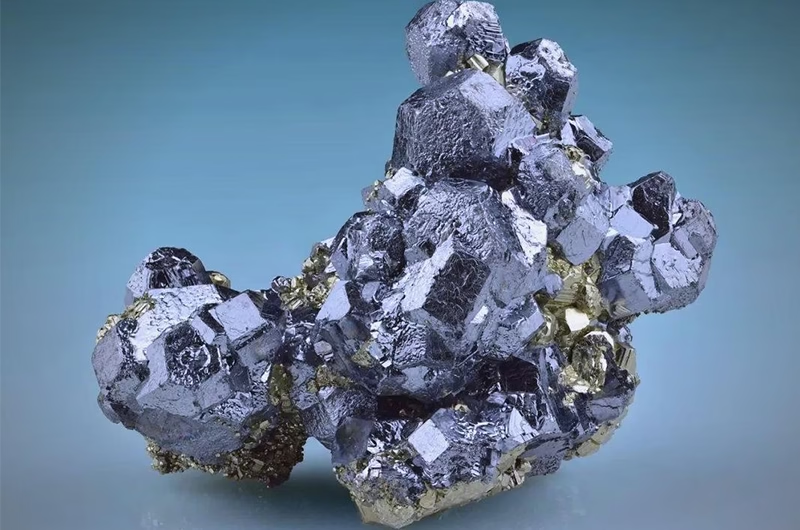
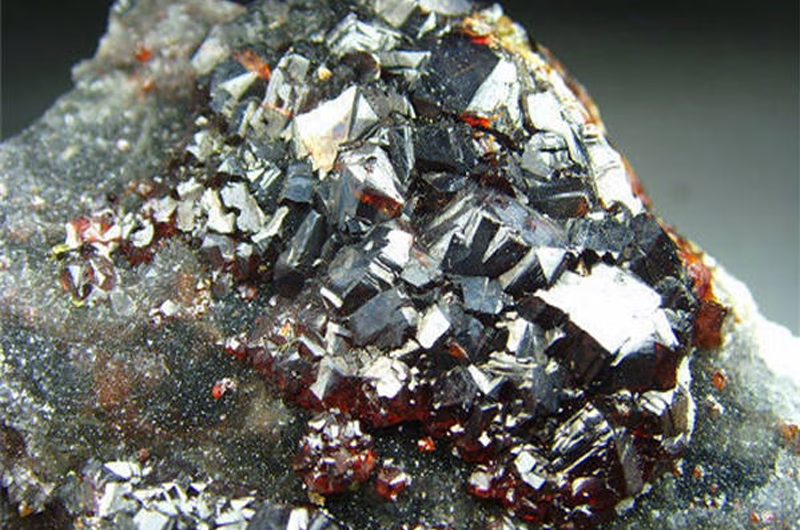
The lead-zinc flotation process is the only method capable of handling the complex mineralogy of sulfide ores. Galena (lead sulfide) and sphalerite (zinc sulfide) often grow together in the same rock. Gravity separation cannot separate them because their densities are sometimes too similar. Flotation uses specific chemicals called collectors and depressants. These chemicals change how the minerals interact with water and air. Lead minerals naturally float better than zinc minerals. Therefore, the process can pull lead out first and leave zinc behind. This high selectivity is the reason why almost every uses this method. Separation happens at the micron level inside the flotation cells. The ore is ground into a fine powder to expose each mineral grain. Then, air bubbles carry the desired particles to the surface. In 2026, the global demand for high-purity lead and zinc is increasing. This is driven by battery production and steel galvanizing industries. A successful flotation circuit produces two distinct products. One is a lead concentrate with high silver content. The other is a high-grade zinc concentrate. Without this technology, the separation would be too expensive or physically impossible. Efficiency in this stage determines the entire profit margin of the mine.
Lead
Zinc
Differential vs. Bulk Flotation: Which to Choose?
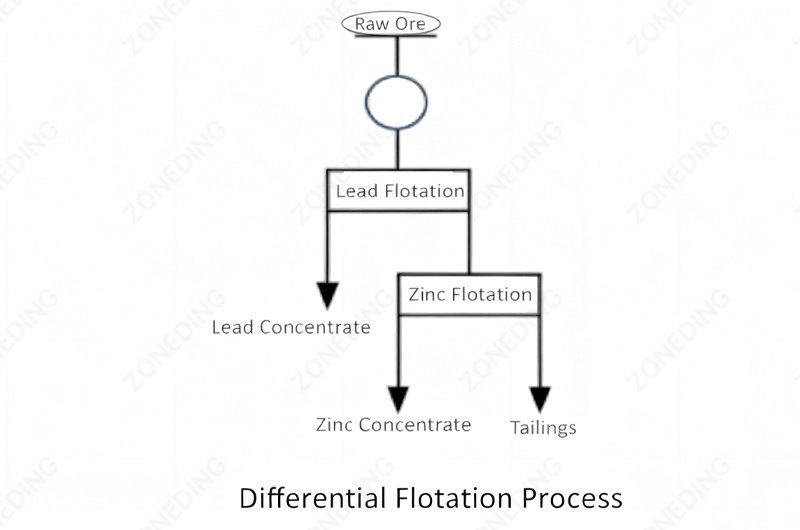
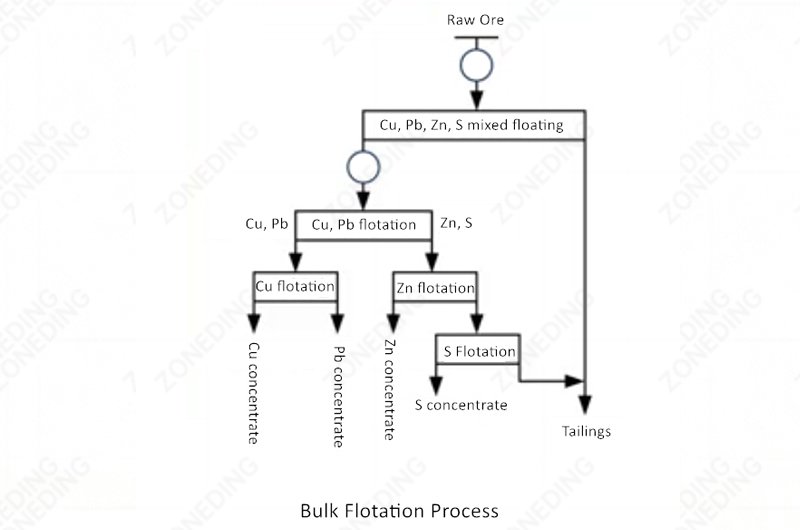
Differential flotation is the most common choice for modern mines. It floats the lead first while using chemicals to keep the zinc down. After the lead is removed, the zinc is activated and floated in a separate circuit. This produces very clean concentrates. Bulk flotation floats both minerals together into one “mixed” concentrate first. Then, it separates them later. Bulk flotation is only useful for very low-grade ores or extremely fine-grained minerals. Most experts prefer differential flotation because it is easier to control. It also results in lower reagent costs over time. Choosing the wrong flow can lead to cross-contamination, where lead ends up in the zinc concentrate.
Differential Flotation
Bulk Flotation
Sequential Flotation
Process Type
Best Ore Application
Main Advantage
Practical Benefit
Differential Flotation
Coarse to medium grains
High concentrate purity
Better prices from smelters
Bulk Flotation
Complex, fine grains
Simplified early circuit
Lower initial equipment cost
Sequential Flotation
High-grade sulfide ores
Maximum silver recovery
Increases total revenue
Tips for Initial Process Design
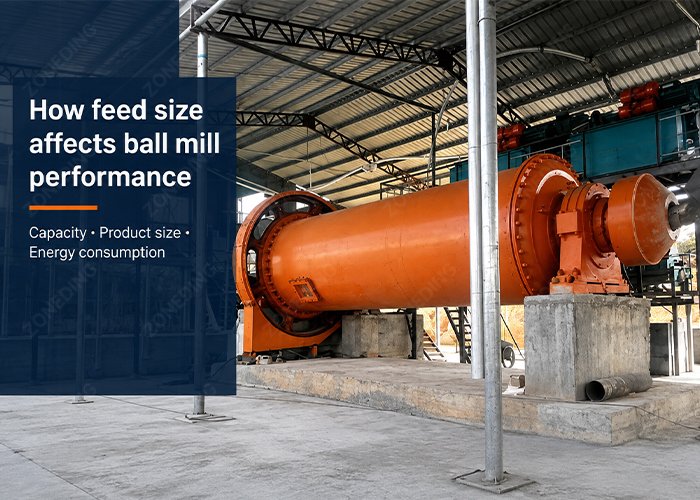
Analyze mineral grain size: Use a Ball Mill to reach the 200-mesh target.
Test for oxidation: Heavily oxidized ores need different reagents like sodium sulfide.
Check for carbon: Organic carbon can ruin flotation and needs a “pre-float” stage.
How to Suppress Zinc During the Lead Flotation Stage?
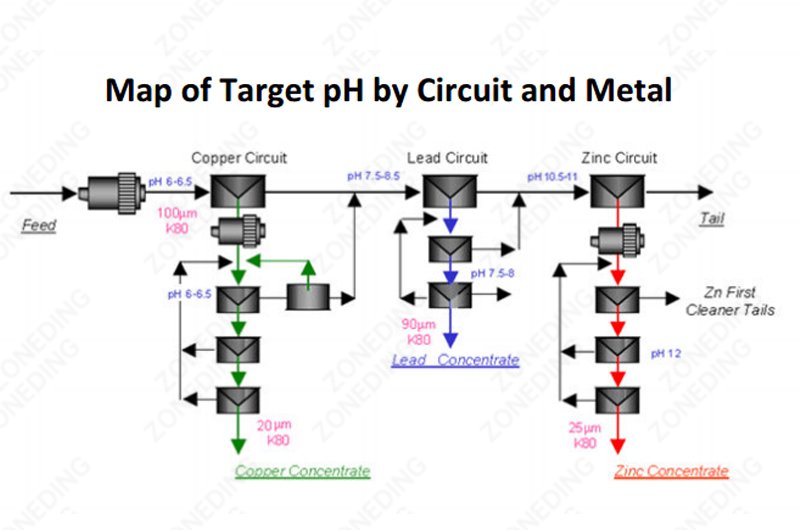
The key to successful lead and zinc separation is the powerful suppression of sphalerite. In the lead circuit, the goal is to float galena and keep sphalerite in the tailings. Zinc sulfate (ZnSO4) is the primary reagent for this task. It forms a hydrophilic film on the zinc surface. This film prevents the lead collectors from sticking to the zinc. However, zinc sulfate works best when combined with sodium sulfite (Na2SO3) or sodium cyanide. Since many regions now ban cyanide, the combination of zinc sulfate and sodium sulfite is the new 2026 standard. Timing is everything in the suppression stage. These reagents must be added to the grinding mill or the first mixing tank. This ensures the zinc minerals are “blinded” before the collectors are added. If the collector touches the zinc first, the suppression will fail. This leads to high zinc content in the lead concentrate. Smelters will charge high penalties for this. The pH also plays a major role. A pH between 8 and 9 is ideal for lead flotation. This range helps the depressants stay stable on the sphalerite surface.
Why Copper Sulfate is Essential for Zinc Activation?
After the lead is removed, the sphalerite remains in the slurry. It is now suppressed and “sleepy.” To recover it, the process needs an activator. Copper sulfate (CuSO4) is the most effective activator for zinc. The copper ions replace the zinc ions on the mineral surface. This creates a thin layer of “copper sulfide” on the sphalerite. This new surface is very attractive to collectors like xanthates. Without copper sulfate, the zinc would simply flow out with the waste. The reaction needs about 10 to 15 minutes of strong mixing. A dedicated Mixer tank is necessary for this activation step.
Reagent Strategy for Higher Recovery
Control the dose: Too much copper sulfate can activate unwanted pyrite (iron).
Use “Combination” depressants: Mixing zinc sulfate and sodium sulfite is more effective than using one.
Monitor Lead collectors: Use selective collectors like Ethyl Nitrogen to avoid pulling zinc.
How to Maximize Silver Recovery in Lead-Zinc Ores?
Silver is often the most valuable part of a lead-zinc concentrator. Most silver exists as tiny inclusions inside the galena crystals. This means the silver naturally follows the lead into the lead concentrate. However, if the grinding is too coarse, the silver stays locked in the host rock. If the grinding is too fine, the silver becomes “mineral slime” and gets lost. To maximize Recovery of silver in lead-zinc ore, the collector choice is vital. Traditional xanthates are often not enough. Specialty collectors are used to target silver. Reagents like “Aerophine” or “Ethyl Nitrogen” have a high affinity for silver-bearing minerals. These chemicals should be added in the rougher stage of lead flotation. It is also important to maintain a lower pH during silver recovery. High alkaline environments (using too much lime) can sometimes suppress silver minerals. A balanced pH of 8.5 provides the best environment for silver to float alongside lead. This ensures the mine gets paid for both the base metal and the precious metal content.
Silver Recovery Comparison Table
Reagent Type
Lead Grade Impact
Silver Recovery Impact
Practical Advice
Standard Xanthate
High
Medium
Good for basic lead-zinc ores
Ethyl Nitrogen
Medium
Very High
Essential for high-silver mines
Dithiophosphate
High
High
Best for complex sulfide separation
Practical Steps for Silver Optimization
Grind for liberation: Ensure the silver particles are free from the quartz.
Avoid over-cleaning: Too many cleaning stages can drop the silver recovery.
Check the zinc concentrate: If silver is ending up in the zinc, the lead circuit needs better collectors.
Choosing the Right Flotation Machine for Your Plant
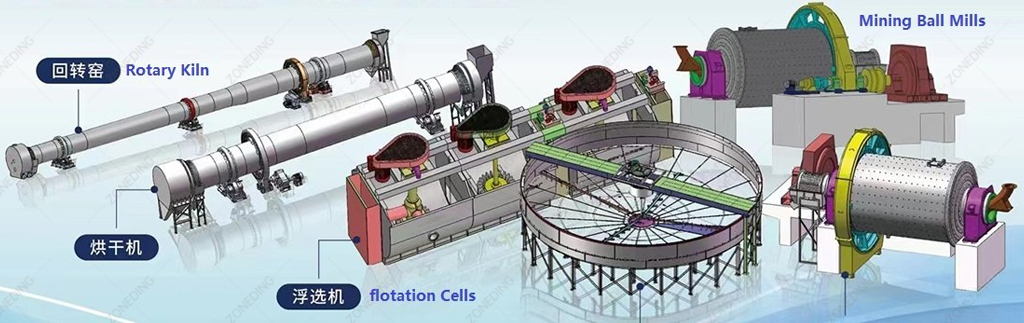
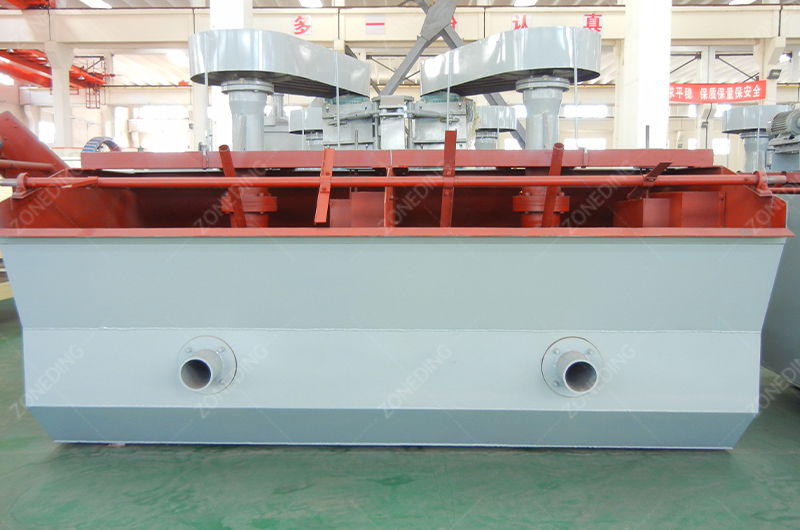
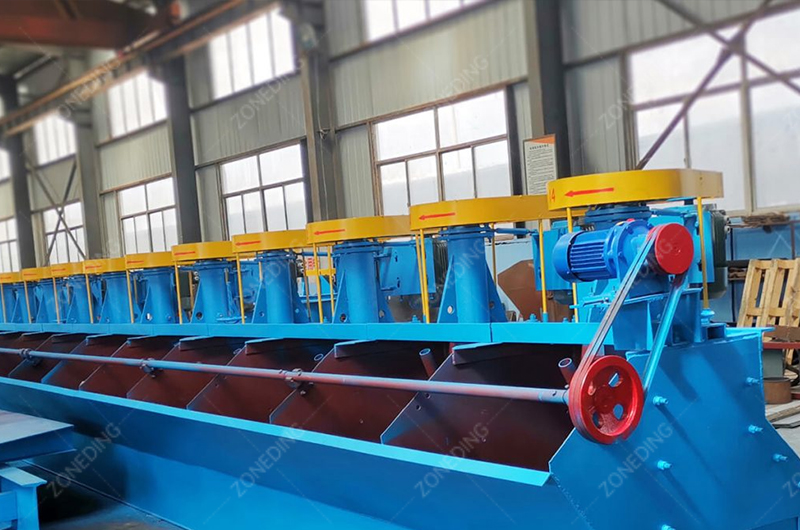
A flotation machine for lead-zinc must handle high density and provide high air dispersion. Galena is very heavy. It can quickly sink to the bottom of a cell if the agitation is weak. This causes “sanding” and blocks the impeller. The best Flotation Machine for lead-zinc is a mechanical agitation type with a powerful motor. This keeps the heavy lead particles in suspension. For the zinc stage, which often involves more material, a larger volume cell is preferred. In 2026, energy efficiency is a top priority. Modern machines like the KYF or XCF series use external air blowers. These use much less electricity than self-suction machines. They also allow the operator to control the air volume precisely. This control is critical for the cleaning stages. In cleaning, you want small, stable bubbles to improve the grade of the concentrate. For roughing, you need large, strong bubbles to maximize recovery. A hybrid circuit using different cell types is often the most efficient setup.
Comparison of Flotation Cell Technologies
Flotation Machine
Flotation Machine
Feature
Mechanical Suction (XJK)
External Inflation (KYF)
Benefit for You
Air Control
Fixed by speed
Adjustable via blower
Better selectivity in cleaning
Power Use
Higher
20% – 30% Lower
Significant energy savings
Maintenance
Simple
Requires air system
Lower long-term parts cost
Operational Advice for Equipment
Inspect impellers regularly: Worn parts reduce air dispersion and kill recovery.
Automate the froth skimmers: Consistent skimming prevents concentrate “dropout.”
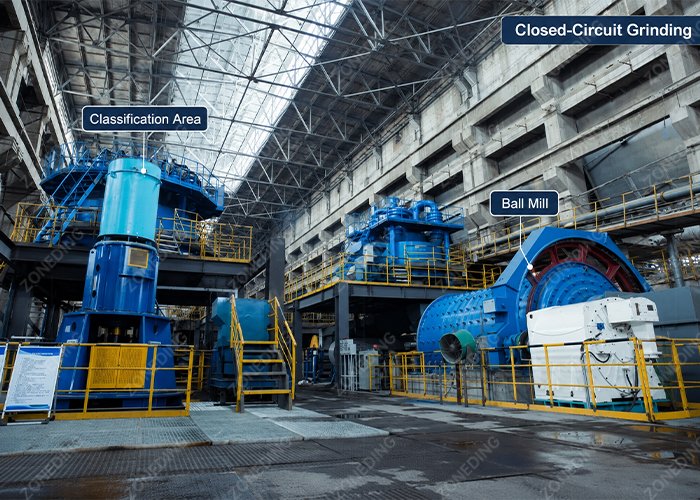
Serious loss of mineral in the tailings is usually caused by over-grinding or water quality. If the galena is ground into “slimes” (below 10 microns), the flotation bubbles cannot catch them. These slimes flow straight into the tailing pond. This is called “run-away tails.” The best solution is a Hydrocyclone or Spiral Classifier to ensure only the right size enters flotation. Stage-grinding and stage-separation is the expert approach. Water quality is another hidden factor. Recycling water in a Lead-zinc concentrator can lead to reagent buildup. For example, residual copper ions from the zinc circuit can enter the lead circuit. This accidentally activates the zinc too early. This ruins the separation. Modern plants use water treatment systems to neutralize ions before recycling the water. Using lime to raise the pH in the tailings pond can help precipitate harmful metals.
2026 Trends in Lead-Zinc Processing
Green reagents and smart automation are the biggest shifts in 2025. Many mines are moving to “Cyanide-Free” flotation. This uses bio-degradable depressants to protect local water sources. Smart sensors are also becoming standard. These sensors monitor the color and speed of the froth. They adjust the reagent pumps automatically every 60 seconds. This removes human error and keeps the grade stable even when the ore quality changes.
Latest Advances in Flotation Technology
Nano-bubble technology: Using tiny bubbles to recover ultra-fine minerals.
Magnetic-Flotation hybrids: Using Magnetic Separator units to remove iron before flotation.
AI Reagent Management: Algorithms that predict the best chemical dose based on ore scans.
Frequently Asked Questions
Question 1: What is the best pH for Lead-Zinc separation? For lead flotation, keep the pH between 8 and 9.5 using soda ash. For zinc flotation, a higher pH of 11 to 12 using lime is best to suppress pyrite. Question 2: Why is my lead concentrate grade so low? This is often caused by over-grinding. Fine mineral mud (slimes) coats the particles and causes non-selective flotation. Also, check if your depressant dose is high enough. Question 3: How can I improve silver recovery? Switch to a specialty collector like Dithiophosphate or Ethyl Nitrogen. Ensure you are not using too much lime in the lead rougher stage. Question 4: Can I reuse the water from my tailings pond? Yes, but you must treat it first. If you don’t, the chemicals from the zinc stage will interfere with the lead stage.
About ZONEDING
ZONEDING is a professional Chinese manufacturer of mineral processing equipment. Since 2004, the company has provided one-stop solutions for the global mining industry. ZONEDING specializes in high-efficiency Jaw Crusher, Ball Mill, and Flotation Machine products. With 15 senior engineers and a global export footprint in 120 countries, ZONEDING offers factory-direct prices and full life-cycle support. We design customized Lead Zinc Processing Plant solutions to help you maximize recovery and ROI. Contact ZONEDING today for a free technical consultation and equipment quote.
Chrome gravity separation represents the most cost-effective method to produce high-grade chrome in 2026. Experience in South Africa and Turkey proves that mineral density remains the strongest profit driver. This process uses the natural weight o...
Learn how grinding size affects lead and zinc recovery, mineral liberation, flotation performance, and operating costs. Discover practical methods to optimize your grinding circuit and maximize flotation efficiency.
We use cookies to ensure that we give you the best experience on our website. If you continue to use this site we will assume that you are happy with it.
Privacy Policy
Send us a message
We would love to hear from you
Submit your question and our team will respond to the email provided as soon as possible.
 Zoneding Machine