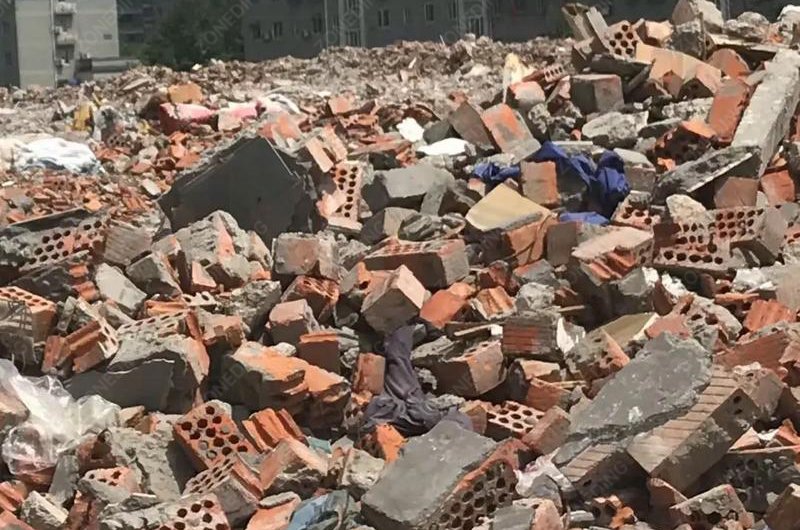
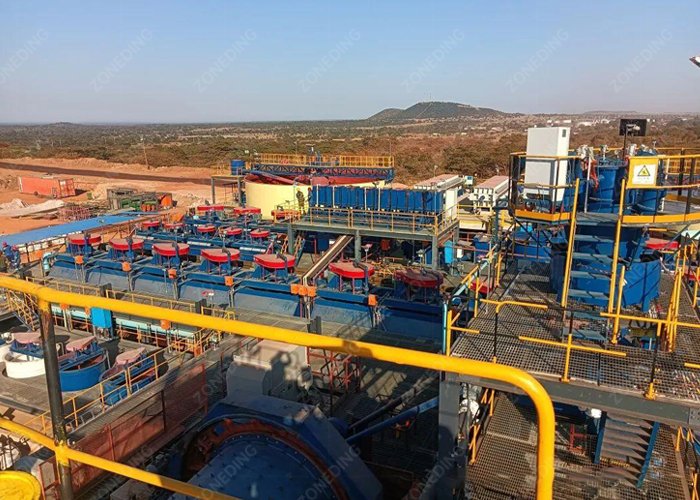
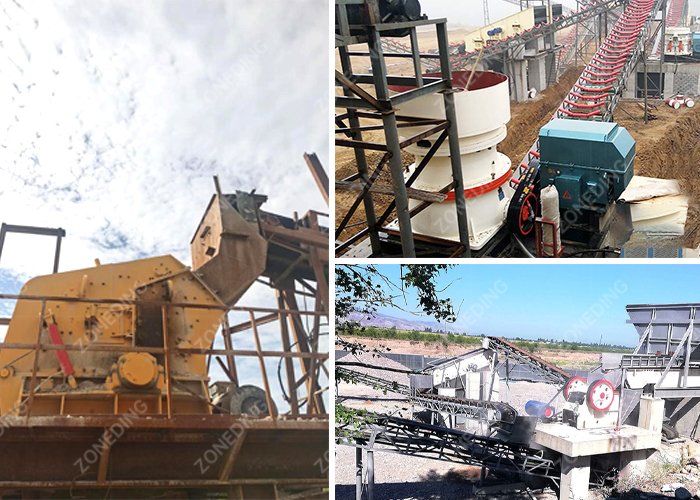
Stone crushing is the first step in producing aggregates for roads, buildings, bridges, railways, and concrete plants. Every successful quarry or aggregate operation depends on choosing the right crushing method and equipment.
However, many investors make the same mistake:
As a result, they often face higher wear costs, lower production, and expensive equipment upgrades later.
This guide explains the most common stone crushing methods, how different crushers work, and how to choose the most profitable setup for your project.
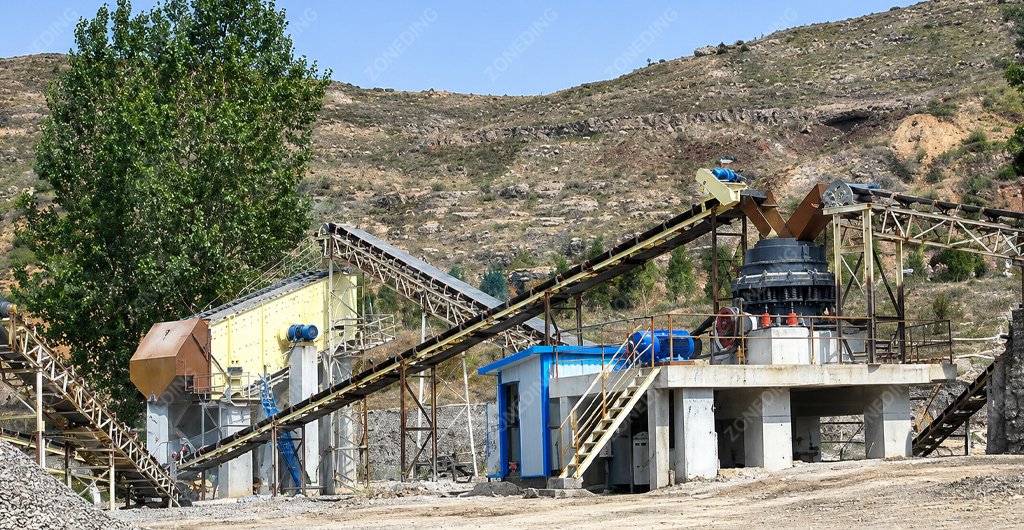
Many granite producers choose a complete Granite Crushing Plant to optimize production and maintenance costs.
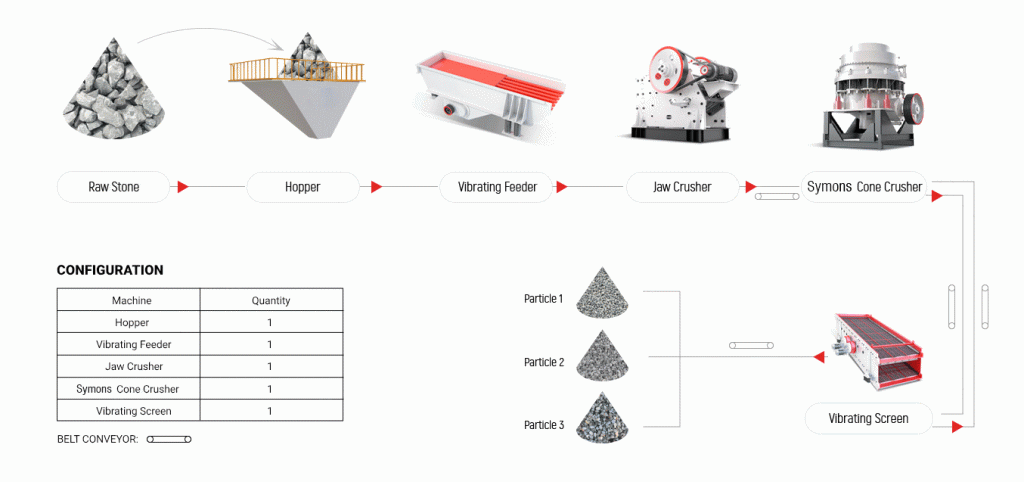
What Equipment Is Needed in a Stone Crushing Plant?
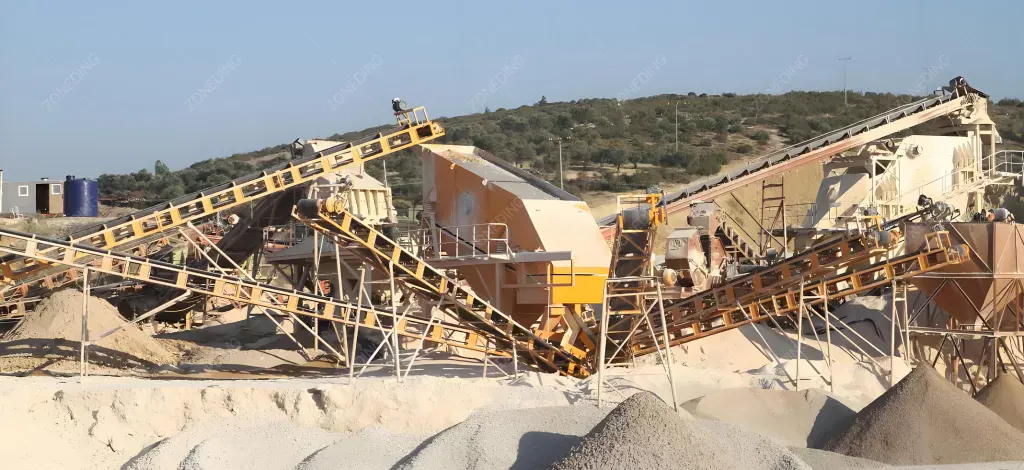
A complete crushing line usually includes more than just crushers.
Typical equipment includes:
Equipment
Function
Vibrating Feeder
Controlled material feeding
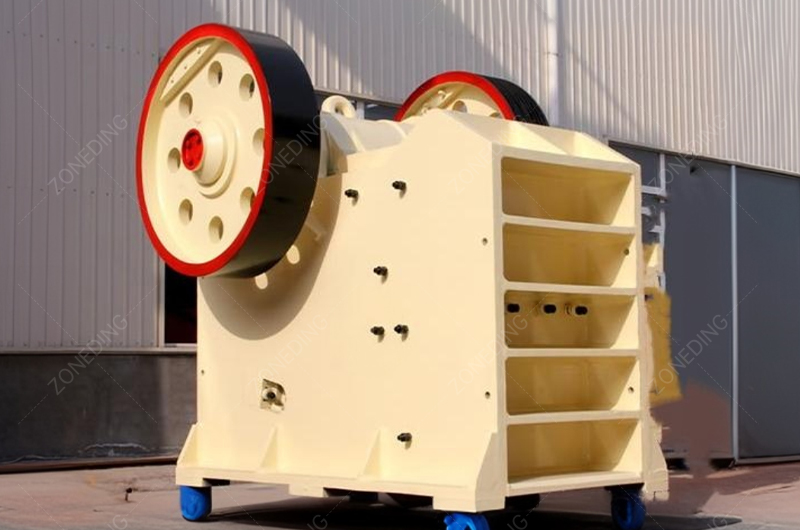
Jaw Crusher
Primary crushing
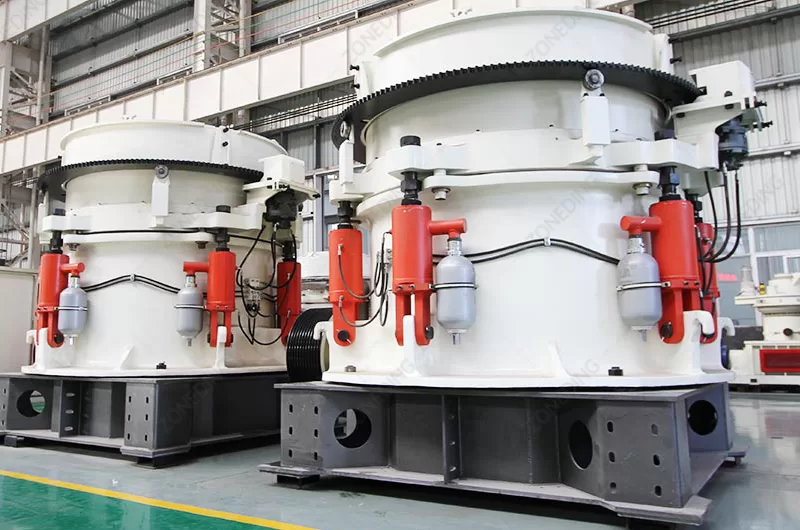
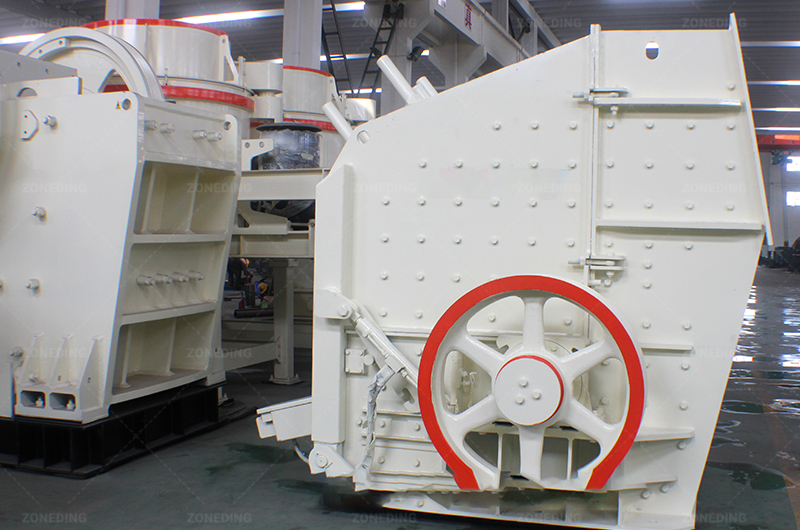
Cone Crusher / Impact Crusher
Secondary crushing
Vibrating Screen
Material classification
Belt Conveyor
Material transport
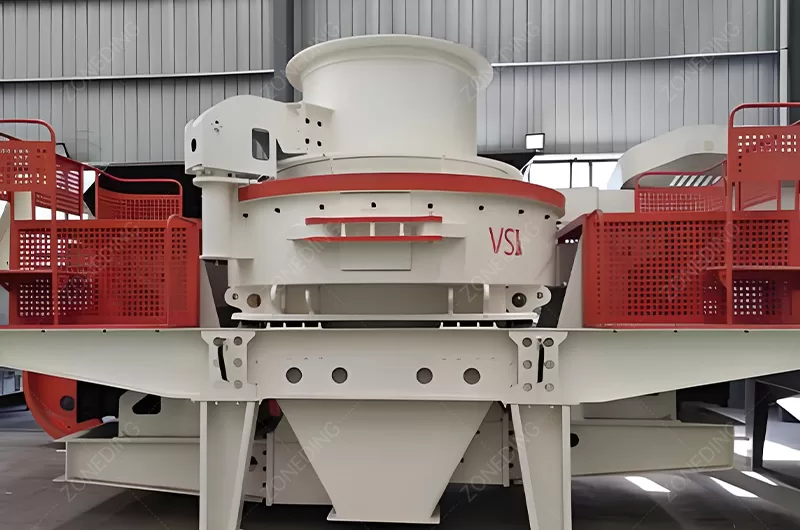
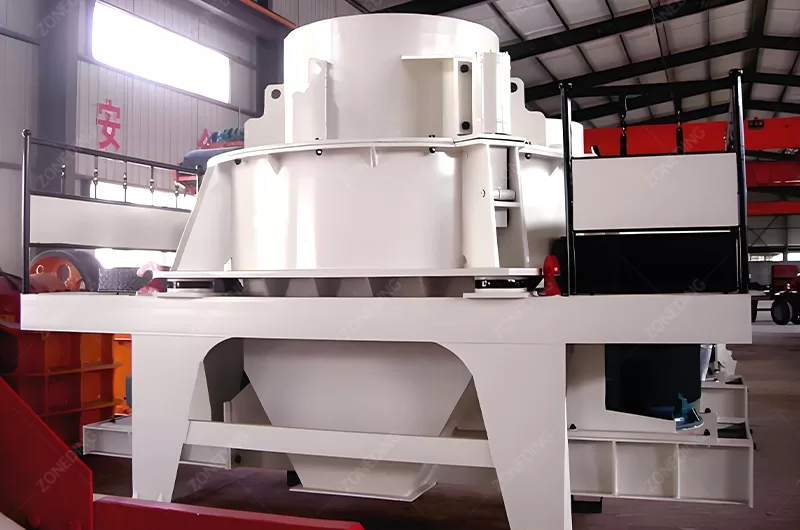
VSI Crusher
Sand shaping
Dust Suppression System
Environmental control
The most profitable operations focus on balancing the entire process rather than maximizing the size of a single machine.
Real Case: Why One Quarry Switched from Impact to Cone Crushing
A granite quarry in Africa operated a 300 TPH crushing plant.
Original Configuration:
Jaw Crusher
+
Impact Crusher
Problems:
High wear-part costs
Frequent downtime
Rising maintenance expenses
After evaluation, the impact crusher was replaced with a cone crusher.
New Configuration:
Jaw Crusher
+
Cone Crusher
Results after six months:
Metric
Before
After
Wear Cost
100%
-42%
Downtime
100%
-30%
Capacity
300 TPH
335 TPH
No additional crushers were added.
The improvement came entirely from selecting a more suitable crushing method.
The Most Common Stone Crushing Mistakes
Many crushing plants lose money because of avoidable mistakes.
Mistake #1: Choosing Equipment Before Testing the Material
Different rocks require different crushing methods.
A crusher that performs well in limestone may perform poorly in granite.
Mistake #2: Focusing Only on Purchase Price
The cheapest crusher is rarely the cheapest machine to operate.
Always evaluate:
Wear costs
Energy consumption
Maintenance requirements
Mistake #3: Oversizing the Plant
Many investors buy larger equipment than they actually need.
Low utilization often increases operating costs.
Mistake #4: Ignoring Wear-Part Costs
Crusher liners and wear parts can represent a significant percentage of annual operating expenses.
Mistake #5: Designing Around Equipment Instead of Workflow
Successful plants are designed around:
Material flow
Product requirements
Cost per ton
Not individual machine specifications.
Need a Crushing Plant Layout?
Our engineers can help you design:
✓ Quarry Crushing Plants
✓ Granite Crushing Plants
✓ Limestone Crushing Plants
✓ Manufactured Sand Plants
✓ Mobile Crushing Solutions
Simply provide your material and capacity requirements.
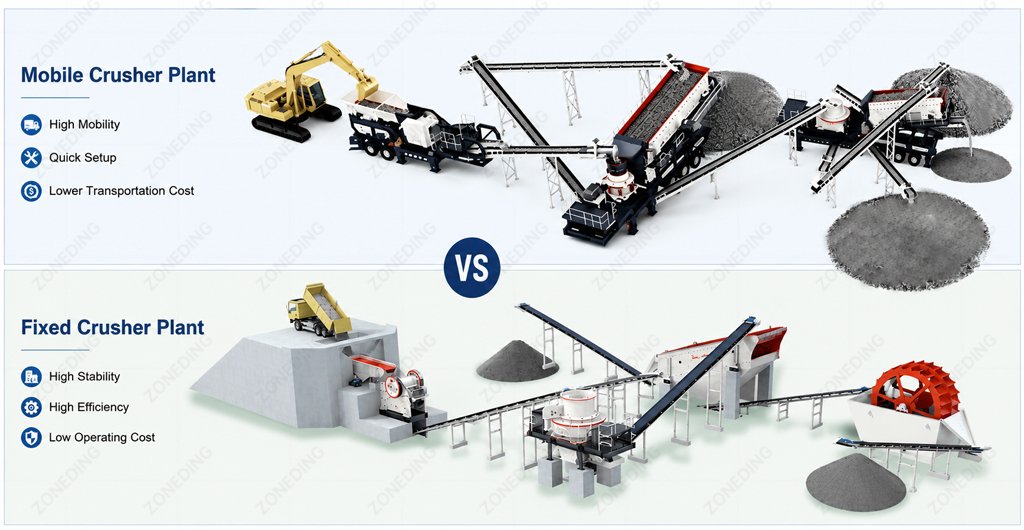
Fixed Plant vs Mobile Crushing Plant
This is one of the most common questions from new investors.
Fixed Plant vs Mobile Crushing Plant
Feature
Fixed Plant
Mobile Plant
Investment
Higher
Lower
Mobility
None
Excellent
Production Capacity
Higher
Moderate
Long-Term Cost
Lower
Higher
Installation Time
Longer
Shorter
A Mobile Crusher Plant is often ideal for short-term projects and changing job sites.
Meanwhile, fixed plants generally provide better long-term economics for large quarries.
Stone Crusher Equipment Comparison
Equipment
Best Application
Investment
Wear Cost
Jaw Crusher
Primary Crushing
Medium
Low
Cone Crusher
Hard Rock
High
Low
Impact Crusher
Limestone
Medium
Medium-High
VSI Crusher
Sand Production
High
Medium
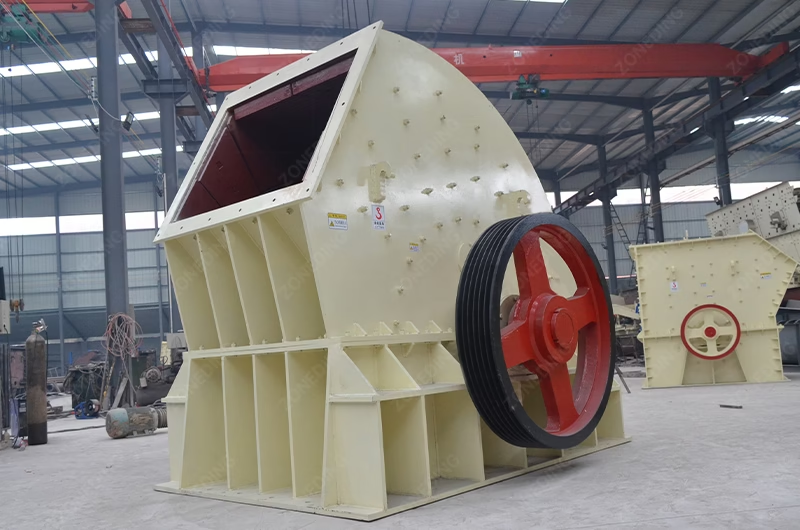
Hammer Crusher
Soft Rock
Low
High
Choosing the right equipment combination is usually more important than choosing the most expensive machine.
FAQs
What is the most common method of stone crushing?
Compression crushing is the most widely used method, especially for granite, basalt, and other hard rocks.
Which crusher is best for granite?
A jaw crusher combined with a cone crusher usually provides the best balance between wear cost and production efficiency.
Which crusher produces the best aggregate shape?
Impact crushers and VSI crushers typically produce the best particle shape.
What is the cheapest stone crusher?
Hammer crushers often have the lowest purchase price, but operating costs can be higher.
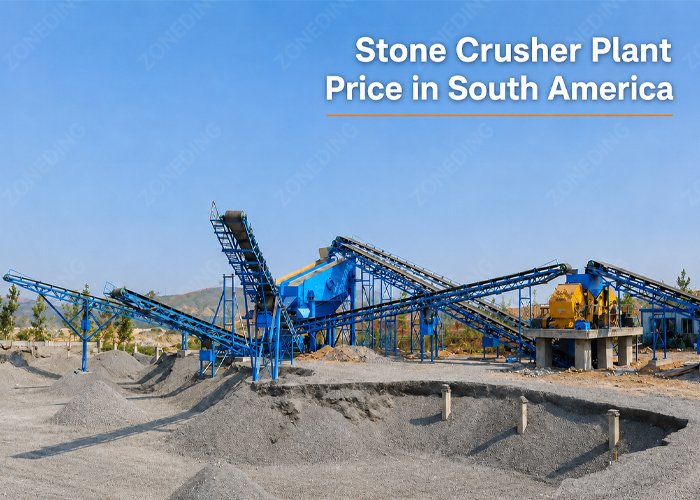
How much does a stone crushing plant cost?
Small plants may start around $100,000, while large commercial operations can cost several million dollars.
Is a mobile crusher better than a fixed plant?
Mobile crushers offer flexibility. Fixed plants generally provide lower long-term operating costs.
Final Thoughts
Stone crushing is not just about reducing rock size.
The most profitable operations focus on selecting the right crushing method, choosing suitable equipment, and minimizing cost per ton.
For hard-rock applications, compression crushing usually delivers the best long-term value. For limestone and recycling projects, impact crushing often provides superior particle shape and lower investment costs.
Before investing in equipment, take time to understand your material, production goals, and market demand. The right crushing solution can improve profitability for years to come.
About ZONEDING
ZONEDING provides complete crushing and screening solutions for quarry, mining, and aggregate production projects worldwide.
Our equipment range includes:
Jaw Crushers
Cone Crushers
Impact Crushers
Sand Making Machines
Mobile Crushers
Vibrating Feeders
Vibrating Screens
Complete Stone Crushing Plants
With projects operating in more than 120 countries, we help customers reduce operating costs, improve productivity, and maximize long-term ROI.
Identifying gold ore accurately determines the absolute survival of any mineral processing plant. A geological report showing 10 grams per ton means nothing if the metallurgical nature prevents extraction. A low-grade oxide gold ore often generate...
High-yield tin ore recovery depends on a design that respects the brittle nature of cassiterite. Traditional plants often lose over 40% of metal because they grind the ore into useless dust. A scientific tin processing flow design i...
Understanding the mechanical logic of crushing equipment is vital for project profitability. Selecting a machine based solely on capacity ignores the reality of wear and energy costs. Different stones require different mechanical principles—either...
We use cookies to ensure that we give you the best experience on our website. If you continue to use this site we will assume that you are happy with it.
Privacy Policy
Send us a message
We would love to hear from you
Submit your question and our team will respond to the email provided as soon as possible.
 Zoneding Machine