Many mobile screening plants fail to reach their real production potential because of poor feeding, screen blockage, unstable material flow, and incorrect equipment setup. In most quarry and recycling operations, improving screening efficiency does not require buying a bigger machine. Small operational improvements often create much larger production gains.
Why Is Your Mobile Screening Plant Producing Less Than Expected?
Most mobile screening plants lose output because of poor feeding conditions, not because the screen itself is weak.
Many operators immediately blame vibration motors or screen media when production drops. But experienced quarry managers know unstable material flow is usually the real issue.
Uneven feeding overloads parts of the screen deck while other areas remain underused. This reduces separation efficiency and increases carryover contamination. In many aggregate operations, a stable 250 TPH feed actually produces more usable material than an unstable 350 TPH feed.
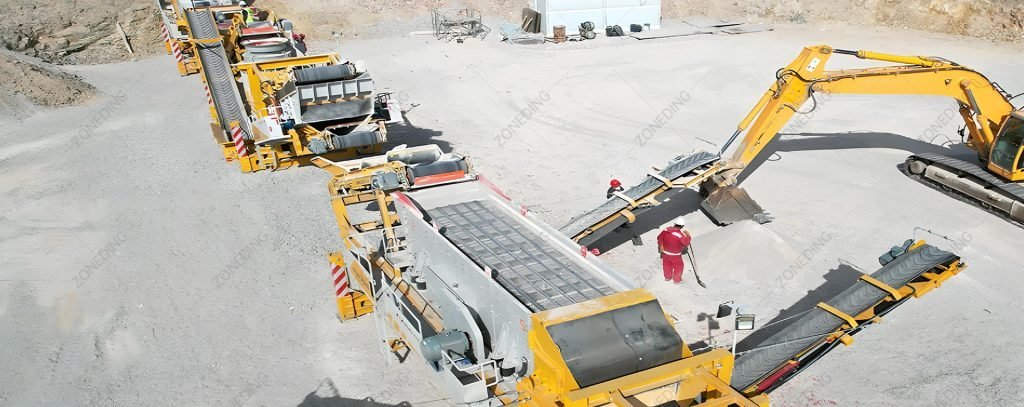
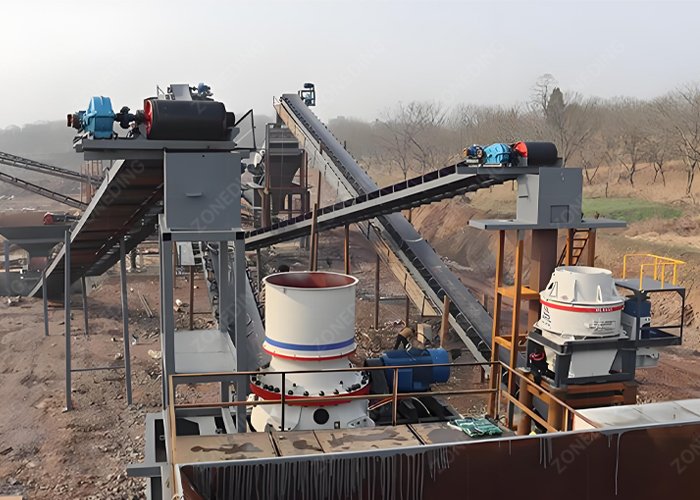
A properly configured Mobile Crushing and Screening Plant should maintain continuous and evenly distributed material flow across the full screening deck.
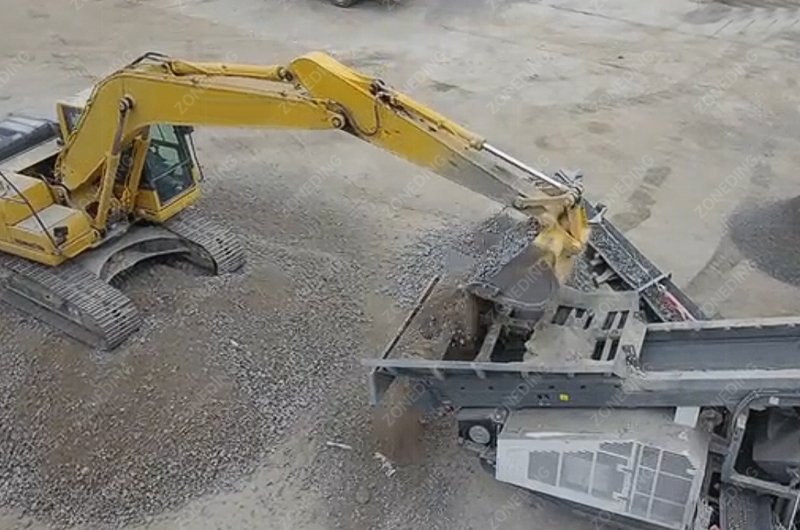
Mobile screening plant feeding
Why Feeding Stability Matters So Much
Poor feeding creates several hidden production problems:
Material buildup
Uneven deck loading
Screen blinding
Lower separation accuracy
Premature screen wear
Overfeeding is one of the biggest mistakes in mobile screening operations. Many contractors try to increase capacity simply by pushing more material into the machine. This usually reduces overall efficiency instead of improving it.
Feeding Condition
Result
Production Impact
Long-Term Effect
Stable Feeding
Even screening
Higher usable output
Lower wear
Surge Feeding
Deck overload
Lower efficiency
More downtime
Oversized Feed
Carryover problems
Poor separation
Extra reprocessing
Wet Feed
Screen blockage
Reduced capacity
Fuel waste
Practical Feeding Optimization Tips
For quarry applications: Keep material flow continuous instead of surge loading.
For recycling plants: Remove oversized material before final screening.
For stable production: Use properly matched feeders and conveyors.
How Does Proper Material Feeding Improve Screening Output?
Proper feeding improves screen efficiency, separation accuracy, and fuel economy at the same time.
Material should spread evenly across the screen deck. Concentrated feeding creates overloaded zones and reduces open screening area.
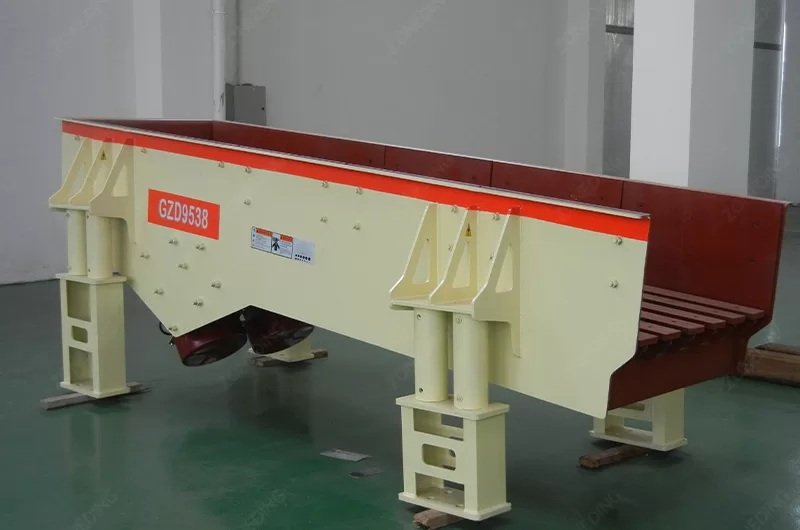
Many operators now combine a Vibrating Feeder with a mobile screener because controlled feeding dramatically improves material distribution and screening consistency.
Feed size also matters. Large uneven feed particles reduce stratification efficiency. Fine material cannot separate correctly when oversized rock dominates the deck.
Vibrating feeder
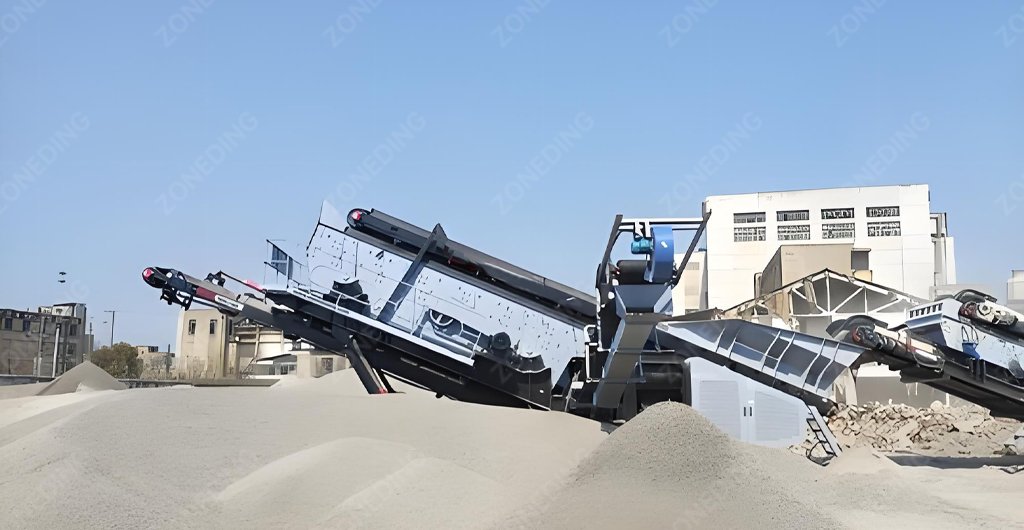
Mobile screening plant
Why Feed Distribution Affects Capacity
Efficient screening depends on proper material stratification. Smaller particles must move downward through the material bed before passing through screen openings.
Poor feed distribution creates:
Lower fine material recovery
Reduced deck utilization
Higher carryover
Increased recirculation load
Experienced operators optimize feeding before changing screen media or upgrading equipment.
Feed Condition
Screening Efficiency
Fuel Consumption
Product Quality
Even Distribution
High
Lower
Better
Uneven Distribution
Lower
Higher
Inconsistent
Excessive Feed Rate
Poor stratification
Increased
Lower accuracy
Practical Feeding Suggestions
For high-capacity plants: Maintain uniform feed depth.
For wet material: Reduce feed surges during rainy conditions.
For better efficiency: Match feeder speed with screen capacity.
Why Is Screen Mesh Selection So Important?
Screen media selection directly affects screening efficiency, blockage resistance, and finished product quality.
Many screening problems are caused by incorrect screen mesh rather than insufficient machine power.
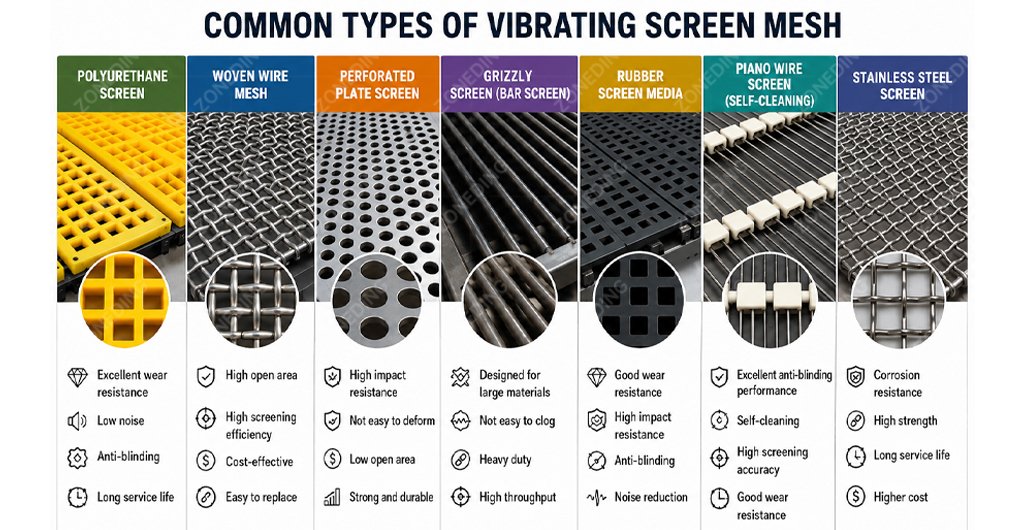
Different materials require different screen media designs. Wet sticky material often blinds woven wire mesh quickly. Hard abrasive aggregates may wear lightweight mesh too fast.
Which operating conditions are suitable for different types of screens
Many quarry operators now combine advanced screen media with a Tracked Mobile Screening Plant because mobility and fast screen replacement improve operational flexibility.
Wet Material Quietly Reduces Capacity
Clay-contaminated material creates:
Screen blinding
Pegging
Reduced open area
Lower separation efficiency
Experienced operators reduce these problems by:
Using anti-clogging media
Pre-scaling sticky fines
Adjusting vibration parameters
Adding washing systems
Screen Media Type
Best Material
Wear Resistance
Anti-Blocking Performance
Woven Wire
Dry aggregates
Medium
Lower
Polyurethane
Wet sticky material
High
Better
Rubber Media
Abrasive rock
Very high
Medium
Practical Screen Media Tips
For sticky clay: Use anti-clogging polyurethane panels.
For hard rock: Choose high-wear resistant screen media.
For wet weather: Increase screen cleaning frequency.
How Can You Reduce Screen Blockage and Downtime?
Screen blockage is one of the largest hidden causes of low mobile screening efficiency.
Blocked screens reduce open area, lower throughput, and increase fuel consumption. Many operators incorrectly blame vibration motors while the real problem is moisture buildup and poor fines control.
In difficult aggregate applications, operators often integrate a Sand Washing Machine to remove sticky fines before final screening.
Removing excessive moisture before screening can dramatically improve deck efficiency.
Why Moisture Changes Everything
Different Types of Materials
Wet material reduces material flow speed and increases adhesion between particles.
In rainy seasons, improper screen setup can reduce production by 20% to 30%.
Experienced operators improve efficiency by:
Lowering feed rate temporarily
Increasing screen cleaning frequency
Installing washing circuits
Adjusting screen angle
Moisture Level
Screening Efficiency
Blockage Risk
Production Stability
Dry Material
High
Low
Stable
Moderate Moisture
Medium
Medium
Variable
Sticky Wet Material
Low
Severe
Unstable
Practical Downtime Reduction Tips
For rainy conditions: Reduce feed surges immediately.
For clay contamination: Install pre-screening systems.
For fine materials: Clean screen panels frequently.
What Role Does Vibrating Screen Angle Play?
Screen angle directly affects material retention time, throughput, and separation accuracy.
Many operators overlook screen angle adjustment for years. But experienced field engineers regularly adjust screen angle based on weather, feed gradation, and product specification.
A steeper angle moves material faster and increases capacity. But it also reduces screening precision. Lower angles improve fine material recovery but reduce total throughput.
Many aggregate producers combine optimized screen settings with a high-capacity Vibrating Screen to improve finished product consistency.
Matching Screen Angle to Material Conditions
The correct screen angle depends on:
Material moisture
Feed size
Production target
Required separation accuracy
In wet conditions, improper angle settings can quietly reduce efficiency for months before operators notice the real problem.
Screen Angle
Main Advantage
Main Limitation
Best Application
Steeper Angle
Higher throughput
Lower precision
Dry material
Lower Angle
Better separation
Lower capacity
Fine screening
Adjustable Angle
Flexible performance
Higher setup complexity
Variable feed
Practical Screen Angle Tips
For wet material: Reduce screen angle slightly.
For high throughput: Increase angle carefully.
For fine products: Focus on separation accuracy instead of raw TPH.
How Does Equipment Matching Affect Overall Output?
Poor equipment matching quietly limits the entire mobile screening workflow.
Many screening plants lose efficiency because crushers, conveyors, and screens are poorly balanced.
For example, an oversized crusher feeding an undersized screener creates recirculation overload and unstable production. Many operators now use a properly matched Mobile Crusher together with screening systems to maintain balanced throughput across the entire production line.
Balanced material flow improves:
Fuel efficiency
Finished product quality
Uptime
Equipment lifespan
Why Balanced Workflow Matters
The most profitable operations focus on:
Clean separation
Lower recirculation
Stable fuel consumption
High usable output
Some contractors chase maximum advertised capacity numbers. But poor separation often creates reprocessing costs and customer complaints.
Workflow Condition
Result
Fuel Efficiency
Production Stability
Balanced System
Stable output
Better
High
Oversized Crusher
Overloaded screens
Poor
Unstable
Poor Conveyor Layout
Material delays
Lower
Frequent stoppages
Practical Workflow Optimization Tips
For aggregate plants: Match crusher capacity with screening capacity.
For mobile operations: Improve stockpile management.
For lower downtime: Keep discharge conveyors clear.
What Is the ROI of Improving Mobile Screening Efficiency?
Improving mobile screening efficiency often delivers faster ROI than purchasing larger equipment.
Many contractors discover that small operational adjustments create significant production gains without major capital investment.
Higher screening efficiency improves:
Usable finished product output
Fuel cost per ton
Equipment uptime
Customer satisfaction
Aggregate quality
Some operators also upgrade to a Mobile Stone Crusher system because integrated crushing and screening improves mobility and overall site productivity.
The Biggest Industry Truth
The highest-performing screening operations rarely focus only on raw tonnage.
Experienced operators optimize:
Feed stability
Screen setup
Material condition
Maintenance discipline
Site logistics
Small improvements in efficiency often generate larger long-term profit gains than expensive machine upgrades.
Frequently Asked Questions
What causes low mobile screening efficiency?
Poor feeding conditions, wet sticky material, screen blockage, and incorrect screen angle are the most common causes.
How can I improve mobile screener productivity?
Improve feeding stability, optimize screen media selection, reduce moisture problems, and maintain balanced workflow conditions.
Does wet material affect screening output?
Yes. Wet sticky material significantly increases screen blockage and reduces separation efficiency.
Are mobile screening plants fuel efficient?
They can be very efficient when material flow, feeding conditions, and equipment matching are optimized correctly.
When should I upgrade my mobile screening equipment?
You should consider upgrading when downtime, fuel cost, or maintenance expenses consistently reduce profitability.
Final Thoughts
Improving mobile screening plant output is usually about operational optimization rather than buying larger equipment. The best-performing operations focus on stable feeding, balanced workflow, lower downtime, and better separation efficiency.
Long-term screening profitability depends on:
Feeding stability
Proper screen setup
Reduced blockage
Balanced equipment capacity
Efficient site logistics
Small operational improvements often create the biggest production gains.
About ZONEDING
We are ZONEDING, a Chinese manufacturer specializing in crushing, screening, grinding, and mineral processing equipment for global B2B customers. We provide mobile screening plants, mobile crushers, vibrating screens, and complete aggregate processing solutions.
Our equipment has been exported to more than 120 countries. We help quarry operators improve efficiency, reduce fuel consumption, and increase long-term production stability.
Contact us today for customized mobile screening solutions and professional equipment recommendations.
Stone crushing is the first step in producing aggregates for roads, buildings, bridges, railways, and concrete plants. Every successful quarry or aggregate operation depends on choosing the right crushing method and equipment. However, many invest...
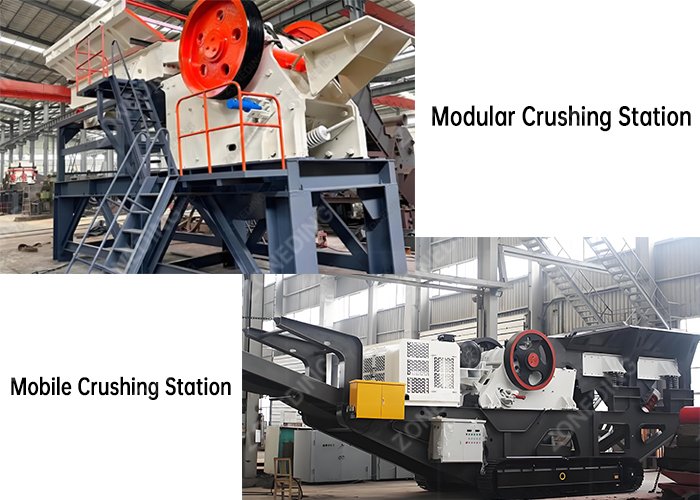
Choosing between a modular crushing station and a mobile crushing plant depends on project duration and move frequency. A mobile plant offers speed for short projects. A modular plant provides stability for long-term production. I have seen many o...
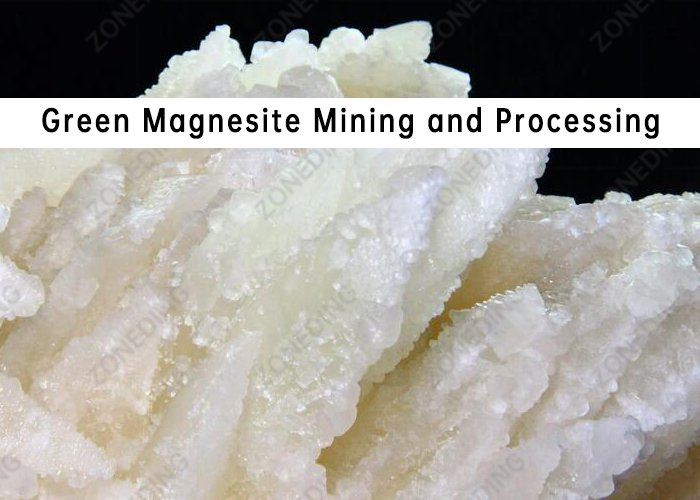
Magnesite mining and processing is a major sector for industrial investment in 2026. High-purity magnesium oxide (MgO) is now a critical material for steel, chemicals, and farming. Success in this industry depends on raising ore purity while cutti...
We use cookies to ensure that we give you the best experience on our website. If you continue to use this site we will assume that you are happy with it.
Privacy Policy
Send us a message
We would love to hear from you
Submit your question and our team will respond to the email provided as soon as possible.
 Zoneding Machine