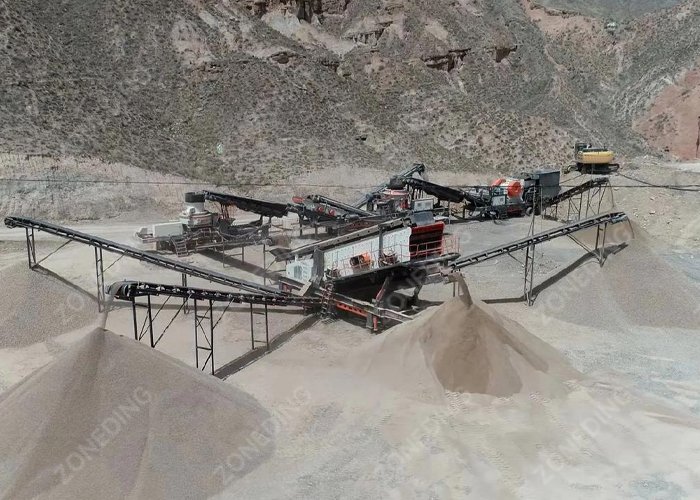
Designing an is fundamentally different from designing an aggregate plant. Iron ore has a very high specific gravity, often between 4.5 and 5.2, and extreme abrasiveness. If you use standard design formulas for limestone, your structures might collapse or your machines will fail too soon. You must plan for high density and heavy wear.
1. Material Properties: The High-Density Challenge
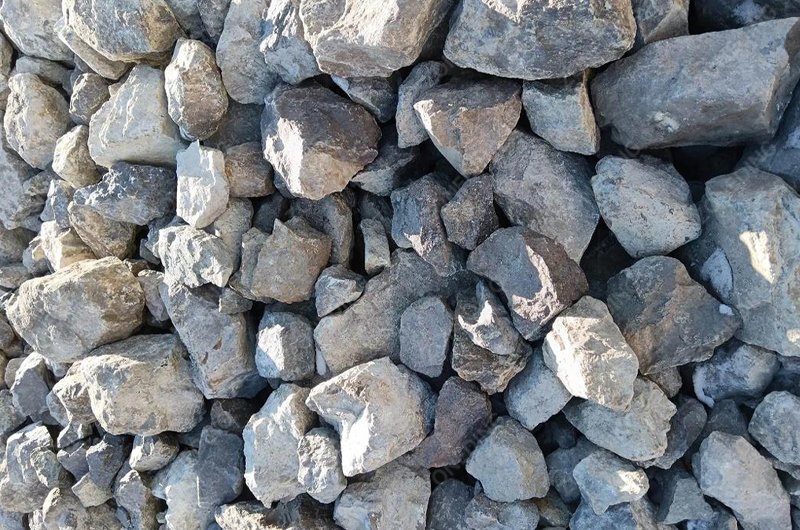
The biggest mistake in iron ore crushing plant design is ignoring the massive weight of the ore. Most designers use bulk density for general rock, which is about 1.6t/m³. However, iron ore bulk density can exceed 2.5t/m³. This creates a “Density Trap” in your structural design. If you design a hopper or a bin based on standard density, the actual weight of the iron ore will be much higher. This can cause walls to deform or even lead to a catastrophic structural failure. You must over-engineer every support beam, hopper wall, and conveyor frame by at least 30% compared to standard mineral plants.
Managing the impact zone
Standard Rock
Iron Ore
Because iron ore is so heavy, the impact at the primary crusher discharge is much stronger. You cannot use standard steel plates here. You must use heavy-duty liners made of chrome-carbide or high-manganese steel. This protects your main structure from being worn through by the constant heavy strikes.
Design Factor
Standard Rock
Iron Ore
Your Action
Bulk Density
~1.6 t/m³
>2.5 t/m³
Over-engineer structures by 30%
Impact Force
Medium
Very High
Use heavy-duty manganese liners
Wear Rate
Normal
Extreme
Specify graded metallurgy
Professional Selection Tips
Check the SG: Always confirm the Specific Gravity of your ore before sizing bins.
Strengthen supports: Use thicker steel sections for all load-bearing frames.
Protect discharge points: Focus on the impact zones where ore first hits the equipment.
2. Process Planning: The Three-Stage Crushing Logic
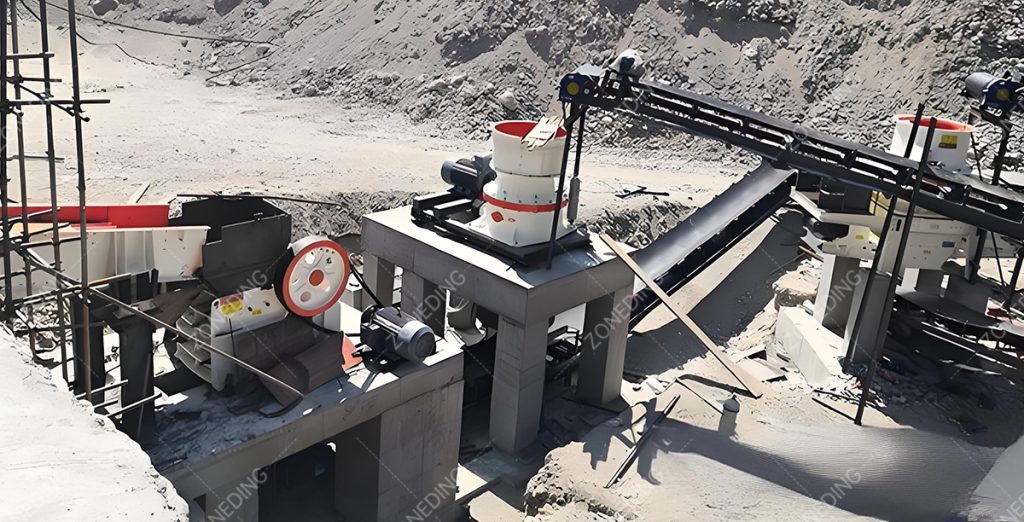
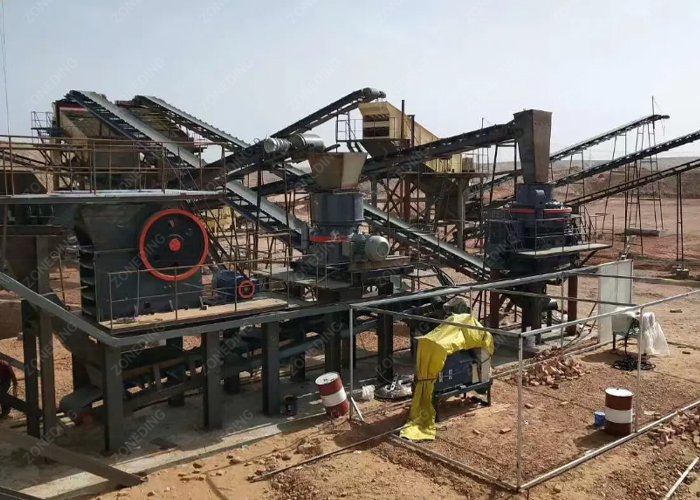
To get the right particle size, you should almost always use a three-stage iron ore crushing process. A single stage cannot handle the transition from massive run-of-mine rocks to the fine sizes needed for downstream processing. The logic follows: Primary → Secondary → Tertiary crushing. The first stage breaks the largest rocks. The second stage reduces them further. The third stage produces the final product. For iron ore, the “Critical Size” problem is real. Iron ore often breaks into “slabs”—long, thin pieces. These pieces are too large for the secondary crusher to handle efficiently.
Three stage iron ore crushing process
Using a Scalping Screen
To prevent the secondary crusher from “choking” on these slabs, you must use a scalping screen. This screen removes the “near-size” material before it reaches the secondary stage. It routes the material through a dedicated crusher instead. This simple step prevents the #1 cause of unplanned downtime in iron ore plants.
Configuration advice
Primary Stage: Use a heavy-duty jaw crusher to handle large feed.
Secondary Stage: Use a cone crusher for efficient reduction.
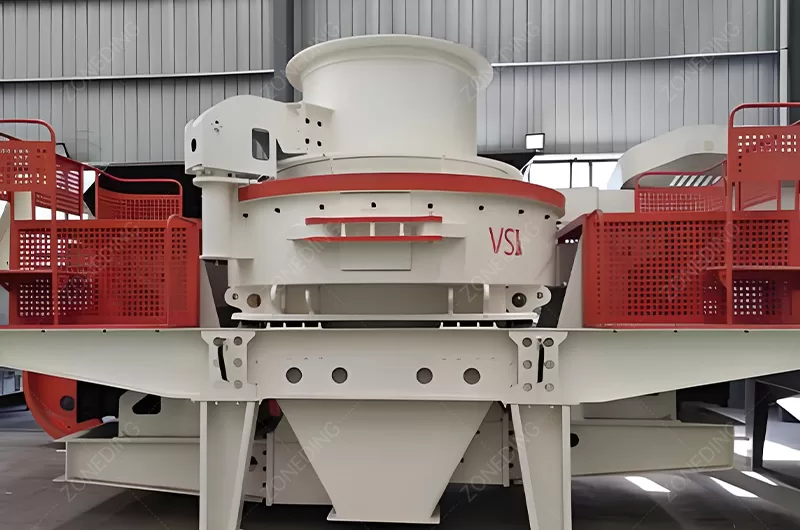
Tertiary Stage: Use a fine crusher or a sand making machine for the final size.
3. Equipment Selection: Jaw and Cone Combinations
Matching the right stone crusher to the right stage is the key to efficiency. For iron ore, you cannot just pick any machine. You need a combination that handles both the extreme hardness and the high throughput.
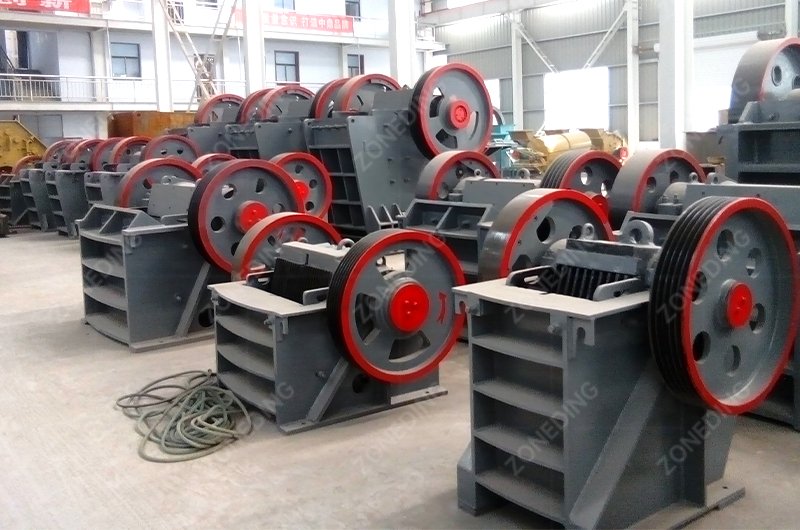
Jaw Crusher
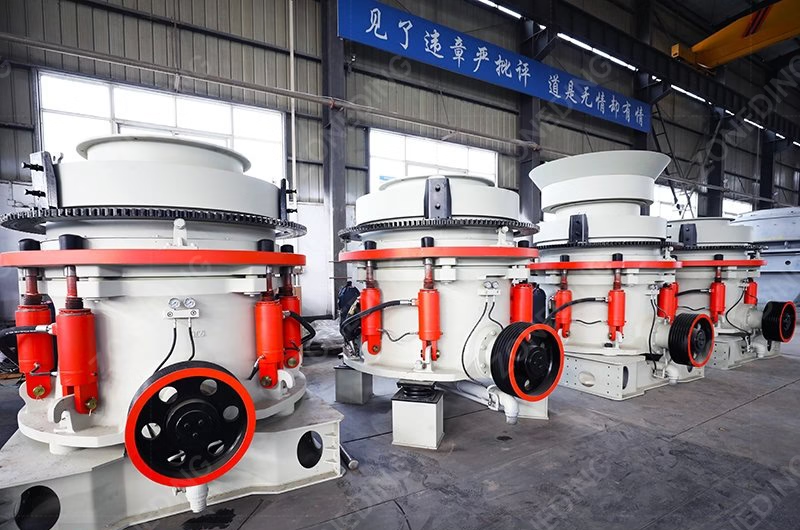
Hydraulic Cone Crusher
Sand Making Machine
In the primary stage, a jaw crusher is the best choice. It is designed to take massive, hard rocks and break them down. In the secondary and tertiary stages, cone crushers are superior. They offer better reduction ratios and can handle the heavy, continuous load of iron ore more effectively than impact crushers, which would wear out too fast.
Avoiding the “Plugging” problem
In wet or clay-heavy iron ore, the primary stage can suffer from “plugging.” This is when wet material gets stuck in the feeder or the crusher mouth. To fix this, do not use a standard vibrating feeder. Instead, use an Apron Feeder. An apron feeder uses heavy steel plates to “push” the sticky ore through the system.
For Secondary: A cone crusher is your best worker.
For Feeders: Use heavy-duty apron feeders for high-moisture ore.
4. Capacity Balancing: Avoiding Production Bottlenecks
A crushing plant is only as fast as its slowest machine. If your primary crusher produces 500 tons per hour but your vibrating screen can only handle 300, you have a massive bottleneck. You must calculate the crushing plant capacity calculation for every single link in the chain. This includes the feeder, the crushers, the screens, and the conveyors. You must also account for the “Angle of Repose.” If the material piles up too high, it can block the flow, causing the crusher to run “hungry” and reducing your actual output.
The importance of Surge Piles
A common mistake is connecting the primary and secondary stages directly. This makes the whole plant depend on the truck cycle. When the trucks stop, the whole plant stops. We recommend placing a Surge Pile between the primary and secondary stages. This decouples the two parts. It lets the primary crusher work at full speed and ensures the cone crushers have a constant, steady feed.
Component
Capacity Role
Risk
Primary Crusher
Breaking large rocks
Too slow = Low plant output
Surge Pile
Buffering flow
Too small = Unstable feeding
Secondary Crusher
Refining size
Too small = Bottleneck
5. Plant Layout: Optimizing Material Paths
Good plant layout reduces your electricity costs and your space needs. Every meter of extra conveyor belt is extra money spent on power and maintenance. In an iron ore plant, the material is heavy, so every meter counts. You should design the layout to follow the natural flow of gravity where possible. However, do not make the slopes too steep. If the slopes are too steep, the heavy iron ore might slide back or cause spills. Always plan for “Impact Zones.” Every time ore drops from a conveyor to a bin, you need heavy-duty impact beds to protect your belts.
Conveyor Belt selection
Because of the high weight of iron ore, standard fabric belts will stretch and fail quickly. For any conveyor run longer than 100 meters, you should use Steel Cord belts (ST). Also, increase your troughing angle to 35° or 45°. This helps keep the heavy material inside the belt during high-speed transport.
Layout tips
Shorten paths: Keep conveyors as short as possible to save electricity.
Gravity use: Use height differences to move ore between stages.
Protect belts: Install heavy-duty impact beds at every loading point.
6. Wear Management: Selecting the Right Liners
In an iron ore plant, wear parts are your biggest ongoing expense. Iron ore is highly abrasive, so your liners will wear out much faster than in a limestone plant. You must manage this with smart metallurgy. Not all manganese steel is the same. For very hard iron ore, use higher manganese content (21-24%) in the parts of the liner that face the most pressure. This provides the toughness needed to prevent “gouging.” For softer ores, use a lower manganese content to prevent “mushrooming,” where the metal surface deforms. A graded manganese profile is the most professional way to extend liner life.
Solving “Screen Blinding”
Iron ore fines are often sticky and will “blind” (plug) your screens. When a screen is blinded, the oversize material just keeps recirculating, which creates an artificial overload. To prevent this, do not use traditional wire mesh. Use Polyurethane or Rubber modular panels. They have a self-cleaning profile that keeps the holes open even in humid conditions.
Maintenance checklist
Check metallurgy: Ensure liners match the specific hardness of your ore.
Use modular designs: Choose equipment with “quick-change” liners to reduce downtime.
Monitor screens: Use rubber or polyurethane panels to prevent blinding.
7. Cost Budgeting: CAPEX vs OPEX
The cheapest plant to build is often the most expensive plant to run. When you are budgeting, you must look at the total cost over 5 or 10 years, not just the initial purchase price. This is the balance between CAPEX (Initial Investment) and OPEX (Operating Costs). A plant with cheap, thin steel supports (Low CAPEX) will require constant repairs and might even collapse (High OPEX). A plant with heavy-duty, over-engineered structures and high-quality crushing equipment might cost more today, but it will save you millions in maintenance and downtime over its life.
Calculating true ROI
To find the true Return on Investment, include these factors:
Energy use: The cost of electricity/diesel per ton of ore.
Wear parts: The frequency and cost of replacing jaw plates and liners.
Downtime: The money you lose every hour the plant is not running.
Factor
Low CAPEX Plant
High CAPEX Plant
Initial Price
Low
High
Maintenance Cost
Very High
Low
Reliability
Low
High
Total 5-Year Cost
Very High
Much Lower
2026 Industry Trends in Iron Ore Processing
In 2026, the industry is moving toward Automated Wear Monitoring. New iron ore crushing plant design standards now include sensors that measure liner thickness in real-time. This allows you to plan your maintenance before a part actually breaks. We are also seeing more Hybrid Power Systems that combine diesel with battery storage to lower the carbon footprint of large-scale mining.
Latest Advancements
Smart Sensors: Real-time tracking of vibration and liner wear.
Automated CSS: Systems that automatically adjust the crusher gap based on feed size.
Eco-friendly Design: Improved dust suppression and noise reduction technologies.
Frequently Asked Questions
Question 1: Why does my iron ore plant have so much downtime? It is likely due to “choking” in the secondary stage or “plugging” in the primary stage. Use a scalping screen and an apron feeder to solve this. Question 2: Can I use impact crushers for iron ore? It is not recommended for primary or secondary stages because the abrasiveness will destroy the blow bars too quickly. Use jaw crushers and cone crushers instead. Question 3: How do I stop dust in my crushing plant? Install a high-efficiency dust collection system at all transfer points and use water sprays at the feeder. Question 4: Why is my conveyor belt failing so often? Iron ore is very heavy. You likely need steel cord belts and more robust impact beds to handle the high density.
Summary and Recommendations
Designing an iron ore crushing plant requires a focus on density, durability, and flow. You must design for the heavy weight of the ore, use a multi-stage crushing process to handle slabs, and select specialized manganese steel for your wear parts. A well-designed plant priorits long-term reliability over a low initial price. Recommended Actions:
Verify the bulk density and hardness of your specific ore.
Design your structures with a 30% safety margin for high density.
Implement a surge pile to decouple your crushing stages.
Use apron feeders and polyurethane screen panels to prevent clogging.
About ZONEDING
ZONEDING is a professional manufacturer of high-performance Crushing Equipment and Beneficiation Equipment. We specialize in heavy-duty solutions for the mining and iron ore industries. Our engineering team focuses on helping you reduce operating costs through superior design and durability. Contact ZONEDING today for a professional technical consultation and a custom iron ore crushing solution designed for your specific project.
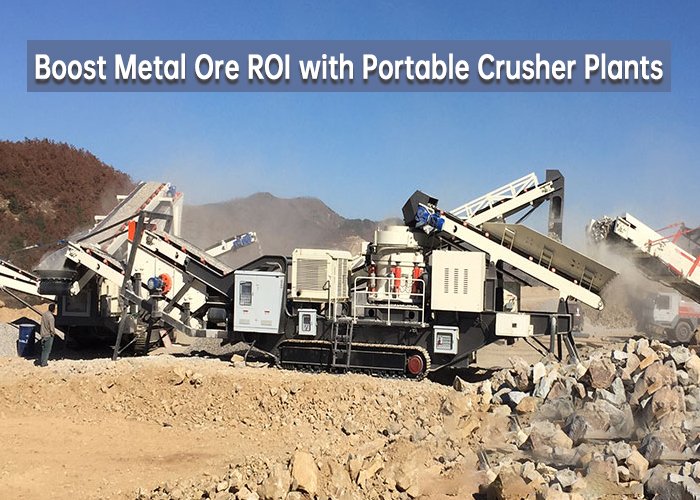
Choosing a high-performance portable crusher plant for metal ore is the fastest way to increase your mining profits in 2026. Many mine owners waste 30% of their budget on truck fuel and road construction. I believe a mobile station solves this by ...
Concrete recycling is a fast-growing industry. It turns old building waste into high-value products. Choosing the right machine is the most important part of the business. Different machines handle different materials and budgets. This guide compa...
What is a concrete crusher and how to select the best model? This industrial manual covers technical parameters, types, and maintenance for recycling projects. Effective debris management requires precise machine choice to ensure high-quality aggr...
Choosing between a rod mill and a ball mill is the most vital step in any mineral processing journey. This decision affects the recovery rate and the monthly electricity bill of a mining project. A uses long steel bars to crush material. A Ba...
We use cookies to ensure that we give you the best experience on our website. If you continue to use this site we will assume that you are happy with it.
Privacy Policy
Send us a message
We would love to hear from you
Submit your question and our team will respond to the email provided as soon as possible.
 Zoneding Machine