Building a nickel ore processing plant cost typically ranges from $20 million for small sulfide units to over $1.5 billion for massive laterite projects. Most investors fail because they only look at the price of machines and ignore infrastructure. This 2026 guide breaks down every dollar you need to spend to stay profitable. I will show you how to avoid the “budget black holes” that kill mining projects. Successful projects start with a clear financial map and reliable machinery.
Why is a precise budget more important than location in 2026?
Investors often choose excellent mine sites but fail due to inaccurate financial calculations. In today’s volatile global market, a precise nickel ore processing plant cost budget protects capital from price swings. With labor and energy costs rising rapidly worldwide toward 2026, failing to plan for these increases can cause a project to halt mid-construction. A solid budget accelerates the bank loan approval process and identifies the exact timeline for achieving real profitability. Banks often prioritize financial spreadsheets over ore grade, requiring proof of resilience against potential drops in nickel prices.
Extensive time must be dedicated to a feasibility study before purchasing any equipment. Most projects exceeding their budgets fail to account for 2026 inflation rates. A 15% contingency fund is essential within a nickel mine setup budget to handle unforeseen challenges such as shipping delays or raw material price hikes in the steel market. A strong financial plan is the primary means of survival in the competitive mining industry. While location is important, consistent cash flow is the critical factor in maintaining operational stability. Many 2026 projects utilize digital twins to simulate costs prior to construction. This identifies expensive mistakes during the design phase, potentially saving millions by rectifying issues on a drawing rather than in a physical steel structure.
Nickel Project Budget Main Components
Category
Typical % of Total Budget
Why it matters to you
Processing Equipment
35% – 40%
High-quality machines reduce ore waste
Infrastructure
20% – 25%
Essential for remote jungle or island sites
Power and Utilities
15% – 20%
This is your biggest daily running cost
ESG and Tailings
10% – 15%
You need this for legal mining permits
How does ore type dictate the Nickel extraction plant CAPEX?
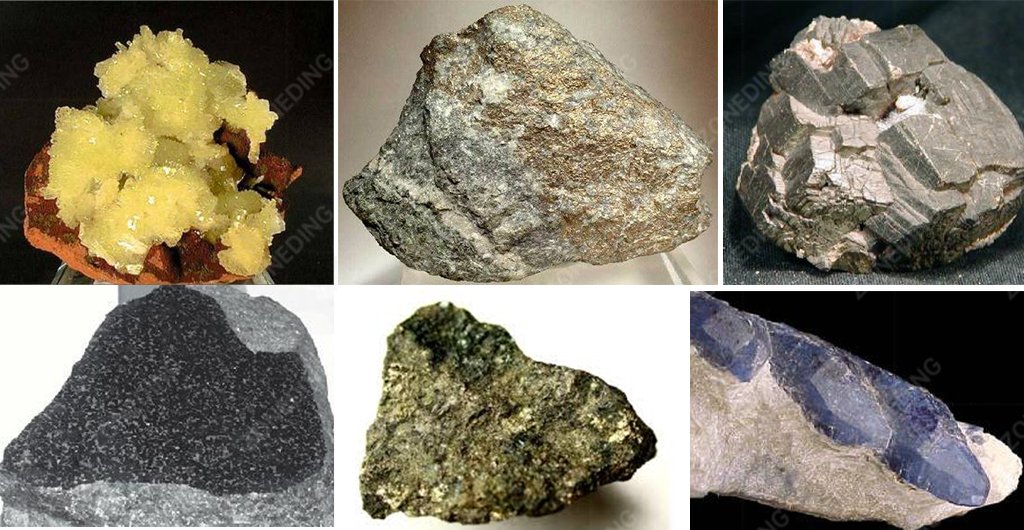
The biggest factor in your nickel ore processing plant cost is the type of rock you find in the ground. I categorize nickel into two main types: sulfide and laterite. Sulfide nickel is the “easy” ore to process. It is usually found deep underground in hard rock. You use crushing, grinding, and flotation to get the metal out. This technology is very mature now. The [Nickel extraction plant CAPEX] for sulfide is much lower. You can build a good sulfide plant for a fraction of a laterite project. Sulfide mines often have other metals like copper and cobalt. You can sell these to pay for your mining costs. Laterite ore is found near the surface but is much harder to process chemically. You need massive amounts of heat or high-pressure acid to separate the nickel. This requires very expensive materials like titanium or high-grade alloy steel. The machines must survive extreme heat and strong acid corrosion every day. Because of this, laterite plants often cost five times more than sulfide plants. Most billion-dollar projects in Indonesia use laterite technology like HPAL or RKEF. You must know your ore type before you even talk to a machine supplier. Laterite ore is very common but the processing is risky. If the chemistry is wrong, the whole plant can stop for months.
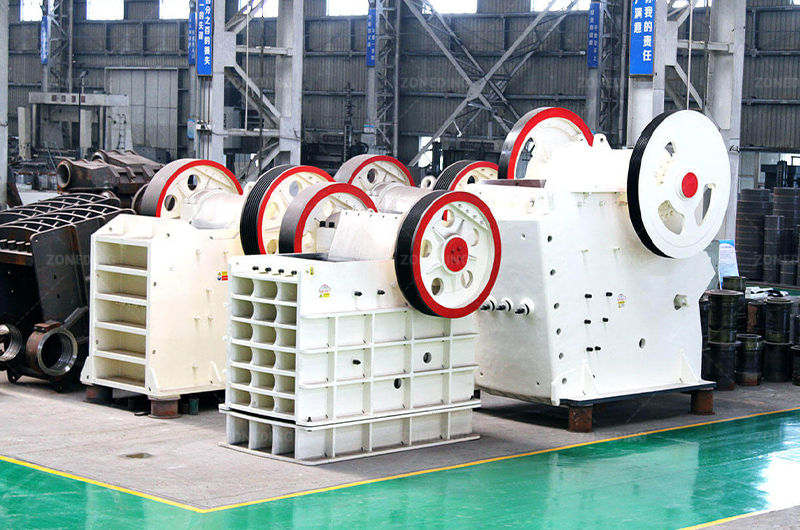
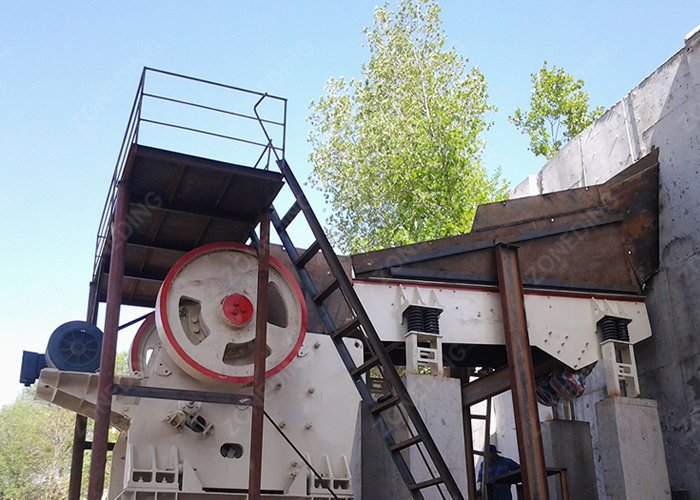
Jaw Crusher
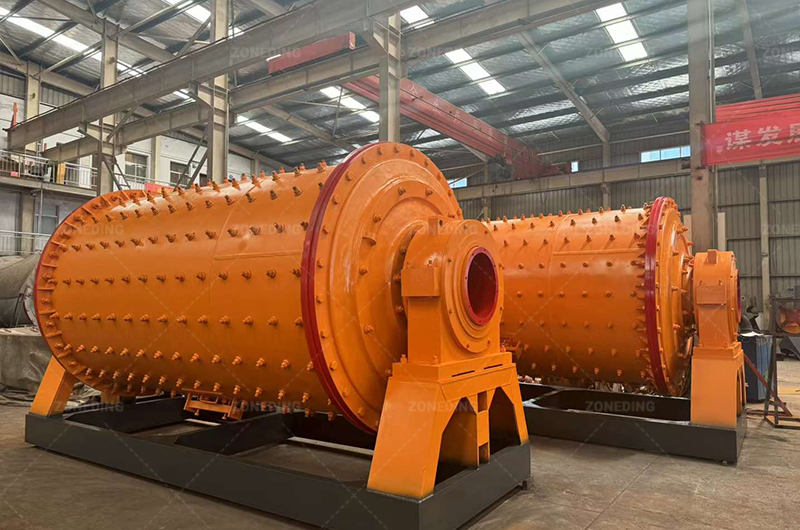
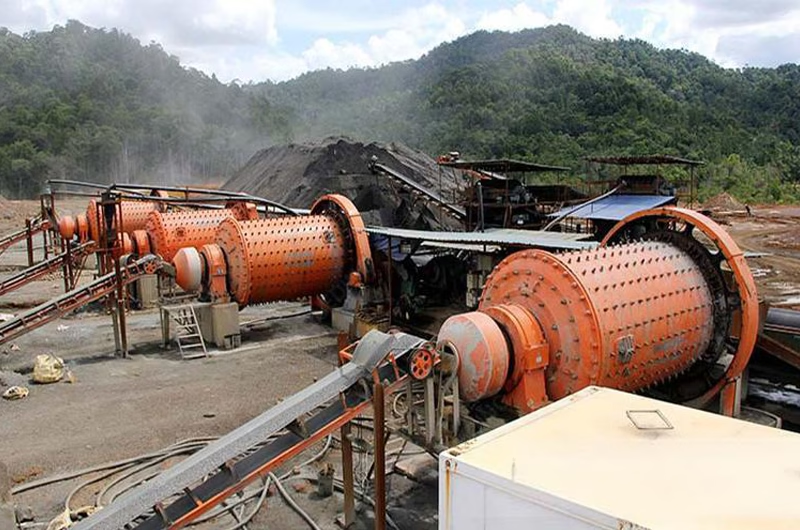
Ball Mill
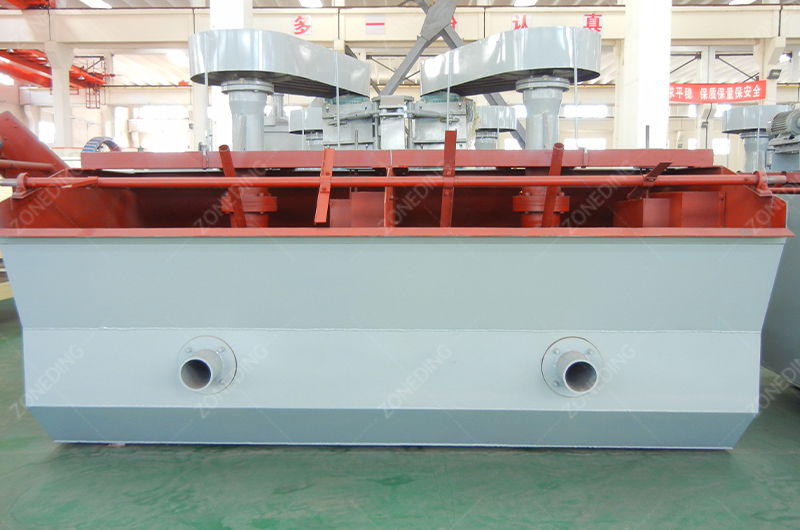
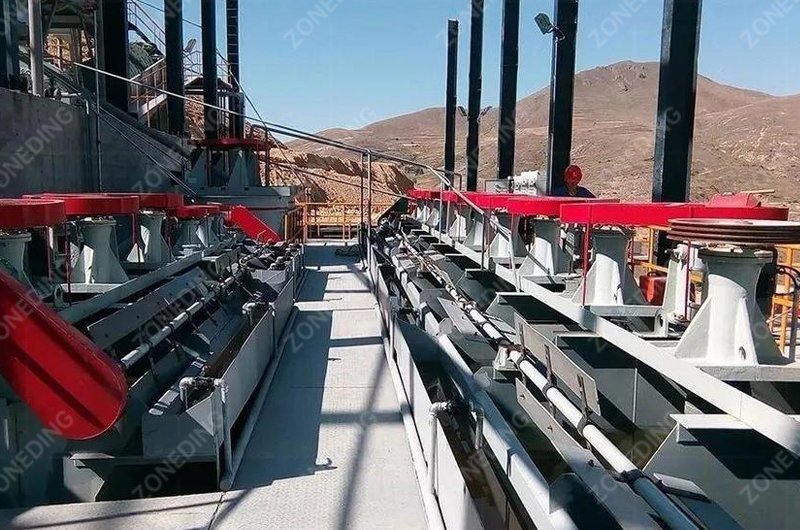
Flotation Machine
Sulfide Ore Beneficiation Cost Factors
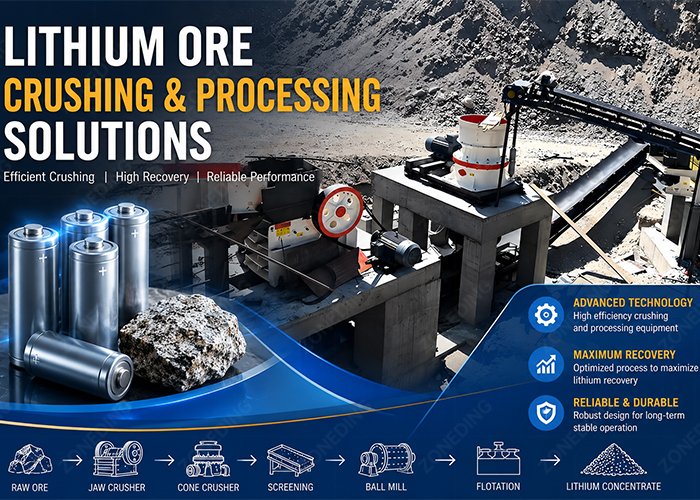
Sulfide processing relies on physical separation. You need a strong Jaw Crusher to break the heavy rock. Then, you use a large Ball Mill to turn it into fine powder. The Flotation Machines then separate the nickel from the waste rock. This path is very efficient and has a much lower carbon footprint.
Process Stage
Core Equipment
Cost Impact on Your Budget
Primary Crushing
Jaw Crusher
Low to Medium
Fine Grinding
Ball Mills
Very High
Concentration
Flotation Machines
Medium
Practical Tips and Suggestions
Laterite Warning: If you choose laterite, plan for high acid costs. This will be your biggest [Operational cost of nickel refinery].
Sulfide Bonus: You can often sell the sulfur byproduct from sulfide mines. This helps pay for your electricity.
Moisture Management: Red laterite is very wet. You will need a large Rotary Dryer to remove water before smelting.
What is the relationship between daily capacity and CAPEX?
I find that nickel ore processing plant cost follows a specific scale rule. In the industry, we use the “0.6 power rule” for math. This means if you double the capacity, the cost only goes up by about 60%. Larger plants are more efficient but require much more money upfront. A 500 TPD (tons per day) plant is usually a pilot project. It costs less to build but the cost per ton of nickel is high. A 5,000 TPD plant is where the real industrial profit happens in 2026. Smaller plants are good if you have limited capital. But you must plan for expansion later. At the 2,000 TPD scale, you reach a “sweet spot” for medium investors. This size is big enough to be profitable but small enough for a private company to fund. Large plants also need more digital automation. Automation increases the [Mineral processing equipment prices] at the very start. However, it saves you huge amounts of money on labor later. I recommend choosing a scale based on your mine life. If your mine will last 20 years, go big immediately. If it is only for 5 years, keep the plant small and mobile. Mobile plants are becoming popular in 2026 because they are easy to sell after the mine closes.
Capacity vs. Estimated Investment Table (2026 Estimates)
Capacity (TPD)
Est. CAPEX (Sulfide)
Est. CAPEX (Laterite)
Complexity Level
500 TPD
$18M – $28M
$110M+
Low (Entry level)
2000 TPD
$50M – $80M
$380M+
Medium (Standard)
5000 TPD
$110M – $200M
$1.2B+
High (Industrial)
Which machines take up 40% of the nickel mine budget?
The heart of your nickel factory is the machinery. In my experience, the grinding circuit is the most expensive part of the line. A high-quality Ball Mill can cost millions of dollars today. It must run 24 hours a day without stopping. If the mill stops, your whole income for that day stops. I tell my clients never to save money on the grinding mill. Cheap mills break often and cost much more in repairs over the long run. The steel liners inside the mill also need to be replaced. You must budget for these spare parts every six months. The next big expense is the separation and dewatering area. You need modern Flotation Machines to catch the nickel particles. After that, you must remove the water from the concentrate. A High Efficiency Concentrator is vital for this job. It dries the nickel concentrate so you don’t pay to ship useless water. These machines are heavy and use a lot of expensive steel. Their prices depend on the current cost of metal in 2026. You also need heavy pumps to move the rock slurry between machines. These pumps eat a lot of electricity and need constant care.
Ball Mill
Flotation Machine
Thickener Concentrator
Cone crusher
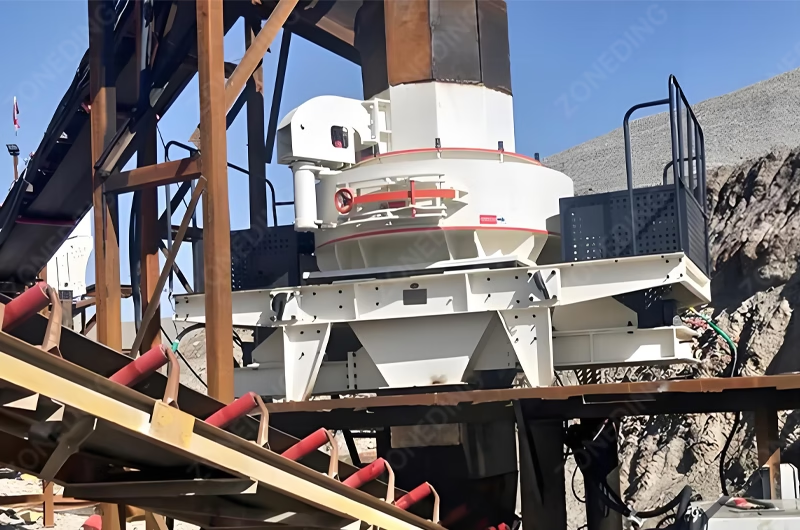
Sand making machine
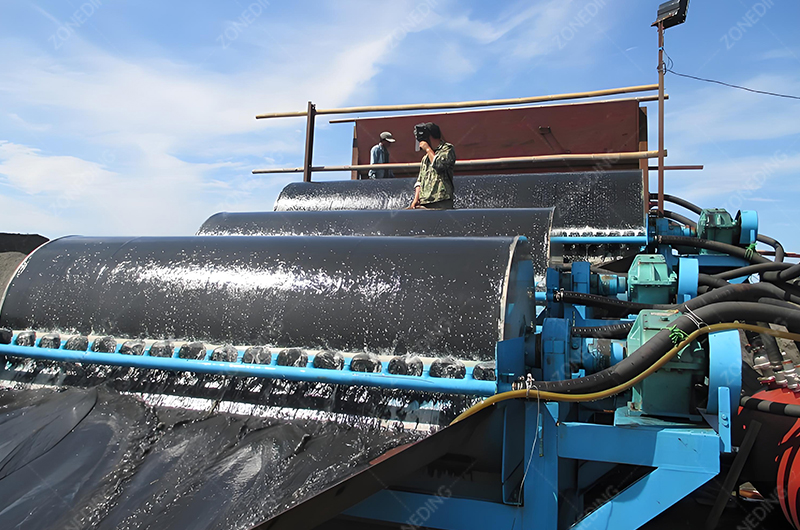
Magnetic separator
Essential Equipment Selection List
Secondary Crushing: Use a Cone Crusher for hard rock. It is more efficient than other types for fine stone crushing.
Grinding Circuit: Make sure your mill has a modern variable speed motor. This saves 10% on your annual power bill.
Clay Removal: If your ore has a lot of sticky clay, add a Sand Washing Machine at the very start.
Magnetic Separation: Sometimes nickel is mixed with iron. You might need a Magnetic Separator to clean your product.
Site and Infrastructure: The “budget black holes” of nickel mining.
I call infrastructure the “black hole” because these costs are very hard to see at first. Many nickel mines are located in the deep jungle or on small islands. There are no paved roads or power lines there. You must build everything yourself. A dedicated power plant can cost $100 million alone. A private road can cost $1 million for every kilometer you build. These costs can easily be 25% of your total nickel ore processing plant cost. You should talk to local government about sharing road costs with other mines. Water is another big issue you must face. You need millions of liters of clean water every single day. If you are near the ocean, you need a large desalination plant. This adds a huge amount to the CAPEX. Also, you must think about your workers. You need a camp with food, beds, and a medical clinic. In remote areas, these “soft” costs add up very fast. I always tell my clients to walk the land before they sign any equipment contracts. Soil testing is also very important. Heavy machines need very deep concrete foundations. If the soil is soft, you will spend millions more on concrete.
Infrastructure Risks to Watch For
Port Access Capability: Can a large ship reach your mine site? If not, you must build a deep-water jetty.
Permit Delays: Getting environmental permits can take over two years. You must pay your staff during this entire time.
Soil Strength: Is the ground strong enough for a heavy mill? If not, you need very expensive concrete foundations.
Fuel Supply: You need a steady supply of diesel for your generators. Plan for fuel storage tanks.
2026 Nickel Processing Trends and ESG Impact
In 2026, I see two big trends changing the industry. The first is “Green Nickel.” Buyers now want nickel made with zero carbon emissions. I suggest adding solar panels to your nickel ore processing plant cost. It costs more now but saves you from heavy carbon taxes later. The second trend is AI automation. We are now putting digital sensors on every Jaw Crusher to predict when it will break. This allows you to fix things before a major failure happens.
Latest Progress in 2026
Smart Grinding AI: New software controls the mill speed to save 15% on electricity.
Acid Recycling Tech: Modern HPAL plants are now recycling 90% of their sulfuric acid. This lowers the [Operational cost of nickel refinery] significantly.
Remote Operation: You can now run your entire plant from a city office. This reduces the number of expensive people you need at the mine site.
Market Insights
The market for EV batteries is driving every nickel project in 2026. If you can produce High-Purity Nickel Sulfate, you can charge a 20% premium. This requires a small refinery section at the end of your plant. This section costs an extra $10 million but pays for itself in one year. I believe that flexibility is the key to 2026 profits. You should design your plant to make different nickel products as the market changes.
FAQ
Question 1: What is the average cost for a small sulfide plant in 2026? A small 500 TPD sulfide plant costs about $22 million today. This includes basic crushing, grinding, and flotation units. It is a very good starting point for new mining companies. You can usually expand this plant to 1000 TPD for another $10 million. Question 2: Why are Indonesia’s nickel plants so expensive to build? Most plants in Indonesia process laterite ore. They require massive heat and acid-proof machines. The infrastructure in remote islands also adds huge costs for ports and power plants. Many of these projects cost over $1 billion. Question 3: Can I use used equipment to lower my CAPEX? Yes, you can save 30% by buying used conveyors or steel tanks. However, I suggest buying a brand new Ball Mill and Jaw Crusher. Used core machines often have hidden cracks that cause total failure later. Question 4: How much does an EPC contract for a mining plant cost? An EPC (Engineering, Procurement, and Construction) contract usually adds 10-15% to the total price. But it gives you a fixed price and a legal guarantee on the plant performance. It is the safest way for new investors to build a mine.
Summary and Suggestions
Building a nickel mine is a big financial challenge. You must start with the right ore type and the right math. Sulfide ore is much cheaper to build, while laterite is better for the 2026 battery market. I suggest you spend 40% of your money on core machines like the mill. Never ignore the hidden costs of power plants and roads. These are the things that cause projects to go over budget. A precise budget is your best tool for success. If you are starting your project now, look into modular factory designs. They save you a lot of time and site labor. Also, plan for the environment from the very first day. Good tailings management is not just for the law; it protects your long-term investment. Use a professional EPC contract to keep your costs under control. I wish you great success in the 2026 nickel market.
About ZONEDING
ZONEDING is a professional manufacturer of mining and Beneficiation Equipment. We have helped customers in 120 countries build successful mines since 2004. Our factory direct sales model helps you get the best nickel ore processing plant cost in 2026. We provide everything from Jaw Crushers to full mineral processing lines. Our 15 senior engineers are ready to design your custom flow sheet today. We focus on high efficiency and energy-saving designs for the modern mining world. Contact us for a free equipment quote and professional project design.
A jaw crusher is the heavy-duty gatekeeper of most mining and aggregate production lines. This primary rock crusher uses high pressure to break large boulders into smaller, manageable pieces. It is the first machine in a crushing plant. Most opera...
The rapid growth of electric vehicles, energy storage systems, and renewable energy technologies has driven unprecedented demand for lithium worldwide. As a result, new lithium mining projects are being developed across Australia, Canada, Zimbabwe...
We use cookies to ensure that we give you the best experience on our website. If you continue to use this site we will assume that you are happy with it.
Privacy Policy
Send us a message
We would love to hear from you
Submit your question and our team will respond to the email provided as soon as possible.
 Zoneding Machine