A rock quarry can be very profitable if you control production costs, transportation distance, and equipment efficiency. In many regions, aggregate demand keeps growing because of roads, housing, and infrastructure projects. But quarry profit does not only depend on production volume. Your operating cost per ton matters more than how big your plant looks.
The most profitable quarries are usually not the biggest operations. Many mid-sized quarries generate stronger margins because they stay closer to construction projects and reduce hauling costs.
A quarry business mainly earns money by selling aggregates used in roads, bridges, concrete plants, and infrastructure projects. Demand stays relatively stable because crushed stone remains one of the most important construction materials worldwide.
rock quarry business
But experienced quarry owners know something important. Transportation often matters more than crushing costs. In many regions, hauling can represent 30% to 60% of the final aggregate selling price. That means a quarry located near urban growth zones may outperform larger competitors located farther away.
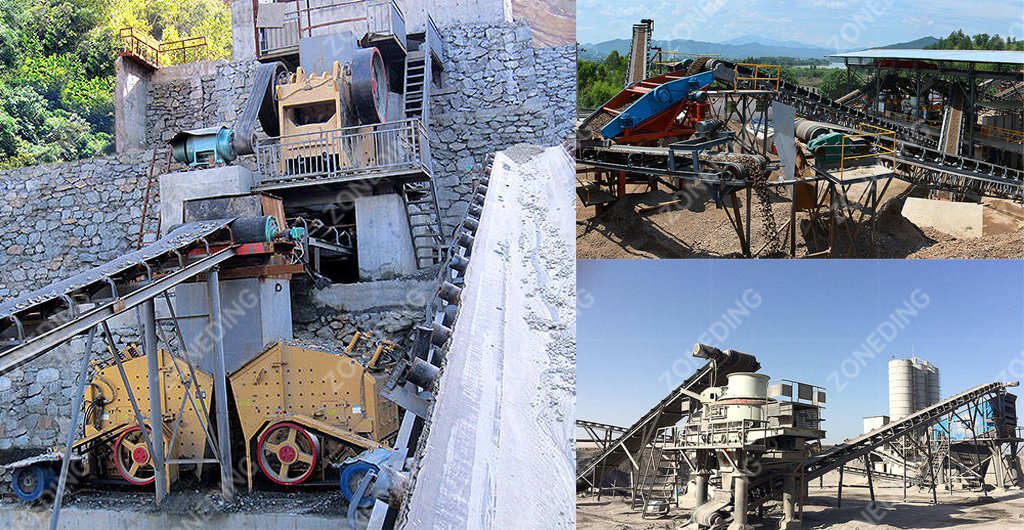
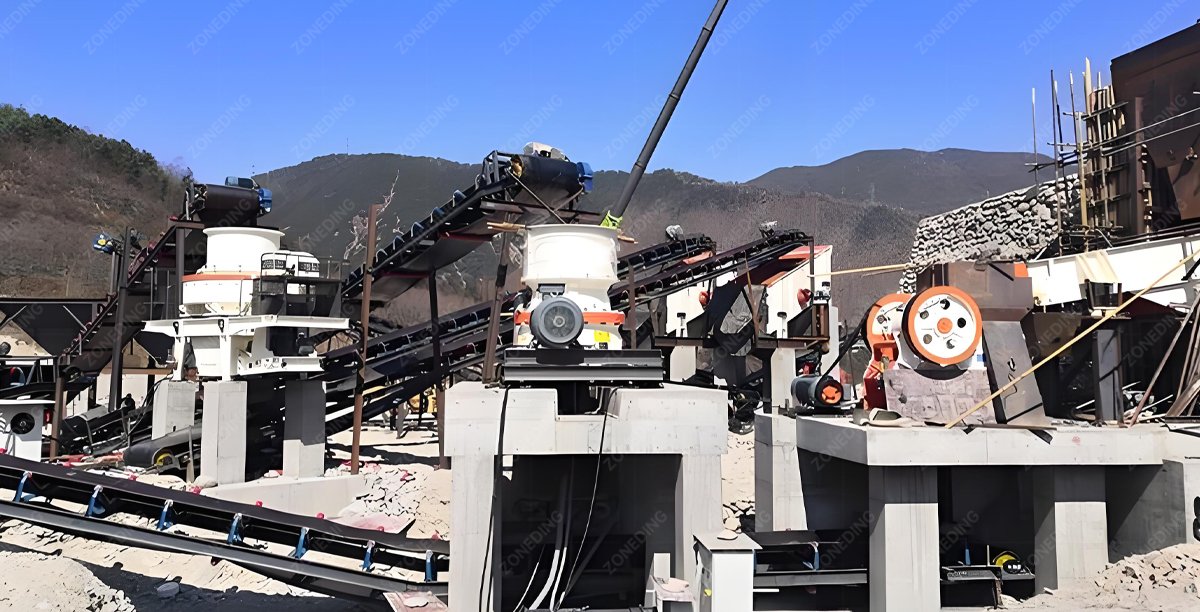
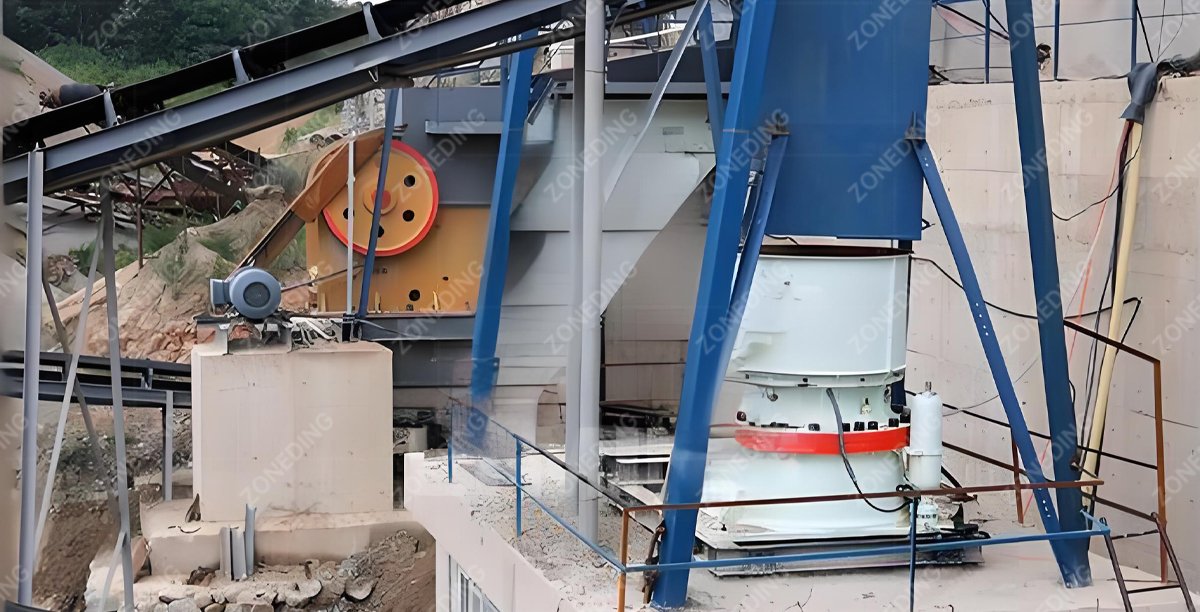
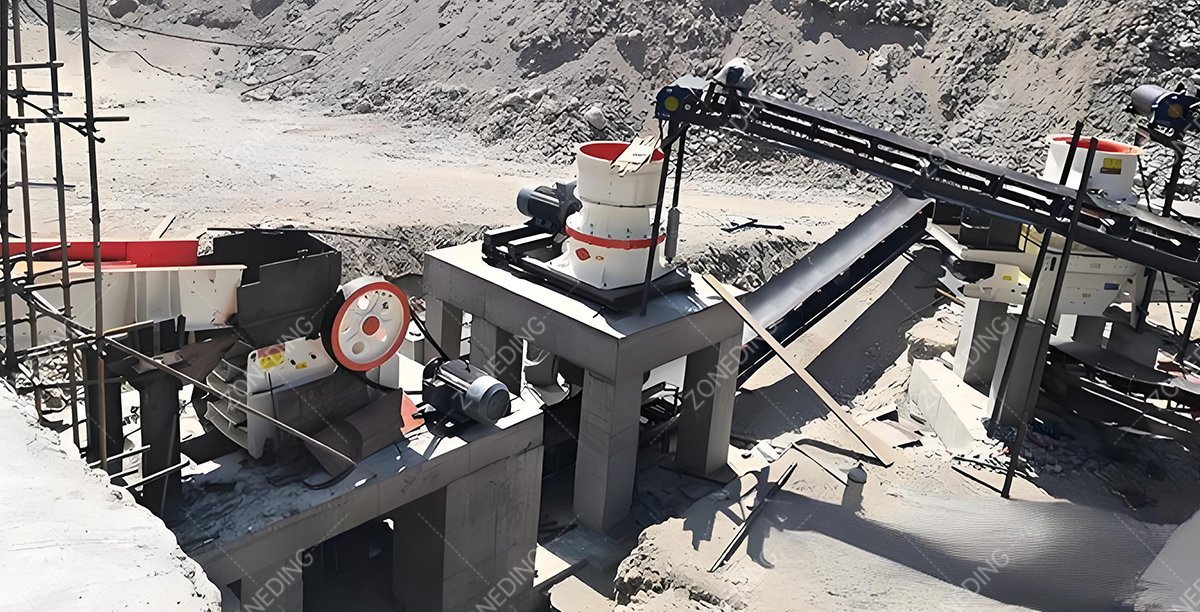
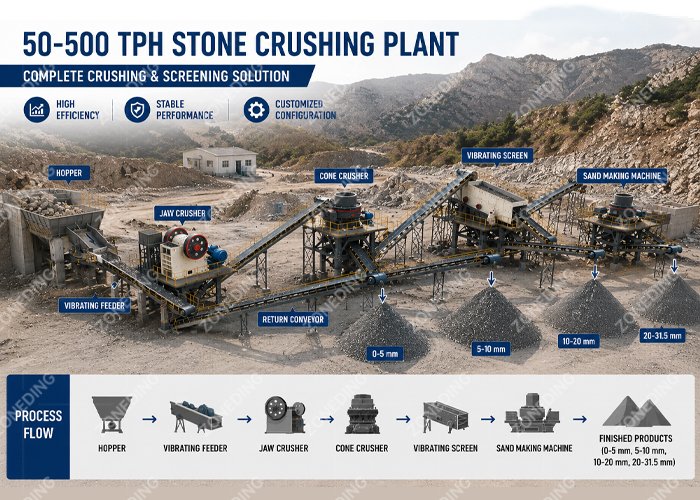
Modern operators often invest in a flexible Stone Crushing Plant because it allows them to adjust production according to changing market demand instead of depending on one fixed product size.
Why Logistics Often Decide Quarry Profit
Many investors believe higher production automatically creates higher profit. That is not always true.
A quarry producing 250 TPH near a city may achieve better margins than a remote 1000 TPH operation because truck cycle times stay shorter. Fuel costs also remain lower.
Road quality matters too. Poor internal haul roads reduce truck efficiency every day. Some operators spend millions upgrading crushers while ignoring transport optimization. That mistake quietly destroys profit margins over time.
Profit Factor
Strong Situation
Weak Situation
Impact on Profit
Quarry Location
Near projects
Remote area
Lower delivery cost
Product Variety
Multiple sizes
One product only
Stable sales
Truck Efficiency
Fast cycles
Delays and congestion
Better fuel economy
Plant Utilization
85-90% running
Low usage
Better ROI
Practical Quarry Profit Tips
For growing cities: Build production close to infrastructure demand.
For stable cash flow: Produce multiple aggregate sizes.
For lower operating costs: Optimize truck loading and internal roads.
How Much Can a Rock Quarry Earn Per Month?
A medium-sized quarry can generate significant monthly revenue when demand remains stable and equipment utilization stays high.
Monthly income depends on production volume, stone type, local market prices, and operating efficiency. In many markets, crushed aggregate prices range between $8 and $35 per ton depending on quality and application.
For example, a quarry producing 2,000 tons daily and selling material at $15 per ton may generate around $900,000 monthly gross revenue before operating expenses.
However, experienced operators focus more on net margins than total revenue. Hard rock operations like granite and basalt often achieve higher selling prices but also consume wear parts faster.
Many quarry owners use a heavy-duty Cone Crusher because cone crushers usually provide stronger aggregate shape and lower long-term crushing cost in hard rock applications.
Cost Per Ton Is the Real Profit Metric
New investors often focus heavily on machine purchase prices. Experienced operators calculate lifetime operating cost instead.
Wear parts become one of the largest expenses in hard rock applications. These include:
jaw plates
Cone liner
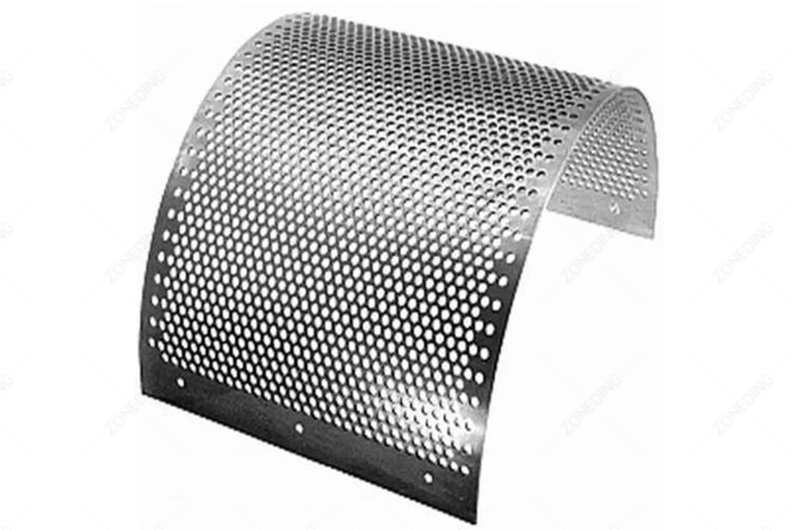
Screen mesh
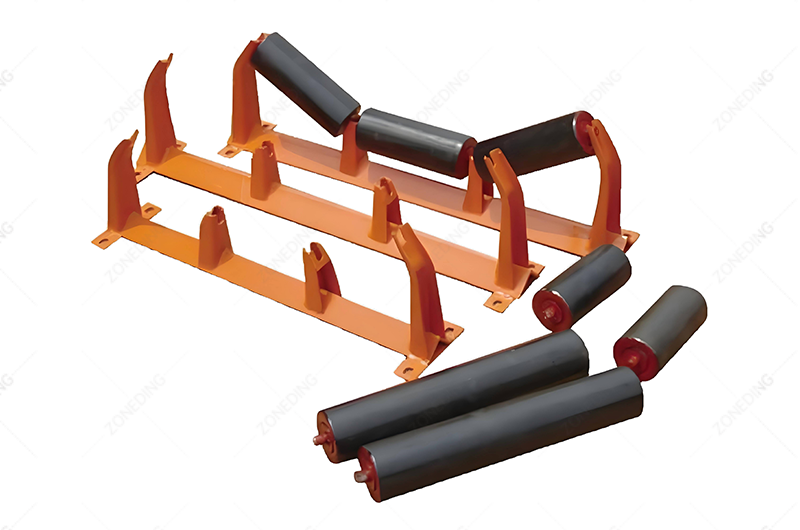
Conveyor rollers
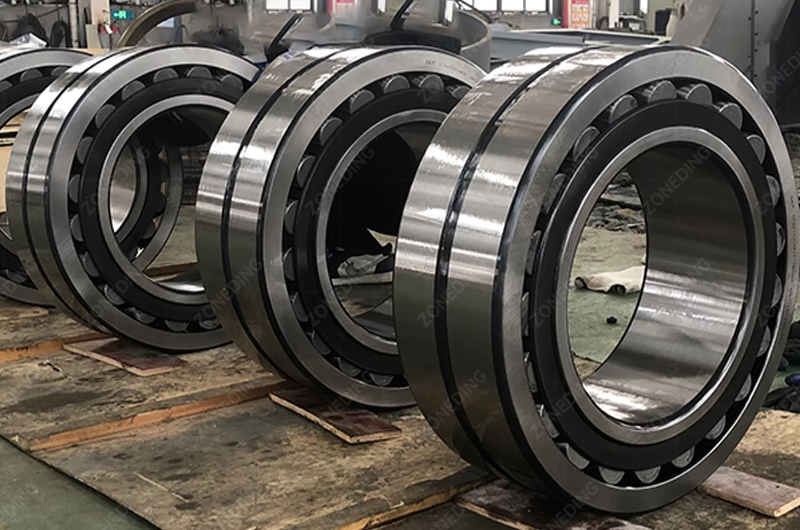
Bearings
Jaw plates
Cone liners
Screen mesh
Conveyor rollers
Bearings
Cheap equipment may initially appear profitable. But unstable liner life and frequent downtime quickly increase operating costs after several months.
Quarry Type
Selling Price
Wear Cost
Margin Potential
Limestone Quarry
Lower
Lower
Stable margins
Granite Quarry
Higher
High
Higher risk/reward
Basalt Quarry
Premium price
Very high
Strong if optimized
Practical Margin Improvement Suggestions
For granite operations: Maintain stable choke feeding conditions.
For liner savings: Keep feed gradation consistent.
For lower downtime: Maintain spare part inventory locally.
What Are the Main Costs of Running a Quarry?
Transportation, wear parts, electricity, and fuel usually represent the largest quarry operating costs.
Many quarry feasibility studies underestimate maintenance expenses. This becomes dangerous in hard rock applications where liner wear increases rapidly.
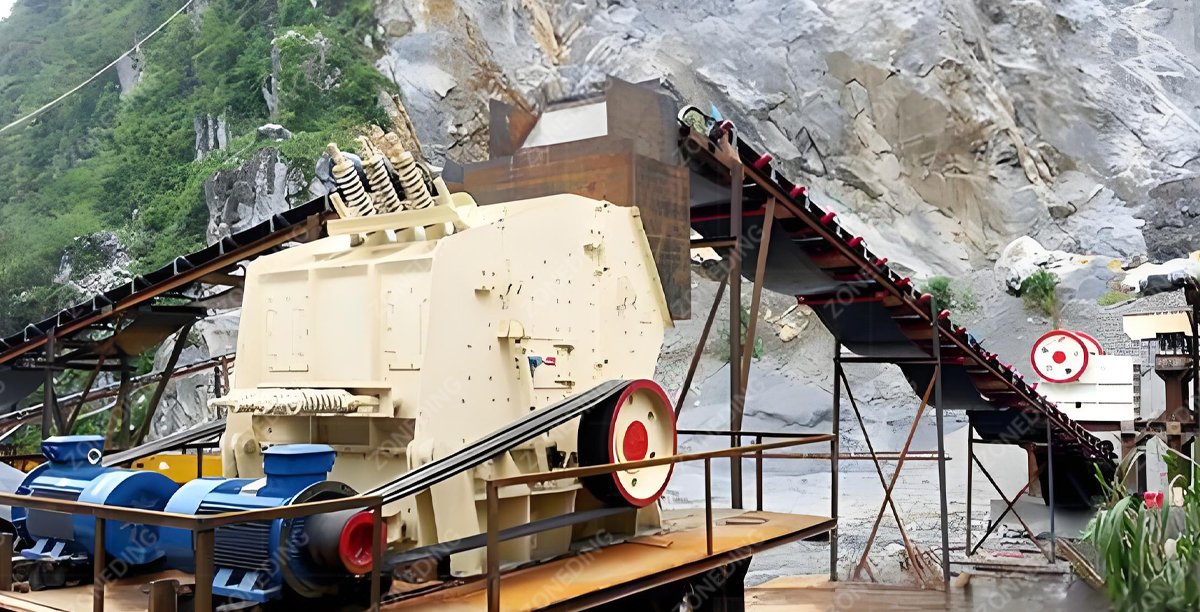
In granite and basalt operations, wear parts can quietly consume profits if the crushing circuit is poorly configured. Many operators now combine a primary Jaw Crusher with secondary cone crushing because this setup improves efficiency and reduces unnecessary recirculating loads.
Electricity is another major hidden cost. A poorly designed plant may consume excessive power because of:
Oversized motors
Poor CSS settings
Inefficient screening
Conveyor overload
Material recirculation
Transportation Usually Costs More Than Crushing
The stone itself is relatively cheap. Transportation is expensive.
A quarry located only 20 km closer to a city can dramatically outperform competitors because trucking efficiency improves daily.
Fuel price fluctuations also directly affect margins. Poor road access increases truck wear and fuel usage.
Operating Cost
Typical Impact
Risk Level
Why It Matters
Transportation
Very high
Major
Controls delivered price
Wear Parts
High
Severe in hard rock
Increases downtime
Electricity
Medium to high
Rising globally
Reduces margins
Fuel
High
Volatile
Impacts logistics
Practical Operating Cost Tips
For fuel savings: Improve internal haul road quality.
For lower wear: Maintain proper feed size before crushing.
For electricity savings: Avoid oversized equipment.
Stationary vs Mobile Crushing Plant: Which Is More Profitable?
Mobile crushing plants often create better flexibility, while stationary plants usually provide lower long-term production costs.
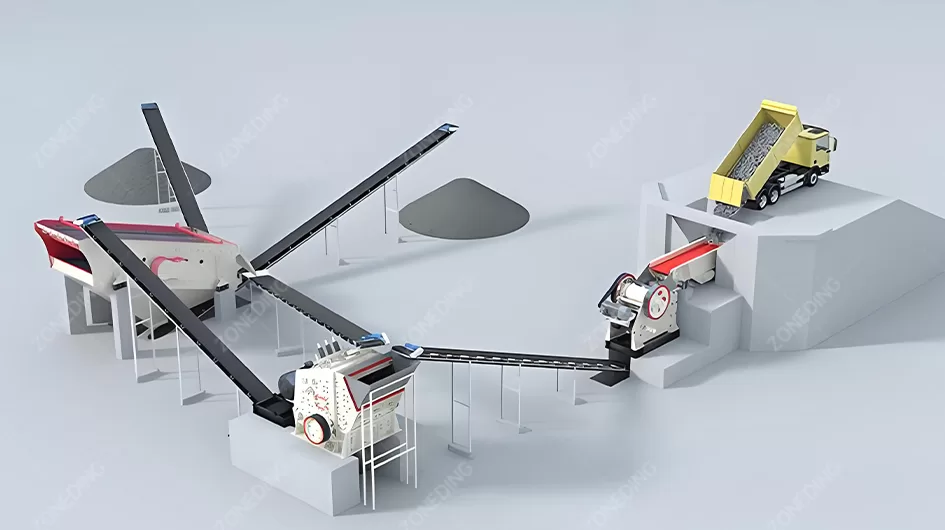
Stationary Crusher Plant
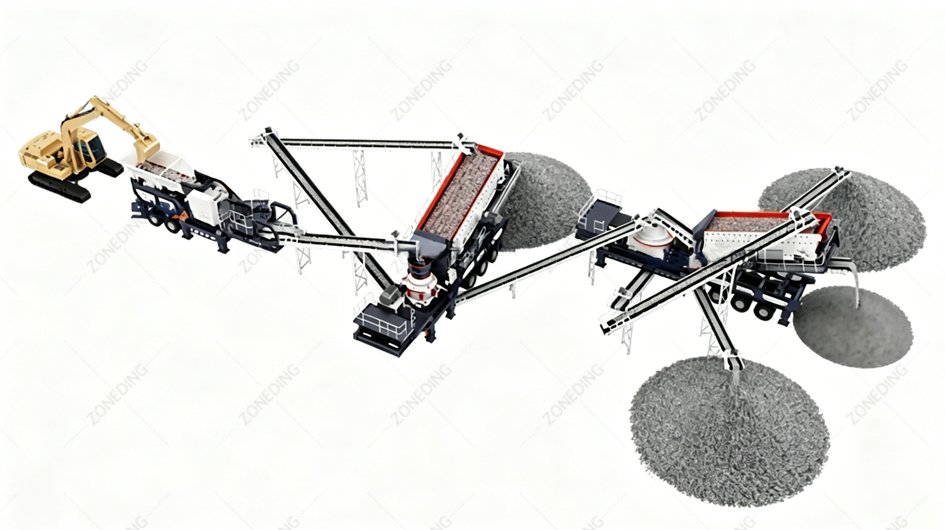
Mobile Crushing Plant
A stationary plant works well for large long-life quarries with stable reserves. But mobile systems reduce material transportation costs in temporary or changing work environments.
Construction waste recycling companies increasingly use a Mobile Crusher because moving the crusher closer to the material source dramatically lowers hauling expenses.
Mobile systems also reduce installation time and site preparation costs.
Flexibility Improves Long-Term ROI
Modern quarry markets change quickly. Contractors often move between projects. Flexible equipment becomes more valuable in these situations.
Mobile crushing systems reduce:
Material handling
Truck transportation
Transfer downtime
Civil foundation cost
Stationary plants still dominate large aggregate production because they support higher capacity and advanced automation systems.
For temporary contracts: Use mobile crushing systems.
For long reserve life: Build scalable stationary plants.
For future expansion: Choose modular layouts.
How Does Crusher Selection Affect Quarry Profit?
Crusher selection directly affects energy usage, maintenance cost, aggregate quality, and long-term ROI.
Not all crushers perform equally in different rock types. Limestone usually crushes easily and creates lower wear. Granite and basalt generate stronger aggregates but increase liner consumption.
Many high-efficiency quarries now combine cone crushing with a Sand Making Machine to produce higher-value manufactured sand products.
This becomes especially important because many regions continue restricting natural river sand mining.
Matching the Crusher to the Material
Proper crusher selection depends on:
Rock hardness
Feed size
Final product shape
Production target
Wear resistance
Experienced operators optimize total system efficiency instead of buying oversized machines.
A 500 TPH plant running at 40% utilization often becomes less profitable than a 250 TPH plant operating consistently at 90%.
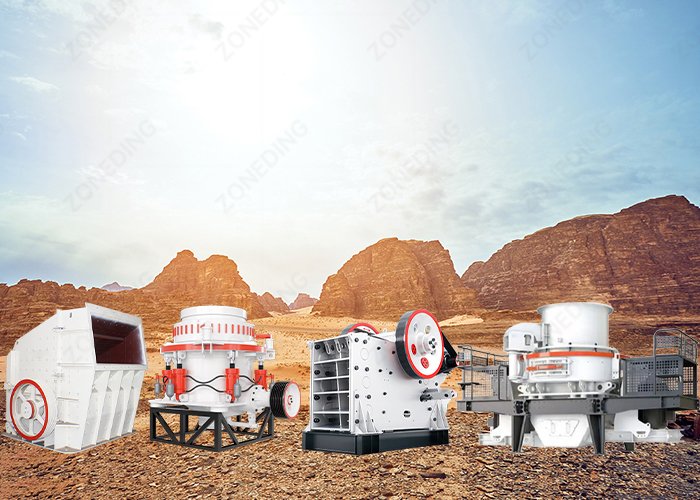
Jaw + Impact Crusher
Jaw + Cone Crusher
Jaw + Cone + VSI
Rock Type
Recommended Setup
Wear Level
Product Quality
Limestone
Jaw + Impact Crusher
Lower
Good shape
Granite
Jaw + Cone Crusher
High
Strong aggregate
Basalt
Jaw + Cone + VSI
Very high
Premium shaping
Practical Crusher Selection Tips
For hard rock: Use cone crushers with stable choke feeding.
For manufactured sand: Add shaping equipment.
For lower downtime: Standardize spare parts inventory.
2026 Quarry Industry Trends
The quarry industry continues changing rapidly in 2026. Environmental regulations are becoming stricter. Energy prices remain unstable in many regions. Water recycling also becomes increasingly important.
Many profitable operators now invest in:
Water recycling systems
Filter presses
Thickener tanks
Smart automation
Remote plant monitoring
Modern crushing plants increasingly use automation systems to monitor liner wear, power usage, and conveyor efficiency in real time.
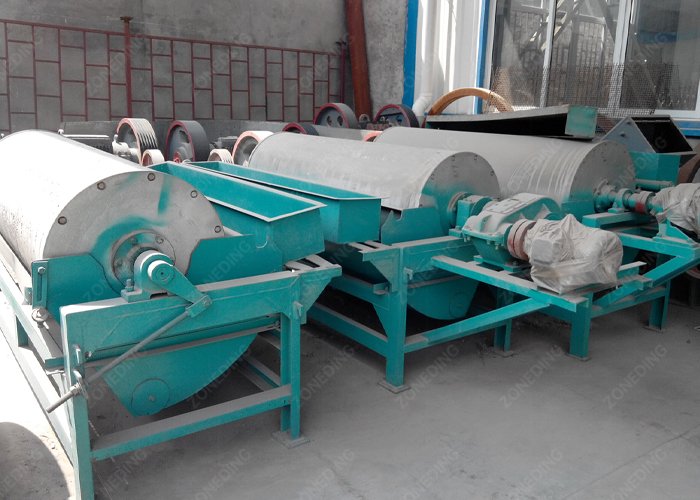
Some operators also integrate Beneficiation Equipment into quarry operations to create additional downstream products and improve long-term profitability stability.
Infrastructure investment in developing regions also keeps supporting aggregate demand growth.
Frequently Asked Questions
How profitable is a rock quarry business?
A quarry can become highly profitable if it controls transportation costs, equipment downtime, and wear expenses. Local market demand strongly affects long-term margins.
What is the biggest quarry operating cost?
Transportation is often the largest expense because trucking heavily affects delivered aggregate pricing.
Which rock type gives higher margins?
Granite and basalt often sell at higher prices, but maintenance and wear costs also increase significantly.
Are mobile crushers profitable?
Yes. Mobile crushing plants reduce hauling costs and improve flexibility for temporary and recycling projects.
How long does quarry ROI usually take?
Many medium-sized quarry investments recover costs within 3 to 7 years depending on demand, utilization, and equipment efficiency.
Final Thoughts
A rock quarry can generate strong long-term profits when operations focus on efficiency instead of only production volume. The most successful quarry businesses usually optimize transportation, wear costs, uptime, and product quality.
Your long-term profitability depends on:
Cost per ton
Equipment reliability
Stable market demand
Transportation efficiency
Proper crushing system design
A well-positioned quarry with efficient operations can remain profitable for decades.
About ZONEDING
We are ZONEDING, a Chinese manufacturer specializing in crushing, grinding, screening, and mineral processing equipment for global B2B customers. We provide customized quarry solutions including mobile crushers, ball mills, aggregate plants, and complete processing systems.
Our equipment has been exported to more than 120 countries. We help quarry operators improve efficiency, reduce operating costs, and build reliable long-term production systems.
Contact us today for customized quarry equipment recommendations and complete crushing plant solutions.
The magnetic separation method is a crucial technique to improve mineral purity and recover valuable metals. This process uses the physical property of magnetism to divide iron-bearing minerals from waste rocks. A high-efficiency ensures that a mi...
In a professional mineral processing plant, meeting catalog specifications does not always guarantee on-site success. Many buyers focus only on motor power or feed size, but these are surface numbers. Real profitability depends on how equipment ha...
Identifying gold ore accurately determines the absolute survival of any mineral processing plant. A geological report showing 10 grams per ton means nothing if the metallurgical nature prevents extraction. A low-grade oxide gold ore often generate...
The cost of a stone crusher plant in 2026 can range from $50,000 to more than $1.5 million depending on capacity, rock type, equipment configuration, automation level, and mobility requirements. Many first-time buyers only compare crusher prices, ...
We use cookies to ensure that we give you the best experience on our website. If you continue to use this site we will assume that you are happy with it.
Privacy Policy
Send us a message
We would love to hear from you
Submit your question and our team will respond to the email provided as soon as possible.
 Zoneding Machine