Buying mining machinery is the start of a long-term investment. Many buyers focus only on the lowest initial price. However, an unreliable supplier can cause massive losses through downtime and high maintenance costs. A professional procurement strategy focuses on the total cost of ownership rather than just the purchase price.
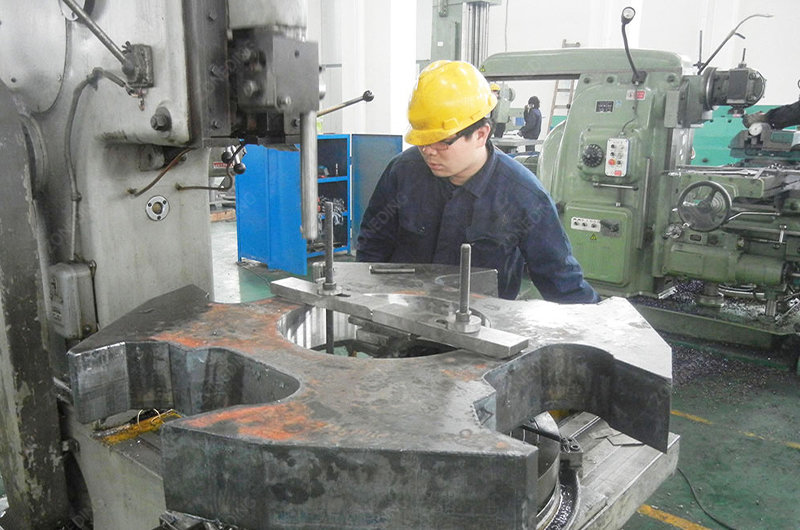
The first step in a is verifying if a supplier is a manufacturer or just a middleman. An original factory has its own production lines, casting workshops, and engineering teams. A trader simply buys machines from different places and resells them. To verify this, ask for a factory tour or live video inspection of the casting shop. A real manufacturer manages the metal melting and heat treatment processes for critical components like the jaw crusher plates or cone crusher liners. If a supplier cannot show the manufacturing of core heavy parts, they are likely a trader.
Checking core casting quality
A reliable stone crusher original factory provides Non-Destructive Testing (NDT) reports for heavy components. These reports prove that the metal has no internal cracks. Without these, a machine might fail after only 2,000 hours of operation, causing huge repair bills.
Verification Method
Original Factory
Trading Company
Impact on Profit
Casting Control
Full Control
Outsourced
High (Durability)
Technical Support
In-house experts
Limited/Third-party
High (Uptime)
Spare Part Stock
Direct from line
Depends on others
High (Speed)
Avoiding technical traps
Ask for metal analysis: Request material composition reports for liners.
Check machine components: Look for high-quality bearings and motors.
Inspect the workshop: A real factory has CNC machines and large welding equipment.
Why Custom Solutions Matter for Your Ore?
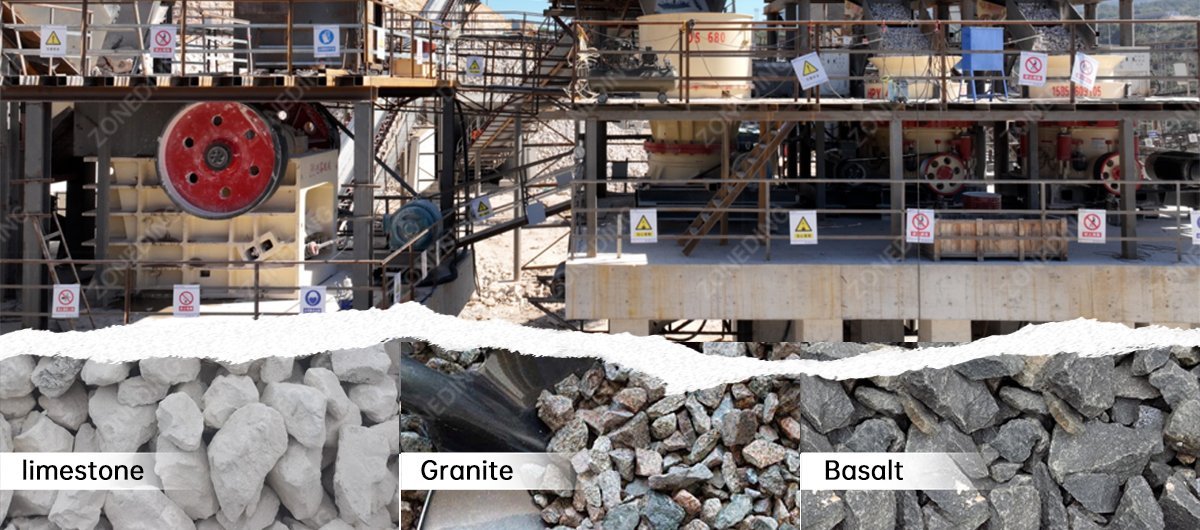
A reliable supplier must provide a customized crushing line solution based on specific rock mechanics. Simply offering a standard machine based on “tons per hour” is a major mistake. Every mine has different rock hardness, moisture, and abrasiveness. A professional engineering team will ask for the Uniaxial Compressive Strength (UCS), the Abrasion Index (Ai), and the moisture content of the ore. For example, a line designed for soft limestone will fail completely if used for hard basalt. Proper crushing equipment must match the specific liner profile to the material to keep electricity costs low and production high.
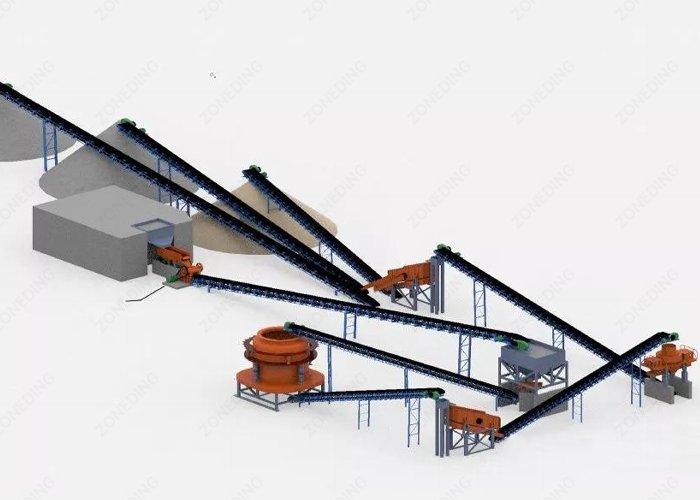
Types of rock crusFixed Crushing Production Line
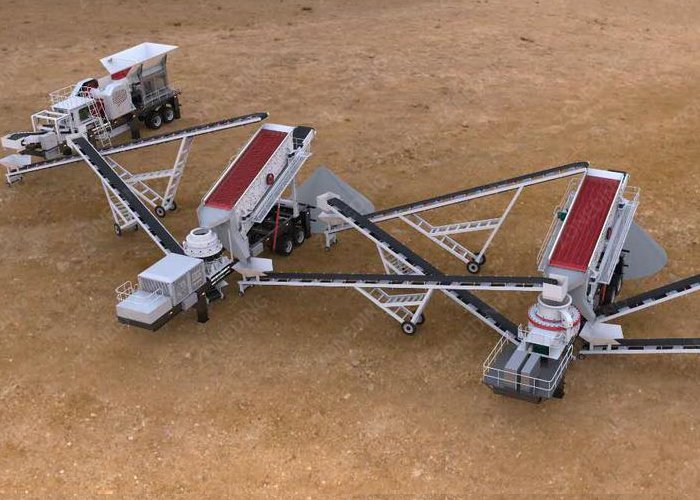
Mobile Crushing Station
The risk of template designs
Using a “template” or “standard” design often leads to inefficient power consumption. If the machine is not optimized for the rock, the electricity bill can increase by over 15%. This small difference becomes massive over a five-year period.
Target Size: Know the exact input and output size requirements.
How to Evaluate After-Sales and Spare Parts?
The speed of crusher after-sales and spare parts delivery determines the survival of a mining project. When a critical part breaks, the mine stops. A supplier that takes two months to ship a bearing is a danger to your business. A strong supplier maintains a large spare parts warehouse with high-turnover items like eccentric shafts, bushings, and seals. Also, check if they use international standard parts (ISO/DIN). Using standard bearings (like SKF or FAG) allows you to find replacements locally in remote areas, which reduces non-planned downtime.
Exquisite Processing Technology
ZONEDING-Solution Support
ZONEDING-Machine-Working-Team
Checking spare part availability
Stock levels: Ask to see the warehouse of long-cycle wear parts.
Standardization: Ensure non-core parts are globally available.
Packaging: High-quality anti-rust packaging shows professional management.
Professional installation support
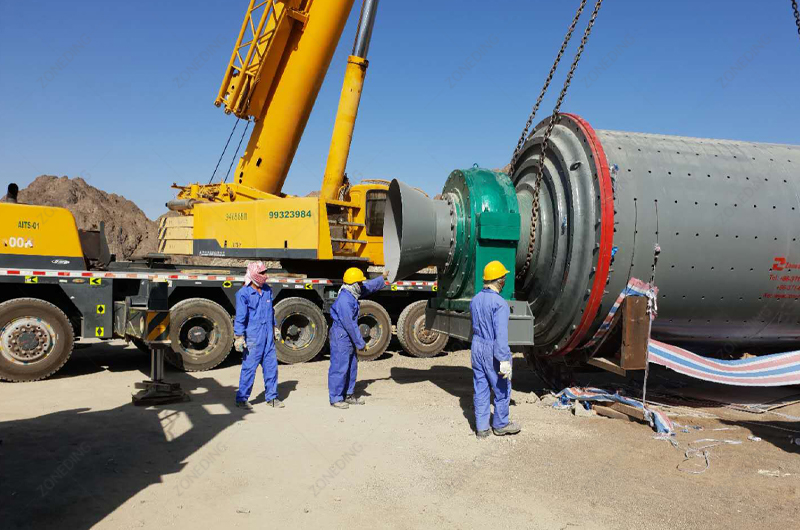
A manufacturer should send experienced engineers to your site. These supervisors must have years of experience handling local environmental challenges, such as extreme heat or high humidity. Correct installation of vibrating screens and conveyor alignments prevents vibration damage in the future.
Why You Must Calculate Total Cost of Ownership (TCO)?
Smart procurement focuses on Total Cost of Ownership (TCO) instead of the lowest quote. The lowest price usually comes with hidden costs. These include high energy consumption, frequent part replacements, and frequent downtime. The real cost of a machine over five years is: TCO = Purchase Price + 5-Year Spare Parts + Energy Costs + Downtime Losses. A supplier might be 20% cheaper initially, but if their liners wear out twice as fast, the TCO will be 30% to 50% higher. This is why ZONEDING focuses on delivering high-durability stone crushers that maximize profit through long-term stability.
Cost Element
Low-Price Supplier
Professional Manufacturer
Initial CAPEX
Very Low
Moderate
Wear Parts
Very High
Controlled/Low
Energy Cost
High
Optimized/Low
5-Year TCO
Extremely High
Lowest Overall
Frequently Asked Questions
Question 1: Is it better to buy a mobile or stationary crusher? It depends on your site. Mobile crushers are great for moving between locations or recycling construction waste. Stationary plants are better for large, permanent quarries with high production needs. Question 2: How can I check if the spare parts are high quality? Ask for the material certificate of the wear parts. High-quality manganese steel or chrome-moly steel should be used for liners to ensure long life in abrasive conditions. Question 3: Why is my crusher consuming too much electricity? This usually happens because the machine is not matched to the rock hardness or the “choke feeding” is not being practiced. Proper crushing plant design prevents this. Question 4: Does the manufacturer provide training? A reliable manufacturer must provide operator training. This includes how to maintain lubrication, how to check wear, and how to respond to emergency stops. Question 5: What is the most important part of a crusher? The core components like the main shaft, the frame, and the crushing chamber are the most important. If these fail, the entire machine is useless.
Summary and Recommendations
To choose a reliable stone crusher supplier, do not focus only on the price. Verify the factory’s manufacturing ability, demand a customized design based on your specific ore, and evaluate the total cost of ownership over several years. Prioritize suppliers who offer strong after-sales support and standardized parts to ensure your mine stays profitable. Next Steps:
Collect your ore’s hardness and moisture data.
Compare quotes based on TCO, not just the initial price.
Request a detailed technical layout and spare parts list from the supplier.
About ZONEDING
ZONEDING is a professional manufacturer of Crushing Equipment and Beneficiation Equipment. We provide customized, high-performance solutions for the global mining and aggregate industries. With decades of experience, we focus on reducing your operational costs and maximizing production uptime. Contact ZONEDING today for a professional technical consultation and plant design.
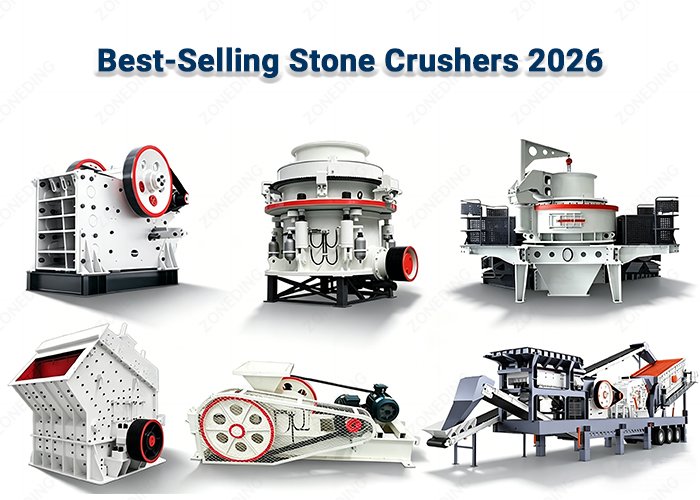
As an expert with decades in the mineral processing industry, I have seen "best-sellers" change many times. In the past, it was all about raw power. In the 2000s, it was about high throughput. But in 2026, the "best-selling" machines are different...
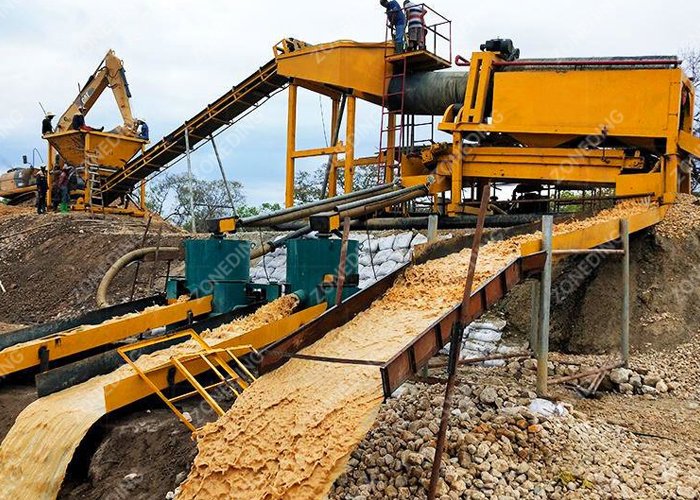
Starting a gold mine requires a clear budget. Total alluvial gold plant cost ranges from $30,000 for small setups to over $500,000 for industrial lines. Equipment price is only part of the investment. Shipping, power, and labor also impa...
Choosing between a rod mill and a ball mill is the most vital step in any mineral processing journey. This decision affects the recovery rate and the monthly electricity bill of a mining project. A uses long steel bars to crush material. A Ba...
We use cookies to ensure that we give you the best experience on our website. If you continue to use this site we will assume that you are happy with it.
Privacy Policy
Send us a message
We would love to hear from you
Submit your question and our team will respond to the email provided as soon as possible.
 Zoneding Machine