Search the whole station Crushing Equipment
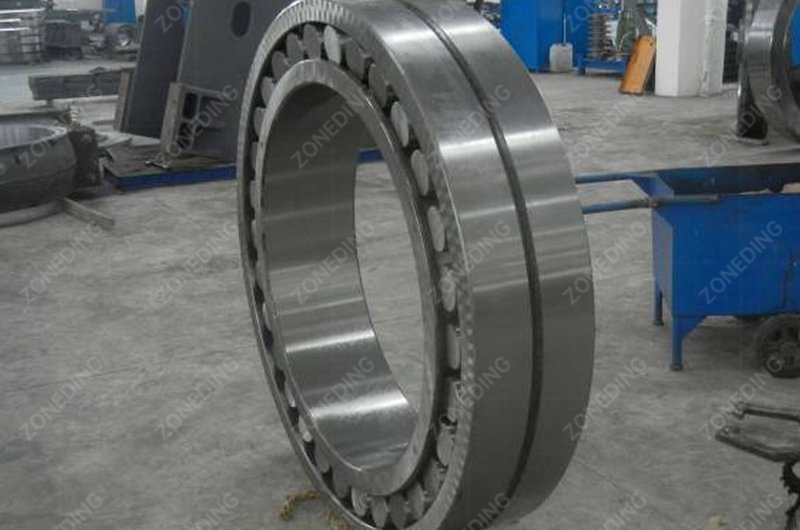
The ball mill bearing is the core component that supports the entire weight of a rotating grinding mill. These bearings must carry hundreds of tons of ore and steel balls while spinning 24 hours a day. High-quality bearings reduce friction and prevent the motor from wasting energy. A failure in the main bearing stops the entire mineral processing line immediately. Choosing the right bearing ensures your mill runs quietly and stays cool under heavy stress. We focus on high-strength alloys and advanced sealing to keep your production moving without breaks. Our designs specifically target energy efficiency and long-term durability for global mining sites.
Last Updated: June 2026 | Estimated Reading Time: 16 Minutes
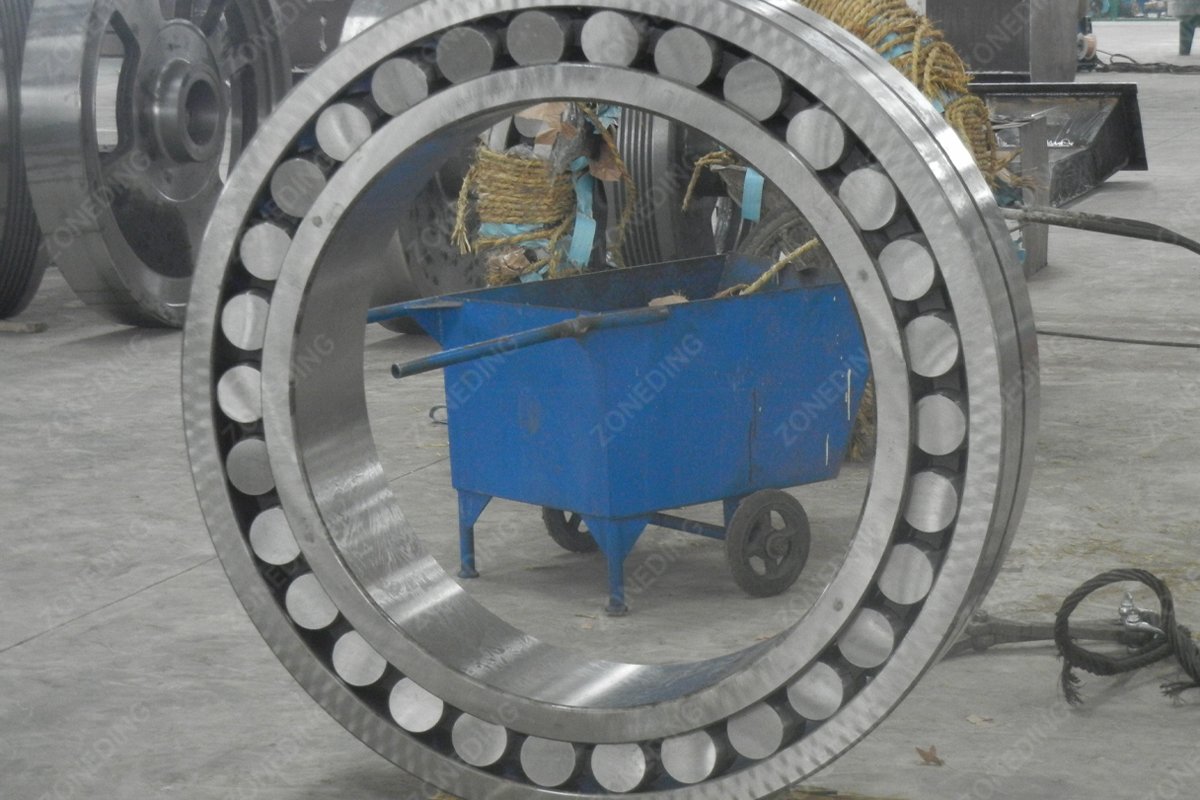
High-quality ball mill bearings provide the physical foundation for the rotating drum and its heavy internal load. The weight of a full mill is immense. The bearings must support this static weight while absorbing the dynamic shocks of falling steel balls. If the bearing material is weak, the drum begins to wobble. This wobble destroys the alignment of the large girth gear and the drive pinion. High-quality bearings ensure the rotation stays perfectly centered. This prevents the vibration that causes cracks in the mill shell and foundation. Reliability in this area is essential for any industrial operation.
The environment around a grinding mill is notoriously harsh. Air stays filled with fine rock dust, water spray, and chemical slurry. Low-grade bearings allow these contaminants to enter the rolling path. Once inside, the particles mix with grease to create an abrasive paste. This paste grinds away the metal surfaces in a matter of weeks. Premium bearings use heavy-duty materials and precision finishes to resist this wear. These parts maintain their shape even under high temperature changes. This stability allows the mill to operate at full capacity for several months without a maintenance stop. Without a robust bearing, the risks of expensive downtime increase significantly.
| Feature | Technical Benefit | Practical Impact |
|---|---|---|
| High Static Load Rating | Prevents metal deformation | Handles full mill loads safely |
| Low Friction Design | Reduces torque requirements | Lowers monthly electricity bills |
| Shock Resistance | Absorbs ball impacts | Protects the shell from cracks |
| Long Fatigue Life | Delays surface flaking | Reduces the frequency of repairs |
Rolling bearings reduce the energy consumption of a ball mill by 8% to 15% compared to sliding bearings. Traditional sliding bearings use babbitt metal surfaces. They require a thick film of oil to float the shaft. This design creates high “fluid friction” during the startup phase. The motor must pull a massive amount of current to break the initial resistance. In contrast, rolling bearings use steel rollers. These rollers turn with very little resistance. For a 1200kW mill, a 10% saving in electricity translates to thousands of dollars in monthly profit. Over a few years, the power savings pay for the entire bearing upgrade.
The lubrication system for rolling bearings is also much simpler. Sliding bearings often require high-pressure oil stations to lift the drum before it starts. These stations add cost and have many parts that can fail. Rolling bearings typically only need grease or low-pressure oil. This reduces the mechanical complexity of the machine. It also makes the mill easier to restart after a power outage. Because friction is lower, the bearings stay much cooler. This prevents the lubricant from thinning out and failing. Switching to rolling technology is now the standard for any modern Copper Processing Plant.
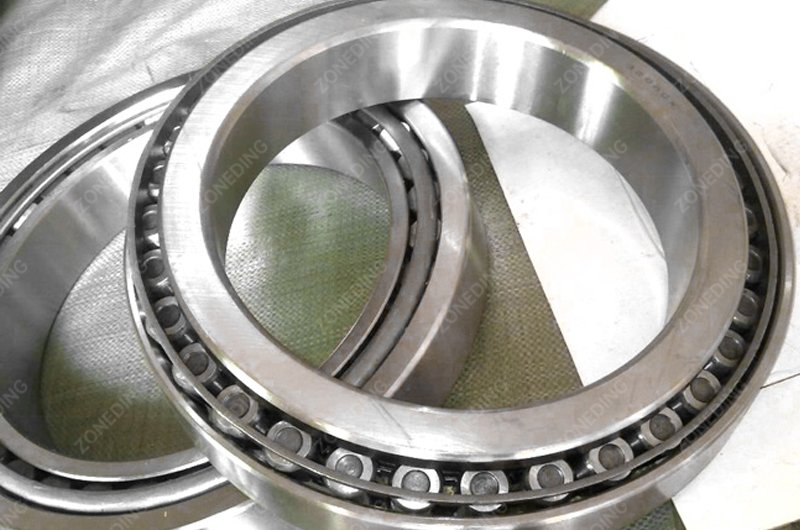
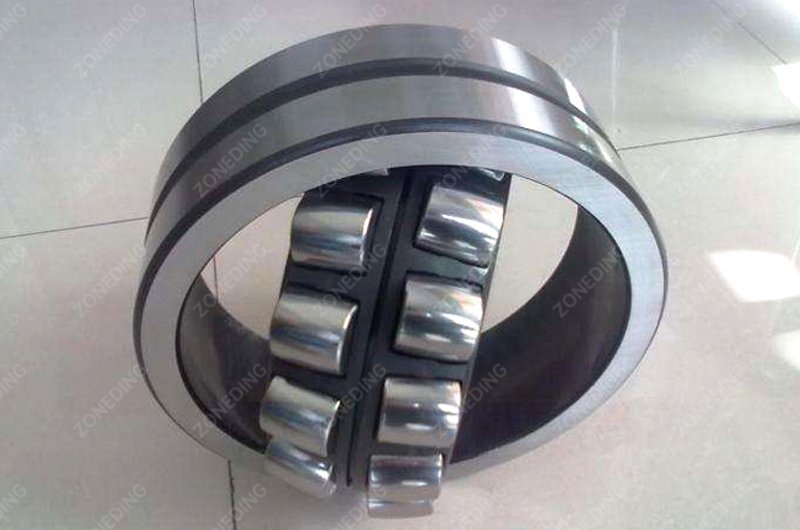
| Feature | Rolling Bearings | Sliding (Babbitt) Bearings | Benefit |
|---|---|---|---|
| Startup Torque | Very Low | Very High | Saves motor and gear wear |
| Power Savings | 8% – 15% | Baseline | Lower operational costs |
| Oil System | Simple Grease | Complex High-Pressure | Less maintenance needed |
| Running Temp | Stays Cool | Becomes Hot | Longer oil life |
The use of GCr15SiMn alloy steel provides the necessary hardness for heavy-duty mining bearings. This steel contains high levels of Chromium and Manganese. These elements increase the depth of hardness during heat treatment. The manufacturing process removes air and impurities from the molten steel. This results in a dense metal structure that resists “fatigue cracks.” In a ball mill, rollers are squeezed millions of times per week. If the steel contains tiny bubbles, the surface will eventually crumble and flake off. Vacuum-degassed steel ensures the bearing survives the pressure of a 500-ton load.
Toughness is just as important as surface hardness. If the metal is too hard, it becomes brittle like glass. It would snap during the sudden impact of a mill startup. The tempering process balances these two traits. This creates a surface hard enough to stop wear and a core tough enough to absorb shocks. This “hard-tough” balance is why the main bearing for ball mill lasts longer than general industrial parts. It keeps the mill running in the most demanding Gold Processing Plant environments. The metal maintains its structural integrity even when the mill is overloaded.
Multi-layer labyrinth seals create a physical barrier that rock dust cannot penetrate. The air in a grinding room is filled with fine silica and ore particles. If these enter the trunnion bearing, they act like sandpaper. They quickly destroy the rollers and the race. The labyrinth design uses a series of interlocking “teeth” and “grooves.” This forces any dust to travel a long and difficult path. These grooves stay filled with thick grease. The grease acts as a “trap” for any particles that try to pass through. This system is a very effective way to protect the internal precision parts.
Heavy-duty felt seals and rubber V-rings provide a second layer of defense. These seals maintain constant contact with the rotating shaft. They wipe away any water or slurry that splashes onto the bearing housing. This protection is critical for wet grinding mills where water is used constantly. For extremely dusty sites, a “positive pressure” system can be added. This pumps a small amount of clean air into the housing. The air flows out of the seals, pushing all dust away. This total protection strategy is vital for a reliable Stone Crushing Plant.
Large lubrication channels and thermal expansion gaps prevent the bearing from seizing. As the mill rotates, the friction creates heat. If the heat cannot escape, the metal expands. This expansion reduces the clearance between the rollers and the race. Eventually, the bearing will lock up and destroy the shaft. The ball mill bearing housing is designed with a large surface area to radiate heat away. Lubricating oil flows through the bearing at a high rate to carry heat to an external tank. Water-cooling jackets can also be installed inside the housing for mills in very hot climates.
Thermal expansion is a major risk for long mills. A 10-meter drum can grow by several millimeters as it warms up. If both bearings are fixed in place, the growing drum will crush the rollers. A “floating” design is used for the non-drive end. This allows the bearing to slide slightly inside its housing as the metal expands. This movement prevents the buildup of dangerous axial forces. By managing this “heat growth,” the bearing always maintains the correct internal clearance. This keeps the operating temperature stable even during the hottest months.
| Method | Function | When to Use |
|---|---|---|
| Large Oil Flow | Carries heat to a cooling tank | Standard for large mills |
| Cooling Fins | Increases the air-cooled surface | Good for natural ventilation |
| Water Jacket | Cools the housing with water | Necessary for desert sites |
| Floating House | Absorbs the growth of the drum | Mandatory for all long mills |
Choosing the correct bearing requires an analysis of the mill diameter and the total rotating weight. For most small to medium mills, a spherical roller bearing is the best choice. These bearings are designed to handle “misalignment.” If the mill shell is slightly bent or the foundation settles, the bearing can tilt to stay in line. This prevents the load from concentrating on one edge of the rollers. For very large mills, a custom trunnion bearing with a higher load rating is needed. Calculating these forces is the first step in ensuring the part lasts for many years.
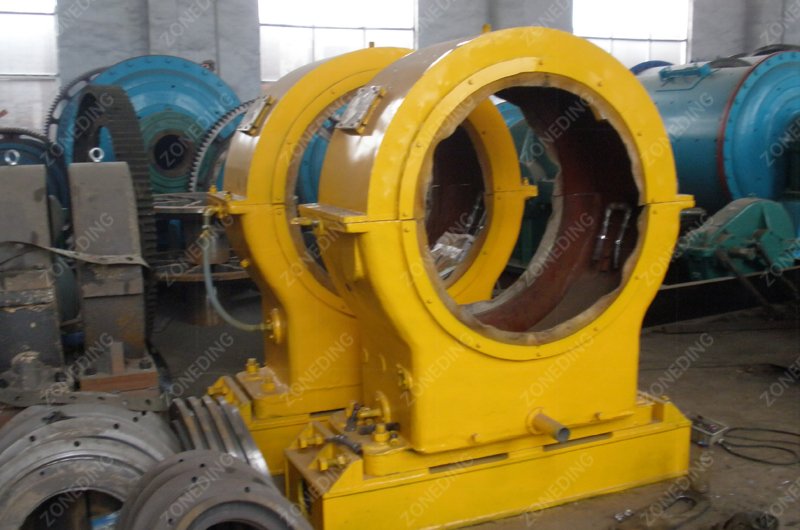
The housing is just as important as the bearing itself. A decision must be made between a “Fixed” housing and a “Floating” housing. Every mill requires one of each. The fixed housing prevents the mill from sliding forward or backward. The floating housing allows the mill to move as it gets hot. If two fixed housings are used, the machine will break as soon as the temperature rises. Complete kits are usually provided, including the housing, the seals, and the adapter sleeves. This ensures all parts fit together without issues during the installation.
Question 1: Is it possible to replace sliding bearings with rolling bearings?
Yes. This is a common upgrade for older mills. Complete conversion kits are used to adapt the old shaft to the new rolling bearing housing. This usually saves about 10% in electricity.
Question 2: How often should grease be added to the bearing seals?
In a dusty mine, a small amount of grease should be added every 24 hours. This keeps the labyrinth seals full and prevents dust from entering the bearing.
Question 3: Why does a bearing get hot only during the first hour of running?
This is often caused by “grease churning.” If there is too much grease, the rollers must push through it. Once the extra grease moves to the side, the temperature drops to normal.
Question 4: What is the most common cause of bearing failure?
Lubrication failure is the most common cause. This happens when the oil pump stops, the grease runs out, or water enters the housing and ruins the lubricant.
Question 5: How long do these bearings last?
With clean oil and correct alignment, these bearings are designed for 15 to 20 years of service. Regular maintenance is the key to this long life.
ZONEDING is a professional manufacturer of Ball Mill Machines and high-load transmission components. Based in China, the company has served the global mining industry since 2004. The factory uses advanced CNC machining and laser testing to ensure every bearing meets international standards. ZONEDING has exported equipment to over 120 countries, focusing on durability and energy savings. Factory-direct sales provide competitive pricing and full technical support for every client.
Contact ZONEDING today for a technical consultation on ball mill bearing solutions.
loading…
已经是到最后一篇内容了!
 Zoneding Machine