Search the whole station Crushing Equipment
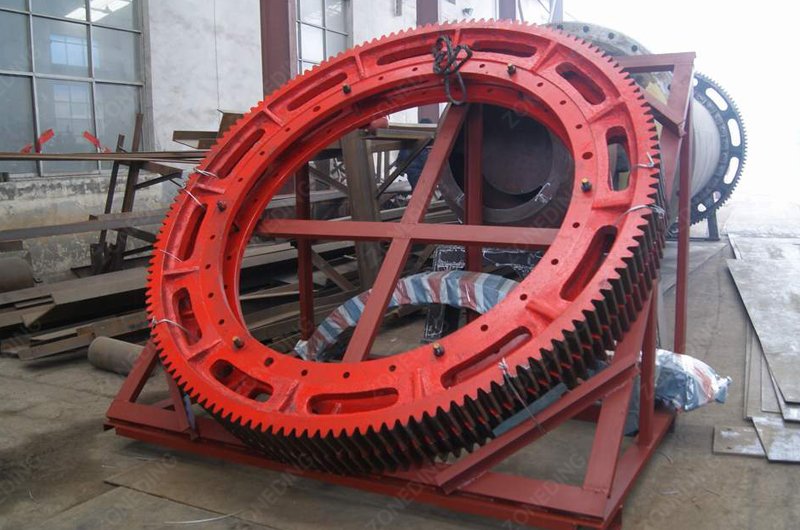
The ball mill girth gear is the primary power hub for heavy grinding operations. This massive component transfers torque from the motor to the rotating shell. High reliability is essential because a gear failure stops the entire mineral processing line. Most mining companies consider the girth gear the most expensive spare part. A broken gear can lead to months of lost production and high repair costs. ZONEDING uses advanced metallurgy to prevent tooth breakage and surface pitting. Precision engineering ensures the teeth mesh perfectly with the pinion. Selecting a high-quality gear is the best way to secure a mining investment. This article explains how specific manufacturing steps lead to a twenty-year service life.
Last Updated: June 2026 | Estimated Reading Time: 16 Minutes
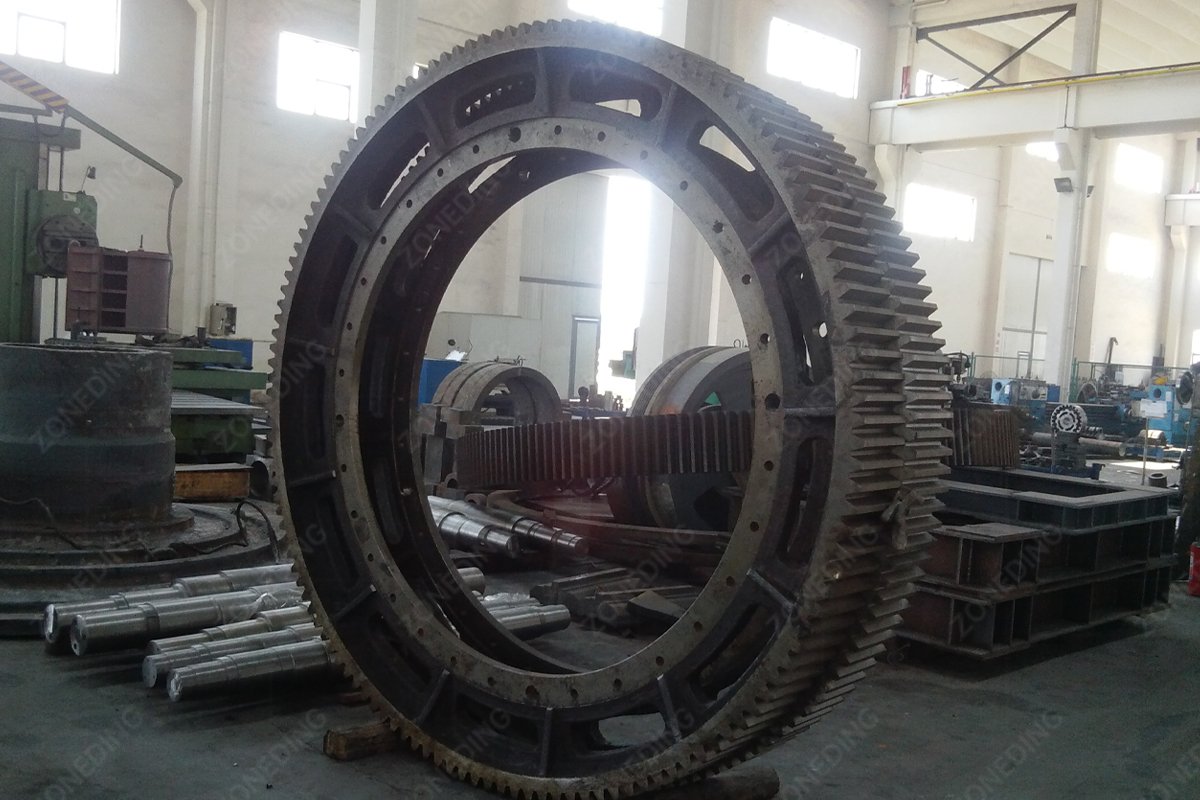
The ball mill girth gear is a large ring gear that acts as the final drive for the grinding drum. It usually surrounds the outside of the mill shell. Power travels from the motor through a gearbox and a small pinion gear. Then the pinion turns the massive girth gear. This component must handle hundreds of tons of pressure every second. The gear must also resist the vibration caused by falling ore and grinding balls. If the gear teeth fail, the mill becomes a pile of useless metal. This halts all Iron Ore Beneficiation tasks immediately.
Energy efficiency depends heavily on the accuracy of the gear teeth. A poorly made gear creates friction and heat instead of rotation. This heat wastes electricity and damages the lubrication oil. High-precision gears ensure that the load is spread across the entire width of the tooth. This prevented “point loading” where the metal chips off under stress. A stable girth gear also protects the motor and gearbox from shock loads. Proper operation keeps the drive system quiet and smooth. A well-maintained gear is the foundation for a profitable Gold Ore Processing Plant.
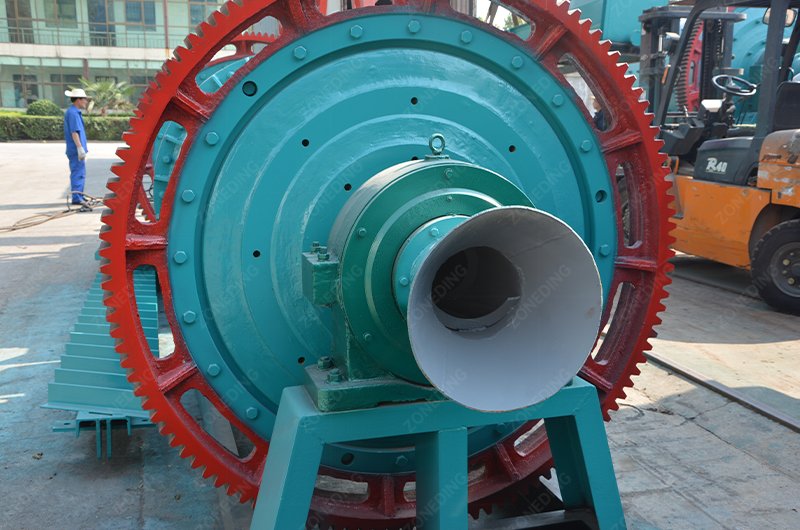
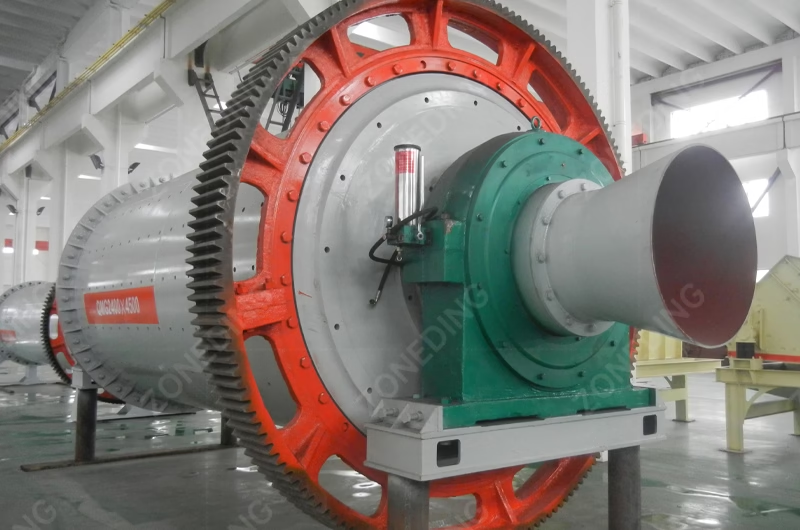
| Feature | Technical Benefit | Impact on the Mine |
|---|---|---|
| Large Tooth Module | High torque capacity | Handles heavy startup loads easily |
| Split Joint Design | Easier transport to site | Reduces crane and shipping costs |
| Precise Tooth Pitch | Lower vibration levels | Prevents gearbox and motor damage |
| High Surface Hardness | Slow wear progression | Extends part life by 10 to 15 years |
ZG42CrMo and ZG45 alloy steels provide the best balance of hardness and toughness. Standard cast steel is often too soft for heavy mining duty. Chromium and Molybdenum are added to the liquid metal to improve the depth of hardness. These elements ensure the teeth do not deform under the pressure of the pinion. The steel must also be ductile enough to handle sudden jams. If a large rock gets stuck, a brittle gear will shatter. High-quality alloy steel allows the gear to survive these events without a total failure.
Purity levels in the casting are the secret to long-lasting metal. Impurities like Sulfur and Phosphorus make the steel weak and prone to cracks. ZONEDING keeps these impurities below 0.025% in every batch. This level of purity requires high-quality scrap metal and advanced refining. Vacuum degassing is used to remove hidden air bubbles from the molten steel. This prevents internal holes that can cause a tooth to snap off later. A solid internal structure is required for 24-hour Crushing Equipment and grinding cycles.
8-meter CNC vertical gear hobbing machines produce the accuracy required for high speeds. Precision in a girth gear is measured by how close each tooth is to its perfect position. If one tooth is out of place by 0.1mm, it creates a hammer blow every time it meets the pinion. This vibration destroys bearings and makes the machine very loud. CNC machines use computer programs to control the cutting tools with extreme accuracy. This ensures every tooth has the exact same shape and pitch. A perfect gear turns with almost no sound.
The split joint where the two halves of the gear meet is the most difficult area. If the joint is not perfect, the “gap” will cause a jump in the transmission. ZONEDING machines the two halves while they are bolted together. This “assembly machining” ensures the gear is a perfect circle. After machining, the gear is checked with laser measurement tools. This verifies that the radial runout is within strict limits. Precision machining is the only way to ensure the Ball Mill Machines run at maximum efficiency.
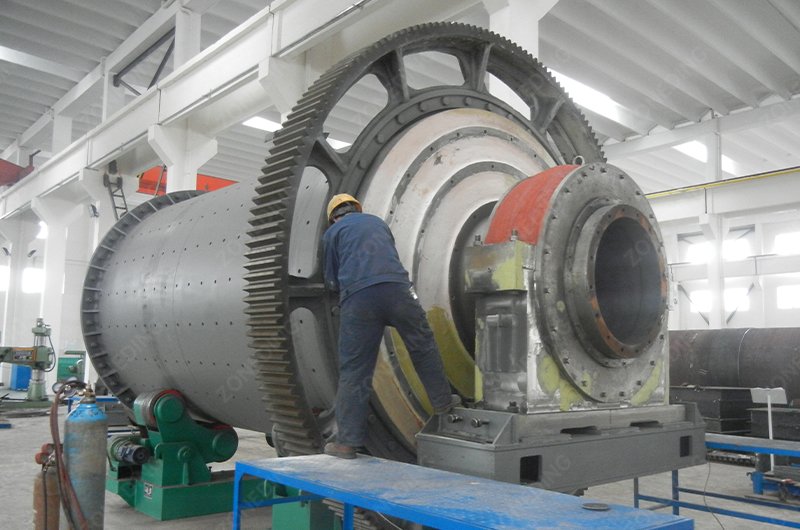
| Measurement | Tolerance Level | Impact on Operation |
|---|---|---|
| Pitch Error | < 0.04 mm | Stops tooth vibration and noise |
| Radial Runout | < 0.12 mm | Ensures the gear stays centered |
| Tooth Surface | Ra 1.6 microns | Improves oil film and reduces wear |
| Flange Parallelism | < 0.08 mm | Prevents the gear from “wobbling” |
A combination of quenching, tempering, and surface hardening stops cracks before they start. The gear core must be tough like a spring. The gear surface must be hard like a diamond. Standard quenching involves heating the whole gear and then cooling it quickly in oil. This makes the metal very strong but sometimes brittle. Tempering is then used to reheat the gear to a lower temperature. This removes internal stress and makes the steel tougher. This two-step process prevents the gear from warping or breaking later.
Surface induction hardening is the final step for the teeth. Electricity heats only the outer layer of the gear teeth. Then the teeth are sprayed with water. This creates a hard shell that resists the scratching of the pinion. The inside of the tooth stays “soft” and ductile. This allows the tooth to bend slightly when the mill starts up. If the tooth were hard all the way through, it would snap off under the heavy startup load. This “hard skin, tough core” design is the standard for high-performance Copper Ore Beneficiation plants.
3D laser scanning and custom mapping allow new gears to fit old machines perfectly. Many mines have mills from companies that no longer exist. Finding a spare gear is difficult because the original drawings are gone. Engineers can visit the mine and use laser tools to map the old shell. This captures the exact location of every bolt hole and the diameter of the drum. A new digital drawing is created from this data. The new gear is then built to match the old equipment exactly.
The connection between the gear and the shell is critical. It is called the “friction joint.” The gear must be bolted so tightly that it never moves. Even 1mm of movement will shear the bolts and destroy the gear. Precision mapping ensures the “spigot” of the gear fits the “flange” of the shell tightly. This keeps the gear centered for its entire life. Customization is the best way to extend the life of a Stone Crushing Plant that uses old but solid machines.
Precise alignment and “thermal growth” compensation are the keys to a quiet gear. All metal expands when it gets hot. A large ball mill shell will grow longer as it runs. This growth pushes the girth gear sideways. If the pinion is not aligned to handle this growth, the teeth will hit each other at an angle. This creates a loud screaming noise. The installation team must set the “cold alignment” so that the gear becomes “perfect” only when it reaches operating temperature.
Lubrication also affects noise and vibration. If the oil is too thin, the metal teeth will touch. This creates a grinding sound and destroys the hardened surface. If the oil is too thick, it can trap dust and turn into a hard paste. This paste gets stuck in the roots of the teeth and pushes the gears apart. Regular cleaning of the gear teeth is necessary. Using an automatic spray system ensures that just enough fresh oil is applied. This keeps the gear quiet and cool during heavy Iron Ore Separation Plant operations.
Non-destructive testing (NDT) ensures that every gear is safe for heavy mining duty. Ultrasonic Testing (UT) uses sound waves to look inside the metal. It can find tiny holes or slag trapped inside the gear teeth. These internal flaws are the start of big cracks. Magnetic Particle Testing (MT) is used to find surface cracks. A magnetic field and colored powder show cracks that the human eye cannot see. Every tooth must be checked before the gear is shipped.
Dye Penetrant Testing (PT) is often used on the bolt holes and the split joint. This test finds tiny leaks in the metal surface. A gear with even one small crack is rejected. After all NDT tests are done, the gear undergoes a “Trial Run.” The two halves are bolted together and spun at high speed. This verifies the balance and the roundness. A full quality report is provided to the customer. This report proves the gear is ready for a twenty-year life in a Gold Ore Beneficiation facility.
| Test Type | Target Area | What it Finds |
|---|---|---|
| Ultrasonic (UT) | Gear Tooth Roots | Internal holes and gas bubbles |
| Magnetic (MT) | Tooth Faces | Tiny surface fatigue cracks |
| Dye (PT) | Split Joints | Flaws in the machined connection |
| Hardness | Tooth Surface | Proof of the hardening process |
| Balancing | Total Gear | Weight errors that cause vibration |
Question 1: Can a girth gear be welded if a tooth breaks?
Welding is usually a bad idea. The heat from the weld changes the structure of the steel. This often creates new cracks. A welded tooth is a “ticking time bomb.” Replacing the gear is the only safe option.
Question 2: Why do gear bolts keep loosening?
This is often caused by vibration. If the gear is not perfectly centered, it shakes the bolts loose. Using high-strength bolts and checking the “spigot fit” will solve this problem.
Question 3: How long does a ZONEDING girth gear last?
With good lubrication and perfect alignment, these gears are built to last over 20 years. Many gears installed 15 years ago are still in perfect condition today.
Question 4: Should the pinion be replaced at the same time as the gear?
Yes. A worn pinion has a bad tooth shape. If you put a new gear with an old pinion, the old pinion will destroy the new gear teeth very quickly. Always replace both as a set.
Question 5: What causes “pitting” on the gear teeth?
Pitting is caused by too much pressure on the metal surface. This happens if the oil is too thin or if the alignment is bad. Pitting looks like small holes and will eventually lead to a broken tooth.
ZONEDING is a professional manufacturer of Ball Mill equipment and large-scale transmission gears. Founded in 2004, the company specializes in high-precision casting and CNC machining. The factory floor covers 8000 square meters and houses the latest gear hobbing technology. A team of 15 engineers provides custom solutions for mines in over 120 countries. ZONEDING focuses on durability and price competitiveness to help global customers succeed.
Contact ZONEDING today for a quote on high-precision ball mill girth gears.
loading…
已经是到最后一篇内容了!
 Zoneding Machine