Reliability defines the value of mining equipment. True durability results from correct configuration rather than just brand reputation. A machine functioning well in limestone applications may fail rapidly in granite operations. Equipment selection must match material properties with mechanical principles. Correct specification prevents expensive maintenance and production losses. This guide outlines the technical selection rules for rock and aggregate crushers.
The crusher functions as the central component of aggregate production. Operational failure in the crushing unit halts the entire production line. Excavators, trucks, and conveyors stop working when the crusher stops. Initial purchase price represents approximately 10% of the total lifecycle cost. The primary costs originate from downtime and wear parts replacement. A machine with frequent breakdowns causes production losses exceeding any initial savings. Operational stability determines the profitability of a quarry or mine. Reliability reduces the cost per ton over the machine’s lifespan.
Crushing Process Overview
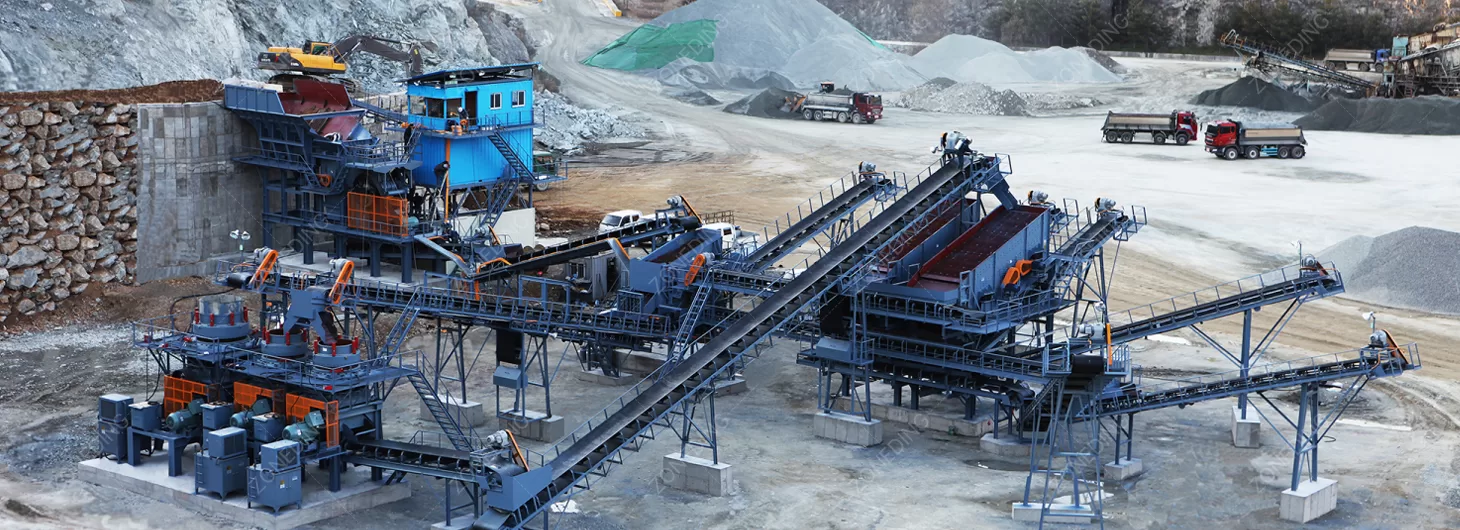
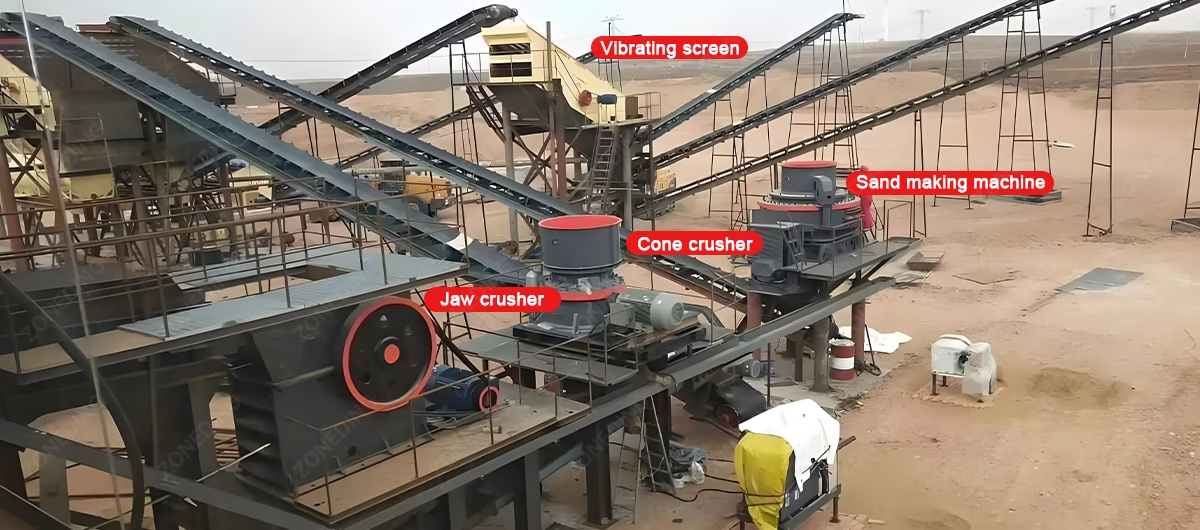
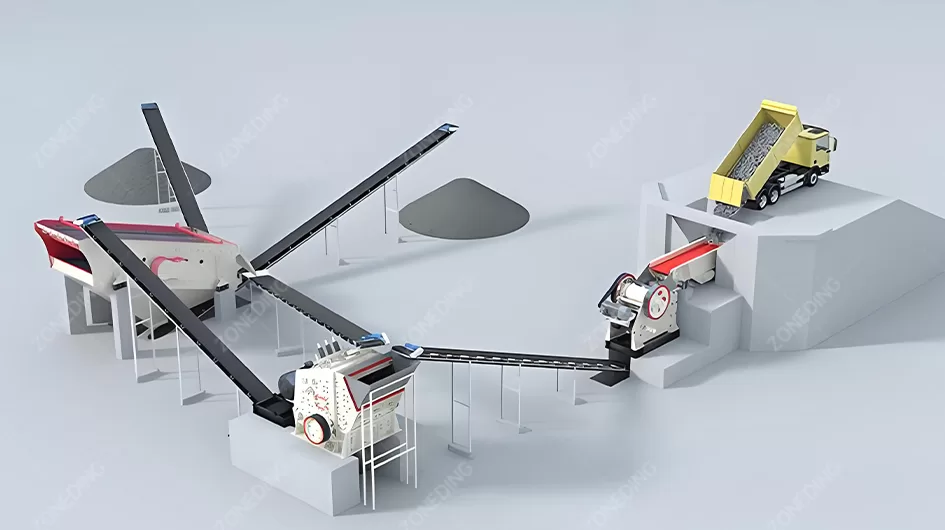
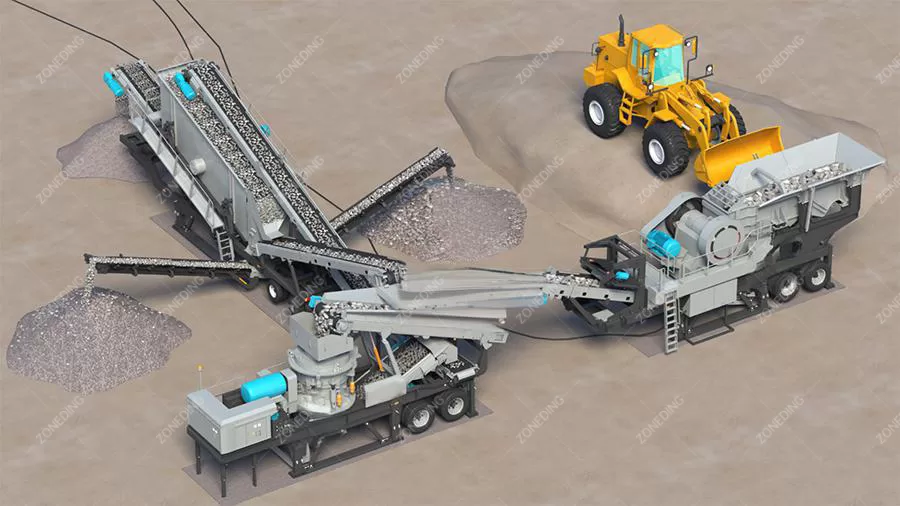
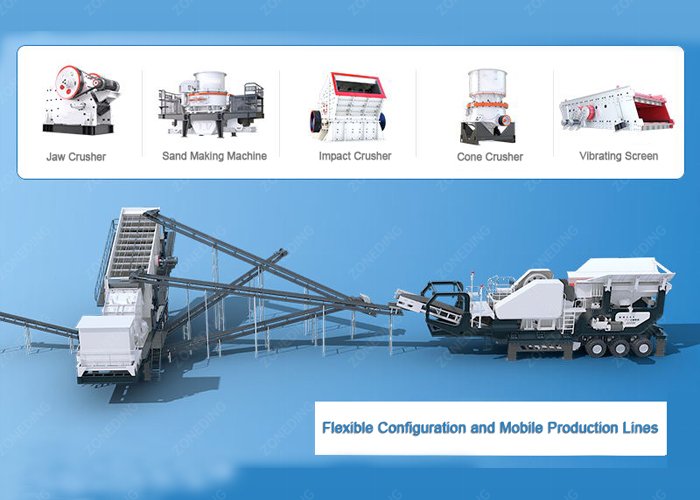
A crushing plant operates as an integrated system rather than isolated machines. The process typically involves three specific stages to convert raw rock into aggregate.
Crushing production line
Primary Crushing: This stage handles raw blasting material. The equipment must withstand high impact loads.
Secondary and Tertiary Crushing: These stages reduce material size and shape the aggregate. Efficiency here determines total plant output.
Screening: Vibrating Screens separate the final product. Screening protects crushers from processing material already at target size. System capability depends on the weakest component. Proper configuration of each stage ensures overall plant reliability.
How Jaw Crushers Ensure “Non-Stop” Operation with Heavy Frames and Design?
Jaw Crusher
Jaw crusher – primary crushing
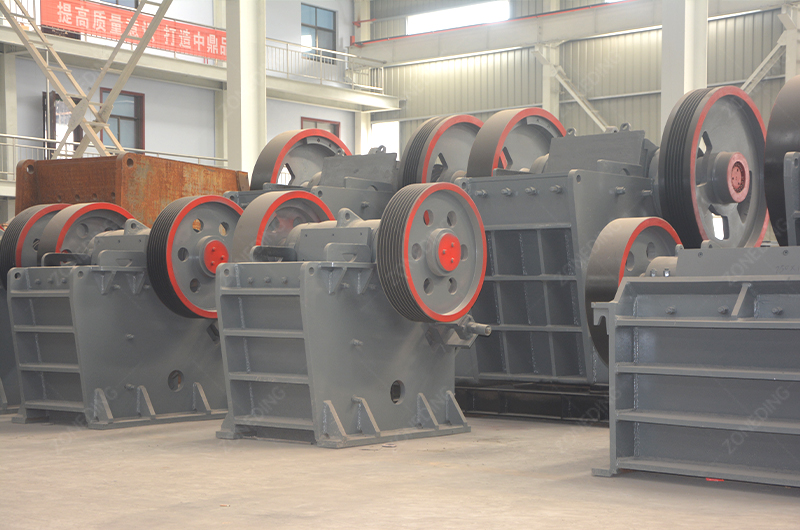
The Jaw Crusher serves as the primary crushing unit. Reliability in this stage depends on specific design features matching the feed material.
The Importance of Nip Angle
Processing round river pebbles or smooth blasting rocks requires attention to the Nip Angle. The standard angle between jaw plates typically ranges from 18 to 22 degrees. Standard angles often fail to grip round stones. This causes the material to eject upwards from the chamber. This phenomenon reduces safety and throughput. Deep-tooth jaw plates or reduced nip angles improve material engagement. Customization ensures consistent processing of smooth rocks.
Manganese Steel and Work Hardening
High manganese steel liners require high impact to harden. Sales recommendations often favor Mn18 or Mn22 steel. However, soft rocks like limestone do not provide sufficient impact force. The steel surface fails to harden without sufficient impact. In soft rock applications, standard manganese or modified alloys often outlast higher grades. Material hardness dictates the correct liner selection.
Frame Thermal Stress Relief
Crusher frames undergo welding processes that generate internal stress. Unrelieved stress leads to structural cracking under vibration. Reliable manufacturing includes thermal stress relief (annealing). Large furnaces heat the frame to release internal tension before machining. This process prevents premature frame failure.
Pursuing Aggregate Shape or Reducing Wear Parts Consumption: Cone vs. Impact Crusher?
Secondary crushing requires a choice between the Cone Crusher and the Impact Crusher. This decision impacts operational costs and product quality.
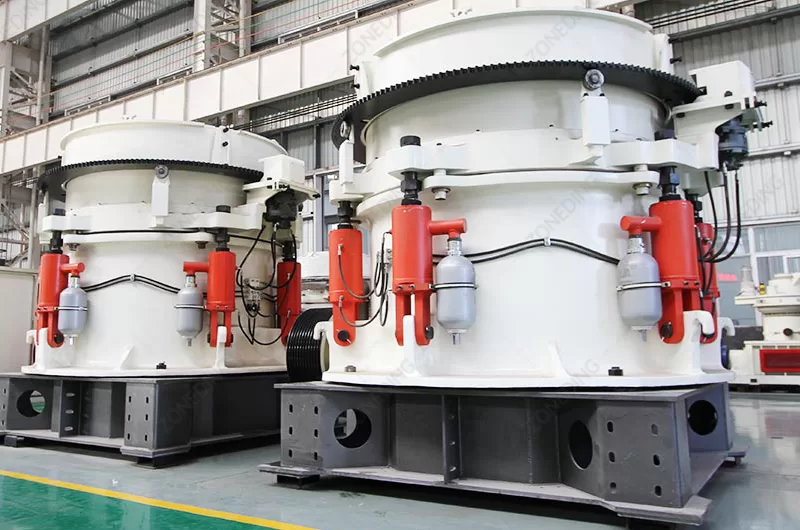
Cone Crusher
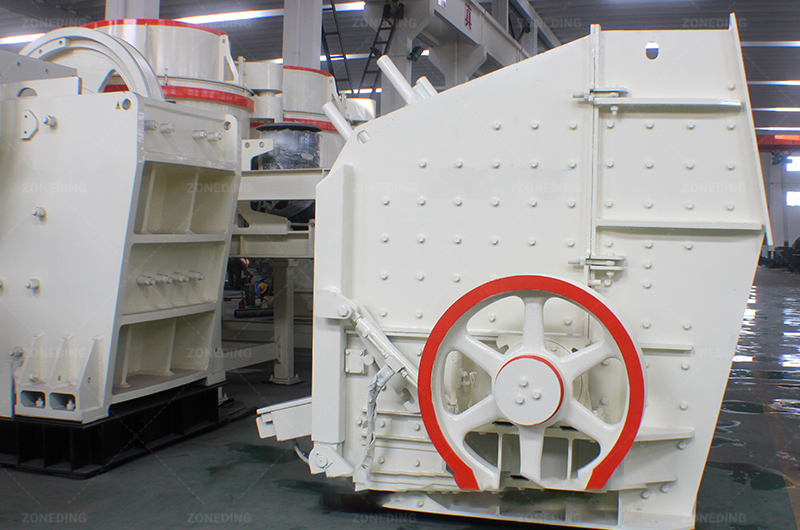
Impact Crusher
Impact Crushers and Silica Content
Impact Crushers produce cubical aggregate suitable for concrete. However, silica content limits their application. Rocks with silica content exceeding 15% cause rapid wear on blow bars. High wear rates increase operating costs significantly. Chemical analysis of the raw material is essential. High silica materials require compression crushing rather than impact crushing.
Cone Crushers and Choke Feeding
Cone Crushers operate best under “Choke Feed” conditions. A full crushing chamber creates particle-on-particle breakage. This condition balances forces on the main shaft and bearings. Partial feeding causes uneven impact and damages components. A Surge Bin with a variable speed feeder ensures consistent feed rates. Automation prevents starvation and extends bearing life.
Feature
Impact Crusher
Cone Crusher
Operational Implication
Crushing Method
Impact
Compression
Impact wears faster on abrasive rock.
Silica Limit
< 15%
High Tolerance
Silica content dictates machine choice.
Product Shape
Excellent (Cubical)
Good
Impactors suit road base production.
Maintenance
Frequent Liner Changes
Less Frequent
Cones offer lower long-term costs.
Why Efficient Vibrating Screens Are Key to Preventing Overload and Ensuring Stability?
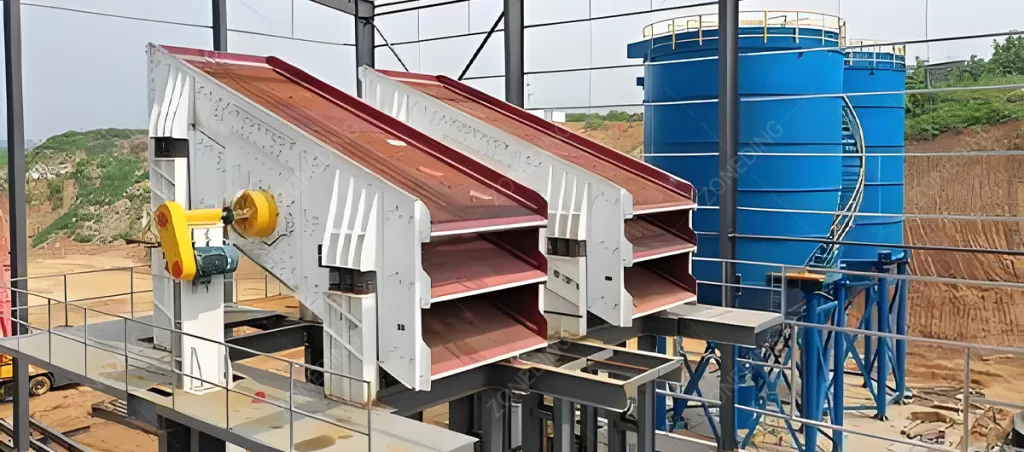
Vibrating screens regulate material flow within the plant. Inefficient screening returns undersized material to the crusher. This “recirculating load” increases wear and energy consumption.
Vibrating Screen
Processing material already at size wastes crusher capacity. It occupies volume needed for fresh feed. A larger screening area improves separation efficiency. Efficient screening removes undersized material before it enters the crusher. This reduces the mechanical load and prevents blockages. Proper screen sizing enhances the stability of the entire Stone Crushing Plant.
ZONEDING Parts and After-Sales Service
Equipment reliability requires durable components and maintenance support.
Hydraulic Clearing Systems
Non-crushable materials like iron can enter the chamber. Traditional machines require manual removal, causing long downtime. Mobile Stone Crushers and modern stationary units feature Hydraulic Tramp Release systems. Hydraulic cylinders allow the passage of uncrushable objects. The system resets automatically. This feature reduces clearing time from hours to minutes.
Specialized Bearings
Crushing generates extreme shock loads. Standard industrial bearings often fail under these conditions. Reliable equipment utilizes bearings designed specifically for crushers and screens. These bearings feature specific clearances and cage designs. Specialized components withstand vibration and impact better than general-purpose alternatives.
Practical Maintenance Protocols
Setting Checks: Regular inspection of the discharge setting maintains product size consistency.
Lubrication: Grease with high-pressure additives protects bearings under load.
Spare Parts Inventory: Stocking critical components like bearings and seals minimizes unplanned downtime.
How to Choose Between Stationary and Mobile Crushers?
Project duration and site conditions determine the choice between stationary plants and Mobile Stone Crushers.
Stationary Crusher Plant
Mobile Crushers
Stationary Crushers
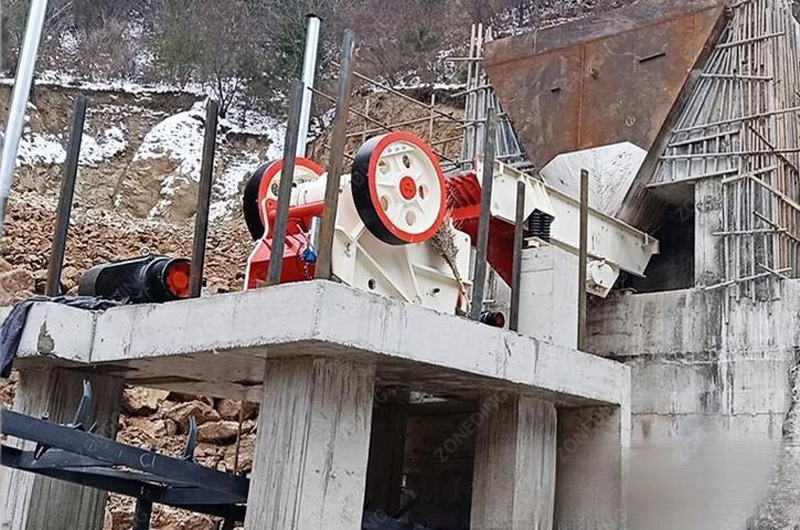
Stationary plants utilize concrete foundations. They offer easier maintenance access and lower energy costs through grid power. These systems suit long-term mining operations exceeding five years. They provide maximum durability and capacity.
Mobile Crushers
Mobile units offer flexibility. They move directly to the blasting face. This reduces material transport costs. Mobile plants suit short-term projects or sites requiring frequent relocation. They allow immediate production start-up. Selection Criterion: Projects under three years or with multiple locations benefit from mobile units. Long-term quarries maximize efficiency with stationary installations.
2026 Latest Crushing Trends
The crushing industry is adopting digital monitoring technologies. Sensors now track wear levels and vibration data in real-time. This data predicts failures before they occur. Automation optimizes feed rates and discharge settings. Intelligent systems enhance reliability by preventing operator error.
Automated Adjustment: Hydraulic systems adjust settings to compensate for liner wear.
Electrification: Mobile units increasingly use electric drives to improve efficiency and reduce maintenance. The market now prioritizes “Right-Sizing” over oversizing. Simulation software assists in selecting the exact machine for the production target. Precise matching reduces energy waste and mechanical stress.
FAQs
Q1: What causes uneven wear on jaw crusher plates? Uneven wear often results from improper feed size or incorrect nip angles. Material slipping in the chamber causes localized abrasion. Tooth profile customization improves material grip. Q2: Can Impact Crushers process granite? Processing granite with impact crushers leads to excessive wear costs. While physically possible, it is economically inefficient. Cone crushers provide a more viable solution for hard rock. Q3: How does feed consistency affect Cone Crushers? Inconsistent feeding causes pressure spikes and mechanical instability. A consistent choke feed maintains hydraulic pressure and protects the main shaft. Q4: What is the primary cause of main shaft failure? Processing uncrushable materials or excessive fines causes “ring bounce.” This creates fatigue stress in the shaft. Proper screening and metal detection prevent this issue.
About ZONEDING
ZONEDING manufactures mineral processing and crushing equipment. The company provides heavy-duty jaw crushers, precision cone crushers, and complete plant solutions. Manufacturing processes prioritize structural integrity and material quality. The equipment design focuses on operational stability and maintenance efficiency. ZONEDING offers consultation on crushing plant configuration. Contact the engineering team for equipment specifications and solutions.
Designing a profitable high-purity quartz sand production line requires strict adherence to physical and chemical principles. Quartz ore processing follows a strict sequence. Operators must crush, grind, classify, and purify the raw rock in order....
Anti-clogging screening equipment provides the most reliable way to handle sticky materials in 2026. Traditional vibrating screens often fail when clay moisture exceeds 10%. This leads to frequent downtime and high cleaning costs. Our technic...
Investing in a mobile crushing station for mining requires careful equipment selection. Showroom specifications often fail in actual quarry environments. Remote mines lack reliable power grids, clean air, and fast internet. Standard equipment conf...
We use cookies to ensure that we give you the best experience on our website. If you continue to use this site we will assume that you are happy with it.
Privacy Policy
Send us a message
We would love to hear from you
Submit your question and our team will respond to the email provided as soon as possible.
 Zoneding Machine