Processing materials with an represents a high-profit strategy for aggregate production. However, selecting the wrong material leads to astronomical wear costs and frequent downtime. High hardness materials can destroy expensive wear parts in hours. This guide explains how to identify suitable materials and avoid financial pitfalls. Successful production depends on matching stone characteristics with machine mechanics.
What Are the Ideal Materials for an Impact Crusher?
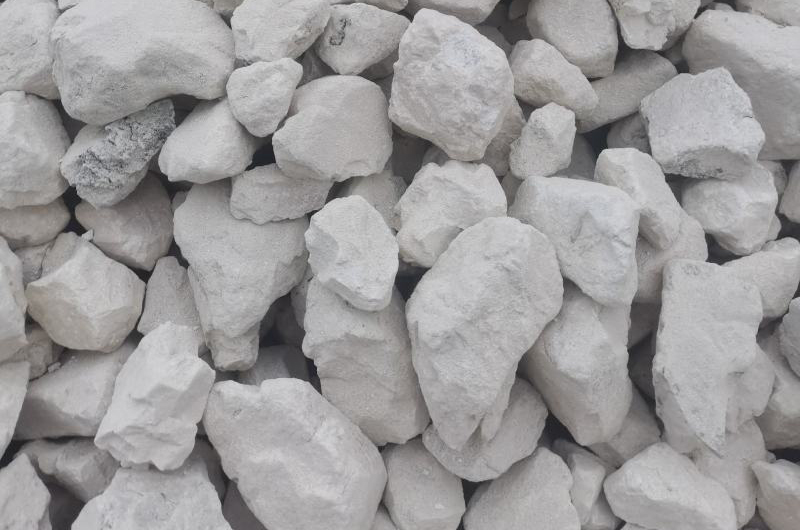
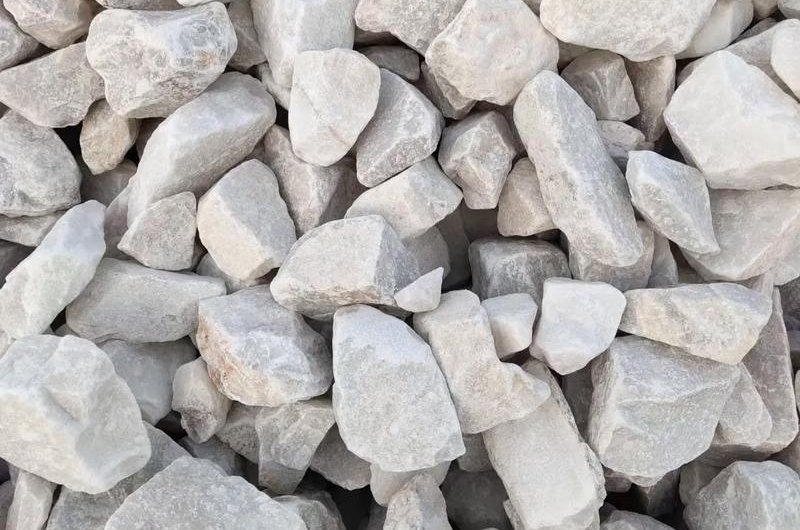
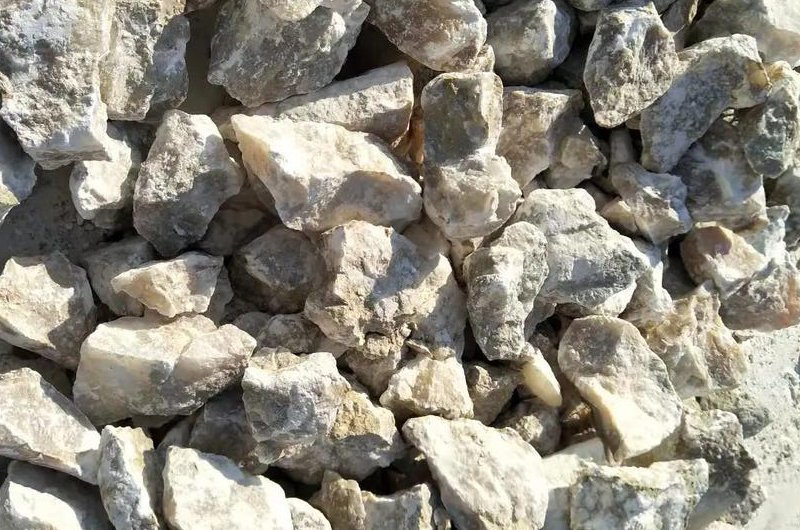
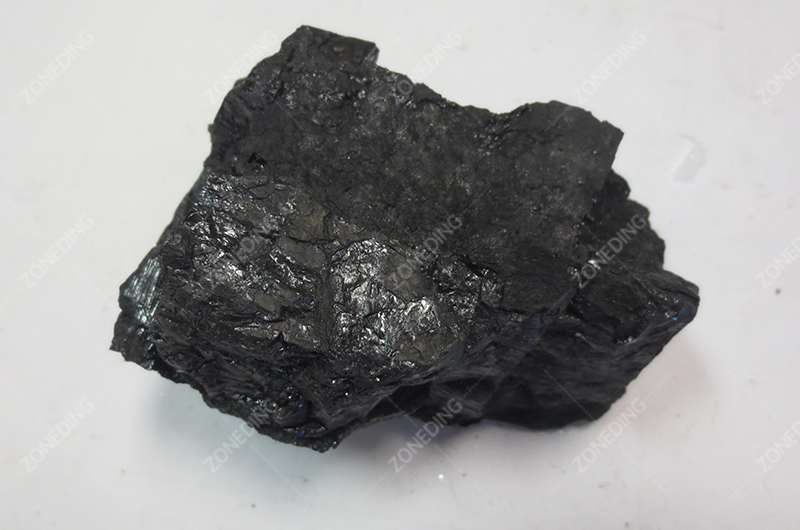
Ideal materials for an impact crusher are brittle stones with low silica content. These include limestone, dolomite, gypsum, and coal. Brittle materials shatter easily when struck by a high-speed blow bar. This mechanical action uses less energy than compressing hard rock. The process creates a large volume of high-quality finished products. Limestone is the most common application globally. It offers the perfect balance between low wear cost and high production speed. Brittle stones break along natural fault lines when the rotor hits them. This produces a consistent size distribution. Dolomite also works very well due to its crystalline structure. These stones do not “eat” the metal of the blow bars. Operators can expect a long service life from wear parts when processing these soft to medium-hard rocks. The moisture content should remain below 10% to prevent clogging in the crushing chamber.
Limestone
Dolomite
Gypsum
Coal
Common Suitable Materials
Material Type
Compressive Strength
Abrasiveness
Production Benefit
Limestone
< 100 MPa
Very Low
Long blow bar life and high output.
Dolomite
< 120 MPa
Low
Excellent cubical shape for concrete.
Gypsum
< 50 MPa
Very Low
High efficiency with minimal fines.
Soft Sandstone
< 80 MPa
Medium
Good for road base if silica is low.
Practical Tips for Material Assessment
The Hammer Test: Strike a stone sample with a heavy hammer. If the stone shatters into several sharp pieces immediately, it is suitable.
Surface Texture: Avoid stones that feel like sandpaper. This texture indicates high silica, which acts like a file on the stone crusher.
Visual Inspection: Look for veins of quartz. White, glassy lines in the rock signal high wear potential.
Why Is the Impact Crusher the First Choice for Cubical Aggregate?
The impact crusher produces superior cubical aggregate with minimal needle-like or flaky particles. This is essential for high-strength concrete and asphalt. Compression-style crushers often flake stones along their longest axis. The impact method uses high-velocity collisions to break stones. This force acts equally on all sides of the rock. The result is a finished product with equal dimensions in all directions. High-quality cubical stone fills gaps in concrete better than flat stones. It reduces the amount of expensive cement needed for a project. Construction contractors often pay a premium for this shape. The impact action also identifies weak points in the stone. Rocks with internal cracks break during the first impact. This ensures the final aggregate is strong and durable. Many road construction projects mandate the use of impact-crushed stone for the top wearing layer.
Aggregate Shape Comparison
Needle-like Particles: These break easily under heavy traffic loads. They create voids in concrete.
Flaky Particles: These prevent proper asphalt bonding. They lead to road surface cracking.
Cubical Particles: These provide the best structural interlocking. They result in the strongest infrastructure.
What Materials Are Considered “Forbidden Zones” for Impact Crushers?
Forbidden materials include high-hardness and high-abrasion stones like granite, basalt, and river pebbles. These rocks possess high silica content. Silica is harder than the steel used in blow bars. Processing these materials causes the metal to grind away rapidly. A set of blow bars that lasts a month in limestone might last only eight hours in granite. This creates a financial disaster for the operator. Basalt and river stones are also very tough. They do not shatter upon impact. Instead, they bounce around the chamber and absorb energy. This reduces the hourly output of the plant. It also places extreme stress on the rotor and bearings. Frequent mechanical failures often follow the use of hard rock in an impactor. Producers must strictly avoid materials with high silica or those exceeding 150 MPa in compressive strength.
Why Silica Is the Main Enemy
Mechanical Grinding: Silica particles act like industrial sandpaper on the rotor.
Heat Generation: Harder rocks require more impact speed, which creates heat. Heat softens the steel of the wear parts.
Impact Stress: Hard rocks do not break easily, sending shockwaves back into the machine frame.
Judging Suitability via Compressive Strength and Silica Content
Two primary metrics determine if a stone is safe for impact crushing: compressive strength and silica content. Compressive strength measures the force needed to crush the stone. Silica content measures the stone’s abrasiveness. The industry standard for safe operation is a compressive strength below 150 MPa. If the rock exceeds this limit, the impact forces become too high for the machine’s components. Silica content is even more critical. Materials with less than 2% silica are ideal. Stones with 2% to 5% silica are manageable but require high-chrome wear parts. Any material exceeding 5% silica content is generally unsuitable. High silica leads to a “cost-per-ton” that exceeds the selling price of the aggregate. Laboratory testing is the only way to accurately measure these values before purchasing a machine.
Material Selection Matrix
Metric
Safe Zone
Warning Zone
Danger Zone
Compressive Strength
< 100 MPa
100 – 150 MPa
> 150 MPa
Silica (SiO2) Content
< 2%
2% – 5%
> 5%
Impact Benefit
High Profit
Moderate Wear
High Loss
Balancing Wear Cost and Quality for Medium-Hard Materials
Processing medium-hard materials requires a careful balance between wear part quality and production goals. For stones like hard limestone or some volcanic rocks, standard manganese steel is insufficient. Operators must use high-chrome alloys or ceramic-composite blow bars. These advanced materials cost more upfront. However, they last significantly longer in medium-abrasion environments. This reduces the number of times the machine must stop for part changes. The rotor speed also plays a major role in this balance. Higher speeds produce more fine material and better shape but increase wear. Lower speeds reduce wear but might produce more oversized stone. Finding the “sweet spot” requires adjusting the rotor speed and the gap between the blow bars and the impact plates. Consistent feeding is also vital. An empty crushing chamber allows stones to bounce more, which accelerates internal wear.
Unique Advantages in Construction Waste and Concrete Recycling
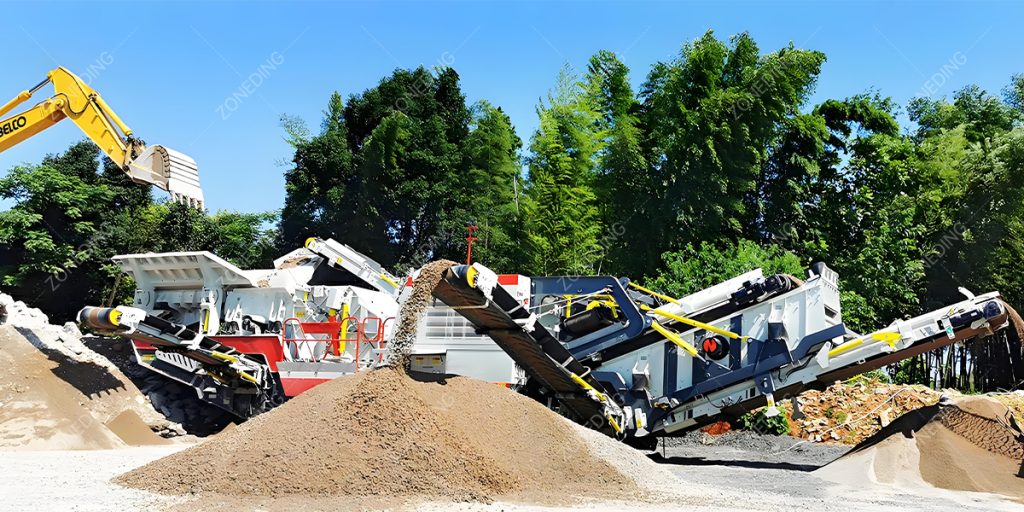
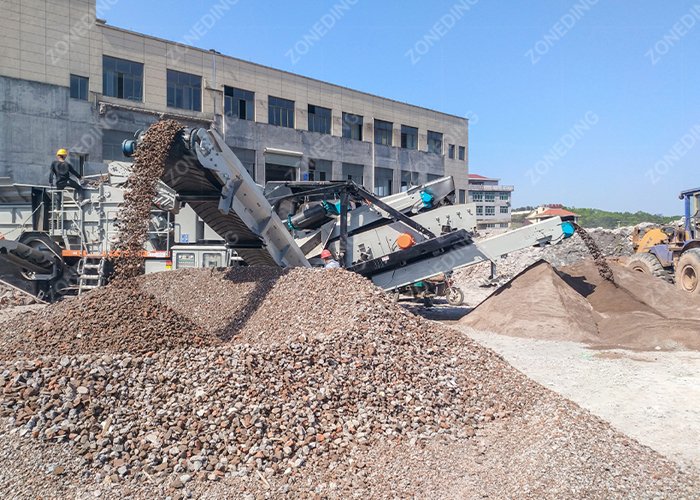
The mobile impact crusher is the leading choice for construction waste recycling. It handles concrete blocks and asphalt with ease. Unlike other crushers, the impactor effectively separates mortar from the original stone. It shatters the brittle cement while leaving the harder aggregate intact. This produces high-quality recycled concrete aggregate (RCA) that meets strict building codes.
Construction Waste Processing Equipment
Impactors also handle rebar better than compression machines. The large crushing chamber allows steel reinforcement to bend and pass through. Magnetic separators located on the discharge conveyor then remove the steel. This creates a second revenue stream from scrap metal. The ability to move the machine directly to a demolition site saves massive amounts in transportation costs. It turns waste into a valuable product on the spot.
Benefits in Recycling
Mortar Separation: High-speed impact breaks the bond between cement and stone.
Metal Recovery: Rebar is released cleanly from the concrete.
Versatility: Handles a mix of brick, concrete, and asphalt simultaneously.
Alternatives for Hard Materials: When to Choose a Cone Crusher
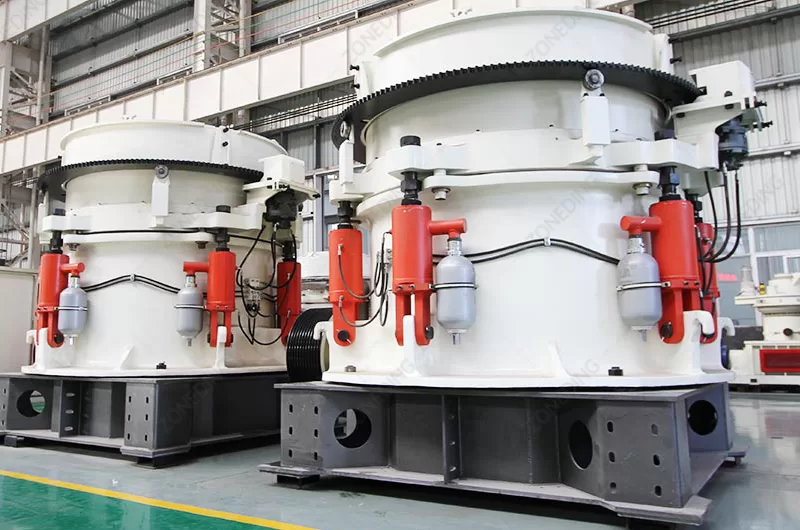
If the material is hard and abrasive, a cone crusher is the only viable alternative. Cone crushers use a slow, powerful squeezing motion. This method is highly effective for granite, basalt, and river pebbles. The wear parts in a cone crusher are designed to handle high-silica materials. They last much longer than blow bars when processing abrasive rock. This significantly lowers the cost per ton for hard materials. However, cone crushers produce a more flaky product shape. If the market requires cubical stone from hard rock, a “three-stage” system is often used. A jaw crusher does the primary work. A cone crusher performs the secondary crushing. Finally, a VSI (Vertical Shaft Impactor) reshapes the stone. This combination provides both durability and product quality. Producers must never force an impactor to do the job of a cone crusher.
Impact Crusher
Cone Crusher
Factor
Impact Crusher
Cone Crusher
Crushing Method
High-speed Impact
High-pressure Compression
Ideal Rock
Soft to Medium, Brittle
Hard and Abrasive
Product Shape
Excellent Cubical
Flaky to Moderate
Wear Cost (Hard Rock)
Extremely High
Low to Moderate
2026 Latest Trends in Impact Crushing
The year 2026 has seen significant advancements in wear material technology and digital monitoring. Ceramic inserts in blow bars have become standard for many medium-abrasion applications. These inserts provide the hardness of ceramic with the toughness of steel. This combination has doubled the service life of wear parts in some quarries. It allows producers to process slightly harder materials than was possible five years ago.
Current Industry Progress
Intelligent Wear Sensors: New systems alert operators when blow bars are 90% worn. This prevents catastrophic rotor damage.
Hybrid Power Systems: Mobile units now utilize electric motors powered by onboard diesel generators. This improves fuel efficiency by 20%.
Automatic Curtain Adjustment: Hydraulic systems adjust the internal gap in real-time. This maintains consistent product size even as parts wear down.
Frequently Asked Questions
Question 1: Can an impact crusher process wet limestone? Yes, it can process wet material more effectively than a cone crusher. However, if the material is too sticky, it will build up on the impact plates. This reduces the crushing space. Operators should keep moisture below 10% for best results. Question 2: How often should blow bars be turned? Blow bars typically have two or four working sides. They should be turned when the leading edge becomes rounded. A rounded edge reduces crushing efficiency and increases fuel consumption. Most operators check for rounding every shift. Question 3: Why is my impact crusher producing too much dust? Excessive fines or dust usually result from a rotor speed that is too high. High impact energy shatters the stone into too many small pieces. Reducing the rotor speed or widening the discharge gap can solve this issue. Question 4: What is the maximum feed size for an impact crusher? This depends on the rotor diameter. A general rule is that the feed size should not exceed 80% of the feed opening. Forcing larger rocks into the chamber causes bridging and can damage the feed hopper.
Summary and Recommendations
Selecting the right material is the most important factor for impact crusher success. Brittle stones like limestone and dolomite are the perfect choice for high profit. Producers must strictly avoid high-silica rocks like granite to prevent extreme wear costs. The unique ability to produce cubical aggregate makes the impactor a vital tool for high-end construction projects. It also excels in the recycling of concrete and asphalt. For hard rock applications, the industry recommends using a cone crusher. If aggregate shape is the priority for hard rock, a VSI crusher should be the final stage. Always test the silica content and compressive strength of the material before starting production. Proper material selection ensures the machine remains a profit engine rather than a maintenance burden.
About ZONEDING
ZONEDING is a professional manufacturer of high-quality crushing and mineral processing equipment. Since 2004, the company has provided global clients with reliable solutions for mining, aggregate, and recycling. With a factory producing over 500 units annually, ZONEDING ensures every machine meets international standards. The team of 15 engineers specializes in designing production lines that balance output with low operating costs. ZONEDING offers factory-direct sales to more than 120 countries, providing a competitive edge to B2B customers. Contact ZONEDING for an expert material assessment and a customized crushing solution.
I have spent 50 years in the mining and recycling industry. I have seen people turn piles of trash into mountains of cash. But I have also seen many people lose everything because they bought the wrong machine. In 2026, urban recycling is a gold m...
Small aggregate plants are growing rapidly in 2026 because many investors want lower startup risk, faster ROI, and simpler operations. A well-designed small crushing plant can generate stable profits with relatively low investment if the equipment...
The magnetic separation method is a crucial technique to improve mineral purity and recover valuable metals. This process uses the physical property of magnetism to divide iron-bearing minerals from waste rocks. A high-efficiency ensures that a mi...
Starting a small-scale gold processing plant is one of the most practical ways to enter the gold mining industry. Compared with large mining projects, a small plant requires less investment, shorter construction time, and lower operating costs. Ho...
We use cookies to ensure that we give you the best experience on our website. If you continue to use this site we will assume that you are happy with it.
Privacy Policy
Send us a message
We would love to hear from you
Submit your question and our team will respond to the email provided as soon as possible.
 Zoneding Machine