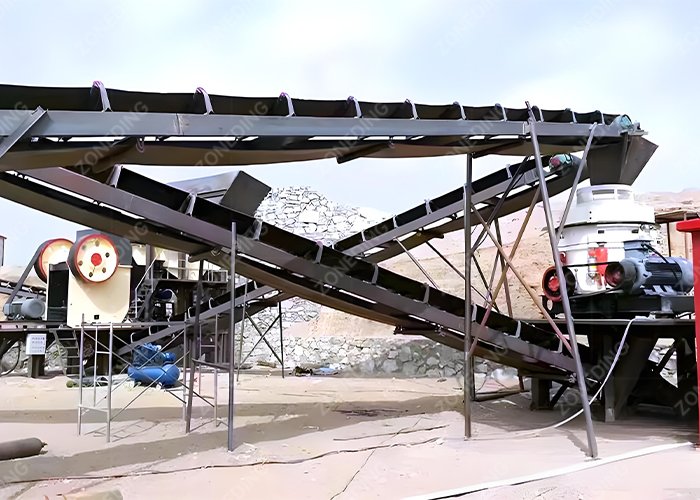
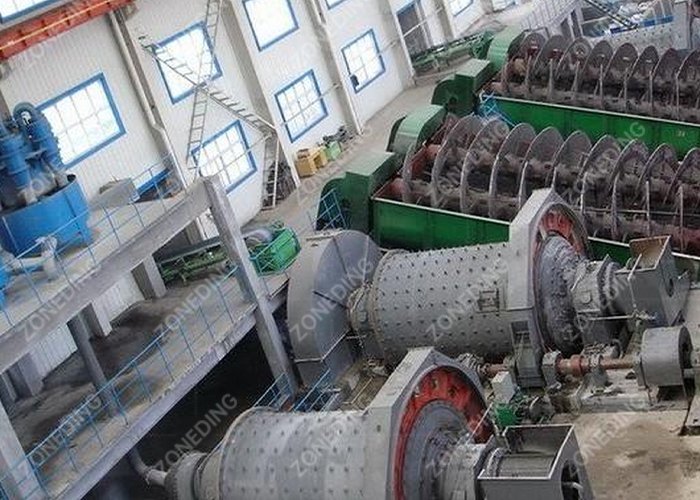
Mobile crushing plants have evolved from clumsy, towable units into the highly integrated, tracked giants of today. They promise flexibility and rapid deployment, changing how countless mining and construction projects operate. However, this “plug-and-play” convenience can be a misleading advantage. It’s possible to invest heavily in a top-tier mobile unit, only to find the project struggling with profitability. Sales manuals typically explain how to start the engine. This guide details how to make the investment truly profitable.
Mobile vs. Stationary Plant: Making the Critical Choice
A common mistake is overestimating the actual need for mobility. A stationary plant is engineered for a single purpose: maximum output at the lowest cost per ton. It is the ideal solution for large quarries or mines with a projected lifespan of more than five years. A Mobile Plant offers flexibility by allowing movement between different work zones. However, this flexibility introduces hidden costs not found in brochures. The act of moving the plant also involves relocating invisible costs and operational risks. The belief that a track-mounted crushing plant can operate anywhere, anytime is a dangerous assumption. A medium-sized mobile jaw crusher weighs between 50 and 70 tons. Operating on soft or uncompacted ground can cause the machine to sink unevenly. This creates twisting stress on the frame, leading to abnormal bearing wear or even permanent cracks. Furthermore, transporting these oversized and overweight machines on public roads requires complex permits and escort vehicles, adding significant cost and time to the project budget. The entire relocation process—including cleanup, folding conveyors, and site preparation—can easily consume a full day for a skilled team.
Mobile-Crusher-VS-Stationary-Crusher
Practical Tips for the Decision
Choose Stationary If: The project site is fixed for more than 3-5 years and requires the highest possible output (over 500 tons per hour). This option offers the lowest long-term operating cost.
Choose Mobile If: The project demands frequent moves between sites, such as weekly or monthly. Common examples include road construction across multiple sections or urban demolition projects at various locations.
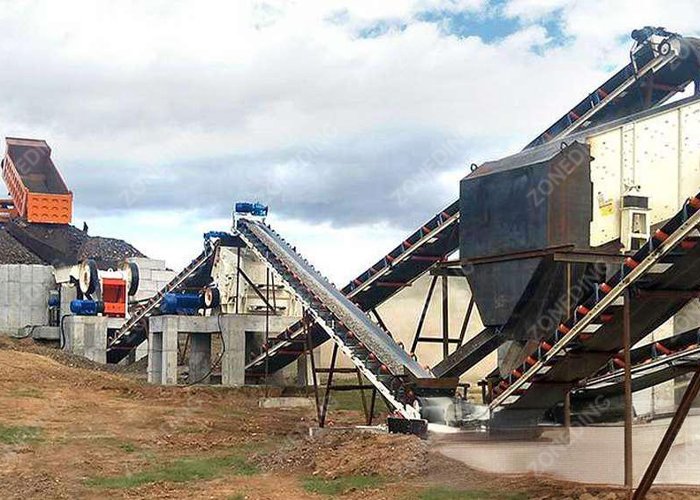
Hybrid Strategy: For projects with multiple nearby sites, a semi-mobile or modular plant at a central location is often a cost-effective alternative. It is generally cheaper to transport raw materials by truck than to frequently move the entire crushing plant.
Tracked or Wheeled Mobile Plant: Which Suits the Project Site?
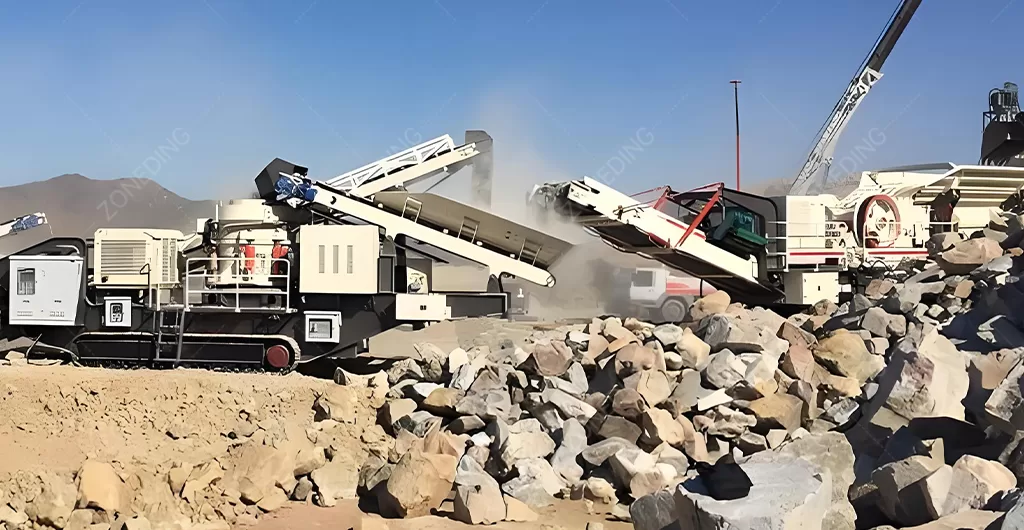
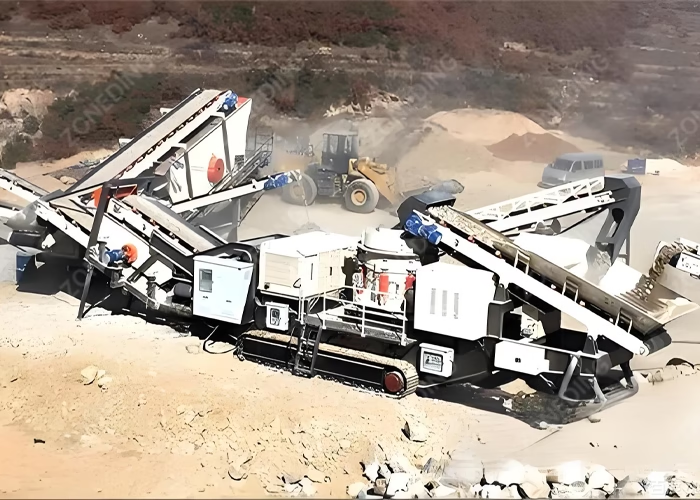
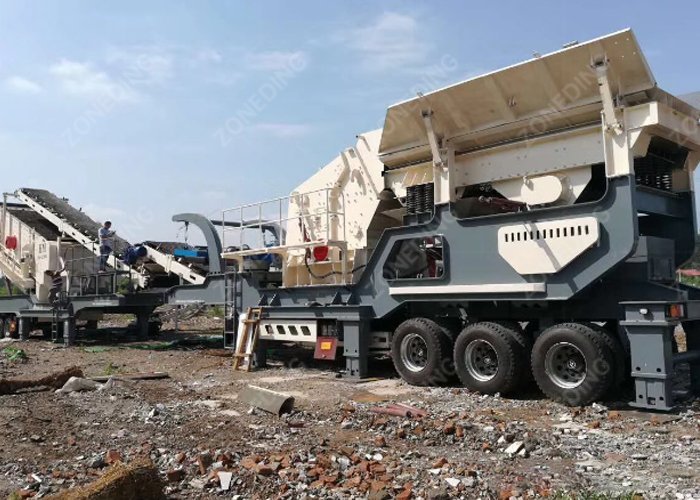
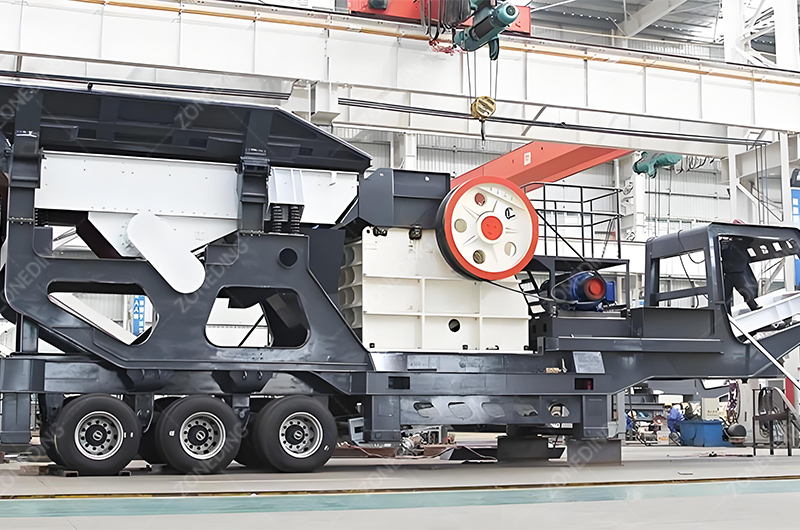
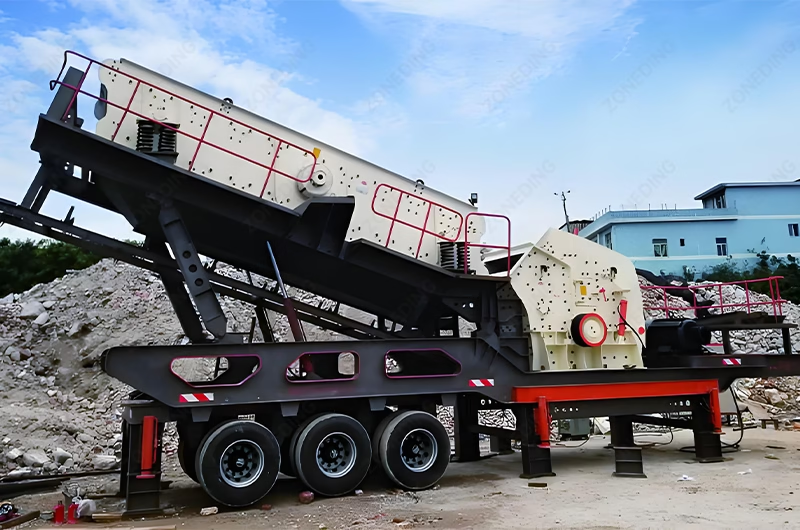
The decision between a track-mounted crushing plant and a wheeled crushing plant hinges on site conditions and the frequency of relocation. A wheeled plant is essentially a stationary plant mounted on a chassis. It requires a tractor truck for transport and needs stable, level ground with support legs for operation. This type is best for projects that remain in one location for several months before moving to a new, well-prepared site. A tracked plant, conversely, provides true on-site mobility. It can navigate a quarry or large construction site using its own tracks, making it ideal for following an excavation face or moving between stockpiles. A more critical decision, however, lies in the power system. Diesel-direct drive utilizes a diesel engine and hydraulics to power all components. While mechanically simple, its fuel consumption is very high. A diesel-electric system uses the diesel engine to run a large generator, with all crushers and conveyors powered by electric motors. This system is 15-30% more fuel-efficient. For projects lasting more than six months, the fuel and maintenance savings of a diesel-electric system will quickly offset its higher initial cost.
Tracked Mobile Crusher
Wheeled Mobile Plant
Power System Comparison
Feature
Diesel-Direct Drive
Diesel-Electric Drive
Operational Impact
Fuel Efficiency
Lower
15-30% Higher
Significant fuel cost savings over the project’s lifespan.
Maintenance
Complex hydraulics
Simple electric motors
Fewer potential leak points; easier to diagnose and repair.
Flexibility
Diesel only
Can connect to grid power
Zero fuel cost and emissions if site power is available.
Initial Cost
Lower
Higher
The higher upfront cost is recovered through lower operating costs.
For projects operating for more than six months that do not require extreme, daily relocation, a diesel-electric drive system should always be prioritized. It represents a smarter long-term investment.
Beyond Construction Waste: Profitable Applications for Mobile Plants
While construction waste recycling is a primary market, the applications for a mobile crushing plant are far broader. The key is to view the machine as a versatile tool for converting low-value material into a saleable product directly at the source, thereby eliminating substantial transportation costs. One of the most overlooked profit opportunities exists in quarrying. Many mobile crushers are equipped with a pre-screen unit and a small side conveyor located before the main crusher. Most operators use this to discard dirt and waste, which is a significant mistake. This pre-screened material is often a mix of natural small stones and fines, making it a perfect, ready-to-sell product for use as sub-base or fill material. By separating it, three benefits are achieved: wear on the main crusher’s expensive parts is reduced, the main crusher’s effective throughput increases as it only processes material needing to be crushed, and a second, profitable product stream is created from what is otherwise considered waste.
Profitable Applications
Small to Medium Quarries: Follow the quarry face, which eliminates the need for a fleet of dump trucks to haul raw stone to a stationary plant.
Road Construction: Crush excavated rock on-site to produce the sub-base material required for the new road.
Mining Operations: Used for primary crushing inside the mine pit, reducing large ore to a size that can be transported efficiently by conveyor belts.
Landscaping and Agriculture: Crushing fieldstone to create gravel for farm roads or decorative stone products.
Selecting the Right Main Crusher for the System
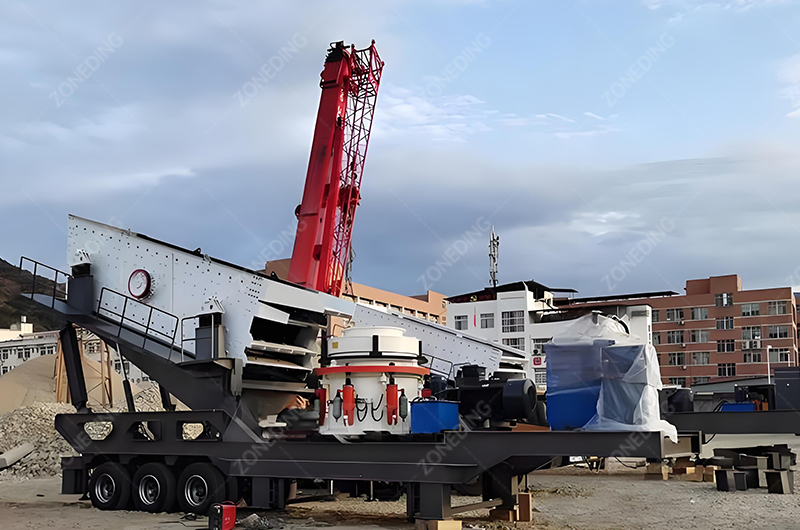
A plant’s profitability is determined by a balanced system, not just a single powerful machine. A frequent error is purchasing a 300-ton-per-hour mobile cone crusher and discovering it only produces 150 tons per hour. The problem is rarely the crusher itself but rather a bottleneck elsewhere in the process. A crushing line is a series system; its maximum output is limited by its slowest component. If the upstream mobile jaw crusher only produces 200 tons per hour, the cone crusher will never reach 300. If the downstream mobile screen can only handle 180 tons per hour, material will back up and force the cone crusher to reduce its speed. The golden rule is to ensure each downstream piece of equipment has 15-25% more capacity than the one preceding it. This buffer absorbs production surges and maintains a smooth material flow. For applications like construction waste recycling, pre-processing is even more critical. Long steel rebars can wrap inside the crusher, causing jams and severe damage. It is essential to use a hydraulic shear to cut rebar and a magnetic separator to remove it before the material enters the crusher.
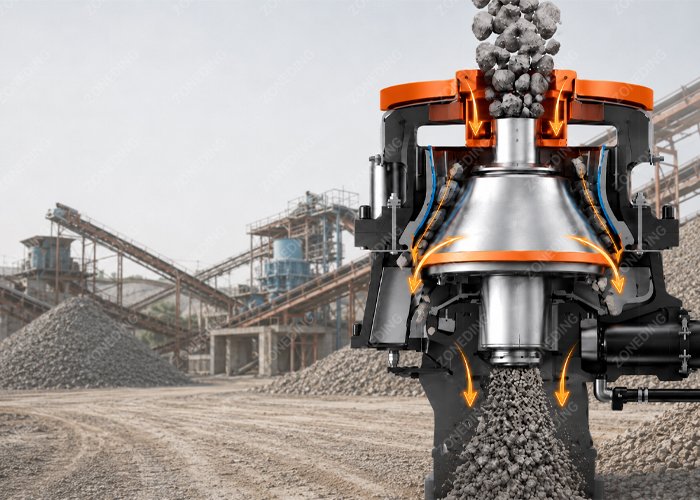
Secondary and tertiary crushing of hard, abrasive rock.
High efficiency and low wear cost for hard materials.
Budgeting for a Mobile Crushing Plant
The price of a mobile crushing plant varies dramatically, from under $100,000 for a small, simple wheeled unit to over a million dollars for a large, multi-unit tracked system. The final price is contingent on several key factors. The purchase is not just for a machine but an investment in a complete production system. The main crusher type and size are the largest cost drivers. A large mobile cone crusher for hard rock will cost significantly more than a smaller mobile impact crusher for limestone. The chassis type also plays a major role; a self-propelled track-mounted plant is more expensive than a wheeled plant requiring a separate truck. The choice between a diesel-direct and a more efficient diesel-electric power system also affects the initial price. It is important to also budget for optional but often essential equipment, such as a magnetic separator for recycling or an independent mobile screening plant for producing multiple finished products.
Key Points of Daily Maintenance
Proper crusher plant maintenance is about preventing failures before they happen, not waiting for something to break. For mobile plants, the focus differs slightly from stationary ones. Due to their movement, close attention must be paid to the chassis and frame. Each day should begin with a walk-around inspection. Look for hydraulic leaks, loose bolts, or cracks in the frame welds, especially after moving the machine. Check the tension and condition of the tracks or tires. Ensure all safety guards are in place. The most critical maintenance task is managing lubrication. Following the manufacturer’s schedule for greasing all bearings is paramount. An automatic lubrication system is a wise investment that pays for itself by preventing catastrophic bearing failures. Finally, monitoring the wear on crushing parts—jaw plates, blow bars, or mantles—and measuring them regularly allows for planned replacements, minimizing unexpected downtime.
ons per hour, operating hours, and the selling price of the final product. Then, list all operating costs, including fuel, operator salaries, and, most importantly, maintenance and wear parts. This is where system design becomes critical. A diesel-electric plant can save thousands in fuel costs each month. Pre-screening the feed material can extend the life of expensive crusher wear parts by 20% or more. Using the side conveyor to create a second saleable product adds a new revenue stream. A true ROI calculation often shows that a slightly more expensive, well-designed plant has a much faster payback period due to dramatically lower operating costs.
Factors to Consider When Choosing a Supplier
Choosing the right supplier is as important as choosing the right machine. It requires a partner, not just a seller. Look for a manufacturer with deep engineering expertise that understands a mobile crushing plant as a complete system. A good supplier will ask detailed questions about the raw material, site conditions, and final product requirements. They should be able to assist in sizing and balancing a complete system—including crushers, screens, and conveyors—to avoid bottlenecks. Inquire about their after-sales support, spare parts availability, and technician response times. At ZONEDING, equipment has been manufactured since 2004. With a dedicated team of 15 engineers, the company provides full-process support, from initial design to installation and training. As a factory-direct supplier, ZONEDING offers competitive pricing while ensuring the entire system is designed to work together flawlessly.
Frequently Asked Questions
Question 1: How much space does a mobile crushing plant need to operate? A single tracked unit requires a relatively flat area of about 20 by 30 meters for operation and stockpiles. A multi-unit line will need a much larger, well-organized site to allow for the safe movement of loaders and trucks. Question 2: Can a mobile crusher produce multiple product sizes at once? A single mobile crusher typically produces one main product. To create multiple, precisely graded products (e.g., 0-5mm, 5-10mm, 10-20mm), it must be paired with a tracked mobile screening plant. Question 3: Is a mobile plant harder to maintain than a stationary one? The core crusher maintenance is similar. However, mobile plants have additional systems to maintain, such as the engine, hydraulics, and chassis (tracks or wheels). A well-organized daily inspection is crucial for longevity. Question 4: What is the biggest hidden cost of owning a mobile crushing plant? Unplanned downtime. A cheap machine that breaks down frequently will cost far more in lost production than the savings on the purchase price. Investing in quality and committing to proper maintenance is key.
Summary and Recommendations
The success of a mobile crushing plant is not measured by how fast it can move, but by how efficiently and reliably it runs when it is stationary. It should be treated as a living system. It needs a stable home with a properly prepared ground pad, a balanced upstream and downstream equipment setup for smooth operation, and clean, pre-processed material to function optimally. A strong, economical heart in the form of a diesel-electric power system is also vital for long-term profitability. By shifting focus from a single machine to the entire production system, a mobile plant is transformed from a potential liability into a true profit-generating engine. These principles are what separate the most successful operators from the rest.
About ZONEDING
ZONEDING MACHINE is a leading Chinese manufacturer of mineral processing and crushing equipment. Founded in 2004, its 8,000-square-meter factory produces over 500 units of diverse equipment annually. ZONEDING offers comprehensive solutions, from single machines to complete, customized production lines. A team of 15 specialized engineers ensures every product meets strict quality standards. Through factory-direct sales, the company provides competitive pricing and full-service support to B2B clients in over 120 countries, empowering mining and aggregate producers worldwide. Contact ZONEDING today for a professional configuration and a factory-direct quote on a mobile crushing solution.
Buying a stone crusher is a major investment for any quarry, mining, or aggregate production business. The wrong equipment can increase downtime, wear cost, and energy consumption for years. Meanwhile, the right crushing system can improve product...
Cone crushers are among the most widely used machines in the aggregate, mining, and quarry industries. They are especially popular for processing hard and abrasive materials such as granite, basalt, river stone, and iron ore. However, many buyers ...
I have worked in the mining and recycling industry for over 50 years. Choosing the best concrete crushing setups is the most important step for your profit. Many owners lose money because they pick the wrong bones for their machine. I will show yo...
As the global transition to renewable energy and electric vehicles accelerates, lithium has emerged as the 'white gold' of the 21st century. However, bridging the gap between raw mineral extraction and high-purity battery-grade chemicals is a comp...
We use cookies to ensure that we give you the best experience on our website. If you continue to use this site we will assume that you are happy with it.
Privacy Policy
Send us a message
We would love to hear from you
Submit your question and our team will respond to the email provided as soon as possible.
 Zoneding Machine