 Zoneding Machine












How Feed Size Affects Ball Mill Capacity and Energy Cost
540Learn how ball mill feed size affects throughput, kWh/t, grinding efficiency, and the total cost of crushing and grinding.
View detailsSearch the whole station Crushing Equipment
Crushing is the art of targeted modification, not just breaking rocks. Producing high-value products requires understanding material properties thoroughly. Selecting the right crushing processes for limestone, granite, and basalt reduces costs per ton significantly. This comprehensive guide details hidden factors affecting equipment lifespan and aggregate quality. Proper equipment selection ensures long-term profitability and stable plant operation.
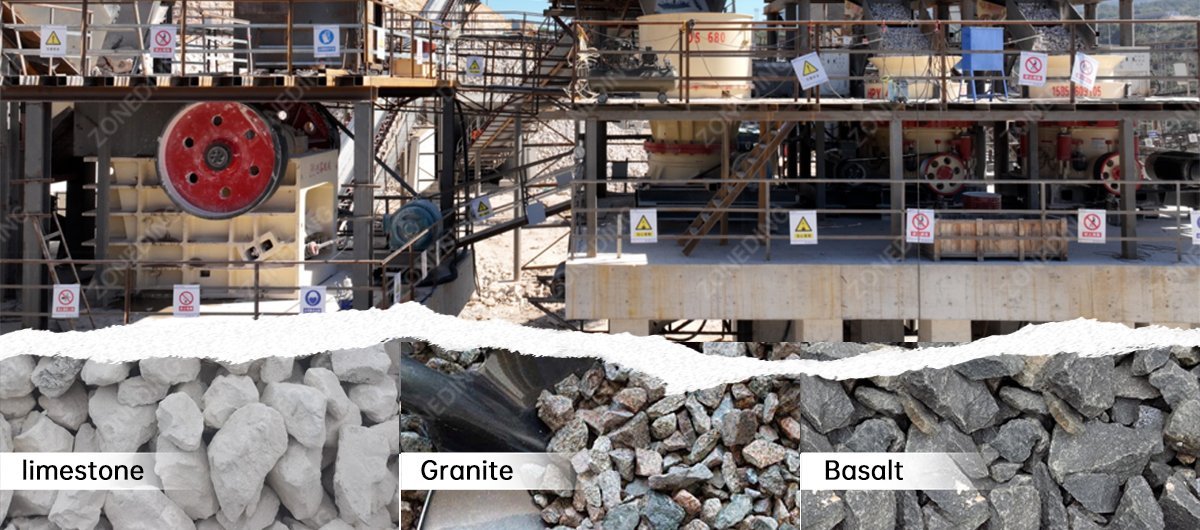
Mohs hardness is a misleading metric for selecting a rock crusher. Many plant operators rely entirely on Mohs hardness. This metric only demonstrates scratch resistance. It fails to indicate fracture resistance. Two hidden parameters matter much more: abrasiveness and toughness. Abrasiveness depends primarily on silica content. Silica acts like tiny hard blades. It severely wears down jaw plates and blow bars. Toughness represents the energy absorption capacity before a rock breaks.
Granite possesses high abrasiveness but average toughness. Granite breaks relatively easily. However, it wears metal parts very quickly. Basalt possesses extreme abrasiveness and extreme toughness. Basalt requires massive energy to break. This combination makes basalt highly destructive to crusher frames and main bearings. Using a limestone crushing setup for basalt leads to rapid equipment failure. Understanding these physical differences forms the foundation of proper Crusher Selection.

Evaluating rock properties prevents catastrophic equipment damage. Testing rock samples in a laboratory reveals the true silica content. This silica data dictates the required wear part material. Toughness testing determines the motor size needed for the crusher. Ignoring these tests guarantees high long-term costs.
| Rock Type | Abrasiveness (Silica Content) | Toughness | Practical Crushing Impact |
|---|---|---|---|
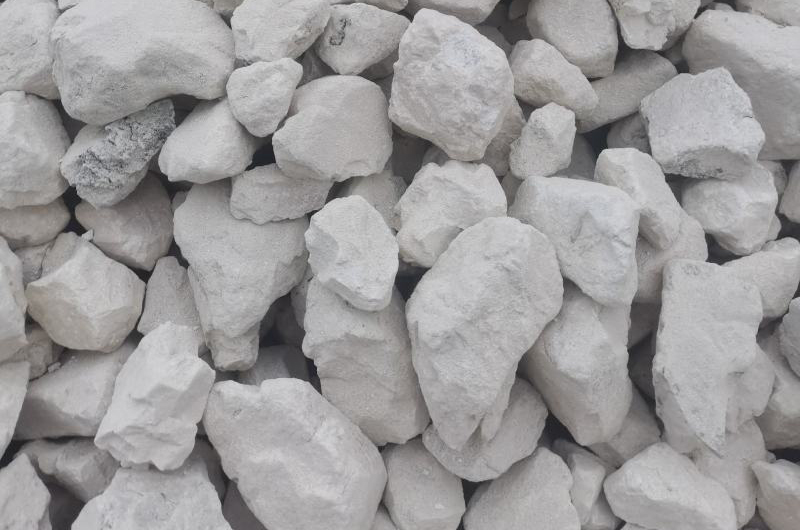
| Limestone | Low (<10%) | Low | Easy to crush, low wear part consumption. |
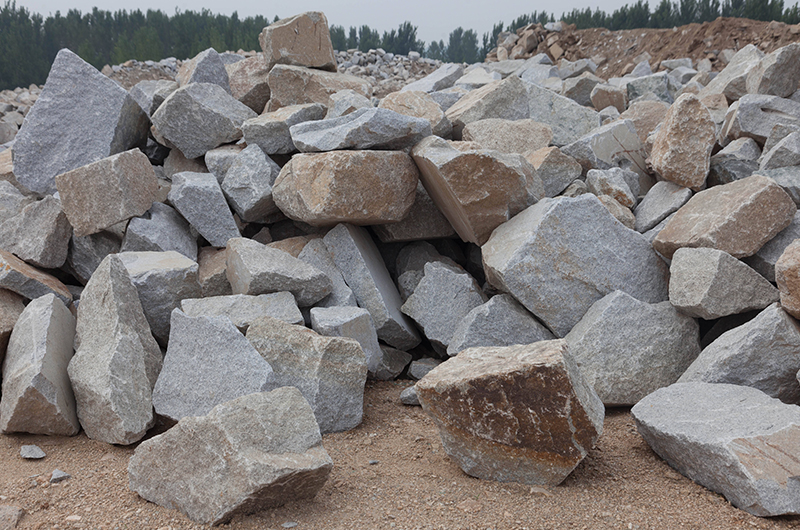
| Granite | High (60-70%) | Medium | Crushes easily, but destroys standard metal parts fast. |
| Basalt | Very High (>50%) | Very High | Extremely hard to crush, requires massive force and premium parts. |
Limestone crushing often faces severe blockage issues during wet conditions. Operations experience sudden production drops after rain. The problem is not rock size. The real issue is wet fine powder. Limestone produces abundant fine dust during processing. Water mixes with this dust to form a sticky substance. This sticky mud packs tightly against the crushing cavity walls. Industry experts call this phenomenon “mud packing.” Mud packing fills the discharge opening rapidly. The crusher eventually stalls completely.
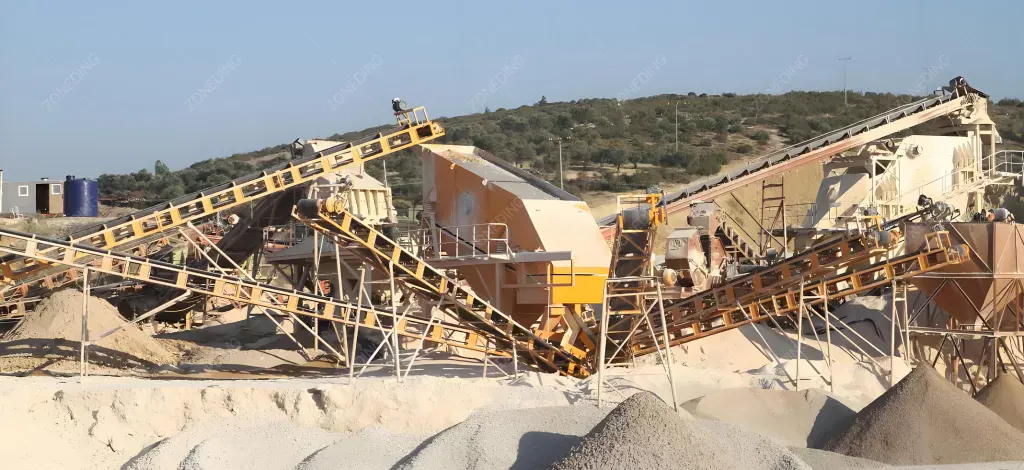
Solving this problem requires specific process design changes. Installing a heavy-duty vibrating screen immediately after the primary jaw crusher is mandatory. This pre-screening step removes wet fines and soil before the secondary stage. The clean, coarse rocks then enter the secondary crusher safely. Furthermore, selecting an Impact Crusher instead of a cone crusher provides better results for wet limestone. Impact crushers feature large, open cavities. These open designs resist mud packing very effectively.
Optimizing the blasting process is the first step to reduce wear costs. Granite destroys standard wear parts rapidly. High silica content causes extreme abrasion. Proper blasting controls these high wear costs. Good blasting creates millions of micro-fractures inside the large rocks. These internal cracks make the granite brittle. The crusher uses 20% less energy on well-blasted rocks. Jaw plate lifespan increases by up to 30%. Poor blasting creates solid, uncracked boulders. These boulders force the crusher to do unnecessary work.
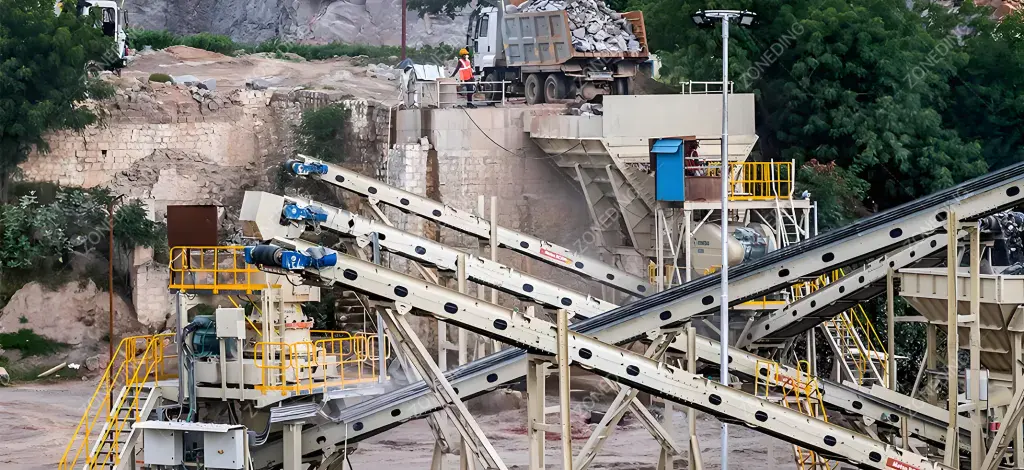
Selecting proper manganese steel for wear parts is the second crucial step. Standard Mn13Cr2 steel works perfectly for low-abrasion materials. Granite requires Mn18Cr2 or Mn22Cr2. Higher manganese content provides better initial hardness. Micro-alloy elements added to the steel improve abrasion resistance. These upgraded wear parts cost more upfront. However, they reduce downtime significantly. Fewer machine stops mean higher total daily output. The cost per ton of final product drops noticeably.
Producing aggregate from basalt demands top-tier equipment and advanced wear parts. Standard high-manganese steel fails quickly during basalt crushing. The ultimate solution involves ceramic composite materials. Manufacturers embed hard ceramics like alumina directly into the high-manganese steel base. The ceramic inserts resist extreme abrasion effectively. The steel base absorbs the massive impact forces. These composite parts cost three times more initially. Their lifespan reaches five to eight times longer than standard parts.

Producing high-quality construction aggregate from basalt requires precise cavity selection. A modern multi-cylinder Cone Crusher creates excellent cubical shapes. The secret is choke feeding. The crushing cavity must remain completely full of rock. This method uses inter-particle crushing. Rocks crush against each other inside the cavity. This rock-on-rock action shapes the aggregate perfectly. It also prevents the rocks from grinding directly against the expensive metal liners.
The correct crusher selection depends entirely on the specific rock properties. The primary crushing stage remains consistent across most materials. Heavy-duty Jaw Crushers handle primary crushing for limestone, granite, and basalt. They endure massive impacts well. Jaw crushers reduce large boulders to a manageable size. The critical choices happen at the secondary and tertiary crushing stages.
Limestone requires secondary impact crushers. Impact crushers produce excellent cubical shapes. They also handle the sticky nature of limestone well. Granite and basalt require secondary cone crushers. Cone crushers utilize immense pressure to break hard rock. They withstand abrasive materials far better than impact crushers. Using an impact crusher on basalt destroys the internal blow bars in hours. Choosing the wrong machine type destroys the project budget immediately.

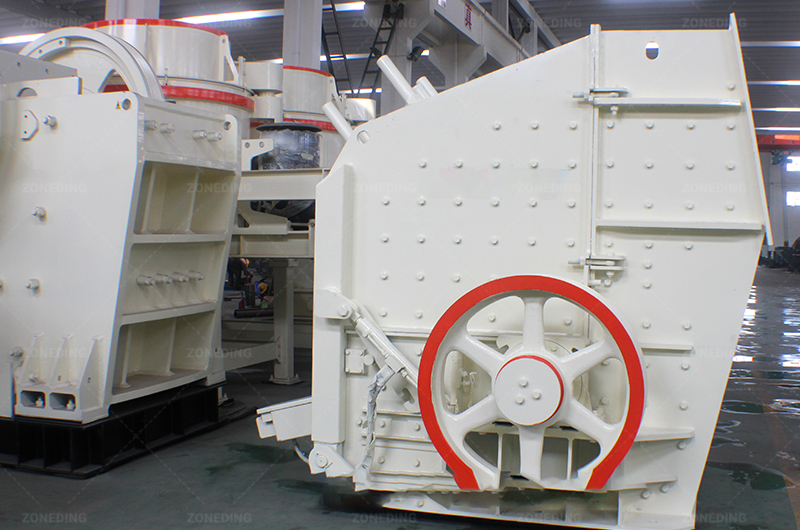
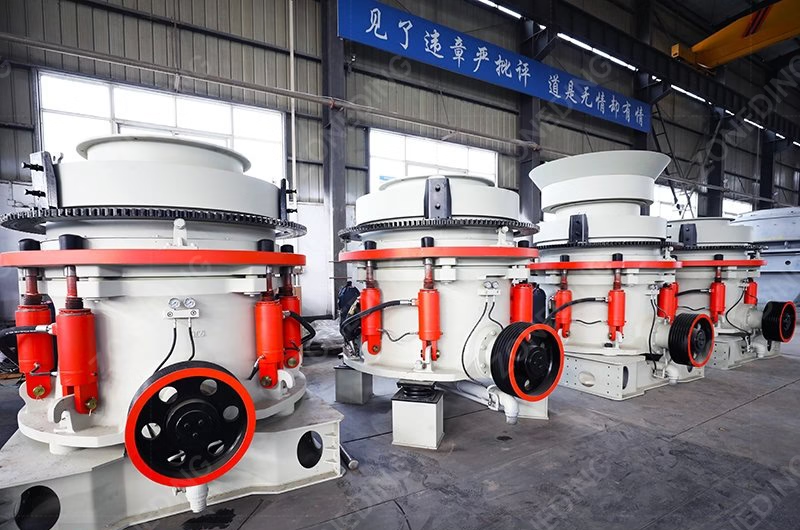
Many operators falsely believe Vertical Shaft Impactors (VSI) are mandatory for good shape. This belief inflates operating costs drastically. A VSI uses high-speed impacts to shape stones. Processing abrasive granite or basalt through a VSI consumes wear parts instantly. Some VSI rotors fail within days on hard rock. The cost of replacing these parts eliminates the profit margin of the sand and gravel. VSI machines should only process low-abrasion rocks.
True shape control starts at the secondary stage. Proper cone crusher operation produces excellent cubical shapes. The wear cost of a cone crusher remains much lower than a VSI. An optimized aggregate production line minimizes high-wear stages. Designing a multi-stage process is vital. Using a jaw crusher, followed by a coarse cone crusher, and then a fine cone crusher distributes the work. This balanced load prevents any single machine from experiencing excessive wear.
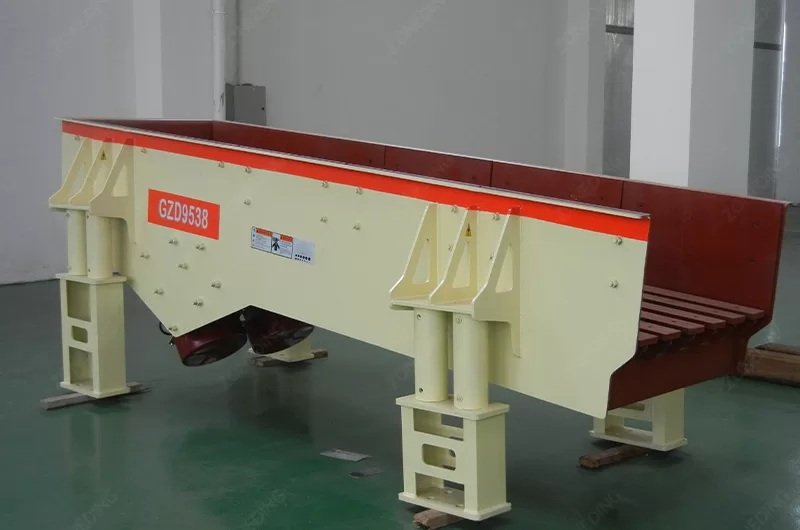
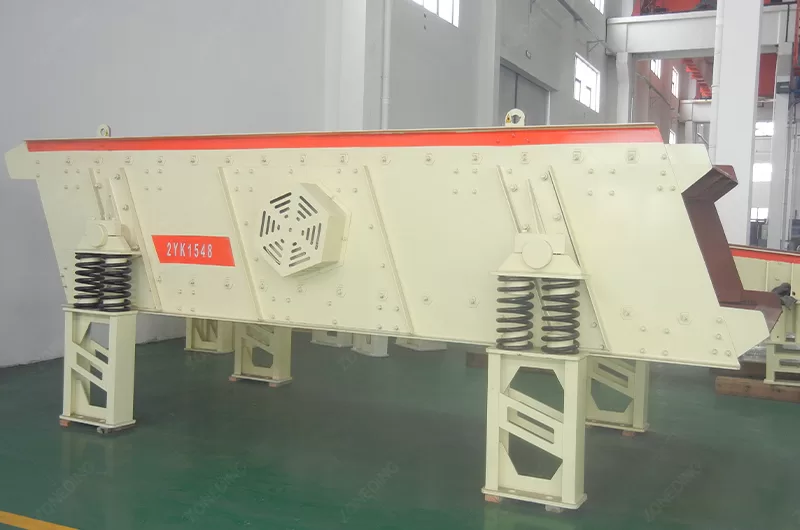
A blocked crusher halts the entire production plant immediately. Optimizing the feeding stage prevents these costly stops. The process starts at the raw material bin. Use a strong Vibrating Feeder equipped with grizzly bars. The grizzly bars allow soil and fine dirt to fall through before reaching the jaw crusher. This simple step increases primary crushing efficiency. It prevents dirt from packing inside the jaw cavity.
The screening stage is equally important. Install a high-capacity Vibrating Screen with proper mesh sizes. Clean screens prevent undersized material from recirculating. Recirculating fine dust wastes energy. It also increases wear on secondary crushers unnecessarily. Ensure adequate water sprays operate over the screen if washing is necessary. Clean, accurately sized aggregates command higher market prices.
Estimating return on investment requires analyzing both capital and operating expenses. Capital expenditure (CAPEX) includes the initial purchase of the crushers, screens, conveyors, and steel structures. It also includes civil engineering and installation costs. However, operating expenditure (OPEX) dictates long-term success. OPEX includes electricity, diesel fuel, labor, and maintenance. Wear parts constitute the largest portion of OPEX in hard rock quarries.
Accurate cost estimation demands precise material testing. Knowing the rock’s silica content predicts the monthly wear part budget. Calculating the total motor kilowatt rating estimates the daily power bill. A well-designed plant might cost 20% more upfront. However, it can reduce OPEX by 30% annually. The payback period for premium equipment is often much shorter than expected. Cheap equipment fails frequently, destroying revenue through constant downtime.
The year 2026 brings significant automation to rock crushing operations. New technologies reduce human error in plant management. Smart sensors now monitor wear part thickness in real-time. This prevents unexpected equipment failures. AI systems connect the vibrating feeder directly to the crusher motor load. This automation maximizes throughput without overloading the machine.
Question 1: What is the best crusher for sticky limestone?
An impact crusher performs best for this material. Its open cavity prevents wet dust from forming solid blocks. Pre-screening the raw material is also mandatory.
Question 2: Why do cone crusher mantles wear out in three days on basalt?
Basalt combines extreme toughness with high silica content. Standard manganese steel cannot survive these conditions. Switching to ceramic-inserted composite mantles solves this problem.
Question 3: Does a jaw crusher determine the final aggregate shape?
No. The jaw crusher only reduces rock size. Secondary and tertiary crushers control the final cubical shape of the aggregate.
Question 4: Can water sprays stop dust during granite crushing?
Yes. Fine water mist at transfer points captures dust efficiently. Adding too much water causes mud packing problems inside the crushers.
Question 5: Why is a three-stage crushing process often recommended for hard rock?
A three-stage process distributes the crushing work. This prevents overloading any single machine, reduces overall wear and tear, and provides better control over the final aggregate size and shape, leading to lower long-term operating costs.
Question 6: When should I use a VSI for shaping instead of a cone crusher?
Use a VSI when a superior cubical shape is absolutely critical for high-spec concrete or asphalt, and you are processing low-abrasion materials like limestone. For hard, abrasive rocks like granite, a modern cone crusher is almost always more cost-effective.
Successful rock crushing requires matching the equipment to the specific rock properties. Limestone demands solutions for stickiness and mud packing. Granite requires high abrasion resistance. Basalt needs extreme toughness handling. Optimizing blasting reduces the initial crusher workload significantly.
Implementing multi-stage crushing prevents excessive wear on any single machine. Selecting advanced wear materials lowers long-term operating costs. Evaluate the whole process layout rather than just buying the hardest machine. A balanced production line ensures high output and premium aggregate quality.
ZONEDING MACHINE manufactures premium mineral processing and crushing equipment. Established in 2004, the 8000-square-meter facility produces over 500 machines annually. The product range covers everything from single crushers to complete aggregate plants. A team of 15 specialized engineers ensures strict quality control and continuous innovation. Factory-direct sales provide competitive pricing for B2B clients worldwide. ZONEDING delivers reliable solutions for mining companies and aggregate producers globally.
Contact ZONEDING for professional equipment sizing and factory-direct pricing on complete crushing solutions.
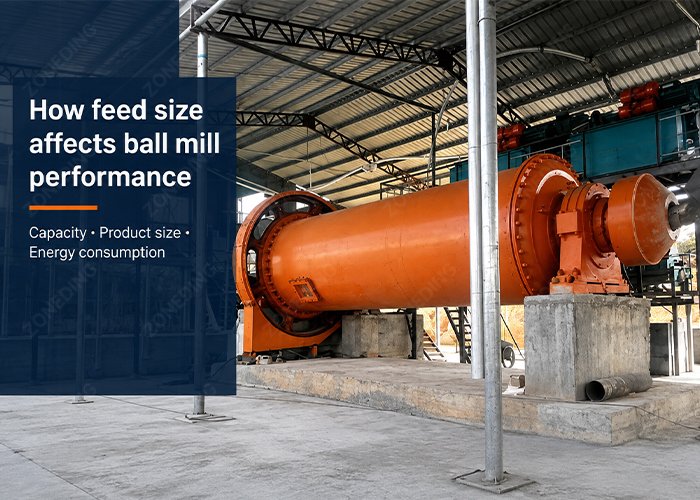
Learn how ball mill feed size affects throughput, kWh/t, grinding efficiency, and the total cost of crushing and grinding.
View details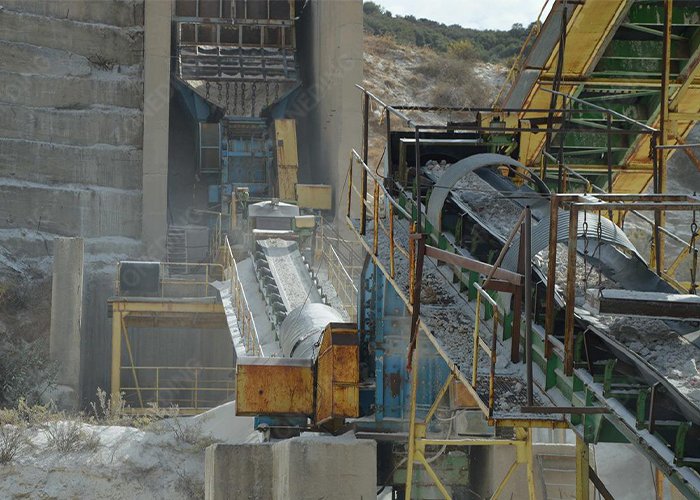
Potassium feldspar is an important industrial mineral widely used in ceramics, glass manufacturing, construction materials, and chemical industries. Before potassium feldspar can be used in these applications, it must first be crushed into suitabl...
View details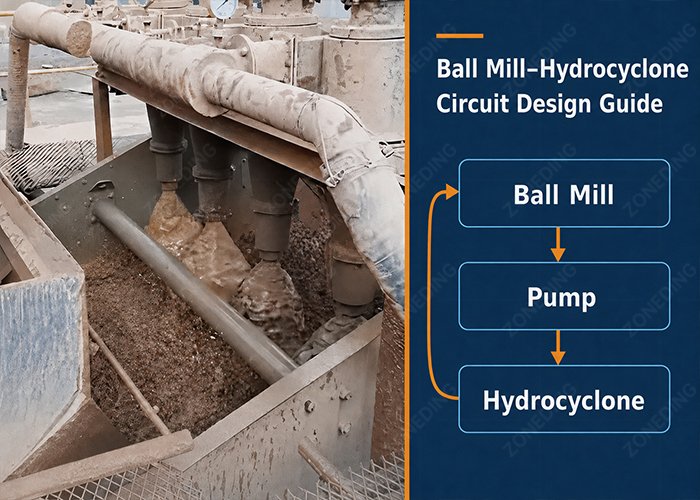
Learn how ball mill feed size affects throughput, kWh/t, grinding efficiency, and the total cost of crushing and grinding.
View details
Choose a mobile impact crusher for limestone, road aggregate and concrete recycling in South America. Compare capacity, setups and costs.
View details