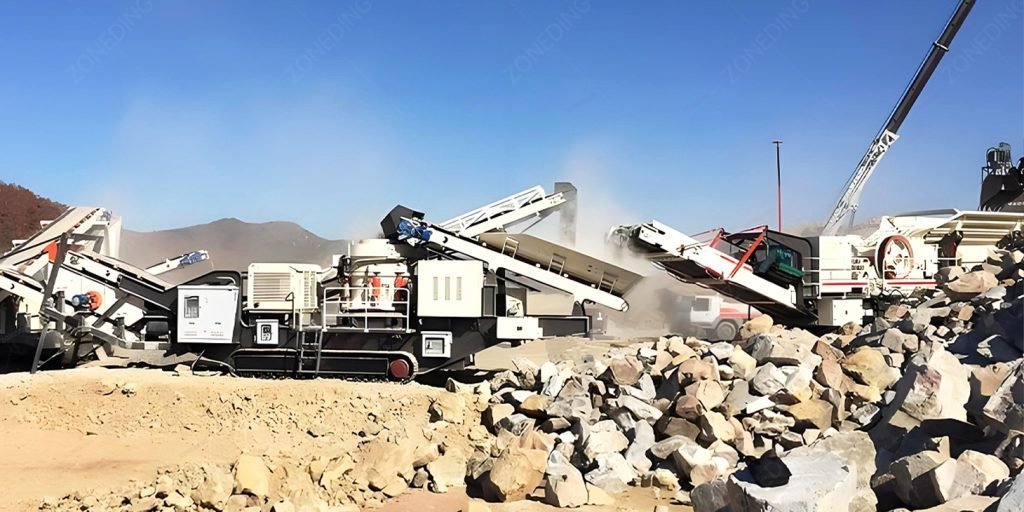
A portable gold crusher is a foundational piece of equipment for small-scale gold mining operations. Choosing the correct machine and operating it properly are crucial for achieving a high return on investment. The goal of crushing is liberation, not just pulverization. Understanding this distinction is key to preventing the loss of valuable gold during processing. A well-chosen portable rock crusher can process ore on-site, which significantly reduces transportation costs and improves efficiency.
Why is a portable crusher the first step for small gold mines?
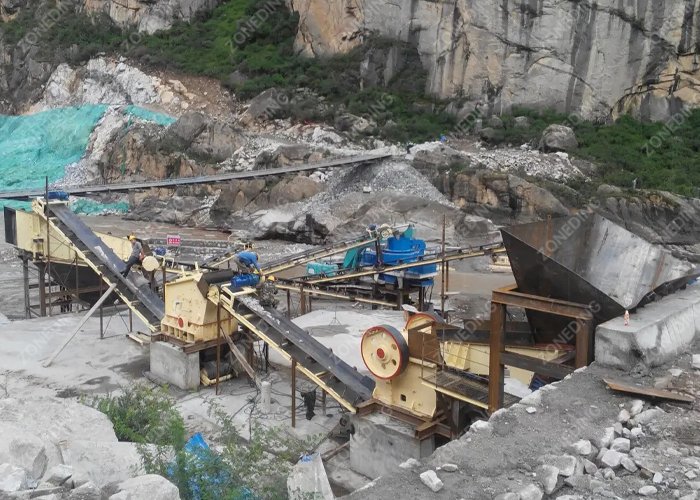
A portable rock crusher allows miners to process ore directly at the source. This mobility is the primary advantage for small-scale and exploratory mining projects. Instead of transporting tons of heavy, low-grade rock to a distant processing plant, the ore can be crushed and concentrated on-site. This dramatically cuts down on logistics costs and fuel consumption. For prospectors, a small crusher makes it possible to quickly test the value of a new claim by processing a bulk sample. These machines are designed for rapid deployment. A can be towed to a location and be operational within hours. This flexibility is essential in the early stages of a mine’s life when infrastructure is limited. By generating concentrate on-site, operators can transport a smaller volume of high-value material, maximizing profitability. This approach turns a logistical challenge into a strategic advantage, making remote deposits economically viable.
What are the types of hard rock gold mining crushers?
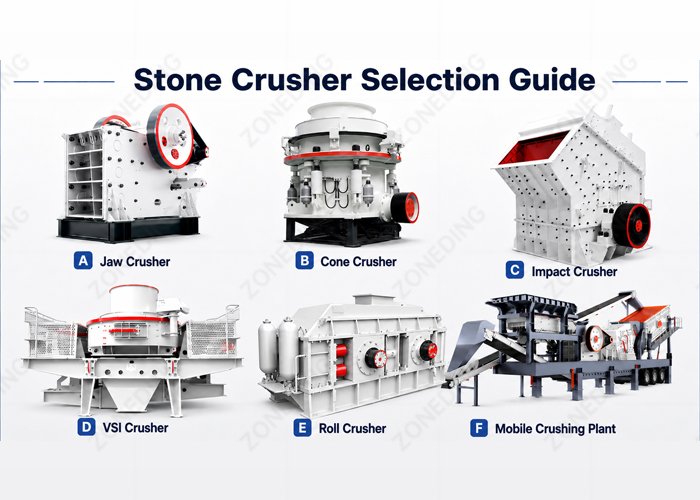
The two most common types of crushers for small-scale gold operations are jaw crushers and hammer or impact crushers. Each has a distinct mechanism and is suited for different stages of the process. The choice between them affects both the crushed product and the potential for gold loss. The selection of the right Gold mining crusher is a critical decision.
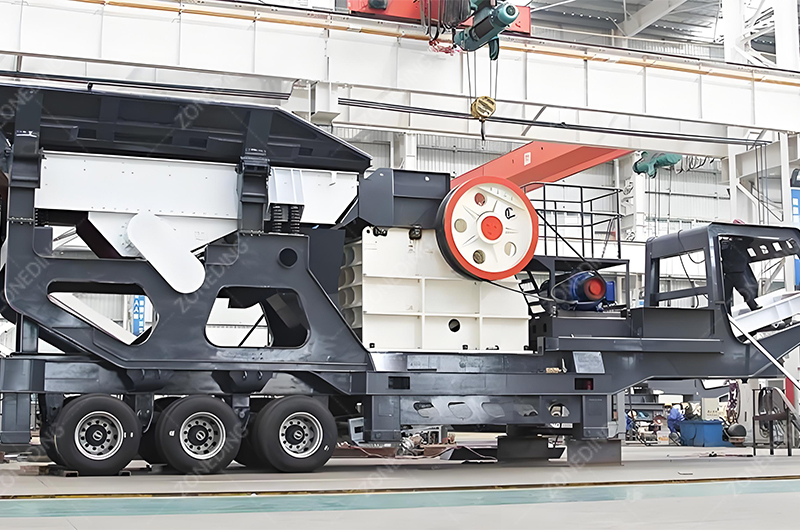
Mobile jaw crusher
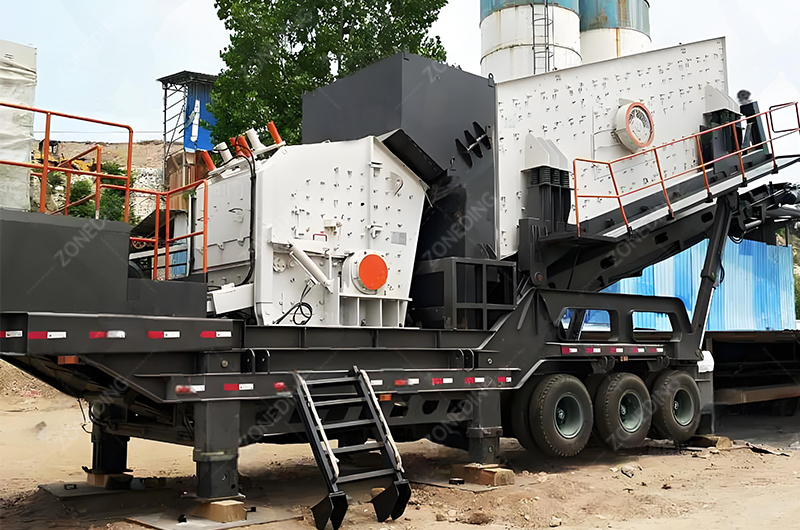
Mobile impact crusher
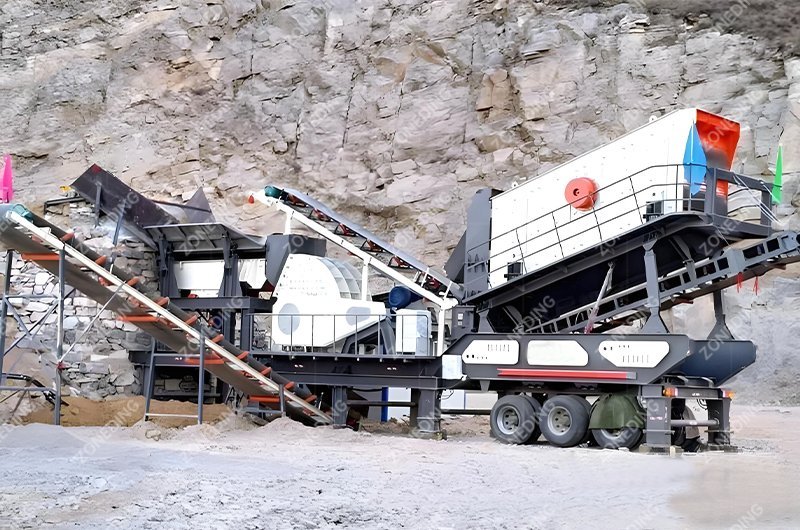
Mobile hammer crusher
Jaw Crushers: The Reliable Primary Choice
A Jaw Crusher works by compressing rock between a fixed and a moving plate. This squeezing action is very effective for breaking down large, hard rocks like quartz, which often hosts gold. Jaw crushers are known for their durability and for producing a relatively uniform product with minimal fine dust. This makes them an excellent choice for the primary crushing stage, where the goal is to reduce large rocks to a manageable size for further processing.
A Hammer Crusher or impact crusher breaks rock through high-speed impact. Rotating hammers strike the ore, shattering it against a solid plate. This method is very effective at liberating fine gold particles from the host rock in a single pass. However, it generates a significant amount of fine dust. This dust is not just waste; it often contains the highest concentration of fine gold. In an open-air setup, wind can blow this valuable dust away, leading to substantial and often unnoticed losses. It is crucial to see dust control not as an environmental option, but as a vital part of the gold recovery process. A sealed system with a dust collector is essential when using this type of crusher.
How to adjust output size to prevent fine gold loss?
The primary goal of crushing is liberation, not pulverization. Gold exists within the host rock at a specific natural crystal size. The crushing process should aim to break the rock just enough to free these gold particles. This optimal size is known as the “liberation size.” Many new operators make the mistake of over-crushing the ore into a fine powder, believing this will improve recovery. This is a critical error. Over-crushing creates “flour gold,” which are particles so fine they behave like dust. In water, these tiny particles have high surface tension, which prevents them from settling in a sluice box or on a shaking table. Instead, they float on the water’s surface and are washed away with the tailings. This is one of the largest sources of loss in small-scale gold mining. Finding and crushing to the correct liberation size is essential for maximizing Fine gold recovery.
Practical Tips for Finding Liberation Size
Perform a Test: Crush a small batch of ore to a specific size, for example, 6mm (1/4 inch).
Pan the Sample: Use a gold pan to wash the crushed sample.
Observe the Gold: Check if the visible gold particles are separated from the host rock.
Adjust and Repeat: If the gold is still encased in rock, crush the sample to a smaller size and repeat the test. The largest size at which most of the gold is free is the target liberation size.
How does a diesel-powered crusher solve remote power issues?
Many of the most promising gold deposits are located in remote areas without access to an electrical grid. A Diesel powered crusher is the perfect solution for this challenge. These units are self-contained, with a diesel engine providing the power needed to run the crusher. This grants operators complete independence from local infrastructure. Diesel engines are robust, reliable, and can be maintained in the field. They provide the high torque necessary for crushing hard rock like quartz. A diesel-powered portable crusher can be brought to any location accessible by truck, making it possible to start a mining operation almost anywhere. This capability is fundamental to the concept of mobile and flexible small-scale mining.
What are the most critical wear parts for a gold mining crusher?
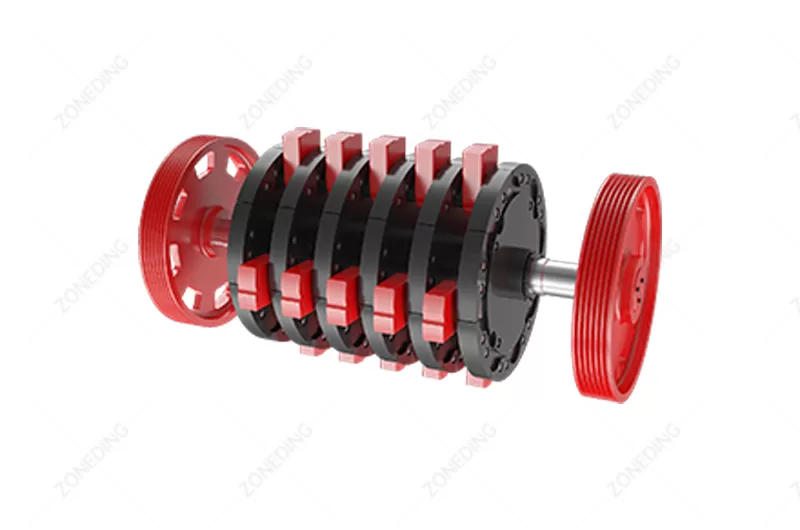
The components of a crusher that come into direct contact with the ore are subject to intense wear. For a gold mining crusher, the most critical Crusher wear parts are the jaw plates, hammers, and liners. These parts are typically made from high-manganese steel for its toughness and resistance to abrasion.
jaw plates for the Jaw Crusher
Motor-Hammer-Crusher
Cone crusher liner
However, during the crushing process, these parts inevitably wear down, shedding tiny fragments of steel into the crushed ore. This steel contamination can cause significant problems. Because steel is heavy, it gets concentrated along with the gold in gravity separation equipment. This inflates the weight of the concentrate, leading to inaccurate assessments of the ore’s grade. If amalgamation with mercury is used for final recovery, the steel particles can contaminate the mercury and reduce its efficiency. It is essential to remove this steel contamination by passing the crushed material under a strong magnet before further processing.
Where to buy reliable small scale gold ore crushing equipment?
When sourcing small scale gold ore crushing equipment, it is beneficial to work directly with an experienced manufacturer. ZONEDING has been manufacturing mining machinery since 2004, offering factory-direct sales that eliminate middlemen and provide competitive pricing. A direct relationship ensures access to expert advice and custom solutions tailored to a specific ore body. A reliable supplier should offer a comprehensive range of equipment, from a single small crusher to a complete, modular gold processing plant. This includes crushers, screens, gravity separation tables, and material handling equipment. ZONEDING provides full-service support, including process design, manufacturing, and installation guidance, with equipment exported to over 120 countries. Purchasing from a reputable manufacturer guarantees quality, access to spare parts, and long-term technical support.
5 Key Points for Choosing the Best Gold Mining Crusher
Selecting the ideal crusher requires careful consideration of several factors to ensure a high return on investment.
Separating the crusher from gravity equipment prevents vibration from causing gold loss.
A common mistake is buying an “all-in-one” machine that integrates a crusher and a sluice box on the same frame. The intense vibration from the crusher disrupts the delicate settling process required for fine gold recovery, causing significant losses. A modular layout, where the crusher is physically separate from the gravity separation unit, is far more efficient.
Frequently Asked Questions
Question 1: What is the best crusher for small scale gold mining? A small jaw crusher is best for primary crushing of hard rock. For finer liberation, a small hammer mill can be used, but it must be paired with a dust collection system to capture fine gold. Question 2: How much does a small gold crusher cost? The Jaw crusher price varies based on size, power source (electric vs. diesel), and manufacturer. Buying factory-direct from a company like ZONEDING often provides the best value. Question 3: How should dust from a portable rock crusher be handled? Dust should be captured, not blown away. Use a light water spray at the crusher’s inlet and outlet to suppress dust. For impact crushers, a sealed housing connected to a baghouse or wet scrubber is the best method to recover valuable gold-bearing dust. Question 4: Can a standard stone crusher be used for gold ore? Yes, gold ore is simply rock that contains gold. Any robust stone crusher designed for hard rock can be used. The crucial factor is not the crusher itself, but the overall process, including crushing to the correct liberation size and controlling fine material.
Summary and Recommendations
A portable gold crusher is an invaluable tool for unlocking the potential of small-scale mining deposits. Achieving a high return on investment depends on a correct understanding of the crushing process. The focus must be on liberation, not pulverization, to avoid creating “flour gold” that is easily lost. Key strategies for success include testing for the ore’s liberation size, choosing the right type of crusher for the rock, and implementing rigorous dust control as a method of gold recovery. Using a diesel-powered unit offers operational freedom in remote locations. It is also vital to remove steel contamination from wear parts and to use a modular equipment layout that separates the crusher’s vibration from sensitive gravity separation equipment. By following these principles, a portable crushing operation can become a highly profitable venture.
About ZONEDING
ZONEDING MACHINE is a leading Chinese manufacturer of mineral processing equipment, specializing in B2B solutions for the mining industry. Since 2004, we have provided a comprehensive range of products, from single crushers to complete processing plants. Our 8,000-square-meter facility and team of expert engineers are dedicated to producing high-efficiency, reliable machinery. With equipment exported to over 120 countries, ZONEDING offers factory-direct sales, custom design, and full-service support to help clients maximize their profitability. Contact ZONEDING for a professional consultation and a competitive quote for a tailored gold processing solution.
The performance of a crusher plant acts as the heart of every modern infrastructure project. High-quality aggregate production for construction determines if a bridge stands for a century or fails in a decade. Choosing the right machinery helps co...
The stands as the most important machine in a modern gold mine. This heavy equipment grinds raw ore into fine particles to release precious metals. Achieving a high recovery rate depends on the efficiency of this grinding process. If the machine f...
Choosing the right stone crusher is one of the most important decisions in aggregate production and quarry operations. The wrong machine can increase wear cost, reduce production efficiency, and create long-term maintenance problems. Meanwhile, th...
Magnesite mining and processing is a major sector for industrial investment in 2026. High-purity magnesium oxide (MgO) is now a critical material for steel, chemicals, and farming. Success in this industry depends on raising ore purity while cutti...
We use cookies to ensure that we give you the best experience on our website. If you continue to use this site we will assume that you are happy with it.
Privacy Policy
Send us a message
We would love to hear from you
Submit your question and our team will respond to the email provided as soon as possible.
 Zoneding Machine