Designing a Copper Ore Beneficiation Process Design requires a rigorous analysis of micro-mineralogical characteristics rather than relying on generalized rules. The traditional approach of simply floating sulfides and leaching oxides often fails to address the complexities of modern ore bodies, such as high-carbonate oxides or refractory mixed ores. Successful mineral processing depends on differentiating between minerals like chalcopyrite, chalcocite, and malachite, and understanding their specific association with gangue materials. This guide explores the engineering logic required to customize beneficiation circuits for maximum recovery rates in the changing landscape of 2026.
Distinguishing Sulfide and Oxide Ratios by Phase Analysis
The foundation of any effective beneficiation process lies in distinguishing the oxidation ratio of the ore. Treating “Mixed Ore” as a single category often leads to significant metal loss. A mixed ore containing 15% oxide behaves fundamentally differently from one with 45% oxide content. Phase analysis reveals whether copper exists in a “free” state, such as malachite which is easily leached, or in a “combined” state, locked within silicates and resistant to standard processing methods. Ignoring these distinctions can result in sulfide processing lines losing oxidized metal to tailings, or heap leach pads failing due to the slow dissolution of secondary sulfides. Phase analysis serves as the critical roadmap for process design.
Sulfide Ore Processing: Optimizing for Chalcopyrite and Bornite
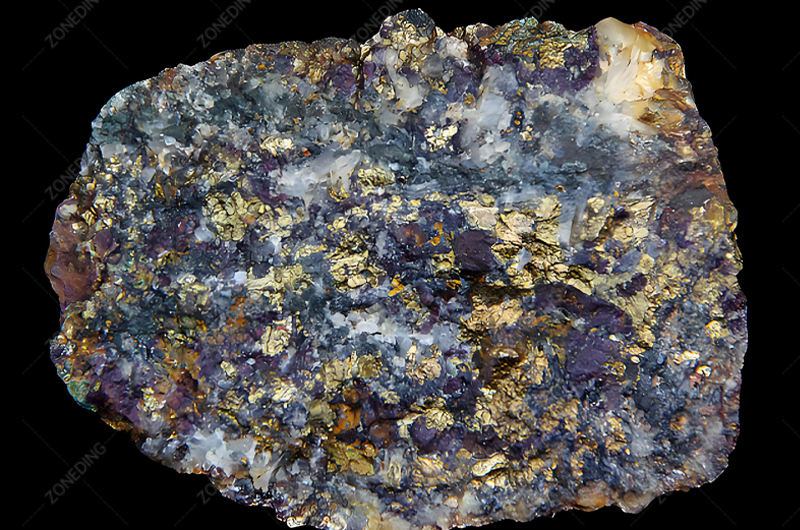
Sulfide Copper Flotation requires more than a standard “Crush-Grind-Float” approach; preventing the over-grinding of soft minerals is paramount. While Chalcopyrite floats relatively slowly, minerals like Chalcocite and Bornite float rapidly and are physically softer. Processing these diverse minerals in a Ball Mill for the same duration often causes the softer Chalcocite to slime. Once slimed, these fine particles fail to attach to air bubbles, leading to metal loss.
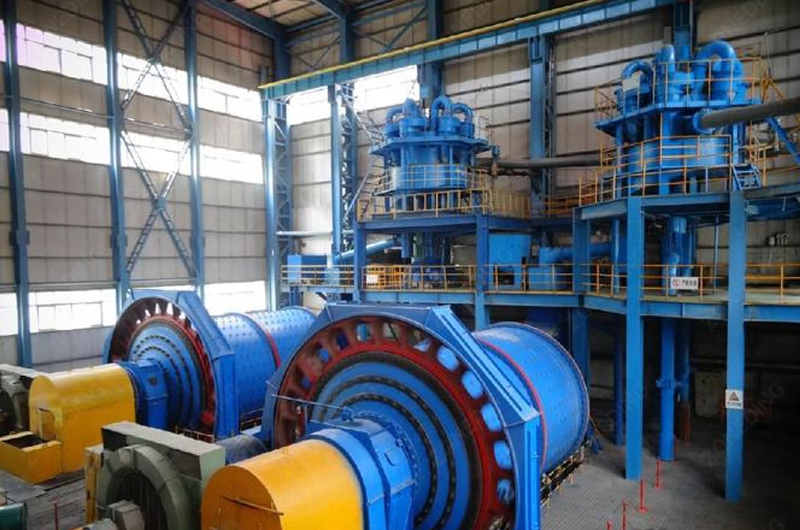
Sulfide copper grinding and classification
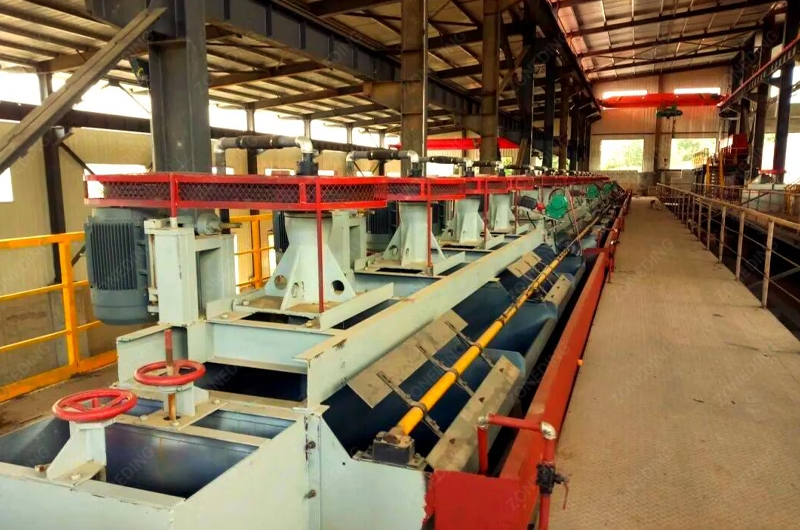
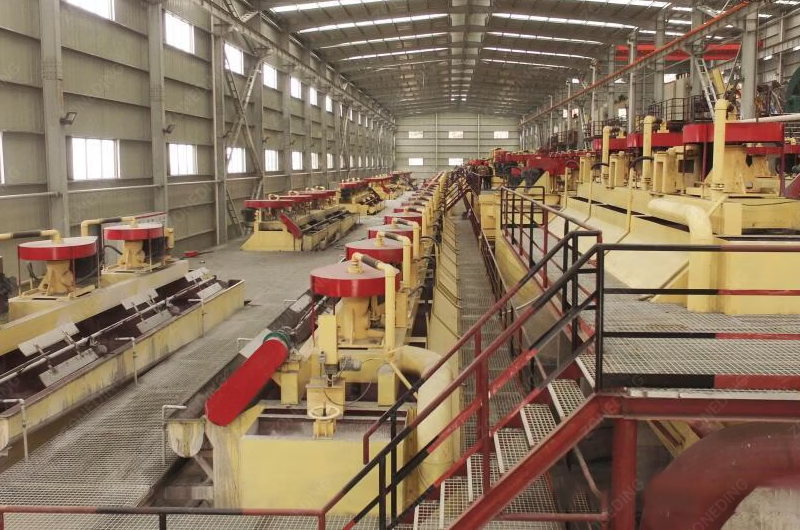
Sulfide copper flotation
Flash Flotation offers a solution to this issue. Installing a Flash Flotation cell directly between the ball mill discharge and the Hydrocyclone allows for the immediate recovery of coarse, liberated high-grade copper minerals. These minerals are turned into concentrate instantly and never re-enter the grinding circuit. This process reduces the load on the downstream flotation circuit and lowers filtration costs, as coarse concentrate dewaters more efficiently than fine slime.
Managing Penalty Elements and By-products
The Arsenic Challenge: Many deposits, particularly in South America and Southeast Asia, contain Enargite (Sulfide Arsenic Copper). Smelters often reject concentrate with high arsenic levels. Solutions include Oxidation Separation, using specific oxidants to create a potential difference that floats Chalcopyrite while depressing Enargite. Alternatively, Bio-Leaching utilizes high-temperature bacteria to treat the sulfide, bypassing the smelter to produce cathode copper directly. Molybdenum Recovery: In Porphyry Copper deposits, Molybdenite is a valuable by-product often overlooked. Molybdenite naturally floats well and follows copper into the bulk concentrate. A dedicated Molybdenum Flotation Plant separates the two by using Sodium Hydrosulfide to depress copper while floating molybdenum. It is crucial to avoid using lime in the bulk circuit if molybdenum recovery is planned, as lime depresses molybdenum.
Oxide Ores Treatment: SX-EW vs. Sulfidization Flotation
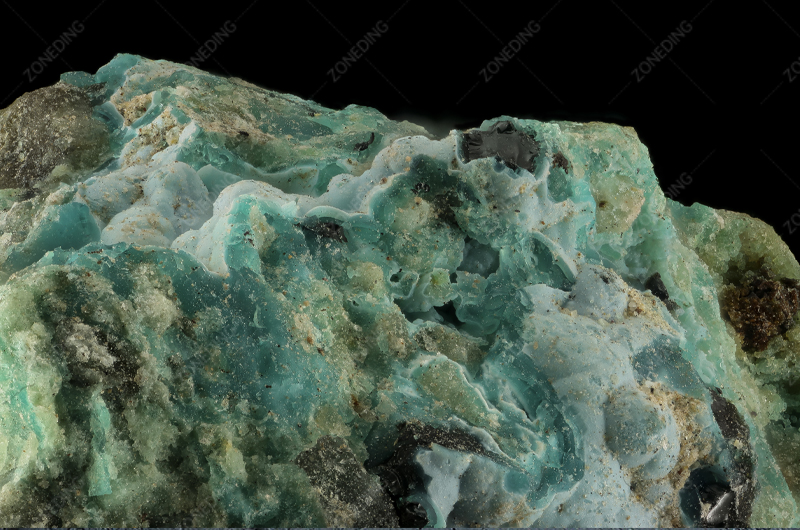
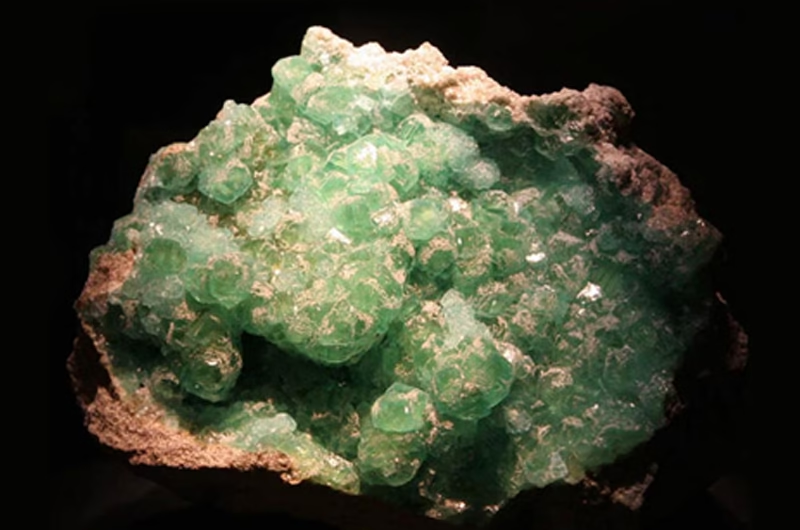
Acid Consumption determines the viability of Copper Oxide Leaching SX-EW. While Heap Leaching is favored for its low operational costs, the presence of carbonates such as Calcite or Dolomite can render the project uneconomical. These minerals consume sulfuric acid rapidly. If acid consumption exceeds 30-40kg per ton of ore, alternative methods such as agitation leaching or sulfidization flotation become necessary.
Copper Oxide Leaching
Sulfidization Flotation
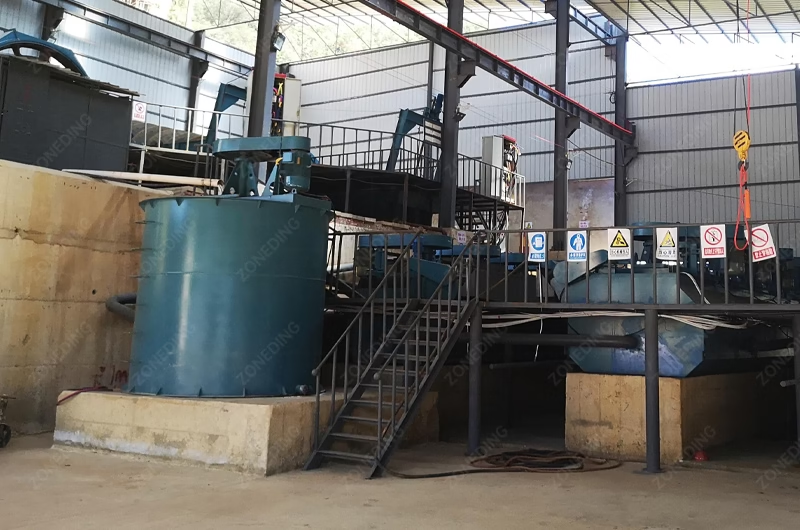
Agitation Leaching: For high-grade, high-carbonate ores, Agitation Leaching in high-intensity Mixer tanks allows for precise control over reaction time. This minimizes the contact time between acid and gangue minerals, optimizing acid usage compared to the month-long cycles of heap leaching. Sulfidization Flotation: This method involves adding Sodium Sulfide to coat oxide minerals like Malachite with a thin sulfide film, altering their surface properties to mimic sulfides. This allows the oxides to be floated using standard xanthate collectors.
Handling Clay in Oxide Ores
Oxide deposits in certain regions often contain high levels of sticky clay or “slimes.” Sending this material directly to a crusher can cause blockages, while sending it to a heap leach pad destroys permeability, creating a “dead heap.” The effective solution involves using a Sand Washing Machine or Drum Scrubber immediately after coarse crushing. This equipment scrubs the clay from the rock. Low-grade clay is discarded, while high-grade clay is directed to a separate agitation leach circuit, ensuring the main heap remains permeable.
Mixed Copper Ore Processing: Designing the LPF and Stepwise Circuit
Mixed ores, containing both sulfides and oxides, present significant processing challenges. The standard “Sulfide First, Oxide Second” approach often fails due to the difficulty in controlling the sulfidizing agent. Sodium Sulfide (Na2S) is necessary to float oxides, but an overdose will depress sulfide minerals, reducing overall recovery.
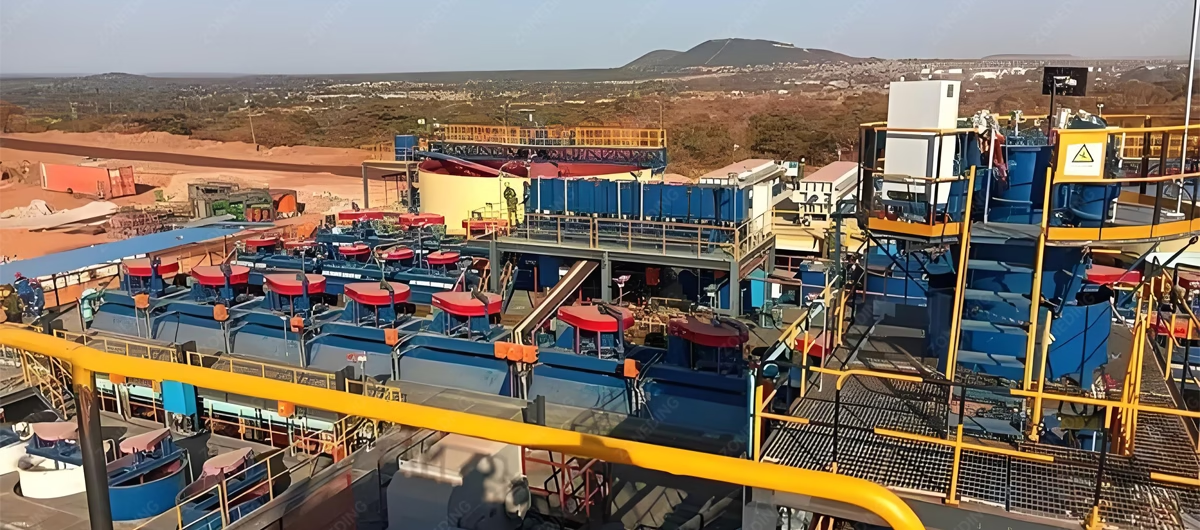
Mixed Copper Ore Processing
The solution lies in the Stepwise Addition system using Electrochemical Potential (Eh) control, often referred to as the LPF (Leach-Precipitation-Flotation) logic applied to reagents. Rather than adding all chemicals at once, sulfidizers are introduced at multiple points—the head of the rougher bank, the third cell, and the scavenger. Eh sensors monitor the pulp potential to ensure the sulfide film on oxide minerals is maintained without overdosing the system. This precise control is essential for high recovery rates in mixed ore circuits.
Crushing and Grinding Circuit Design: SAG vs. Ball Mills
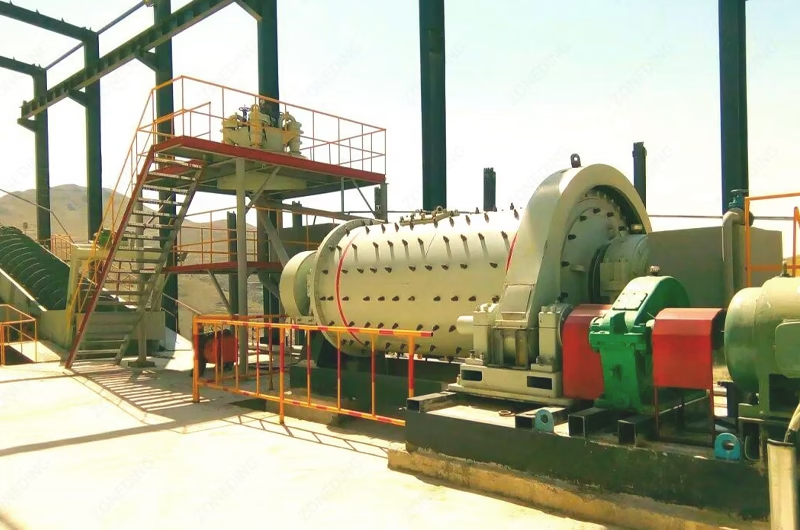
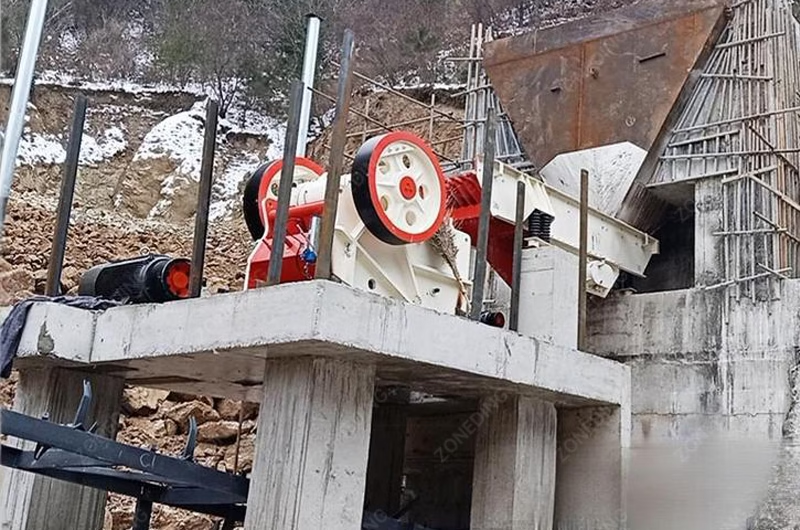
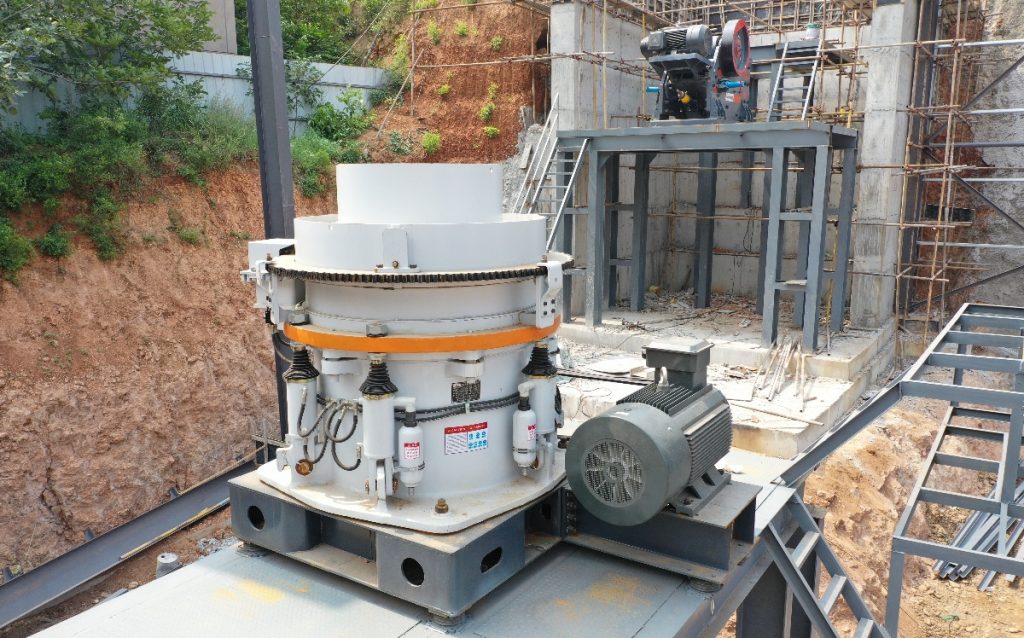
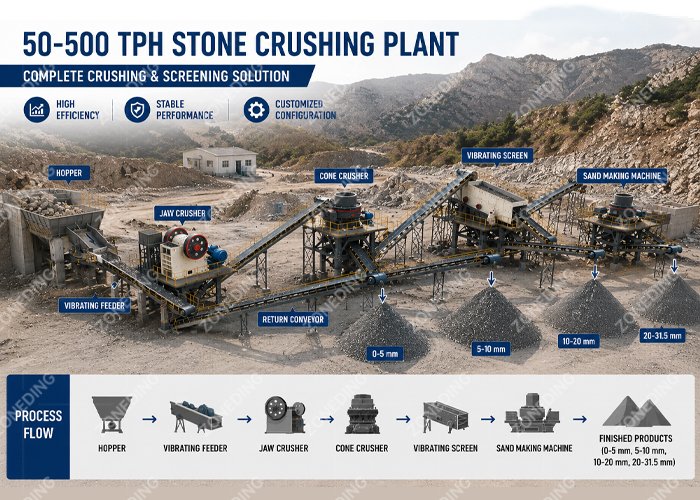
The selection of grinding equipment is dictated by ore hardness and dissemination size. For hard, massive ores, a conventional circuit utilizing a Jaw Crusher followed by a Cone Crusher and Ball Mill provides reliability. However, for large-tonnage, lower-grade porphyry ores, a Semi-Autogenous Grinding (SAG) mill is often superior as it eliminates the need for secondary and tertiary crushing stages.
Jaw crusher
Cone Crusher
Copper ore grinding
The Shift to Vertical Mills for Regrinding: Innovation in 2026 focuses heavily on the regrinding stage. Separating copper minerals from pyrite or molybdenum often requires regrinding the rougher concentrate to 30-40 microns. Traditional ball mills are inefficient at these fine sizes. Vertical Stirred Mills (Tower Mills) are recommended for this application. They utilize media attrition rather than impact, resulting in 30-50% energy savings compared to ball mills for fine grinding, while also occupying less floor space.
Equipment Configuration for Grinding
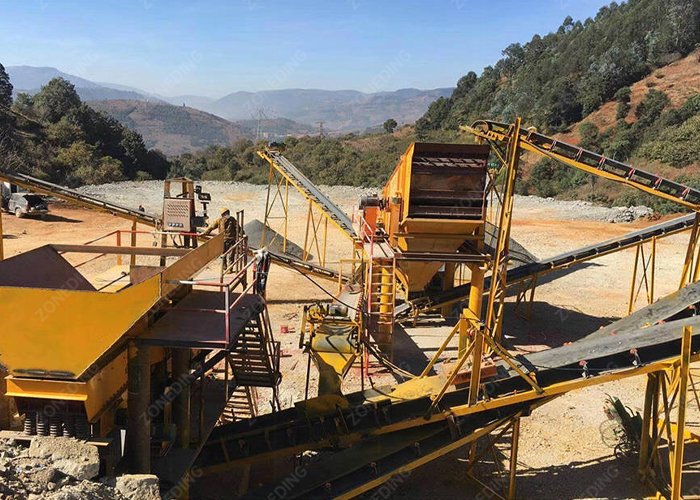
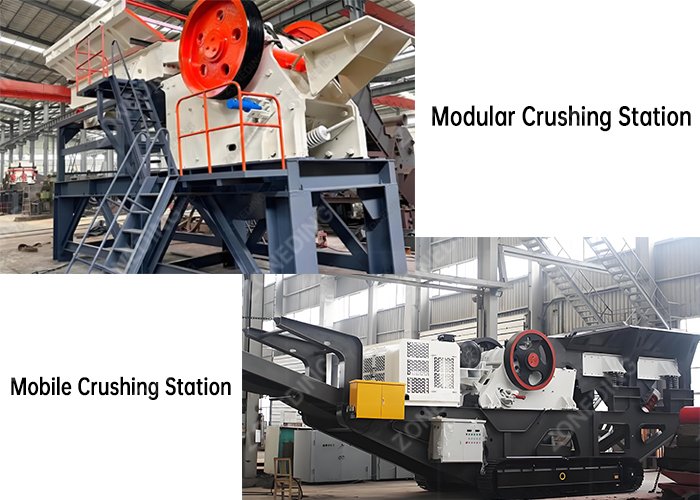
Coarse Crushing: Fixed plants for high capacity or mobile units for flexibility.
Fine Grinding: Rod Mills for uniform feed (less common) or Ball Mills for standard flotation feed.
Classification: Hydrocyclone groups are mandatory for closed-circuit grinding to strictly control particle size and prevent over-grinding.
Reagent System: Matching Chemistry to Mineralogy
Reagent selection must align with the surface physics of specific copper minerals. There is no universal collector suitable for all ore types. For clean Chalcopyrite, simple Xanthates (PAX/SIPX) are effective. However, for oxidized surfaces or mixed ores, more powerful and selective collectors such as Dithiophosphates or Thionocarbamates are required. Frother selection is equally critical. In a flotation cell, bubble size determines carrying capacity. Coarse particles require strong frothers (like Pine Oil or MIBC) to create stable bubbles capable of supporting heavy loads. Conversely, fine particles require weaker, more brittle froths to prevent the entrainment of gangue minerals. Laboratory “locked cycle tests” are essential to verify reagent regimes, as open-circuit tests fail to account for the buildup of reagents in recycled process water.
2026 Trends in Copper Beneficiation
The industry in 2026 is moving decisively towards Pre-Concentration. Bulk sorting sensors installed on conveyor belts after primary crushing are now standard in advanced plants. These sensors detect waste rock (gangue) and utilize air jets to eject it before it enters the energy-intensive grinding circuit. This technology reduces energy costs and water usage by approximately 20-30%.
Key Innovations
Smart Flotation: AI-driven camera systems analyze froth color and velocity in real-time, automatically adjusting air levels and reagent dosage.
Coarse Particle Recovery (CPR): Fluidized bed flotation technologies allow for the recovery of particles up to 500 microns, reducing the need for extreme fine grinding.
Eco-Depressants: The shift toward organic polymers replaces toxic inorganic depressants for pyrite suppression, improving environmental compliance.
Frequently Asked Questions
Q1: How should high clay content in copper oxide ore be handled? Fine crushing should be avoided. A washing machine or Drum Scrubber effectively removes clay from the rock. The clay and rock are then treated separately; clay typically proceeds to agitation leaching, while the clean rock is suitable for heap leaching. Q2: Is Heap Leaching viable with acid consumption at 50kg/ton? Generally, no. Operational costs at this level usually destroy profit margins. Sulfidization Flotation or Agitation Leaching with acid recovery systems should be investigated as alternatives if the ore grade permits. Q3: What causes low recovery in mixed ore circuits? Overdosing of Sodium Sulfide is a common cause. Excess sulfidizer depresses sulfide minerals. Installing Eh sensors and implementing multi-stage addition of sulfidizers ensures optimal potential without suppression. Q4: Can Copper and Gold be processed together? Yes. Gold associated with copper sulfides will float into the concentrate. Free gold requires a Centrifugal Concentrator in the grinding circuit to recover gravity gold before the flotation stage.
About ZONEDING
ZONEDING Machine stands as a global provider of mineral processing solutions, focusing on maximizing recovery rates through engineered precision. From high-efficiency Flotation Machines to rugged Crushing Equipment, the company equips mines to handle complex variations in copper ore. With over two decades of manufacturing experience, ZONEDING assists operations in transforming complex geology into profitable production. Contact ZONEDING for customized copper ore testing and process design solutions.
The cost of a stone crusher plant in 2026 can range from $50,000 to more than $1.5 million depending on capacity, rock type, equipment configuration, automation level, and mobility requirements. Many first-time buyers only compare crusher prices, ...
Mineral screening equipment performs the vital task of size separation in mining. This process occurs after crushing to ensure only the correct stones proceed. Efficient screening prevents the recirculating load from overwhelming the system. In 20...
Choosing between a modular crushing station and a mobile crushing plant depends on project duration and move frequency. A mobile plant offers speed for short projects. A modular plant provides stability for long-term production. I have seen many o...
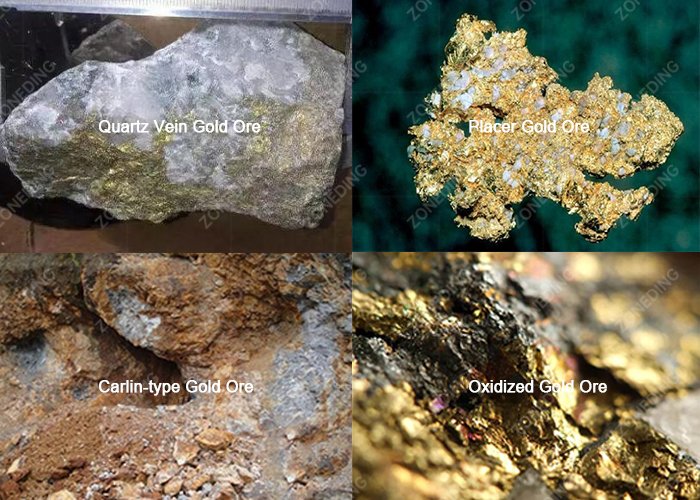
Identifying gold ore accurately determines the absolute survival of any mineral processing plant. A geological report showing 10 grams per ton means nothing if the metallurgical nature prevents extraction. A low-grade oxide gold ore often generate...
We use cookies to ensure that we give you the best experience on our website. If you continue to use this site we will assume that you are happy with it.
Privacy Policy
Send us a message
We would love to hear from you
Submit your question and our team will respond to the email provided as soon as possible.
 Zoneding Machine