 Zoneding Machine












How Feed Size Affects Ball Mill Capacity and Energy Cost
540Learn how ball mill feed size affects throughput, kWh/t, grinding efficiency, and the total cost of crushing and grinding.
View detailsSearch the whole station Crushing Equipment
Capital expenditure (CapEx) for comminution circuits typically exceeds 50% of a mineral processing plant’s total investment, with operational expenditure (OpEx) frequently surpassing 60%. Consequently, the strategic configuration of Crushing and Grinding Equipment Selection dictates the long-term economic viability of any mining project. Successful selection requires moving beyond basic catalog specifications to address system matching, hidden operational costs, and the specific mineralogical characteristics of the deposit. The following engineering-focused analysis details the configuration of production lines based on ore physical properties, emphasizing critical factors such as blasting economics, drive system logistics, and process flow optimization.
Primary crusher selection depends fundamentally on the physical state of Run-of-Mine (ROM) ore, not just capacity. While hardness indices provide baselines, operational realities like fragmentation and clay content dictate the choice. Contrary to common belief, holistic cost analysis often favors gyratory crushers even at lower capacities (600-800 tph).
Gyratory crushers accommodate larger feed sizes, allowing for expanded blasting patterns that can reduce explosive consumption by 20%. Their direct-dump capability also eliminates the need for apron feeders, offsetting higher initial costs. Conversely, jaw crushers suit intermittent feeding and offer simpler maintenance but risk downtime from “bridging” oversized rocks, making feed size analysis crucial.
regarding Ore Physical Property Analysis, moisture above 5% or high clay content risks packing in compression crushers. Hammer crushers are preferable for sticky materials. However, if rock hardness necessitates compression crushing, a heavy-duty Vibrating Feeder with grizzly bars is mandatory to pre-screen fines and clay, preventing packing and ensuring throughput.

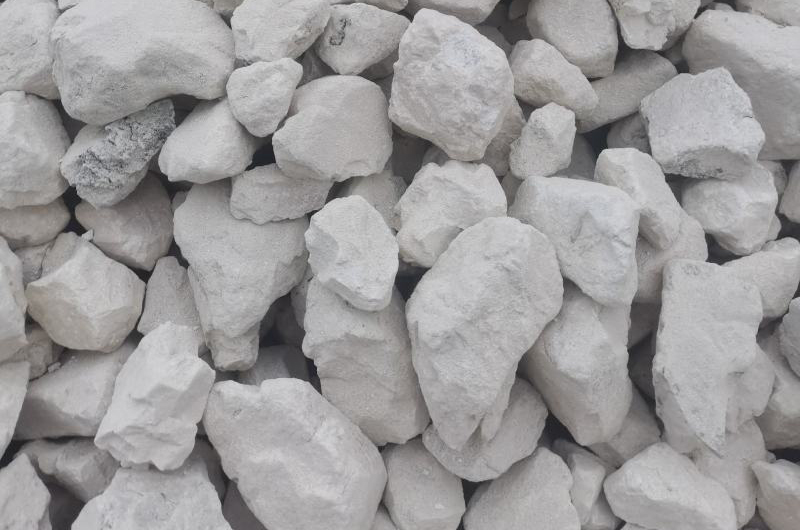

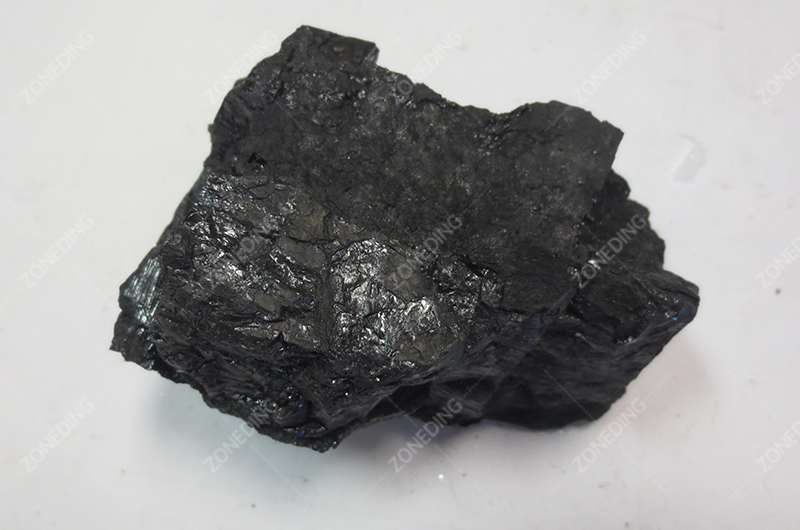
The following table outlines equipment suitability based on ore compressive strength.
| Ore Type | Compressive Strength | Abrasiveness | Recommended Primary Crusher | Recommended Secondary Crusher |
|---|---|---|---|---|
| Granite / Basalt | > 200 MPa | High | Jaw Crusher / Gyratory | Cone Crusher |
| Limestone | < 100 MPa | Low | Impact Crusher | Impact Crusher / Hammer |
| Iron Ore (Magnetite) | > 150 MPa | High | Gyratory / Jaw | Cone Crusher |
| Gypsum / Coal | < 50 MPa | Low | Hammer Crusher | Hammer Crusher |
Secondary and tertiary crushing stages require precise matching of the machine’s breakage mechanism to the rock’s abrasiveness and hardness to control operational costs. For abrasive materials with compressive strength exceeding 150 MPa, such as granite, basalt, or iron ore, the Cone Crusher is the mandatory choice. Cone crushers utilize lamination crushing principles, breaking rock against rock, which significantly minimizes liner wear compared to impact methods. The configuration of the crushing chamber is equally important; a standard head is typically employed for coarse secondary crushing, while a short head design is utilized for fine tertiary crushing to produce a finer product for the grinding circuit.
For softer, less abrasive materials like limestone (<100 MPa), an Impact Crusher offers a distinct advantage through its high reduction ratio. A single impact crusher can often replace both secondary and tertiary stages, simplifying the flowsheet and reducing capital investment. However, the application of impact crushers on high-silica ore or hard rock results in prohibitive wear part costs, rapidly negating any initial savings. Therefore, accurate mineralogical testing for Silica content and Abrasion Index (Ai) is a prerequisite for selecting between impact and compression crushing technologies.
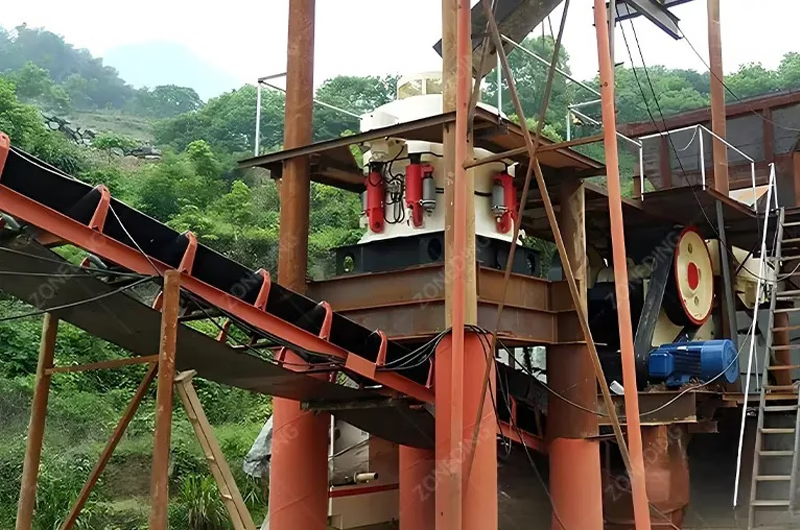
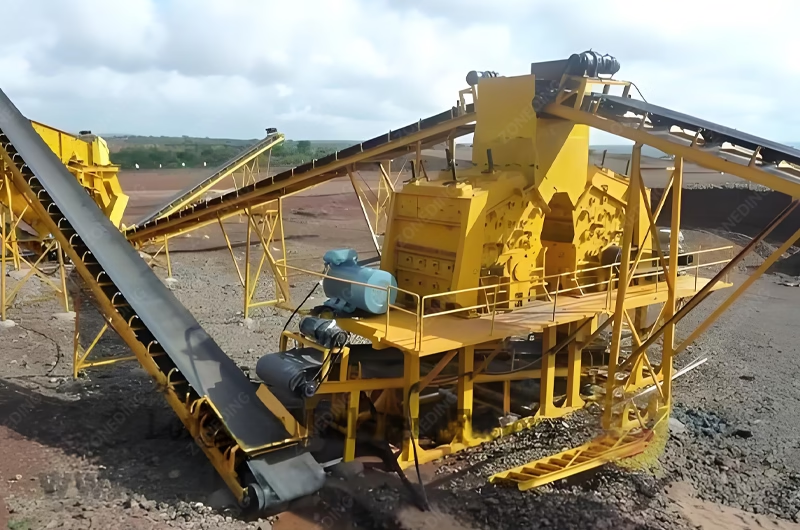
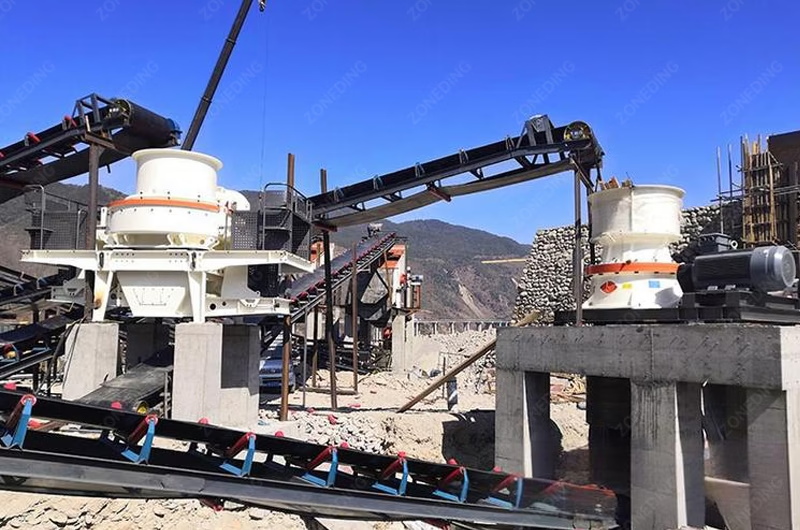
The efficiency of the Ball Mill is directly correlated to the feed size (F80), making the interface between crushing and grinding a critical optimization point. The principle of “More Crushing, Less Grinding” remains a cornerstone of energy-efficient plant design because crushing energy is significantly cheaper than grinding energy in terms of steel consumption and kilowatt-hours per ton. Reducing the ball mill feed size from 12mm to 8mm can increase grinding circuit capacity by 20% to 30%. This reduction is achieved by tightening the Closed Side Setting (CSS) of the tertiary crusher and implementing closed-circuit screening.
A common design flaw involves feeding the product of a cone crusher directly into a ball mill (Open Circuit). Cone crushers inevitably produce a percentage of “flat” or elongated particles larger than the CSS. These particles, often comprising 15-20% of the discharge, drastically reduce grinding efficiency by requiring longer residence time in the mill to break down. To stabilize the P80 and maximize mill throughput, a Vibrating Screen must be installed after the final crushing stage. Oversized material is returned to the crusher, ensuring a consistent, fine feed to the mill. This stable feed allows the ball mill to operate at a constant load, optimizing the consumption of grinding media and liners.
The choice between Dry vs Wet Grinding is fundamentally driven by the downstream processing requirements and local environmental constraints. Wet grinding is the industry standard for flotation, magnetic separation, and leaching circuits, such as a Gold CIL Plant or Copper Processing Plant. Water acts as a transport medium, facilitating the movement of slurry through the mill and classification system. It also suppresses dust and allows for the use of chemical reagents during the grinding process. Wet grinding generally consumes less power per ton compared to dry grinding because the slurry creates a buoyancy effect that reduces the weight of the load.
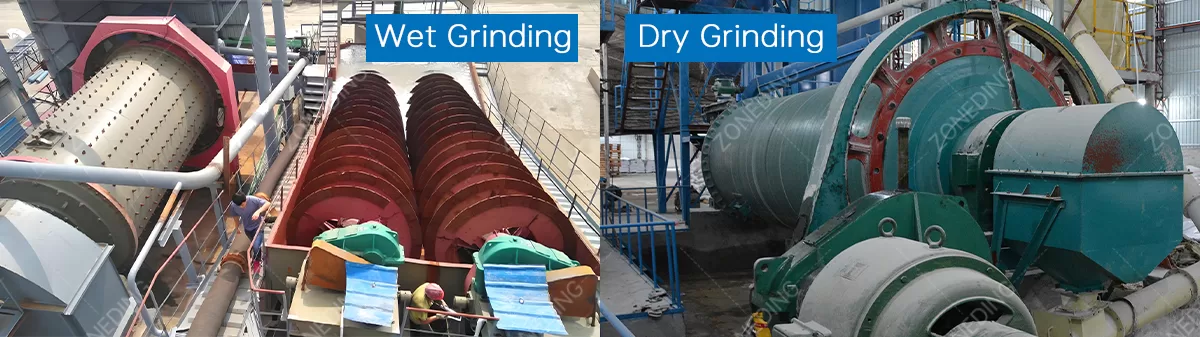
However, in arid regions or for processes requiring a dry powder product, such as cement manufacturing or Gypsum Dryer preparation, dry grinding becomes necessary. Dry grinding systems require complex auxiliary equipment, including air classifiers, dust collectors, and pneumatic transport systems, which increases the initial capital investment and maintenance complexity. The efficiency of dry grinding is also sensitive to the moisture content of the feed; ore with moisture >1% may require simultaneous drying within the mill (air-swept milling) or pre-drying using a Rotary Dryer. While wet grinding is preferred for efficiency, dry grinding provides a viable solution where water scarcity is a limiting factor or where the final product must be dry.
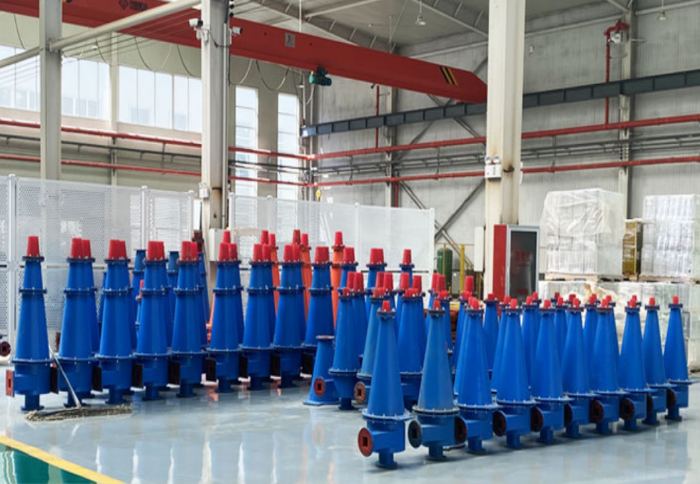
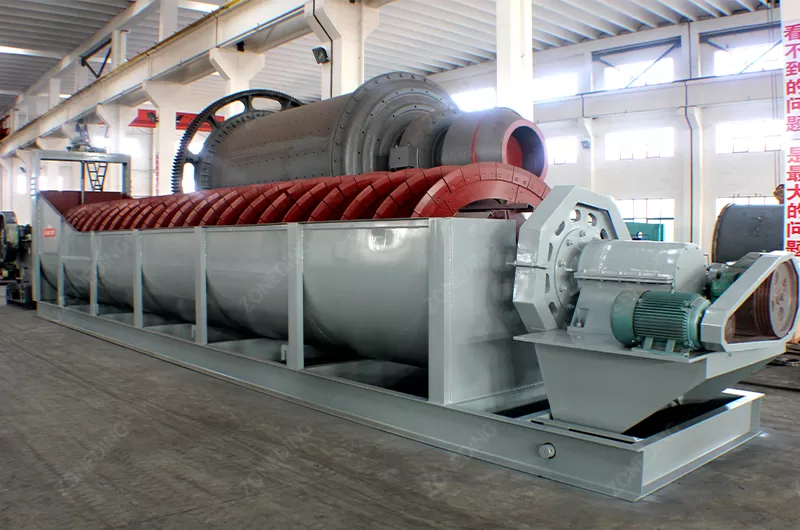
Implementing a Closed-circuit Grinding Process is the most effective method to prevent over-grinding and increase total plant capacity. In an open circuit, material passes through the mill once, requiring a long residence time to ensure all particles reach the target fineness. This invariably leads to the over-grinding of material that is already fine enough, wasting energy and producing slimes that are difficult to recover. A closed circuit introduces a classification step, such as a Hydrocyclone or a Spiral Classifier, which separates the mill discharge into fine product (overflow) and coarse material (underflow).
The coarse material is returned to the mill for further grinding. This circulating load allows the mill to operate with a shorter residence time, effectively grinding only the coarse particles while removing the fines immediately. For specific applications like Tungsten Ore Processing or Tin Ore Processing, where the mineral is brittle and prone to over-grinding, the use of a spiral classifier or screening in a closed circuit with a Rod Mill is superior to hydrocyclones. The rod mill provides selective grinding (line contact), and the classifier ensures that mineral grains are removed as soon as they are liberated, maximizing recovery in subsequent gravity separation stages.
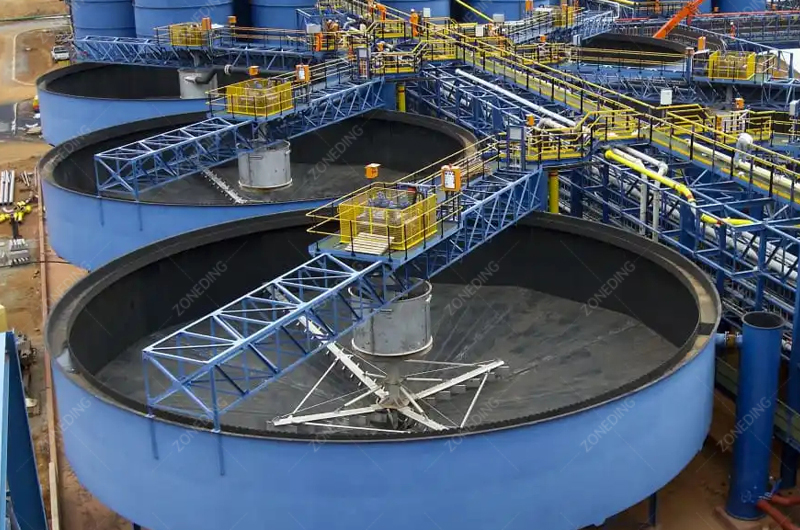
The operational longevity of crushing and grinding equipment in extreme conditions depends heavily on the correct selection of wear materials and cavity designs. For high-abrasion applications, such as primary grinding in SAG Mills or large ball mills, Chrome-Moly Steel liners are essential. Rubber liners, while quieter and lighter, cannot withstand the high-impact energy of large steel balls (100mm+) used in primary grinding. The “cushioning effect” of rubber absorbs impact energy intended for rock breakage, significantly reducing mill capacity. However, for secondary regrinding of fine, abrasive slurries, rubber liners offer superior life and corrosion resistance.
Dealing with sticky ores requires specific cavity modifications. In crushing, selecting a “Super Coarse” or “Wide” cavity prevents packing. For grinding, the material rheology may require chemical dispersants or a higher water-to-solids ratio to maintain flow. Additionally, for specific brittle ores like tungsten or silica sand, the choice of a Rod Mill over a ball mill is a critical strategic decision. Rods provide line contact which minimizes the production of unrecoverable slimes, a factor that often outweighs the higher efficiency of ball mills in these specific mineralogical contexts.
The integration of High Pressure Grinding Rolls (HPGR) continues to reshape comminution circuits in 2026, replacing tertiary cone crushers and SAG mills in hard rock applications. HPGR technology creates micro-cracks in ore particles, reducing the Bond Work Index for the subsequent ball milling stage by 10-20%. This pre-weakening effect is becoming standard for high-tonnage Iron Ore Beneficiation. Furthermore, the adoption of Tire Drive systems for ball mills in remote locations is increasing, eliminating the need for large ring gears and simplifying supply chains by using standard truck tires for mill rotation.
Q1: How does high clay content affect crushing equipment performance?
Clay content exceeding 10% frequently leads to chamber packing in compression machines such as cone and jaw crushers. To mitigate this, a Vibrating Feeder equipped with a grizzly section must be installed to scalp fines prior to the crushing stage. In instances where the ore is both soft and sticky, utilizing a hammer crusher or a specialized non-clogging impactor is preferable to standard compression crushers.
Q2: Under what conditions is a Rod Mill superior to a Ball Mill?
A Rod Mill becomes the preferred comminution device when processing brittle minerals such as Tungsten, Tin, or Silica Sand. The grinding media (steel rods) provide line contact rather than point contact, effectively minimizing over-grinding and the generation of ultra-fine slimes. This preservation of particle size is critical for maintaining recovery rates in subsequent gravity separation processes.
Q3: What economic and operational benefits does a closed-circuit crushing system offer?
Closed-circuit crushing, facilitated by a check screen, prevents oversized particles from entering the Ball Mill. This configuration guarantees a consistent feed size (P80), which stabilizes mill operation and optimizes the grinding charge. Consequently, energy consumption is reduced, and overall grinding capacity can increase by up to 30%, significantly lowering the cost per ton.
Q4: Why is the choice of liner material critical for mill efficiency?
Liner material directly influences both lifespan and energy transmission. For primary grinding with large steel balls, Chrome-Moly Steel liners are required to withstand high impact. Rubber liners, while durable against abrasion, can absorb impact energy, reducing breakage efficiency in coarse grinding. Therefore, steel is selected for impact zones, while rubber is reserved for fine grinding and abrasive slurry applications.
ZONEDING Machine manufactures a complete range of comminution equipment tailored to diverse mineralogical conditions. From heavy-duty Jaw Crushers and precision Cone Crushers to specialized Rod Mills and energy-efficient Ball Mills, ZONEDING provides integrated solutions. The engineering team focuses on maximizing recovery and minimizing operational costs through customized circuit design and robust equipment manufacturing.
Contact ZONEDING to obtain a customized equipment selection proposal.
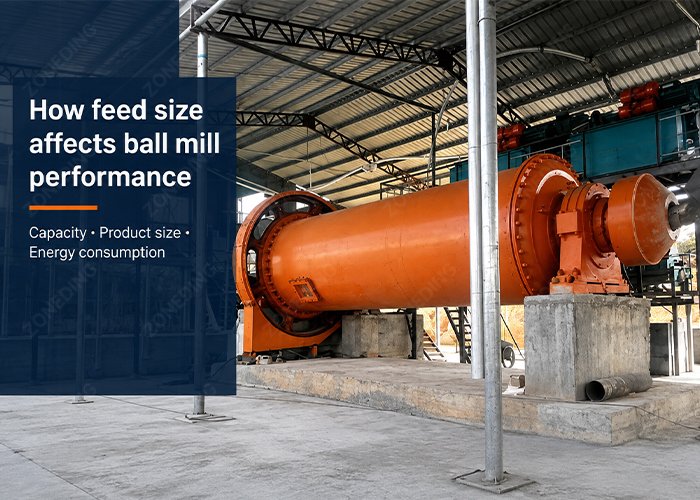
Learn how ball mill feed size affects throughput, kWh/t, grinding efficiency, and the total cost of crushing and grinding.
View details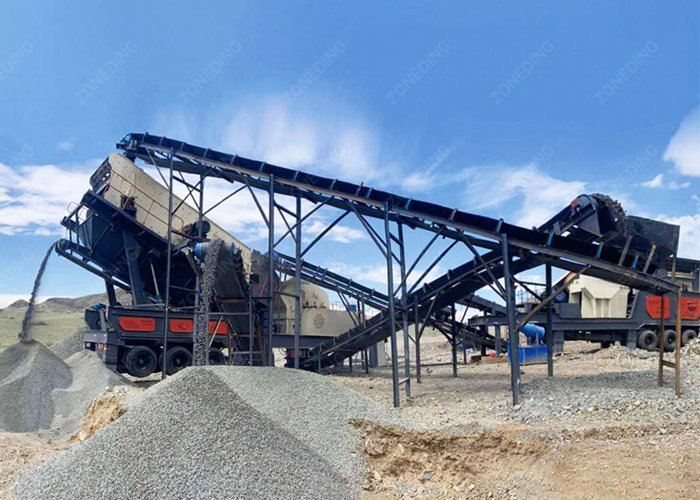
A represents the peak of integrated mineral processing technology. This machine functions as a complete factory on wheels or tracks. It performs feeding, crushing, and screening in one continuous flow. This setup eliminates the need for expensive ...
View details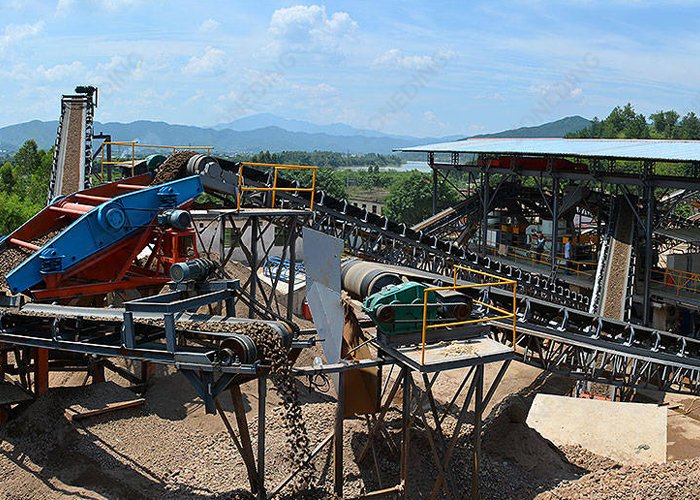
A rock quarry can be very profitable if you control production costs, transportation distance, and equipment efficiency. In many regions, aggregate demand keeps growing because of roads, housing, and infrastructure projects. But quarry profit does...
View details
ZONEDING helps gold plants improve output by controlling the full process, not just one reagent or one machine. A stable gold recovery rate comes from liberation control, classification stability, efficient separation, and strict loss ac...
View details