Tungsten is a strategic metal characterized by its extreme density and brittleness, often described in mineral processing as “heavy as iron but fragile as glass.” The successful extraction of this metal depends entirely on correctly identifying the mineralogy—specifically distinguishing between Wolframite ((Fe,Mn)WO₄) and Scheelite (CaWO₄)—and applying the appropriate separation physics. A fundamental error in equipment selection, such as applying standard flotation reagents to Wolframite or relying solely on gravity separation for fine Scheelite, will result in catastrophic losses in the Recovery Rate. This technical analysis outlines the distinct Tungsten Ore Processing Flow requirements for each mineral type, focusing on the suppression of slime generation, the management of calcium-bearing gangue, and the specific application of gravity and flotation equipment.
Mineral Identification: Physical and Chemical Dictates
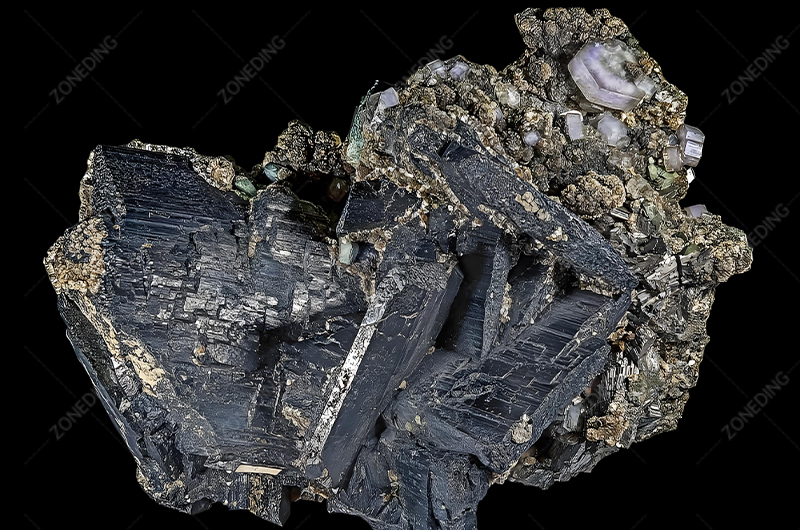
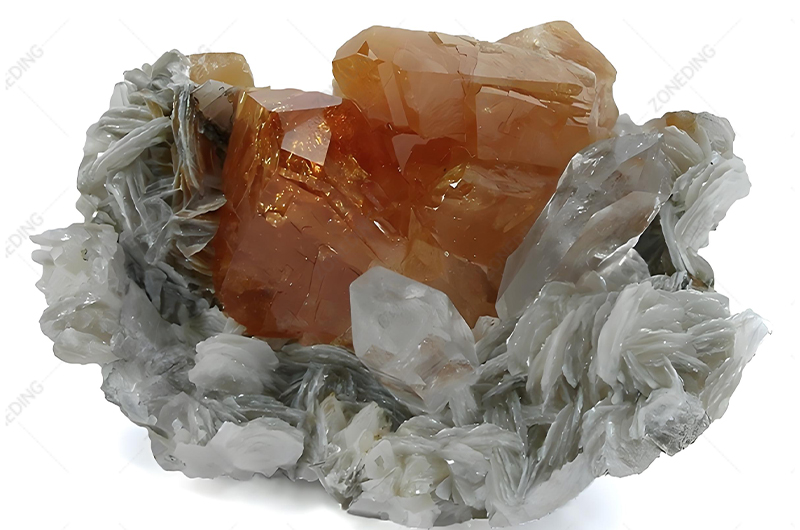
The design of a beneficiation plant begins with the specific gravity and surface chemistry of the ore. Wolframite, with a density of 7.1–7.5 g/cm³, possesses a significant gravity differential compared to common quartz gangue (2.65 g/cm³), making it an ideal candidate for gravity separation. However, its magnetic properties vary significantly based on the Iron-to-Manganese ratio (Fe/Mn). Ferberite (iron-rich) is strongly magnetic, while Huebnerite (manganese-rich) is weakly magnetic, a distinction that determines the effectiveness of high-intensity magnetic separators later in the circuit. Conversely, Scheelite (density 5.9–6.1 g/cm³) is often associated with other calcium-bearing minerals like Calcite and Fluorite. Because these minerals share similar flotation characteristics and densities, simple gravity separation often fails to achieve high concentrate grades. Therefore, Scheelite processing relies heavily on surface chemistry manipulation (flotation) rather than density differences alone.
Pre-Concentration: The Role of Optical and Hand Sorting
Before the ore enters the fine crushing and grinding circuit, removing barren waste rock is essential to lower the overall energy consumption of the plant. For tungsten ores, which are typically found in vein deposits, there is often a distinct color or density difference between the ore and the wall rock. While traditional manual hand sorting is still utilized in regions with low labor costs, modern operations are shifting toward sensor-based sorting. X-Ray Transmission (XRT) sorters are particularly effective for Wolframite. Although both the ore and waste might appear visually similar, tungsten atoms absorb X-rays significantly more than the surrounding silicate rock. Ejecting 40% to 60% of the waste rock at the coarse crushing stage (particle sizes of 20mm–80mm) significantly increases the feed grade entering the mill, thereby reducing the required capacity of the expensive grinding and separation sections.
Wolframite Flow: Gravity Separation as the Standard
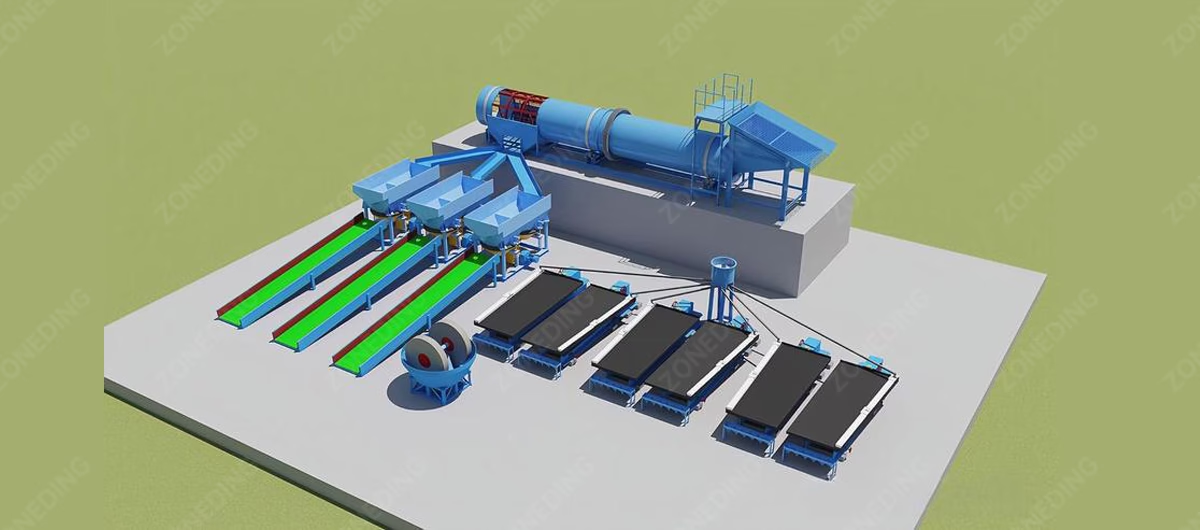
Gravity Separation constitutes the core strategy for processing black tungsten ore. The flow sheet generally follows a multi-stage approach: coarse separation using jigs, medium separation using spiral chutes, and fine separation using shaking tables. The primary objective is to recover the mineral as soon as it is liberated to prevent “over-grinding.” Because Wolframite is extremely brittle, excessive residence time in a ball mill turns the valuable mineral into “slimes” (<30 microns), which are notoriously difficult to recover using conventional gravity methods.
Wolframite Processing-Gravity Separation
The Critical Role of the Rod Mill
To mitigate the risk of over-grinding, the Rod Mill is the mandatory equipment choice for the primary grinding stage of Wolframite, rather than the Ball Mill. Steel rods inside the mill create “line contact” crushing, focusing force on the largest particles while allowing smaller particles to pass through the voids untouched. This selective grinding mechanism produces a uniform product size with minimal fines generation. A ball mill, by contrast, operates on “point contact” and random cascading, which would pulverize the brittle Wolframite into unrecoverable dust. Industrial data suggests that replacing a ball mill with a rod mill in a Wolframite circuit can increase gravity recovery rates by 10% to 15% simply by preserving the particle size.
Jig and Shaking Table Configuration
For coarse liberated particles (typically 1mm to 10mm), the Jigging Separator Machine is deployed. The vertical pulsation of water in the jig stratifies the material bed, allowing the heavy Wolframite to settle and be discharged as concentrate while the lighter gangue floats away. This stage handles the bulk of the heavy load. For finer particles (typically 0.074mm to 2mm) that bypass the jig, the Shaking Table provides the final high-precision separation. The asymmetrical reciprocating motion of the table, combined with a thin film of water, effectively separates the heavy tungsten bands from the lighter silica. While shaking tables have a lower throughput capacity, they offer extremely high enrichment ratios, often producing final saleable concentrate in a single pass.
Scheelite Flow: Flotation as the Only Viable Path
Scheelite Tungsten Ore Flotation
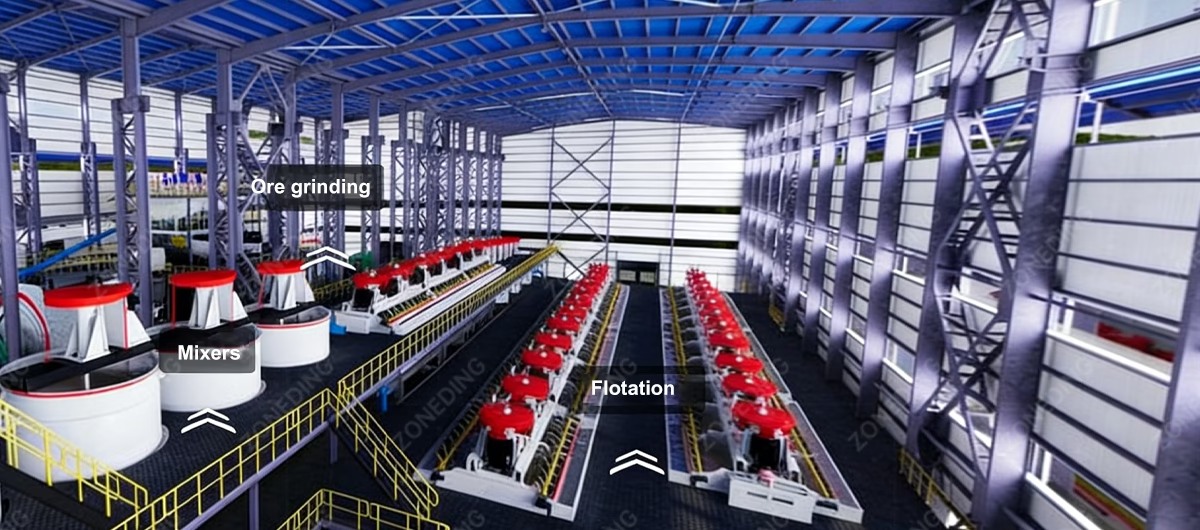
Unlike Wolframite, Scheelite Flotation is the dominant method for white tungsten ore due to its frequent association with other heavy minerals and its fine dissemination. The major metallurgical challenge in Scheelite flotation is separating it from Calcareous Gangue (minerals containing calcium), such as Calcite (CaCO₃) and Fluorite (CaF₂). Since Scheelite (CaWO₄) is also a calcium salt, conventional fatty acid collectors adsorb onto all three minerals indiscriminately. Without specialized process controls, the concentrate will contain excessive levels of calcium carbonate, failing to meet market specifications.
The Petrov Process (Heating Method)
To solve the separation of Scheelite from Calcite, the industry utilizes the “Petrov Process” (High-Temperature Desorption). This involves thickening the rougher concentrate to a high solid density (60-70%) and transferring it to a heated conditioning tank. The pulp is heated to 80°C – 90°C, and a large dosage of Sodium Silicate (Water Glass) is added. Under these high-temperature conditions, the collector film on the surface of the Calcite and Fluorite desorbs (detaches) rapidly, while the collector remains firmly attached to the Scheelite. Following this heating stage, the pulp is diluted and floated again. The depressed gangue minerals sink, while the high-grade Scheelite floats. This thermal-chemical method is the industry standard for achieving Scheelite concentrates exceeding 65% WO₃.
UV Detection for Process Control
A distinct physical property of Scheelite is its fluorescence under short-wave ultraviolet (UV) light. When exposed to UV radiation, Scheelite glows a bright light blue. Plant operators utilize this property for real-time visual assessment. By installing high-intensity UV lamps over the Shaking Table decks or tailings discharge points, operators can instantly visually quantify the amount of Tungsten being lost or recovered without waiting 24 hours for laboratory assay results. This allows for immediate adjustments to reagent dosage or table inclination.
Handling Fines: The Centrifugal Solution
Both processing methods face the inevitable challenge of tungsten slimes—particles smaller than 40 microns that are too light for shaking tables and have slow flotation kinetics. Historically, these fines were discharged to tailings, representing a significant revenue loss. Modern circuits integrate a Centrifugal Concentrator to recover this fraction. By generating a G-force of 60 to 300 times normal gravity, the centrifuge amplifies the density difference between the microscopic tungsten particles and the gangue. This enhanced gravitational field captures the ultra-fine tungsten that would otherwise be washed away by the water flow on a static chute or table.
Feature
Wolframite Processing
Scheelite Processing
Primary Mechanism
Gravity Separation
Flotation
Grinding Equipment
Rod Mill (Prevent Fines)
Ball Mill (Liberation)
Key Reagent/Force
Gravity / Magnetism
Fatty Acids / Sodium Silicate
Separation Challenge
Slime Generation
Separation from Calcite
Specific Technique
High-Intensity Magnetic Separation
Petrov Process (Heating)
Mixed Ore Strategy: Gravity First, Flotation Second
Deposits containing both Wolframite and Scheelite require a hybrid flow sheet. The established engineering principle for such ores is “Gravity First, Flotation Second.” The process begins with gravity separation to recover the coarse Wolframite and coarse Scheelite. The tailings from the gravity circuit are then reground and sent to the flotation circuit to recover the fine Scheelite and residual Wolframite slimes. Reversing this order is detrimental; if flotation is performed first, the organic reagents coat the mineral surfaces, altering their friction and wettability, which drastically reduces the efficiency of subsequent gravity and magnetic separation steps.
FAQs
Q1: Why is the Fe/Mn ratio important in Wolframite processing? The ratio determines the magnetic susceptibility of the ore. Iron-rich Ferberite is relatively magnetic and can be recovered or purified using high-intensity magnetic separators. Manganese-rich Huebnerite is weakly magnetic, rendering magnetic separation less effective and necessitating a heavier reliance on gravity concentration methods like shaking tables. Q2: Can Scheelite be recovered using gravity separation? Yes, but usually only for coarse particles. Because Scheelite’s density is closer to that of associated heavy gangue minerals, gravity separation often produces a “dirty” concentrate. Flotation is required to achieve high-grade concentrates by chemically separating the Scheelite from similarly dense impurities. Q3: What is the main advantage of using a Rod Mill for tungsten ore? Rod mills utilize “line contact” between the steel rods to crush ore. This mechanism selectively breaks large particles while preventing the pulverization of finer particles. For brittle tungsten ore, this is crucial to minimize the production of unrecoverable slimes (over-grinding). Q4: How does the Petrov Process separate Calcite from Scheelite? The Petrov Process utilizes high temperatures (80-90°C) combined with Sodium Silicate. The heat accelerates the desorption of fatty acid collectors from the surface of Calcite and Fluorite, essentially “cleaning” the gangue so it sinks, while the collector remains attached to the Scheelite, allowing it to float. Q5: Is it possible to process mixed Wolframite and Scheelite ores together? Yes, by employing a combined circuit. The standard protocol involves recovering coarse minerals via gravity separation first, followed by regrinding the tailings and processing them via flotation. This maximizes recovery of both mineral types without cross-contamination of reagents.
Summary
The design of a Tungsten Ore Processing Flow is not a one-size-fits-all solution but a mineralogy-dependent engineering challenge. Wolframite circuits must prioritize density differentials using Jigging Separator Machine and shaking tables, supported by rod milling to prevent brittleness-induced losses. Scheelite circuits rely on the chemical selectivity of flotation, utilizing the thermal Petrov process to overcome the calcium-gangue barrier. For both ore types, the integration of modern technologies such as XRT optical sorting and centrifugal concentration for fines ensures that the high value of tungsten is captured from the mine to the concentrate bag.
About ZONEDING
ZONEDING provides comprehensive mineral processing solutions tailored for rare and strategic metals. From robust Rod Mill manufacturing to the engineering of complete Tungsten Ore Processing Plant systems, the company ensures equipment matches the specific geological demands of the ore body. ZONEDING’s laboratory services assist in determining the optimal Fe/Mn ratios and flotation parameters for maximum recovery. Contact ZONEDING today to optimize your tungsten beneficiation circuit.
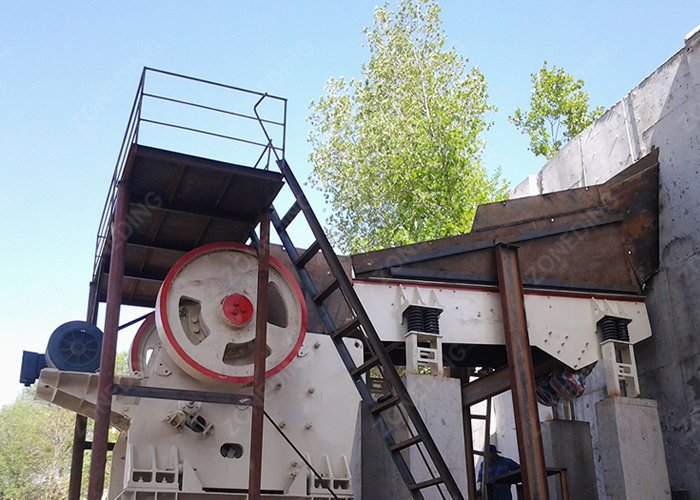
A jaw crusher is the heavy-duty gatekeeper of most mining and aggregate production lines. This primary rock crusher uses high pressure to break large boulders into smaller, manageable pieces. It is the first machine in a crushing plant. Most opera...
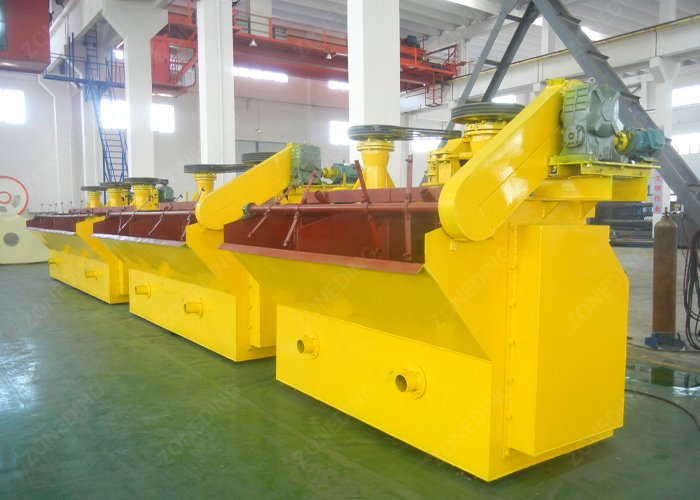
Understanding the main components of flotation machine is mandatory for maximizing profits in mineral processing plants. A flotation cell acts as a highly precise separation instrument. The internal mechanical structure dictates the exact slurry s...
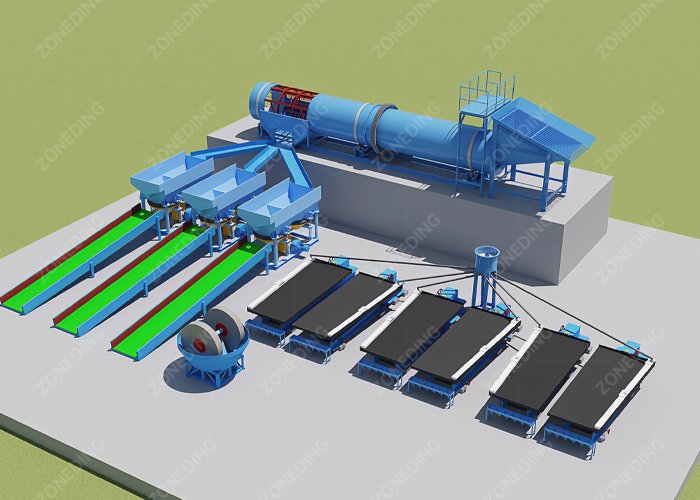
Stop fine gold loss by using a combination of high-energy washing and centrifugal separation. Most mines lose 30% of their gold because they only use simple sluice boxes. Successful alluvial gold processing technology requires a multi-st...
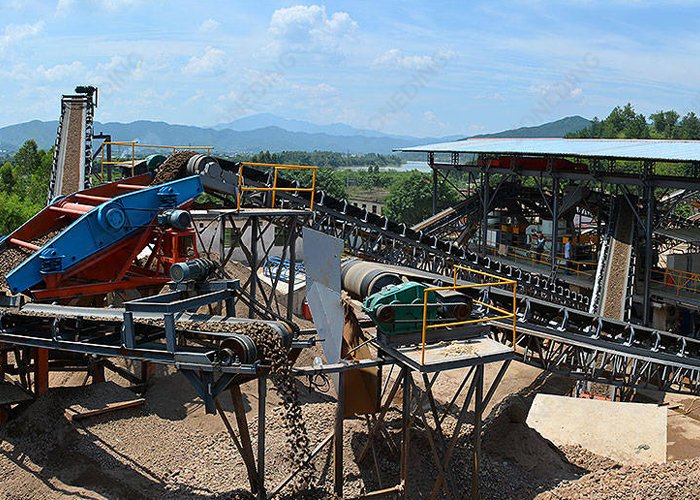
A rock quarry can be very profitable if you control production costs, transportation distance, and equipment efficiency. In many regions, aggregate demand keeps growing because of roads, housing, and infrastructure projects. But quarry profit does...
We use cookies to ensure that we give you the best experience on our website. If you continue to use this site we will assume that you are happy with it.
Privacy Policy
Send us a message
We would love to hear from you
Submit your question and our team will respond to the email provided as soon as possible.
 Zoneding Machine