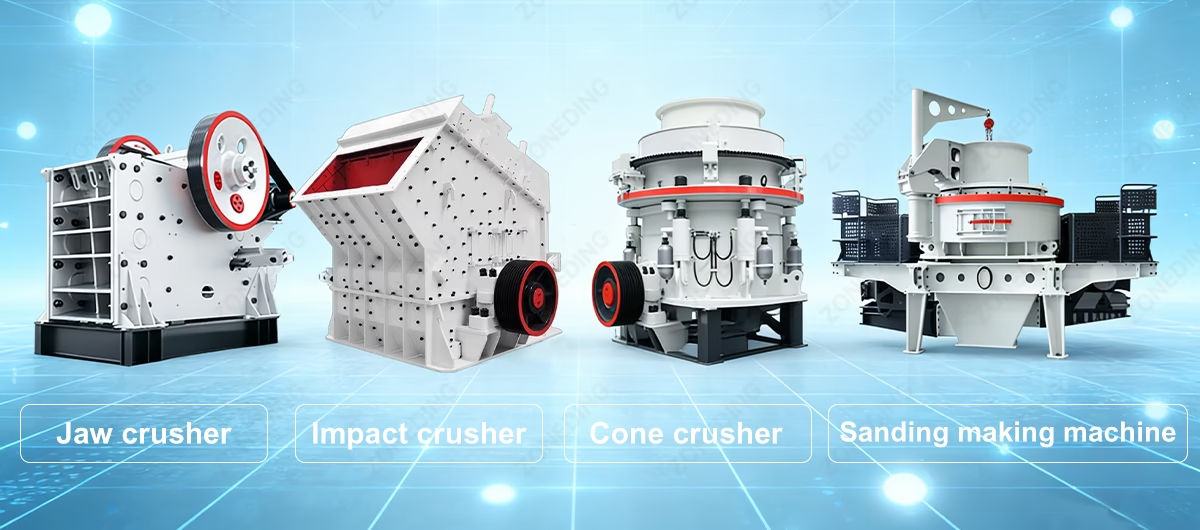
In the mining and aggregate sectors, a veteran axiom holds true: ‘Crushers are not worn out; they are shaken out and repaired out.’ While many operators fixate solely on throughput volume, neglecting the unique mechanical demands of each machine leads to premature failure. ZONEDING understands that disciplined maintenance is the key to extending equipment lifespan by 100% and reducing energy consumption by 20%. Leveraging extensive field expertise, ZONEDING presents essential maintenance protocols for Jaw, Cone, Impact, and VSI crushers, providing you with the actionable insights needed to eliminate costly downtime and maximize operational efficiency.
Why is reactive maintenance the most expensive strategy?
Maintenance is not a cost. It is an investment in profit. Many site managers wait for a machine to break. This is the “run-to-failure” method. This method is the most expensive way to operate. The cost of a breakdown is not just the repair bill. It includes the lost production revenue. It includes idle labor costs. It includes the high shipping fees for emergency parts. Preventive maintenance follows a schedule. You change parts before they fail. Predictive maintenance uses data. You monitor the health of the machine in real-time. This changes the game. You fix issues only when necessary, but before catastrophe. This strategy increases equipment availability. It stabilizes your cash flow. It ensures safety for your workers. A well-maintained plant produces 20% more aggregate annually than a reactive plant.
Jaw Crusher: How to Adjust CSS and Check Toggle Plate Wear for Capacity?
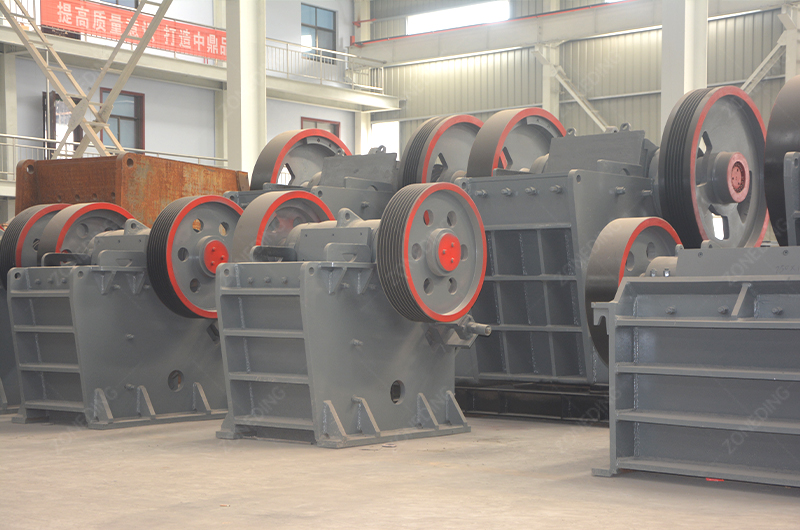
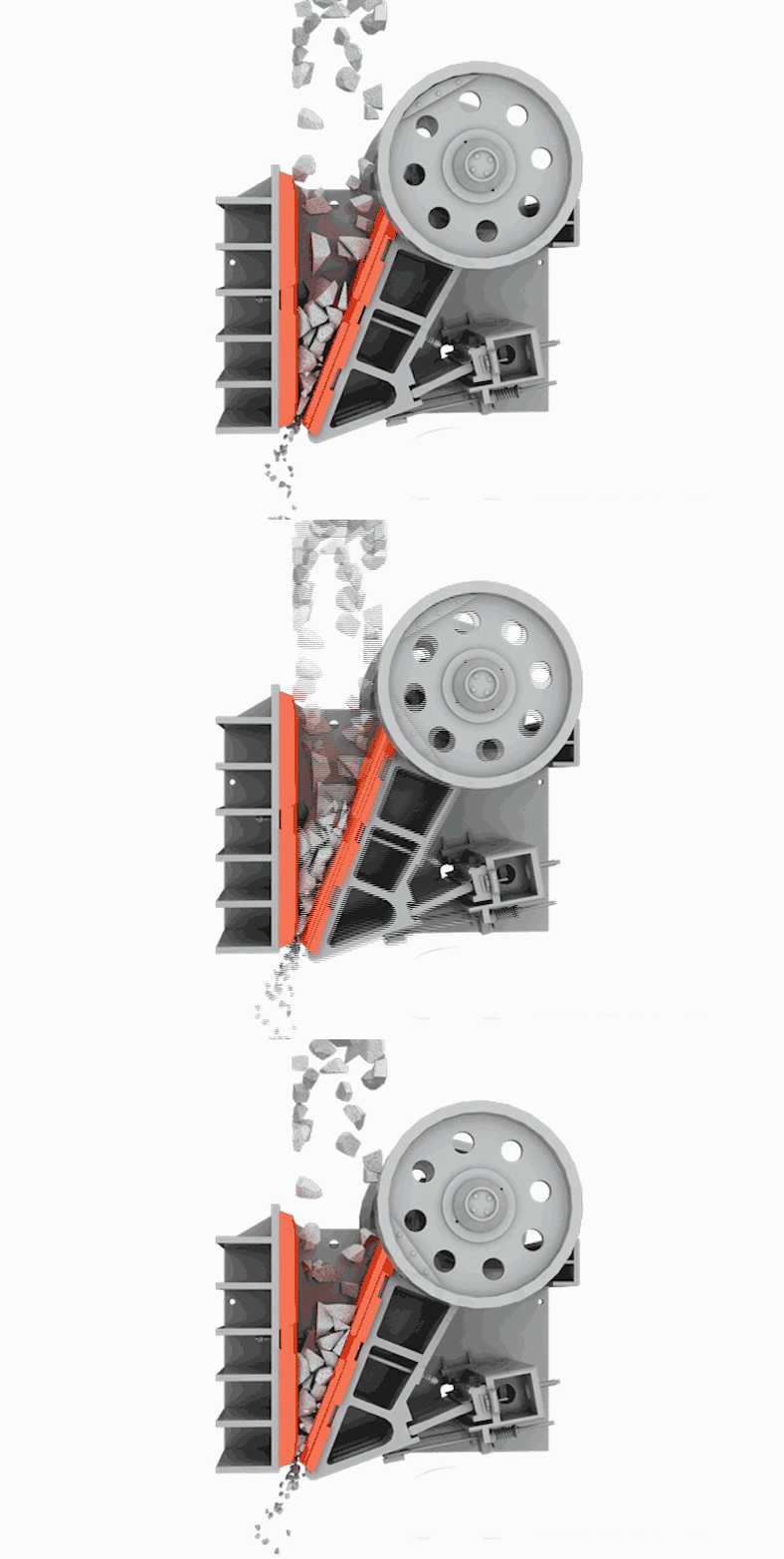
The is a robust primary machine. However, two specific areas often cause major failures: the toggle seat and the feed size.
Jaw Crusher
Toggle Seat Lubrication Operators often view the toggle plate only as a safety device against overload. However, the toggle seat is a critical lubrication point. If the toggle seat runs dry, metal grinds against metal. This generates high-frequency vibrations. These vibrations transmit directly to the main frame. We have investigated many cracked frames. The cause is usually a dry toggle seat, not hard rock. You must grease the toggle seat daily. A well-lubricated toggle plate absorbs shock and protects the frame. Feed Size and Nip Angle A common error is feeding oversized rocks. The maximum particle size should be 85% of the feed opening width. If the rock is too large, the “Nip Angle” becomes too wide. The jaw plates cannot grip the material. The rock spins in the upper chamber. This causes “slippage” and rapid localized wear. It also stops production. If you see material popping back up (fly rock), your Closed Side Setting (CSS) is likely too wide. You should reduce the CSS or install jaw plates with a sharper tooth profile to improve the grip.
Cone Crusher: How to Control Feed and Hydraulic Systems to Avoid Stalling?
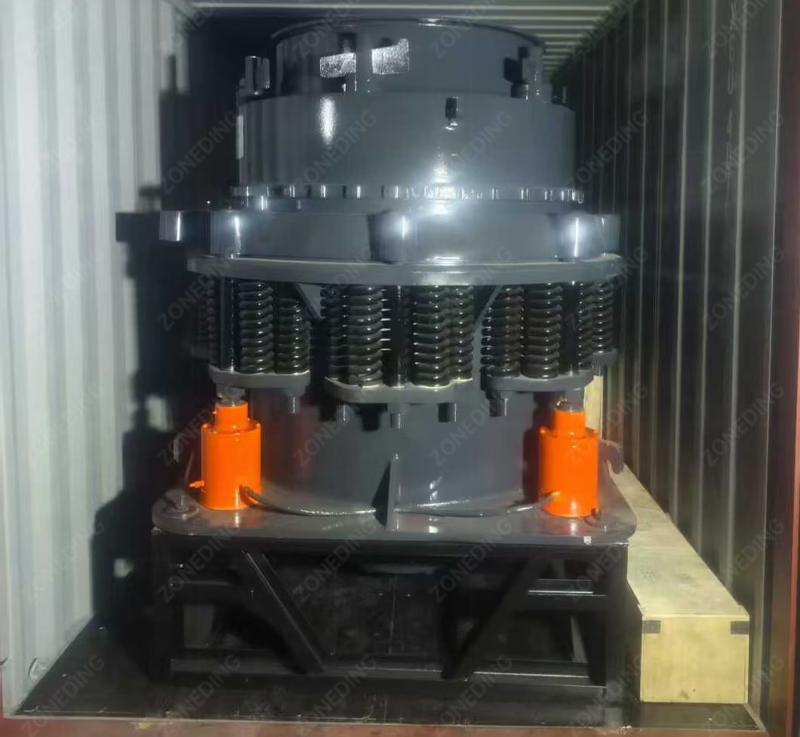
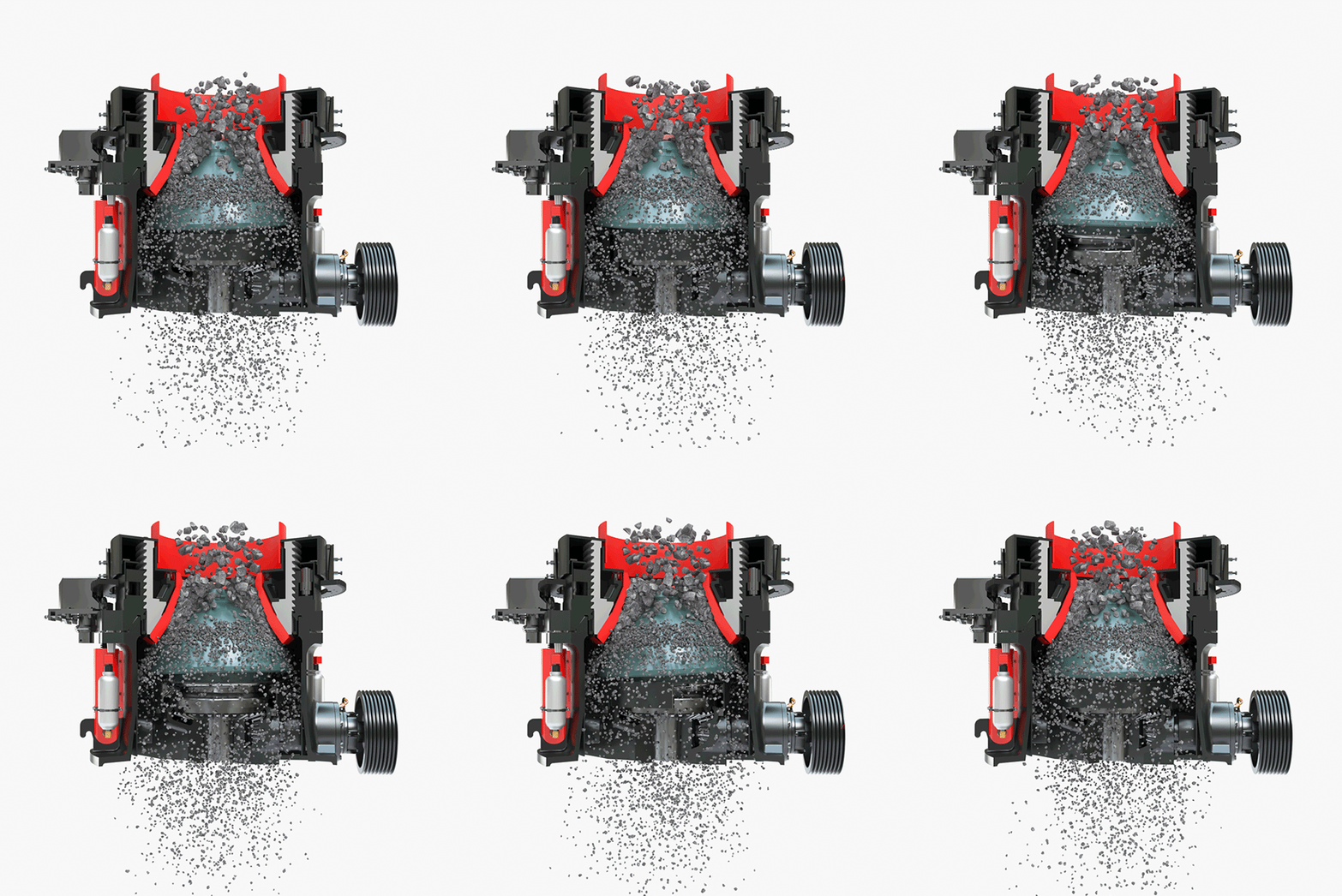
The Cone Crusher relies on “lamination crushing” principles. Efficiency depends on how you feed it.
Cone Crusher
The Necessity of Choke Feeding 90% of operators make a mistake here. They see a full hopper and slow down the feeder. This is incorrect. You must maintain a Choke Feed. You must keep the cavity full of rock. The weight of the material pushes the rock through the crushing zone.
Low Level Operation: Running with a low cavity level causes uneven loading. The mantle impacts stones individually. This causes the main shaft to wobble or “jump.” This destroys the bronze bushings and seals.
Full Level Operation: Choke feeding stabilizes the amp draw. It produces a cubical product shape. It extends liner life because wear distributes evenly around the chamber. Liner Wear Management Do not use liners until they wear through completely. When liner wear exceeds 50-60%, the chamber geometry changes. The capacity drops significantly. The power consumption per ton increases. You should change liners before efficiency drops. The cost of electricity and lost production is higher than the value of the scrap metal.
Impact Crusher: How to Adjust Impact Plate Gap to Optimize Particle Shape?
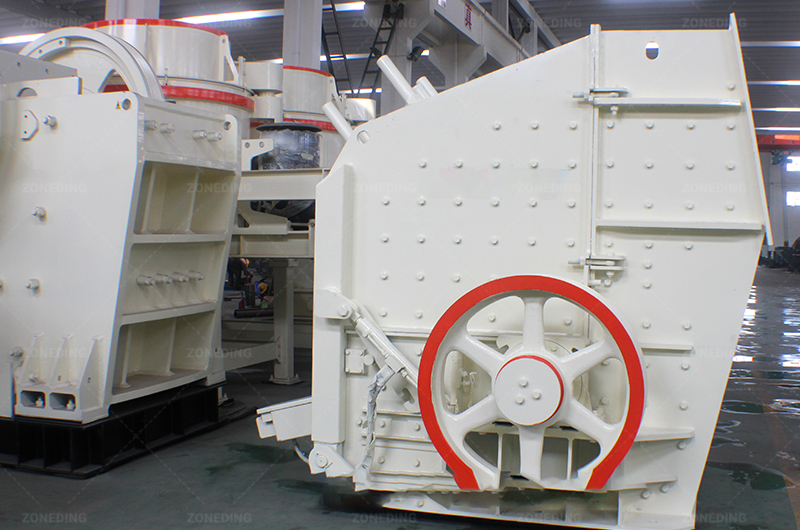
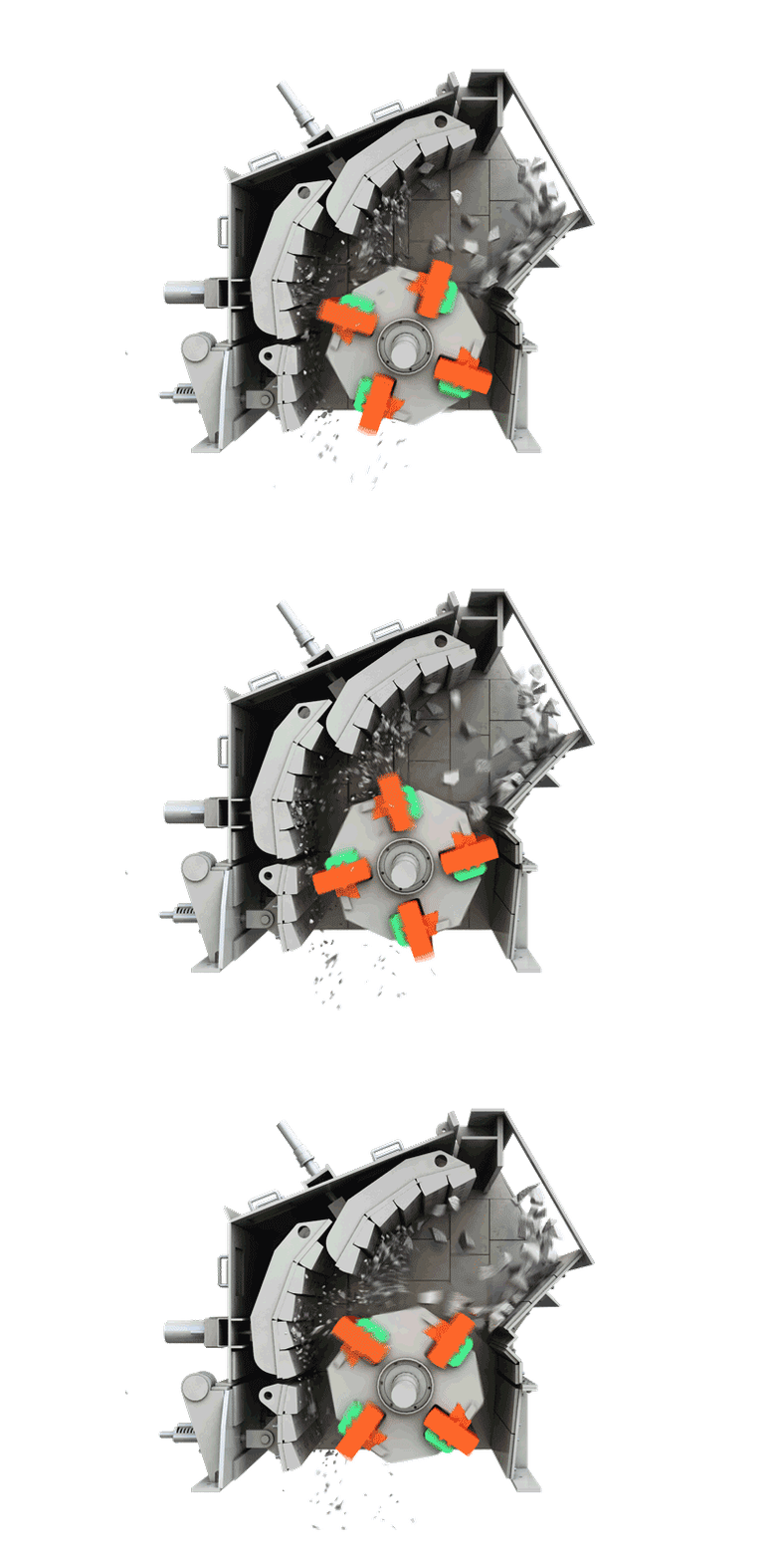
The Impact Crusher (HSI) shapes material well. Its performance depends on the blow bars and the gap settings.
Impact Crusher
Blow Bar Material Selection You cannot use High Chrome bars for every application. High Chrome is hard but brittle. If you process abrasive granite or feed containing iron, High Chrome bars will shatter.
High Chrome: Use for clean, non-abrasive Limestone.
Martensitic/High Manganese: Use for hard rocks or recycled concrete with rebar. These materials provide toughness to prevent breakage. Gap Adjustment Strategy Blow bars wear down over time. This increases the gap between the rotor and the impact curtains (aprons). A larger gap produces coarser output. This increases the load on the return belt and reduces total plant capacity. You should check this gap weekly. Modern ZONEDING crushers use hydraulic assist devices. This allows you to adjust the setting quickly. Keep the gap tight to maintain a high reduction ratio.
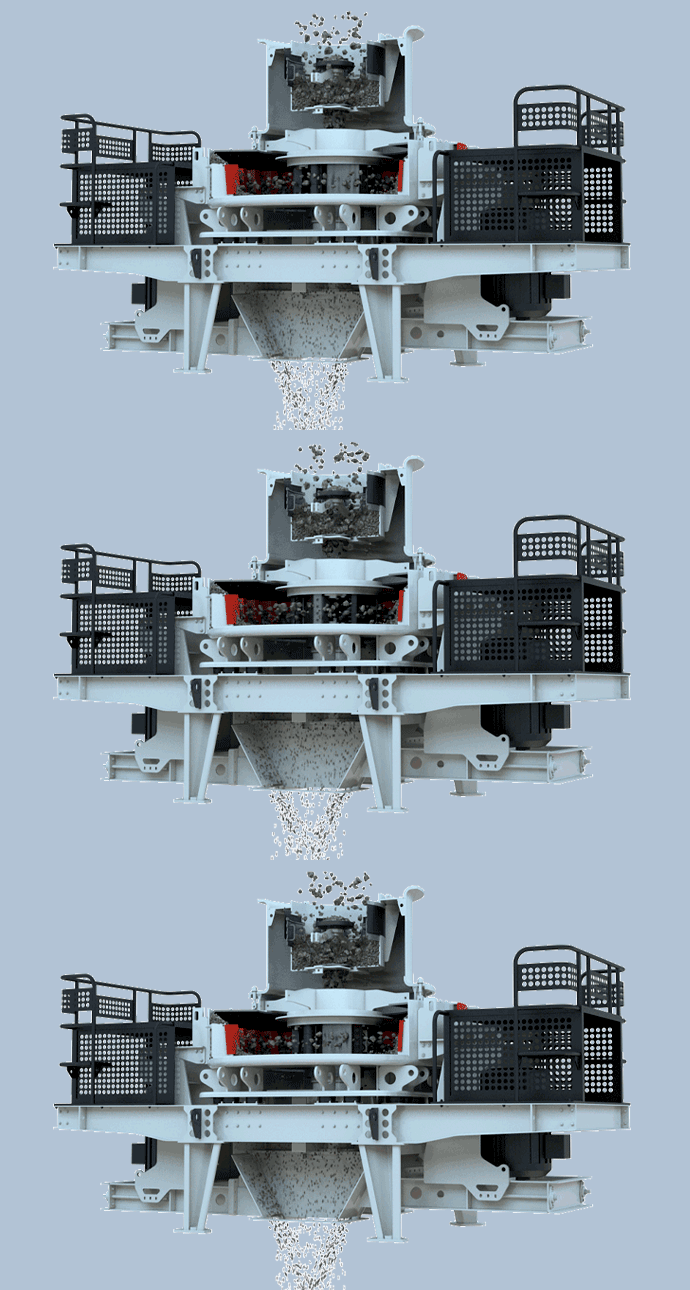
VSI Sand Maker: How to Balance Center and Cascade Feed to Delay Tip Wear?
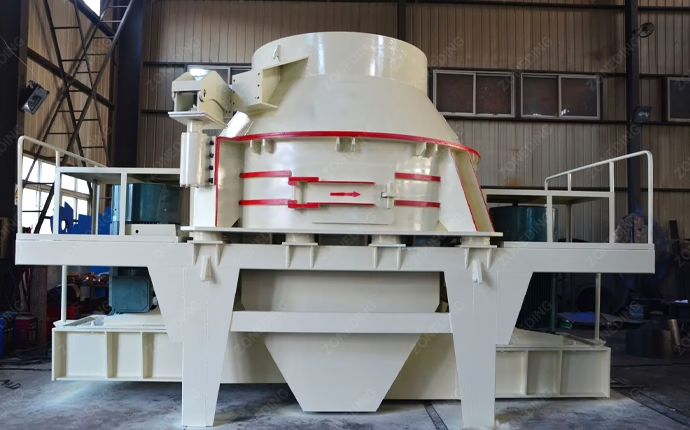
The Sand Making Machine (VSI) operates at high speeds (50-70 m/s). Rotor balance is the most critical factor.
Sand making machine
Optimizing Cascade Feed The VSI allows you to split the feed. Some goes into the rotor (Center Feed). Some falls around the rotor (Cascade Feed).
Increase Cascade: Do this if you need shaping and want to save power. The falling material forms a “stone curtain.” Stones from the rotor hit this curtain. This “stone-on-stone” action outside the rotor uses no extra power. It reduces wear on the rotor tips.
Increase Center Feed: Do this if you need to produce more fines (sand). Rotor Balance and Tip Replacement The rotor spins very fast. Even a few grams of imbalance will destroy the main bearings. You must never replace a single wear tip. You must replace tips in matched sets. Weigh the opposing tips before installation. They must match exactly. Also, check the wear pattern on the throwing tips. If one side wears faster, your feed hopper is misaligned. Center the feed to equalize wear.
Lubrication Management: How to Set Grease Cycles and Bearing Temp Standards?
Lubrication failure is the number one cause of bearing damage. The film of oil or grease separates the metal parts. Contamination Control Dust is abrasive. It is harder than steel. You must clean the grease fittings before attaching the grease gun. Ensure oil tanks have breathable filters to keep dust out. Temperature Monitoring
Normal Range: Bearings usually run between 40°C and 60°C.
Danger Zone: If the temperature rises rapidly above 70°C, stop the machine.
Causes: High temperatures indicate contamination, over-greasing (churning), or bearing fatigue. Oil Analysis For cone crushers, you should analyze the oil regularly. High copper levels indicate bushing wear. High silica levels indicate seal failure and dust ingress. This helps you plan repairs before a catastrophic failure occurs.
Wear Part Selection: How to Choose Liner Material Based on Ore Abrasiveness?
You should choose liners based on the Abrasiveness Index (Ai) of your ore, not just the price.
Ore Type
Abrasiveness (Ai)
Recommended Material
Benefit
Limestone
Low (<0.1)
High Chrome
Maximum wear resistance
River Gravel
Medium (0.2-0.4)
Mn18Cr2 (High Manganese)
Balance of tough and hard
Granite
High (>0.5)
Mn22Cr2 / Ceramic Inserts
Resists high abrasion
Tooth Profile Selection
For jaw crushers, the tooth profile matters. Heavy-duty smooth teeth last longer but consume more power. Sharp teeth crush faster but wear out quicker. You must balance your energy costs against your parts budget.
Feeding Operations: How to Reduce Energy Consumption by Maintaining Choke Feed?
The Vibrating Feeder acts as the throttle for your plant. Correct feeding reduces energy waste. Remove Fines Early You should use a feeder with a grizzly bar section. This removes soil and small rocks (fines) before they enter the crusher. Fines cushion the large rocks in the crushing chamber. This reduces the crushing effect and wastes energy. Removing fines can increase effective capacity by 20-30%. Automation for Choke Feeding You should link the feeder speed to the crusher’s amp draw or level sensor.
How it works: If the crusher amp draw exceeds a set limit, the feeder slows down automatically. If the load drops, the feeder speeds up.
Result: This maintains the optimal “Choke Feed” level we discussed earlier. It prevents overload shutdowns and ensures consistent operation.
Preventive Maintenance: How to Predict Failures Using Vibration and Oil Analysis?
Reactive maintenance (fixing broken machines) is expensive. You should switch to predictive maintenance. Vibration Monitoring Install simple vibration sensors on bearing housings. A change in vibration amplitude is the first sign of trouble. It detects loose bolts, failing bearings, or an unbalanced rotor weeks before failure. Daily Inspection Routine
Listen: Learn the normal sound of your machine. A loose toggle plate in a jaw crusher makes a distinct clicking sound.
Look: Check the discharge belt. Large, flaky rocks indicate a cone crusher is “bouncing” or an impactor gap is too wide.
Feel: Check the bearing temperatures safely.
Frequently Asked Questions about Crusher Maintenance
Question 1: How do I know when to replace my jaw crusher toggle plate? You should inspect it weekly. If you see visible cracks, deformation, or deep scoring on the seating surface, replace it immediately. A worn toggle plate transmits dangerous shocks to the main frame, which costs much more to fix. Question 2: Why is my cone crusher output size coarser than the setting? This often happens due to “liner bounce.” If the hydraulic pressure is too low or there is too much non-crushable material (fines) in the feed, the adjustment ring lifts. Check your accumulator pressure and screen out fines before feeding. Question 3: Can I restart a crusher full of material after a power outage? No, absolutely not. This is a “stalled start.” It puts massive torque on the motor and shaft, leading to breakage. You must clear the crushing chamber manually or use the hydraulic clearing system (if available) before restarting. Question 4: What is the best grease to use for crusher bearings? Always use the grease specified in your ZONEDING manual. Generally, use a Lithium-complex grease with Extreme Pressure (EP) additives (EP2 or EP3). Standard chassis grease melts at high temperatures and will cause bearing failure. Question 5: How can I reduce dust emissions from my crushing plant? Ensure your water spray nozzles are clean and positioned at the transfer points (feeder to crusher, crusher to belt). Also, enclose the conveyor belts. Regular maintenance of dust collector filters is essential for keeping suction strong.
Summary and Recommendations
Crusher maintenance requires observation, not just tools.
Listen to the impact sound of the jaw crusher.
Watch the amp draw stability of the cone crusher.
Measure the output size from the impact crusher weekly.
Monitor the vibration levels of the VSI. If you follow these steps, your Stone Crushing Plants will perform reliably. At ZONEDING, we design our equipment for easy maintenance. Your daily attention ensures the best return on investment. Contact ZONEDING Do you need specific wear parts or a maintenance audit? Contact us today. We help you optimize your process flow and equipment configuration.
Selecting between a and a Rod Mill is a critical decision in mineral processing. This choice impacts recovery rates, power use, and overall plant profit. A ball mill uses steel balls to grind ore into fine powder. A rod mill uses long st...
An efficient material processing line is the foundation of a profitable operation. Whether you are producing aggregates, processing minerals, manufacturing sand, or handling industrial raw materials, the success of your project depends on much mor...
Designing a profitable high-purity quartz sand production line requires strict adherence to physical and chemical principles. Quartz ore processing follows a strict sequence. Operators must crush, grind, classify, and purify the raw rock in order....
We use cookies to ensure that we give you the best experience on our website. If you continue to use this site we will assume that you are happy with it.
Privacy Policy
Send us a message
We would love to hear from you
Submit your question and our team will respond to the email provided as soon as possible.
 Zoneding Machine