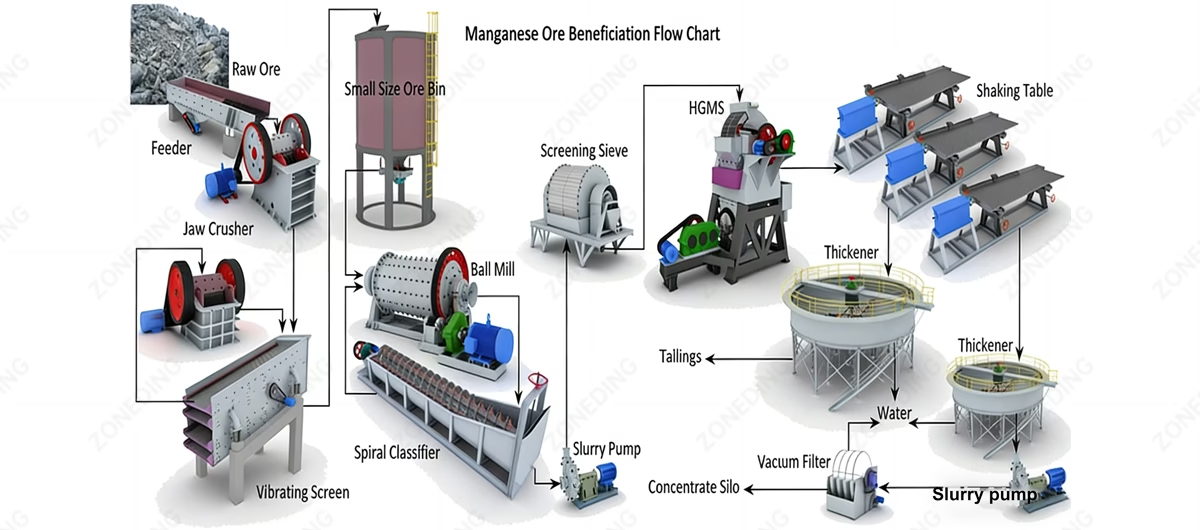
ZONEDING recognizes that a successful manganese mining project depends entirely on an accurate process flow and precise equipment configuration. A one-size-fits-all approach often fails in the mining industry because every mineral deposit possesses unique physical and chemical properties. A scientifically designed manganese ore process flow increases recovery rates, lowers energy consumption, and ensures the final concentrate meets strict market standards. This comprehensive guide details the technical stages of manganese beneficiation, ranging from initial crushing to complex separation methods. ZONEDING utilizes decades of engineering experience to design plants that balance capital investment with long-term operational efficiency.
What are the different types and characteristics of manganese ore?
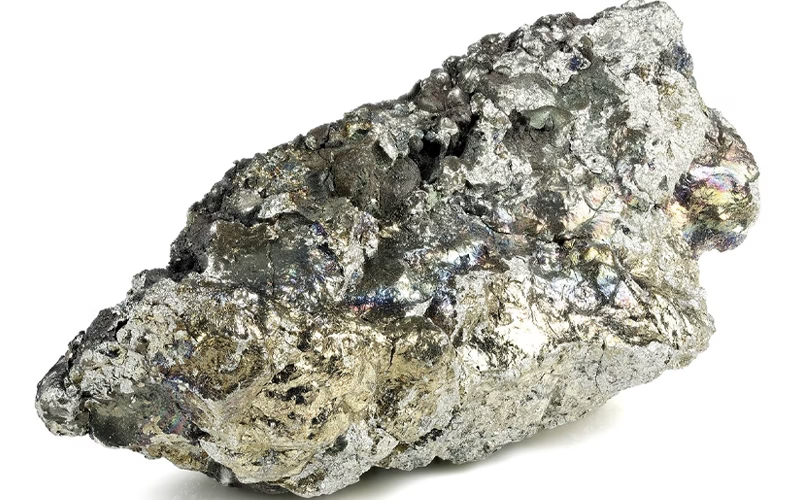
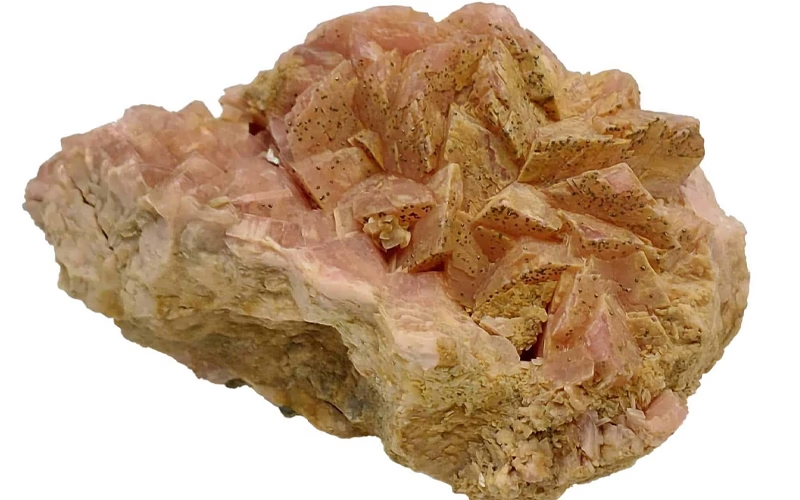
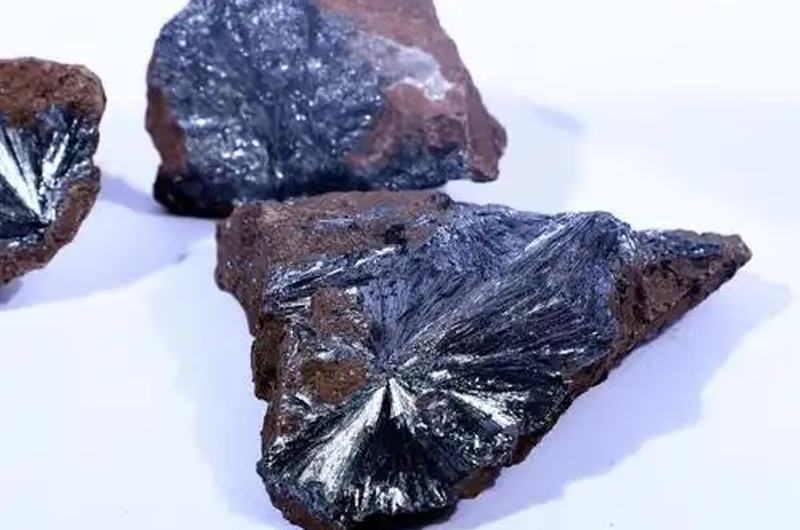
The classification of the raw material serves as the first step in designing any beneficiation line. Manganese ores generally fall into two main categories: manganese oxide ores and manganese carbonate ores. Oxide ores, such as pyrolusite and psilomelane, typically require gravity or magnetic separation due to their distinct density and magnetic properties. These ores are often associated with silicate or clay gangue. In contrast, manganese carbonate ores, like rhodochrosite, often require more complex processing methods such as flotation or high-intensity magnetic separation. ZONEDING engineers analyze the dissemination size of the mineral grains to determine the necessary grinding fineness. If the manganese is finely disseminated within the host rock, the process flow must include fine grinding to achieve liberation.
manganese oxide ore
carbonate manganese ore
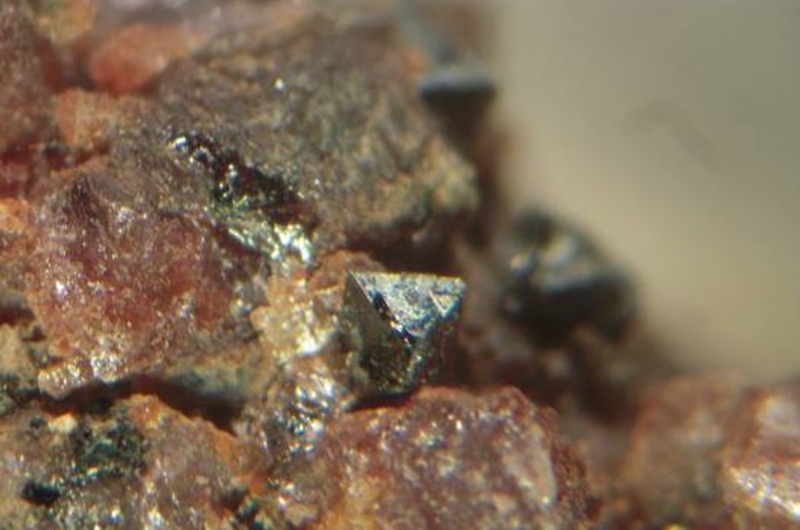
iron manganese ore
Polymetallic composite manganese
Mineral composition analysis also reveals the presence of harmful impurities like phosphorus, iron, and silica. High phosphorus content can render a high-grade manganese concentrate unusable for the steel industry. Therefore, the process flow must be configured not only to recover manganese but also to reject these specific impurities. ZONEDING utilizes advanced laboratory testing to define the “washability” and “separability” of the ore before any machinery is selected. This data-driven approach prevents the installation of incompatible equipment. For example, a gravity separation circuit will fail if the density difference between the manganese and the waste rock is too small. Understanding these fundamental characteristics ensures that the subsequent stages of crushing, washing, and separation function at peak efficiency.
Analyzing Density and Magnetism
The physical properties of the ore dictate the core separation technology. Manganese minerals generally possess a specific gravity between 3.5 and 4.5, while common gangue minerals like quartz and feldspar are lighter, around 2.6. This density gap makes gravity separation a viable option for coarse materials. Furthermore, manganese is weakly magnetic. ZONEDING leverages this property by using high-gradient magnetic separators to capture fine manganese particles that gravity methods might miss. The correct combination of these properties shapes the entire flowchart.
Why is the crushing and screening stage the foundation of efficiency?
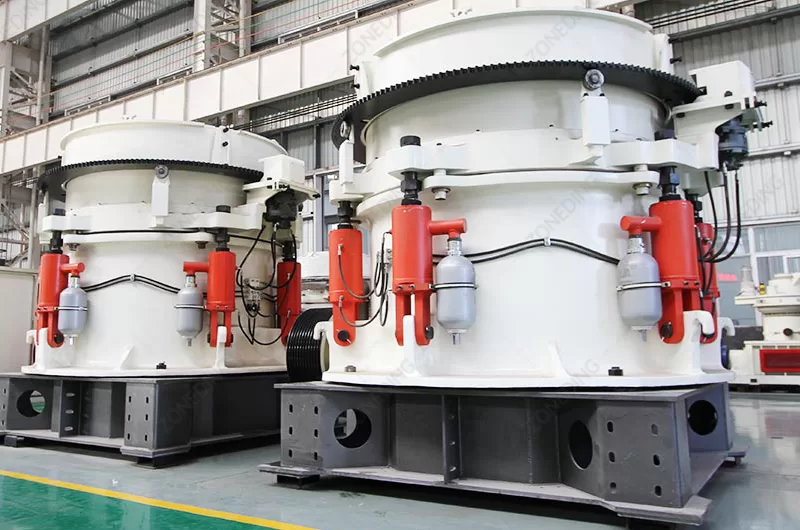
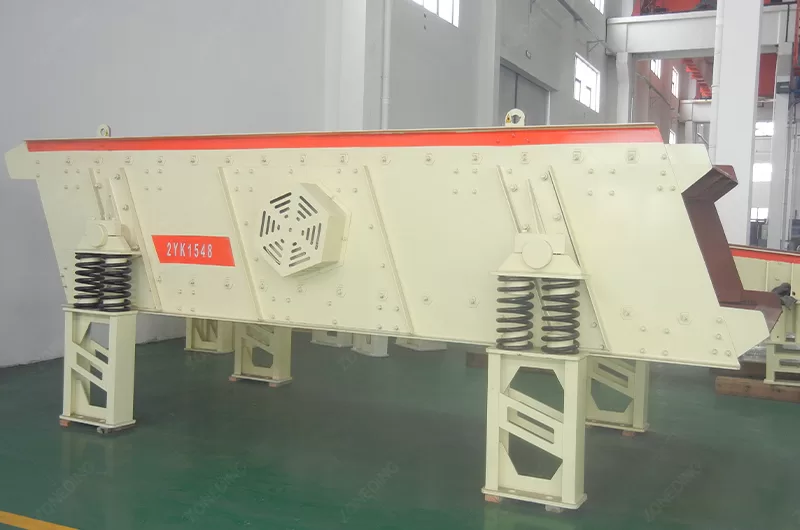
Crushing and screening form the backbone of the manganese ore process flow by preparing the material for separation. ZONEDING adheres to the principle of “crushing more and grinding less” to minimize energy costs. The process typically begins with a primary jaw crusher designed to handle large, hard boulders. This machine reduces the run-of-mine ore to a size suitable for secondary crushing. For hard and abrasive manganese ores, a hydraulic cone crusher is the standard choice for the second stage. It produces a uniform particle shape which is essential for efficient screening. A closed-circuit arrangement ensures that any oversized material returns to the crusher for further reduction, guaranteeing that 100% of the material entering the beneficiation stage meets the size requirement. Screening efficiency directly impacts the performance of downstream separation equipment. ZONEDING installs high-frequency vibrating screens to classify the crushed ore into different size fractions. Different separation methods require different feed sizes. For instance, jigs require a coarser feed (6-20mm), while shaking tables and magnetic separators require finer material (<3mm). If the screening process is inefficient, undersized fines may enter the jigging circuit, leading to mineral loss in the tailings. Conversely, oversized rocks can block the feed ports of magnetic separators. Therefore, the configuration of the screening plant is just as critical as the crushers themselves. ZONEDING utilizes durable polyurethane screen panels to resist the abrasive nature of manganese ore, prolonging the maintenance intervals and ensuring consistent production.
Jaw Crusher
Cone Crusher
Vibrating Screen
Crushing Equipment Configuration Tips
Jaw Crusher: Best for primary crushing of large rocks. High wear resistance is required.
Cone Crusher: Ideal for secondary or tertiary crushing. Offers laminated crushing for better particle shape.
Vibrating Screen: Acts as the size control checkpoint. Multi-deck designs allow for producing various product specifications.
When is ore washing necessary for grade improvement?
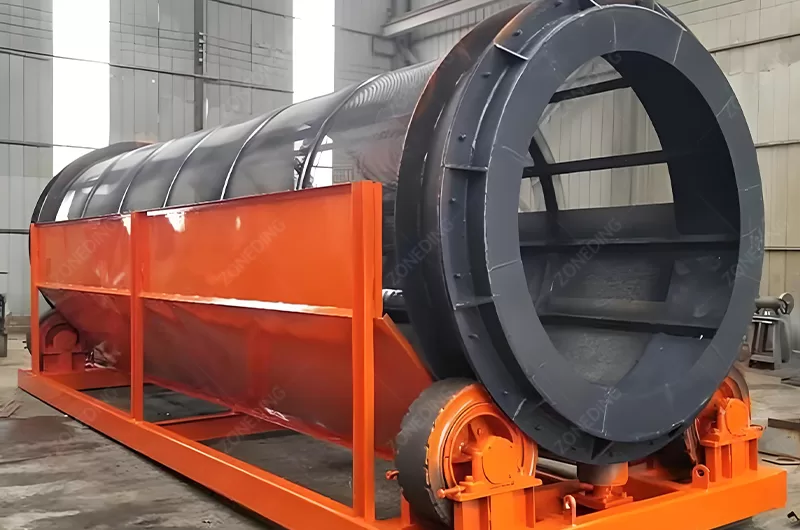
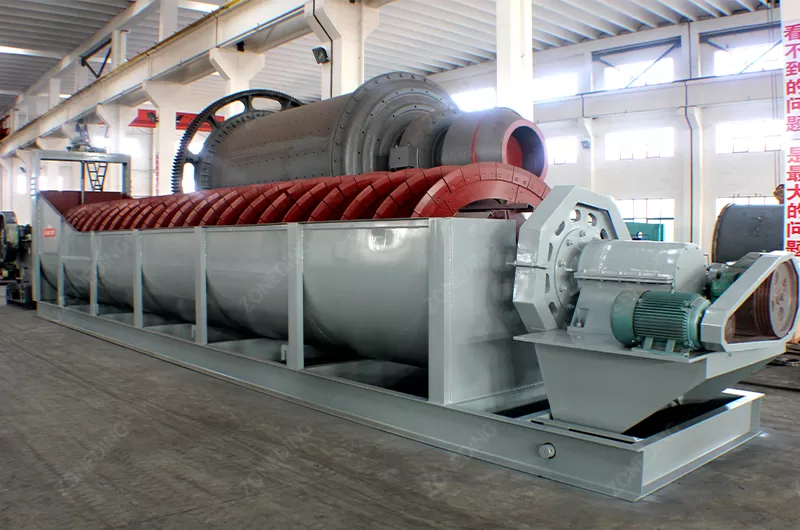
Ore washing is vital for manganese deposits in weathered zones, where sticky clay disrupts separation and clogs equipment. Clay prevents mineral liberation and affects fluid dynamics. ZONEDING addresses this with heavy-duty log washers and drum scrubbers. Equipment choice depends on clay plasticity: simple rinsing screens or trommels suffice for low-clay ores, whereas log washers are necessary to break down tough mud balls in high-clay material.
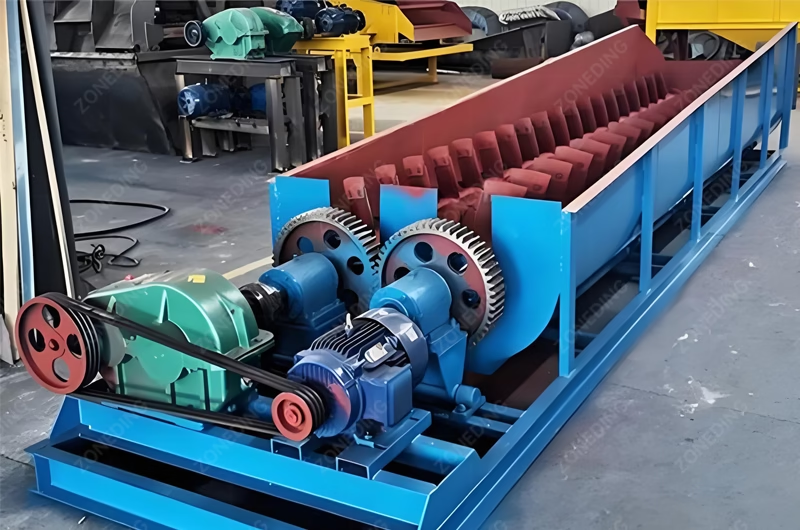
This process serves as a preliminary concentration step. By removing low-grade slime, the manganese grade increases significantly before main separation. ZONEDING integrates dewatering screens and spiral classifiers to recover water and remove waste, ensuring cost and compliance efficiency. Clean ore aids downstream optical or manual sorting, while neglecting this stage guarantees low recovery rates and frequent equipment blockages.
Gravity Separation Techniques for Coarse Manganese
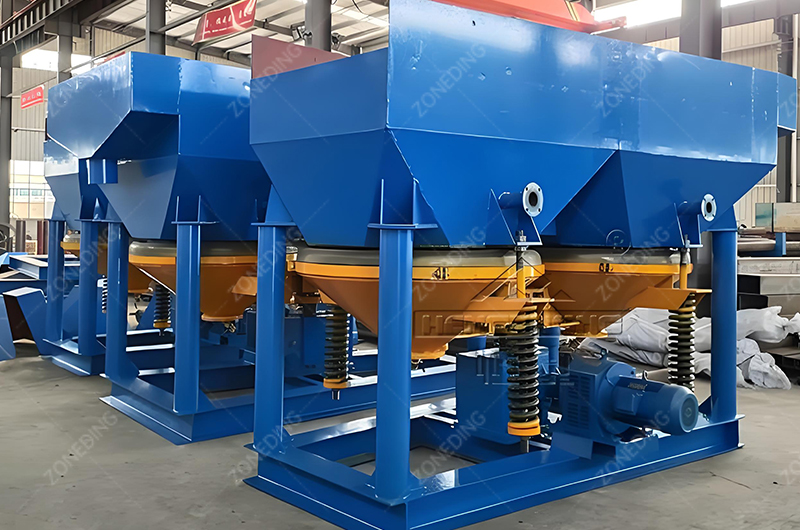
Gravity separation remains the most traditional and cost-effective method for processing coarse manganese oxide ores. This technique relies on the distinct density difference between the heavy manganese minerals and the lighter silicate gangue. ZONEDING configures mineral jigs as the primary equipment for this stage. Jigs are capable of handling a wide range of particle sizes, typically from 30mm down to 1mm. The pulsating water flow in the jig stratifies the material layers, allowing the heavy manganese to settle while the light waste is discharged from the top. This method requires no chemical reagents and consumes relatively little electricity, making it an environmentally friendly option.
Jigger-Separator-Machine
Sprial-Chute
Centrifugal concentrator
Shaking-Table
For finer particles that are too small for jigs but too coarse for flotation (typically 0.1mm to 2mm), shaking tables are the preferred solution. While shaking tables have a lower throughput capacity compared to jigs, they offer high enrichment ratios. ZONEDING often arranges shaking tables as a cleaning stage for the concentrates produced by other methods or for treating the tailings of the jigging circuit. The visual nature of the shaking table separation allows operators to easily adjust the cut points between concentrate, middlings, and tailings. However, gravity separation efficiency drops significantly if the specific gravity difference is less than 1.25, or if the ore is not properly screened into narrow size fractions. Therefore, ZONEDING always pairs gravity circuits with strict hydraulic classification.
Enhancing Gravity Concentration
Feed Classification: Strictly size the material before feeding the jig to ensure efficient stratification.
Water Control: Maintain consistent water pressure to keep the bed mobile but not turbulent.
Middlings Recirculation: Re-crush and re-process middlings to recover locked manganese particles.
Magnetic Separation for High-Grade Concentrate
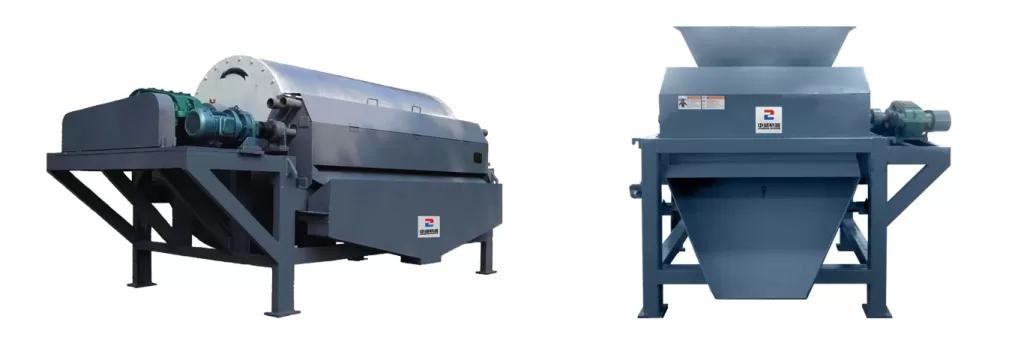
Magnetic separation has become the dominant technology for processing fine-grained manganese ores and improving concentrate grades. Manganese minerals are paramagnetic, meaning they are attracted to magnetic fields, whereas common impurities like quartz and calcite are non-magnetic. ZONEDING manufactures high-intensity magnetic separators capable of generating field strengths up to 15,000 or 20,000 Gauss. This high intensity is required to capture weakly magnetic manganese particles effectively. The process flow typically involves a two-stage magnetic circuit: a low-intensity drum to remove highly magnetic iron contaminants (which could block the high-intensity matrix), followed by the high-intensity unit to recover the manganese.
Wet magnetic separator and dry magnetic separator
Dry magnetic separation is preferred for water-scarce regions and for processing coarse particles (up to 20mm). However, wet high-intensity magnetic separation (WHIMS) generally provides better selectivity and higher recovery rates for fine particles (<3mm). ZONEDING designs wet magnetic circuits to treat the overflow from washing plants or the tailings from gravity circuits. This “scavenging” action recovers fine manganese that would otherwise be lost to the tailings dam. Modern magnetic separators use permanent rare-earth magnets, which significantly reduce energy consumption compared to older electromagnetic models. By adjusting the magnetic field strength and the pulp flow speed, ZONEDING engineers can fine-tune the balance between concentrate grade and recovery rate.
Flotation Separation for Fine Manganese Carbonate
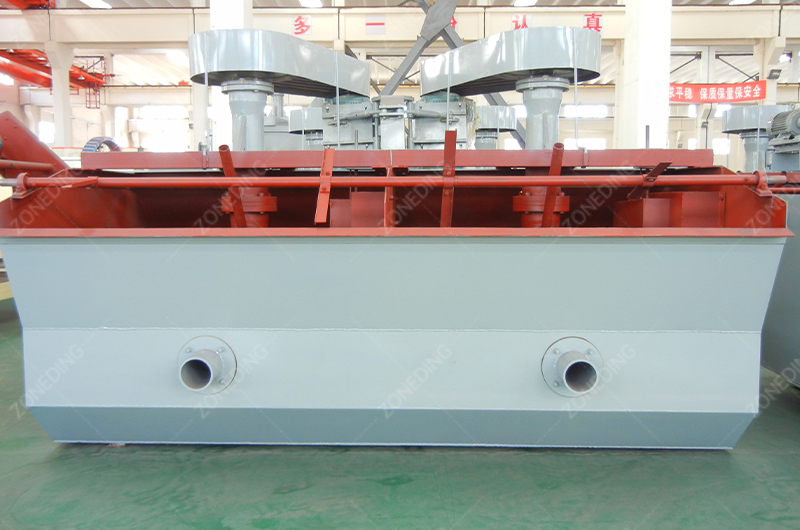
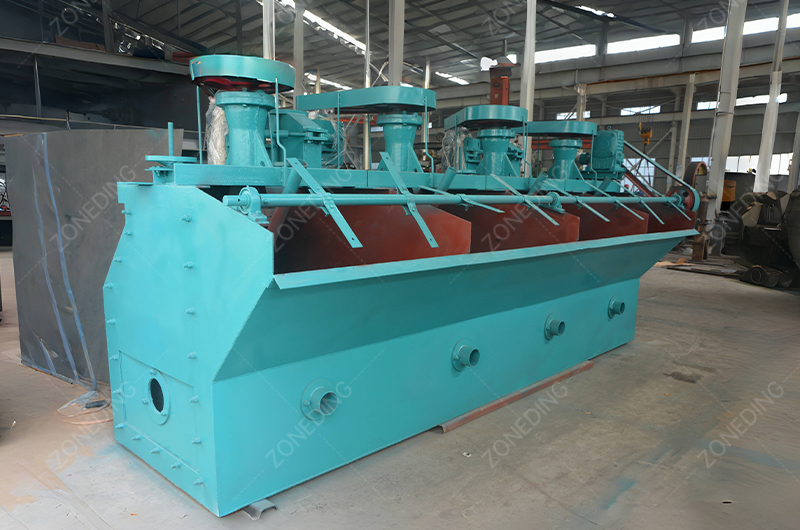
Flotation is the standard solution for fine-grained manganese carbonate ores (rhodochrosite) and complex multi-metal ores. Unlike gravity or magnetic separation, flotation relies on the surface chemistry of the minerals. ZONEDING configures flotation cells to separate manganese from gangue minerals by adding specific chemical reagents. Collectors coat the manganese particles, making them hydrophobic (water-repelling), so they attach to air bubbles and float to the surface as froth. This method is particularly effective for particles smaller than 0.1mm (slimes) which are impossible to recover using gravity methods.
Flotation-Machine
Flotation-Machine
The flotation process usually involves a “roughing” stage to maximize recovery, followed by several “cleaning” stages to improve the grade. ZONEDING employs both direct flotation (floating the manganese) and reverse flotation (floating the waste). Reverse flotation is often used to remove phosphorus or silica impurities from manganese concentrates. The success of flotation depends heavily on the grinding stage. The ore must be ground in a ball mill to a sufficient fineness to liberate the minerals. While flotation has higher operational costs due to chemical consumption, it is often the only way to produce high-grade concentrates from low-grade carbonate deposits. ZONEDING provides automated chemical dosing systems to ensure consistent reagent addition and stable process performance.
Treatment of Refractory and Complex Manganese Ores
Some manganese ores are chemically bound or physically locked in ways that standard physical separation cannot resolve. These are known as refractory ores. For example, some manganese oxide ores contain high iron levels where the iron and manganese are intergrown at a molecular level. In such cases, ZONEDING may recommend pyrometallurgical methods like reduction roasting. Roasting converts non-magnetic iron minerals into highly magnetic magnetite (which can be removed) or converts refractory manganese dioxide into manganese monoxide, which is amenable to leaching. Chemical leaching is another route for low-grade ores. This involves dissolving the manganese using sulfuric acid or sulfur dioxide, followed by purification and electrolysis to produce Electrolytic Manganese Metal (EMM). While ZONEDING primarily focuses on physical beneficiation machinery, understanding these downstream chemical processes is vital for designing the front-end preparation plant. For instance, the crushing and grinding circuit must produce a specific particle size distribution to optimize the leaching reaction rate. ZONEDING works with clients to design a “beneficiation-plus” strategy, where physical separation is used to pre-concentrate the ore, reducing the volume of material entering the expensive roasting or leaching stages.
2026 Trends in Manganese Processing Technology
The future of manganese processing is moving toward intelligent automation, water conservation, and modular design. ZONEDING observes a shift toward “sensor-based ore sorting” (XRT) which rejects waste rock immediately after the primary crusher. This technology reduces the energy load on the entire downstream plant by 30% or more. Furthermore, dry processing techniques are advancing rapidly. High-efficiency dry magnetic separators and air classifiers are enabling mining operations in arid regions without the need for massive tailings ponds. Environmental regulations are driving the adoption of total tailings management. ZONEDING integrates filter presses and dry stack tailings systems into the process flow. This allows process water to be recycled immediately and eliminates the safety risks associated with wet tailings dams. Automation is also becoming standard, with ZONEDING beneficiation plants now featuring central control rooms (PLC/SCADA). These systems monitor power draw, flow rates, and equipment status in real-time, allowing for instant adjustments to maintain peak efficiency. As the demand for battery-grade manganese grows, process flows are becoming more refined to ensure higher purity levels with a lower carbon footprint.
Future-Ready Plant Features
Modular Construction: Skid-mounted equipment for rapid deployment and relocation.
Smart Sensors: Vibration and temperature monitoring on crushers to predict maintenance.
Eco-Friendly Circuits: Closed-loop water systems and dust suppression integration.
FAQs
Question 1: Can a single process flow handle both oxide and carbonate manganese ores? Generally, no. Oxide ores respond well to gravity and magnetic separation, while carbonate ores often require flotation. ZONEDING recommends separate lines or a flexible hybrid design if the mine contains mixed ore bodies to prevent efficiency loss. Question 2: How does ZONEDING determine the correct slot size for screening manganese? The slot size is determined by the liberation size of the ore and the requirements of the subsequent separation equipment. Laboratory sieve analysis provides the data needed to select the optimal screen mesh aperture. Question 3: Is it cost-effective to process low-grade manganese tailings? Yes, with modern technology. ZONEDING utilizes high-gradient magnetic separators to recover fine manganese from old tailings dams. This turns waste into a revenue stream and often yields a profit due to the low mining cost of tailings. Question 4: What is the typical lifespan of a ZONEDING manganese plant? With proper maintenance, the main steel structures and heavy machinery (crushers, mills) last over 15-20 years. Wear parts like liners and screens need regular replacement depending on usage intensity.
About ZONEDING
ZONEDING is a leading manufacturer of mineral processing equipment in China, dedicated to providing robust B2B solutions for the global mining industry. Established in 2004, ZONEDING operates an 8,000-square-meter facility equipped with advanced manufacturing technology. The product portfolio includes jaw crushers, ball mills, magnetic separators, and complete turnkey production lines. With a team of 15 specialized engineers, ZONEDING delivers customized process designs and equipment to clients in over 120 countries. The company offers comprehensive support, from site evaluation and flow chart design to installation and long-term maintenance. For a detailed consultation on your manganese ore process flow, contact ZONEDING today.
An efficient material processing line is the foundation of a profitable operation. Whether you are producing aggregates, processing minerals, manufacturing sand, or handling industrial raw materials, the success of your project depends on much mor...
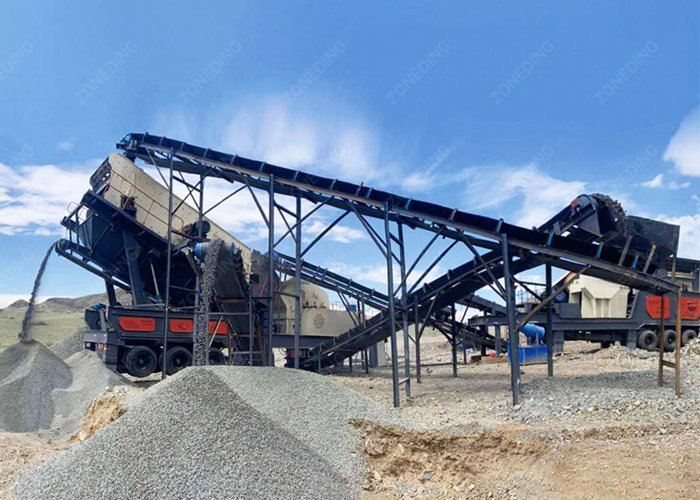
A represents the peak of integrated mineral processing technology. This machine functions as a complete factory on wheels or tracks. It performs feeding, crushing, and screening in one continuous flow. This setup eliminates the need for expensive ...
Many investors consider alluvial operations simple dirt-washing tasks. However, commercial-grade operations face severe technical challenges daily. A successful demands precise engineering to match the physical ore characteristics. This guide reve...
We use cookies to ensure that we give you the best experience on our website. If you continue to use this site we will assume that you are happy with it.
Privacy Policy
Send us a message
We would love to hear from you
Submit your question and our team will respond to the email provided as soon as possible.
 Zoneding Machine