Improving the gold recovery rate is a critical objective for any mining operation. Maximizing gold extraction directly translates into higher profitability and increased mineral value. Achieving this requires a comprehensive approach. This approach blends fundamental theoretical understanding with practical application of advanced processing techniques. Successful gold recovery depends on optimizing every stage, from initial ore assessment to final metal extraction.
This guide explores 10 crucial elements designed to enhance your gold recovery rate. You will learn how to boost your operation’s efficiency and financial returns.
1. Why is Accurate Ore Characterization Essential for Gold Recovery?
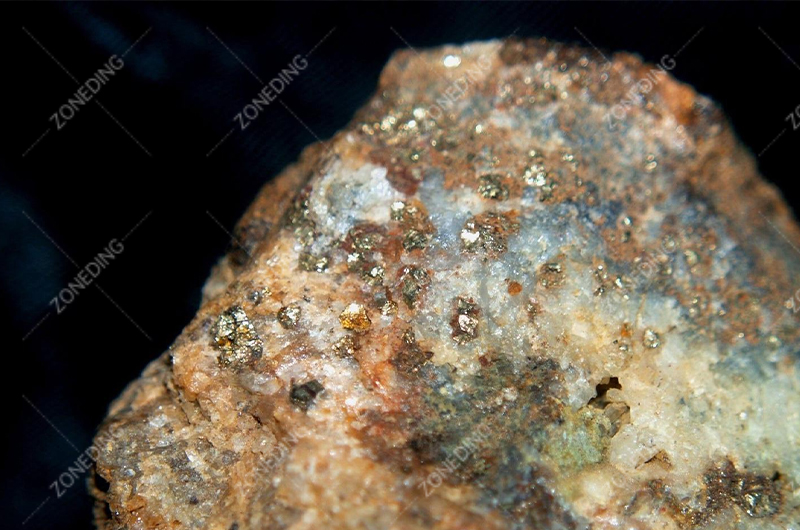
Accurate ore characterization is the foundational step for optimizing gold recovery. Understanding your ore’s unique geological and mineralogical characteristics is paramount. This includes identifying the gold mineralogy, its particle size and associations, and the presence of any interfering gangue minerals. These elements dictate how gold behaves during processing. They also influence the selection of the most effective extraction methods. Ignoring this crucial initial step inevitably leads to significant inefficiencies in later stages.
Detailed analysis through advanced techniques offers invaluable insights. For instance, scanning electron microscopy and automated mineralogy pinpoint gold-bearing minerals. They also reveal their precise associations within the ore matrix. Knowing if gold is free-milling or encapsulated within sulfides directly informs process design. Such insights prevent the use of unsuitable methods which could drastically lower the gold recovery rate. ZONEDING’s engineers collaborate with clients to analyze specific ore types. This ensures that crushing and grinding equipment is optimized to the mineral’s exact characteristics, from the very start.
2. How Does Efficient Comminution Improve Gold Liberation?
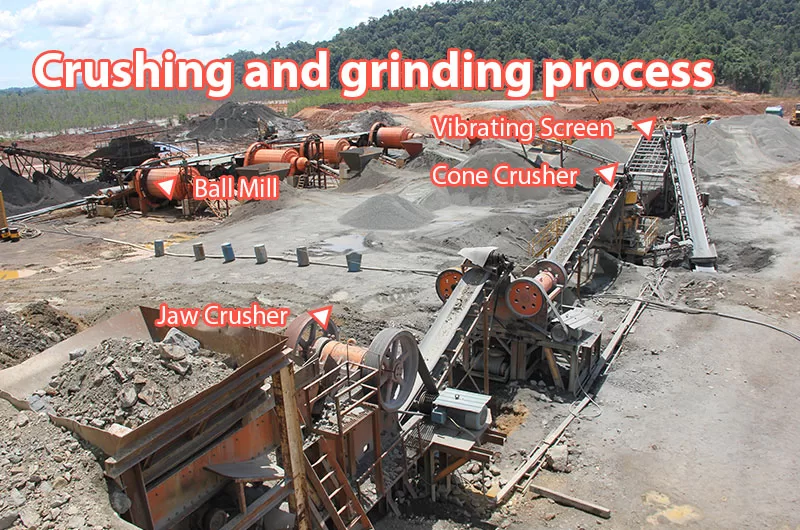
Efficient comminution maximizes gold liberation, which directly impacts the gold recovery rate. Comminution, encompassing both crushing and grinding, reduces the ore particle size. This process exposes gold particles previously locked within the surrounding rock matrix. Optimal gold liberation is vital. It prepares the ore effectively for subsequent separation processes like gravity concentration or flotation. Both over-grinding and under-grinding lead to inefficiencies. Over-grinding wastes energy. Under-grinding leaves gold unexposed and unrecoverable.
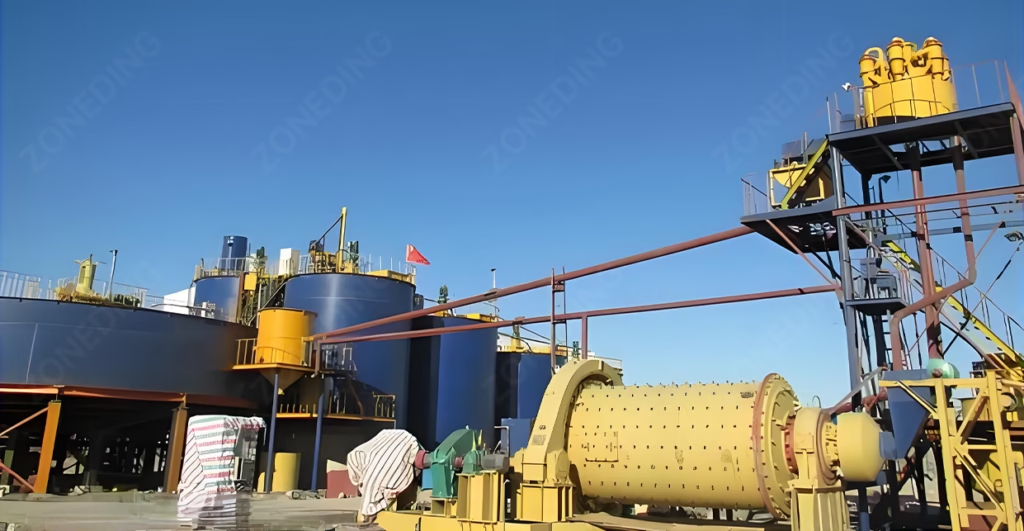
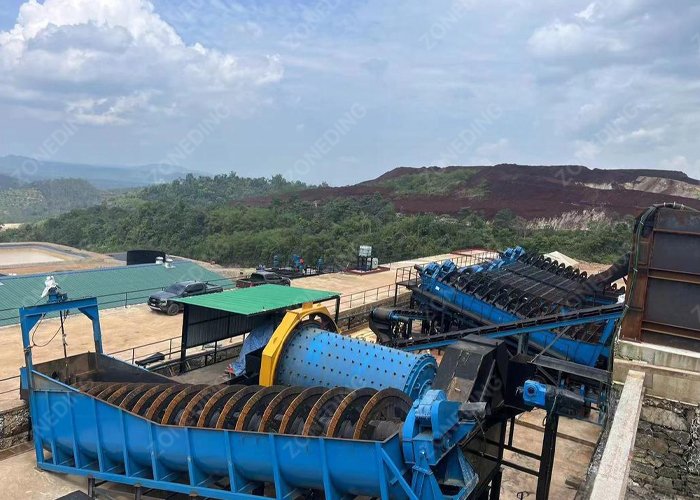
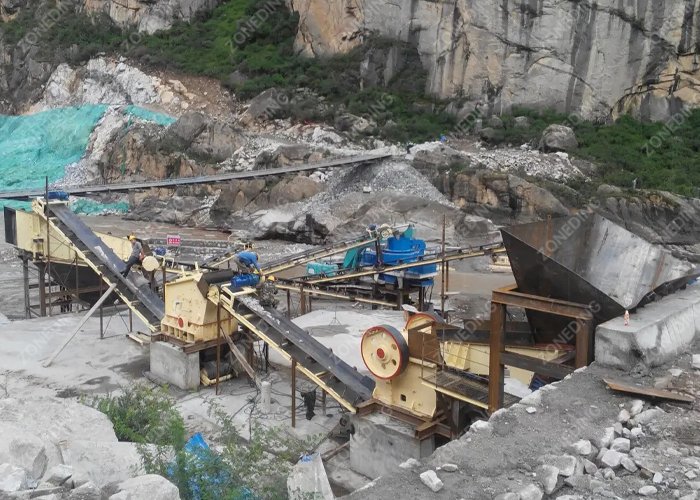
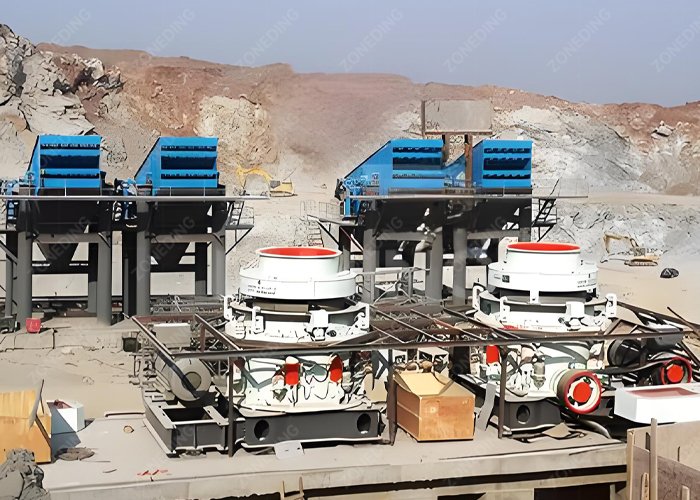
ZONEDING’s versatile crushing equipment and grinding equipment are engineered for optimal particle size reduction. For example, ZONEDING’s ball mills achieve the fine grind often essential for liberating very fine or disseminated gold. Achieving the correct primary and secondary crushing, followed by precise tertiary grinding stages, significantly improves the overall gold recovery rate. Proper selection of comminution equipment prevents both wasteful over-grinding and ineffective under-grinding. This ensures a perfect balance between energy consumption and maximum gold accessibility.
3. What Role Does Optimized Gravity Separation Play in Gold Recovery?
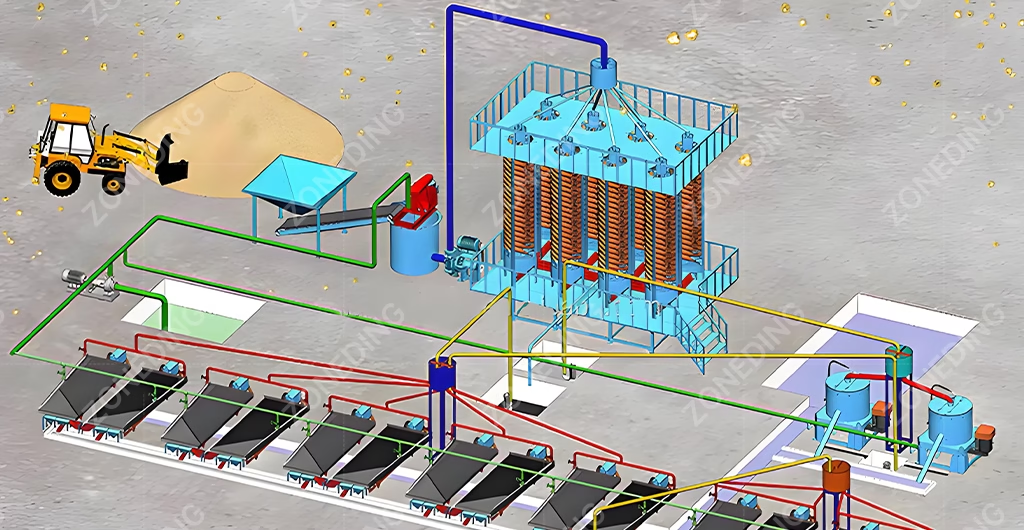
Optimized gravity separation effectively recovers coarse free gold, enhancing the overall gold recovery rate. This separation method capitalizes on the significant density difference between gold and lighter gangue minerals. Dense gold particles settle much faster in a water-based medium compared to lighter waste materials. Gravity concentration is often employed as the initial step in a gold processing flowsheet. This method can recover a substantial portion of coarse, free-milling gold efficiently. It represents a low-cost and environmentally friendly approach to initial gold extraction.
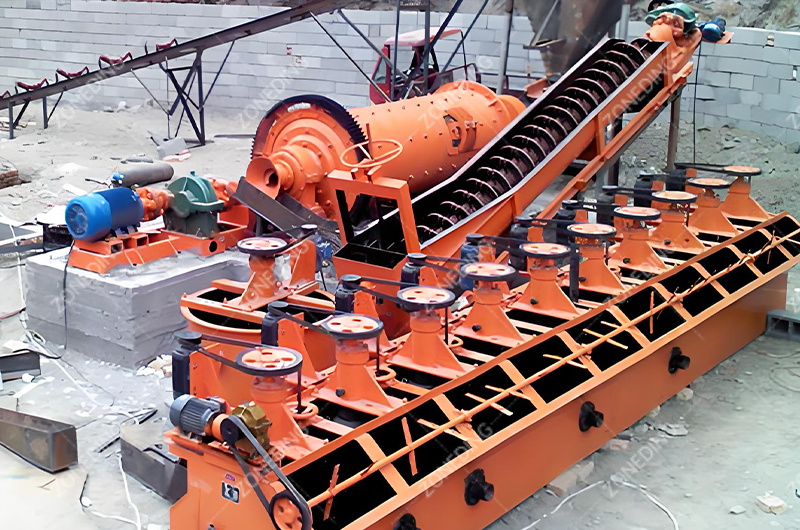
Equipment such as shaking tables and spiral classifiers are commonly used for effective gravity separation. ZONEDING’s shaking tables are specifically designed for their high concentration ratio and excellent recovery efficiency for free gold. Optimizing critical operating variables, including water flow rate, table slope, and feed rate, is crucial. These adjustments ensure maximum recovery of free gold particles. Integrating gravity separation early in the process significantly enhances the overall gold recovery rate. It effectively removes a portion of gold before more expensive or complex methods are employed, thereby increasing efficiency.
4. How Can Effective Flotation Techniques Boost Gold Recovery From Sulfides?
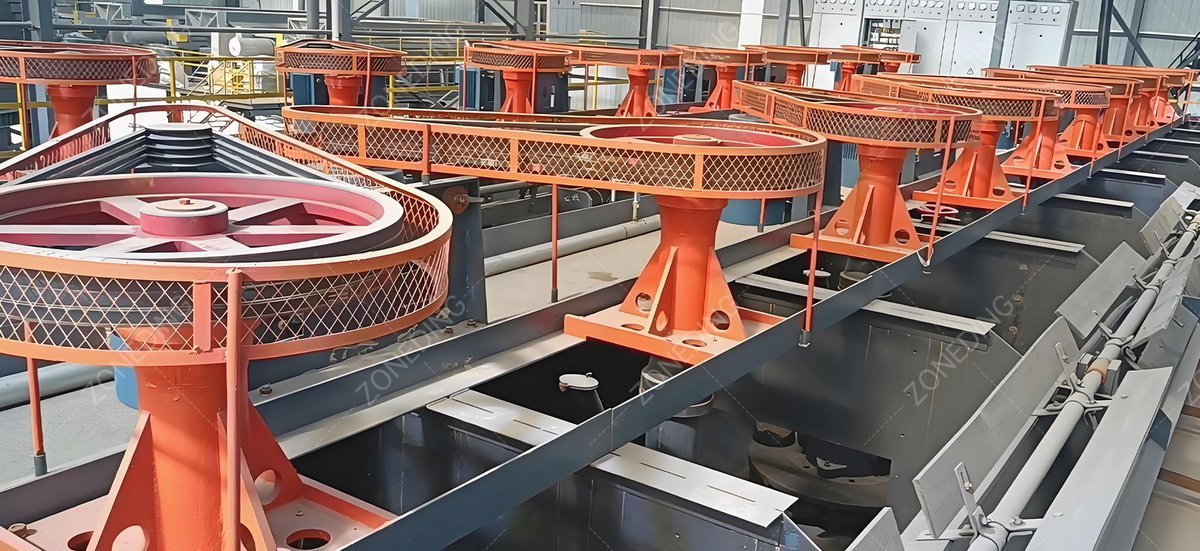
Effective froth flotation is a key technique for significantly boosting gold recovery, especially from fine gold associated with sulfide minerals. Flotation separates minerals based on their distinct surface properties. When gold is finely disseminated within sulfide minerals, it can be efficiently recovered using this method. Specific chemical reagents, known as collectors, attach selectively to the gold-containing particles. These particles then adhere to injected air bubbles and float to the surface, forming a mineral-rich froth. This technique proves highly effective for processing complex and refractory gold ores.
ZONEDING’s advanced flotation machines are engineered for efficient bubble generation and stable froth formation. This design ensures maximum particle recovery. Factors such as reagent type, dosage, precise pH levels, and controlled air flow rate must be meticulously managed during operation. These variables directly influence the selectivity and recovery of gold-bearing minerals. Optimizing each stage of the flotation circuit can dramatically improve the gold recovery rate from challenging sulfide-rich ores. Regular monitoring and precise adjustments are essential for maintaining peak performance and maximizing gold yield.
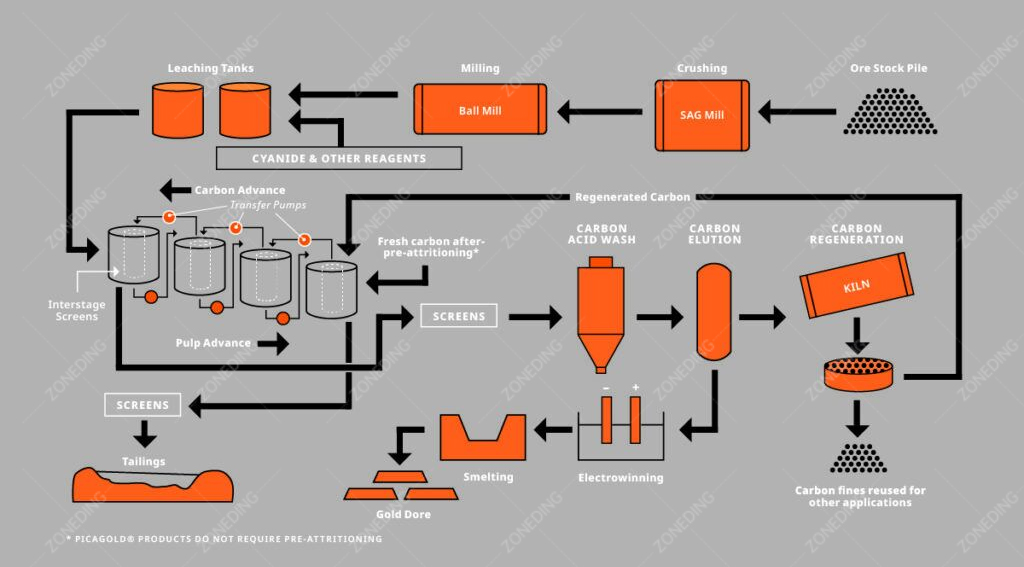
Advanced leaching processes are crucial for dissolving gold from ore, significantly enhancing gold extraction. Leaching typically involves dissolving gold into a chemical solution, most commonly using cyanide. This process is highly effective for recovering fine gold that cannot be efficiently recovered by gravity or flotation methods. Modern leaching techniques focus on maximizing the gold dissolution rates. They also aim to minimize reagent consumption and environmental impact. Carbon-in-pulp (CIP) and carbon-in-leach (CIL) are widely adopted industrial methods using activated carbon to adsorb dissolved gold.
ZONEDING’s thickener concentrators play a role in preparing the ore pulp for efficient leaching by clarifying the solution and controlling pulp density. Key parameters in the leaching process include maintaining optimal reagent concentration, leach time, pH, and adequate oxygen levels. Optimizing agitation and pulp density within the leaching tanks can further enhance gold dissolution efficiencies. For refractory ores, pre-treatment methods like ultra-fine grinding or oxidative processes (such as roasting or bio-oxidation) are often employed. These steps improve gold accessibility to the leach solution, thereby substantially boosting the crucial gold recovery rate.
6. How Does Effective Tailings Management Improve Overall Gold Recovery?
Effective tailings management involves re-processing waste material to recover hidden gold, thereby improving the overall gold recovery rate. Tailings are the residual waste products remaining after the initial mineral processing steps. These often contain small but economically significant amounts of unrecovered gold. Beyond safe and environmentally compliant disposal, modern tailings management increasingly focuses on the potential for re-processing these materials. New technologies and methods can effectively extract this residual gold. This transforms what was once considered waste into a valuable secondary resource.
Modern tailings facilities often incorporate advanced recovery circuits specifically designed for fine particles. These circuits may include highly efficient gravity concentrators or dedicated fine-particle flotation cells. Even a small percentage improvement in recovery from the immense volumes of tailings generated can yield substantial additional profits for an operation. Comprehensive analysis of tailings samples helps identify the form and distribution of any residual gold. This analysis accurately determines the most suitable re-processing approach. ZONEDING offers specialized equipment suitable for re-processing finely ground tailings, further enhancing the overall gold recovery rate and maximizing resource utilization.
7. Why is Process Water Quality Control Crucial for Gold Processing?
Maintaining optimal process water quality is crucial. It prevents numerous issues throughout gold processing and directly impacts the gold recovery rate. Water is an indispensable component in almost every stage of gold processing. This ranges from comminution and classification to flotation and leaching. The chemical composition of the process water directly influences the performance of added reagents and the efficiency of gold dissolution. Impurities present in the water, such as dissolved ions, suspended solids, or organic matter, can detrimentally interfere with flotation froths. They can also prematurely consume expensive leaching reagents.
Regular and thorough water analysis helps identify and effectively manage potential contaminants. Adjustments to water chemistry might include pH control or the strategic addition of water treatment chemicals. For example, the presence of hard water can significantly reduce the effectiveness of flotation reagents, leading to poor recovery. Similarly, high concentrations of certain ions can inhibit gold dissolution during leaching. Ensuring consistently clean and chemically balanced process water is vital for maintaining a high and consistent gold recovery rate. This practice also significantly reduces operational costs associated with compensating for poor water quality through excess chemical additions.
8. What Role Does Real-time Process Monitoring Play in Optimizing Gold Recovery?
Real-time process monitoring enables immediate adjustments, playing a pivotal role in optimizing the gold recovery rate. Continuous monitoring of key operational parameters ensures that processing stages remain within their optimal ranges. Such parameters include pulp density, pH levels, concentrations of essential reagents, and the ongoing particle size distribution. Modern automation and sensor technologies provide immediate, accurate feedback on these variables. This allows operators to make timely and precise adjustments to maintain peak efficiency throughout the entire gold extraction process.
Advanced control systems can integrate data gathered from various sensors across the plant. These systems often possess the capability to predict potential operational issues before they escalate. They can then suggest or even implement corrective actions automatically. For instance, online analyzers can measure gold concentration in leach solutions. They can also measure in tailings streams. This allows for quick identification of any unexpected drops in recovery. This proactive approach significantly prevents major gold losses. It maintains a consistently high gold recovery rate. ZONEDING’s focus on intelligent, high-performance equipment supports seamless integration with such sophisticated modern control systems.
9. How Does Regular Equipment Maintenance Directly Impact Gold Recovery?
Consistent and regular equipment maintenance is critical. It prevents breakdowns, extends equipment life, and directly impacts the gold recovery rate. All processing machinery, including crushers, mills, pumps, and conveyors, requires diligent maintenance. Worn-out or poorly maintained components inevitably lead to inefficient operation across the entire plant. For example, excessively worn liners in a ball mill will significantly reduce grinding efficiency. This directly impacts gold liberation. Similarly, damaged impellers in flotation cells can compromise effective bubble generation. This reduces gold attachment and recovery.
Implementing and strictly adhering to a preventive maintenance schedule prolongs equipment lifespan. It also ensures consistent performance at design specifications. This schedule includes routine inspections, proper lubrication, and the timely replacement of wear parts before they fail. ZONEDING provides durable, high-quality equipment. This equipment is designed for ease of maintenance access. Reliable and uninterrupted equipment operation directly translates to a stable and consistently high gold recovery rate. Unscheduled downtime due to preventable equipment failure can severely impact production targets, increase operational costs, and reduce overall profitability.
Ongoing metallurgical testing and research and development (R&D) are continuous efforts. They drive sustained improvement in the gold recovery rate. Ore bodies are rarely uniform. Their characteristics can change significantly over time, with depth, or even within different sections of a mine. Therefore, continuous metallurgical testing is essential to adapt and refine processing strategies effectively. Furthermore, dedicated research and development efforts explore and implement new technologies. These advancements offer more efficient and environmentally friendly ways to extract gold, pushing the boundaries of existing capabilities.
Regular bulk sampling campaigns combined with detailed laboratory test work help refine existing flow sheets. They also identify new opportunities for process optimization and improved recovery. Pilot plant testing plays a vital role. It evaluates new technologies and process modifications on a larger, more realistic scale before committing to full-scale implementation. This iterative process allows for precise optimization of reagent usage, energy consumption, and equipment configuration. Investing consistently in R&D ensures a mining operation remains at the forefront of gold extraction technology. Ultimately, this commitment leads to a higher and more sustainable gold recovery rate over the long term.
Choosing a Supplier: What Factors Ensure Enhanced Gold Recovery?
Selecting the right equipment supplier is a critical decision that directly impacts your gold recovery rate. The success of your gold recovery efforts hinges on reliable, efficient, and technologically advanced machinery. A reputable supplier should offer not only high-quality products but also possess in-depth industry knowledge and provide comprehensive support. This strategic partnership ensures that your processing equipment perfectly matches your specific operational needs. It directly contributes to achieving and maintaining optimal gold recovery rates.
When evaluating potential suppliers, it is essential to assess their product range, customization capabilities, and their track record for after-sales service. A leading supplier should offer robust, energy-efficient equipment designed for longevity and performance. They should also provide expert technical consultation, professional installation assistance, and thorough operator training. ZONEDING, as a direct manufacturer, offers highly competitive pricing. This is combined with specialized engineering expertise. This approach ensures the delivery of tailored solutions and ongoing support throughout the lifecycle of your gold processing plant, safeguarding your investment and maximizing your gold recovery rate.
2025 Latest Trends in Gold Recovery Technology
The gold mining industry is continuously evolving. It consistently embraces new technologies focused on increasing efficiency and ensuring environmental sustainability. Modern trends for 2025 emphasize smart processing solutions, advanced reagent chemistry, and more effective waste management strategies. The overarching goal remains to maximize the gold recovery rate while simultaneously reducing operational costs and minimizing environmental footprints. These innovations promise to redefine gold extraction practices.
Key trends shaping gold recovery technology include:
- Automation and Artificial Intelligence (AI): Real-time data analysis combined with machine learning algorithms now optimize process parameters autonomously. This leads to more precise control over flotation and leaching circuits, resulting in higher and more consistent extraction rates.
- Eco-friendly Reagents: Ongoing development of less toxic and more selective reagents for both flotation and leaching processes is a significant focus. This reduces environmental impact and improves worker safety.
- Sensor-Based Ore Sorting: Implementing advanced sensor technologies for pre-concentrating ore before it enters the main processing circuit reduces the volume of waste material processed. This significantly improves overall plant efficiency and feed grade, contributing to a better gold recovery rate.
- Advanced Bio-oxidation: More efficient biological pre-treatment methods for refractory ores are being developed. These enhance gold liberation by breaking down sulfide matrices or carbonaceous matter, making gold more accessible for leaching.
- Tailings Re-treatment Innovations: New and improved methods for economically extracting residual gold from both historical and newly generated tailings are gaining traction. This adds significant value by turning waste into profit, further boosting the overall gold recovery rate.
These advancements promise not only higher gold recovery rates but also more responsible and sustainable mining practices for the future.
Common Questions About Improving Gold Recovery Rate
Question 1: What is the most common method for gold recovery in large-scale operations?
The most common method today for large-scale operations is cyanide leaching. It is often combined effectively with gravity concentration and/or flotation. These methods collectively extract gold from diverse ore bodies.
Question 2: How much does improving the gold recovery rate impact a mine’s profitability?
A small percentage increase in the gold recovery rate can significantly boost a mine’s profitability. Even an improvement of just 1-2% can translate to millions of dollars in additional revenue over a year for a large-scale mining operation.
Question 3: Are there environmentally friendly alternatives to cyanide for gold leaching?
Research is actively ongoing for alternatives such as thiosulfate leaching. However, these methods are not yet as widely adopted or as cost-effective as traditional cyanide leaching. Nevertheless, closed-loop systems and strict controls improve cyanide process safety.
Question 4: How does ore hardness affect gold recovery?
Harder ores typically demand more energy for comminution. This makes gold liberation significantly more challenging. Inefficient grinding resulting from very hard ore can directly lead to a lower gold recovery rate due to unexposed gold particles.
Question 5: What is a refractory gold ore?
A refractory gold ore is one where gold is not easily liberated or dissolved using standard processing methods. This usually occurs because gold is finely locked within sulfide minerals or carbonaceous material, requiring special pre-treatment like oxidation.
Summary: Mastering Your Gold Recovery Rate
Achieving a high gold recovery rate is absolutely vital for any gold mining operation. It requires a meticulously planned and holistic approach. This approach spans from precise ore characterization and efficient comminution to advanced separation techniques like gravity concentration and flotation. Continuous monitoring of process parameters, diligent equipment maintenance, and ongoing metallurgical R&D are also crucial. Every single step, from crushing and grinding to final gold extraction, profoundly impacts the overall efficiency and profitability of your operation. Applying these 10 key points will significantly improve your mineral value.
Evaluate your current gold processing practices thoroughly. Consider where ZONEDING’s advanced mineral processing equipment can be strategically implemented to optimize your operations. ZONEDING offers comprehensive solutions designed to enhance your gold recovery potential.
 Zoneding Machine