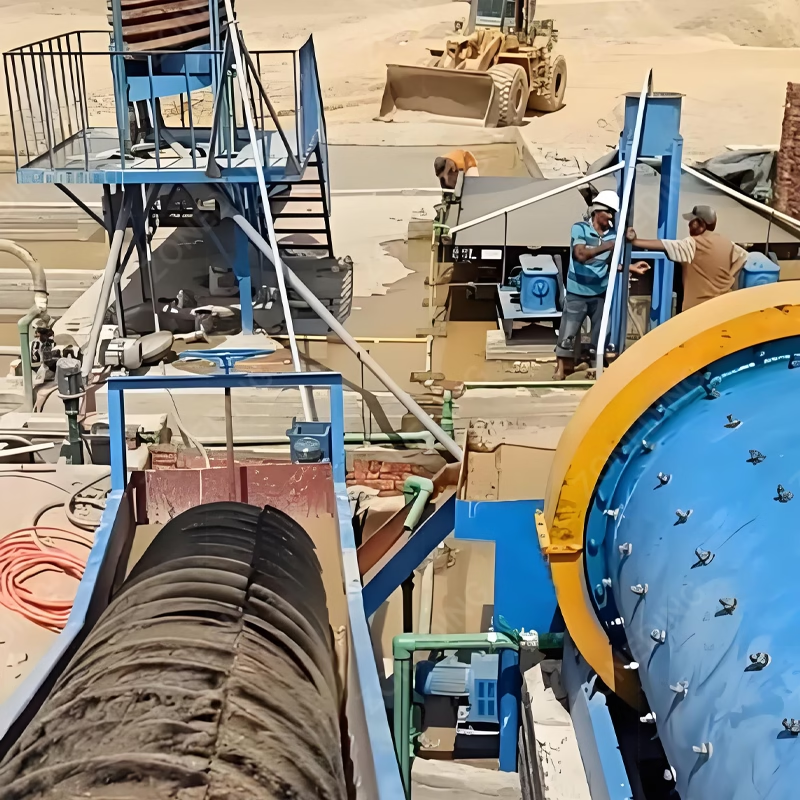
Decades of experience in the mineral processing industry confirm the enduring value of the Gold Shaking Table. This piece of Gravity Separation Equipment remains a classic. It plays a vital role in gold ore beneficiation. The principles of the shaking table might appear straightforward. However, achieving high gold recovery and concentrate grade requires more than simply purchasing equipment. Industry experience indicates that effective operation depends on a deeper understanding.
Many perceive the shaking table as a basic physical separation device. It is an inclined, reciprocating deck with wash water. Heavy minerals remain. Light minerals wash away. This simplified understanding often leads to suboptimal recovery rates. It can also cause lower concentrate grades. Equipment life might also be shortened.
This article provides nine crucial insights. These insights derive from extensive practical experience. They offer important information for project success. They enable mastery of the core operational principles of the Gold Shaking Table. Its full potential can then be realized.
Gold Shaking Table Overview: Definition and Its Role in Gold Ore Beneficiation
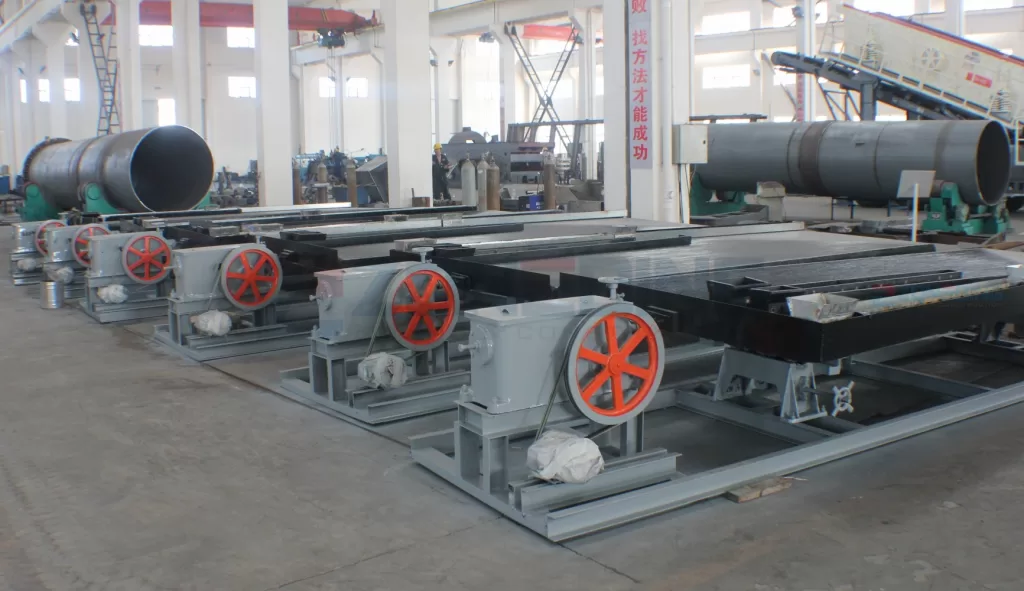
The Gold Shaking Table is a fundamental piece of Gravity Separation Equipment. It has a long history in Gold Ore Beneficiation. It effectively separates valuable heavy minerals, such as gold, from lighter gangue minerals. This separation occurs based on differences in specific gravity. The table is slightly inclined. It uses a combination of reciprocating motion and wash water. This allows for precise separation.
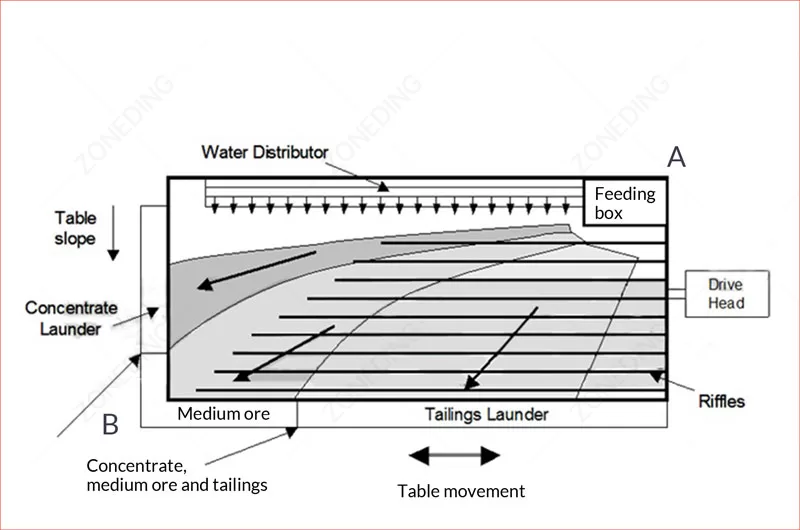
The operation of a Gold Shaking Table involves specific physical principles. Feed slurry, a mixture of water and ground ore, enters the table. The table moves with a complex reciprocating motion. It also features riffles, which are small grooves on its surface. Wash water flows across the table. This motion and water flow cause the particles to stratify. Heavy gold particles settle at the bottom. Lighter gangue minerals remain on top. The reciprocating motion pushes the heavy particles along the riffles. The wash water carries the lighter particles over the riffles and off the side of the table. This action creates distinct bands of concentrate, middlings, and tailings. This efficient process ensures good Gold Recovery.
Defining the Gold Shaking Table
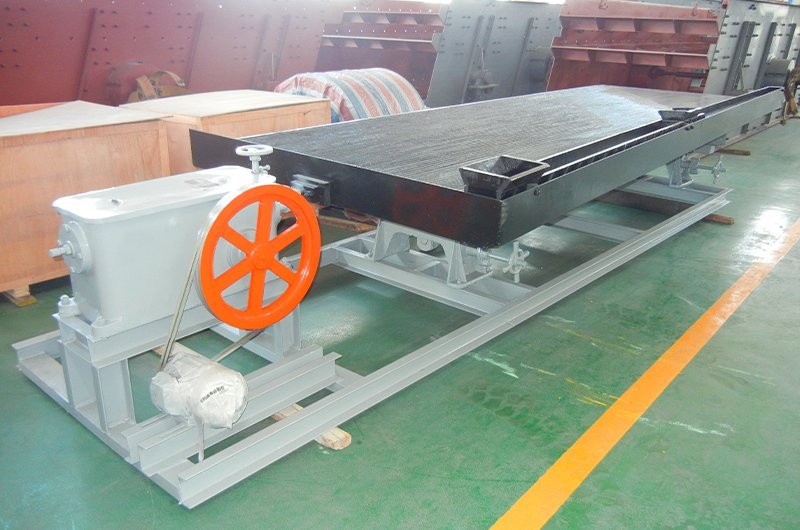
A Gold Shaking Table is a gravity concentrator. It uses a rectangular deck. This deck is slightly inclined both longitudinally and transversely. It performs a differential reciprocating motion. The deck surface has a series of parallel riffles. These riffles are perpendicular to the direction of motion. They help guide the particles. This mechanical design creates conditions for effective mineral separation. It is an essential part of many Gold Processing Flow designs.
How Gravity Separation Works Effectively
Effective separation on a Gold Shaking Table relies on several key factors. First, particles in the slurry settle at different rates. Heavy gold particles settle faster.
Lighter gangue particles settle slower. Second, the reciprocating motion of the deck provides inertia. This inertia helps heavy particles move forward along the riffles. Light particles are carried away by the wash water. Third, the riffles create quiescent zones for heavy particles. They also allow light particles to flow over them. This complex interplay results in distinct separation zones on the table. This method consistently achieves high Gold Recovery.
Insight 1: Feed Preparation – The Critical Role in Separation Efficiency
Industry observations indicate that most issues with Gold Shaking Table separation originate from feed preparation. A significant majority of operational problems stem from unsuitable feed. The shaking table has specific requirements. It needs uniform particle size, effective desliming, and correct slurry concentration.
The shaking table functions as a precise processing unit. It requires high-quality feed material. Investment in early classification and desliming yields substantial returns. This allows the shaking table to achieve its maximum potential. Many projects prioritize initial cost savings. They omit proper sizing screens and desliming equipment. They feed unprepared raw ore directly to the table. This practice commonly results in high gold losses in tailings. It also leads to low concentrate grades. Middlings become large and challenging to process.
Particle Sizing: Essential for Recovery
The Gold Shaking Table operates within a narrow optimal sorting range. Precise ore sizing is therefore necessary. Material should be separated into distinct fractions. For example, screens can be used for 0.074mm, 0.1mm, or 0.2mm sizes. Each size fraction should then be fed to a suitable shaking table. This practice is crucial for higher Gold Recovery and improved concentrate grades. Mixing coarse and fine particles leads to poor results. Coarse particles can entrap fine ones. Fine particles can be obscured by coarse ones. Both outcomes are detrimental.
Desliming: The Detrimental Effect on Shaking Tables
Mud, or very fine particles (e.g., -0.037mm), significantly impairs shaking table performance. Mud increases slurry viscosity. It causes hindered settling and flocculation effects. This impedes heavy mineral settling. It also prevents smooth movement across the table. This severely reduces separation efficiency. It also lowers the enrichment ratio.
For coarse particles, vibrating screens are used for wet or dry sizing. For fine particles, efficient hydrocyclones are employed for sizing and desliming. In some cases, two or three stages of desliming are necessary. This thorough preparation ensures optimal shaking table performance.
Insight 2: Deck and Riffles – Unique Characteristics of the Shaking Table
The deck material, riffle shape, height, and arrangement are critical components of a Gold Shaking Table. These elements are customized for different minerals and particle sizes. Their design is not universal.
The design of the deck and riffles integrates principles of mineralogy and fluid dynamics. It creates a specific micro-environment for the slurry on the deck. This directly influences particle stratification and movement. Many suppliers offer standard decks. They often do not account for specific ore characteristics. This can lead to suboptimal separation. Clients also frequently overlook deck selection. They may assume all shaking tables perform similarly.
Material and Design Choices for the Deck
Traditional wooden decks can absorb water and deform. They are also prone to wear. Modern Gold Shaking Tables utilize fiberglass (FRP) or specialized rubber. These materials offer high strength and wear resistance. They are less susceptible to deformation. Their surface friction remains stable. This ensures consistent performance.
Riffle Design: Shape, Height, and Arrangement
Riffles establish the sorting layer. They guide heavy minerals towards the concentrate end.
Height: Coarse minerals require taller riffles (e.g., 0.5-2mm). This provides sufficient space for effective separation. Fine minerals require shorter riffles (e.g., 0.1-0.5mm). This prevents fine particles from becoming entrapped.
Shape: Riffles are available in tapered, square, or triangular forms. Each shape influences mineral flow and stratification differently.
Arrangement: Riffles typically decrease in height or density from the feed end to the concentrate end. This creates a functional sorting gradient.
Effective deck and riffle design results in superior separation. It also provides strong wear resistance. This reduces downtime and maintenance costs.
Insight 3: Wash Water and Feed Water – Precision in Hydro-Classification
Control over wash water and feed water is often underestimated. This aspect of operation demonstrates a high level of operator skill. It involves precise hydro-classification.
Many operators rely on visual assessment. They may lack accurate flow meters and pressure gauges. Unstable water flow or inappropriate water volume causes significant fluctuations in Gold Recovery and concentrate grade. Precise control of water flow enhances efficiency. It also conserves water resources. This is particularly important in regions with water scarcity.
Controlling Wash Water for Optimal Results
Wash water removes light minerals. It assists heavy minerals in stratifying between the riffles. Excessive water can wash away fine heavy minerals. Insufficient water prevents effective discharge of light minerals. This lowers the concentrate grade. The diameter and arrangement of wash water pipes are important. Water pressure stability is also critical.
Managing Feed Water and Slurry Concentration
Feed water determines slurry concentration. The correct slurry concentration (typically 15%-30%) is vital for free settling and stratification. A slurry that is too dilute impacts throughput and stratification. A slurry that is too viscous hinders particle movement.
Wash water should be clean. It should be distributed evenly across the middle to late sections of the table. Feed water is thoroughly mixed with the ore. This forms a stable slurry.
Insight 4: Stroke and Frequency – Controlling the Operational Dynamics of Your Shaking Table
The stroke length and frequency of a Gold Shaking Table are core operational parameters. They drive the reciprocating motion of the deck. They determine how mineral particles behave on the table surface. This defines the table’s operational rhythm.
Many shaking tables have fixed stroke and frequency settings. This limits their adaptability to different ores. Operators may also adjust them incorrectly. This occurs when the underlying principles are not understood. The combination of stroke and frequency provides specific acceleration and deceleration for mineral particles. Excessive impact can mix light and heavy minerals. Insufficient impact may not effectively move heavy minerals.
Adjusting Stroke for Particle Size
Stroke refers to the length of the table’s reciprocating movement. Generally, coarser materials require longer strokes (e.g., 16-32mm). This generates sufficient impulse to move heavy coarse particles. Finer materials require shorter strokes (e.g., 4-12mm). This prevents fine heavy minerals from being moved too far.
Synchronizing Frequency for Movement
Frequency refers to the number of reciprocations per minute. It typically functions in conjunction with the stroke. Coarse minerals usually employ lower frequencies (e.g., 120-200 strokes/minute). Fine minerals use higher frequencies (e.g., 200-400 strokes/minute). Modern Gold Shaking Tables often feature adjustable stroke and frequency mechanisms. These use eccentric wheel adjustments or VFD-driven motors. This enables precise tuning based on feed size, density difference, and throughput requirements.
Insight 5: Transverse Slope – Balancing Grade and Recovery
Beyond the longitudinal slope, which is typically fixed, the Gold Shaking Table‘s transverse slope is a critical parameter. It balances concentrate grade and Gold Recovery.
The transverse slope controls the lateral movement speed of mineral particles on the table. A steeper slope results in faster discharge of light minerals. However, heavy minerals may also be lost. A flatter slope can yield higher concentrate grades. Nevertheless, throughput decreases. The table might even experience clogging. Operators often focus only on longitudinal movement. They may overlook the importance of the transverse slope. Or they might over-tilt in pursuit of extreme grades. This significantly reduces Gold Recovery.
The Role of Transverse Slope
The transverse slope directs mineral flow. It determines the effectiveness of heavy and light particle separation across the table’s width. It is a precise and impactful control. It influences the purity of your gold concentrate.
Optimizing for Grade versus Recovery
To increase concentrate grade: Slightly reduce the transverse slope. This extends the residence time for heavy minerals on the table. It allows for full concentration.
To increase Gold Recovery (potentially impacting grade): Slightly increase the transverse slope. This accelerates tailings discharge. It reduces the likelihood of heavy minerals being carried away.
Adjustment of the transverse slope typically occurs via jacks or adjustment bolts at the table’s base. This requires a stable and precise adjustment mechanism. After adjustment, observe the effects for a period. Then, fine-tune based on sample analysis.
Insight 6: Middlings Treatment – The Value Recovery Potential
Gold Shaking Table separation typically yields concentrate, middlings, and tailings. Many operations simply return middlings to the feed. Or they discard them as tailings. This can lead to significant material loss.
Middlings contain heavy minerals that are not fully concentrated or liberated. They represent a potential source of valuable material. Effective middlings treatment significantly enhances overall Gold Recovery. It contributes to project profitability. A lack of systematic understanding and treatment plans for middlings can result in substantial loss of valuable minerals.
Why Treat Middlings Effectively?
Middlings represent an intermediate product. They are too rich to be discarded as tailings. They are too lean to be considered final concentrate. Neglecting them means foregoing potential revenue. It is a critical aspect of an optimized Gold Processing Flow.
Strategies for Middlings Processing
Series Processing: The most common and effective method involves using dedicated middlings tables. These perform a second separation on the middlings. This recovers valuable minerals. A secondary shaking table can be used for this purpose.
Re-Grinding and Re-Processing: If analysis indicates that valuable minerals in middlings are still locked within gangue, then re-grinding is necessary. This achieves full liberation. The material is then sent back to shaking tables or finer beneficiation equipment, such as ball mills followed by classifiers.
Re-Classification and Re-Processing: If middlings exhibit a wide particle size distribution, re-classification can be applied. Different size fractions are then sent to appropriate shaking tables for processing.
Proper planning for middlings treatment is crucial. It enhances the economic efficiency of the entire plant. It maximizes resource utilization.
Insight 7: Series and Parallel Operations – The Strategic Arrangement of Shaking Tables
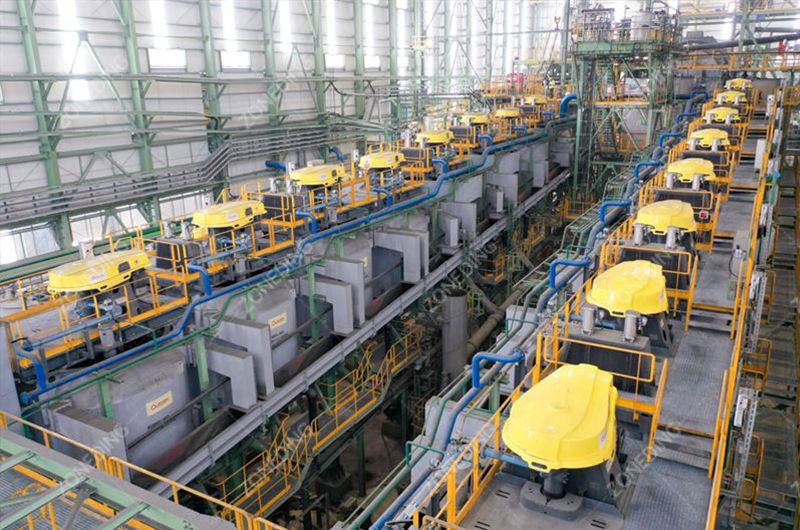
In practical production settings, a single Gold Shaking Table rarely completes all tasks. Efficient shaking table operations often involve multiple tables arranged in series or parallel. This constitutes the strategic configuration of shaking table arrays.
Avoid blindly increasing the number of shaking tables. Do not simply duplicate single table parameters. Consider their collaborative action within the overall process. The configuration design for shaking tables requires optimization. It must suit ore characteristics, product requirements, throughput, and available site space. If high-grade concentrate is required, multi-stage series refining is used. If high Gold Recovery is the objective, multi-stage scavenging might be necessary.
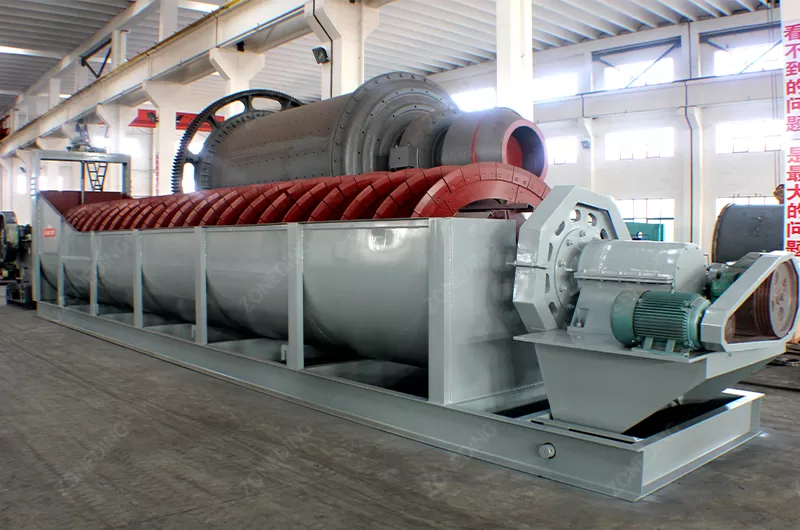
Spiral classifier
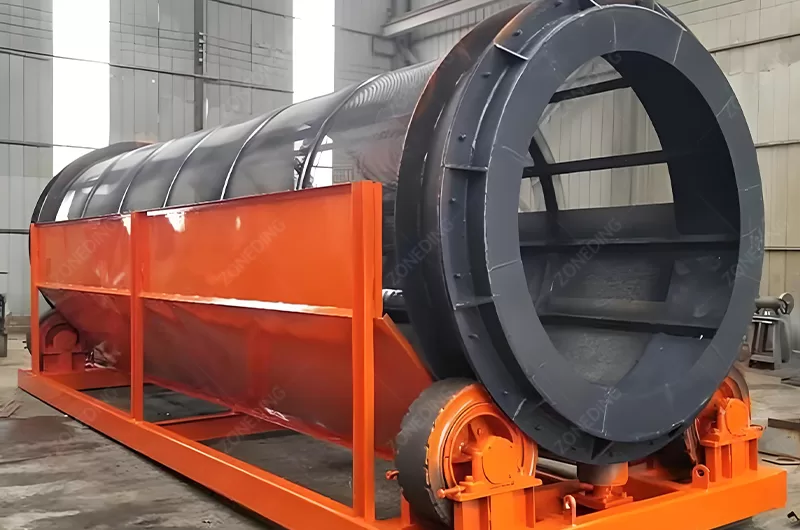
Trommel Screen
Combining Tables for Enhanced Performance
Series Connection: The concentrate or middlings from one shaking table feed into the next. For instance, rough concentrate from a rougher shaking table proceeds to a cleaner shaking table. This improves the final concentrate grade.
Parallel Connection: Multiple shaking tables process the same feed simultaneously. This increases overall processing capacity.
Designing Your Operational Configuration
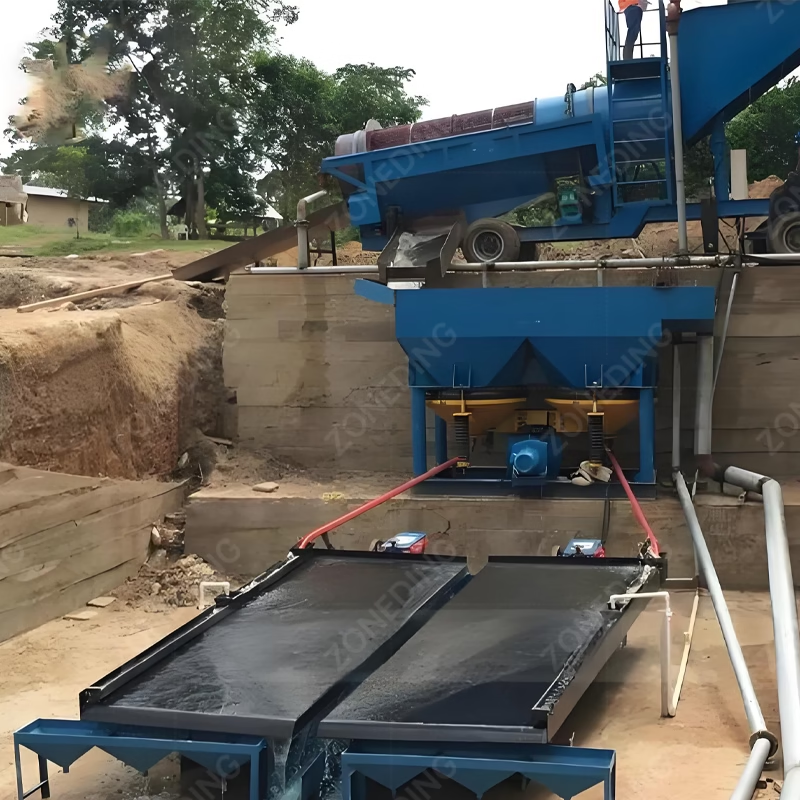
When operating in series, each table’s stroke, frequency, slope, and water parameters may differ. This adapts them to distinct separation goals at each stage. An effective shaking table array maximizes equipment utilization while maintaining separation efficiency. It also reduces overall investment and operating costs. Spiral classifiers or trommel screens can be used for efficient feed distribution.
Insight 8: Fault Diagnosis and Maintenance – The Importance of Routine Maintenance for Equipment Longevity
The Gold Shaking Table has a relatively simple structure. However, its high-frequency reciprocating motion causes continuous wear on mechanical components. Regular inspection and preventive maintenance are critical.
Many operators only conduct maintenance when equipment exhibits clear faults. At this point, significant damage has often occurred. This results in high repair costs and extended downtime. Adhering to the equipment maintenance manual is essential. It ensures long-term stable operation. It maintains high separation performance. It extends equipment life. It lowers total operating costs.
Essential Maintenance Practices
Lubrication: Regular lubrication of bearings and gears in the drive mechanism is necessary. Inadequate lubrication is a common cause of premature equipment failure.
Fasteners: Prolonged vibration can cause bolts to loosen. Regularly inspect and tighten all connections. This is especially important for the deck and frame connections.
Wear Parts: Inspect the deck for wear. Check the integrity of the riffles. Worn or damaged riffles significantly affect separation performance.
Foundation: The shaking table requires a stable concrete foundation. It also needs vibration damping. A sinking or uneven foundation causes abnormal vibration. This accelerates equipment wear.
The cost of preventive maintenance is considerably less than the cost of fault repairs and production losses.
Insight 9: Environmental and Sustainability – Environmental Considerations for Shaking Tables
The Gold Shaking Table is a physical separation device. It does not use chemical reagents. This classifies it as environmentally friendly equipment. However, water consumption and tailings treatment remain important environmental considerations.
Current stringent environmental regulations mean that simply avoiding chemical reagents is no longer sufficient. Production lines should be designed with sustainability in mind. This includes provisions for water treatment. It also requires planning for proper tailings management. This proactive approach ensures long-term success. It also meets future regulatory demands.
High Efficiency Concentrator
Magnetic Separator
Flotation machine
Water Recycling and Management
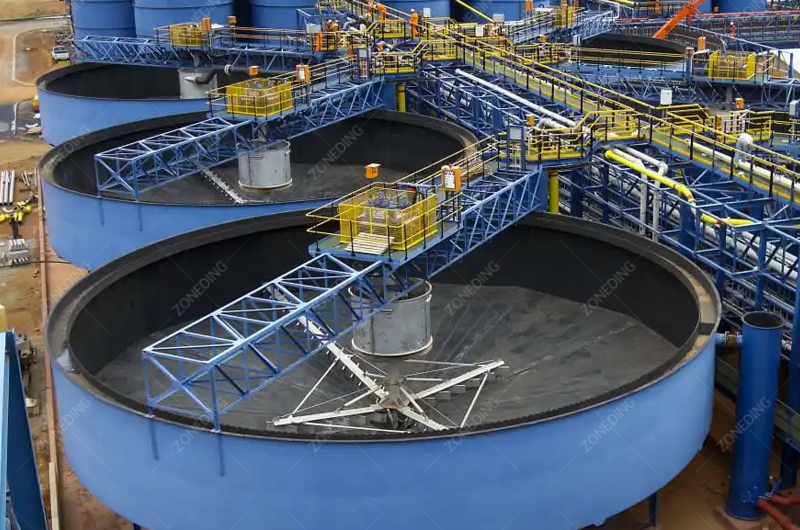
Design a thorough water circulation system for Gold Ore Beneficiation. This system should include efficient high-efficiency concentrators and filter presses. This recycles tailings water. It minimizes fresh water use and wastewater discharge. This is crucial for sustainable operations.
Responsible Tailings Handling
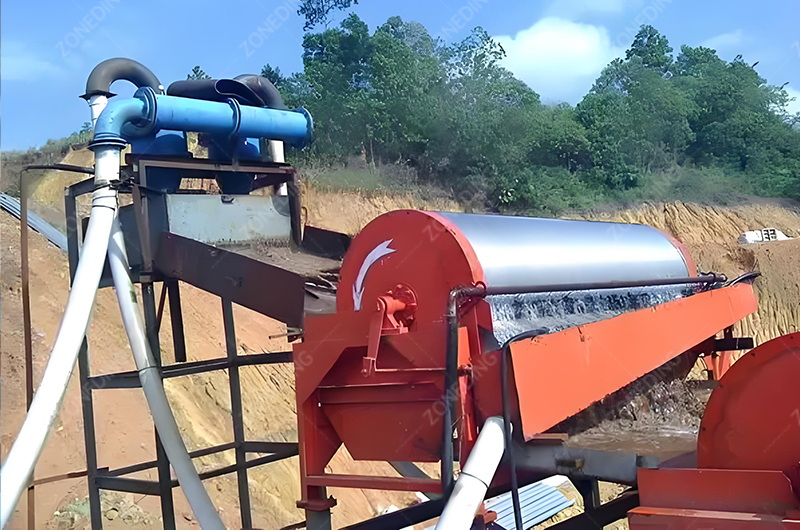
Tailings may still contain trace amounts of valuable minerals or heavy metals. They must undergo harmless treatment. This includes dry stacking, backfilling, or further processing. Methods such as magnetic separation, flotation, or even cyanidation can be combined for further recovery. This prevents environmental pollution. Consider adding a magnetic separator or a flotation machine to treat tailings.
Noise Control
The shaking table’s drive mechanism generates some noise. Consider installing sound insulation covers. Optimize equipment layout. This reduces impacts on the surrounding environment. Initial investment in environmental equipment and solutions may increase upfront costs. However, it helps avoid substantial environmental fines. It also enhances corporate image. It meets future stricter regulatory requirements. Integrating environmental practices into every stage of design and operation forms the foundation of sustainable development for mining enterprises.
Gold Shaking Table Selection Guide: Matching Ore and Throughput
Choosing the correct Gold Shaking Table is vital. It must match the ore’s characteristics and the required throughput. Selection should not be based solely on price. Many factors require consideration. This guide facilitates informed decision-making. It ensures an efficient Gold Processing Flow.
Trommel screen, shaking table for gold
Spiral classifier, shaking table for gold
Key Considerations for Selection
Ore Type:
Placer Gold Shaking Table (Alluvial Gold): Often requires pre-screening with a trommel screen to remove large gravel. Shaking tables are effective for recovering free gold from sand and gravel.
Lode Gold (Hard Rock Gold): Requires crushing and grinding before separation. Shaking tables perform well for recovering coarse free gold liberated after milling.
Tailings: Reprocessing existing tailings may require specific table configurations to capture fine or partially liberated gold particles.
Particle Size Distribution:
Coarse Gold: Tables with higher riffles and longer strokes are used.
Fine Gold Recovery: Tables with lower riffles, shorter strokes, and higher frequencies are preferred. Consider multi-stage classification (e.g., with a spiral classifier) before feeding to specialized fine gold tables.
Throughput Requirements:
Match the table size and number to the desired tons per hour. Multiple tables in parallel can meet high throughput demands.
Impurities:
The presence of heavy minerals other than gold (e.g., cassiterite, wolframite) may necessitate multi-stage separation or pre-concentration steps.
High clay content requires effective desliming.
Water Availability:
Shaking tables require a continuous supply of wash water. Water recycling systems are crucial, especially in arid regions.
Site Conditions:
Available space, power supply, and foundation stability influence table size and setup.
Consulting with an experienced Gold Processing Equipment Manufacturer is essential. They can conduct ore tests and provide a customized solution for specific needs.
Comparing Gold Shaking Tables with Other Gravity Separators
The Gold Shaking Table is an effective tool. However, it is one of several Gravity Separation Equipment options. Understanding its advantages and disadvantages relative to others is important. This assists in building the most effective Gold Processing Flow.
Bulk concentration, placer gold, pre-concentration of medium fines
Strategic Integration
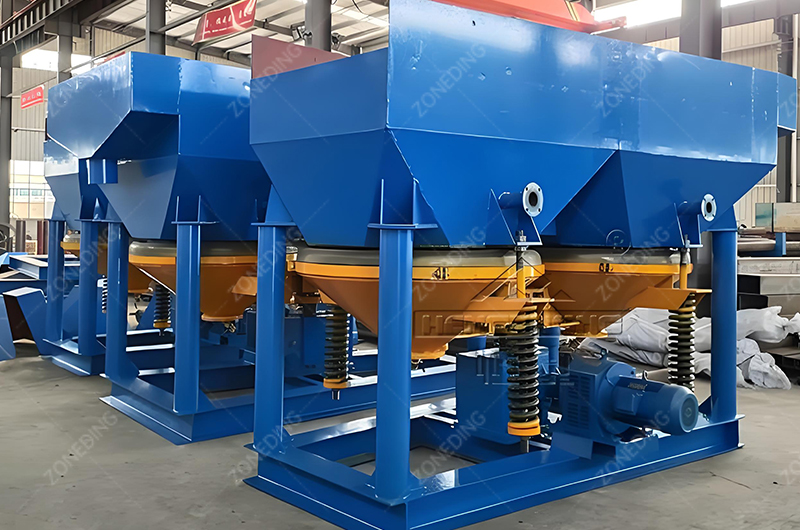
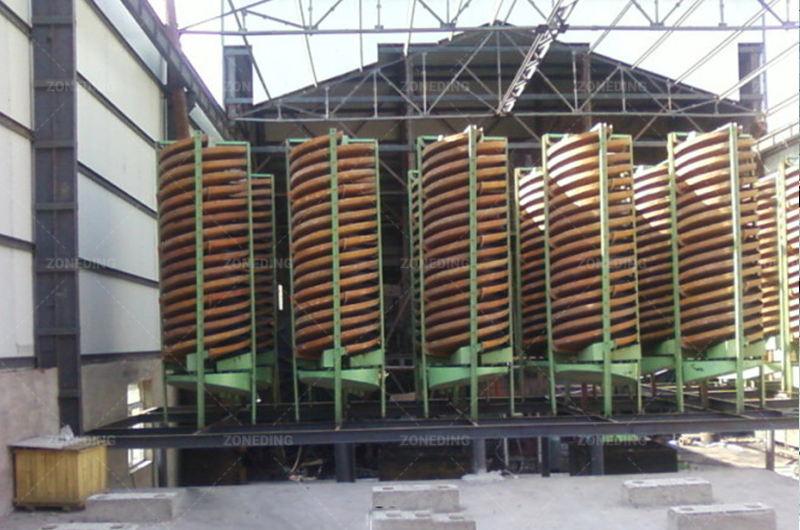
Often, optimal Gold Ore Beneficiation involves a combination of equipment. Jigs can be used for rough concentration of coarse gold. Spiral chutes can handle medium fines. Finally, Gold Shaking Tables perform crucial fine gold recovery and concentrate cleaning. This multi-stage approach maximizes overall Gold Recovery and concentrate quality. It leverages the strengths of each Gravity Separation Equipment.
Gold Shaking Table Project Investment and Benefits Evaluation
Investment in a Gold Shaking Table project involves more than equipment costs. It encompasses capital expenditure, operational costs, and a thorough benefits assessment. A detailed financial plan is essential for project success.
High Gold Recovery: Shaking tables offer excellent Fine Gold Recovery, especially for free gold. This directly increases overall gold output.
High Concentrate Grade: They produce very clean Gold Concentrate. This reduces downstream processing costs. It often commands a higher market price.
Low Operating Cost (per ton): Relative to other methods like flotation, shaking tables often have lower power consumption and no chemical costs.
Environmental Friendliness: As a physical separation method, it uses no chemical reagents. This lowers environmental impact. It simplifies permitting.
Flexibility: Adjustable parameters allow adaptation to varying ore conditions.
Return on Investment (ROI): A well-designed project with optimized operation can achieve a quick ROI. This results from efficient Gold Recovery and low operating costs.
A detailed feasibility study is necessary. This includes comprehensive ore testing. It also involves realistic financial projection. This ensures profitability for your Gold Shaking Table project.
Common Questions About Gold Shaking Table
Question 1: What is the primary role of a Gold Shaking Table in Gold Ore Beneficiation?
The Gold Shaking Table is a Gravity Separation Equipment. It separates gold particles from lighter gangue minerals. It achieves this separation based on differences in specific gravity. This process is crucial for producing Gold Concentrate with high purity.
Question 2: Why is feed preparation so critical for the efficiency of a Gold Shaking Table?
Feed preparation directly impacts separation effectiveness. Proper particle sizing and efficient desliming are essential. Mud and uneven particle sizes hinder free movement of gold. This reduces Gold Recovery rates and concentrate grades. Investing in good feed preparation maximizes shaking table performance.
Question 3: How do riffle design and bed material influence Gold Shaking Table performance?
Riffle design (height, shape, arrangement) and bed material (FRP, special rubber) customize the sorting layer. This guides heavy minerals. Correct design ensures optimal flow and stratification. It directly influences separation efficiency. It also affects the final Gold Concentrate quality and recovery.
Question 4: What is the significance of middlings treatment in the Gold Processing Flow?
Middlings treatment is a key profit area. It recovers gold that is not fully liberated or concentrated in the initial separation. Returning middlings to the feed or using dedicated middlings tables significantly increases overall Gold Recovery. It prevents valuable losses.
Question 5: How does ZONEDING support the efficient operation of Gold Shaking Tables?
ZONEDING offers custom Gold Shaking Table solutions. These are based on detailed ore analysis. We provide efficient Gravity Separation Equipment. Our services include design, manufacturing, installation, and ongoing technical support. Our goal is to maximize your Gold Recovery and operational profitability.
Summary and Recommendations
Effective operation of a Gold Shaking Table requires a comprehensive technical understanding. It involves detailed raw ore analysis, precise equipment selection, and a well-designed process flow. The nine insights provided cover feed preparation, precise control of deck parameters, water flow, and machinery settings. They also detail middlings treatment, strategic table arrangements, and diligent maintenance. Furthermore, crucial environmental considerations are addressed. These key insights help avoid operational issues. They also help maximize wealth in Gold Processing Flow.
About ZONEDING
ZONEDING has been a leader in mineral processing since 2004. We provide a full range of Crushing Equipment and Beneficiation Equipment and solutions. We serve clients worldwide. ZONEDING specializes in customized gold processing solutions. Our machines are recognized for reliability, efficiency, and top performance. We offer full-process support. This covers design, manufacturing, installation, and after-sales service. ZONEDING assists in achieving superior Gold Recovery.
Contact us today. Our experts can assist in designing or optimizing any Gold Processing Flow. Maximize your mineral value with ZONEDING’s proven technology and experience.
A rod mill working principle differs from other grinding tools because it uses long steel rods instead of balls. This machine is the best choice for preventing "over-grinding," which ruins fragile minerals. Many plants lose profit becaus...
Selecting between a and a Rod Mill is a critical decision in mineral processing. This choice impacts recovery rates, power use, and overall plant profit. A ball mill uses steel balls to grind ore into fine powder. A rod mill uses long st...
Decades of experience in the mining sector reveal a common financial drain. Many crushing facilities struggle with high electricity bills and frequent machine failures. Facility owners often attempt to save money by purchasing cheap replacement pa...
We use cookies to ensure that we give you the best experience on our website. If you continue to use this site we will assume that you are happy with it.
Privacy Policy
Send us a message
We would love to hear from you
Submit your question and our team will respond to the email provided as soon as possible.
 Zoneding Machine