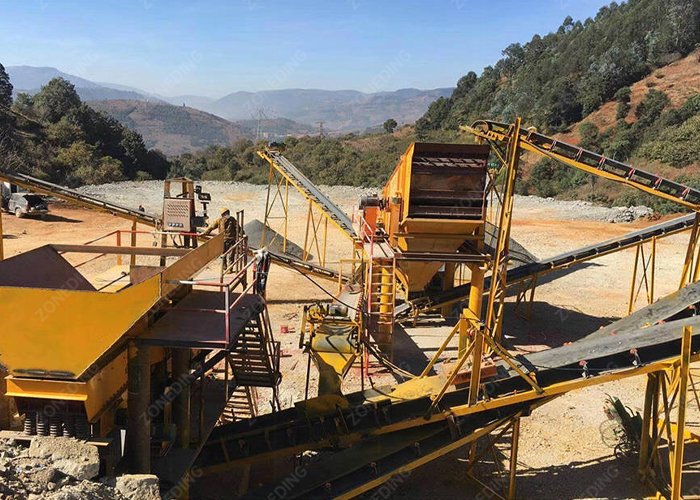
River pebbles are valuable. They are a top raw material for manufactured sand. Making sand from them needs good planning. Selecting the right machines is crucial. Budget management is also important. This guide details these aspects. It covers the river pebble sand production line cost. Also lists the complete river pebble sand making equipment. The aim is to assist in building a profitable sand plant.
Why Choose River Pebble Sand Making: Market, Cost, Eco?
River pebbles are an excellent resource. They make high-quality manufactured sand. This sand is essential for building roads and homes. Natural sand is becoming scarce. Its use is limited by regulations. So, the demand for manufactured sand grows larger each year. This creates a big market. Businesses making sand from river pebbles can achieve good profits. This is due to stable demand. Efficient production methods also help. River pebbles usually have high hardness. They resist wear very well. These qualities make them great for strong concrete and asphalt. High-quality manufactured sand has a good shape. It has a consistent particle size distribution. This improves the strength and durability of building materials. This is why more construction projects prefer it. A well-planned river pebble sand plant can bring high returns. It meets a real market need. It does this while also being responsible to the environment. Choosing the right technology is important. Managing costs is also important. This ensures the plant runs well. It also makes money.
What Is the River Pebble Sand Production Line Cost? Factors?
Many inquiries are made about the river pebble sand production line cost. There is no single number. The total investment changes a lot. It depends on many things. Costs can go from low to very high. For example, a small plant might cost 800,000 RMB. A large one could cost over 15,000,000 RMB. All parts of the investment must be considered. This includes machines, construction, and running costs.
Total Investment: Breaking Down the Costs
Small Plant (50-100 tons/hour): Costs around 800,000 – 2,000,000 RMB (120,000 – 300,000 USD). This is for basic equipment.
Medium Plant (150-300 tons/hour): Costs roughly 2,000,000 – 5,000,000 RMB (300,000 – 750,000 USD). This includes more advanced machines.
Large Plant (300-600+ tons/hour): Costs 5,000,000 – 15,000,000+ RMB (750,000 – 2,250,000+ USD). This is for big operations. These numbers do not include land costs. They also do not include shipping. First, plant capacity matters most. Bigger capacity means more and larger machines. This increases the cost. Second, the desired sand quality matters. Does it need perfect sand shapes? Or low powder content? These needs decide which machines to buy. They also affect spending. Third, the level of automation matters. More automated plants cost more upfront. But they save on labor later. Fourth, equipment brand affects cost. Top brands cost more. But they offer better quality and service. Fifth, environmental rules are strict now. Dust control and water recycling systems are a big part of the cost. They are necessary for environmentally friendly sand making. Finally, site conditions, civil works, and installation also add to the total.
Complete River Pebble Sand Making Equipment List Revealed?
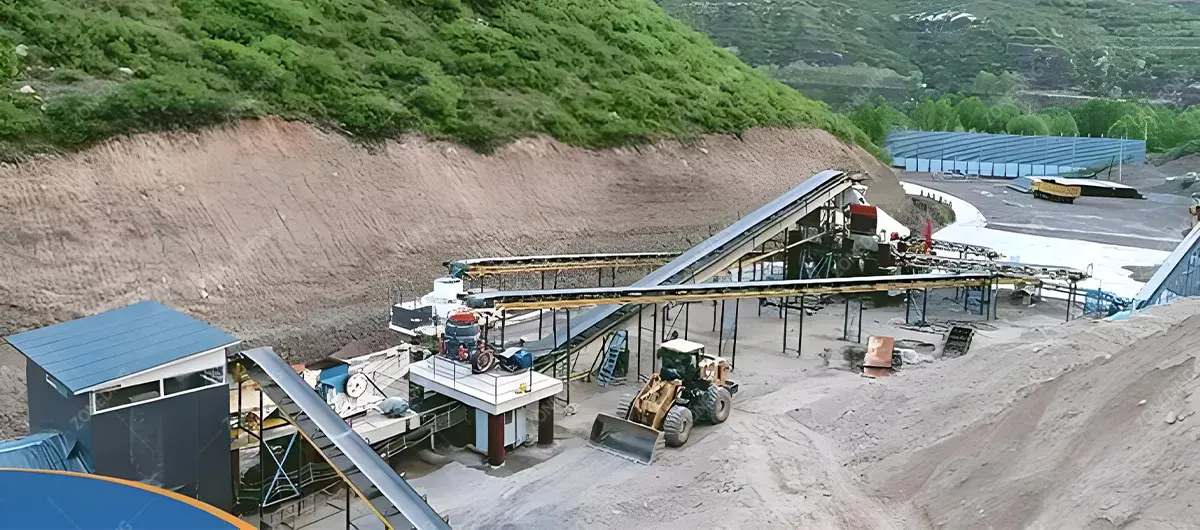
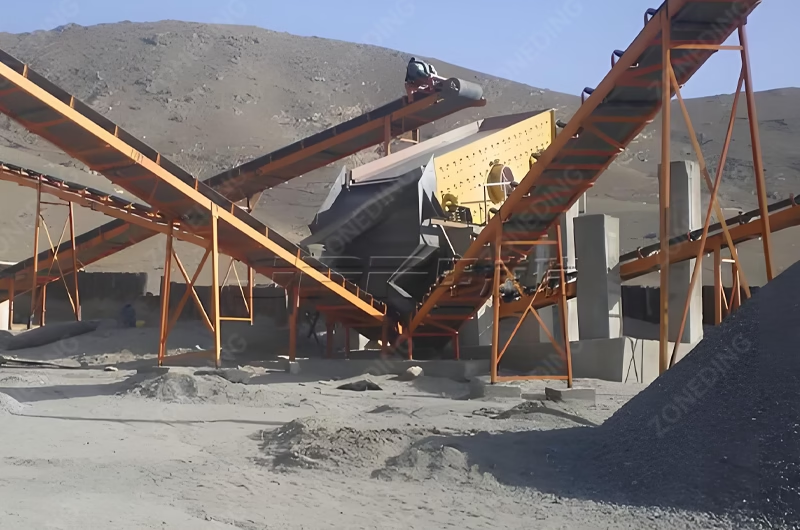
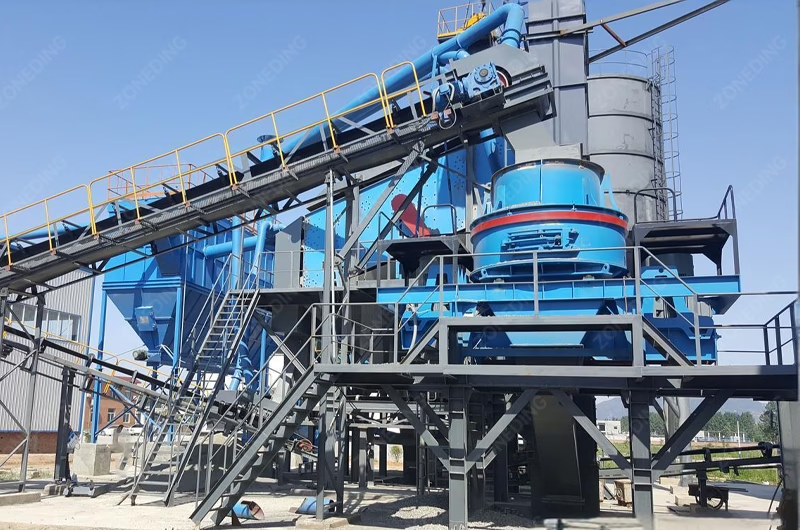
A complete river pebble sand making equipment line is not just one machine. It is a system of machines working together. Each machine has a specific job. They take big river pebbles. They turn them into high-quality sand. This section outlines the machines in a typical line. It also explains what they do. A well-designed production line is key. It ensures smooth operation. It helps produce good sand consistently. This means careful planning for each step. This goes from the moment pebbles enter the plant until sand leaves. Each piece of equipment must work well with the others. The system must be balanced. This prevents any part from slowing down the whole process. This holistic approach makes the plant efficient and profitable.
I. Raw Material Preparation and Primary Crushing
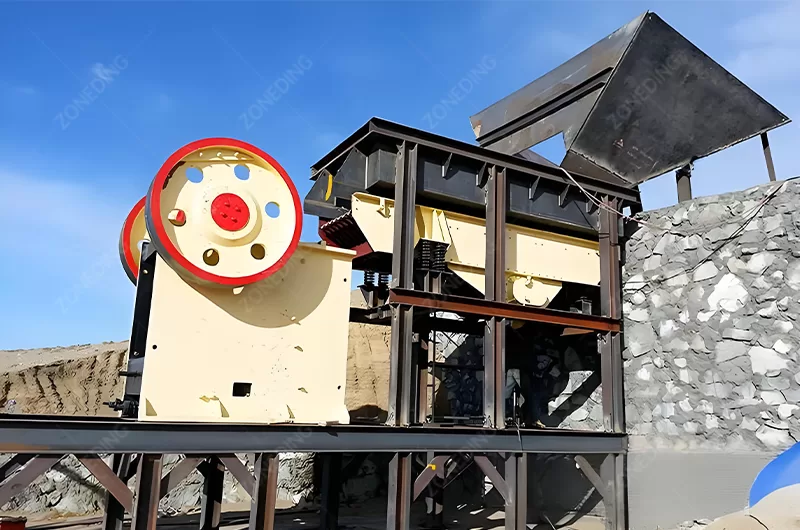
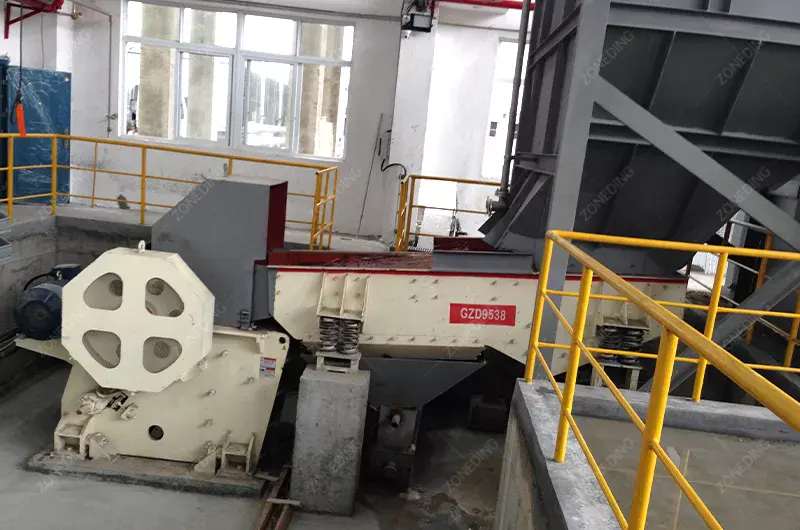
Vibrating Feeder & Jaw Crusher: Primary Crushing System
Function: This machine feeds raw river pebbles evenly. It sends them into the first crusher. It can also sort out small rocks and dirt. This means the crusher works better. It lasts longer.
Recommendation: River pebbles are hard. The feeder needs strong wear plates. A heavy-duty feeder is always suggested. It should have thick wear plates or a grizzly bar screen. This helps it last longer. It means fewer repairs.
Function: This is the first crusher. It breaks big river pebbles into smaller pieces.
Selection: Use a PE series or European JC series jaw crusher. River pebbles wear parts quickly. The jaw plates should be high manganese steel. Pick a crusher size that matches the largest pebbles. It must also meet the required output.
Consideration: Many consider a jaw crusher simple. But its parts matter. The quality of its eccentric shaft and bearings is key. The design of its jaw plates also affects how well it crushes. Choose a maker known for good engineering.
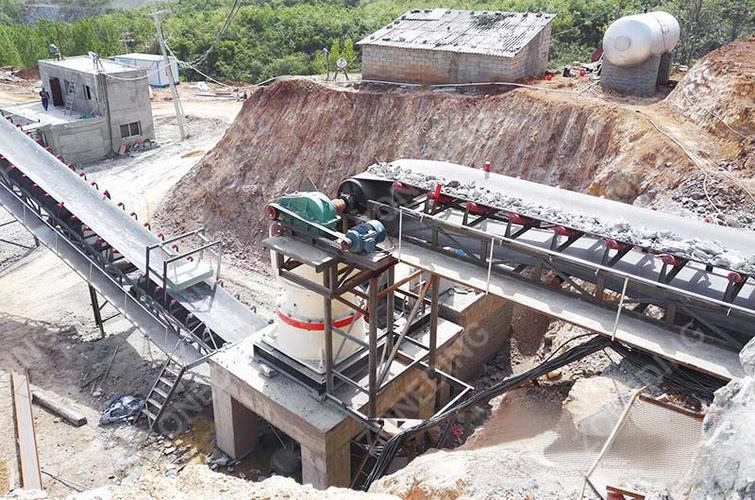
Function: This machine crushes the material more. It makes it even smaller. It gets the pebbles ready for the sand maker. It is the second or third crusher in the line.
Selection: Hydraulic cone crushers are best. They are easy to adjust. They protect against metal parts. They work well with hard river pebbles.
Details: Match the crusher cavity type to the sand maker’s needs. The layered crushing action improves sand shape.
Function: This machine sorts materials. It separates them by size. It has several layers. It helps sort material at different crushing stages. It also ensures the final sand size is correct.
Selection: Choose a YA series or S5X series vibrating screen. The screen mesh is very important for river pebbles. Use strong polyurethane or special steel mesh. This lasts longer.
Common Issue: Screens can get blocked. This happens if material is wet or sticky. Pick the right screen hole shape. Make sure the screen angle is good. Consider anti-clogging options.
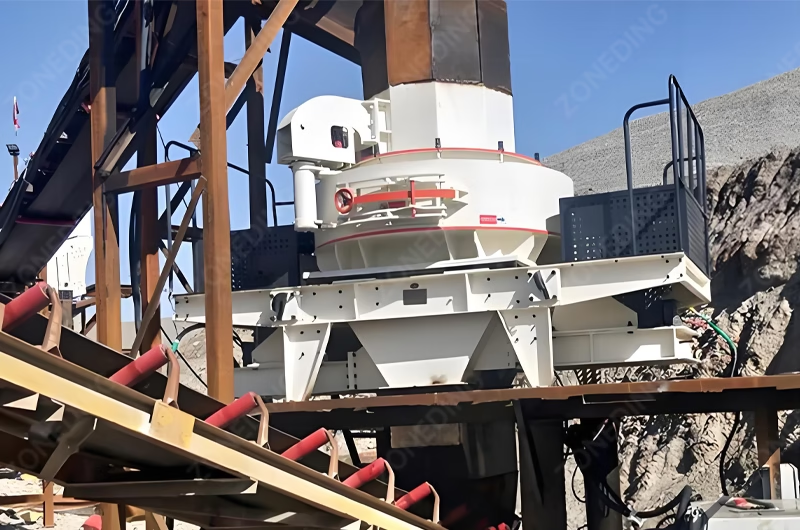
Function: This is the most important machine for river pebble sand. It shapes the crushed stones into good quality sand. This sand meets construction standards. It uses a special “stone-on-stone” or “stone-on-metal” crushing method. This makes sand grains more cubical. It reduces flat or long pieces.
Selection: For hard river pebbles, the “stone-on-stone” method saves on wear parts. But it might make less sand. The “stone-on-metal” method makes more sand. But it wears parts out faster. Choice must be based on specific goals.
Insight: The VSI machine does more than just crush. It shapes the sand. Good sand needs a good shape and size mix. The VSI’s speed and feed method affect the final sand quality.
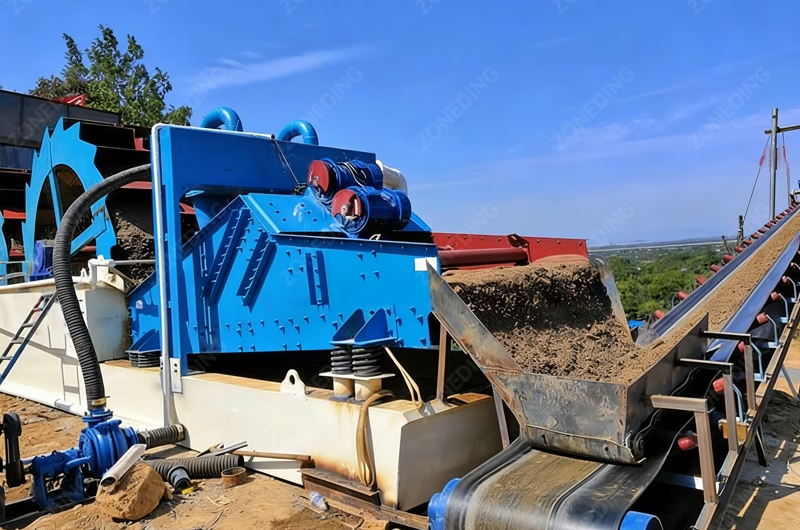
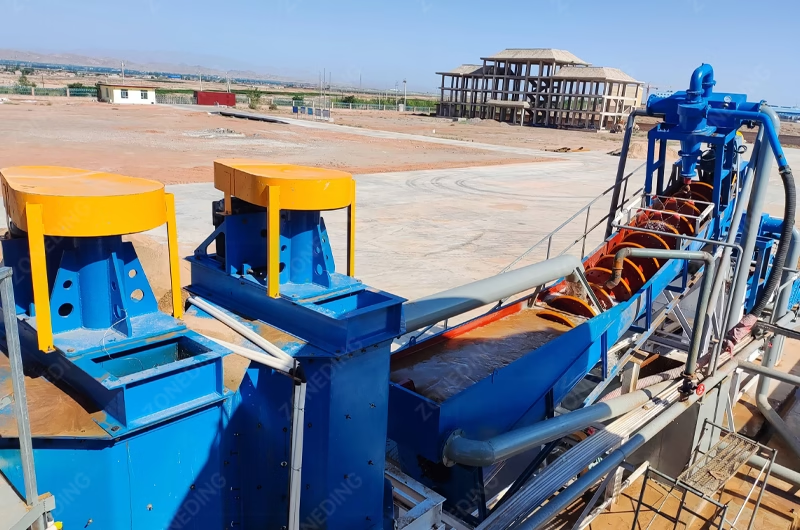
Function: This machine cleans dirt, dust, and other unwanted materials from the manufactured sand. It makes the sand cleaner. It also controls its water content.
Selection: Use a wheel bucket type sand washer. Or use a spiral type (like the LSX series). Wheel bucket washers clean very well. They also remove water efficiently.
Key Problem: Washing can lose a lot of fine sand.
Fine Sand Recovery Machine:
Function: This machine recovers tiny sand particles. These particles often wash away with water. It improves how much sand is obtained. It also makes the sand better quality. This machine helps reduce pollution too.
Cost Factor: Many new investors skip this machine. They think it costs too much. But many times, losing fine sand costs more in the long run. It reduces profit. This machine pays for itself.
Dewatering Screen:
Function: This screen removes more water from the washed sand. It makes the sand drier. This helps with storing and shipping.
V. Auxiliary Equipment and Automation Control
Belt Conveyor:
Function: These belts move material. They link all the crushers, screens, and sand makers. They make sure material flows without stopping.
Long-Term: The quality of the belts matters. Also, how well the rollers are greased matters. The frame must be strong. These things affect how often repairs are needed. For hard river pebbles, the belt needs to be tough.
Dust Collection System:
Function: This system collects dust from the plant. It makes the air cleaner for workers. It also helps meet environmental rules. Bag filters are a common choice.
Sustainability: This is a key investment for green operations. It helps the company’s image.
Electrical Control System:
Function: This system controls all the motors. It ensures machines work safely. It alerts if something goes wrong. It can also manage the whole line from one place.
Details: Advanced systems can watch machines remotely. They gather data. They can make adjustments to run better. This saves money. It also saves time.
Steel Structure Platform and Foundations:
Function: These hold up all the machines. They provide places for workers.
Cost: Good foundations are important. They make sure machines run steadily. They also make machines last longer.
High-Efficiency First Step: Choosing River Pebble Crushers?
Choosing the best crushers for river pebbles is a big decision. River pebbles are hard. They wear down machines quickly. Primary and secondary crushers need to be very tough. Long industry experience confirms this. Machines built for heavy work are needed. They must handle high impact and abrasion. This directly affects the river pebble sand production line cost. For primary crushing, the jaw crusher is a common first choice. It is strong. It handles big river pebbles well. Using high-manganese steel jaw plates is always suggested. These last longer against hard rock. For secondary crushing, the cone crusher is excellent. It crushes pebbles into smaller, more uniform pieces. This makes the material perfect for the sand maker. Modern hydraulic cone crushers are great. They allow easy setting adjustments. They also protect the machine if unwanted metal enters. This prevents costly damage. Both crushers work together. They prepare the raw material efficiently. This sets up the whole line for success. Without good crushers, the rest of the plant will struggle.
Crusher Type
Best Use For River Pebbles
Key Benefit
Jaw Crusher
Primary crushing of large, hard pebbles
High capacity, handles big rocks, first step to smaller size
Cone Crusher
Secondary crushing, medium-fine output
Consistent product, reduces wear on next machine, better particle shape
VSI Crusher
Tertiary crushing, sand making, shaping
Produces cubical sand, high quality for construction
Core of Manufactured Sand: Efficient VSI Sand Makers?
The heart of any river pebble sand line is the VSI sand maker. This machine makes the final sand product. Its main job is to turn irregular crushed stone into high-quality sand. This sand must meet strict building standards. River pebbles are naturally round. This makes their shape a challenge. A VSI machine is designed to improve particle shape. It makes sand more cubical. This is critical for concrete strength and workability. Years of experience show that a VSI machine does more than crush. It “shapes” the sand. It uses a high-speed rotor. This rotor throws material against an anvil. Or it throws material against another stream of material. This is called “stone-on-stone” or “stone-on-metal” crushing. Both methods work well. The “stone-on-stone” method reduces wear on machine parts. This saves money on wear parts. The “stone-on-metal” method often produces more sand. But it means changing parts more often. Selection must be based on specific needs and pebble characteristics. The VSI machine ensures sand has the best possible shape. It also controls the particle size distribution. This is essential for getting the best price for sand. This part of the river pebble sand production line cost is vital for quality.
After sand is made, it needs to be perfected. Screening and washing are key steps. They ensure the sand is clean. They also ensure it has the right mix of particle sizes. This mix is called grading. High-quality sand sells for more. It is essential for strong construction. Cutting corners here can hurt later profits.
Essential Quality Control Steps
Vibrating Screen: This machine sorts the sand. It separates it into different sizes. It ensures only the right sizes pass through. Several screens might be used. They sort sand into coarse, medium, and fine grades. The screens need strong mesh. River pebbles are abrasive. So, wear-resistant screen cloth is a must.
Sand Washer: This machine cleans the sand. It removes dirt, clay, and powder. Clean sand has better performance in concrete. It also fetches a better price. Wheel sand washers are very effective. They clean well. They also remove water efficiently.
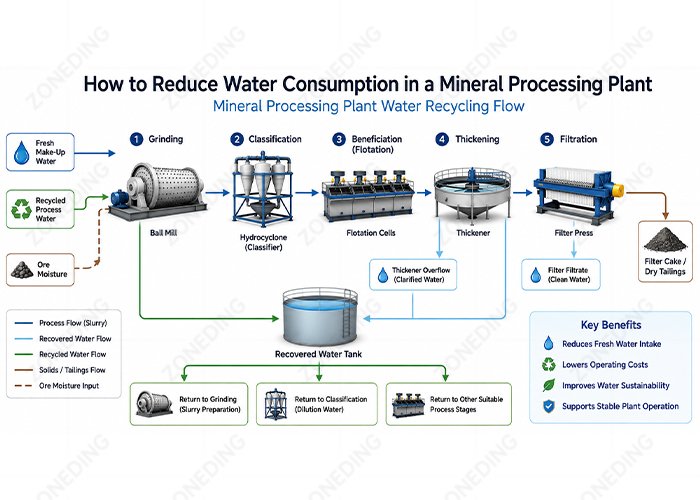
Fine Sand Recovery Machine: Washing can cause small, valuable sand particles to float away. This machine catches them. It recycles these fine particles. This improves total sand output. It also helps the sand have a better size mix. It means less waste. It helps with environmentally friendly sand making.
Dewatering Screen: This screen is used after washing. It removes extra water from the sand. This makes the sand drier. Dry sand is easier to store. It is also cheaper to transport. These machines work together. They make sure manufactured sand meets top standards. This improves the product. It also maximizes the manufactured sand profit.
Modern sand plants need more than just crushers and washers. They must also be eco-friendly. They need to be smart. This means using auxiliary equipment. It also means using automation. This helps the whole production line work better. It cuts down on pollution. It also reduces labor costs. Decades in the field confirm this: a truly efficient plant considers the whole picture. It is not just about the big machines.
Optimizing Operations with Smart Solutions
Belt Conveyor: These machines move all material. They link every part of the plant. They need to be strong. They must handle abrasive river pebbles without breaking down. Good quality belts and proper maintenance mean fewer stops. This increases overall efficiency.
Dust Collection System: This system is critical for environmentally friendly sand making. Crushers and screens make a lot of dust. This system captures dust. It keeps the air clean. It protects workers. It also helps the plant meet strict environmental rules. Bag filters are common and effective.
Electrical Control System: This is the “brain” of the plant. It controls all machines. It turns them on and off. It watches for problems. Advanced systems use computers. They can monitor the whole plant from one room. They can even adjust settings automatically. This saves energy. It also ensures consistent output.
Mobile Crushing Stations: For flexible projects or smaller sites, mobile crushing plant systems are a game changer. They combine multiple machines on one movable chassis. This allows moving the entire plant. It changes locations easily. This is perfect for short-term projects. It helps process material right at the source. This reduces transport costs.
Frequently Asked Questions
Question 1: What is the estimated river pebble sand production line cost for a medium-sized plant? For a medium-sized plant (150-300 tons/hour), the estimated investment for complete river pebble sand making equipment typically ranges from 2,000,000 to 5,000,000 RMB (300,000 to 750,000 USD). This range varies based on specific equipment choices and automation level. Question 2: How can the shape of manufactured sand from river pebbles be improved? To improve sand shape, use a VSI sand maker. This machine uses unique crushing methods to create cubical particles. This reduces flat or elongated sand. This improves sand quality for construction. Question 3: What are the key environmental concerns for a river pebble sand plant? Key environmental concerns include dust emissions, noise pollution, and wastewater from washing. Implement dust collection systems. Use noise reduction measures. Install water recycling systems. These steps ensure environmentally friendly sand making. Question 4: Why is a fine sand recovery machine important for a plant? A fine sand recovery machine is crucial. It minimizes the loss of valuable fine sand during washing. This increases sand yield. It also improves the overall grading of manufactured sand. This boosts the manufactured sand profit. Question 5: How often is it necessary to replace wear parts in a river pebble crusher? The frequency of replacing wear parts depends on the river pebble’s hardness and abrasiveness. It also depends on the crusher’s workload. Regular inspections are key. Replace parts before they fully wear out. This maintains efficiency. It prevents damage to other components.
Summary and Recommendations
Making sand from river pebbles is a smart business choice. It meets strong market demand. It does this with good profit potential. Understanding the river pebble sand production line cost is important. A clear list of the complete river pebble sand making equipment is also needed. Experience shows that a smart investment starts with choosing the right machines. This includes tough jaw crushers and efficient cone crushers. The VSI sand maker is vital for shaping sand. After crushing, vibrating screens and sand washers ensure quality. Fine sand recovery machines boost yield. Environmental solutions like dust collection are a must. They ensure environmentally friendly sand making. To make a high-profit sand plant, consider the whole system. Do not just buy single machines. Plan for long-term costs. This includes energy and wear parts. Invest in automation to save labor. Partner with an experienced supplier. They can offer a complete sand making production line solution. This ensures the plant runs smoothly. It produces high-quality sand. This helps achieve the best manufactured sand profit.
About ZONEDING
ZONEDING MACHINE is a leading Chinese mineral processing equipment manufacturer. It specializes in B2B solutions. ZONEDING has provided reliable equipment since 2004. The factory covers 8,000 square meters. It produces over 500 units annually. The product range is comprehensive. It covers crushing, grinding, beneficiation, screening, and drying. ZONEDING offers full-service support. This includes design, manufacturing, installation, training, and after-sales service. Products export to over 120 countries. ZONEDING commits to delivering high-quality, customized, and efficient solutions. These help operations achieve their goals. Contact ZONEDING today to get your customized river pebble sand plant solution.
For many mining companies, iron ore tailings are considered a waste problem. However, rising environmental regulations and increasing demand for construction materials have changed the situation. Today, many mines are discovering that: Iron ore ta...
Building a highly profitable mineral processing facility requires a strictly logical equipment sequence. A complete copper-gold ore processing line must follow a precise physical and chemical path. The rock must be crushed, ground, classified, and...
Mineral screening equipment performs the vital task of size separation in mining. This process occurs after crushing to ensure only the correct stones proceed. Efficient screening prevents the recirculating load from overwhelming the system. In 20...
We use cookies to ensure that we give you the best experience on our website. If you continue to use this site we will assume that you are happy with it.
Privacy Policy
Send us a message
We would love to hear from you
Submit your question and our team will respond to the email provided as soon as possible.
 Zoneding Machine