For a 200 TPD gold processing plant, true success isn’t just throughput—it’s peak profitability. This scale demands a precise balance: capital investment, relentless operational efficiency, aggressive gold recovery, and unwavering environmental stewardship define your financial destiny.
This article is your definitive roadmap to mastery. It empowers managers, engineers, and stakeholders with critical knowledge to systematically optimize every facet of your 200 TPD facility. From optimal plant design and strategic equipment to lean cost management, we provide insights to dramatically enhance recovery and safeguard returns. Elevate your operation from functional to exceptional.
Why Choose 200 TPD: What Are the Advantages and Challenges for Medium-Sized Gold Plants?
The 200 TPD scale for a gold processing plant holds unique advantages. It avoids the massive capital expenditure of large-scale operations. It also offers better economies of scale than very small mines. This size allows for faster project implementation. It means less financial risk. The operational flexibility is greater. Smaller changes to the process are easier to make. This is important as ore characteristics can change.
Project Designs: Balancing Scale and Efficiency
Lower Capital Outlay: Initial investment is more manageable compared to larger mines. This opens opportunities for a wider range of investors.
Faster Setup: Construction and commissioning times are often shorter. This allows for quicker revenue generation.
Operational Flexibility: Adjustments to the process are simpler. This adapts to varying ore grades or types.
Strict Cost Management: Every cost component needs close monitoring. This applies from initial investment to daily running expenses.
Optimized Recovery: Achieving the highest possible gold recovery rate is paramount. This ensures the best economic outcome.
Robust Compliance: Full adherence to environmental and safety regulations is not optional. It is fundamental for continuous operation.
How Do Gold Beneficiation Test Results Guide Process and Equipment Choices?
The foundation of any successful 200 TPD gold processing plant design lies in comprehensive gold beneficiation test work. Focusing solely on gold grade and reserve reports is insufficient. Deep metallurgical mineralogy assessment is the true core. Experience shows that gold grade is important. However, the form of gold, its distribution, associated minerals, gangue minerals, and response to reagents are critical factors. For a 200 TPD scale, the margin for error is small. Misjudging ore properties can lead to plant design failure. It can also cause soaring operational costs.
Gold Beneficiation Testing: Actionable Steps for Design
Mineralogical Analysis: Determine gold’s exact forms, sizes, and associations. This includes free gold, gold in sulfides, or tellurides. Use advanced tools like SEM and XRD for this.
Grinding Studies (Bond Work Index): Measure the ore’s hardness. This predicts energy use for comminution. It also guides ball mill selection and sizing.
Leaching Kinetics: Test how quickly gold dissolves in cyanide solution. This sets optimal leach times. It helps size tanks.
Reagent Consumption Tests: Determine the amount of cyanide, lime, and other chemicals needed. This impacts ongoing gold processing plant cost.
Gravity Concentration Potential: Assess if gravity separation can recover coarse gold. This is often cost-effective.
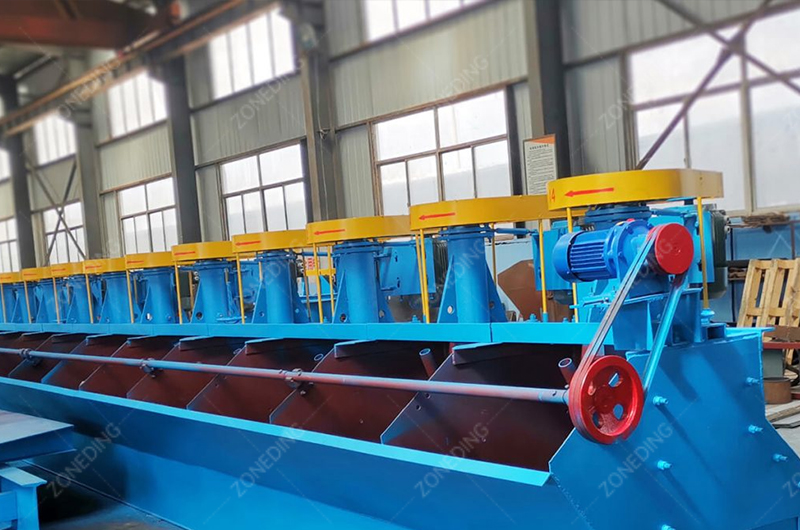
Flotation Characteristics: If gold is sulfide-associated, evaluate flotation machine performance. This determines the best reagents.
Tailings Characterization: Analyze the final waste product. This guides environmental management and disposal methods.
Water Quality Testing: Understand process water needs and recycling potential. This impacts mining environmental compliance.
How Are Efficient Gold Extraction Methods Chosen for Different Gold Ore Types?
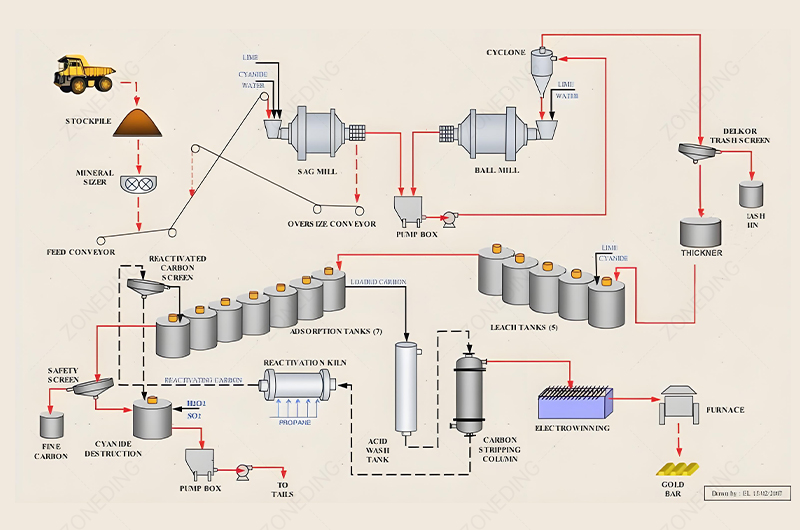
Choosing the right gold mineral processing flowchart is fundamental for a 200 TPD plant. For medium-sized gold mines, the goal is often high recovery with low operating costs. Blindly pursuing the most advanced single technology is not always beneficial. The focus should be on reliability, ease of operation, low maintenance, and a high gold recovery rate. This approach ensures long-term profitability.
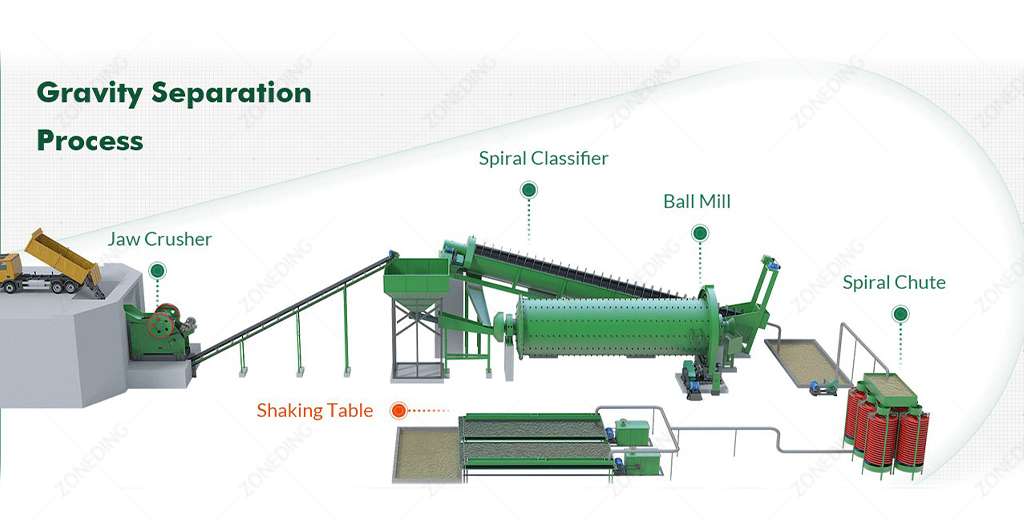
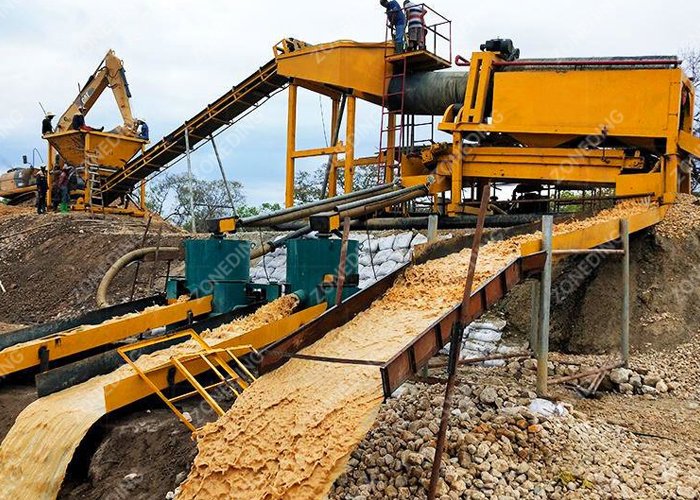
Gravity separation
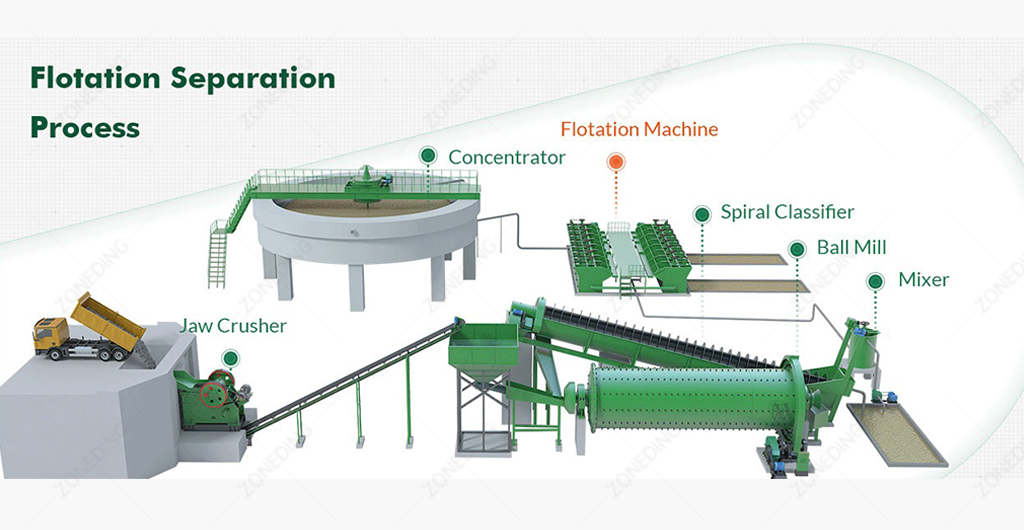
Flotation
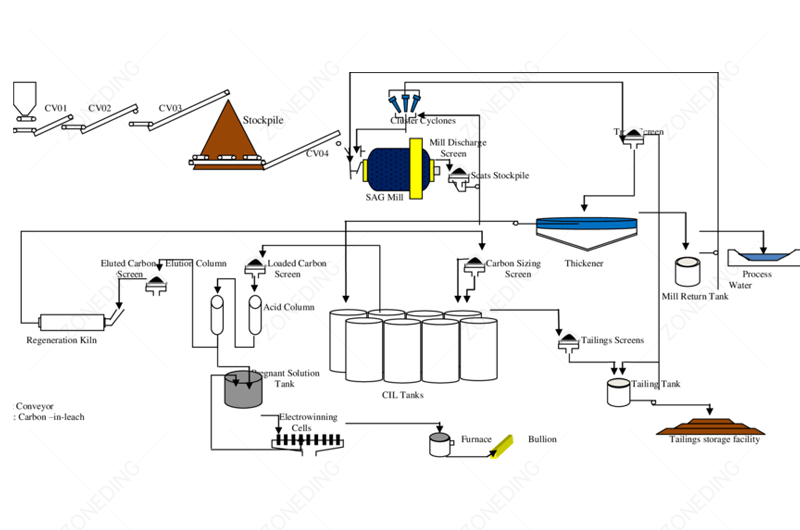
CIL
CIP
Heap Leaching
Optimized Gold Extraction Strategies
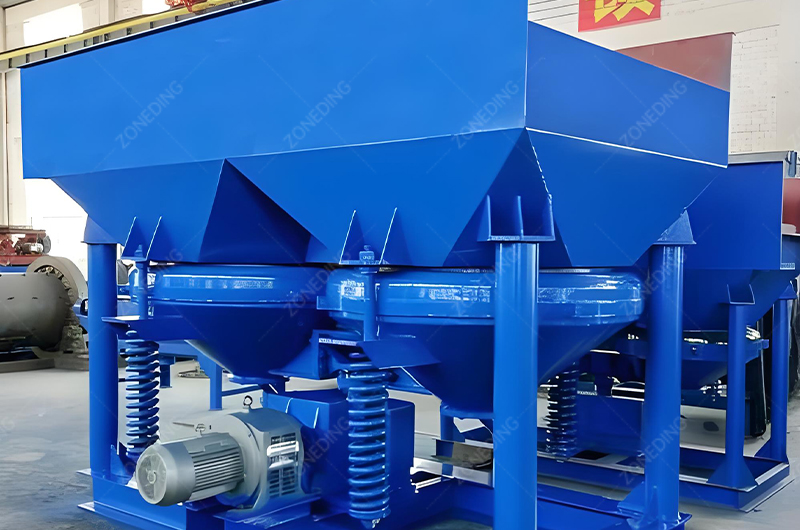
Gravity Concentration + Cyanidation (CIL/CIP): This combination is highly effective for most ores with coarse free gold. Gravity methods, using devices like jigging separator machine or centrifugal concentrator, recover a portion of the coarse gold early. This reduces the load on subsequent cyanidation stages. It also lowers cyanide consumption.
Flotation + Concentrate Cyanidation/Roasting: If gold is mainly associated with sulfides, gold flotation is the primary step. It separates the sulfide concentrate. This significantly reduces the volume of material for further processing. Subsequent cyanidation or roasting of the concentrate becomes more cost-effective. This method is crucial for sulfide ore processing.
All-Cyanidation (CIL/CIP): For very fine, disseminated gold that is not amenable to gravity or flotation, direct cyanidation in a gold CIP processing plant or CIL circuit might be chosen. This simplifies the front end but requires careful management of cyanide and oxygen.
Heap Leaching: For low-grade, porous ores, heap leaching can be an economical option. However, it requires a large footprint and specific ore characteristics. Cost considerations include selecting mature equipment. Local availability of spare parts is also crucial. This reduces long-term operational risks. The selected process must yield the highest possible gold recovery rate for the specific ore type.
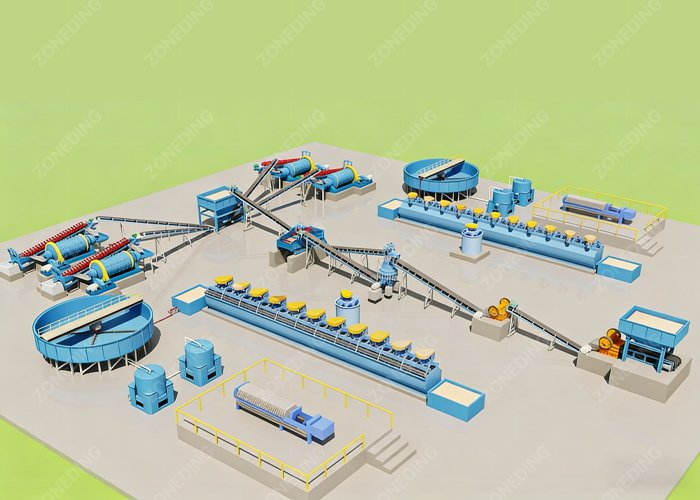
A 200 TPD gold processing plant requires a specific set of gold mining equipment configuration. Each piece plays a vital role. From crushing raw ore to extracting gold, every stage needs robust and efficient machines. The selection balances initial gold processing plant cost with long-term operational efficiency and gold recovery rate.
Essential Equipment Categories
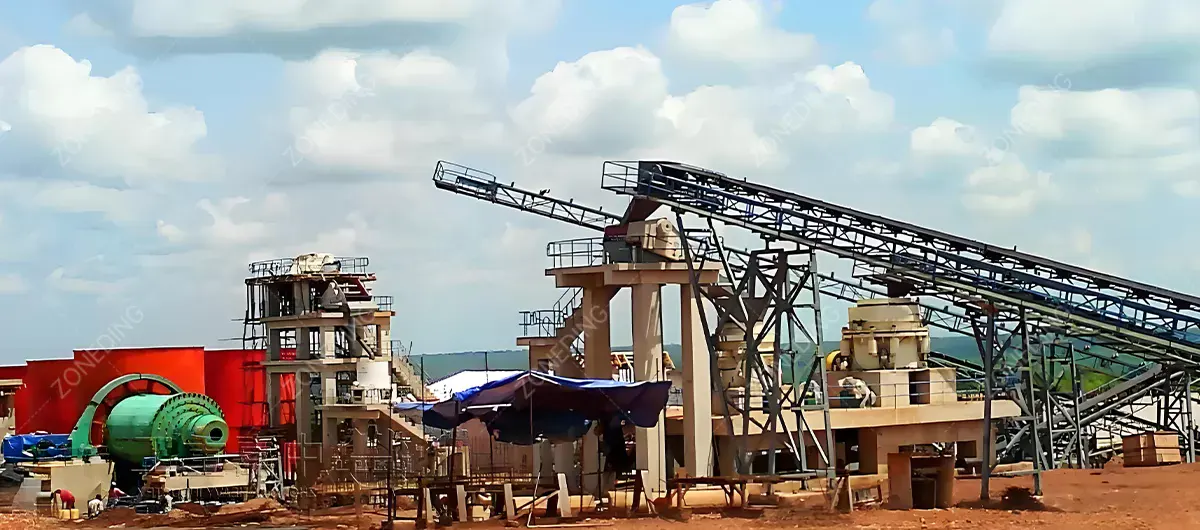
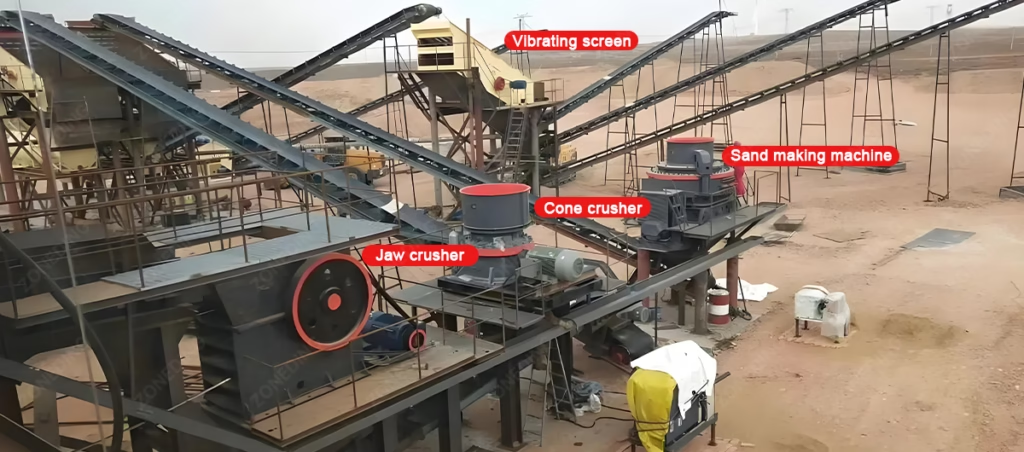
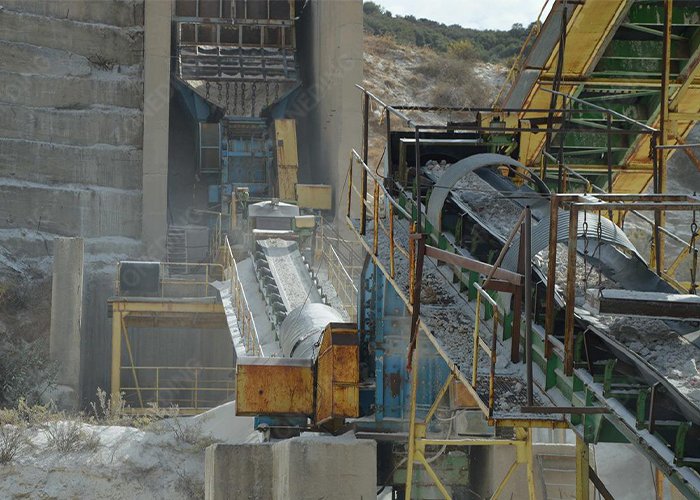
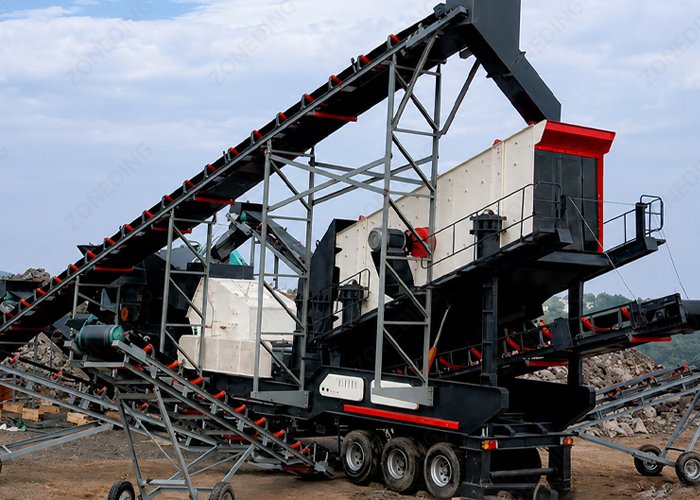
gold ore crushing line
1. Crushing Section: This stage reduces raw ore size. It prepares ore for milling.
Jaw Crusher: Often used for primary crushing. It handles large blocks of ore. This machine reduces them to a manageable size.
Cone Crusher: Used for secondary crushing. It further reduces particle size. This creates a uniform feed for the grinding circuit.
Vibrating Feeder: Ensures a steady and controlled flow of ore to the crushers. This optimizes their performance.
Vibrating Screen: Separates crushed ore by size. It returns oversized material for re-crushing. This ensures efficient crushing.
2. Grinding Section: This section grinds the ore into a fine powder. This liberates the gold particles.
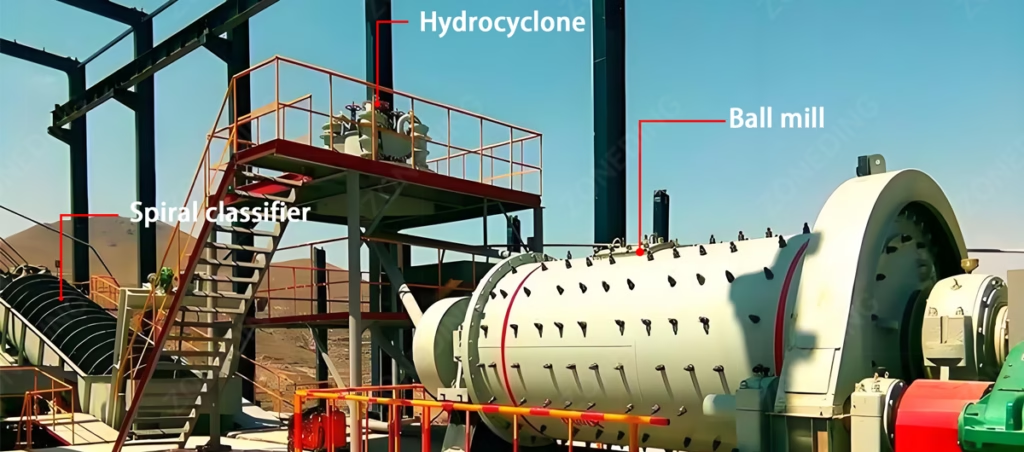
gold ore grinding classification
Ball Mill: The primary grinding machine. It reduces ore to the required fineness for gold liberation. Closed-circuit grinding with spiral classifier or hydrocyclone ensures efficient size control.
Hydrocyclone / Spiral Classifier: Works in conjunction with the ball mill. It separates fine particles from coarser ones. Coarser particles return for further grinding.
3. Gold Separation Section (Depending on Process):
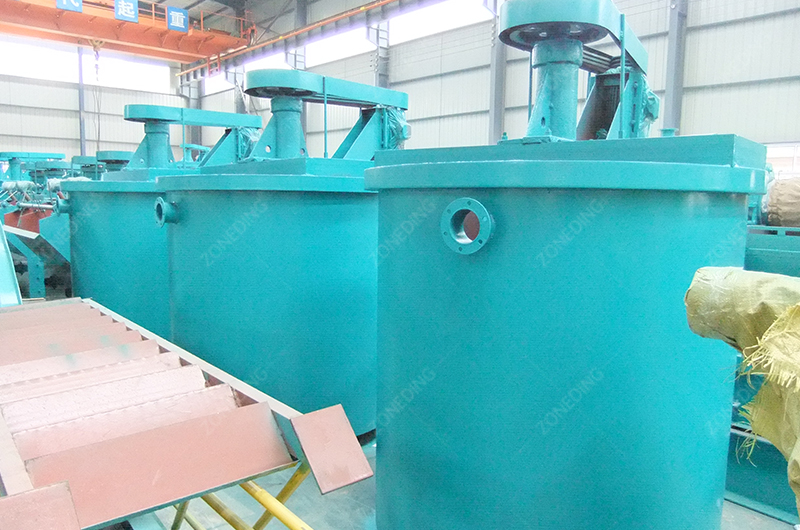
Mixer Tanks: Used in CIL/CIP circuits for mixing ore slurry with cyanide and carbon.
Plant Layout and Engineering Design: How to Build a Safe, Eco-Friendly, and Streamlined Gold Plant?
The layout and engineering design of a 200 TPD gold processing plant are critical. This ensures safety, environmental protection, and efficient material flow. For a medium-sized plant, even with fewer pieces of equipment, optimal arrangement is essential. This impacts overall efficiency and long-term operational success.
Strategic Design Principles
Smooth Material Flow: The layout must follow the material flow. Minimize bends and elevation changes. This reduces pumping requirements. It lessens energy consumption.
Operational and Maintenance Space: Sufficient space must be allocated around all equipment. This allows for safe operation, inspection, and maintenance. Machines like ball mills, crushers, pumps, and valves require frequent servicing. Adequate lifting and access space is crucial for these areas.
Safety Access and Egress: Clear and unobstructed safety ladders, platforms, and emergency exits are paramount. They must comply with occupational health and safety standards. This ensures mining safety management.
Zoned Management: Separate different processing areas logically. This includes crushing, grinding, leaching, carbon elution, and smelting. Leaching and smelting zones need stricter security and ventilation. This manages hazardous materials safely.
Environmental Integration: Incorporate environmental controls into the design. Dust suppression systems, noise reduction measures, and wastewater treatment facilities must be part of the initial plan. This ensures mining environmental compliance.
Future Expansion: The design should allow for potential future expansion. Consider space for additional equipment. Think about increasing capacity. This provides flexibility for growth without major redesigns. An expertly designed processing plant layout design enhances worker efficiency. It lowers accident rates. It also significantly reduces maintenance downtime. This extends equipment lifespan. Such planning is crucial for optimizing the gold processing plant operation.
Daily Operation Management: How to Achieve Stable Output and Safety?
Effective daily management is critical for a 200 TPD gold processing plant. This ensures stable production, high gold recovery rate, and strict safety. The “heavy equipment, light personnel” approach is a pitfall. Instead, a well-trained and empowered local team is the backbone of efficient operations.
Key Aspects of Daily Operation
Personnel Training: A systematic training program is essential. It covers equipment principles, operating procedures, troubleshooting, and daily maintenance. Safety protocols and environmental emergency response are also included. “On-the-job” training, where experienced engineers mentor local staff, is highly effective. This ensures they can operate independently.
Equipment Maintenance: A robust preventive maintenance schedule is crucial. Regular inspections, lubrication, and replacement of wear parts prevent unexpected breakdowns. For example, monitoring liner wear in the ball mill and crusher jaws helps maintain efficiency. Timely replacement reduces costly unscheduled downtime.
Production Record Keeping: Detailed records of ore feed, production volumes, reagent consumption, energy usage, and gold recovery rate are vital. This data allows for performance analysis. It helps identify trends. It supports continuous process improvement.
Safety Management: Implement comprehensive mining safety management protocols. Regular safety drills, strict adherence to Lockout/Tagout procedures, and personal protective equipment (PPE) usage are mandatory. For cyanide circuits, emergency showers and antidotes must be readily available.
Environmental Monitoring: Continuous monitoring of air quality, wastewater discharge, and tailings dam integrity is required. This ensures mining environmental compliance.
Process Optimization: Regular analysis of operational data helps fine-tune process parameters. This includes optimizing grind size, reagent dosages, and retention times. The goal is to always improve the gold recovery rate and reduce operating costs. A well-managed plant fosters a culture of safety and efficiency. This leads to consistent production. It maximizes the gold recovery rate. It ultimately enhances the gold mine ROI.
Cost Control & Efficiency Improvement: Managing Resources for Maximum Gold Recovery?
For a 200 TPD gold processing plant, meticulous cost control is paramount. It ensures economic viability. This involves actively managing energy consumption, reagent usage, and wear parts to maximize the gold recovery rate. Every aspect of the gold processing plant operation affects the bottom line.
Key Areas for Cost Optimization
Energy Consumption: Crushing and grinding are energy-intensive. Optimize power usage through efficient crushing equipment and ball mill selection. Use variable frequency drives (VFDs) for large motors. This adjusts power according to demand. Regularly maintain motors and power systems. This prevents energy waste.
Reagent Consumption: Cyanide, lime, and flotation reagents contribute significantly to operating costs. Implement precise dosage control systems. Use online analyzers for pH and cyanide concentration. This ensures optimal conditions. It prevents over-dosing. Recover and reuse reagents where feasible. This reduces consumption.
Wear Parts Management: Gold ore, especially with hard gangue, causes rapid wear. Use high-quality, abrasion-resistant materials for wear parts. Examples include high-manganese steel jaw plates and high-chrome grinding balls. Implement a proactive replacement schedule. This avoids emergency shutdowns. Sourcing parts from reputable suppliers is crucial. This ensures quality and availability.
Water Management: Water is a valuable resource. Implement extensive water recycling from thickener and tailings. This reduces fresh water intake. It lowers pumping costs. It supports mining environmental compliance.
Labor Efficiency: A well-trained and empowered workforce reduces errors and boosts productivity. Invest in continuous training. Implement clear Standard Operating Procedures (SOPs). This optimizes labor usage.
Maximizing Gold Recovery Rate: This is the ultimate cost control. Even a small increase in gold recovery rate translates directly into higher revenue. Optimize every process step, from liberation to leaching. Regularly assay feed and tailings. This identifies potential gold losses. These strategies lead to a lower overall gold processing plant cost per ounce. They enhance the gold mine ROI.
Frequently Asked Questions
Question 1: What is the biggest challenge for a 200 TPD gold processing plant operation? The biggest challenge often lies in optimizing the gold recovery rate while simultaneously controlling the gold processing plant cost. This balance requires precise process design, efficient equipment, and stringent operational management. It avoids both over-investment and under-performance. Question 2: Why are gold beneficiation test results so critical before designing a plant? Gold beneficiation test results directly determine the most effective gold mineral processing flowchart. They reveal gold’s characteristics, guiding equipment selection. This ensures maximum gold recovery rate and avoids costly design errors. Question 3: Which part of the gold mining equipment configuration consumes the most energy? The crushing and grinding sections, particularly the ball mill, typically consume the most energy. Optimizing these stages with efficient machines and operating practices significantly reduces the overall gold processing plant cost. Question 4: How can mining environmental compliance be ensured for a gold plant? Mining environmental compliance requires integrating dust control, noise reduction, and advanced wastewater treatment from design. It also means proper tailings management, cyanide detoxification, and continuous monitoring. This ensures responsible and sustainable operations. Question 5: What is the most effective way to manage wear parts costs in gold processing? Managing wear parts costs involves using high-quality, abrasion-resistant materials. It also requires implementing preventive maintenance schedules. Regular monitoring of wear levels helps predict replacements. This minimizes unexpected downtime and high repair costs.
Summary and Recommendations
Building a 200 TPD gold processing plant demands a strategic approach. It starts with a comprehensive gold beneficiation test. This guides the optimal gold mineral processing flowchart. The core objective is to maximize gold recovery rate. It also aims to control the total gold processing plant cost. Key equipment includes jaw crushers, cone crushers, ball mills, and separation devices like flotation machines or centrifugal concentrators. Careful processing plant layout design ensures efficiency and safety. Effective daily gold processing plant operation through training and maintenance is vital. Strict cost control measures for energy, reagents, and wear parts are critical. Adherence to mining environmental compliance guarantees long-term sustainability. Ultimately, success lies in a well-integrated system. This balances technology, operations, and responsible practices. This approach delivers a strong gold mine ROI.
About ZONEDING
ZONEDING MACHINE is a leading Chinese mineral processing equipment manufacturer. It specializes in B2B solutions. ZONEDING has provided reliable equipment since 2004. The factory covers 8,000 square meters. It produces over 500 units annually. The product range is comprehensive. It covers crushing, grinding, beneficiation, screening, and drying. ZONEDING offers full-service support. This includes design, manufacturing, installation, training, and after-sales service. Products export to over 120 countries. ZONEDING commits to delivering high-quality, customized, and efficient solutions. These help operations achieve their goals. Contact ZONEDING today for expert advice on gold processing plant design and equipment.
Starting a gold mine requires a clear budget. Total alluvial gold plant cost ranges from $30,000 for small setups to over $500,000 for industrial lines. Equipment price is only part of the investment. Shipping, power, and labor also impa...
Potassium feldspar is an important industrial mineral widely used in ceramics, glass manufacturing, construction materials, and chemical industries. Before potassium feldspar can be used in these applications, it must first be crushed into suitabl...
Building a high-recovery gold ore processing plant development project requires a very clear plan. The process starts with the rock and ends with pure gold. Most projects fail because the machinery does not match the mineral type. High recovery ra...
We use cookies to ensure that we give you the best experience on our website. If you continue to use this site we will assume that you are happy with it.
Privacy Policy
Send us a message
We would love to hear from you
Submit your question and our team will respond to the email provided as soon as possible.
 Zoneding Machine