 Zoneding Machine












Mobile Jaw Crusher for Sale in South America
563: Compare mobile jaw crusher prices, feed sizes, capacities and configurations for quarry, mining and aggregate projects in South America.
View detailsSearch the whole station Crushing Equipment
A crusher plant for Peru must be designed around more than tons per hour. Copper and gold mines, commercial quarries, and road aggregate projects can face very different rock, altitude, access, power, and product requirements.
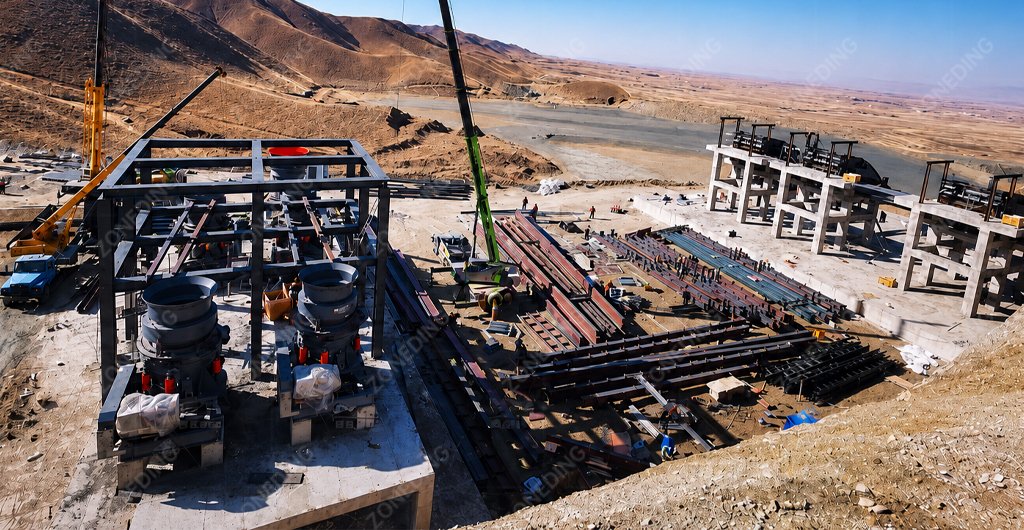
Hard ore often favors jaw and cone crushing, while limestone may be more economical with an impact crusher. Therefore, the right chancadora de piedra or planta chancadora is a complete circuit rather than a standard equipment package.
Two plants with the same rated capacity can require different crushers, screens, conveyors, and power systems.
The main design conditions include:
The first engineering task is to define the duty of the complete stone crushing plant, rather than select each machine independently.
| Peru project condition | Main design question | Possible consequence |
|---|---|---|
| Hard, abrasive copper or gold ore | How much wear will each crushing stage experience? | Compression crushing and stronger wear protection may be preferred |
| Granite or basalt aggregate | How many finished sizes are required? | Closed-circuit cone crushing and a larger screen may be needed |
| Limestone quarry | Is cubical aggregate more important than liner life? | Jaw and impact crushing may be more economical |
| Wet feed containing clay | Can wet fines bypass the primary crusher? | Grizzly pre-screening and anti-blocking chute design become important |
| High-altitude mine | Can the motors, drives, and generators deliver the required duty? | Site-specific derating and cooling checks are required |
| Remote mountain location | How will equipment, cranes, and spare parts reach the site? | Modular transport dimensions and local spare-parts stock become important |
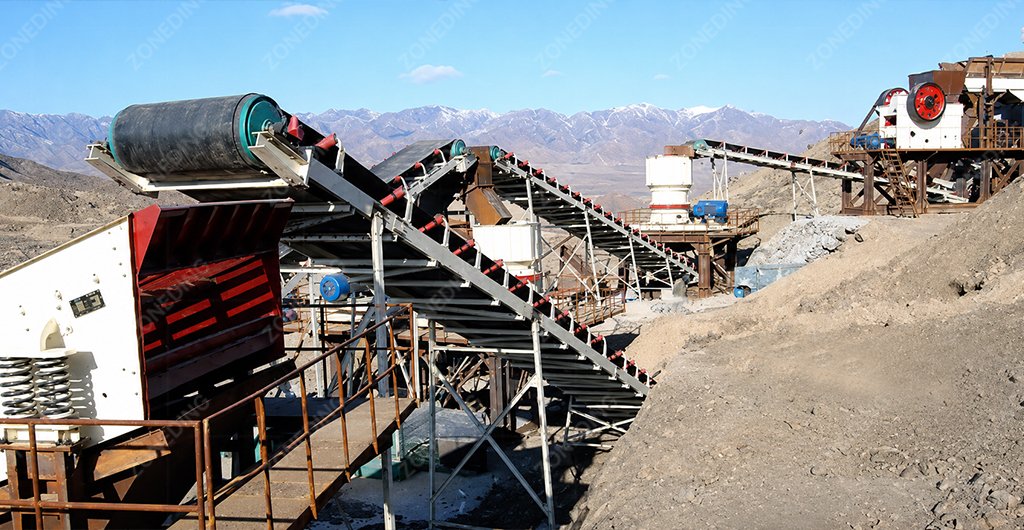
Jaw and cone crushing is common in Peru, but the correct processing route depends on how the rock breaks and what the downstream process requires.
| Material and application | Practical circuit direction | Why it is used | Main point to verify |
|---|---|---|---|
| Hard copper ore | Feeder + jaw crusher + cone crusher + screen | Handles large feed and abrasive rock through compression crushing | Target grinding feed size and liner consumption |
| Hard-rock gold ore | Feeder + jaw crusher + cone crusher + screen | Produces controlled feed for grinding and recovery | Ore variability and required liberation size |
| Granite or basalt aggregate | Jaw crusher + cone crusher + screen | Usually provides better wear economics for hard rock | Product shape, recirculating load, and screen area |
| Limestone aggregate | Jaw crusher + impact crusher + screen | Provides a high reduction ratio and good particle shape | Blow-bar wear, moisture, and clay content |
| Manufactured sand | Jaw crusher + cone or impact crusher + VSI + screen | Adds shaping and fine-size control | Sand demand, fines limit, and dust or washing requirements |
A jaw crusher is normally used for primary reduction because it accepts large blasted rock and provides stable feed to the next stage.
For hard and abrasive material, a cone crusher is often selected for secondary or tertiary crushing.
However, the crusher chamber cannot be selected in isolation. The following components must work together:
An oversized cone crusher cannot recover production lost through a small feeder, unstable feed, or overloaded vibrating screen.
A mining crusher plant and an aggregate production plant have different definitions of a good final product.
For copper and hard-rock gold projects, the crushing plant normally prepares consistent feed for grinding. A smaller and more stable crushing product can reduce the work required by the mill. However, adding another crushing stage is worthwhile only when it improves the economics of the complete processing plant.
The target crusher product must therefore be confirmed together with the ball mill or other downstream grinding circuit.
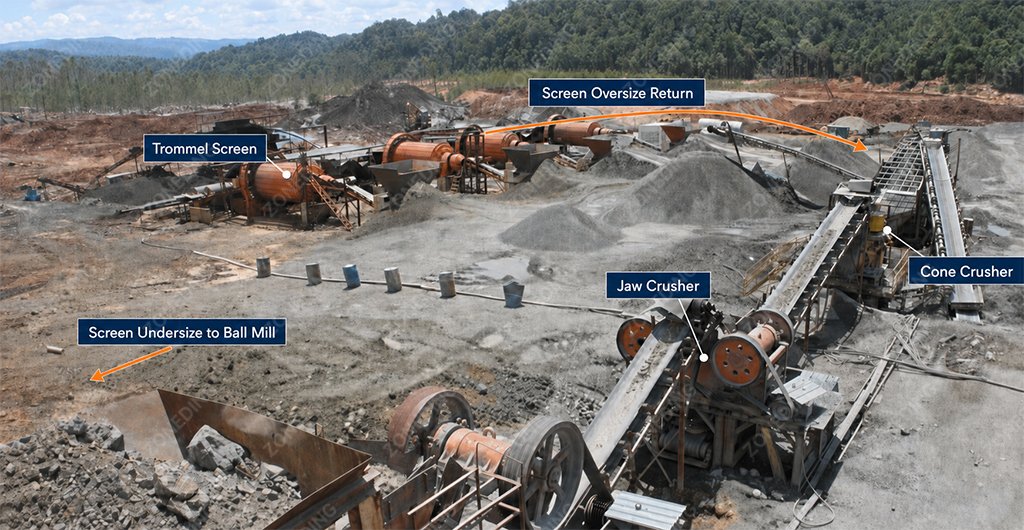
Many conventional circuits may operate with ball mill feed in the approximate range of 10–25 mm, but this is not a universal specification. The correct size depends on:
For aggregate production, the plant must produce saleable sizes with the required grading, particle shape, and cleanliness.
For example, a project producing 0–5 mm, 5–10 mm, 10–20 mm, and 20–40 mm aggregates requires sufficient screen area, separate discharge conveyors, and controlled recirculation.
Increasing crusher capacity cannot compensate for an undersized screen.
| Downstream objective | What crushing must control | Common design mistake |
|---|---|---|
| Ball mill feed | Stable top size and consistent hourly flow | Selecting crusher capacity without checking mill demand |
| Flotation preparation | Reliable grinding feed and limited process variation | Treating throughput as more important than liberation requirements |
| Road base | Correct grading and controlled oversize | Producing excessive fines to meet the top-size limit |
| Concrete aggregate | Multiple clean sizes and acceptable particle shape | Undersizing the vibrating screen and stockpile conveyors |
| Manufactured sand | Particle shape, fines content, and moisture | Adding a VSI without planning dust collection or washing |
The crushing plant should not continuously send more material downstream than the mill, screen, stockpile system, or product market can accept.
Stable and balanced output is more valuable than a short peak-capacity test.
Many mining projects in Peru operate in mountainous areas where altitude and access conditions influence actual production.
Standard sea-level equipment ratings should not be accepted without reviewing the project location.
At higher elevations, lower air density can reduce cooling performance and the usable output of motors, variable-frequency drives, diesel engines, and generators. The effect differs by component, so one universal derating percentage should not be applied to the complete plant.
| High-altitude or remote-site risk | Recommended design response |
|---|---|
| Reduced engine or generator output | Confirm altitude and ambient-temperature ratings with the engine manufacturer |
| Lower motor and drive cooling capacity | Check motor, VFD, and soft-starter derating; increase capacity where required |
| Dust entering electrical equipment | Use suitable enclosure protection, filtered ventilation, and positive-pressure control rooms where appropriate |
| Cold starts and large temperature changes | Select suitable lubricants, hydraulic oil, heaters, and startup procedures |
| Limited grid power | Verify starting current, transformer capacity, and generator transient response |
| Long spare-parts delivery time | Stock commissioning spares and frequently consumed wear parts at the site |
| Difficult maintenance access | Provide safe platforms, lifting points, and sufficient space for liner replacement |
Rated plant capacity must also be checked against actual site conditions.
Limited power, variable feed, wet material, and screen blinding can prevent a nominal 200 TPH plant from maintaining 200 TPH during continuous operation.
Ask the equipment supplier to state the assumptions behind its capacity figures, including:
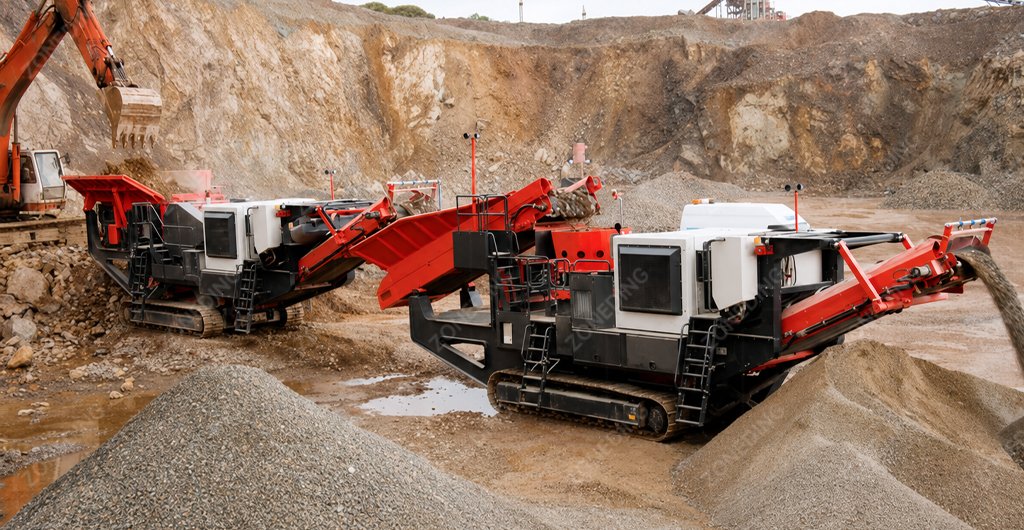
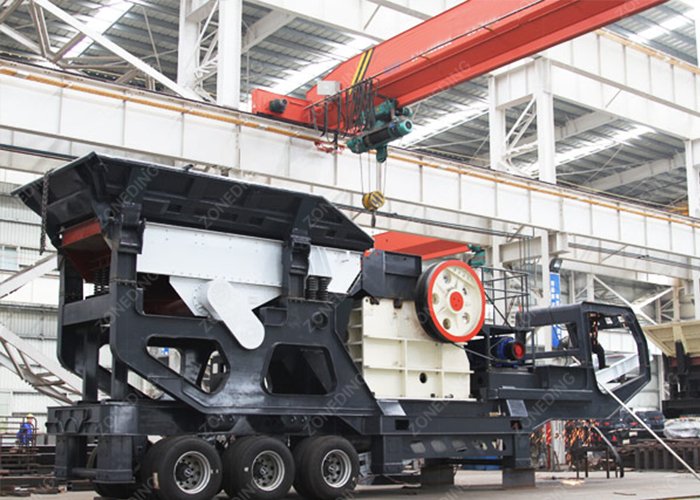
For projects where the mine face moves or permanent civil construction is difficult, a mobile jaw crusher for South America can reduce initial site work.
However, a mobile crusher still requires suitable access roads, level operating areas, fuel or electrical supply, maintenance space, and a complete downstream plan.
Mobility should be selected according to the project plan, not according to the assumption that mobile crushing equipment is always cheaper.
| Project condition | Usually better starting point | Main reason |
|---|---|---|
| Short contract or changing quarry faces | Mobile crusher plant | Faster relocation and less permanent civil work |
| Exploration or early mine development | Mobile or modular plant | Production can begin before final infrastructure is completed |
| Long-life mine with stable high output | Stationary crusher plant | Greater layout flexibility, larger surge capacity, and easier expansion |
| Several finished aggregate stockpiles | Stationary crusher plant | Conveyors and screens can be arranged around the product plan |
| Frequent movement inside one mine | Tracked mobile crusher | Self-propelled repositioning inside the working area |
| Transport between separate road projects | Wheeled mobile crusher | Road transfer may be simpler when local transport rules allow it |
A tracked chassis can reposition the equipment inside a mine or quarry. However, it normally still requires a low-bed transporter for long-distance movement on public roads.
A wheeled plant is not automatically road legal either. Axle load, equipment width, transport height, turning radius, and local permit requirements must be checked.
The detailed tracked vs wheeled mobile crusher comparison explains how to choose the chassis type.
Buyers comparing complete mobile production-line budgets can use the South America mobile crusher plant price guide instead of relying only on the price of the main crusher.
Capacity is an output target rather than a complete plant specification.
The following configurations are preliminary planning directions. Final equipment selection requires complete material, feed, product, and site information.
| Reference capacity | Typical circuit direction | Suitable project | Critical design check |
|---|---|---|---|
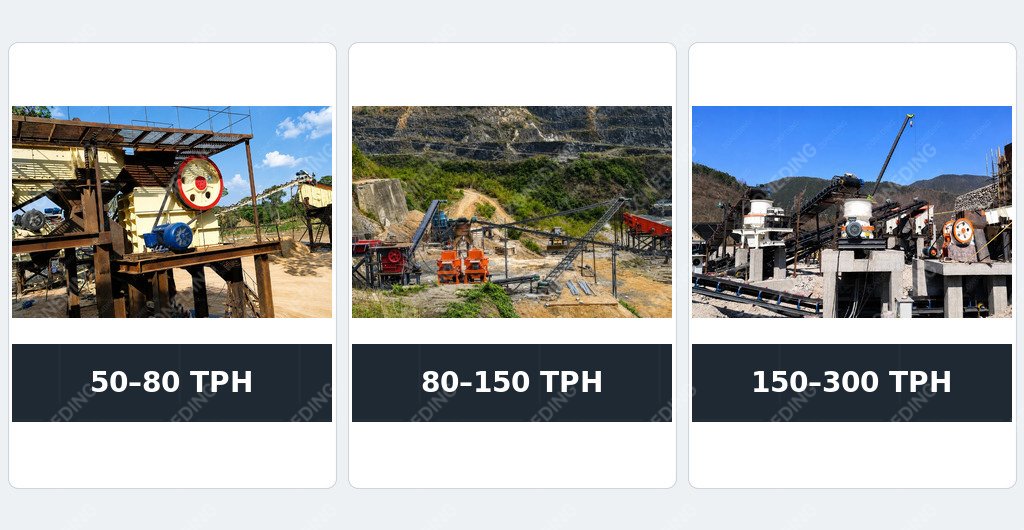
| 50–80 TPH | Feeder + jaw crusher + screen; add secondary crushing when required | Small quarry, road base, or trial mining project | Hard rock and multiple products may still require a cone or impact crusher |
| 80–150 TPH | Jaw crusher + cone crusher + screen, usually in closed circuit | Copper ore, hard-rock gold, or granite aggregate | Balance jaw output, cone chamber, screen area, and return load |
| 100–200 TPH limestone | Jaw crusher + impact crusher + screen | Commercial aggregate and road construction projects | Verify moisture, clay, blow-bar wear, and finished particle shape |
| 150–300 TPH hard rock | Jaw crusher + cone crusher + screen with surge capacity | Continuous mining or commercial quarry operation | Check stockpile demand, maintenance access, and future expansion |
| 150–300 TPH sand and aggregate | Jaw crusher + cone or impact crusher + VSI + multi-deck screen | High-quality aggregate and manufactured sand | VSI is optional; plan fines control, washing, and product storage |
Nameplate capacity is not the same as continuous saleable output.
The following factors reduce net production:
For broad investment ranges, refer to the 50–500 TPH South America stone crusher plant price guide.
The 100–200 TPH aggregate crushing plant cost guide explains how limestone, granite, and manufactured-sand circuits change the equipment scope and total investment.
To narrow the configuration for a Peru project, provide the maximum feed size, required finished products, and the expected percentage of each product—not only the total tons per hour.
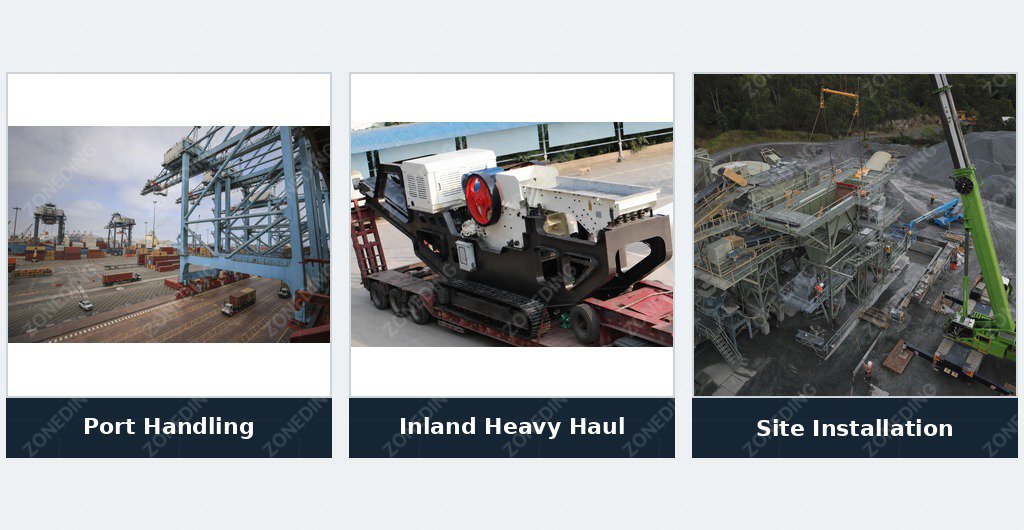
Transport dimensions, inland access, lifting, installation, commissioning, and spare-parts requirements should be planned before manufacturing is finalized.
Equipment may arrive through Callao before moving inland to the final mine or quarry.
Confirm whether each equipment module:
Crushers, mobile chassis, vibrating screens, and long conveyors may require different shipping arrangements.
For the route between the port and the project site, check:
Before continuous operation begins, hard-rock projects should normally prepare stock for:
The correct quantities depend on material abrasiveness, operating hours, crusher settings, and expected resupply time.
An accurate quotation also requires a clear supply boundary. The term “crusher plant” may refer only to the main crushing machines or to a complete operating production line.
| Information to provide | Why engineers need it |
|---|---|
| Material name and test data | Determines the crushing method and wear risk |
| Maximum feed size and gradation | Sizes the feeder and primary crusher |
| Required continuous capacity | Defines equipment duty and process balance |
| Final sizes and percentage of each product | Determines screens, return circuits, conveyors, and stockpiles |
| Site altitude and temperature range | Supports motor, drive, engine, and cooling checks |
| Moisture and clay content | Identifies pre-screening and blockage risks |
| Grid voltage, frequency, and generator details | Defines motors, controls, and starting methods |
| Project location and access conditions | Supports packing, transport, and installation planning |
| Daily operating hours and expansion target | Helps calculate wear parts, storage, and future capacity |
Before comparing quotations, confirm whether the supplier includes:
What crusher configuration is best for hard copper ore in Peru?
A jaw crusher followed by cone crushing and screening is a common starting point. However, the final circuit depends on maximum feed size, ore competency, target mill feed, required capacity, and wear data. Some projects need two cone-crushing stages, while others require only one.
How does high altitude affect crusher plant capacity?
High altitude can reduce the cooling capability or usable rating of motors, drives, engines, and generators. Plant capacity should be checked against actual site conditions and component-specific data rather than one generic derating percentage.
Is a mobile or stationary crusher better for a Peru mine?
A mobile plant suits short projects, changing mine faces, and sites where permanent civil work is difficult. A stationary plant usually suits long-life, high-output operations that need surge bins, multiple finished products, or future expansion. Project life and relocation frequency should determine the plant format.
What final crushing size is suitable before ball milling?
There is no universal final size. Many conventional circuits use approximately 10–25 mm ball mill feed, but the target must match ore competency, mill design, throughput, installed power, and the mineral liberation size required by the recovery process.
What information is required for a Peru crusher plant quotation?
Provide the material report, maximum feed size, continuous capacity, final product sizes, site altitude, temperature, moisture, clay content, power conditions, project location, operating hours, and expansion plan. Feed and site photographs can also improve the proposal.
Key Takeaways
To receive a project-specific layout and equipment list, contact ZONEDING with your material, feed size, required output, final product sizes, site altitude, and Peru project location.
: Compare mobile jaw crusher prices, feed sizes, capacities and configurations for quarry, mining and aggregate projects in South America.
View details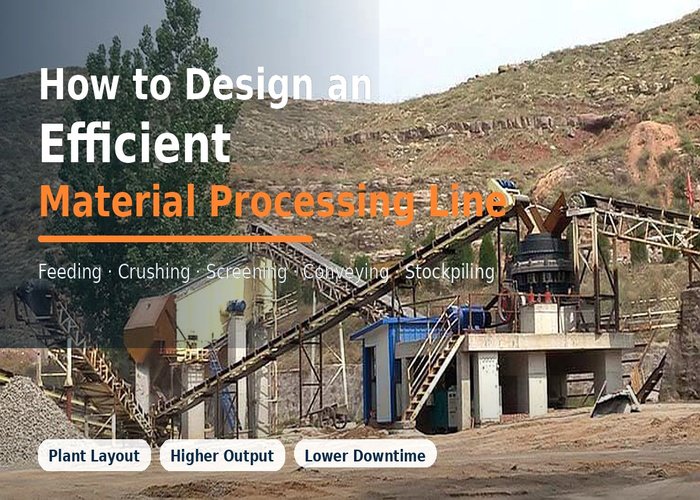
An efficient material processing line is the foundation of a profitable operation. Whether you are producing aggregates, processing minerals, manufacturing sand, or handling industrial raw materials, the success of your project depends on much mor...
View details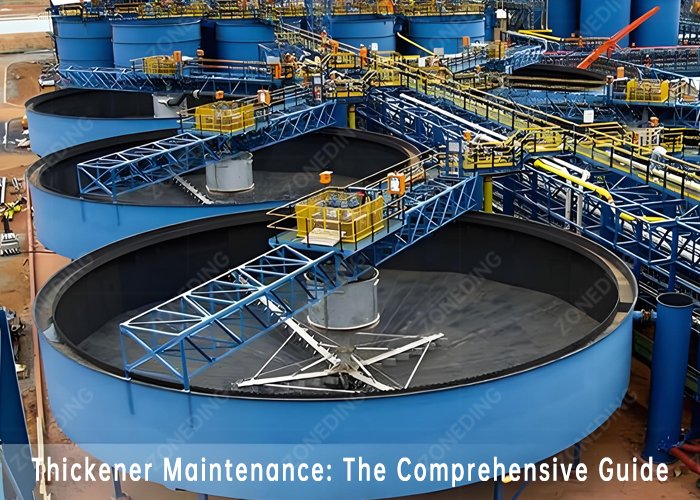
Proper is the key to preventing expensive mine shutdowns. A broken thickener stops the whole water cycle of a mineral plant. Most failures happen because of small ignored details in the drive or underflow systems. This guide provides practical ste...
View details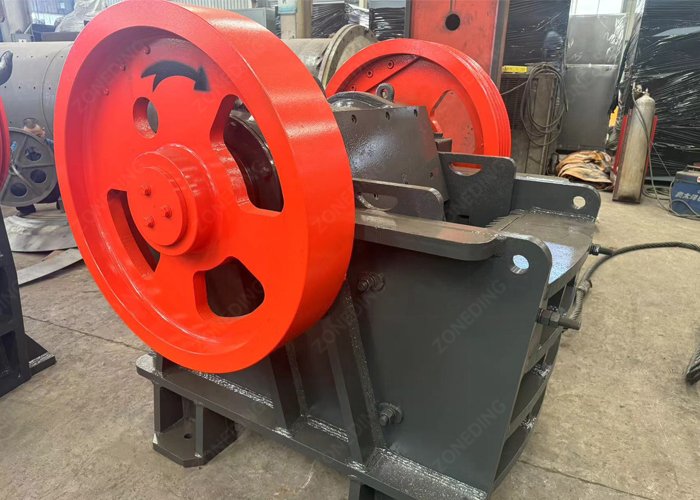
Jaw crusher prices can vary from a few thousand dollars to more than one million dollars depending on capacity, feed size, mobility, automation, and material hardness. In real quarry and mining projects, the cheapest machine is often not the most ...
View details