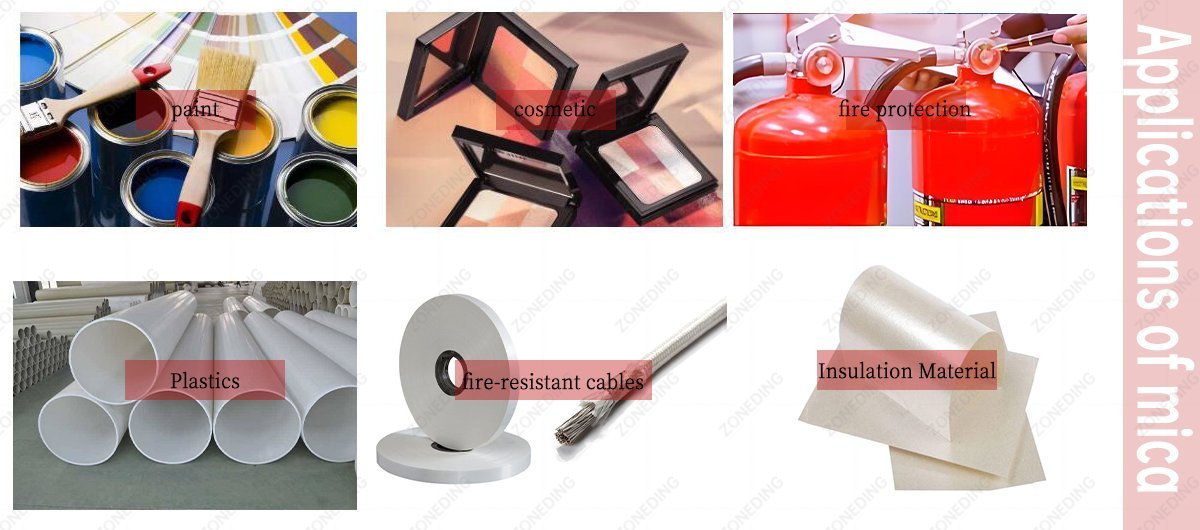
A successful mica processing plant setup in 2026 requires a focus on flake quality and purity. High profits come from selling to the electronics and automotive industries. This guide explains how to build a production line that preserves the mica structure while removing all impurities. Most mica plants fail because they grind the flakes into blocky shapes. The goal is to produce thin, wide flakes with high brightness. This process starts at the mine and ends with a treated final powder.
What Are the First Steps for a New Mica Processing Plant?
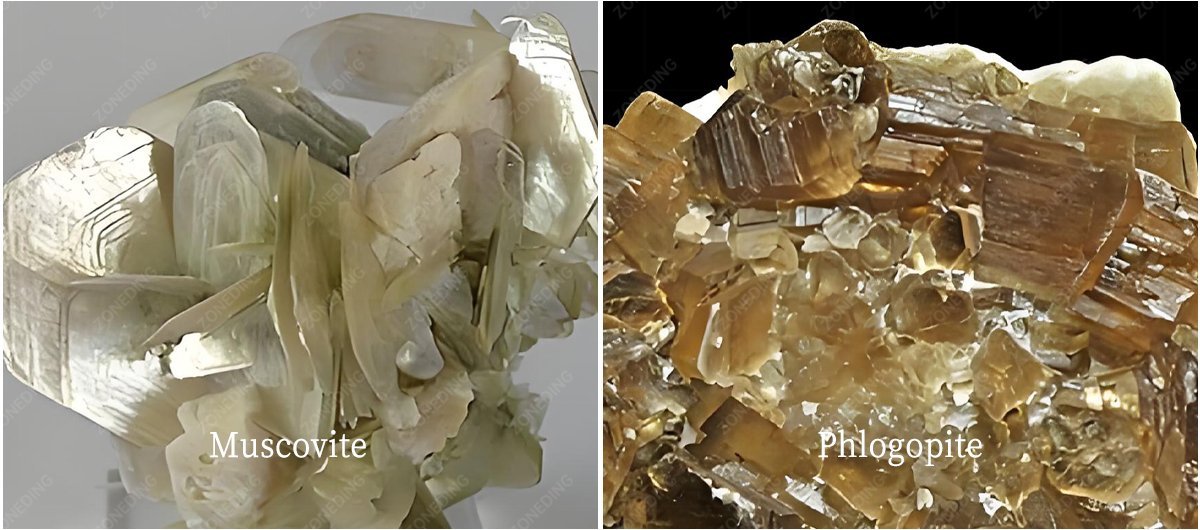
Testing the raw ore is the most important first step for any mica processing plant setup. Mica is a unique mineral because its value depends on its physical shape. Muscovite and Phlogopite are the two main types. Muscovite is usually white or silver. It has high electrical resistance. Phlogopite is usually brown or green. Most industrial buyers in 2026 prefer Muscovite for its better color and heat resistance. A chemical test must confirm the levels of iron and silica. High iron levels will make the final powder look dark or yellow. This reduces the price significantly.
Mica ore types and quality testing
The physical structure is also a key factor. Some mica ore has “thick” flakes that are hard to split. Other ore has “thin” flakes that split easily. This trait is called delamination. A lab test will show if the ore can produce the high aspect ratio flakes needed for plastics. The presence of quartz or feldspar must be measured too. These hard minerals increase the wear on the and other machines. Knowing the ore quality helps in designing the right flow sheet for the factory.
Essential Factors for Ore Evaluation
Ore Characteristic
Ideal Target (2026)
Practical Benefit
Color/Whiteness
Above 80%
Better for paints and pearlescent pigments
Chemical Purity
Low Iron (<0.5%)
Higher electrical insulation value
Flake Size
Large sheets preferred
Easier to produce high-value coarse flakes
Hardness
Soft host rock
Lower energy costs for primary crushing
Practical Advice for Initial Planning
Check the mica content: The ore should have at least 15% to 20% mica to be profitable.
Inspect for biotite: Black mica or biotite is often low value and hard to sell.
Analyze the waste: See if the quartz or feldspar can be sold as by-products.
How to Choose the Best Mica Grinding Equipment for 2026?
Choosing the right grinding machine determines the final shape and market value of the mica powder. Most standard mills work by hitting the material with high force. This is bad for mica. Hitting the flakes breaks them into small cubes. High-end buyers want “platelet” shapes. These shapes provide better reinforcement in rubber and plastic. Therefore, the grinding process must use shearing or rubbing forces. This allows the layers of the mica to slide apart. This process is called delamination. It keeps the surface area large but the thickness very small.
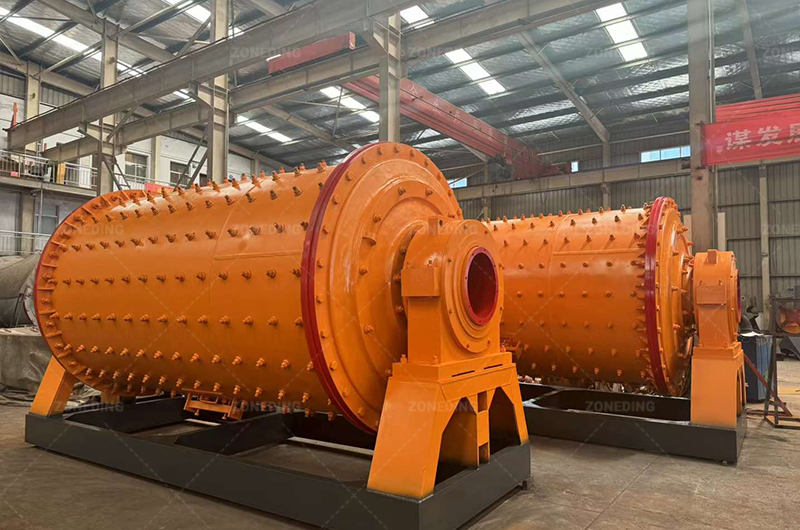
Mica Ball mill
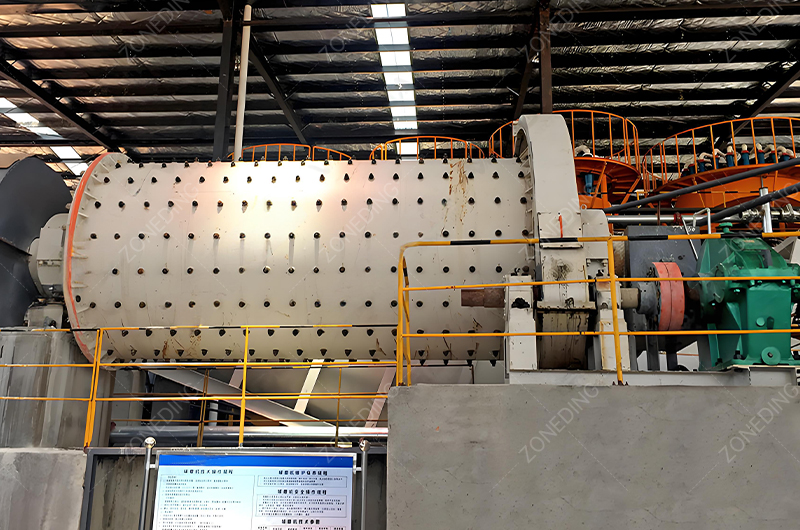
Mica Grinding mill
A common choice for primary grinding is a specialized ball mill. However, the mill must use the correct grinding media. Small ceramic balls are better than large steel balls. Steel balls can contaminate the powder with iron. This makes the mica turn gray. For very fine powder, a wet pan mill is often used. The heavy rollers rub against the mica in water. The water helps the flakes split without breaking. This results in a very high aspect ratio. Dry grinding is also possible but it usually produces a lower quality flake compared to wet grinding.
Maintaining the Aspect Ratio in Fine Grinding
Detailed Information: The aspect ratio is the ratio of the width to the thickness of a flake. In 2026, the plastics industry wants an aspect ratio above 50:1. If the grinding is too aggressive, this ratio drops. A low ratio means the mica acts like regular sand. It will not make the plastic stronger. To keep a high ratio, the mill speed must be controlled. Feeding the mill slowly also helps. Many plants now use air-attrition mills for dry processing. These mills use high-speed air to make mica flakes hit each other. The flakes split along their natural cleavage planes. This protects the large surface area while reducing the size.
Tips for Efficient Mica Grinding
Use a closed-circuit system: This ensures the mica is only ground until it reaches the right size.
Control the moisture: In dry grinding, even a little moisture can cause the mica to clump.
Monitor heat: Excessive heat can change the chemical structure of the mica flakes.
Mica Screening and Classification
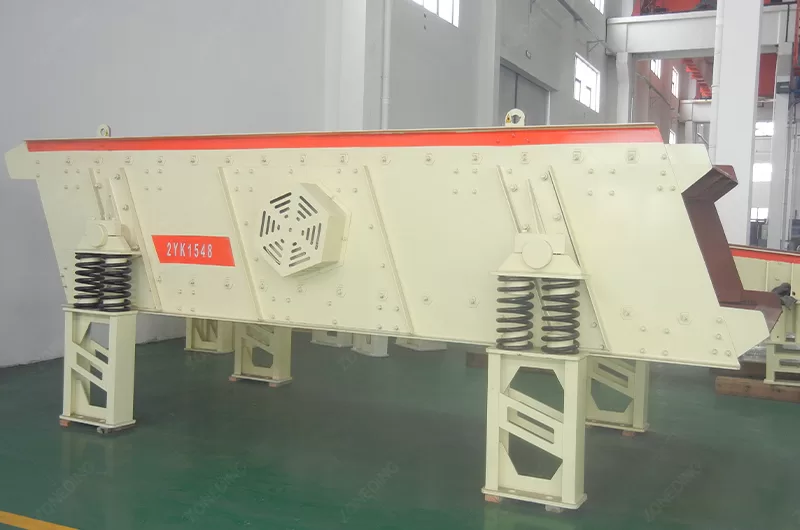
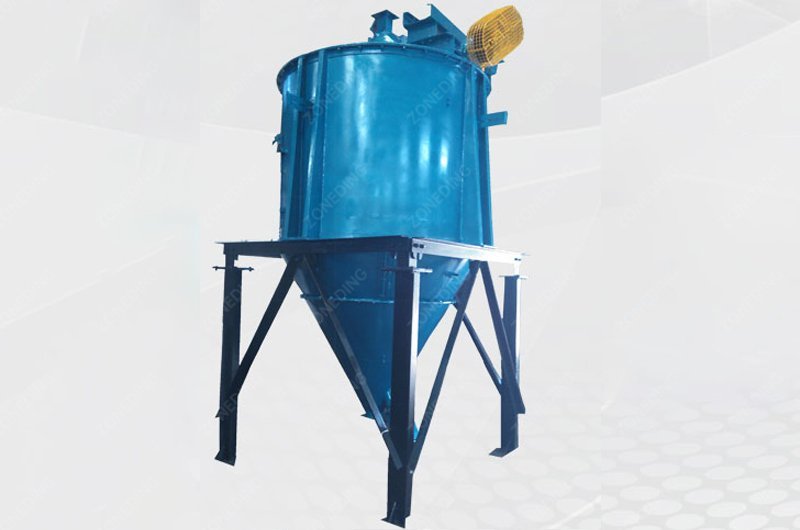
Consistent particle size is the main requirement for industrial mica powder buyers. Mica flakes are very light. They float in the air easily. This makes them hard to screen with traditional vibrating screens. The flat flakes often block the holes in the screen. This is called “blinding.” For a mica processing plant setup in 2026, an air classifier is much better than a screen. An air classifier uses a spinning wheel and air flow to separate the powder by weight and size. This method is very fast and never gets blocked.
Vibrating Screen
Air classifier
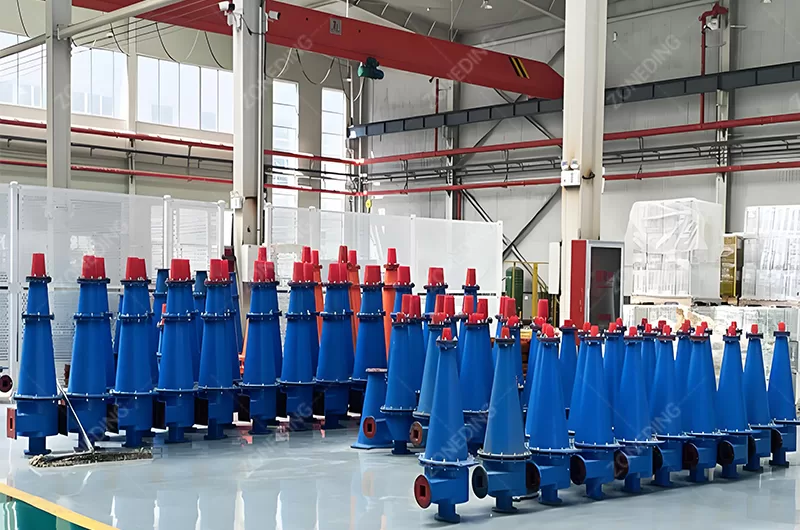
Hydrocyclones
A multi-stage system allows the factory to produce different grades at the same time. The first stage takes out the “oversize” or coarse particles. These go back to the mill for more grinding. The second stage captures the “standard” grade. The third stage collects the “ultra-fine” powder. This ultra-fine powder is very expensive. It is used in high-end coatings and car paints. An air classifier also helps to remove any remaining sand or heavy impurities. These heavy pieces fall to the bottom while the light mica flakes stay in the air.
Benefits of Air Classification in 2026
Feature
Advantage
Value for Your Plant
No Mesh Screens
No blinding or clogging
Continuous production without stops
Precise Control
Adjustable rotor speed
Can produce any size from 100 to 2500 mesh
Cooling Effect
High air flow
Prevents the mica from overheating
Multi-Product
Sorts multiple sizes at once
Allows selling to different markets simultaneously
Tips for Operating Air Classifiers
Keep the air dry: Humid air makes the fine mica powder stick to the rotor.
Check for wear: The spinning rotor can wear out if the mica has too much quartz.
Balance the air flow: Too much air will carry coarse particles into the fine product.
Which Beneficiation Methods Remove Impurities from Mica?
Removing iron and quartz is necessary to reach the high-purity standards of 2026. Most mica ore is mixed with other minerals. Gravity separation is a good first step. Since mica is flat and light, it behaves differently than heavy sand. A shaking table can wash away the heavy quartz. This is a low-cost way to get a clean mica concentrate. However, gravity cannot remove the tiny iron specks found inside some mica. For this, a magnetic separator is used. A high-intensity magnetic separator pulls the iron minerals out of the mica stream. This is critical for mica used in electrical insulation. Even a small amount of iron can cause a short circuit in electronic parts. For the highest purity, flotation is the best choice. In a flotation tank, chemicals are added to the water. These chemicals make the mica flakes stick to air bubbles. The bubbles float to the top and are skimmed off. This produces a very pure product with almost no sand or iron. Flotation is more expensive, but it is the only way to reach 99% purity.
Gravity separation
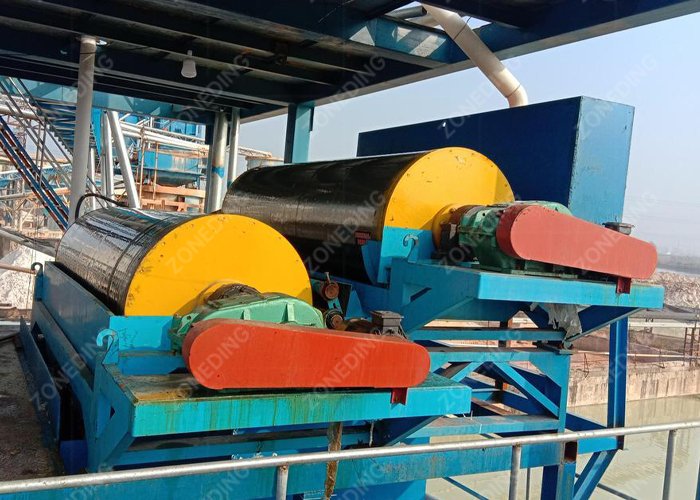
Magnetic separation(remove iron-bearing minerals)
Flotation (for fine mica particles)
Comparing Separation Techniques
Magnetic separation is the standard for color improvement. Most buyers want “snow white” powder. If the mica has 1% iron, it will look gray. After passing through a high-intensity magnet, the iron level drops to 0.1%. The whiteness increases by 10% to 15%. This purity level is required for the pearlescent pigment industry. On the other hand, flotation is used when the mica and quartz are the same size. Gravity cannot separate them, but flotation can. The process requires careful water management. The used water must be treated before it is released back into the environment. This is a key part of the 2026 ESG standards for mining.
Practical Tips for Purification
Test the magnetic strength: Make sure the magnet is strong enough to catch weak magnetic minerals like hematite.
Clean the magnets often: If the iron builds up, the magnet stops working correctly.
Recycle water: Use a thickener to recover water from the flotation process.
How to Add Value with Surface Treatment and Drying?
Surface treatment is the final step to turn ordinary mica into a high-performance filler. Raw mica flakes do not mix well with oil or plastic. They stay on the surface and do not bond. To fix this, the flakes are coated with a chemical called a coupling agent. Silane and titanate are the most common types. This chemical coating makes the mica “hydrophobic.” This means it repels water and loves oil. When this treated mica is added to a plastic car part, it creates a very strong bond. The part becomes stiffer and more heat-resistant.
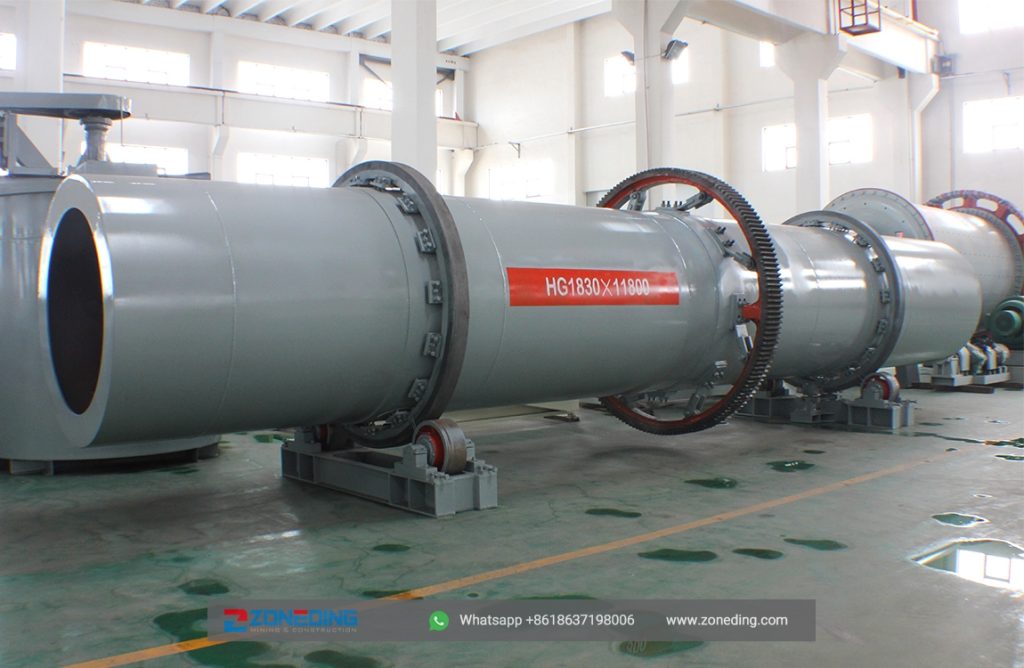
Mica drying
The drying process is also critical. A rotary dryer is the best choice for large volumes of mica. The dryer removes all moisture so the powder stays free-flowing. In some plants, the surface treatment happens inside the dryer. The heat helps the chemical coating attach to the mica surface. After drying, the mica is cooled and packed into bags. Vacuum packaging is becoming popular in 2026. It prevents the fine powder from absorbing moisture during shipping. This ensures the customer receives a perfect product every time.
Benefits of Treated Mica vs. Raw Mica
Feature
Raw Mica Powder
Surface Treated Mica
Selling Price
Low to Medium
High to Very High
Bonding Power
Weak in plastics
Very strong in resins
Moisture Resistance
Absorbs water
Repels water
Market Reach
Construction, general fillers
Automotive, high-end electronics
Advice for Better Drying and Packing
Use a low temperature: High heat can damage the organic coating on the mica.
Check for dust: Fine mica dust is a safety risk. Use a good bag filter system.
Palletize immediately: This prevents the bags from getting dirty or damp on the floor.
2025-2026 Trends in Mica Processing Technology
The mica industry in 2026 is moving toward automation and environmental protection. New factories are using smart sensors to track the quality of the powder. If the iron level goes up, the magnetic separator adjusts automatically. This reduces the need for manual labor. Also, there is a big focus on “zero-waste.” The sand and rock removed from the mica are now processed into high-quality construction aggregate. This means the mine produces no waste piles.
Latest Advances in the Industry
Intelligent Grinding: Mills that adjust their speed based on the hardness of the rock.
Green Chemicals: New flotation reagents that are biodegradable and non-toxic.
Remote Monitoring: Owners can check the production data from their phone at any time. Market Insight: The electric vehicle (EV) market is the biggest new buyer for mica. Mica is used as a fire barrier in battery packs. It can stop a fire from spreading between cells. This market requires very strict quality control. Every batch of powder must be tested for electrical breakdown strength. If a plant can meet these EV standards, it will have a very stable future. The focus is shifting from “how much can you produce” to “how consistent is your quality.”
Frequently Asked Questions
Question 1: Can I use a standard crusher for mica ore? Yes, a jaw crusher is perfect for primary crushing. It breaks the big rocks into smaller pieces so the grinding mill can handle them. Question 2: What is the best way to transport fine mica powder? Use a pneumatic conveying system. This uses air to push the powder through pipes. It is much cleaner than using open belt conveyors. Question 3: How do I remove black specks from my white mica? These black specks are usually iron or biotite. A high-intensity magnetic separator is the best way to pull them out. Question 4: Is wet grinding better than dry grinding? Wet grinding is better for high-quality flakes. Dry grinding is faster and cheaper but it often damages the flake shape.
About ZONEDING
ZONEDING is a professional manufacturer of mineral processing equipment in China. We focus on B2B sales to mining companies and mineral processing plants worldwide. We provide full solutions for mica, gold, iron, and aggregate production. Our team includes 15 expert engineers who can design your entire production line. We have exported our machines to over 120 countries. We offer factory-direct prices and full-service support, including installation and training. Contact us today for a free mica plant design and quotation. Our experts will help you choose the best machines for your specific ore and market needs.
Industrial magnetic separation serves as the backbone for material purity and machinery safety in 2026. This technology utilizes natural magnetic differences to isolate minerals or remove tramp iron. Proper application ensures high product quality...
Mineral screening equipment performs the vital task of size separation in mining. This process occurs after crushing to ensure only the correct stones proceed. Efficient screening prevents the recirculating load from overwhelming the system. In 20...
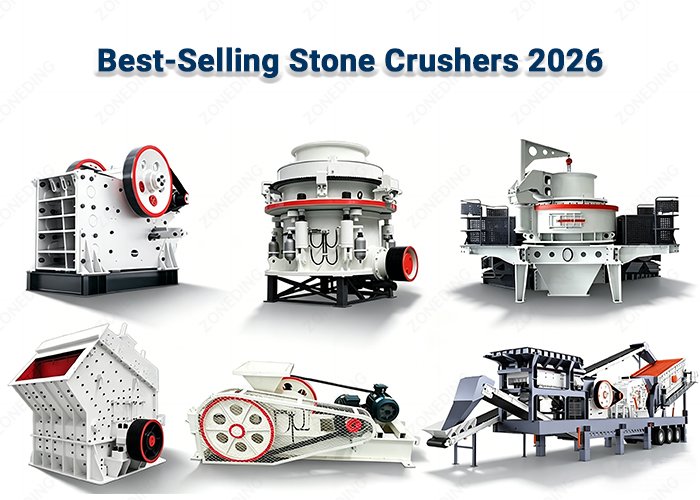
As an expert with decades in the mineral processing industry, I have seen "best-sellers" change many times. In the past, it was all about raw power. In the 2000s, it was about high throughput. But in 2026, the "best-selling" machines are different...
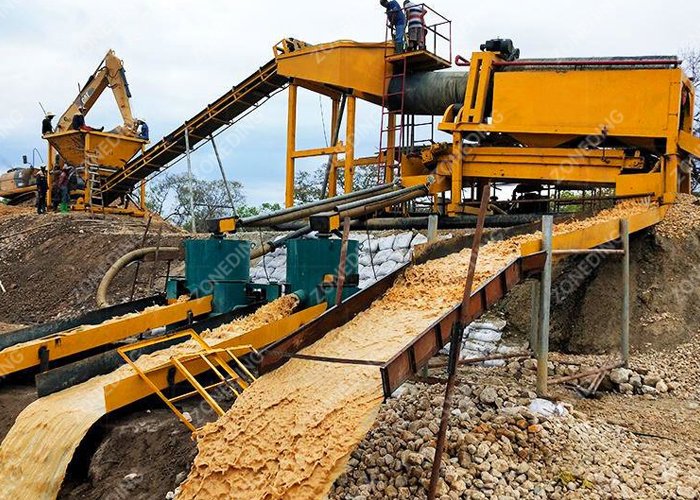
Starting a gold mine requires a clear budget. Total alluvial gold plant cost ranges from $30,000 for small setups to over $500,000 for industrial lines. Equipment price is only part of the investment. Shipping, power, and labor also impa...
We use cookies to ensure that we give you the best experience on our website. If you continue to use this site we will assume that you are happy with it.
Privacy Policy
Send us a message
We would love to hear from you
Submit your question and our team will respond to the email provided as soon as possible.
 Zoneding Machine