2026 manganese market demands high purity. Global supply chains require concentrates with low impurities. Profitability depends on efficient recovery and modern equipment. High-grade manganese concentrate is the standard for battery and steel industries. This guide explores strategies for the 2026 manganese mining landscape.
What are the 2026 industry standards for manganese concentrate and impurities?
Manganese concentrate quality standards in 2026 focus on high metal content and low phosphorus levels. Steel and battery manufacturers require a minimum manganese grade of 40% to 45% for premium pricing. Iron content must stay below 5% for most metallurgical applications. Phosphorus is the most penalized impurity in the current market. Levels above 0.1% lead to significant price deductions. Silica and alumina content also face stricter limits to reduce slag volume in smelting. The 2026 market values consistency over raw volume. Smelters operate automated furnaces that require stable feed chemistry. Variations in grade cause energy spikes and furnace damage. Accurate ensures that every batch meets these narrow chemical windows. High-quality ore fetches a 20% premium over standard grades. Poorly processed ore faces high logistics costs with low market returns. Refinement starts at the primary crushing stage.
Key Standards for Manganese Ore in 2026
The global market divides manganese into distinct categories based on end-use. The battery sector is the fastest-growing segment.
Steel Production
Dry Cell Batteries
EV Li-ion Batteries
Ore Category
Required Mn Grade
Max Phosphorus
Market Application
Metallurgical
38% – 48%
< 0.15%
Steel Production
Chemical Grade
> 75% MnO2
< 0.05%
Dry Cell Batteries
Battery Grade
> 99.9% Purity
< 0.001%
EV Li-ion Batteries
Practical tips for meeting standards
Ore Blending: Mix high-grade and low-grade ores to maintain a steady 42% feed.
Strict Sampling: Install automatic samplers at the conveyor discharge point.
Contaminant Control: Remove organic waste and wood chips before fine crushing.
Why must mining strategies for oxide and carbonate ores change with demand?
Oxide manganese ore and carbonate manganese ore require different processing paths to maximize profit. Oxide ores are usually found near the surface. These ores are easy to mine but often contain high clay content. The 2026 strategy for oxides involves intense washing and scrubbing. Carbonate ores are deeper and harder. These ores have lower natural grades but higher consistency. The shift toward electric vehicle batteries favors high-purity manganese from carbonate sources. Market demand for battery-grade manganese sulfate is rising. Carbonate ores are more suitable for direct acid leaching. This makes carbonate mines more profitable for chemical supply chains. Oxide mines still dominate the steel sector. A flexible mining strategy allows a plant to switch focus based on spot prices. Integrated Beneficiation Equipment can handle both ore types with minor adjustments. Success depends on understanding the mineralogy before building the plant.
Strategic Differences for 2026
Oxide processing relies on physical separation. Carbonate processing often requires chemical or thermal steps.
Oxide Strategy: Focus on heavy medium separation to remove silica.
Carbonate Strategy: Use flotation to concentrate minerals before leaching.
Market Timing: Sell oxides to steel mills during infrastructure booms.
How to achieve water recycling and tailings reduction under 2026 regulations?
Advanced washing processes combined with thickeners allow for 95% water recovery in manganese plants. Environmental laws in 2026 mandate zero-discharge operations. Traditional tailing ponds are becoming illegal in many regions. High-efficiency thickeners settle solids rapidly. This process provides clean water for the washing circuit. Filter presses turn mud into dry cakes. These cakes are easier to stack and take up less space. Water recycling reduces the cost of sourcing fresh water. It also prevents local groundwater contamination. Dry stacking of tailings is the safest method for 2026. It eliminates the risk of dam failures. Smaller tailing footprints lead to faster permit approvals. Modern High Efficiency Concentrators use automated flocculant dosing. This technology ensures consistent water clarity even with high clay ores. Green mining is a financial necessity, not just a legal one.
Tailings Management Tips
Closed-Loop System: Connect the thickener overflow directly to the Sand Washing Machine inlet.
Dry Stacking: Use a belt filter press to reach 15% moisture in tailings.
Land Reclamation: Mix dry tailings with topsoil for immediate site restoration.
Which smart gravity solutions fix the challenge of declining ore grades?
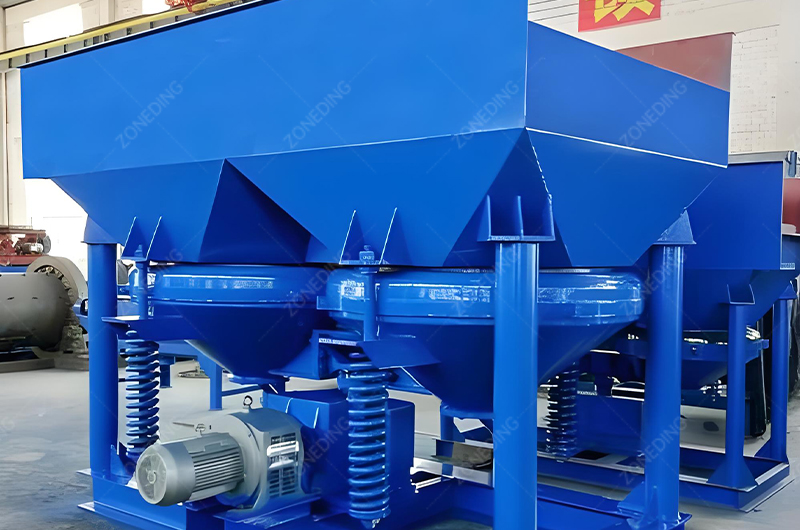
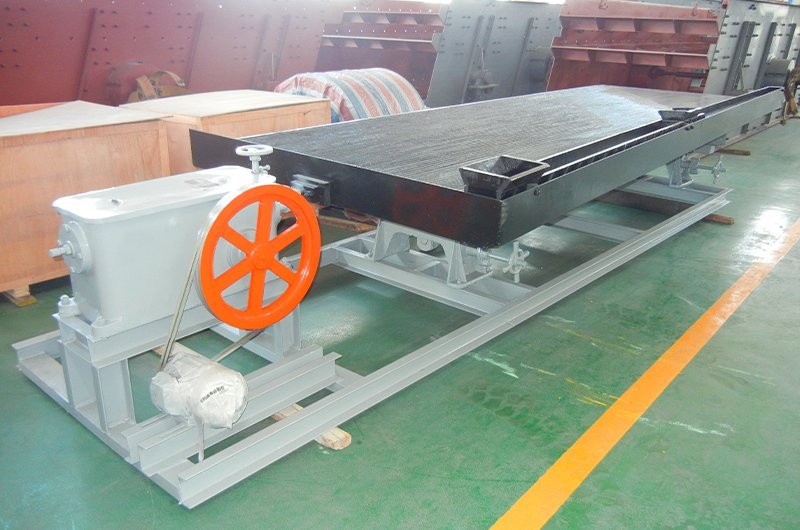
Smart gravity separation units like jigs and shaking tables recover manganese from low-grade feed. As high-grade deposits disappear, mines process lower-quality rocks. Gravity separation uses density differences to pull manganese away from lighter waste. A Jigging Separator Machine handles coarse particles up to 30mm. It is the most cost-effective way to upgrade ore. For fine particles, shaking tables provide precision separation. New sensors in 2026 adjust the stroke and water pressure of jigs in real-time. This automation maintains high recovery rates despite grade fluctuations. High-purity manganese often hides in fine fractions. Smart tables capture these fines that traditional methods lose. Gravity separation requires no expensive chemicals. This keeps the cost per ton low. It is the first line of defense against declining ore quality. Efficiency here determines the health of the entire operation.
Gravity Equipment Comparison
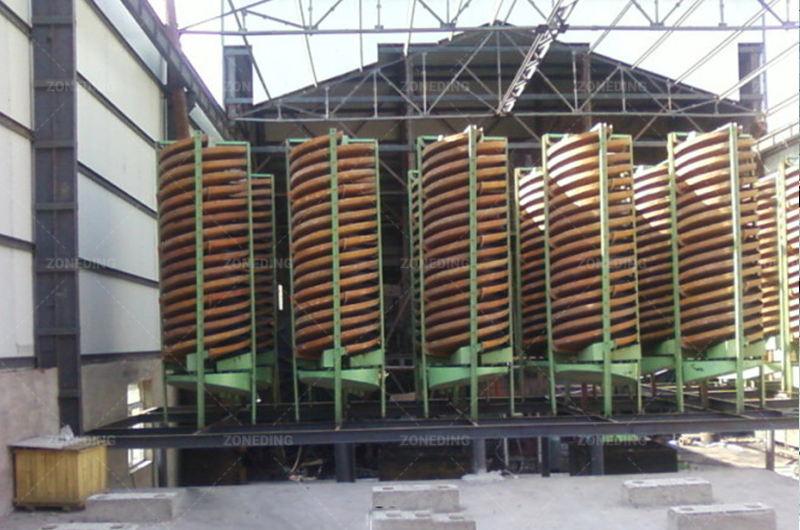
Jig Machine
Shaking Table
Spiral Chute
Equipment
Particle Size Range
Capacity (t/h)
Main Benefit
Jig Machine
1mm – 30mm
10 – 50
Low operating cost
Shaking Table
0.074mm – 2mm
0.5 – 2
High precision grade
Spiral Chute
0.1mm – 5mm
2 – 8
No moving parts
How does High-Gradient Magnetic Separation help separate iron-manganese impurities?
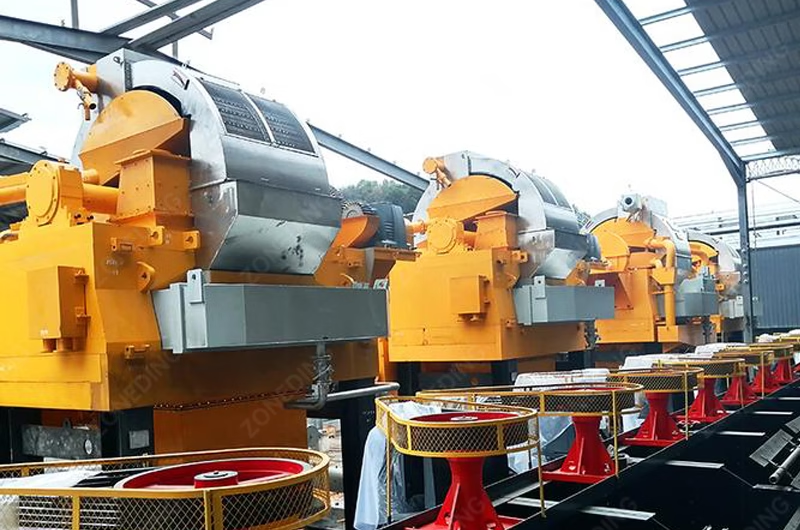
High-Gradient Magnetic Separation (HGMS) creates strong magnetic fields to pull manganese away from non-magnetic waste. Manganese is weakly magnetic. Iron minerals can be strongly or weakly magnetic. A Magnetic Separator with 1.5 Tesla or higher is required. This machine captures fine manganese particles that gravity methods miss. It also removes iron oxides that lower the concentrate value.
High gradient magnetic separator application
Magnetic separators help separate iron and manganese impurities
In 2026, HGMS technology uses more durable matrix materials. These materials resist clogging and wear from abrasive manganese. The process is wet, which prevents dust pollution. HGMS is essential for producing chemical-grade manganese. It achieves a level of purity that physical washing cannot reach. Removing iron at this stage is cheaper than chemical refining. Integrated magnetic circuits are standard in high-purity plants. Precision separation is the key to 2026 profitability.
Magnetic Separation Best Practices
Two-Stage Circuit: Use a low-intensity magnet first to remove tramp iron.
Matrix Cleaning: Flush the HGMS matrix every 20 minutes to prevent build-up.
Slurry Density: Maintain 25% solids for the best separation results.
How does physical pre-concentration lower chemical purification costs for battery-grade Mn?
Physical pre-concentration removes 60% of waste rock before the ore enters the expensive chemical stage. Battery-grade manganese requires ultra-high purity. Chemical leaching is the most expensive part of the process. If the feed grade is low, more acid is wasted on dissolving useless rock. Using a Ball Mill and flotation raises the feed grade from 15% to 35%. This reduces acid consumption significantly. Physical steps are 10 times cheaper than chemical steps. A pre-concentrated feed also means smaller chemical tanks and less power usage. The 2026 goal is to “upgrade early and leach late.” This strategy lowers the total cost per ton of manganese sulfate. It also reduces the amount of chemical waste for disposal. Smart miners focus on physical efficiency to protect their chemical margins. This approach is the industry standard for high-purity manganese production.
Why do 2026 mobile crushing and screening stations speed up remote manganese projects?
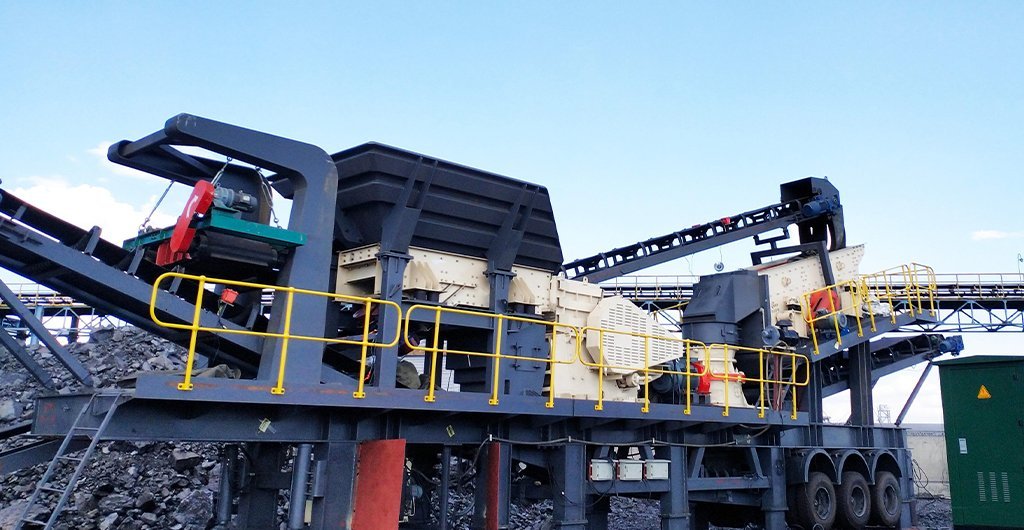
Mobile crushing stations allow manganese mines to start production in 30 days without fixed concrete foundations. Many manganese deposits are in remote or hilly areas. Building a permanent plant takes months or years. A Mobile Stone Crusher can be driven to the site and start working immediately. This reduces initial capital expenditure (CAPEX). It also allows the plant to follow the mining face, reducing haulage costs.
Mobile crushing and screening
The 2026 mobile models feature integrated Vibrating Screen units and conveyors. They are fully self-contained. When one deposit is exhausted, the station moves to the next. This flexibility is perfect for small to medium manganese pockets. Mobile units have high resale value and low installation risk. Speed to market is a major competitive advantage in 2026. These machines turn remote resources into cash flow quickly.
2026 Latest Manganese Trends and Energy Efficiency
Energy Efficiency Ratio (EER) is now the primary metric for calculating mine operating costs. Power prices are rising globally. Carbon taxes make inefficient machines a liability. In 2026, miners choose equipment based on kilowatt-hours per ton of concentrate produced. Low-energy motors and variable frequency drives (VFDs) are mandatory. A 10% improvement in EER can save a large mine millions of dollars annually.
Latest Progress in 2026
AI Load Balancing: Feeders adjust speed based on crusher load to prevent idling.
Solar Integration: Processing plants use on-site solar arrays for daytime power.
Heat Recovery: Rotary dryers reuse exhaust gas to pre-heat incoming ore. Market insight shows that green energy credits are now a source of income. Mines with low carbon footprints get better financing rates. Efficiency is no longer just about saving power. It is about total financial sustainability.
FAQs
Question 1: What is the best way to handle high-clay manganese ore? The best way is to use a Sand Washing Machine or a log washer. High-pressure water jets and mechanical scrubbing break down the clay. This releases the manganese minerals for further separation. Without washing, clay will foul all other equipment. Question 2: Can gravity separation remove phosphorus? Gravity separation only removes phosphorus if it is in a separate mineral phase like apatite. If phosphorus is trapped inside the manganese crystal structure, physical methods will not work. Chemical leaching or roasting is needed in those cases. Question 3: Why is magnetic separation becoming more popular? It is popular because it can recover fine particles that jigs cannot catch. It also removes iron, which is a major impurity. Modern high-gradient magnets are more reliable and use less power than older models. Question 4: What are the benefits of mobile crushing for manganese? The benefits include fast setup, lower site preparation costs, and reduced truck haulage. It allows miners to start small and scale up as revenue grows. It is the best choice for remote or temporary mining sites. Question 5: How do I improve my manganese recovery rate? Improve recovery by using multi-stage separation. Use jigs for coarse ore and magnetic separators for fines. Ensure your Hydrocyclone is tuned correctly to prevent good manganese from going to the tailings.
Summary and Recommendations
Success in 2026 manganese mining requires a focus on purity and efficiency. High standards for concentrate demand advanced washing and magnetic separation. Gravity schemes must be smart and automated to handle low-grade ores. Environmental rules make water recycling a priority. Every ton produced must have a low energy footprint to ensure profitability. Miners should start with a complete Raw Ore Analysis. This data informs the custom design of the production line. Investing in high-efficiency equipment like HGMS and mobile stations reduces long-term costs. Automation is the final step to consistent product quality and high market prices.
About ZONEDING
ZONEDING is a leading manufacturer of mining and mineral processing equipment since 2004. The company provides complete solutions for Ferrous Metals including manganese, iron, and chrome. With an 8,000-square-meter factory and 15 professional engineers, ZONEDING ensures high-quality manufacturing and expert design. Our products are exported to over 120 countries, helping mines achieve maximum ROI through advanced technology. For a custom project design or equipment quote, please contact our team for professional advice.
A rock quarry can be very profitable if you control production costs, transportation distance, and equipment efficiency. In many regions, aggregate demand keeps growing because of roads, housing, and infrastructure projects. But quarry profit does...
One of the first questions investors ask before starting a mining project is: How much does a gold processing plant cost? Unfortunately, there is no single answer. A small gravity gold plant may cost less than a luxury house in some countries, whi...
Building a highly profitable mineral processing facility requires a strictly logical equipment sequence. A complete copper-gold ore processing line must follow a precise physical and chemical path. The rock must be crushed, ground, classified, and...
Small aggregate plants are growing rapidly in 2026 because many investors want lower startup risk, faster ROI, and simpler operations. A well-designed small crushing plant can generate stable profits with relatively low investment if the equipment...
We use cookies to ensure that we give you the best experience on our website. If you continue to use this site we will assume that you are happy with it.
Privacy Policy
Send us a message
We would love to hear from you
Submit your question and our team will respond to the email provided as soon as possible.
 Zoneding Machine