 Zoneding Machine












How to Build a 50–100 TPH Crusher Plant for a Small Quarry
536Plan a 50–100 TPH crusher plant for a small South America quarry. Compare rock types, layouts, power, site needs and expansion.
View detailsSearch the whole station Crushing Equipment
The kaolin purification process is a sophisticated system designed to transform raw clay into a high-value industrial mineral. Success is not about extracting a small amount of metal; it is about removing trace impurities that dictate the final product’s price. This guide details the complete kaolin ore dressing flowsheet, from initial ore analysis to the final drying stage, focusing on the critical steps that enhance whiteness, control particle size, and ensure purity.
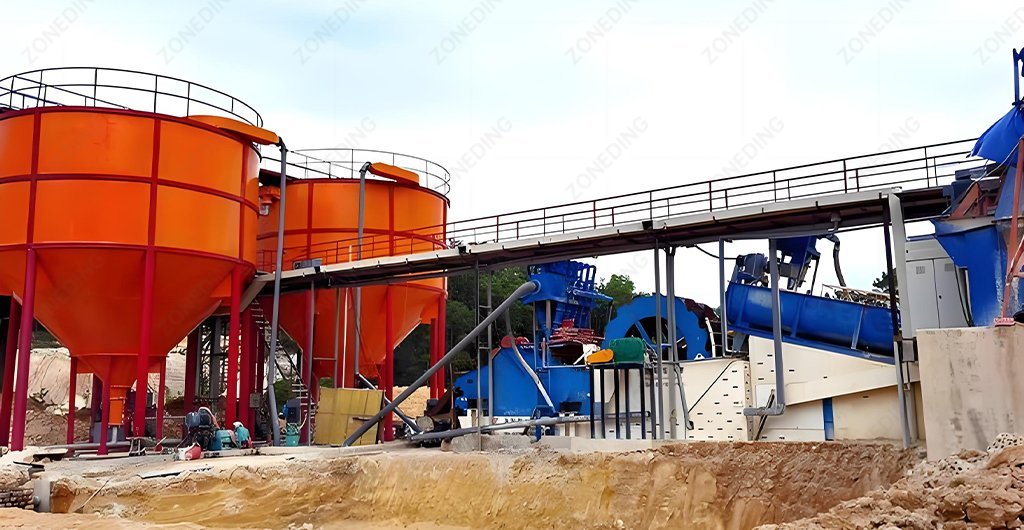
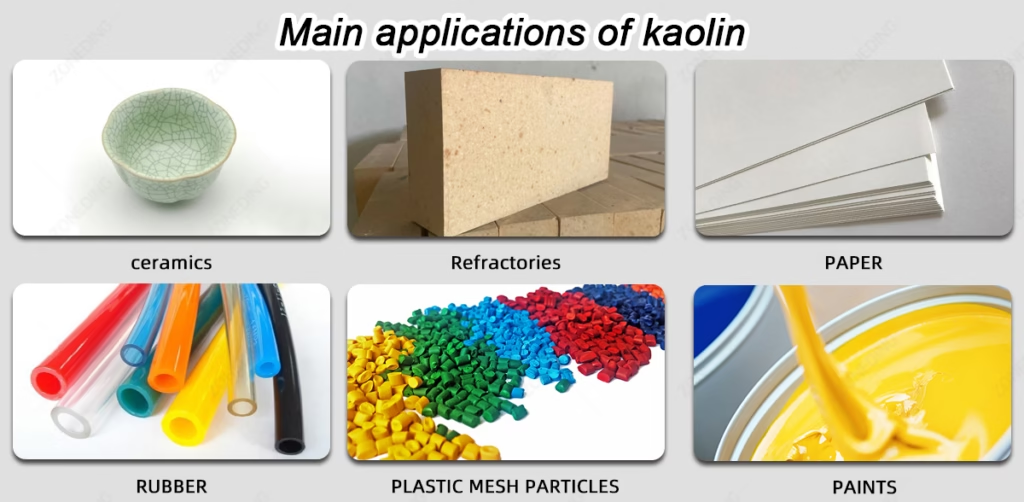
The commercial value of kaolin is determined by three main indicators: whiteness, particle size, and purity. Whiteness is the most critical visual property, directly impacting its use in paper, coatings, and ceramics. It is measured against a standard and is heavily reduced by iron and titanium oxide impurities.
Particle size distribution affects properties like opacity, gloss, and viscosity in end-use applications. For example, the paper industry requires ultra-fine particles smaller than 2 microns to achieve a smooth, glossy coating. Purity refers to the absence of abrasive minerals like quartz and feldspar. High purity is essential to prevent wear on customer processing equipment and to ensure chemical inertness. Each of these metrics must be carefully controlled throughout the kaolin purification process.
The choice between a dry and wet process depends entirely on the raw ore’s characteristics. The dry process is simpler and cheaper. It involves crushing, drying, and air classification. This method is only suitable for high-quality, soft kaolin ores with low grit content and naturally high whiteness. It cannot effectively remove fine-grained coloring impurities.
The wet process is necessary for most kaolin deposits, especially sandy, hard, or low-whiteness ores. This complex method involves creating a water-based slurry to enable a series of purification steps. These steps include chemical dispersion, fine grinding, classification, magnetic separation, and chemical bleaching. Although more expensive, the wet kaolin processing method offers precise control over particle size and is the only way to achieve the high whiteness required for premium applications like paper coatings.
| Process | Ore Type | Final Product Quality |
|---|---|---|
| Dry Process | Soft, high-purity, white ore | Filler-grade, lower value |
| Wet Process | Sandy, hard, stained ore | Coating-grade, high value |
Slurry preparation begins with washing and high-concentration pulping, which is the foundation for all subsequent steps. The goal is not just to mix clay with water. The goal is to achieve complete dispersion. Chemical dispersants like sodium hexametaphosphate are added, and the pH is adjusted. This causes the stacked kaolin platelets to repel each other and separate into individual particles.
This step is critical. If dispersion is incomplete, kaolin remains in “agglomerates” or clumps. Impurities like quartz and iron oxides get trapped inside these clumps. As a result, they cannot be removed in later stages. High-shear mixers are essential to mechanically break apart these agglomerates. Following dispersion, the slurry passes through screens and classifiers to remove coarse sand and grit. This “degritting” step not only improves purity but also protects downstream equipment like pumps and Hydrocyclone liners from abrasive wear.
The core objective of hydrocyclone classification is to separate the dispersed slurry into specific particle size fractions. A hydrocyclone uses centrifugal force to achieve this separation. When slurry is pumped into the cyclone, heavier and coarser particles are thrown against the outer wall and exit through the bottom (underflow). Finer and lighter particles remain in the center and exit through the top (overflow).
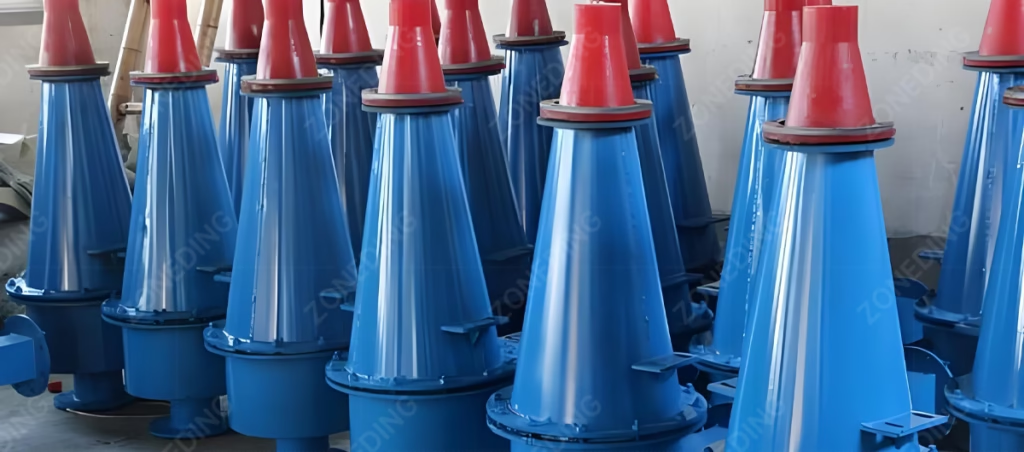
By arranging hydrocyclones in series, it is possible to produce multiple products with distinct particle size distributions. For instance, a primary cyclone might remove all particles larger than 10 microns. The overflow from this cyclone can then be fed to a secondary cyclone to produce a final product where 90% of the particles are finer than 2 microns. This level of precision is essential for meeting the strict specifications of the paper, paint, and ceramics industries. Proper classification is impossible without complete dispersion in the pulping stage.
Maximizing kaolin whiteness requires a combination of magnetic separation, flotation, and chemical bleaching. Most color staining in kaolin comes from iron and titanium mineral impurities. High-Gradient Magnetic Separation (HGMS) is the primary method for removing these. In an HGMS system, the slurry passes through a canister filled with a magnetized steel wool matrix. The high magnetic gradient on the surface of the steel wool captures weakly magnetic iron and titanium particles.
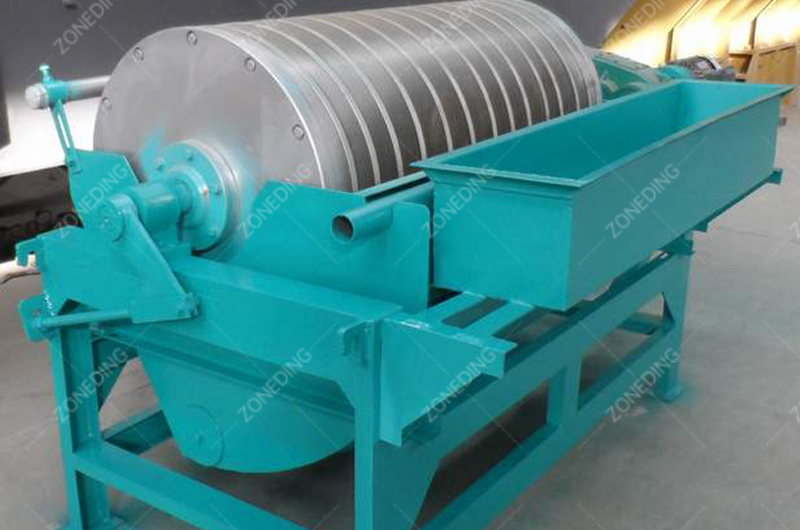
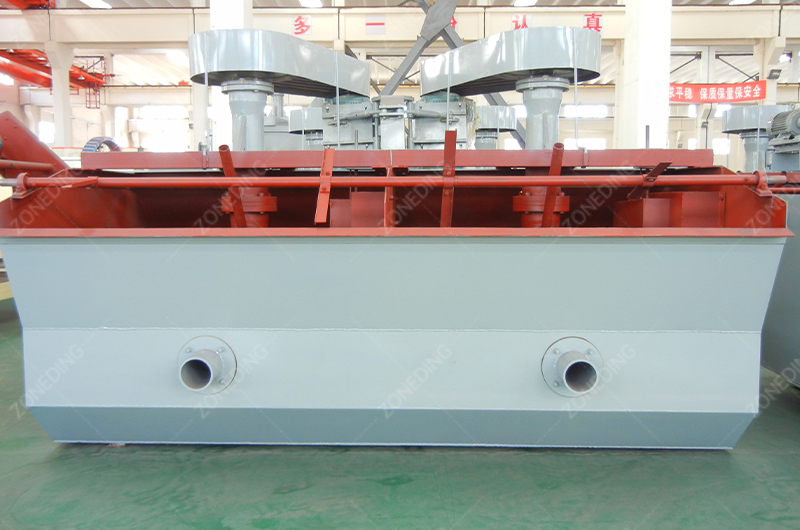
After magnetic separation, trace impurities may remain. Chemical bleaching is then used. This is not a simple bleaching process. It is a chemical reaction. A reducing agent, such as sodium dithionite (“hydrosulfite”), is added to the acidic slurry. This changes the chemical state of the remaining iron oxides, making them colorless or soluble so they can be washed away. For certain ores with organic contaminants, Flotation Machine are used to remove them before bleaching. Precise control of pH and chemical dosage is critical to prevent “re-yellowing” and achieve the highest possible kaolin whiteness.
Delamination is a value-adding process that transforms filler-grade kaolin into high-performance coating-grade kaolin. Kaolin naturally exists as stacks of microscopic hexagonal plates, similar to a deck of cards. Delamination is the process of breaking these stacks apart into individual, thin platelets. This is achieved through intense particle-on-particle shear in a high-density attrition scrubber, not through grinding.
The principle is to create a very high-solids slurry (60-70% solids) and agitate it vigorously with a media like sand or glass beads. The kaolin particles rub against each other, which peels the stacks apart. This process dramatically increases the “aspect ratio” (the ratio of a particle’s diameter to its thickness). High-aspect-ratio platelets provide superior opacity, gloss, and printability when used as a paper coating. Using a Ball Mill for this task is a mistake, as it grinds and shatters the platelets, destroying the aspect ratio.
Choosing cost-effective dewatering and drying equipment depends on the final product’s moisture requirements and market value. The process begins with filter press dewatering. Before filtration, a flocculant must be added to the dispersed slurry. This chemical causes the fine kaolin platelets to clump together into larger “flocs,” which dramatically speeds up the dewatering process and results in a drier filter cake.
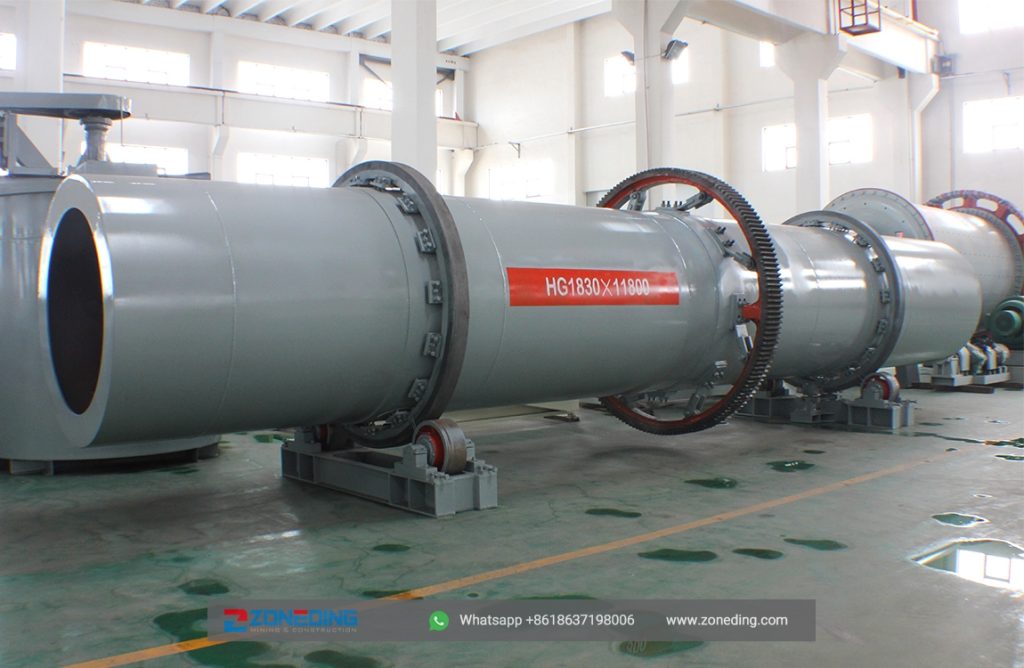
The choice of dryer depends on the desired final product form.
A complete kaolin processing line is customized based on a detailed raw ore analysis report. There is no one-size-fits-all solution. A thorough raw ore analysis provides the essential data needed to design an efficient and profitable plant. This analysis determines mineralogy, chemical composition, particle size distribution, and the nature of impurities.
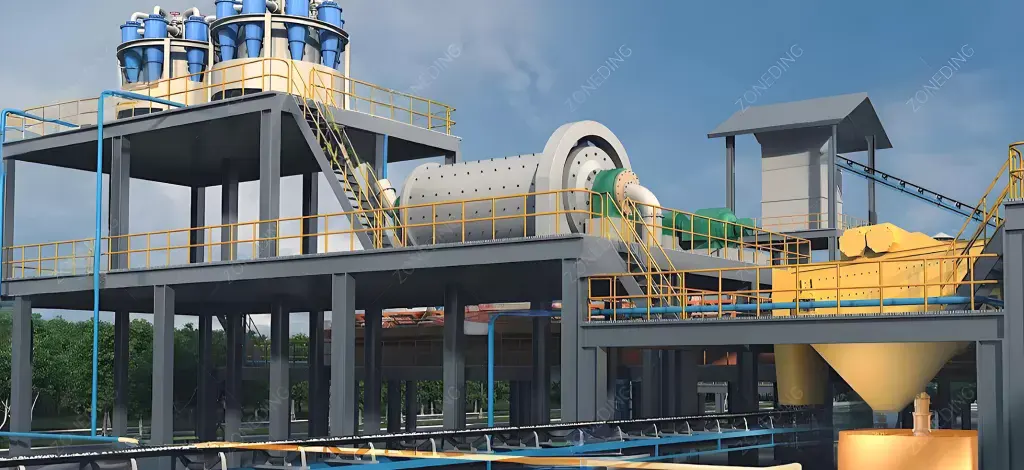
For example, if the report shows high levels of coarse quartz, a robust multi-stage degritting circuit is designed. If it identifies anatase (a form of titanium dioxide) as the main coloring impurity, the design will prioritize a high-intensity Magnetic Separator and a specific chemical bleaching recipe. If the target market is paper coatings, a delamination circuit and a spray dryer are included. This production line customization ensures that every piece of equipment is selected to overcome the specific challenges of the ore and meet the quality targets of the final product.
Question 1: What is the main cause of low whiteness in processed kaolin?
The primary cause of low whiteness is the presence of iron and titanium-bearing mineral impurities, such as hematite, goethite, and anatase. Even in trace amounts, these minerals impart a yellow, red, or grey tint to the final product, significantly reducing its commercial value.
Question 2: Why is dispersion so critical in the kaolin wet process?
Dispersion is critical because it unlocks the individual kaolin platelets from agglomerates. If kaolin is not fully dispersed, impurities remain trapped, classification by size is inaccurate, and chemical reagents cannot reach the particle surfaces. It is the foundational step that affects the efficiency of every subsequent stage.
Question 3: Can a ball mill be used for delamination?
No. A ball mill is a grinding device that shatters and breaks kaolin particles, which destroys their valuable high aspect ratio. True delamination is a shearing process that peels particle stacks apart and is performed in a high-density attrition scrubber.
Question 4: What is the difference between flocculation and dispersion?
They are opposite processes. Dispersion involves adding chemicals to make fine particles repel each other and stay separated in a slurry. Flocculation involves adding chemicals to make fine particles attract each other and clump together into larger groups, which is essential for efficient dewatering.
Question 5: Which drying method is best for high-value kaolin?
Spray drying is generally considered the best method for the highest-value kaolin products, such as those for paper and paint coatings. It produces uniform, spherical, dust-free particles that are easily handled and re-dispersed by the end user, commanding a premium price.
Question 6: How does raw ore type affect the choice between dry and wet processing?
Hard, sandy ores with significant impurities and low natural whiteness require the wet process for effective purification. Soft, high-purity ores that are already quite white can sometimes be processed using the simpler, less expensive dry process, but the final product is typically of a lower grade.
A successful kaolin purification process is a systematic engineering project guided by colloid science and market demands. It requires a deep understanding of how each stage affects the behavior of microscopic kaolin platelets. Key control points include achieving complete dispersion during pulping, efficient removal of abrasive grit, combining magnetic and chemical methods for whitening, and selecting the correct dewatering and drying technology for the target market.
Before any investment, a comprehensive analysis of the raw ore is the most critical step. This analysis dictates the design of the entire plant. This ensures that the chosen technology is perfectly matched to the ore’s characteristics and the final product’s quality specifications, maximizing profitability.
Since 2004, ZONEDING has been a manufacturer of mineral processing equipment, with extensive experience in designing and building custom kaolin processing plants. With a dedicated team of 15 engineers and an 8,000-square-meter factory, ZONEDING provides complete, factory-direct solutions tailored to specific ore types. Our equipment has been installed in over 120 countries, helping clients achieve superior product quality and operational efficiency.
For a custom plant design or a quotation on our complete range of Beneficiation Equipment, contact our engineering team for a professional consultation.
Plan a 50–100 TPH crusher plant for a small South America quarry. Compare rock types, layouts, power, site needs and expansion.
View details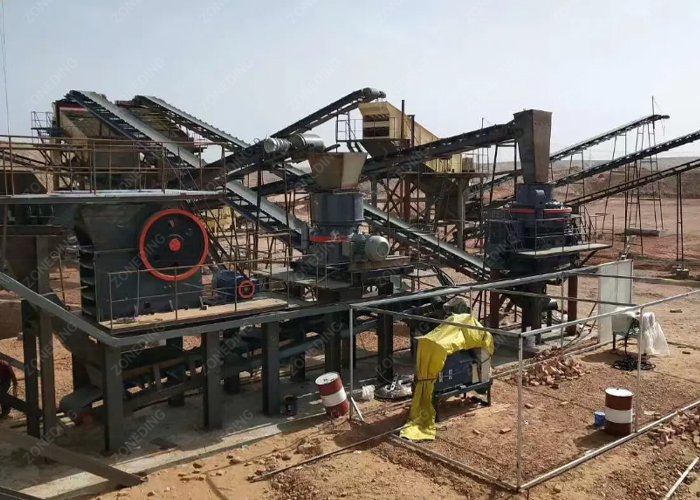
Concrete recycling is a fast-growing industry. It turns old building waste into high-value products. Choosing the right machine is the most important part of the business. Different machines handle different materials and budgets. This guide compa...
View details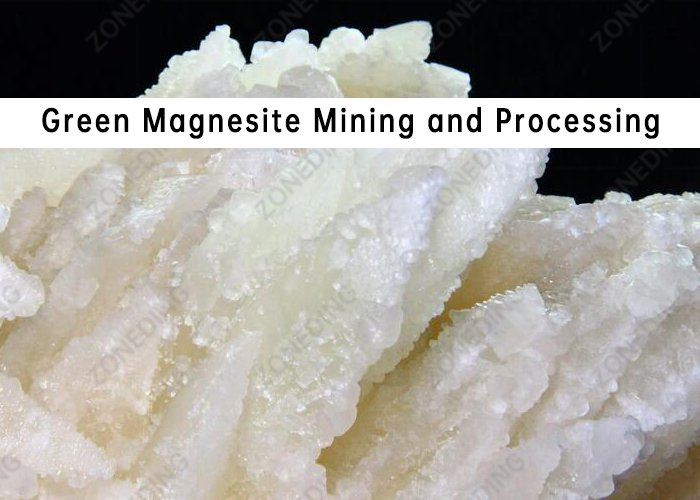
Magnesite mining and processing is a major sector for industrial investment in 2026. High-purity magnesium oxide (MgO) is now a critical material for steel, chemicals, and farming. Success in this industry depends on raising ore purity while cutti...
View details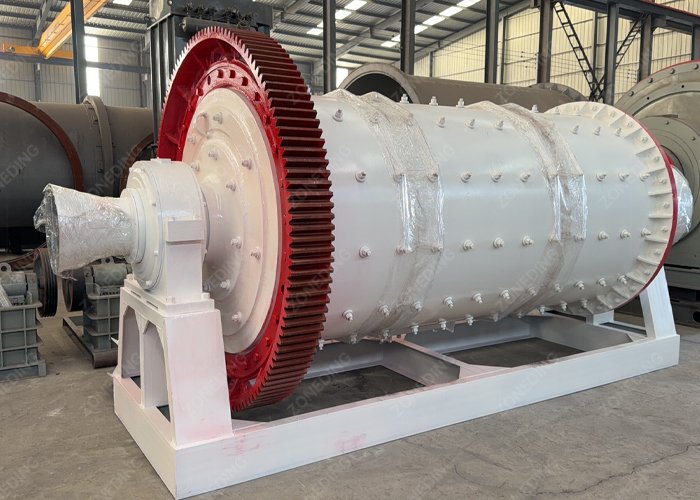
The stands as the most important machine in a modern gold mine. This heavy equipment grinds raw ore into fine particles to release precious metals. Achieving a high recovery rate depends on the efficiency of this grinding process. If the machine f...
View details