 Zoneding Machine












Crusher Plant for Peru Mining, Quarry and Aggregate Projects
536Choose a crusher plant for Peru copper, gold and aggregate projects. Compare high-altitude design, capacity, transport and wear parts.
View detailsSearch the whole station Crushing Equipment
A mineral processing line needs several main parts to work well. Many mine owners focus on just one machine. But the whole line must work as one unit. This guide explains how to set up equipment for the best results. It shows how to avoid common mistakes. This information helps build a plant that lasts and makes money in 2026.
A complete mineral processing line is a group of systems that turn raw rock into pure minerals. It starts with breaking big rocks and ends with dry powder or filtered material. Each system has a very specific job. If one system fails, the whole plant stops. The plant is like a human body. It has a mouth, a stomach, and a heart. All parts must match in size and power.
Many people buy cheap machines for one section. This creates a bottleneck. A bottleneck is a place where flow slows down. If the crusher is too small, the mill waits. If the mill is too small, the flotation cells stay empty. The mine loses money every minute machines are idle. In 2026, efficiency is the only way to stay profitable. The capacity of every motor and belt must be balanced. Professionals design to match these flows perfectly. This prevents waste and saves electricity. High efficiency leads to better profits.
A line needs seven main areas. These are crushing, screening, grinding, separation, dewatering, conveying, and slurry pumping. Each area needs specialized machines. No steps can be skipped. The setup depends on the rock type. Hard rocks need different tools than soft rocks. Some rocks are sticky. Others are brittle. Every detail matters for the final design.
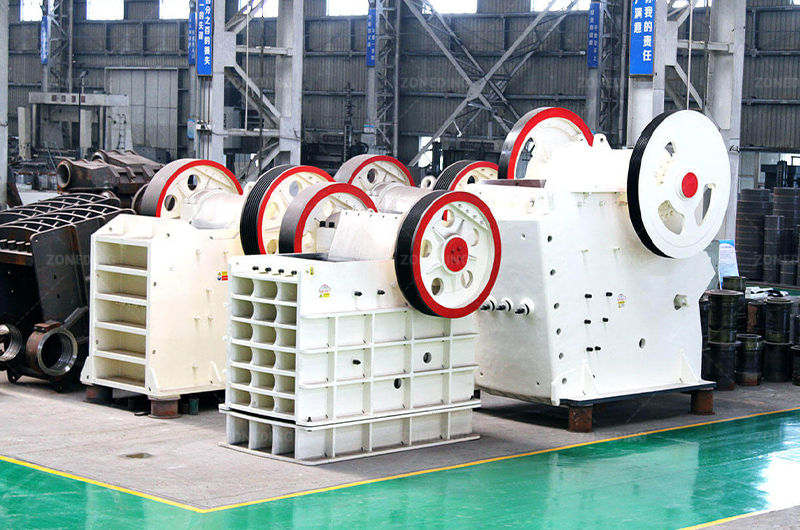
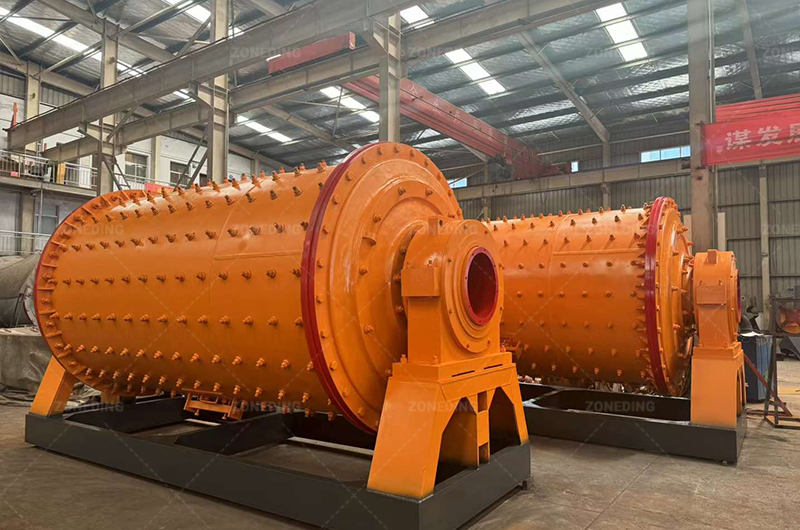
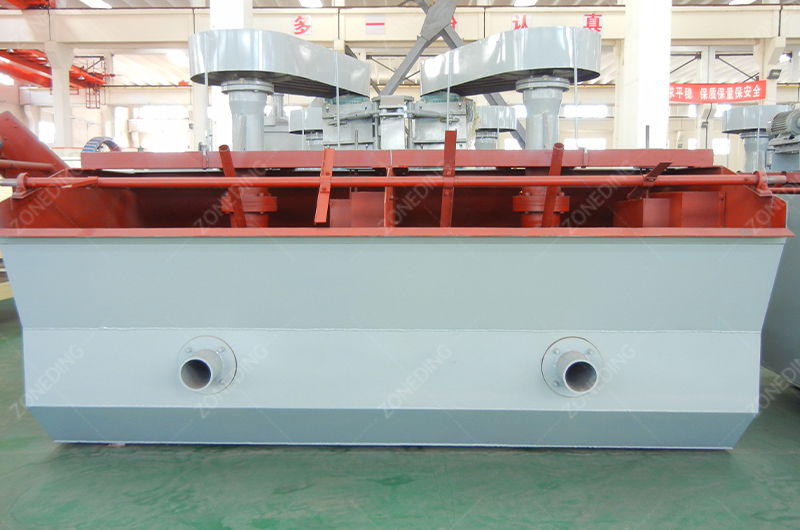
| System Name | Main Machine | Goal of System | Actual Benefit |
|---|---|---|---|
| Crushing | Jaw Crusher | Reduce rock size | Protects the mill |
| Grinding | Ball Mill | Release minerals | High recovery rate |
| Separation | Flotation Machine | Pick out target ore | Pure product |
The crushing system is the mouth of the plant and determines the diet of all other machines. It uses mechanical force to break huge boulders into small stones. The most common machine is the Jaw Crusher. It is simple and very strong. But the nip angle is often ignored. This is the angle between the two crushing plates. If this angle is wrong, the rock slides up. It does not break. It just wears out the plates and wastes power.
The crushability of the ore must be studied. Hard granite needs a different setup than soft limestone. A second stage might need a cone crusher. These machines are great for hard rocks. They produce a very consistent size. This consistency helps the next stage work better. In 2026, automated sensors adjust the crusher gap. This keeps the output perfect all day. It also prevents the machine from breaking if a piece of steel enters the chamber. This reduces downtime significantly.
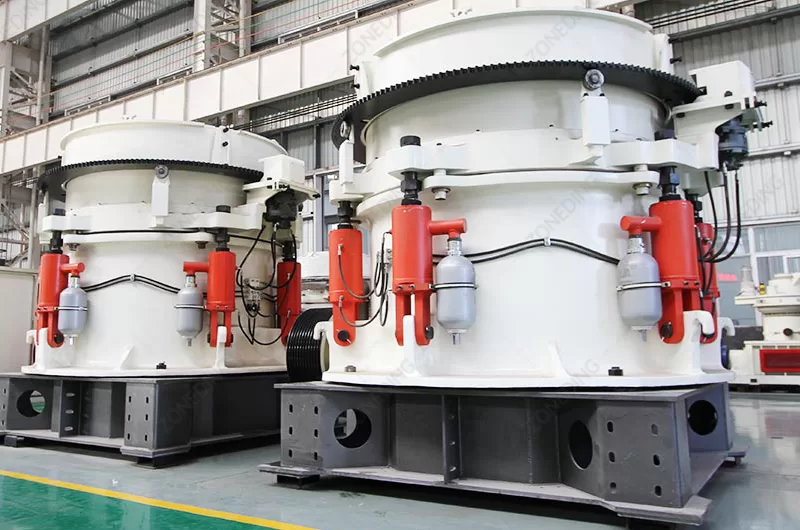
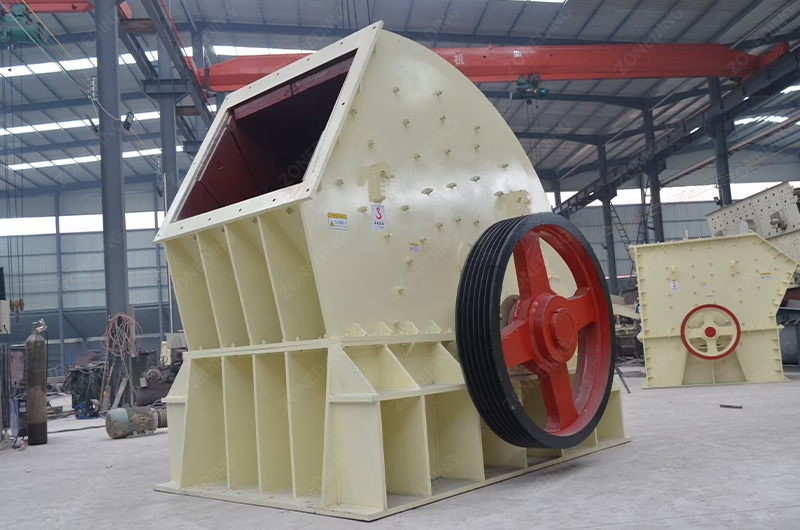
The ideal nip angle is usually below 23 degrees. If it is higher, the rock “burps” out. This wastes energy. It also creates a lot of dust. Dust hurts the workers. The rock must move down steadily. This keeps the flow constant. Also, the wear on the plates must be checked. Once the plates are smooth, capacity drops by 30%. Changing them early saves electricity and time.
The screening system acts as the traffic police for minerals and stops oversized rocks from moving forward. A Vibrating Screen sorts the rocks. Only the small ones go to the mill. The big ones go back to the crusher. This is a closed circuit. It ensures every stone is small enough before it proceeds. If big rocks enter the mill, the mill works too hard. It will wear out fast. This increases maintenance costs.
The G-force of the screen is very important. This is the power of the vibration. If the G-force is too low, the rocks just slide. They do not jump. If they do not jump, the fine particles stay on top. They never hit the holes in the screen. This causes carry-over. It means good ore goes back to the crusher by mistake. This wastes time and power. In 2026, high-frequency screens are used for better precision. They handle wet and sticky materials much better than old designs.
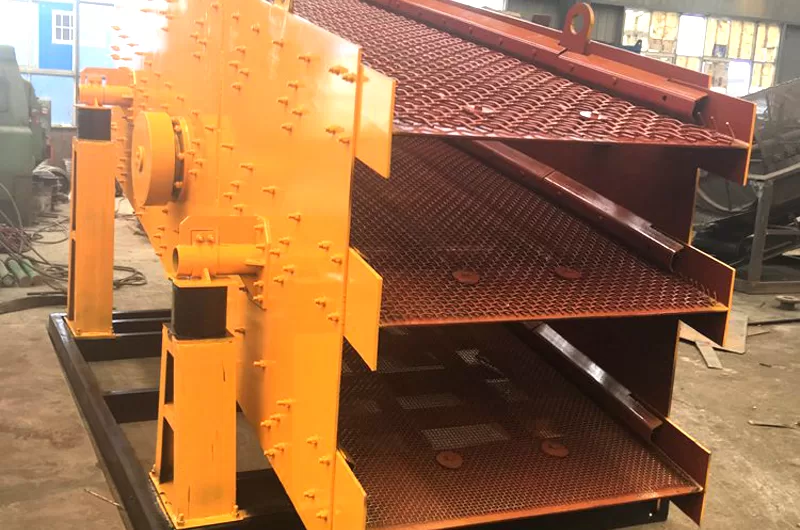
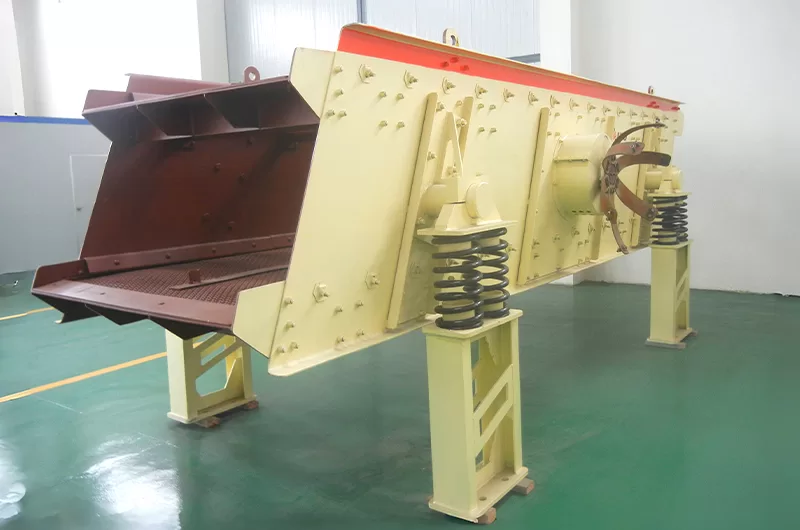
A good screen needs 4 to 5 Gs of acceleration. This keeps the bed of material thin. A thin bed lets the small grains fall through quickly. Also, the screen must be fed evenly. If all the rock is dumped on one side, that side wears out fast. The other side does nothing. A distributor box spreads the rock across the whole width of the mesh. This balances the wear and improves efficiency.
| Screen Type | Material Type | Best Feature | Value to Mine |
|---|---|---|---|
| Steel Mesh | Dry Rock | Cheap and strong | Low initial cost |
| Polyurethane | Wet/Sticky Ore | Does not clog | Less downtime |
| High Frequency | Fine Sands | Very precise | Better mill feed |
The grinding system is the heart of the plant and aims for mineral liberation so minerals can be separated. This stage is where a Ball Mill is used. It is a giant rotating drum filled with steel balls. The balls hit the ore and turn it into fine powder. This powder must be like flour. If it is too coarse, the minerals stay trapped in the waste rock. The money goes into the tailings pile. If it is too fine, money is wasted on power.
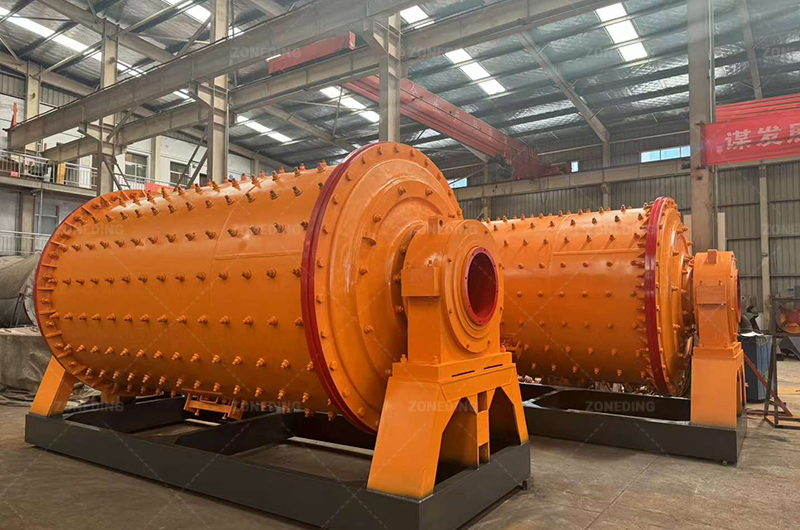
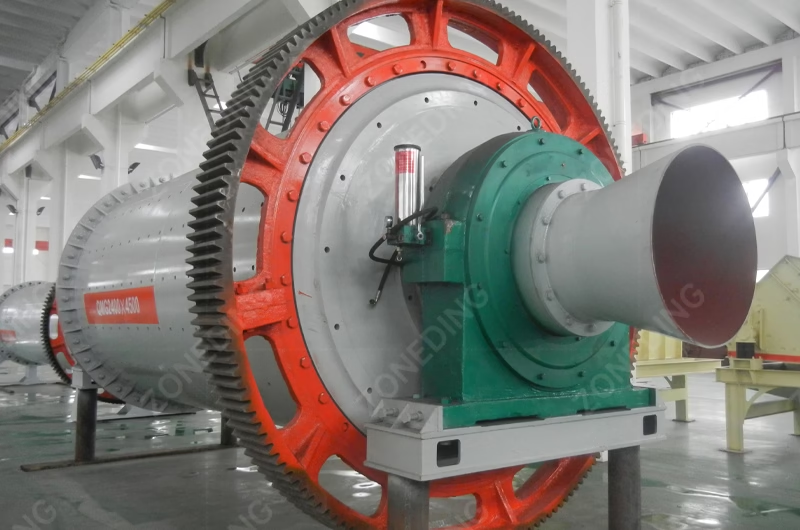
The sound of the mill tells a lot about the process. A good mill sounds like a waterfall. This means the balls are falling correctly. If it sounds like a sharp clanging, the balls are hitting the wall. This breaks the liners. If it sounds muffled, there is too much ore and not enough balls. This is called overloading. In 2026, smart grinding systems are popular. They measure the sound and the power use. They adjust the feed rate automatically. This keeps the mill at peak efficiency.
A mix of ball sizes must be used. Big balls break the big rocks. Small balls grind the small grains. If only big balls are added, too much middle-size sand is produced. This sand hides the minerals. Also, the liners must be checked. When the lifters on the liners wear down, the balls stop climbing. They just slide on the bottom. Grinding stops, but the power bill stays high.
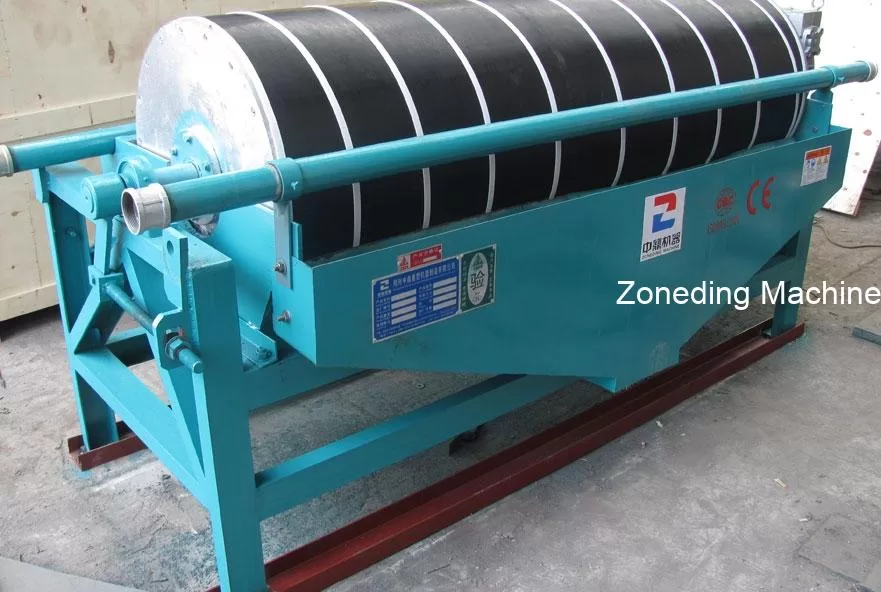
The separation system is where the concentrate is finally gathered by using the physical or chemical traits of the ore. For copper and gold, a Flotation Machine is common. It uses bubbles. The bubbles stick to the minerals and float them to the top. For iron, a Magnetic Separator is used. It uses big magnets to pull the iron out of the mud. This is much cheaper than using chemicals.
In 2026, flotation cells are much larger. They have better air mixers. The froth must be watched carefully. The bubbles should be the right size. If they are too big, they pop. The minerals fall back down. If they are too small, they do not have enough lift. Operators often chase grade. They try to get a very pure product but they lose too much in the waste. A balance between purity and recovery is the goal.
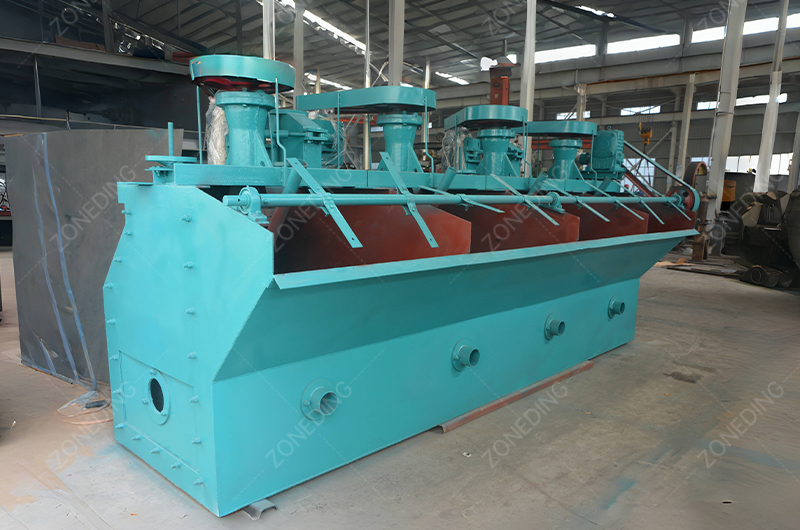
The impeller in the flotation cell is the most important part. It shears the air into millions of tiny bubbles. If the impeller is worn, the bubbles get too big. Recovery will drop fast. Also, chemicals must be measured. Too much collector can make the waste float too. This ruins the grade. The water pH must be tested. Most flotation needs a specific pH level to work correctly.
The dewatering system is the kidney of the plant and saves money by recycling water and chemicals. Minerals come out of separation as a wet mud. Mud cannot be sold. A high efficiency thickener is needed. It lets the minerals sink to the bottom. Clean water overflows at the top. This water goes back to the start of the plant. This saves the cost of buying more water.
The bed level in the thickener must be monitored. This is the height of the mud layer at the bottom. If the bed is too high, the mud gets too thick. It can break the rake arm. This costs thousands to fix. If the bed is too low, the mud stays watery. This wastes power in the final filter. In 2026, automated flocculant pumps are used. Flocculants make the small particles stick together so they sink faster. This keeps the water clean and the product dry.
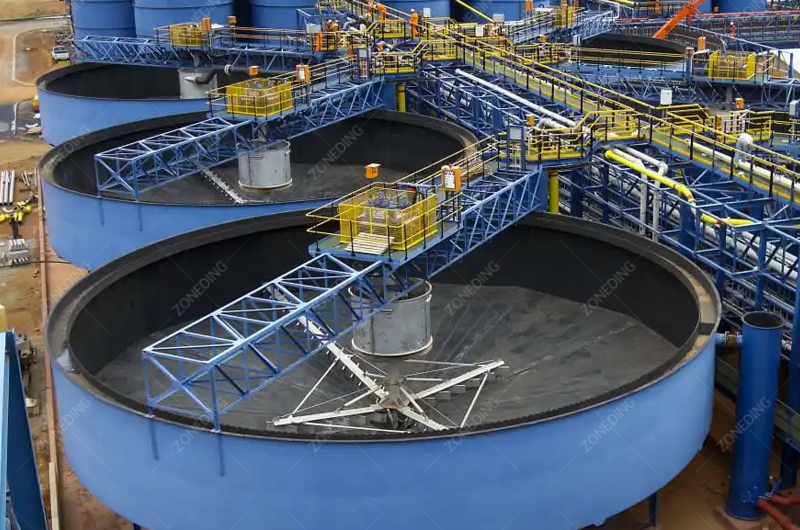
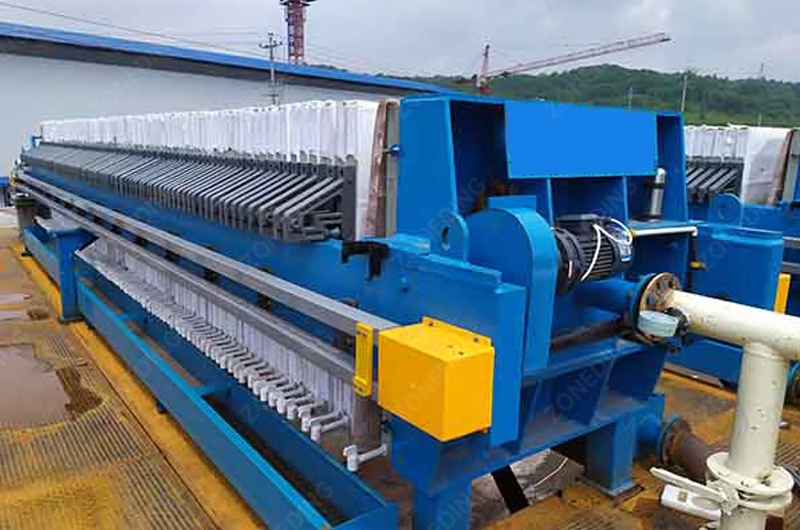
Water is like money in a mine. If water is wasted, more must be spent on pumps and pipes. A good thickener recycles 85% of the water. This is vital in dry areas. Also, the pumps must be checked. A slurry pump must handle thick mud without clogging. Rubber-lined pumps are used for abrasive minerals. They last three times longer than steel pumps.
The conveying system is the arteries of the plant and keeps the flow moving between every machine. Belts seem simple. But a broken belt stops the whole line. Belts that run off to the side are a common problem. This grinds the edge of the belt into dust. It wastes thousands of dollars. It also creates a fire risk. Belts must be kept straight at all times.
In 2026, smart scrapers are used on belts. They keep the surface clean. If mud sticks to the belt, it builds up on the rollers. This causes the belt to shake and break. Chutes must be designed correctly. The rock should fall in the middle of the belt. If it falls on the side, it pushes the belt off track. Strong supports for every conveyor stop shaking and reduce noise.
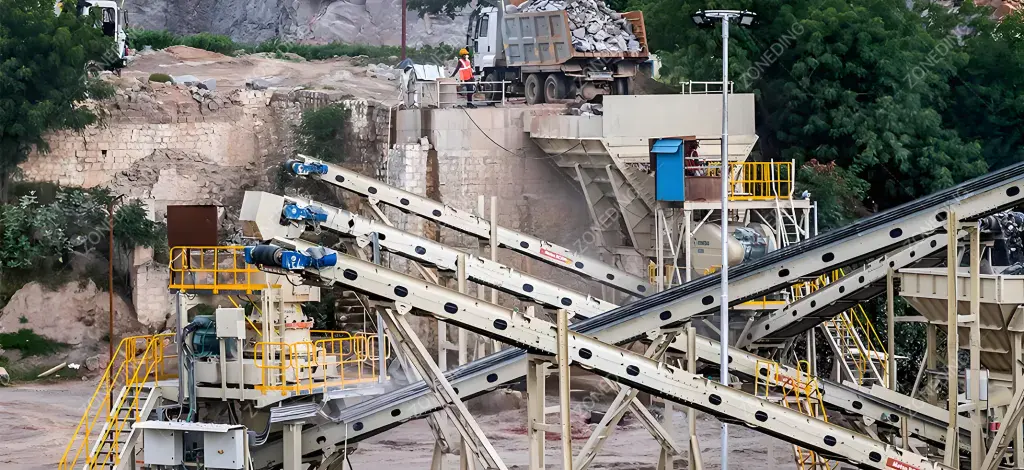
Alignment is everything for a belt. A straight belt lasts for years. A crooked belt lasts for weeks. Also, motors must be protected. A soft start is used for long belts. This prevents the belt from snapping when it turns on. If there is a lot of dust, a covered belt is best. This protects the environment and the workers. It also stops the wind from blowing valuable ore away.
In 2026, the biggest trend is the Intelligent Plant where machines talk to each other. Every piece of equipment now has a brain. Sensors send data to a central computer. This computer sees the whole line. If the crusher slows down, it tells the mill to slow down. This prevents overflows. It saves electricity. It also means fewer workers are needed to watch the machines.
Another trend is modular design. Plants are now built in blocks. A small block can be bought today. More blocks can be added later. This makes it easy for small mines to grow. It also makes installation very fast. No welding is needed on-site. The blocks are just bolted together. This reduces costs and errors during the build.
Question 1: How is the right core equipment system chosen?
Start with a professional ore test. The mineral type and hardness must be known. Then, match the capacity of the crusher to the mill. An expert should create the configuration so there are no bottlenecks.
Question 2: Why is flotation recovery sometimes low?
Check the grind size first. If minerals are still trapped in rock, they will not float. Also, check the water pH and the flotation impeller. Worn impellers create big bubbles that cannot hold minerals.
Question 3: Is a mobile crusher better for a line?
Yes, if the mine moves often. It saves money on trucks. But for a permanent plant, fixed machines are usually cheaper and easier to maintain. ZONEDING offers the Mobile Crusher for flexible sites.
Question 4: How often should ball mill liners be changed?
It depends on ore hardness. Usually, they are checked every three months. If the lifters are gone, grinding stops being efficient. Change them before they get too thin to protect the drum.
Question 5: Can all water be recycled?
In 2026, yes. With a good thickener and filter press, up to 95% of water is recycled. This is very important for getting government permits. It also saves a lot of money on water bills.
Building a mineral processing line is about balance. The right crushing, grinding, and separation systems are needed. Machines should not be bought in isolation. The whole flow of the rock must be considered. Keep belts straight and water clean. Focus on mineral liberation in the mill. This is where the biggest profit is made or lost.
A small pilot test is a good way to start. This proves the technology works for the specific rock. Then, work with a manufacturer like ZONEDING. We provide the full design and all the machines. This ensures everything fits together perfectly. It stops the waste of time on multiple suppliers.
ZONEDING manufactures all types of mineral processing equipment. The company has been in business since 2004. The factory covers 8,000 square meters in China. There are 15 expert engineers who design complete production lines for mines. We help with design, installation, and training. The machines work in over 120 countries. Factory direct sales are offered to give the best price.
Contact ZONEDING today for a free design of a mineral processing line. We help get the best recovery in 2026!
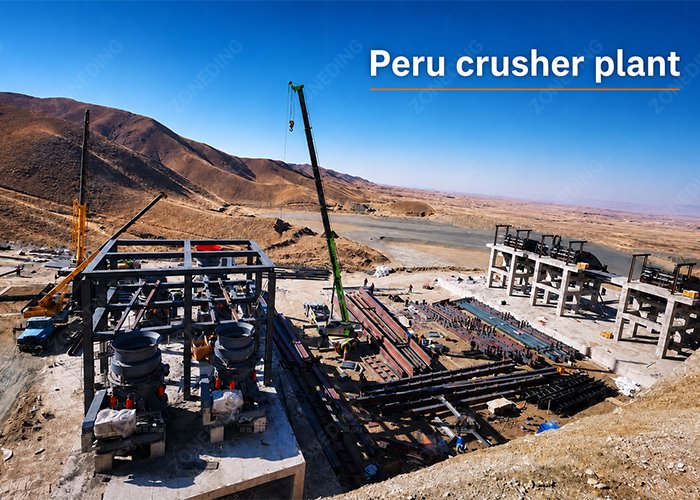
Choose a crusher plant for Peru copper, gold and aggregate projects. Compare high-altitude design, capacity, transport and wear parts.
View details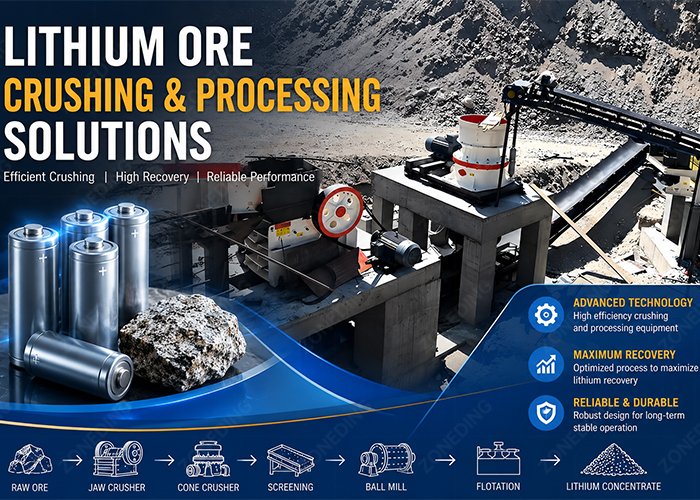
The rapid growth of electric vehicles, energy storage systems, and renewable energy technologies has driven unprecedented demand for lithium worldwide. As a result, new lithium mining projects are being developed across Australia, Canada, Zimbabwe...
View details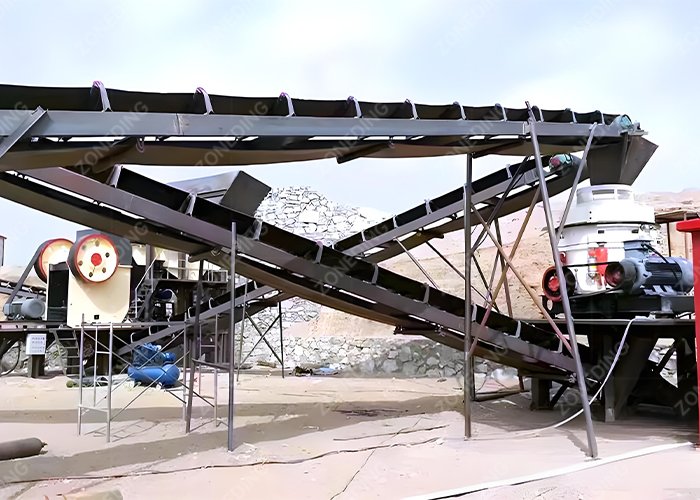
I have worked in the mining and recycling industry for over 50 years. Choosing the best concrete crushing setups is the most important step for your profit. Many owners lose money because they pick the wrong bones for their machine. I will show yo...
View details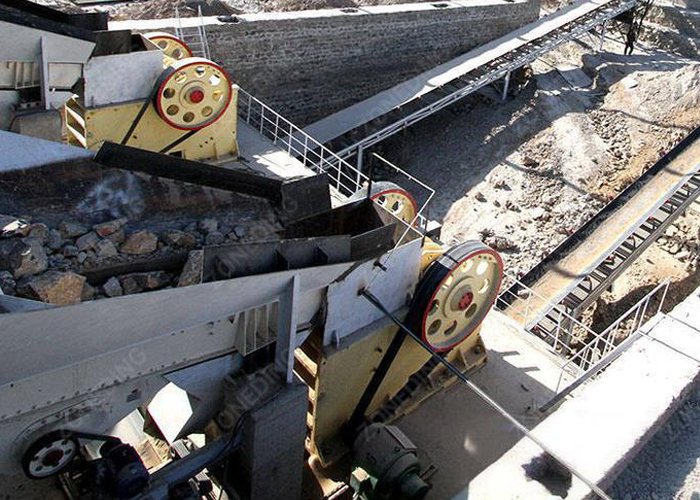
Fifty years of experience across global mining sites reveals that plant managers frequently struggle with high costs and machine failures. Profitability depends on the selection of the correct mining crushing equipment. Understanding hidden wear p...
View details