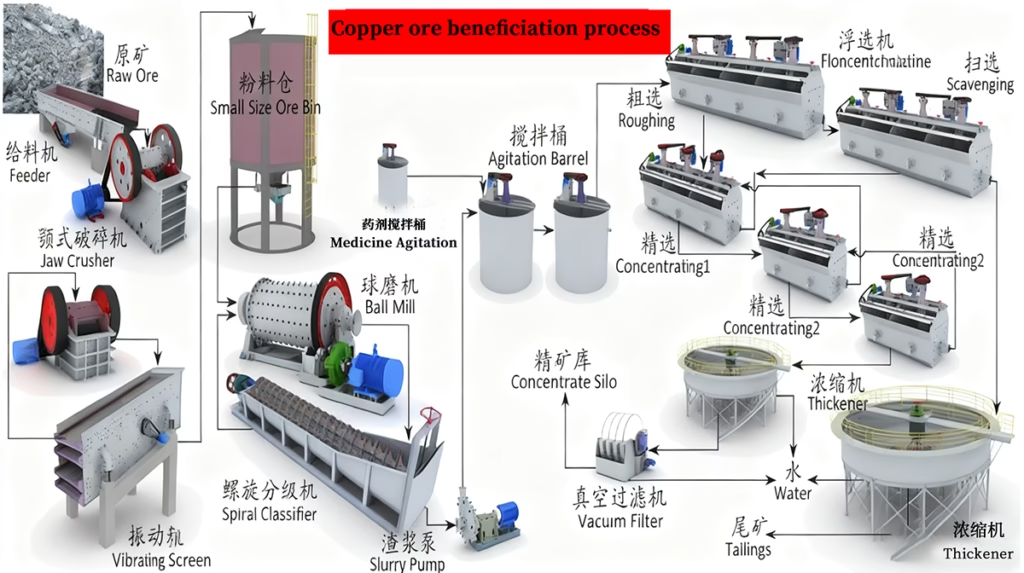
Turning raw copper ore into valuable copper concentrate is a complex journey. It needs a well-planned setup. The heart of this process lies in your copper dressing plant equipment. I have spent my career optimizing these plants. I have seen how the right equipment choices can make or break an operation. This guide will help you understand the key machines. It shows how to configure them for maximum value. We aim for high copper recovery rate and excellent copper concentrate grade. You want to make smart choices for your copper ore beneficiation equipment. This guide shares the insights you need. It covers every step from crushing to dewatering.
How your copper ore turns into high-value concentrate?
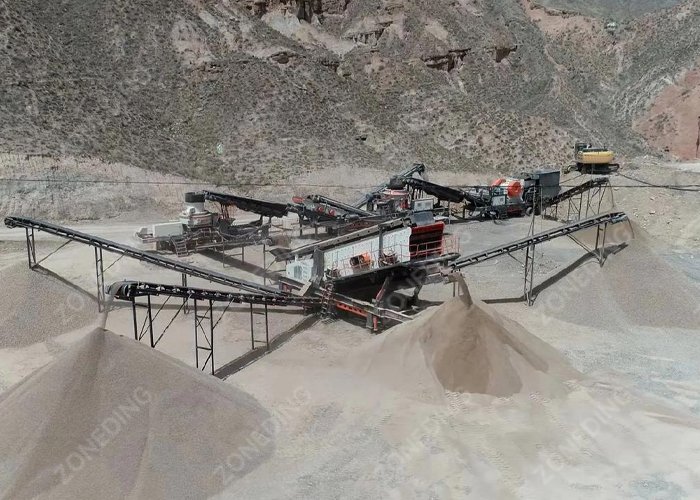
Your goal is to extract copper from its ore. This means separating the valuable minerals from the waste rock. This process happens in a copper dressing plant. Every piece of copper ore beneficiation equipment plays a role. The way these machines are laid out is very important. It is not just about placing them. It is about how they work together. A good layout ensures smooth flow. It prevents bottlenecks. This directly affects your plant’s success. It impacts your copper recovery rate and the final copper concentrate grade.
A well-designed copper dressing plant means lower operating costs. It leads to higher profits. It is an investment in long-term efficiency. Poor design can cause frequent breakdowns. It can waste energy. It can lead to low recovery. Therefore, planning your copper dressing plant equipment layout is a strategic decision. Leveraging specific ore knowledge and smart engineering, your plant efficiently transforms raw ore into high-value concentrate.This smart planning maximizes your overall copper value.
How to efficiently crush copper ore for better grinding and beneficiation?
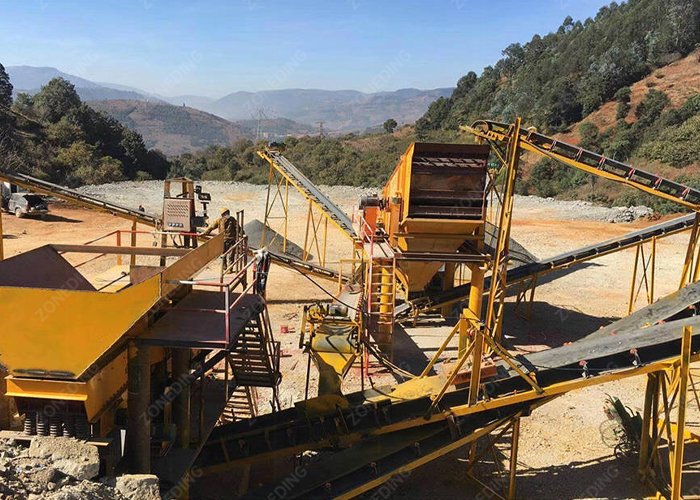
The first step in copper ore processing is crushing. This reduces the raw ore to a manageable size. It prepares the material for subsequent stages. Efficient crushing is vital. It directly impacts the energy consumption of grinding. It also helps with the effectiveness of flotation. A well-designed crushing circuit lightens the load on your grinding mills. This leads to operational cost optimization. It also boosts the overall beneficiation efficiency of your plant.
Without proper crushing, larger rocks would enter the grinding mills. This would consume much more energy. It would also increase wear on grinding media. This makes crushing a critical stage for saving money. It sets the foundation for efficient liberation of copper minerals. The right Crushing Equipment selection depends on the ore’s hardness and size. It also depends on the desired output. This stage ensures that you remove unwanted material early. This further reduces the amount of material that needs grinding and flotation.
How to select efficient grinding mills for optimal particle size and energy balance?
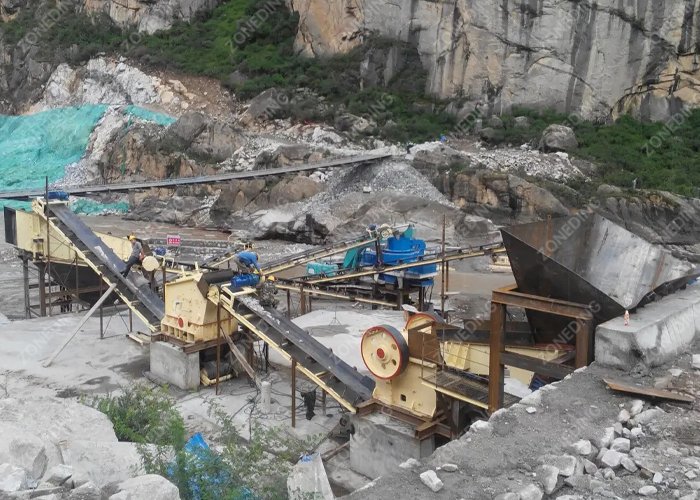
For most copper ore processing plants, crushing involves multiple stages. This includes coarse and fine crushing. Each stage uses specific copper ore crusher types. They work together to reduce particle size step-by-step.
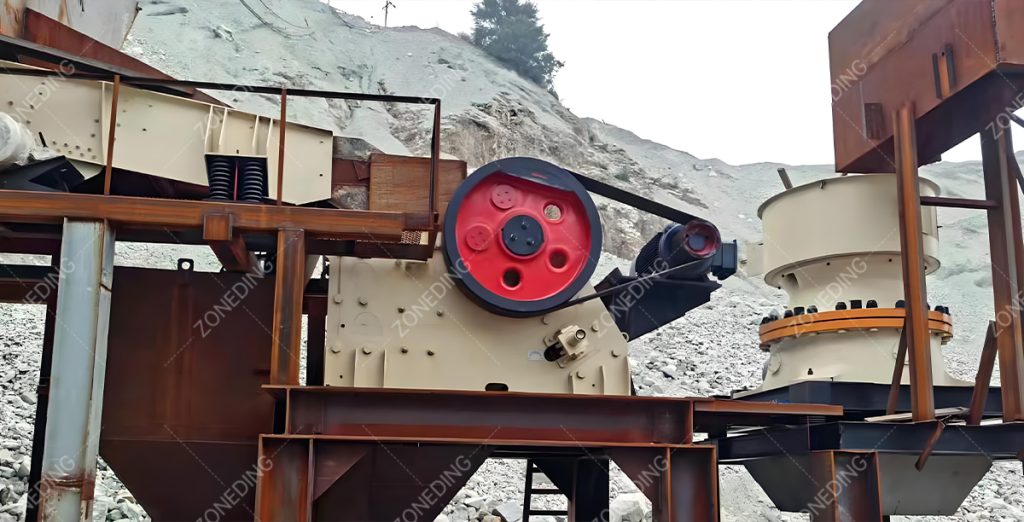
jaw crusher + cone crusher
Jaw Crushers:
Function: Primary crushing. They handle large blocks of run-of-mine ore. They reduce it to a size suitable for secondary crushing.
How they work: Material is squeezed between a fixed jaw and a movable jaw. This breaks the rock.
Why it’s key: They are robust. They handle abrasive materials well. They are the first gate.
Your benefit: Reduces initial rock size significantly. Prepares material for more precise crushing.
Cone Crushers:
Function: Secondary and tertiary crushing. They further reduce the ore to a finer size. This prepares it for grinding.
How they work: A mantle inside a bowl crushes material. This creates a more uniform product.
Why it’s key: Offer high reduction ratios. Produce cubical products. Used in closed-circuit with screens.
Your benefit: Controls final particle size entering grinding. Improves grinding efficiency. Saves energy.
Cooperation:
Jaw crushers take the largest ore. They produce a coarse product.
This product then feeds into Cone Crushers. These reduce it further.
The entire circuit ensures that material meets the exact size needed. This step-by-step reduction is efficient. It protects downstream equipment.
Pre-concentration: How pre-screening & heavy medium effectively remove waste rock, cutting costs?
Pre-concentration methods in copper dressing plants remove waste rock early. This happens before grinding and flotation. It significantly reduces the volume of material entering these energy-intensive stages. This is a smart move for operational cost optimization.
After crushing, the material is screened
Pre-screening:
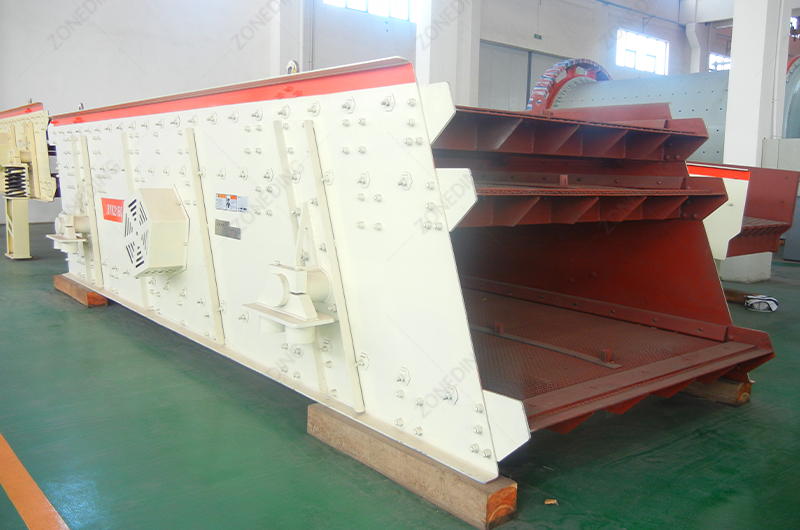
Function: Uses Vibrating Screens to remove fine material. This fine material is already at the desired size. It also removes very coarse material.
How it works: Screens separate material based on size. They allow correctly sized material to bypass crushers. They also separate oversized material.
Your benefit: Lower energy use in crushing. Better crusher throughput.
Heavy Medium Pre-concentration:
Function: Separates minerals based on density. Waste rock is usually lighter than copper minerals.
How it works: Ore passes through a fluid with a specific density (the heavy medium). Lighter waste floats. Heavier copper-rich ore sinks.
Why it’s key: Removes a large portion of waste rock. It does this without fine grinding.
Your benefit: Greatly reduces the volume of material. This material goes to grinding and flotation. Saves massive energy costs. Improves beneficiation efficiency.
Combined Impact: Both methods are types of copper ore pre-concentration equipment. They reduce the amount of unwanted material. This material would otherwise be crushed, ground, and floated. This leads to substantial savings. It also makes your downstream processes more effective.
How to choose and optimize flotation equipment to maximize copper recovery rate?
Grinding is a critical step in copper ore beneficiation. It is also one of the most energy-intensive. Here, crushed ore reduces to a very fine powder. This process liberates the valuable copper minerals. This fine powder is what flotation equipment needs. Achieving the right particle size is key. Too coarse, and minerals are not free. Too fine, and flotation becomes harder. This balance means choosing the right copper ore grinding mill. It also means precise classification.
The goal is to get the optimal balance between particle size and equipment energy consumption. My experience shows that inefficient grinding wastes huge amounts of energy. It directly hurts your profits. The right grinding and classification circuit ensures proper mineral liberation. It prepares the ideal feed for flotation. This directly boosts your copper recovery rate. It also helps achieve a high copper concentrate grade. This careful selection is central to successful copper processing plant operations.
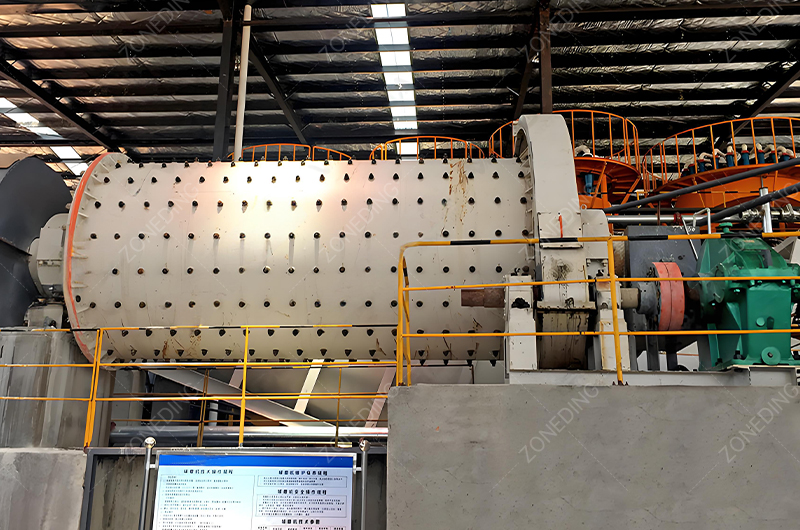
Ball, Rod, Vertical Mills: Which to choose for copper ore characteristics?
Selecting the right copper ore grinding mill is vital. Different ore types need different grinding approaches. This choice impacts both efficiency and cost.
Function: Ultrafine grinding. They can achieve very fine particle sizes with lower energy.
How they work: Use rollers or stirrers to grind material against a grinding table or media.
Best for: Ores requiring very fine liberation. When energy efficiency is a top priority.
Your benefit: Excellent energy efficiency for ultrafine grinding. Smaller footprint.
Making the Best Choice:
Consider ore hardness, abrasiveness, and desired final particle size (P80).
Think about equipment energy consumption. This is a major operating cost.
Consult with experts. Perform pilot tests. This helps match the mill to your specific copper ore beneficiation needs.
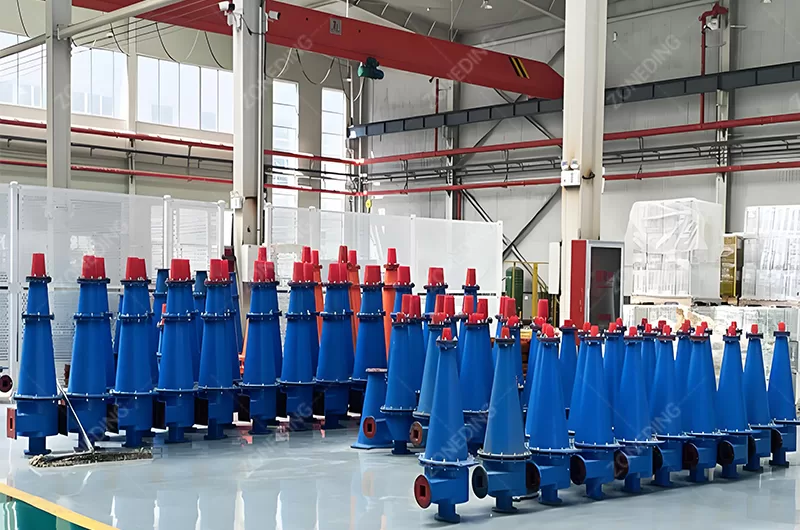
Hydrocyclones, Screens: How do they precisely classify, improving grind & float efficiency?
Classification equipment works hand-in-hand with grinding mills. It ensures that only properly sized material moves on. Oversized particles return for more grinding. This boosts both grinding and flotation efficiency.
Function: Separate particles based on size and density. They are commonly used in closed grinding circuits.
How they work: Slurry is pumped tangentially into a conical vessel. This creates a centrifugal force. Finer, lighter particles go to the overflow. Coarser, heavier particles go to the underflow.
Why it’s key: Highly efficient for fine particle separation. Compact design.
Your benefit: Ensures only well-ground material goes to flotation. Prevents over-grinding. Maximizes mill capacity.
Function: Separate particles based on size. They are effective for coarser classification.
How it works: Vibrating motion moves material across a mesh screen. Particles smaller than the mesh pass through. Larger particles are retained.
Why it’s key: Simple. Effective for pre-screening or coarser classification within grinding circuits.
Your benefit: Controls top size of material entering grinding. Removes tramp oversized material.
Impact on Efficiency:
Precise classification prevents fine particles from being over-ground. This saves energy.
It ensures the flotation circuit receives consistent material. This makes flotation more effective.
This partnership between grinding and classification is central to good copper ore beneficiation.
Flotation for copper: How to optimize equipment to maximize recovery and grade?
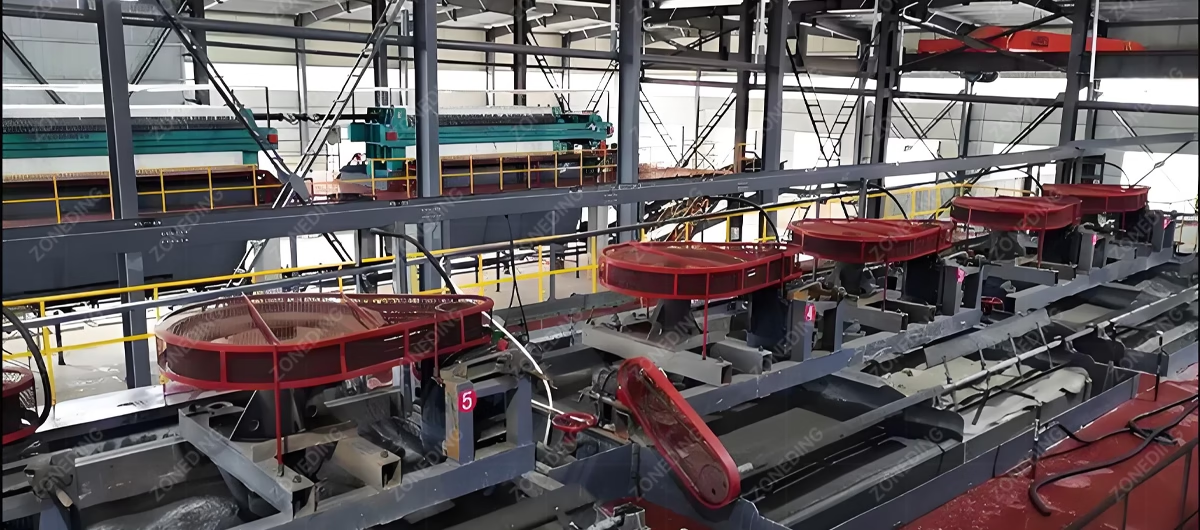
Flotation is the core process in a copper dressing plant. It is where valuable copper minerals are separated. They are floated away from waste rock. This is where your copper recovery rate and copper concentrate grade are largely determined. It is a delicate chemical and physical process. The right copper flotation equipment and its optimization are vital for your plant’s success.
Copper ore flotation
Achieving high recovery and grade requires careful selection of flotation machine types. It also needs a well-managed reagent scheme. My experience shows that small changes here can significantly impact profitability. This stage is where liberated copper minerals are concentrated. This process increases their value. The goal is to capture as much copper as possible. You also want to reject as much waste as possible. This balance is achieved through careful design and continuous optimization of your flotation equipment.
Mechanical vs. Pneumatic Flotation: Which is best for specific pulp & throughput?
Different types of flotation equipment are available. Each has strengths and weaknesses. The best choice depends on your ore’s specific properties and plant scale.
Function: Mix pulp, disperse air, and create froth for mineral collection.
How they work: Use an impeller to agitate the slurry. This draws air in or disperses injected air. It keeps particles suspended. It promotes bubble-particle attachment.
Best for: Most general copper ore beneficiation applications. They are versatile. They handle a wide range of particle sizes and pulp densities.
Your benefit: Robust. Flexible. Proven technology for various copper ores.
Function: Achieve high concentrate grades, often used in cleaner circuits.
How they work: Air is injected through spargers at the bottom of a tall column. Slurry flows downwards. Bubbles rise, carrying minerals. Wash water often used to improve grade.
Best for: Fine particle flotation. Producing high-grade concentrates.
Your benefit: Higher copper concentrate grade. Better water recovery. Can be more energy efficient for certain applications.
Making the Best Choice:
Consider the mineralogy of your ore. Does it have fine or coarse copper minerals?
Think about the plant’s throughput.
Mechanical cells are often used for rougher and scavenger stages. They maximize initial copper recovery rate.
Pneumatic cells are then used for cleaner stages. They upgrade the concentrate to higher copper concentrate grade.
Combining different cell types often yields the best results.
The flotation process is not a single step. It usually involves roughing, scavenging, and cleaning stages. Each stage has a specific goal. This setup helps to maximize copper recovery rate and copper concentrate grade.
Roughing Stage:
Goal: Recover as much copper as possible. This is the first pass.
Equipment: Usually large mechanical Flotation Machines. They handle high volumes of feed.
Reagents: High dosage of collectors and frothers. This ensures maximum mineral attachment to bubbles.
Your benefit: Gets most of the copper out quickly.
Scavenging Stage:
Goal: Recover copper minerals that were not captured in roughing.
Equipment: Often mechanical cells, similar to roughers but with longer retention times.
Reagents: May involve additional collector dosage. This helps to float any remaining copper.
Your benefit: Improves overall copper recovery rate by re-treating rougher tailings.
Cleaning Stage:
Goal: Improve the copper concentrate grade. This removes unwanted gangue minerals.
Equipment: Can be mechanical or column flotation cells. Often smaller cells. Multiple cleaning stages are common (e.g., first cleaner, second cleaner).
Reagents: Lower reagent dosages. Often includes depressants. These push unwanted minerals back into the pulp.
Your benefit: Produces a high-quality copper concentrate that meets market specifications. Reduces impurities.
Reagent Regimen:
Collectors: Make copper minerals hydrophobic (water-repelling). This helps them attach to air bubbles.
Frothers: Create a stable froth layer. This carries the mineral-laden bubbles.
Modifiers: Control pH, activate or depress specific minerals. For example, lime to control pH. This depresses iron sulfides.
Impact: A well-tuned reagent scheme, specific to your ore, is as important as the equipment. It ensures selective flotation. It maximizes your beneficiation efficiency.
How to efficiently dewater concentrates and tailings to cut costs and environmental impact?
After flotation, you have two main products: copper concentrate and tailings. Both need further processing. This mostly involves dewatering. Efficient dewatering is key for both. It significantly reduces transport costs for concentrate. It also minimizes environmental impact for tailings. This stage ensures both products meet their next requirements. This leads to substantial operational cost optimization for your copper dressing plant.
Reducing moisture in concentrate saves money on shipping. It also avoids penalties from smelters. For tailings, proper dewatering allows for safer disposal. It enables water recycling back into the plant. My experience shows that neglecting dewatering can lead to hidden costs. It can also create environmental problems. This final step is crucial for overall plant efficiency. It is vital for environmental responsibility in copper ore beneficiation.
Thickening is the first step in dewatering. It separates most of the water from the solids. This reduces the volume of slurry. This makes downstream filtration easier and more efficient.
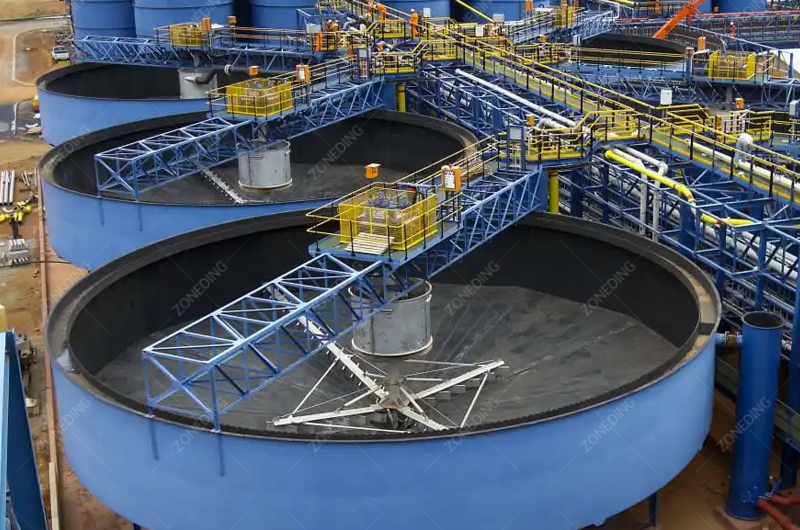
Thickeners (Conventional):
Function: Settle solids by gravity. They produce a thickened underflow and a clear overflow water.
How they work: A large, slow-moving rake gently moves settled solids to the center discharge. Water overflows at the perimeter.
Why it’s key: Cost-effective for initial solid-liquid separation. Large capacity.
Your benefit: Recovers water for reuse. Increases solids concentration.
Function: Achieve faster settling and higher underflow densities. They use less space than conventional thickeners.
How they work: Incorporate feed wells and flocculant addition. This promotes rapid flocculation and settling.
Why it’s key: More compact footprint. Higher throughput for their size.
Your benefit: Saves space. Faster processing. More effective solid-liquid separation.
For Concentrate: Thickeners increase copper concentrate density. This reduces the load on filters.
For Tailings: They recover process water. This water is then reused. This helps minimize fresh water consumption. It reduces the volume of tailings requiring final disposal.
After thickening, filtration removes more water. This brings the copper concentrate moisture down to required levels. It also helps with tailings management.
How they work: A vacuum draws water through a filter cloth. This leaves a cake of concentrate on the cloth.
Best for: Continuous, medium-to-high capacity dewatering of concentrates.
Your benefit: Continuous operation. Consistent moisture levels.
For Copper Concentrate: The goal is to reduce moisture to 8-15%. This meets smelter specifications. It also minimizes transport costs.
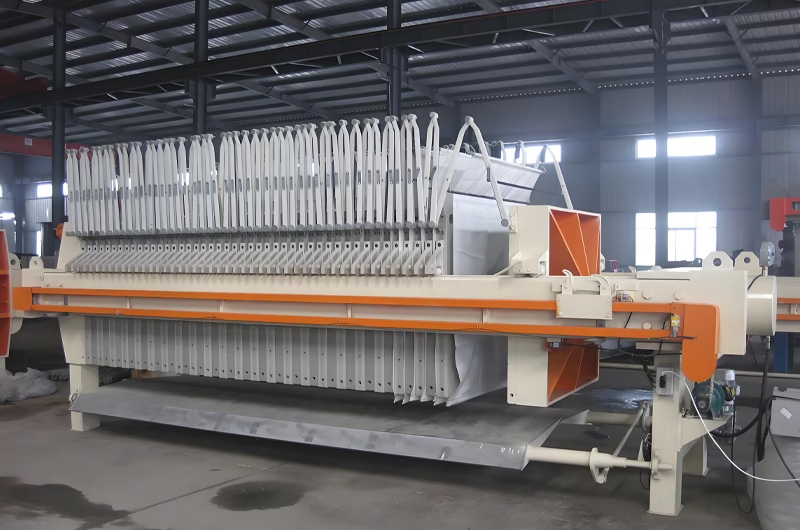
For Tailings: Achieving higher dryness for tailings (e.g., through filter presses) enables dry stacking. This reduces environmental risks. It also reclaims more water for the plant.
Smart Control & Auxiliary Systems: Essential for stable, efficient copper plant operations (beyond core processing)?
While crushing, grinding, flotation, and dewatering are the main acts, a copper dressing plant needs more. Many auxiliary systems and smart controls are essential. They ensure stable, efficient, and safe operation. These systems are the unsung heroes. They support every stage. They provide the intelligence and infrastructure needed for optimal performance. Neglecting these can undermine the efficiency of your main copper ore beneficiation equipment.
These systems are vital for continuous production. They also enhance beneficiation efficiency. They ensure safety and compliance. Modern plants rely heavily on automation. This reduces human error. It also allows for precise adjustments. From material handling to environmental protection, these systems keep your plant running smoothly. They contribute significantly to operational cost optimization. They maximize the overall value from your copper ore processing activities.
Smart Control Systems
Smart Control Systems: Full-process automation – optimizing efficiency & management?
Modern copper dressing plants rely heavily on automation control systems. These systems connect everything. They monitor and adjust processes in real-time. This greatly boosts efficiency.
Distributed Control System (DCS) / SCADA:
Function: The “brain” of the plant. It integrates sensors, motors, valves, and controls.
How it works: Gathers data from all equipment. Allows operators to monitor and control processes from a central location. It can implement complex control logic.
Why it’s key: Reduces human error. Ensures stable operating conditions.
Your benefit: Improves beneficiation efficiency. Leads to consistent product quality. Better data for decision-making.
Advanced Process Control (APC):
Function: Uses mathematical models and algorithms. It optimizes specific process loops beyond basic control.
How it works: Predicts process behavior. Makes proactive adjustments. For example, it can optimize reagent dosage in flotation. It can also manage mill feed rates.
Why it’s key: Achieves even higher levels of efficiency and stability.
Your benefit: Maximizes copper recovery rate. Optimizes equipment energy consumption. Lowers operational cost optimization.
Safety: Reduces human exposure to hazardous areas.
Data Analysis: Provides rich data for continuous improvement.
Conveying, Feeding, Metering Equipment: How do these auxiliary systems ensure continuous, precise production?
These systems might seem basic, but they are critical. They ensure materials move smoothly and accurately throughout the plant. Without them, bottlenecks and inefficiencies would occur.
Conveyors:
Function: Transport dry or semi-dry materials. This includes ore, concentrate, and crushed rock.
How they work: Rubber belts move material between different process areas.
Why it’s key: Continuous and efficient material handling.
Your benefit: Keeps material flowing smoothly between stages. Reduces labor for transport.
Feeders (e.g., Vibrating Feeders, Apron Feeders):
Function: Provide a consistent and controlled flow of material to processing equipment.
How they work: Regulate the rate at which ore is supplied. This prevents overfeeding or underfeeding.
Why it’s key: Protects crushers and mills from surges. Ensures stable operation.
Your benefit: Maximizes throughput. Protects equipment from damage. Improves beneficiation efficiency.
Function: Measure the weight of solids and flow rate of slurries in real-time.
How it works: Sensors continuously track material quantities.
Why it’s key: Essential for mass balance calculations. Provides data for process control.
Your benefit: Accurate accounting of material. Allows for precise control adjustments. Helps to optimize copper recovery rate.
Environmental Treatment: Tailings & Wastewater – How to meet strict environmental standards?
Environmental compliance is no longer an option. It is a must. Modern copper dressing plants need robust environmental solutions. This includes managing tailings and wastewater.
Tailings Dry Stacking:
Function: Dewater tailings to a high degree. Stack them as a semi-dry or dry material.
How it works: Uses filter presses or large vacuum filters. It removes most of the water. The dry material is then transported and stacked.
Why it’s key: Reduces environmental risk of traditional wet tailings dams. Recovers more water for reuse.
Your benefit: Lower environmental footprint. Safer tailings management. More water recycling.
Wastewater Treatment Systems:
Function: Treat process water before discharge or reuse. This removes contaminants.
How it works: Uses physical, chemical, and biological methods. It removes heavy metals, reagents, and suspended solids.
Why it’s key: Meets strict discharge limits. Protects local ecosystems.
Your benefit: Ensures regulatory compliance. Reduces fresh water demand. Promotes sustainable copper ore processing.
Dust Collection Systems:
Function: Capture dust generated during crushing and conveying.
How it works: Uses fans and filter bags. Air is drawn through filters. Dust particles are removed.
Why it’s key: Improves air quality for workers. Reduces airborne pollution.
Your benefit: Better worker health and safety. Environmental compliance.
Copper Dressing Plant Equipment: Strategic Selection for Maximum ROI
Selecting copper dressing plant equipment is a substantial investment requiring careful, strategic evaluation beyond simple catalog selection. A scientific approach ensures your investment pays off, mitigates risks, and builds an efficient, profitable plant.
This necessitates looking beyond initial purchase price to long-term operating costs, including energy, wear parts, and maintenance. Crucially, a thorough assessment of your specific copper ore’s characteristics and mineralogy is vital, as tailored solutions always outperform generic ones. This scientific evaluation is key to effectively configuring your plant and maximizing ROI.
Detailed Ore Characterization:
Why it’s critical: Understand your ore’s hardness, abrasiveness, mineral composition, liberation size, and impurities.
Your benefit: This data guides every equipment choice. It dictates crushing ratios, grinding parameters, and flotation reagents.
Pilot Plant Testing:
Why it’s critical: Run small-scale tests using your actual ore. This confirms the optimal flowsheet and equipment selection.
Your benefit: Reduces risk. Validates process parameters. Prevents expensive mistakes on a large scale.
Throughput and Scalability:
Why it’s critical: Design your plant for current production targets. Also, allow for future expansion.
Your benefit: Avoids premature obsolescence. Ensures your copper dressing plant can grow with demand.
Total Cost of Ownership (TCO):
Why it’s critical: Look beyond capital cost. Consider equipment energy consumption, wear part replacement, labor, maintenance, and water usage.
Your benefit: A holistic view of costs. Helps in making economically sound decisions for operational cost optimization.
Supplier Reliability and Support:
Why it’s critical: Choose a supplier with a proven track record. Ensure they offer strong after-sales service, spare parts, and technical support.
Your benefit: Minimizes downtime. Ensures quick resolution of issues. Provides long-term partnership.
Environmental and Regulatory Compliance:
Why it’s critical: Integrate environmental solutions from the start. Plan for tailings management, water recycling, and dust control.
Your benefit: Avoids penalties. Ensures sustainable operation. Builds good corporate reputation.
Focus on Process Optimization:
Why it’s critical: Think about how each piece of copper ore beneficiation equipment contributes to the overall beneficiation efficiency and copper recovery rate.
Your benefit: Ensures that all components work together. They form a high-performing system. This maximizes your copper concentrate grade and ultimate value.
Common Questions about Copper Dressing Plant Equipment
Question 1: How does efficient crushing impact my copper dressing plant’s profitability?
Efficient crushing reduces the load on grinding equipment. This means less energy use and lower wear part costs. It prepares the ore better for subsequent stages. This boosts overall beneficiation efficiency and lowers operational cost optimization.
Question 2: What factors should I consider when selecting a ball mill for copper ore?
Consider your ore’s hardness, desired particle size for flotation, and plant throughput. Choose between different types like Ball Mills or Rod Mills. Look at equipment energy consumption. Also, evaluate the cost of grinding media and liner wear. Each ore needs a specific mill type.
Question 3: How can I maximize copper recovery rate in the flotation stage?
Maximize copper recovery rate by optimizing your flotation equipment and reagent scheme. Proper cell selection, pulp density control, and precise reagent dosage are key. Use multiple stages (rougher, scavenger, cleaner). This ensures maximum mineral capture and a high copper concentrate grade.
Question 4: Why is dewatering important for copper concentrate and tailings?
Dewatering reduces moisture in concentrate. This lowers transport costs and avoids smelter penalties. For tailings, efficient dewatering reduces environmental impact. It allows for safer disposal and potentially water recycling. It’s vital for operational cost optimization.
Question 5: How do automated control systems improve my copper dressing plant?
Automation control systems integrate all plant data. They allow for real-time adjustments. This leads to more stable operations. It improves beneficiation efficiency and product quality. They also reduce human error. This saves labor costs.
Summary and Recommendations
Building or upgrading a copper dressing plant is a significant undertaking. It requires careful planning. You must choose the right copper ore beneficiation equipment. My advice is to focus on a holistic approach. Every stage, from crushing to dewatering, impacts the next. Optimal equipment selection and configuration can greatly increase your copper recovery rate and copper concentrate grade. It can also lower your operational cost optimization.
Invest in proper ore characterization and pilot testing. Prioritize equipment energy consumption and long-term costs over initial price. Embrace smart control systems. Do not forget the critical role of auxiliary and environmental equipment. By following these steps, you will ensure your mining equipment investment yields maximum value. You will build a highly efficient and sustainable copper processing plant. This will unlock the full potential of your copper ore.
About ZONEDING
Since 2004, ZONEDING has delivered high-quality Beneficiation Equipment and solutions for the global mining industry. We specialize in copper dressing plant equipment. Our machines are designed for reliability, efficiency, and optimal performance. We offer full-process solutions, from initial design to installation and after-sales support. We help you achieve superior copper recovery rate and copper concentrate grade.
Contact us today. Let our experts help you design or optimize your Copper Processing Plant. Maximize your copper ore value with ZONEDING’s proven technology and experience.
One of the first questions investors ask before starting a mining project is: How much does a gold processing plant cost? Unfortunately, there is no single answer. A small gravity gold plant may cost less than a luxury house in some countries, whi...
Mineral screening equipment performs the vital task of size separation in mining. This process occurs after crushing to ensure only the correct stones proceed. Efficient screening prevents the recirculating load from overwhelming the system. In 20...
The performance of a crusher plant acts as the heart of every modern infrastructure project. High-quality aggregate production for construction determines if a bridge stands for a century or fails in a decade. Choosing the right machinery helps co...
What is a concrete crusher and how to select the best model? This industrial manual covers technical parameters, types, and maintenance for recycling projects. Effective debris management requires precise machine choice to ensure high-quality aggr...
We use cookies to ensure that we give you the best experience on our website. If you continue to use this site we will assume that you are happy with it.
Privacy Policy
Send us a message
We would love to hear from you
Submit your question and our team will respond to the email provided as soon as possible.
 Zoneding Machine