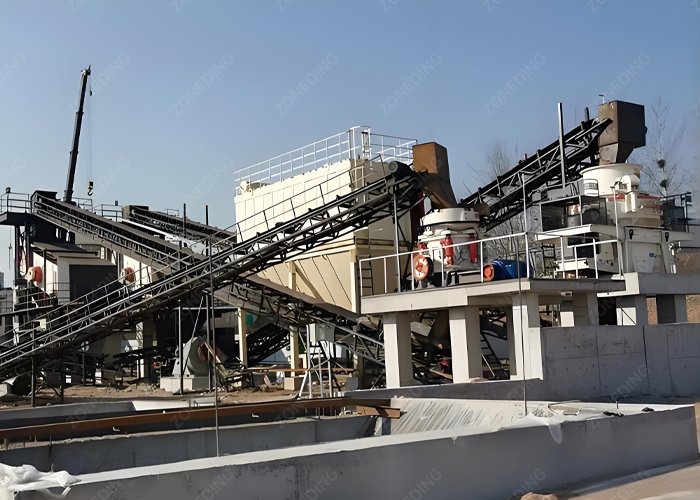
Effective stone crusher selection represents a critical decision for any aggregates or mining operation. This choice directly influences the efficiency, productivity, and overall profitability of a crushing production line configuration. This guide provides a comprehensive overview. It covers the fundamentals of selecting crushers for each crushing stage. It also details strategies for building a system that achieves both efficient and profitable output.
Crushing Stages: Significance for Stone Crusher Selection?
Understanding crushing stages forms the fundamental basis for effective stone crusher selection. This concept is not merely a technical detail; it represents a strategic imperative. Each stage within a crushing production line configuration possesses a distinct purpose. It processes materials of specific sizes. It targets particular output specifications. Failure to recognize these stages often results in operational inefficiencies. Such neglect also elevates operational costs significantly.
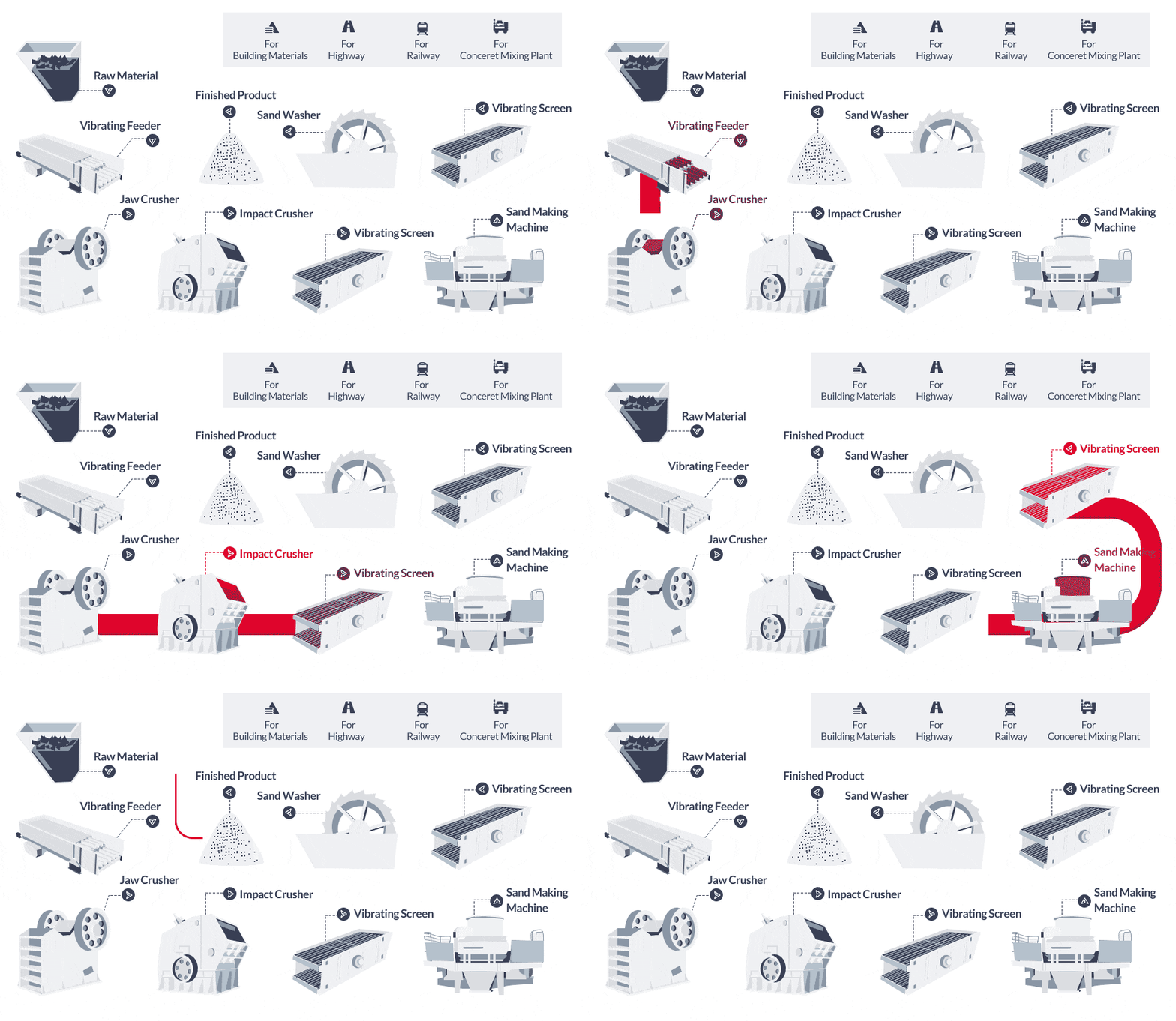
Raw material initially presents as large boulders. A single machine cannot efficiently reduce this material to fine sand. Consequently, multiple crushing stages are implemented. The initial stage processes the largest rocks. The subsequent stage refines these materials. The final stage produces the required end product. This systematic approach ensures that each crusher operates within its optimal performance range. This maximizes individual machine efficiency. It minimizes wear and tear on components. Ultimately, this structured methodology contributes to an efficient and profitable overall operation. A comprehensive understanding of these crushing stages directly translates into superior equipment choices and a streamlined production process.
Successful stone crusher selection involves more than just equipment specifications. Overlooking these critical non-technical factors leads to financial setbacks.
First, material characteristics are paramount. Rock type, defined by hardness, abrasiveness, compressive strength, and fracture characteristics, dictates optimal crushers. For instance, granite/basalt require different crushers than softer limestone. This also influences aggregate shape and product quality.
Second, defining the desired product is essential. Establish specific final particle size and aggregate shape requirements. Market demand for high-quality, cubical products influences crusher choice and pricing.
Third, required production capacity needs careful assessment. The necessary hourly throughput (TPH) determines crusher size and quantity. An undersized plant creates bottlenecks; an oversized plant incurs unnecessary costs.
Finally, detailed consideration of operating costs is indispensable. This includes wear parts consumption, energy usage, and maintenance expenses. Higher initial CAPEX can yield long-term savings through reduced operating costs. Environmental regulations and site limitations also influence equipment selection and plant layout.
Primary Crushing: Jaw Versus Gyratory Crusher Choices?
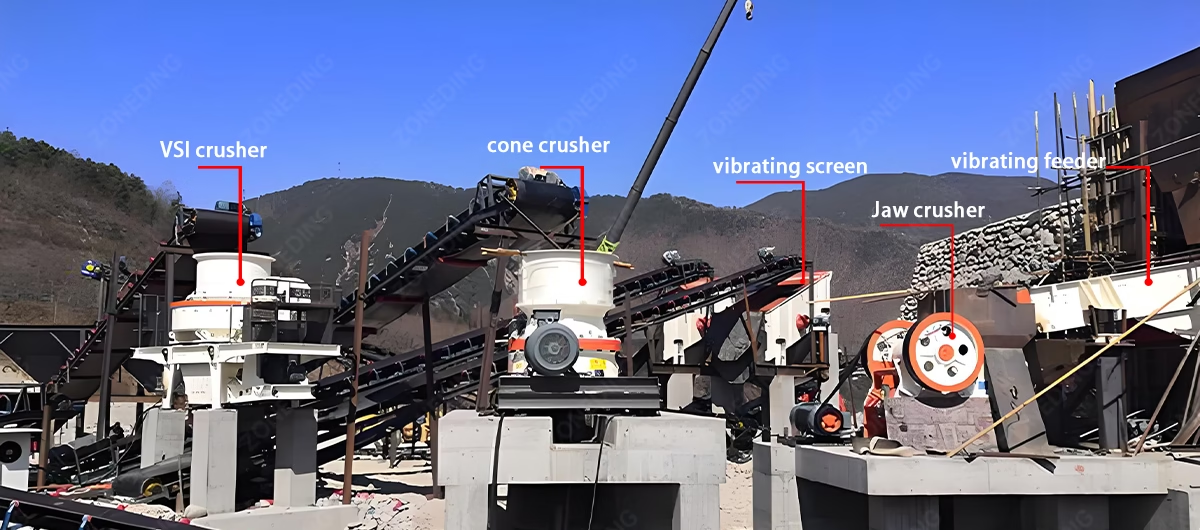
The primary crushing stage marks the initial entry of raw, blasted rock into a crushing production line. Equipment at this stage must efficiently handle large, unsorted material. The goal is reduction to a manageable size suitable for subsequent secondary crushers. The selection between a Jaw Crusher and a Gyratory Crusher at this point critically depends on scale and material properties.
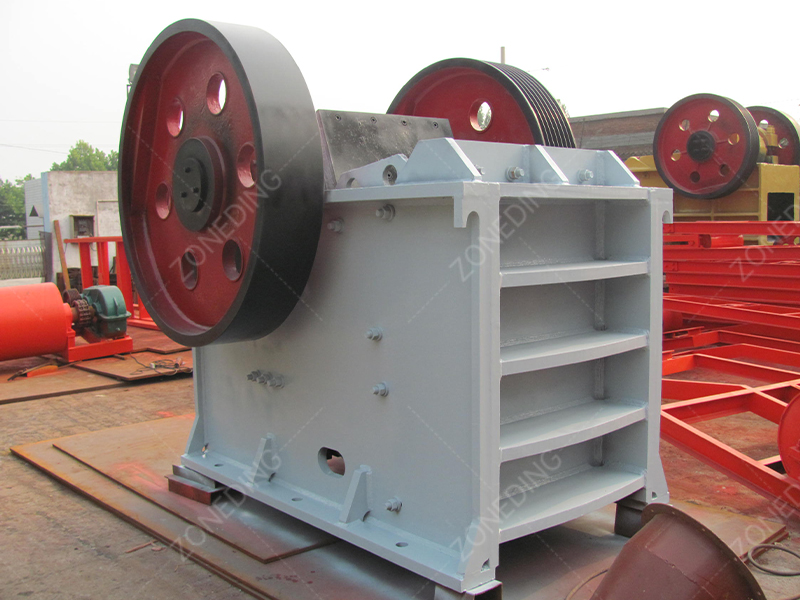
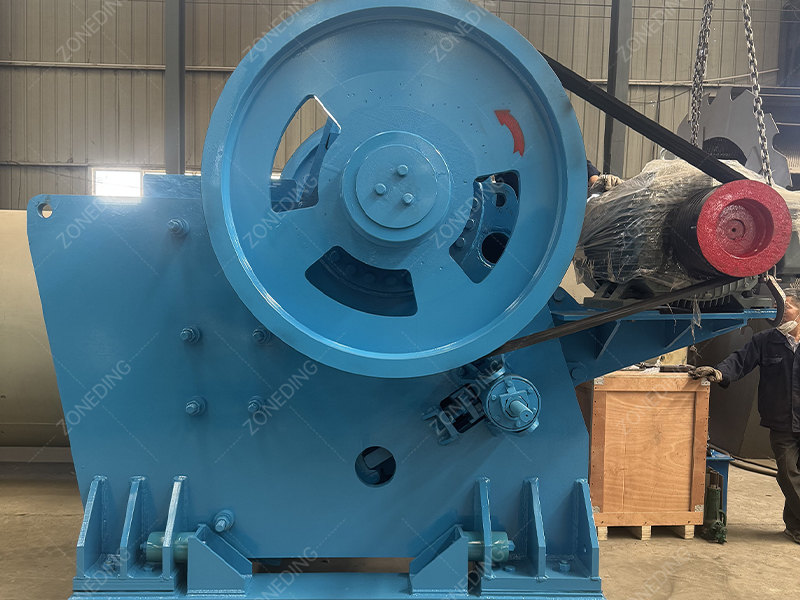
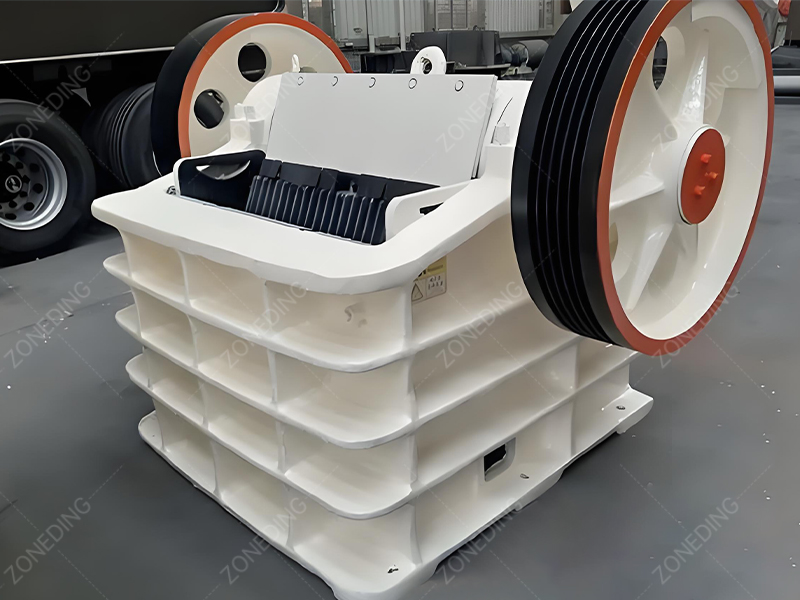
The Jaw Crusher serves as the industry standard for primary crushing applications. It offers reliable and robust performance. This crusher excels with hard, abrasive, and tough materials. Examples include granite, basalt, iron ore, and most quarried rock types. Its design facilitates the efficient fracture of massive rock chunks. It exhibits superior tolerance to tramp iron compared to many other crusher types. This makes it a suitable choice for most medium to large-scale operations. It consistently provides a strong return on investment. Effective jaw crusher designs ensure efficient material drawdown. This achieves a high Reduction Ratio.
PE-Jaw Crusher
PEV-Jaw Crusher
PEX-Jaw Crusher
The Gyratory Crusheris specifically engineered for very large-scale operations. These often include extensive mining projects. Gyratory crushers accommodate exceptionally high throughputs, frequently exceeding 2000 tons per hour. Relative to their footprint, these crushers present a larger feed opening. The crushing action is also more continuous when compared to jaw crushers. Furthermore, superior performance is observed with hard, abrasive materials. However, gyratory crushers entail a very high capital cost. Their installation demands a significant footprint, particularly in terms of vertical space. Maintenance procedures for gyratory crushers are also more complex. For smaller operations, a Jaw Crusher typically represents a more practical and economically viable primary crushing solution.
Secondary Crushing: Cone Versus Impact Crusher Balance?
The secondary crushing stage focuses on further refining the material. This material originates from the primary crusher. The objective involves achieving a more specific size and enhancing the aggregate shape. The decision between a Cone Crusher and an Impact Crusher at this stage is crucial. It requires balancing crushing efficiency with the desired output shape.
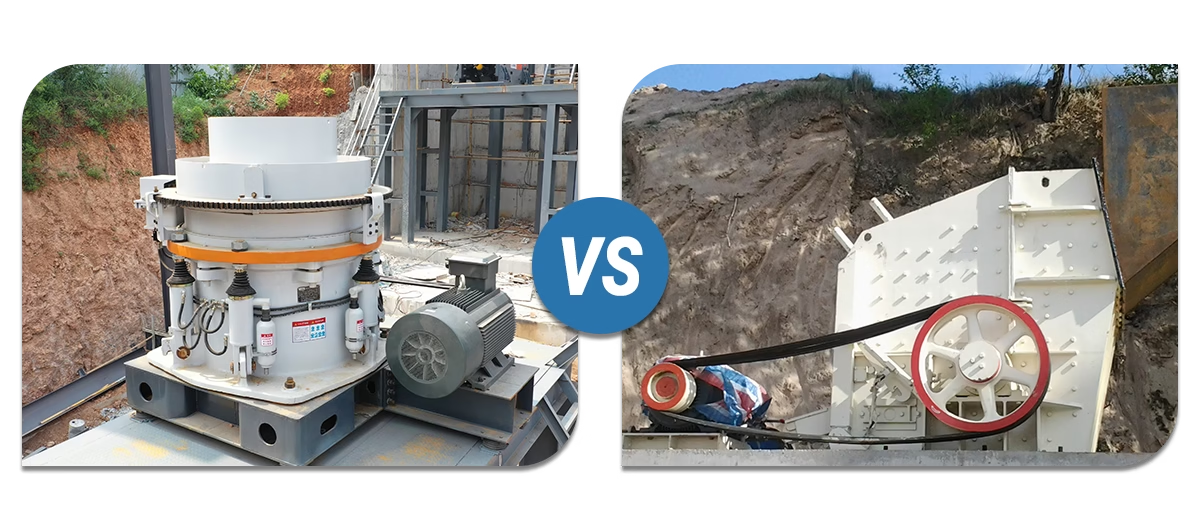
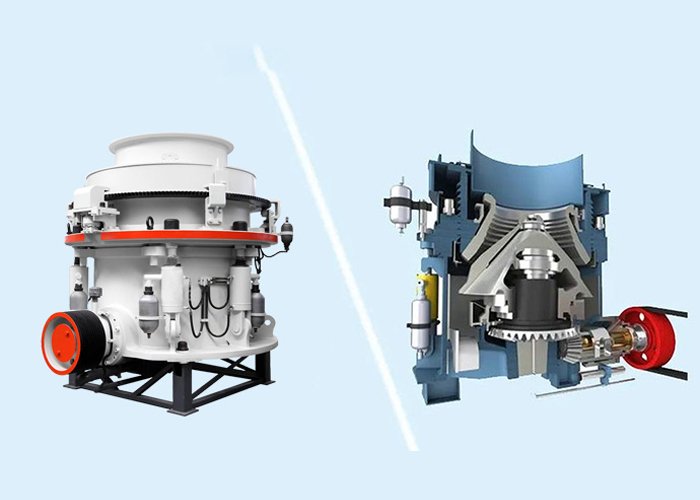
The Cone Crusher functions as a primary workhorse for hard, abrasive materials. It effectively processes granite, basalt, and high-silica rock. Crushing action occurs through compression. This mechanism yields a good cubical product. Its robust design and continuous crushing process ensure high efficiency. Modern cone crushers integrate hydraulic tramp iron relief systems. These provide excellent protection against uncrushable objects. The reliability of cone crushers and their lower wear parts costs, particularly for abrasive materials, offer a significant advantage. For operations processing hard material, a cone crusher frequently stands as the optimal secondary choice.
The Impact Crusher (specifically Horizontal Shaft Impact, HSI) excels with softer to medium-hard, non-abrasive materials. These materials include limestone and dolomite. Its principal strength lies in producing superior cubical aggregate. This characteristic is vital for premium construction materials. However, deploying an Impact Crusher for hard, abrasive materials proves exceptionally costly. The wear parts such as blow bars and impact plates degrade rapidly. This leads to frequent downtime and elevated operating costs. Impact crushers also exhibit high sensitivity to tramp iron.
When selecting a secondary crusher, meticulous evaluation of material characteristics is paramount. If cubicity is a critical requirement and the material is soft, an Impact Crusher is generally preferred. For hard materials, a Cone Crusher typically offers greater long-term economic viability.
Tertiary Crushing: VSI and Hammer Crusher for Value?
Tertiary crushing is the “precision stage,” aiming for final product sizes like manufactured sand or fine aggregates, with a strong focus on product shape and gradation control. VSI and Hammer Crushers are key machines here, significantly enhancing market value.
Difference between VSI and Hammer Crusher
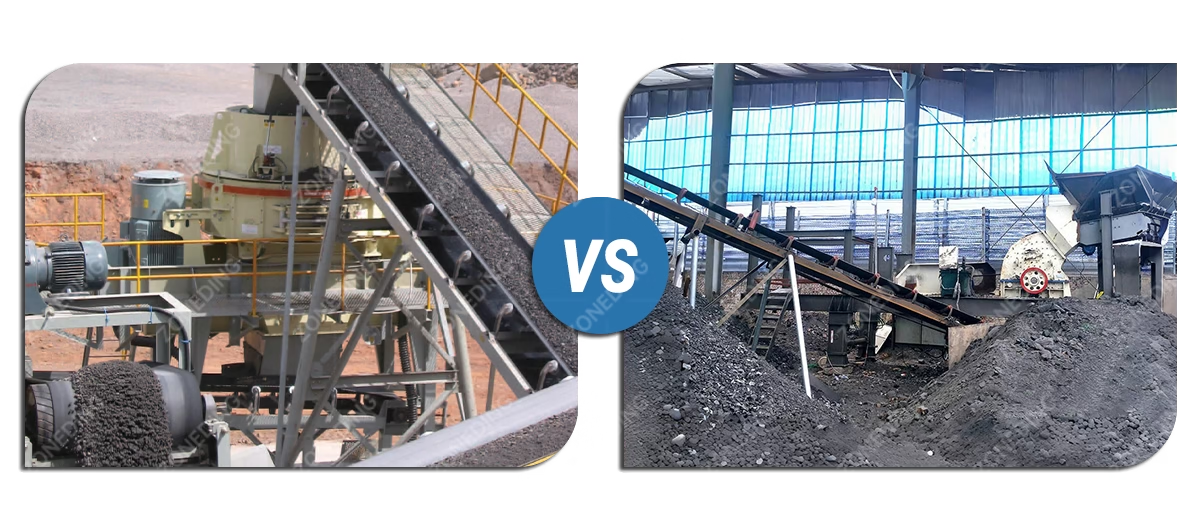
The VSI Crusher (often called a sand-making machine) is optimal for ultimate product cubicity and high-quality manufactured sand, especially with non-abrasive materials. It uses rock-on-rock/steel impact to produce superior, highly cubical sand crucial for high-specification concrete/asphalt. However, it can generate more fines, incurs higher wear parts costs with abrasive rock, and is sensitive to tramp iron, requiring a clean, pre-sized feed.
The Hammer Crusher, another impact crusher, offers a high reduction ratio and simple structure, suitable for medium-hard, non-abrasive materials (e.g., limestone, coal, gypsum). It excels at producing finer products in a single stage, simplifying the production line. Its hammers are wear parts, necessitating regular replacement, particularly with harder materials.
Crusher selection depends on project requirements to maximize product value. VSI Crushers are best for premium manufactured sand and cubicity. Hammer Crushers suit high reduction ratios with medium-hard materials and a desire for a simpler line. Both significantly boost final product marketability.
Line Optimization: Multi-Stage Crushing for Efficiency?
Optimizing a crushing production line configuration requires seamless interaction among all components, beyond just crusher selection. This includes feeders, conveyors, and screens. The primary objectives are maximum throughput and consistent product quality.
A fundamental principle in crushing process optimization involves operating secondary and tertiary crushing stages in a closed circuit. Material is crushed, then immediately screened. Oversized material is recirculated for re-crushing, while correctly sized product advances. This prevents crushers from processing already-sized material, significantly reducing wear parts consumption and energy expenditure, and ensuring consistent final product gradation and shape.
Proper feeder selection is crucial. Vibrating Feeders guarantee steady, uniform material flow into the crusher. This “choke feeding” maximizes crusher efficiency while preventing surging and blockages. Concurrently, screening equipment (e.g., Vibrating Screens) accurately sorts material, allowing only appropriately sized material to progress and recirculating oversized material for further processing.
Maintaining balance is essential in production line configuration. Every machine must have sufficient capacity for the preceding stage’s output to avoid bottlenecks. For instance, an underperforming secondary crusher renders the primary crusher inefficient or overloaded, diminishing overall plant efficiency. Regular audits of material flow and product quality are vital for fine-tuning the system, supporting efficient and profitable operation.
Investment Return: Crusher Life Cycle Cost and Profitability?
Accurately assessing full life cycle cost and profitability is fundamental for stone crusher selection, ensuring efficient and profitable operation. This evaluation extends beyond the initial purchase price, considering every cost factor across the machine’s operational lifespan for an accurate Return on Investment (ROI).
Firstly, analyze initial capital expenditure (CAPEX): the purchasing cost, installation, and commissioning expenses. This significant upfront investment requires careful budgeting.
Wear Parts: Continuous replacement (e.g., blow bars, jaw plates, mantles), with costs fluctuating based on material abrasiveness and crusher type. Energy Consumption: Substantial electrical power. Advise analyzing energy consumption per ton of product. Maintenance and Repair: Regular servicing, unscheduled repairs, and labor costs. Complex or frequent maintenance increases long-term expenses. Consumables: Lubricants, filters, etc. Thirdly, productivity and output quality are crucial. High-quality aggregate commands better market prices, and increased throughput correlates with higher sales volume, both significantly boosting revenue.
Finally, consider equipment lifespan and potential resale value. A durable, well-maintained crusher operates longer and retains greater value. Integrating these factors allows calculation of total cost of ownership per ton and accurate ROI projection. This comprehensive approach ensures stone crusher selection directly supports long-term financial objectives.
Cost Category
Key Components
Impact on Profitability
Action
CAPEX
Purchase Price, Installation, Commissioning
Direct initial outlay
Strategic budgeting, Quality investment
OPEX
Wear Parts, Energy, Maintenance, Labor
Ongoing, significant
Operational optimization, Material choice, Regular inspections
Revenue
Product Quality, Throughput, Market Price
Direct income
Maximize cubicity, Consistent gradation
Downtime
Lost production, Repair costs
Direct loss, opportunity cost
Proactive maintenance, Spares inventory
Selection Pitfalls: Expert Advice for Avoiding Errors?
Common stone crusher selection errors lead to reduced efficiency and profits. Avoiding these mistakes is crucial.
First, neglecting accurate material characteristics analysis. Using an Impact Crusher for hard, abrasive materials causes high wear parts costs and frequent shutdowns (rapid blow bar degradation). Comprehensive material analysis (hardness, abrasiveness) prevents misapplication.
Second, undersizing equipment. Optimistic projections, not realistic capacity planning, lead to bottlenecks and missed production targets. Plan for actual throughput with a buffer.
Third, overlooking closed circuit and proper screening. Open circuit crushing (no subsequent screening) reduces efficiency and harms product quality. Integrating Vibrating Screensin secondary/tertiary stages is vital for accurate sizing and optimizing crusher performance.
Finally, focusing solely on initial purchase price, ignoring long-term operating costs, is a mistake. Cheaper machines often mean higher energy consumption or costlier wear parts, increasing total cost of ownership. Evaluate full life cycle cost and ROI. Consult experienced equipment manufacturers for efficient, profitable crushing production lines.
Summary and Recommendations
Effective stone crusher selection forms the bedrock of an efficient and profitablecrushing production line configuration. A thorough understanding of each crushing stage and the specific role of each machine is essential. Careful evaluation of material characteristics and desired aggregate shape must guide equipment choices.
Crushing Stage
Key Equipment
Typical Feed Size (Approx.)
Typical Output Size (Approx.)
Material Fineness Classification
Output Particle Shape Characteristics
Primary Crushing
Jaw Crusher (and Gyratory Crusher for some contexts)
Below 1000mm
100-300mm
Coarse Crushing
High reduction ratio, but often results in a poor particle shape; high content of flaky and elongated particles.
Secondary Crushing
Impact Crusher (and Cone Crusher for harder materials)
100-300mm
0-80mm (or 0-50mm/0-40mm)
Medium Crushing
Impact Crusher: Excellent cubical particle shape, low flakiness/elongation; suitable for medium-hard materials. Cone Crusher: Good cubical shape, ideal for hard materials.
Tertiary Crushing
VSI Sand Making Machine (Vertical Shaft Impact Crusher) and Hammer Mill
0-80mm (or 0-40mm)
0-5mm (or 0-10mm)
Fine Crushing / Sand Making
VSI: Extremely good cubical particle shape, excellent gradation; produces high-quality manufactured sand. Hammer Mill: Produces fine material, but shape may be less controlled and quality varies.
About ZONEDING
Since 2004, ZONEDING has manufactured high-performance mineral processing equipment. As a factory-direct supplier, ZONEDING provides a complete range of machinery. This includes individual crushers and entire customized Stone Crushing Plants. A team of 15 professional engineers ensures every machine design focuses on maximum efficiency and extended service life. ZONEDING has successfully delivered solutions to over 120 countries globally.
Contact ZONEDING for professional consultation and a competitive quote.
A cone crusher working principle differs significantly from simple impact crushers. It is a high-precision machine designed for hard rock processing. Success in mining or aggregate production depends on the balance between eccentric spee...
Efficient washing of chrome ore stands as the most vital step to increase mineral grade and market value. Many mining projects fail because sticky clay stays on the ore during the initial stages. This comprehensive guide explains how the right&nbs...
ZONEDING helps gold plants improve output by controlling the full process, not just one reagent or one machine. A stable gold recovery rate comes from liberation control, classification stability, efficient separation, and strict loss ac...
Designing an is fundamentally different from designing an aggregate plant. Iron ore has a very high specific gravity, often between 4.5 and 5.2, and extreme abrasiveness. If you use standard design formulas for limestone, your structures might col...
We use cookies to ensure that we give you the best experience on our website. If you continue to use this site we will assume that you are happy with it.
Privacy Policy
Send us a message
We would love to hear from you
Submit your question and our team will respond to the email provided as soon as possible.
 Zoneding Machine