Jaw crusher components and functions determine the efficiency of primary crushing in mining and construction. This manual details the mechanical structure, material choices, and design variations of modern machines. It answers specific questions about frame durability, shaft dynamics, and model selection. Understanding these factors helps in achieving higher output and lower maintenance costs for any crushing plant.
How does the main frame support crushing forces in the overall structure?
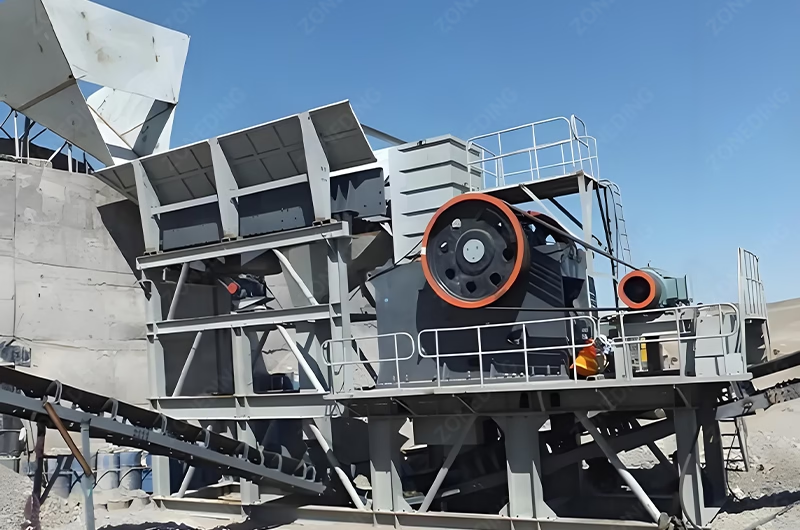
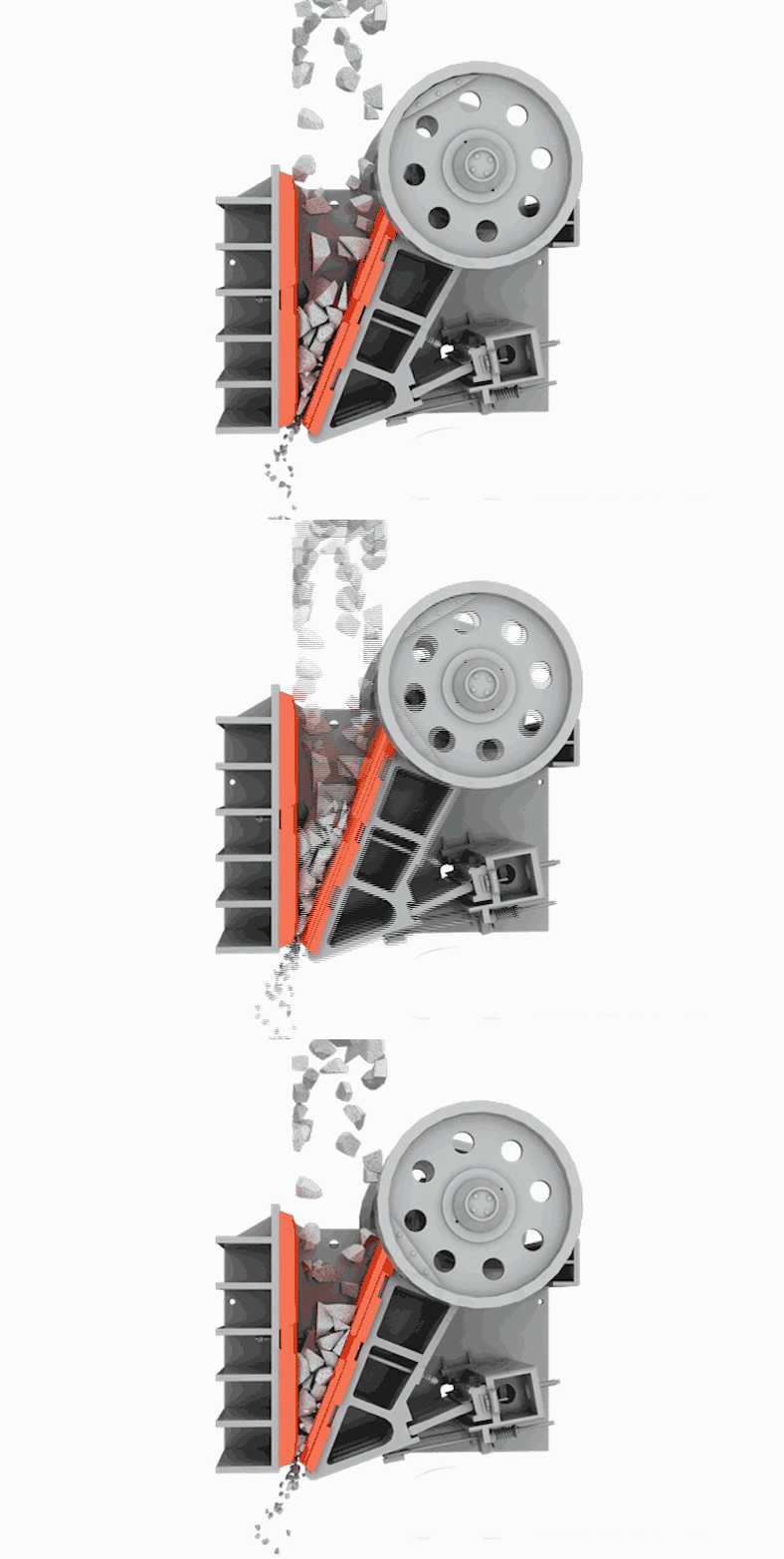
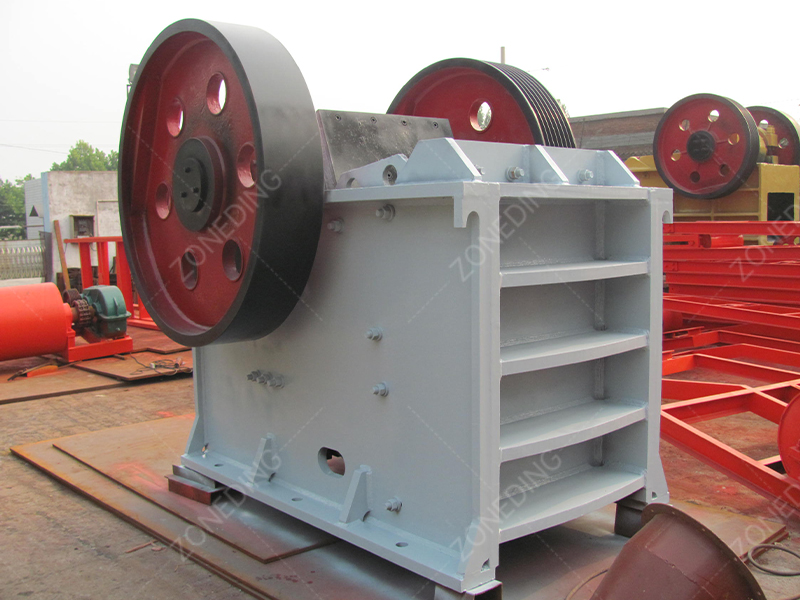
The main frame provides the essential structural foundation for all Jaw Crusher operations. This component must absorb massive compressive loads and high-frequency vibrations during the rock-breaking process. Modern manufacturers use either heavy welded steel plates or high-strength cast steel to build these frames. A rigid frame prevents the internal moving parts from shifting out of alignment under pressure. This stability protects the bearings and the eccentric shaft from uneven wear. The frame also houses the mounting points for the fixed jaw and the toggle seat.
High-quality frames use thick side plates reinforced with external ribs to handle the tension of hard rock crushing. Stress-relieving heat treatments after welding ensure the steel does not crack under repetitive impact cycles. A solid frame also reduces the noise and dust emissions by maintaining a tight seal at all connection points. Foundations must be perfectly level to stop the frame from twisting during the stroke. If the frame flexes, the crushing energy is lost, and the mechanical efficiency drops. This structural integrity is vital for processing abrasive materials like granite or basalt in a Stone Crushing Plant.
Frame-type jaw crusher
Jaw crusher
Structural Reinforcement and Rib Design
Ribbed designs act as external skeletons that increase the stiffness of the frame without adding excessive weight. These ribs distribute the stress from the fixed jaw plate across the entire surface of the steel. This prevents localized metal fatigue in the corners and weld seams. Engineers calculate the thickness of these ribs based on the maximum feed size and material hardness. A well-designed frame allows the machine to operate 24 hours a day without structural failure.
Frame Component
Material Type
Purpose
Benefit for Users
Side Plates
Q235B / Q345B Steel
Structural Shell
Long-term durability
Front Wall
High-Manganese Cast
Mounting Fixed Jaw
Resists impact force
Stiffening Ribs
Welded Steel Bars
Load Distribution
Prevents frame cracking
Practical Maintenance Tips for the Main Frame
Inspect Welds: Look for tiny cracks in the corners of the side plates every month.
Check Anchor Bolts: Ensure the machine remains tightly bolted to the concrete foundation.
Clean the Base: Remove accumulated dust from the bottom of the frame to prevent corrosion.
How do eccentric shaft design parameters determine swing frequency and force?
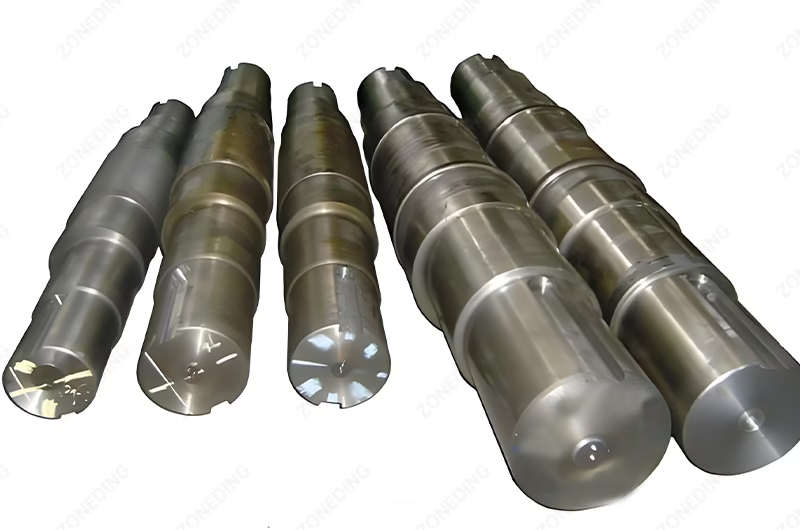
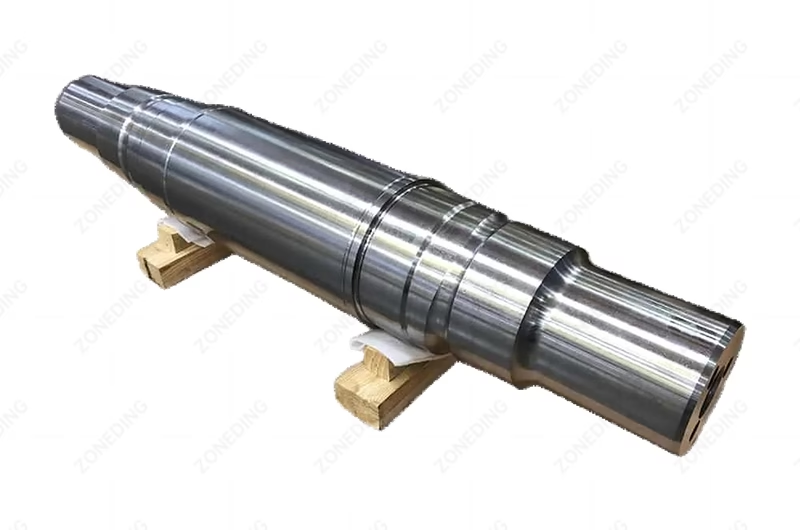
The eccentric shaft controls the characteristic “swinging” movement of the moving jaw. This shaft sits at the top of the machine and passes through the movable jaw assembly. Rotation of the shaft creates the eccentric motion that pushes the jaw forward and down. The “throw” or the distance the jaw moves is a direct result of the shaft’s eccentricity. A larger throw allows the machine to handle larger rocks but requires more power from the motor. The swing frequency, measured in rotations per minute (RPM), must balance with the material type to ensure a smooth discharge.
High-strength alloy steel serves as the standard material for the eccentric shaft to resist bending. Precision machining of the shaft ensures the spherical roller bearings fit perfectly. These bearings handle both radial and axial loads during the crush cycle. If the RPM is too high, the material bounces in the chamber instead of being crushed. If the RPM is too low, the production capacity drops significantly. The balance between speed and stroke length determines the final Crushing force applied to the ore.
Eccentric shaft
Jaw crusher eccentric shaft
Swing Frequency and RPM Optimization
Optimizing the RPM prevents the “choking” of the crushing chamber. Soft materials allow for higher frequencies to increase the throughput. Harder rocks require a slower, more deliberate stroke to provide the necessary time for fragmentation. The motor pulley size determines this frequency. Engineers at ZONEDING calculate the ideal speed to ensure the rocks fall down the chamber at the correct rate. This prevents the machine from stalling under heavy loads.
What is the material composition of jaw plates and their wear mechanism?
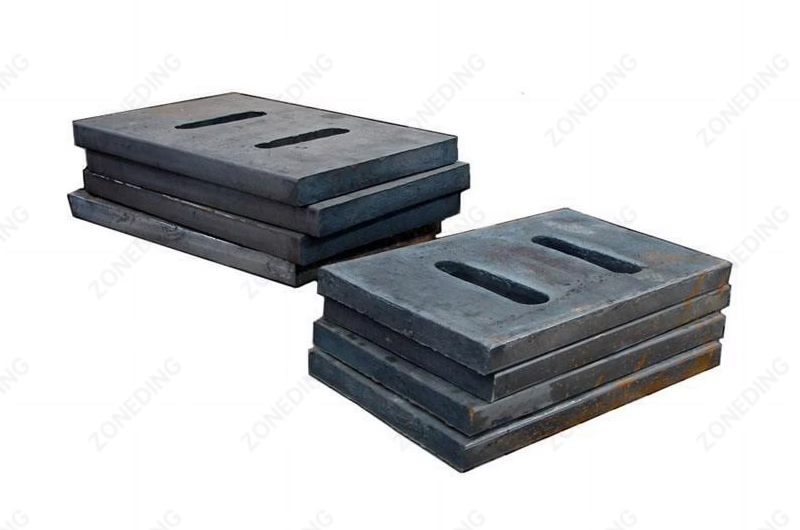
Jaw plates are the primary wear parts that come into direct contact with the feed material. They are usually made from high-manganese steel, such as Mn13Cr2 or Mn18Cr2. This material has a unique “work-hardening” property. The steel becomes harder on the surface every time a rock hits it, while the core remains tough. The crushing mechanism involves a combination of high pressure and slight sliding friction. Over time, the teeth on the plates wear down, which increases the discharge size. The wear is usually most intense at the bottom of the chamber where the material is smallest and most compressed.
Jaw crusher
jaw plates for the Jaw Crusher
Wear occurs because the moving jaw has an elliptical motion. This motion causes the rock to rub against the manganese steel as it is squeezed. This “rubbing” or abrasive wear is the main reason for plate replacement. If the nip angle is too wide, the rock slips upward, which accelerates wear on the upper teeth. Correct plate selection depends on the abrasiveness of the mineral. For extremely hard rock, plates with added chromium or alloy inserts provide better longevity. Consistent feeding from a Vibrating Feeder also ensures the plates wear evenly across the entire width.
Plate Material
Manganese Content
Typical Application
Service Life Factor
Mn13Cr2
13%
Limestone, Soft Rock
Standard
Mn18Cr2
18%
River Stone, Granite
30% Longer
Mn22Cr2
22%
Iron Ore, Basalt
60% Longer
Practical Advice for Jaw Plate Longevity
Rotate Plates: Flip the plates upside down when the bottom is 50% worn to use the top teeth.
Check Backing: Use a zinc or epoxy backing material to ensure the plates sit flat against the jaw.
Tighten Wedges: Loose plates will rattle and crack during the crushing cycle.
How does the toggle plate provide overload protection during operation?
The toggle plate acts as a mechanical fuse for the entire Jaw Crusher system. It is a simple cast iron plate located between the moving jaw and the rear adjustment seat. Its primary job is to transmit the crushing force to the moving jaw. But its secondary job is even more important. If a piece of “tramp iron” or an uncrushable object enters the chamber, the toggle plate is designed to snap. This intentional failure stops the crushing motion instantly. This protects the expensive eccentric shaft, the bearings, and the main frame from catastrophic damage.
Jaw crusher
Toggle plates
Using a cast iron toggle is safer than using a steel one because cast iron is brittle. It breaks cleanly under a specific pressure. Some operators try to replace a broken toggle with a welded steel bar to save money. This is a big mistake. A steel bar will not break, so the next time an iron bolt enters the crusher, the shaft will bend or the frame will crack. The cost of a new toggle is very low compared to a new shaft. The toggle also controls the angle of the jaw, which influences how fast the material moves toward the discharge.
Toggle Plate Seats and Lubrication
The ends of the toggle plate sit in concave “seats” or “grooves.” These seats must be kept clean and well-lubricated to prevent friction heat. Dust accumulation in the toggle seats can grind down the metal and change the swing geometry. Some modern machines use plastic or bronze liners in the seats to reduce wear. Regular inspection of these liners ensures the toggle remains in the correct position. If the toggle starts to make a clicking sound, it is usually because the seats are worn or dry.
How do flywheels and pulleys balance pulsating loads through inertia?
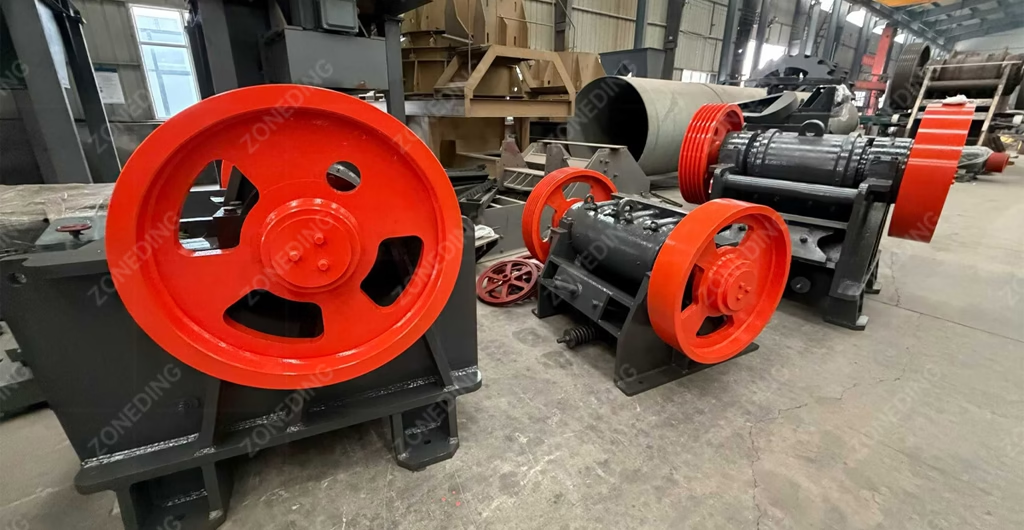
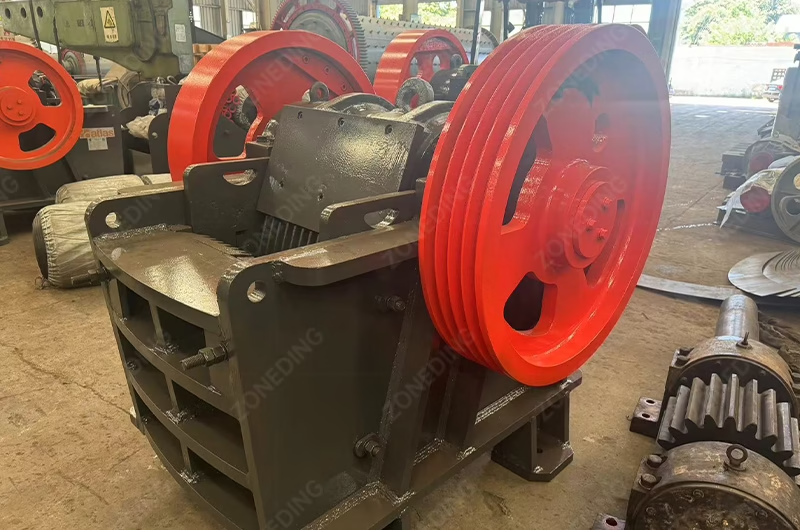
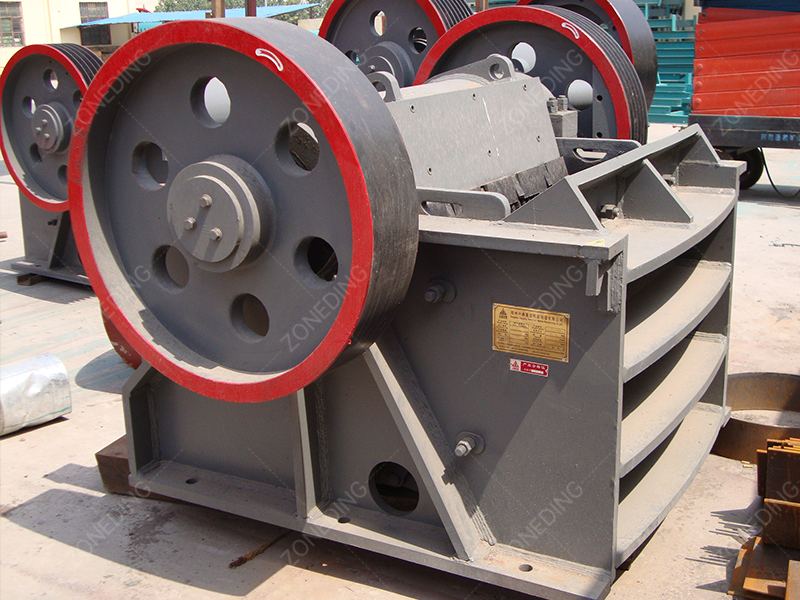
The crushing process in a jaw crusher is not continuous; it happens in pulses. The machine only crushes during the forward stroke of the moving jaw. During the backward stroke, the motor would spin too fast without a load. Flywheels are heavy cast iron disks mounted on both ends of the eccentric shaft. They store kinetic energy during the “idle” part of the cycle. Then, they release that energy during the “crush” part of the cycle. This inertia helps the motor maintain a steady speed and prevents it from stalling when a large rock enters the chamber.
One of the flywheels also serves as the drive pulley for the V-belts. The weight and diameter of these flywheels are precisely calculated by engineers. An unbalanced flywheel will cause the entire machine to vibrate violently on its foundation. This vibration can destroy the bearings in a few weeks. High-quality flywheels are balanced at the factory using precision weights. It is important to check the tightness of the flywheel keys every week. If a flywheel becomes loose on the shaft, it can cause severe damage to the keyway and the shaft surface.
Inertia and Energy Efficiency
A balanced flywheel system reduces the peak electrical load on the motor. This saves energy and lowers the operating costs of the Crushing Plant. Without flywheels, the motor would need to be much larger to handle the sudden pressure of crushing a hard rock. The flywheels allow a smaller motor to do the work by spreading the energy demand over the entire rotation. This is a classic application of mechanical physics in mining machinery.
What are the application differences between PE and PEX series?
The PE series is designed for primary crushing. These machines have a large, square feed opening and a deep crushing chamber. They are built to take the “Run of Mine” (ROM) ore directly from the blast site. The PE series produces a coarse product that is usually sent to a secondary crusher. These machines are the “heavy lifters” of the plant. They focus on the reduction ratio and the ability to bite large boulders. A common model like the PE600x900 can handle rocks up to 500mm in size.
The PEX series is designed for secondary crushing or fine crushing. These machines have a wide but narrow feed opening. The chamber is much shallower than the PE series. The PEX series runs at a higher RPM to produce a smaller, more uniform product. They are often used when the final product needs to be around 20mm to 40mm. PEX models are great for making construction aggregate or preparing ore for a Ball Mill. Choosing between them depends on the size of the rock coming into the plant and the size of the product needed.
PE-Jaw Crusher
PEX-jaw crusher
Feature
PE Series (Primary)
PEX Series (Secondary)
Feed Size
Large (up to 1000mm)
Medium (up to 250mm)
Product Size
Coarse (100-200mm)
Fine (20-60mm)
Chamber Shape
Deep and Narrow
Wide and Shallow
Main Goal
Max Reduction Ratio
High Capacity/Fine Product
How do European jaw crushers differ in structure and bearing configuration?
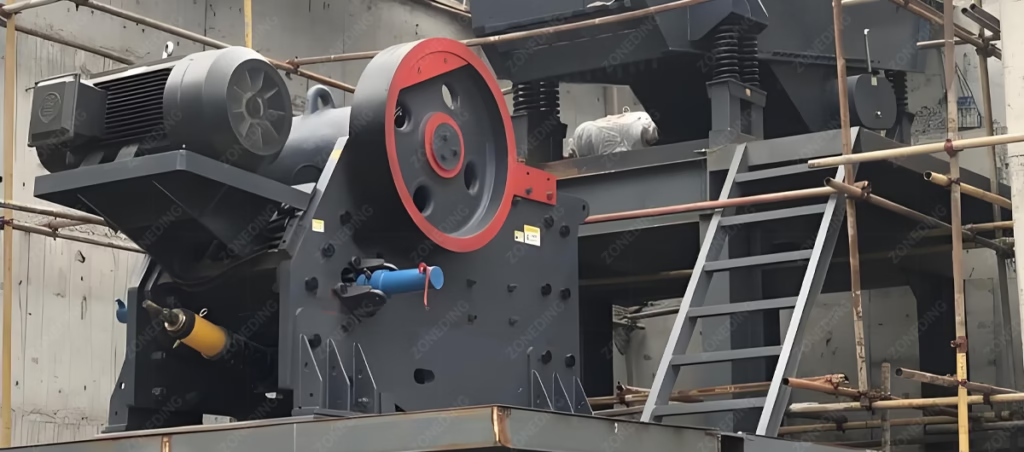
European jaw crushers represent a modern evolution of the traditional design. The most visible difference is the “V-shaped” crushing chamber. This design allows for a larger feed opening and a steeper angle for better material flow. European models also use a “wedge” style adjustment system instead of traditional shims. This makes changing the discharge size much faster and safer. The motor is often mounted directly onto the crusher frame. This integrated motor base maintains perfect belt tension even as the machine vibrates.
European-style jaw crusher
The bearing configuration in European models is also more advanced. They use larger, heavy-duty spherical roller bearings that are more resistant to heat. The bearing housings are often a single-piece cast steel design for better alignment. This reduces the risk of bearing failure during 24-hour operations. These machines are usually made from high-quality alloy steel plates that are bolted together instead of just welded. This makes the frame more flexible and less likely to crack under extreme tension. They are perfect for high-capacity projects involving Mobile Stone Crushers.
V-Shaped Chamber and Throughput
The V-shaped chamber prevents material from bridging at the top of the opening. It ensures that every rock is gripped immediately by the jaw plates. This increases the “effective” crushing area and leads to a higher throughput compared to traditional PE models. European crushers are often more expensive, but the increased production and lower maintenance time provide a better return on investment for large-scale mines.
How to evaluate the suitability of mobile vs fixed units?
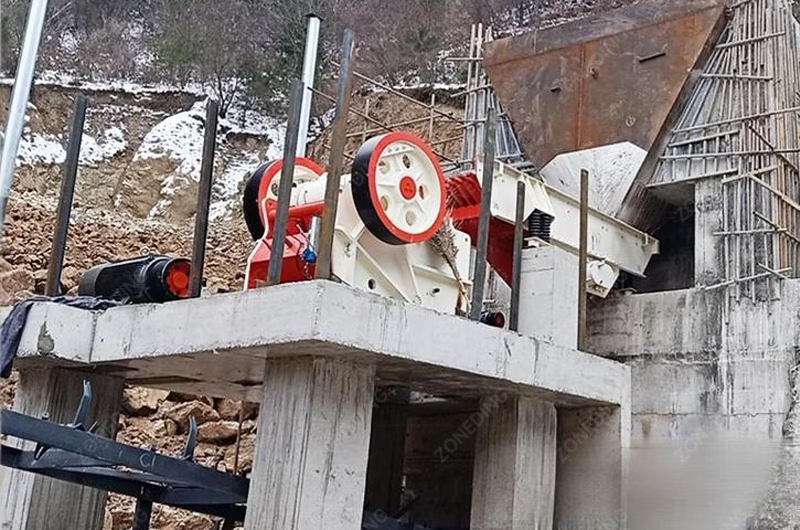
Evaluating the site duration is the first step in choosing between a mobile and a fixed unit. A fixed jaw crusher is the best choice for a mine that will operate for 5 to 10 years. These units require a concrete foundation and permanent conveyor systems. They offer the most stability and are easier to maintain because there is plenty of space around the machine. Fixed plants are usually more cost-effective for high-volume, long-term production of minerals like iron ore or copper.
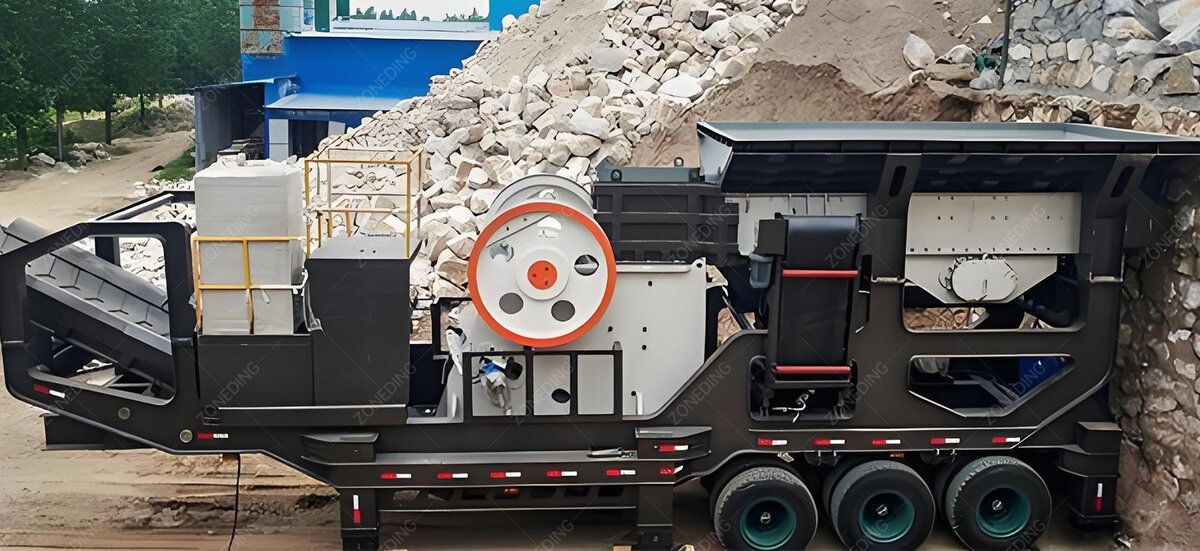
Mobile jaw crusher
A Mobile Crusher is better for short-term projects or sites with multiple work areas. These units are mounted on tracks or wheels. They can be moved to the rock face, which reduces the cost of hauling raw material. Mobile units are very popular in construction waste recycling and road building. They can be set up and running in a few days. However, mobile units have higher initial costs and less space for maintenance. For rugged terrain, a Tracked Jaw Crusher provides the best mobility without needing a flat road.
Evaluation Factor
Fixed Jaw Crusher
Mobile Jaw Crusher
Installation Time
2 – 3 Months
1 – 2 Days
Transport Cost
Low (Ore hauled to plant)
High (Machine moves to ore)
Foundation Needs
Concrete Pad
Level Ground
Site Life
> 5 Years
< 2 Years
Practical Scenario for Mobile Units
If a project involves crushing 100,000 tons of rock at three different locations, a mobile unit is the only logical choice. The cost of building three concrete foundations for a fixed unit would be too high. A Mobile Jaw Crusher can finish the work at site A and then drive to site B on its own tracks. This flexibility is the main advantage of mobile technology in modern aggregate production.
How do shim and hydraulic adjustment systems affect production?
The discharge opening size must be adjusted as the jaw plates wear down. Traditional machines use a shim adjustment system. This involves adding or removing thick metal plates behind the toggle seat. It is a manual process that requires heavy tools and often takes 1 to 2 hours of downtime. During this time, the entire production line stops. Shim systems are very reliable because there are no moving parts to break, but they are slow and labor-intensive.
Hydraulic adjustment systems allow the operator to change the setting in a few minutes. This is done by pushing a button in the control cabin. Hydraulic cylinders move the toggle seat forward or backward to change the “Closed Side Setting” (CSS). This system allows for “on-the-fly” adjustments to maintain a consistent product size. It also helps in clearing a “blocked” chamber. If the machine stalls with a rock inside, the hydraulics can open the jaw to let the rock fall out. This greatly increases the production continuity and safety of the Crushing plant.
Impact on Continuous Production
In a high-capacity plant, one hour of downtime can cost thousands of dollars in lost revenue. The speed of the adjustment system directly impacts the total “uptime” of the factory. Hydraulic systems also allow for easier integration with automated control software. This software can adjust the crusher automatically based on the sensor data from a Vibrating Screen. While hydraulic systems are more complex to maintain, the productivity gains usually outweigh the maintenance costs.
How to choose a jaw crusher based on material hardness and abrasiveness?
The hardness of the material is measured by its “Compressive Strength.” Most jaw crushers can handle rocks up to 320 MPa. If the rock is harder than this, the machine will stall or the frame will break. For soft rocks like limestone, a standard PE crusher is perfect. For hard rocks like basalt or granite, you need a heavy-duty model with a reinforced frame and high-manganese plates. Harder rocks also require more power, so the motor size must be checked carefully.
Abrasiveness is a measure of how fast the rock will wear down the steel plates. Silica content is the main factor here. High-silica rocks like quartz are extremely abrasive. If the material is highly abrasive, you should choose a machine with thick, high-chromium jaw plates. You should also consider a machine that is easy to access for frequent plate changes. For non-abrasive materials, you can use cheaper manganese alloys. Always test a sample of the ore before buying a Jaw Crusher to ensure the machine matches the material properties.
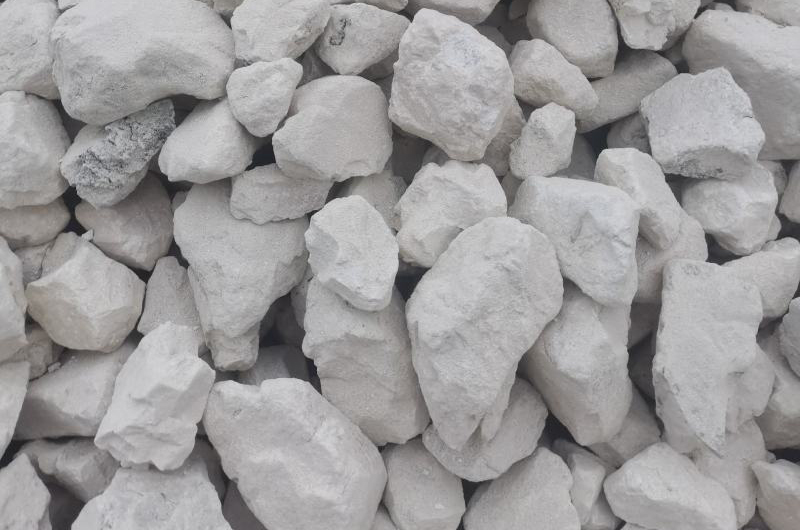
Limestone
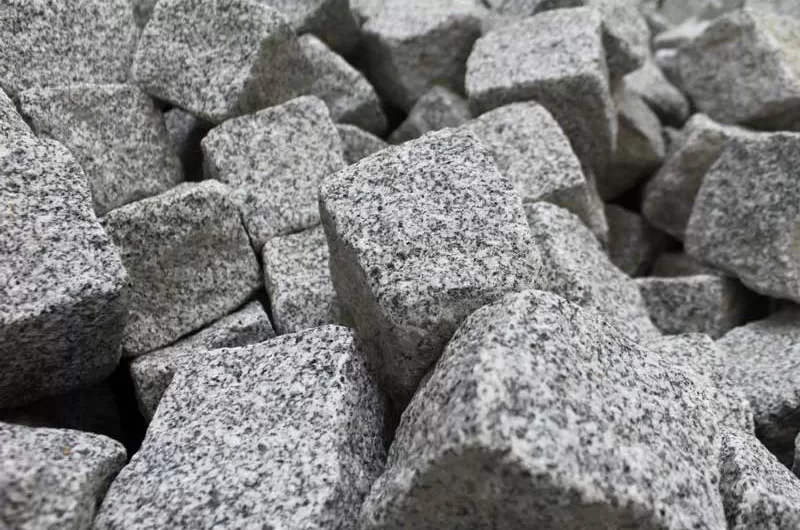
Granite
River Pebbles
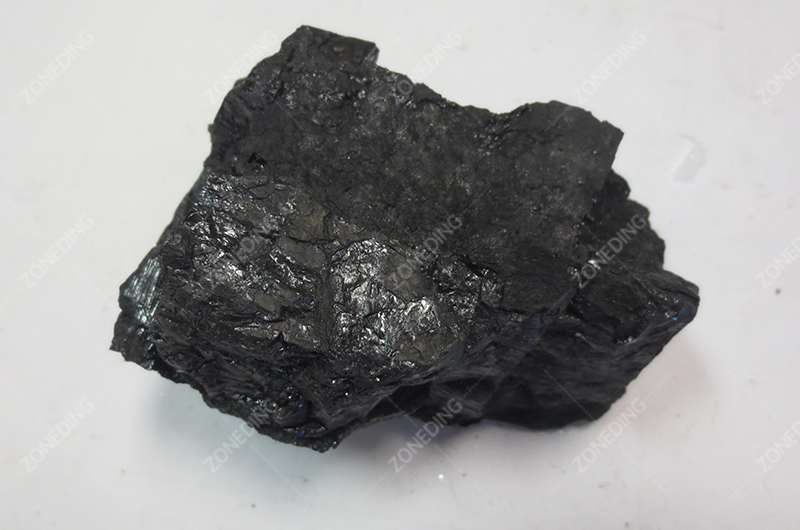
Coal
Material
Hardness
Abrasiveness
Recommended Crusher
Limestone
Low
Low
Standard PE
Granite
High
High
Heavy Duty PE / European
River Pebbles
Medium
Very High
Alloy Plate PE
Coal
Very Low
Low
Hammer or Roll Crusher
What mechanical factors affect the processing capacity (TPH)?
Processing capacity, or Tons Per Hour (TPH), is influenced by several mechanical factors. The first is the “Nip Angle.” This is the angle between the fixed and moving jaw. If the angle is too large (above 22 degrees), the rock will slip and the capacity will drop. The second factor is the “Stroke.” A longer stroke moves more material but requires more energy. The third factor is the RPM. The machine must run fast enough to process the material but slow enough to let the crushed rock fall out.
The “Choke Feeding” method also affects TPH. The crusher works best when the chamber is about 75% full. This creates “stone-on-stone” crushing, which is very efficient. If the chamber is empty, the rocks just bounce around. The size of the discharge opening (CSS) is the final factor. A larger opening means more material can pass through, so the TPH increases. However, the product will be coarser. Balancing these factors is the key to maximizing the output of any Stone Crusher.
Optimizing TPH with Feed Control
Using a Vibrating Feeder is essential for maintaining a high TPH. The feeder ensures that the crusher is never empty and never overfilled. An even flow of material prevents “slugging” of the motor and keeps the crushing forces constant. This steady state allows the flywheels to maintain their momentum and results in the highest possible throughput for the machine size.
Common Questions and Answers
Question 1: Why is my jaw crusher making a loud knocking sound? A knocking sound usually means the toggle plate is loose or the flywheel keys are worn. Stop the machine immediately and check all connection bolts and the toggle seats.
Question 2: How often should I grease the eccentric shaft bearings? For 24-hour operations, you should apply grease every 8 hours. If you have an automated system, it will handle this for you. Use a high-temperature lithium-based grease.
Question 3: Why are my jaw plates wearing faster on one side? This is caused by “uneven feeding.” The material is hitting one side of the chamber more than the other. Adjust your feeder or chute to ensure the rocks are distributed evenly across the jaw.
Question 4: Can a jaw crusher handle wet or sticky clay? Jaw crushers struggle with sticky material because it clogs the discharge opening. If you have clay, use a “Grizzly” feeder to remove the fine material before it enters the crusher.
About ZONEDING
ZONEDING is a leading Chinese manufacturer of Crushing Equipment and mineral processing machines. Since 2004, we have provided one-stop solutions for mines and quarries in over 120 countries. Our factory produces over 500 units annually, including Ball Mills and Mobile Crushers. We provide full lifecycle support, from design and installation to training and spare parts. Our goal is to help you achieve the highest production at the lowest cost.
Contact ZONEDING today for a free technical proposal and price list for your next crushing project.
Starting a gold mine requires a clear budget. Total alluvial gold plant cost ranges from $30,000 for small setups to over $500,000 for industrial lines. Equipment price is only part of the investment. Shipping, power, and labor also impa...
As an expert with decades in the mineral processing industry, I have seen "best-sellers" change many times. In the past, it was all about raw power. In the 2000s, it was about high throughput. But in 2026, the "best-selling" machines are different...
Decades of experience in the mining sector reveal a common financial drain. Many crushing facilities struggle with high electricity bills and frequent machine failures. Facility owners often attempt to save money by purchasing cheap replacement pa...
High-yield tin ore recovery depends on a design that respects the brittle nature of cassiterite. Traditional plants often lose over 40% of metal because they grind the ore into useless dust. A scientific tin processing flow design i...
We use cookies to ensure that we give you the best experience on our website. If you continue to use this site we will assume that you are happy with it.
Privacy Policy
Send us a message
We would love to hear from you
Submit your question and our team will respond to the email provided as soon as possible.
 Zoneding Machine