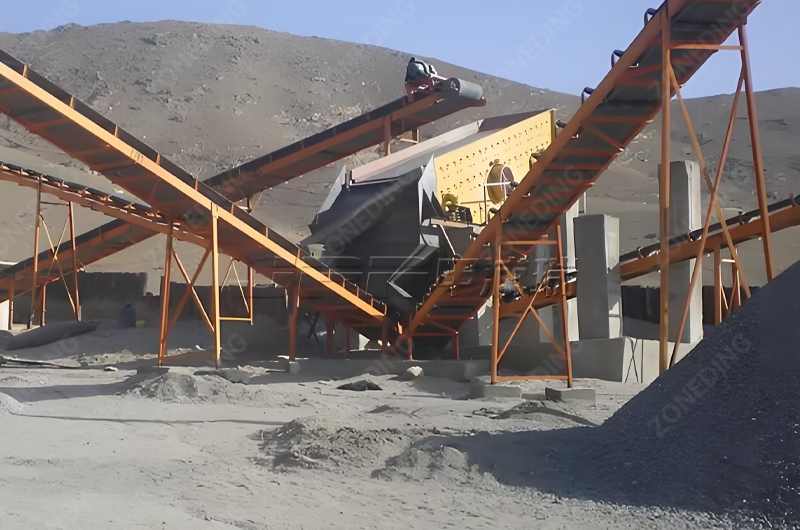
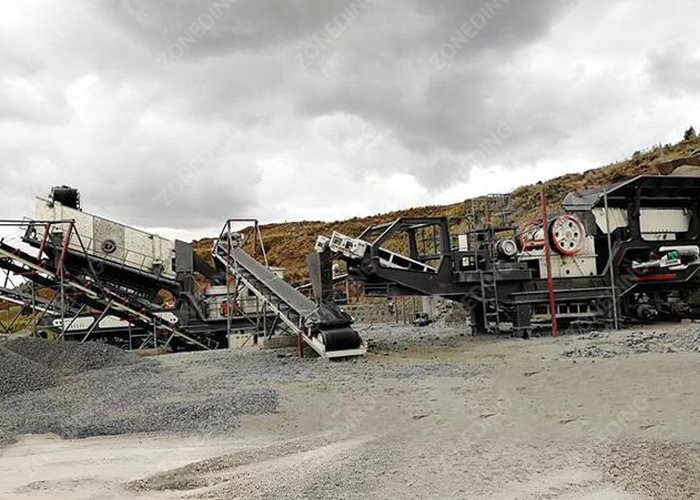
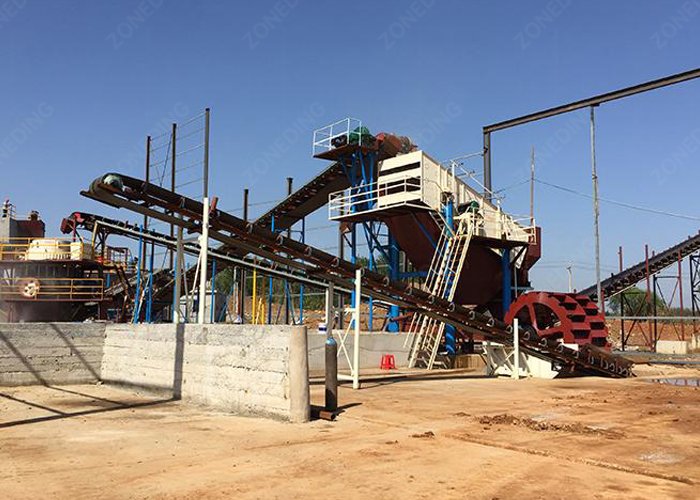
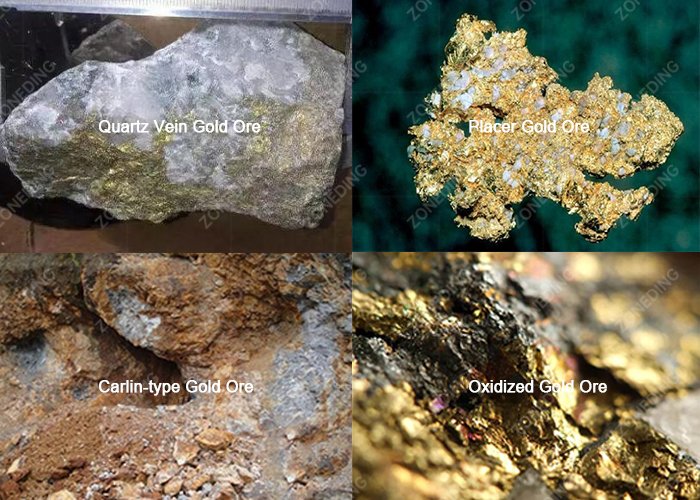
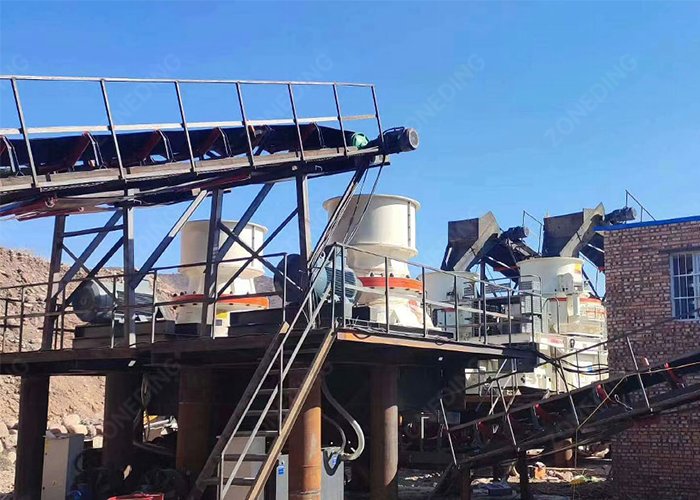
Screening and classification equipment in mineral processing acts as a critical control for any plant. Proper selection ensures the correct size of material moves to the next stage. This guide helps mining plants choose between five core technologies for 2026. Efficient size control reduces energy use and increases mineral recovery rates. The following technical analysis explains how various machines function in different mining environments.
What is the core purpose of physical classification and particle size control?
Screening and classification equipment in mineral processing separates valuable ore from waste rock based on size. The primary goal is to prevent the grinding of material that already meets the required size. This process saves significant energy because the ball mill does not process unnecessary material. The equipment also helps to create a uniform feed for the flotation or magnetic separation stages. Uniform feed size ensures that chemicals or magnetic fields work with the highest efficiency. Proper classification increases the total output of the entire processing plant. The mining facility must manage the circulating load to keep costs low. High circulating loads happen when the classification stage fails to remove fine particles. These fines return to the mill and take up space for new ore. Because of this, the plant capacity drops and the power cost per ton rises. Effective size control also prevents over-grinding. Over-grinding creates ultra-fine particles that are very hard to recover. These lost minerals go to the tailing pond as waste. So, a precise is the foundation of a profitable mining project. The system must adapt to changes in ore hardness and moisture levels daily.
Role of size control in grinding circuits
Effective size control protects the downstream equipment from wear and tear. Large rocks can damage pumps or block pipes if the screening fails. The classifier ensures that only fine slurry moves forward. This separation happens because of gravity or centrifugal force. The system must maintain a specific cut-point to reach the target mineral grade.
Grizzly screen
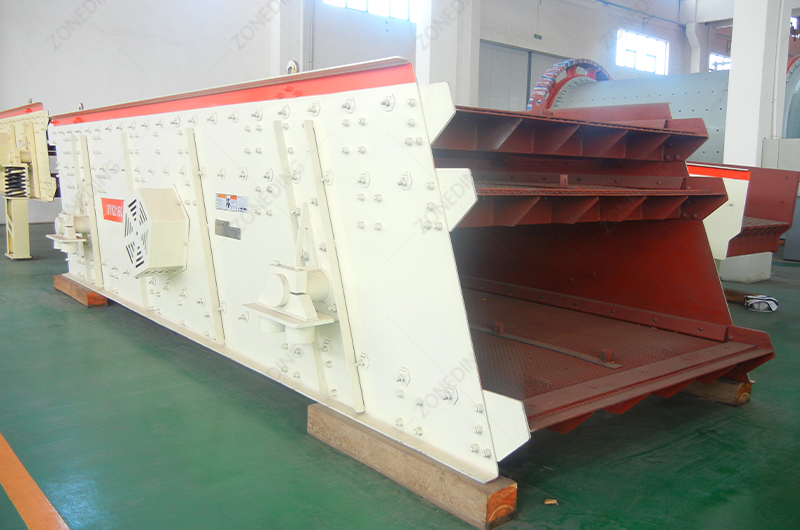
Vibrating Screen
Hydrocyclones
Classification Type
Common Size Range
Machine Type
Practical Benefit
Coarse
100mm – 500mm
Grizzly Screen
Protects crushers
Intermediate
10mm – 100mm
Vibrating Screen
Balances circuits
Fine
0.074mm – 2mm
Hydrocyclone
Optimizes flotation
Tips for particle size management
Measure regularly: The operator checks the screen mesh for holes every shift.
Adjust the feed: The feeder maintains a steady flow to prevent the screen from blinding.
Check the water: The plant ensures enough water pressure for wet classification systems.
What technical advantages does a Gold Trommel Scrubber offer for sticky minerals?
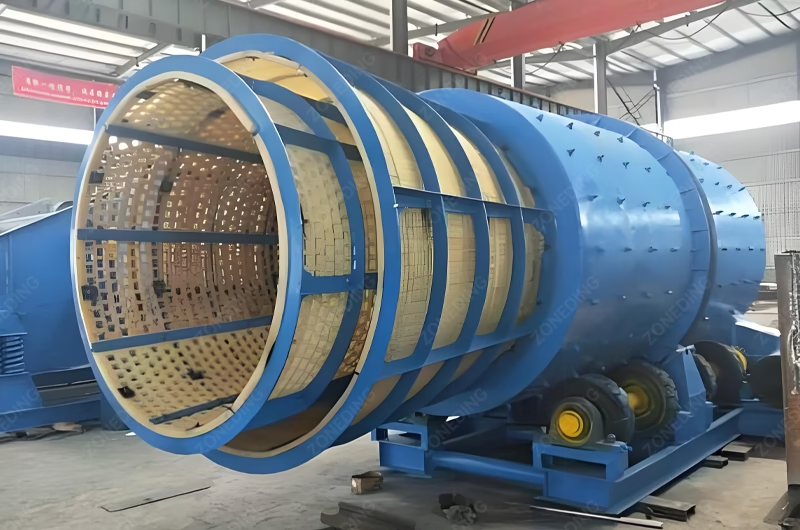
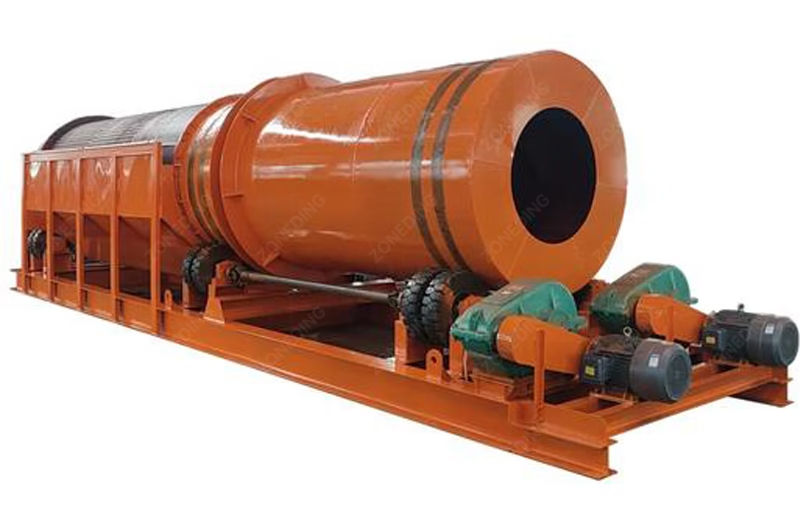
The Trommel scrubber working principle allows the machine to process ores with high clay content. This equipment uses a large rotating drum to wash the ore thoroughly. High-pressure water and internal lifters create a strong tumbling action. The rocks hit each other and break the clay apart. This mechanical force strips the mud from the surface of the gold or base metals. Traditional screens cannot handle this material because the clay blocks the screen holes. The trommel scrubber solves this problem by using a solid drum section for washing before the screening section.
Trommel Scrubber
Gold Trommel Scrubber
Sticky minerals often cause downtime in standard crushing and screening plants. The clay sticks to the conveyor belts and clogs the chutes. Because of this, the entire plant must stop for cleaning frequently. The trommel scrubber prevents this by turning the clay into a liquid slurry at the start of the process. The scrubbing action is more powerful than a simple spray bar on a Vibrating Screen. The residence time inside the drum is long enough to dissolve even the toughest clay balls. This machine is essential for alluvial gold deposits where clay is a major part of the raw material. It ensures that no gold stays trapped in the mud and goes to the waste pile.
Stripping force and cleaning efficiency
The mechanical energy in a scrubber is very high. The lifters lift the rocks to a certain height and then drop them. This impact force is what breaks the bonds between the clay and the ore. The internal retarder rings control the flow of the material to ensure every rock is clean. The final product is a clean rock and a muddy slurry that can be separated easily.
How do Trommel Screen structural features affect pre-screening?
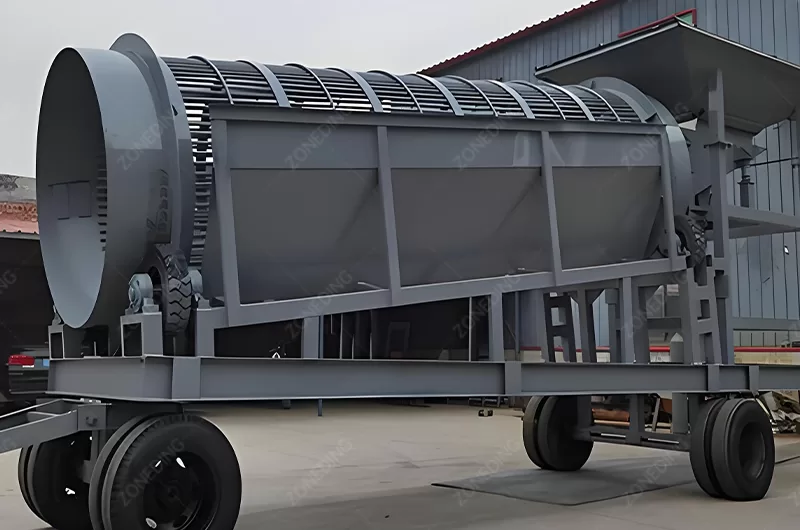
A trommel screen uses a rotating cylindrical mesh to separate material by size. This machine is simpler than a scrubber because it does not have a solid washing section. The drum rotates and the material rolls over the screen surface. Gravity pulls the small particles through the holes while the large pieces move to the end of the drum. This design is very effective for dry materials or alluvial sand. The slow rotation causes very little vibration to the surrounding structure. So, the maintenance cost for the frame is low.
Mobile Trommel screen
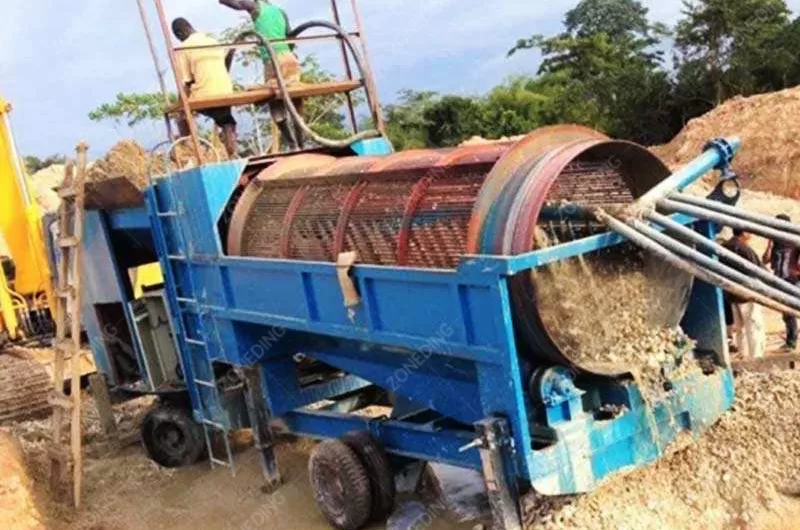
Trommel Screen Customer Site
The drum angle determines how fast the material moves through the machine. If the angle is steep, the capacity is high but the screening accuracy is low. If the angle is flat, the screening is very accurate but the volume is low. The operator must find the right balance for the specific material. Trommel screens are often used for Placer Gold Mining because they handle sand and gravel with low power use. The circular motion also helps to spread the material across the entire screen area. This avoids the “center loading” problem often seen in vibrating screens. The screen panels are easy to replace and can be made from steel or polyurethane.
Material flow in rotating screens
The material inside the drum moves in a helical path. This path increases the total distance the rock travels. This means the rock has more chances to fall through an open hole. The screen also acts as a mixer. This mixing action helps to separate fines that might be hidden under larger rocks. Because of the gentle action, the machine produces less dust than high-speed vibrating equipment.
How can Vibrating Screen parameters be adjusted for dewatering?
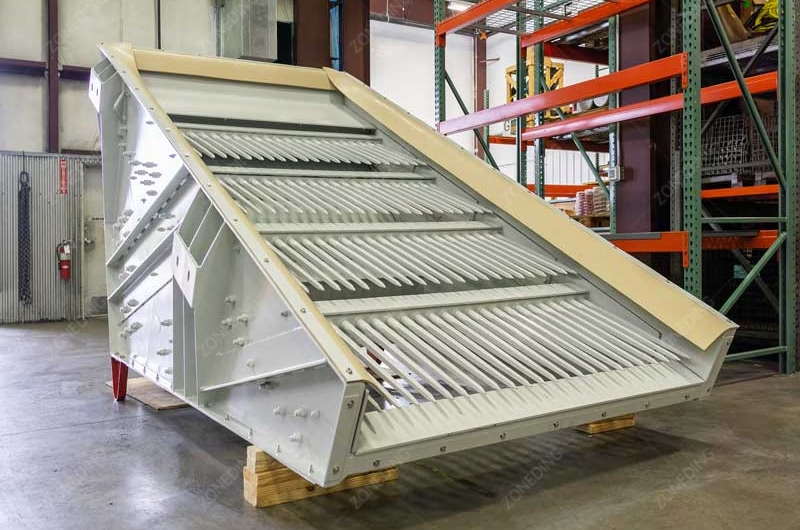
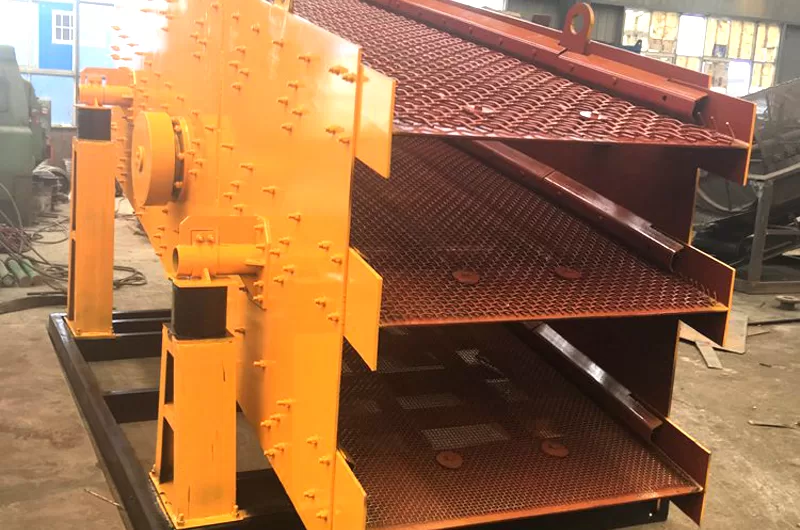
The Vibrating screen selection parameters for dewatering focus on high frequency and low amplitude. A dewatering screen must remove the water from the sand or ore slurry. The machine uses high-speed vibrations to break the surface tension of the water. This allows the water to fall through the tiny slots in the screen deck. The screen is usually installed with a slight upward angle. This angle forces the solids to form a thick bed as they climb to the discharge end. The thick bed acts as a filter and helps to trap more fine sand.
Vibrating Screen
Vibrating screen customer site
The G-force is another critical factor in this process. A dewatering screen often operates at 5G or 6G. This force is strong enough to shake the water off the surface of the minerals. The plant must choose the right motor size to maintain this force under full load. If the vibration is too weak, the sand will stay wet and the water recovery will be low. But if the vibration is too strong, the screen structure might crack over time. The operator monitors the moisture content of the sand pile to ensure the machine is working correctly. High-quality polyurethane panels are the best choice for this application because they resist abrasion and do not rust.
Balancing amplitude and frequency
High amplitude moves big rocks but does not help with water. High frequency creates the micro-vibrations needed to drain the liquid. The motor speed is usually set between 900 and 1500 RPM for these machines. The stroke is short to keep the material in contact with the screen deck. This contact is necessary for the gravity drainage of the water.
Tips for dewatering efficiency
Maintain the slope: A 5-degree upward slope is the standard for most sand dewatering.
Check the panels: The slots must be clear of any trapped particles or “near-size” grains.
Use side sprays: A light water spray on the deck can wash away ultra-fine slimes and improve the product color.
Why is a Spiral Classifier more stable in coarse classification?
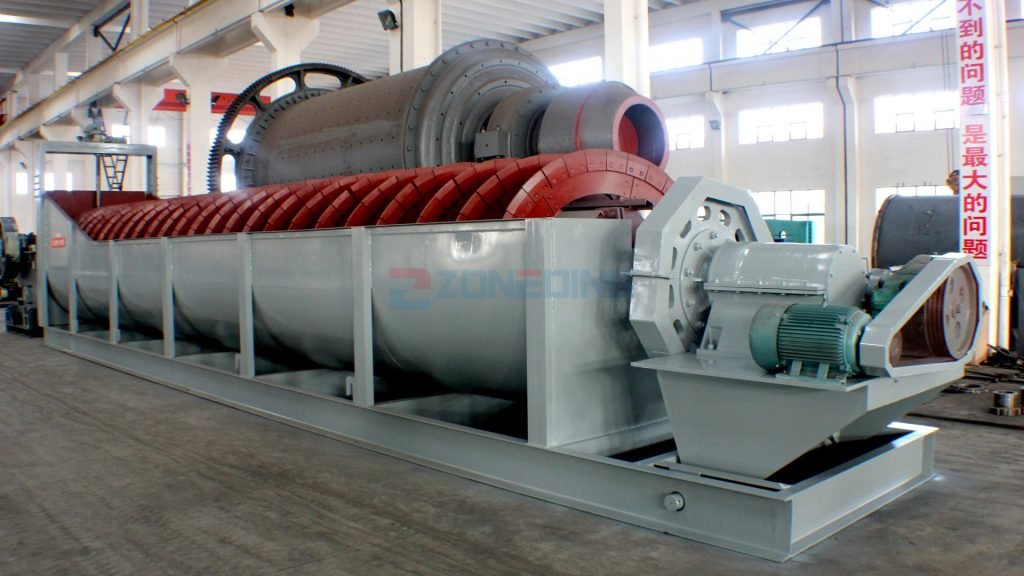
A spiral classifier uses a large screw to separate coarse sand from fine slurry. The machine consists of an inclined trough and a rotating spiral. The slurry enters the pool at the bottom. The heavy, coarse particles sink and the rotating screw pulls them up the slope. The fine particles stay in the water and flow out over the weir. This mechanical process is very stable because it does not rely on high pressure or high speed. The slow rotation of the screw means the machine handles changes in feed volume without losing efficiency.
Spiral Classifier
The stability is the main advantage of this technology. If the power fails, the spiral can be lifted out of the sand bed. This prevents the machine from getting stuck when it restarts. Other machines like hydrocyclones are much harder to restart after a sudden stop. The spiral classifier also provides a “washing” action. As the screw pulls the sand up the slope, some water flows back down. This water washes away any fines that were trapped in the coarse sand. This creates a very clean return product for the Ball Mill. It is the most reliable choice for primary grinding circuits in remote locations.
What is the working principle and limitation of Hydrocyclones?
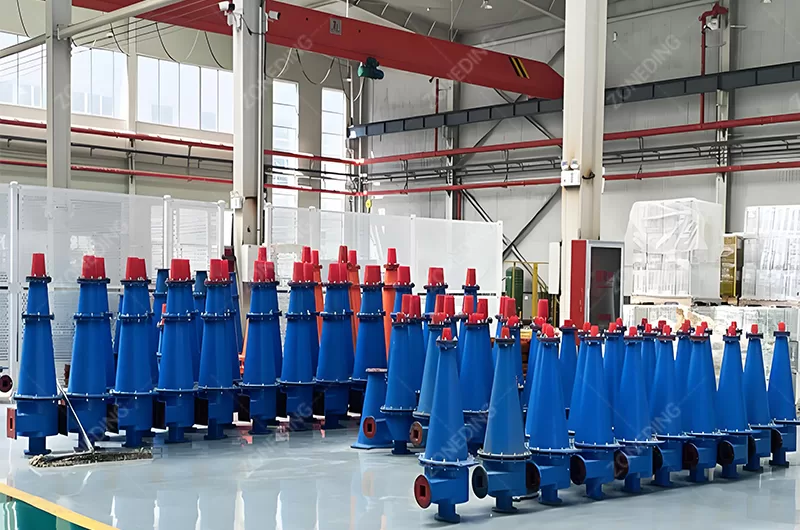
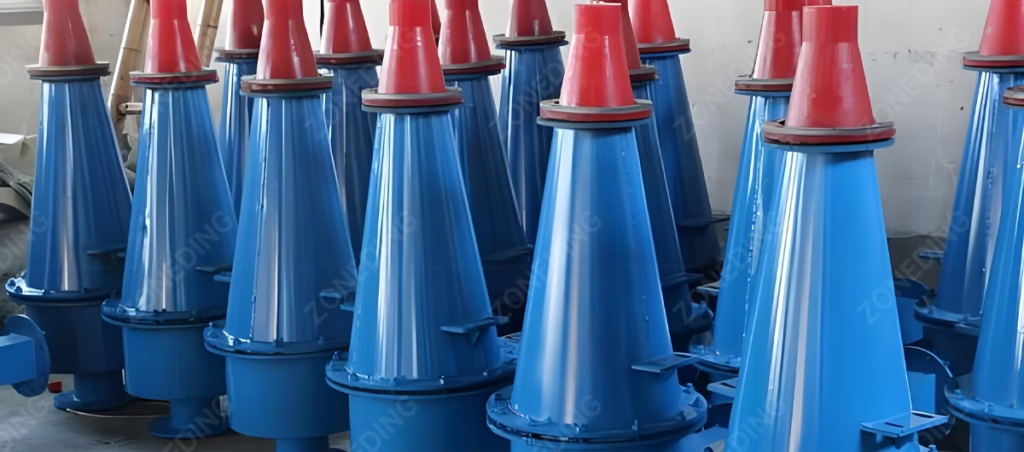
Hydrocyclones use centrifugal force to separate particles based on their density and size. The slurry enters the cone at a high speed. This creates a spinning vortex inside the cylinder. The heavy particles move to the outside wall because of the centrifugal force. They then slide down the wall and exit through the bottom nozzle. The light particles and most of the water stay in the center. They move up through the vortex finder and exit through the top. This process is extremely fast and the machine has no moving parts.
Hydrocyclones
But hydrocyclones have a major limitation related to pressure. The pump must provide a constant and specific pressure for the cyclone to work. If the pressure drops, the centrifugal force becomes too weak. Then, the large rocks will start to exit through the top with the fines. This ruins the final product quality. Also, the internal liners wear out very quickly if the ore is abrasive. The operator must check the bottom nozzle (apex) daily. If the nozzle gets bigger because of wear, the separation point will change. So, the maintenance cost can be high if the plant does not have a good spare parts supply.
Factor
Spiral Classifier
Hydrocyclone
Decision Logic
Maintenance
Low
High
Labor availability
Space
Large
Very Small
Factory layout
Cost
Higher Initial
Lower Initial
Budget limits
Precision
Coarse
Very Fine
Product target
How to choose between dry screening or wet classification?
The choice between dry and wet processes depends on the ore moisture and the dust rules. Dry screening with Vibrating Screens is the cheapest method. It does not require pumps, pipes, or water treatment systems. If the ore moisture is below 5%, dry screening is the best choice. It produces a final product that is ready for sale or storage immediately. But dry screening creates a lot of dust. This dust is bad for the environment and the health of the workers. The plant must install dust collectors if they choose the dry method. Wet classification is necessary when the ore is damp or sticky. If the moisture is over 10%, dry screens will block and stop working. Adding water turns the ore into a slurry. This makes it easy to move and separate. Wet processes also allow for much finer separation. A Spiral Classifier can separate particles that are too small for a dry screen. But wet systems are more complex. The plant must recover the water and manage the tailings. This requires thickeners and filter presses. The decision often comes down to the local water price and the environmental laws of the region.
Spiral Classifier vs. Hydrocyclone: Which is better for grinding?
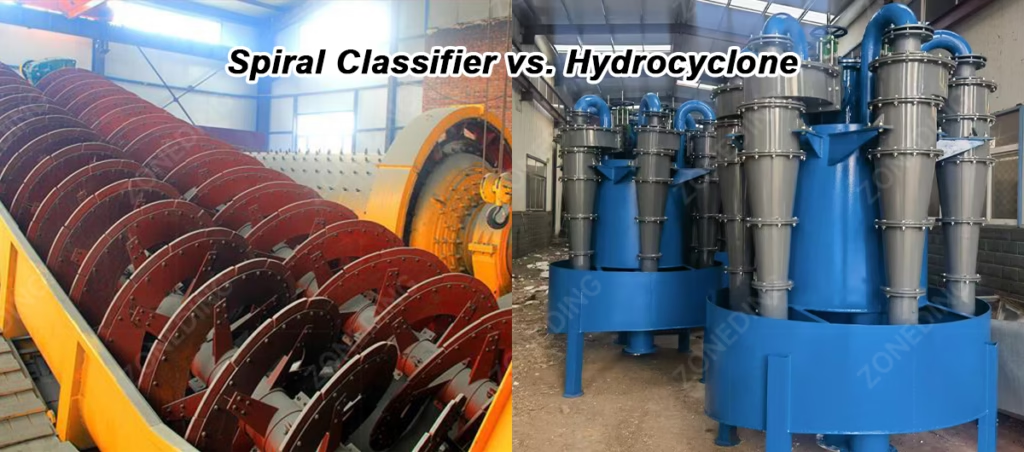
The Spiral classifier vs hydrocyclone performance comparison is a key part of mill design. A spiral classifier is better for coarse grinding circuits. It handles large volumes of return sand with very little wear. It is also easier for the operator to see what is happening inside the machine. If the mill is producing too much coarse material, the operator can see the thick sand on the spiral. This makes it easy to adjust the mill feed rate. The classifier also acts as a buffer for the entire grinding system.
Spiral Classifier or Hydrocyclone
A hydrocyclone is better for fine grinding and modern, automated plants. It is very small and can be mounted directly above the mill. This saves a lot of floor space and structural steel. Cyclones also have a “sharper” separation. This means fewer fine particles return to the mill by mistake. This increases the efficiency of the Ball Mill because it only grinds the rocks that need it. For a 2026 project, most engineers choose hydrocyclones for the secondary grinding stage. But they still use spiral classifiers for the primary stage because of their reliability.
What is the difference between a Trommel Scrubber and a Trommel Screen?
The primary difference is the stripping force and the mechanical design. A trommel scrubber is a heavy-duty machine designed for washing. The drum is made of thick steel and is usually lined with heavy rubber. It has lifters that are 20cm or 30cm high. These lifters pick up the rocks and drop them into the water. This creates the “stripping force” needed to remove clay. The scrubber also has a longer residence time. The material stays inside the washing zone for several minutes. A trommel screen is a sizing machine. It is much lighter and the drum is usually just a mesh frame. It does not have heavy lifters or a solid washing zone. The goal of the screen is to let small material pass through as quickly as possible. The stripping force is very low. If the material is clean, the trommel screen is much more efficient because it uses less power. But if the material is muddy, the screen will fail. So, the scrubber is a “cleaning” tool and the screen is a “sorting” tool. Many Placer Gold Mining plants use both. The scrubber washes the ore first, and then the screen sorts the clean rocks.
How does wear resistance affect long-term operating costs?
Maintenance of mining wear parts is the biggest expense for a processing plant. The screen mesh and the classifier liners are always in contact with abrasive rocks. If these parts wear out every week, the labor cost and the downtime will be very high. The plant must choose materials that match the hardness of the ore. Manganese steel is good for high-impact areas. Polyurethane is much better for fine, wet screening. Ceramic liners are the best for the high-speed areas inside a hydrocyclone. Wear resistance also impacts the quality of the final product. If a screen mesh wears out, it develops holes. These holes let large rocks into the fine product. This might cause the customer to reject the entire shipment. Or it might damage the flotation machines in the next stage. Because of this, the plant must have a strict inspection schedule. Using better materials might cost more at first. But it saves money by reducing the number of shutdowns. In a 2026 mining operation, automated wear sensors are becoming common. These sensors tell the operator exactly when a part needs to be changed before it fails.
How does feed uniformity affect the equipment throughput?
A steady and uniform feed is necessary for the highest screening efficiency. If the feed rate is too high, the material layer on the screen becomes too thick. The fine particles cannot reach the mesh because they are trapped under the large rocks. This results in “carry-over,” where fine material exits with the coarse product. If the feed rate is too low, the machine is under-used and the cost per ton increases. The feed must also be spread evenly across the entire width of the Vibrating Screen. Uneven feeding causes the screen to wear out in one spot while the rest of the mesh is new. This is a waste of money. The plant should use a Vibrating Feeder to control the flow. A surge bin before the screen can also help to smooth out any gaps in the feed from the crusher. Uniform feed also helps the Spiral Classifier. It keeps the pool level constant and ensures the fine particles have enough time to float. Without a steady feed, the separation point will jump around and the mineral recovery will drop.
How to configure multi-stage classification to reduce over-grinding?
Multi-stage classification removes the finished product as soon as it is small enough. This prevents the “over-grinding” of minerals. The plant can use a screen before the primary crusher. This is called “scalping.” It removes the fines that are already smaller than the crusher setting. Then, another screen is used after the crusher. In the grinding circuit, the plant uses a Spiral Classifier or a hydrocyclone to return coarse ore to the mill. For complex ores, the plant might use two or three stages of cyclones. The first cyclone removes the very coarse sand. The second cyclone removes the medium sand. This leaves only the ultra-fine slurry for the flotation cells. This “stage-separation” is very efficient. It ensures that the Ball Mill only spends energy on the rocks that truly need more grinding. This configuration is the best way to handle brittle minerals like tin or tungsten. These minerals turn to useless dust if they stay in the mill for too long. Proper multi-stage design is a major part of the Optimization of mining classification system.
2026 Latest Trends in Classification Technology
The 2026 market focuses on automation and energy efficiency. New Screening and classification equipment in mineral processing now includes IoT sensors. these sensors monitor the vibration patterns and the temperature of the bearings. The system can predict a failure before it happens. This reduces the number of emergency stops. Also, new motor technology allows the machines to use 15% less electricity than older models.
Latest Progress at a Glance
Smart Mesh: Screens that change their vibration frequency based on the moisture of the ore.
Rubber-Ceramic Liners: New materials that last 3 times longer than standard rubber in hydrocyclones.
Water Recycling: New Dewatering Screen designs that recover 95% of the process water.
Common Questions and Answers
Question 1: Why is my vibrating screen blinding during rainy weather? Blinding happens because the damp fines stick to the screen wires. This closes the holes and stops the screening. The plant can add water sprays to wash the screen. Or the operator can install “self-cleaning” mesh that uses loose wires to shake off the mud. Question 2: Can a hydrocyclone replace a spiral classifier in all mines? No. Hydrocyclones are bad for very coarse material and inconsistent feed. If the ore size changes a lot, the cyclone will not be stable. A Spiral Classifier is still the best for primary grinding where the rocks are large. Question 3: How do I choose the right screen mesh size? The mesh size should be slightly larger than the required product size. This accounts for the angle of the screen and the speed of the material. A professional Stone Crusher engineer can calculate the exact size based on your TPH requirements.
Summary and Advice
Selecting the right screening and classification equipment in mineral processing is the key to a low-cost operation. The plant must match the machine to the ore moisture and the target size. Vibrating Screens are the best for most sizing jobs. Hydrocyclones are the best for fine slurry. But for sticky ore, a trommel scrubber is the only safe choice. Always prioritize wear resistance and feed uniformity to keep the throughput high. The design of the classification circuit determines the energy efficiency of the entire plant. Removing fines early protects the Ball Mill and prevents over-grinding. For 2026, the industry is moving toward “smart” machines that adjust themselves. Investing in quality equipment from the start will reduce your maintenance costs for many years.
About ZONEDING
ZONEDING is a leading manufacturer of Beneficiation Equipment based in China. The company has produced high-quality mining machinery since 2004. The product line includes Ball Mills, Vibrating Screens, and Spiral Classifiers. ZONEDING provides full engineering support and on-site installation. The team of 15 professional engineers ensures that every Stone Crushing Plant meets the highest standards of efficiency. The factory exports products to over 120 countries and offers competitive direct-from-factory pricing. Contact ZONEDING for a custom screening and classification solution today.
Mobile crushing technology offers the most direct path to reducing operational costs and increasing profit margins in the mining industry. This article explains how a mobile unit eliminates the need for expensive civil works and reduces truck haul...
Proper crushing production line equipment configuration determines the final aggregate quality and daily operational cost. Correct aggregate equipment selection prevents material blockages and reduces wear part consumption. A scientific crushing s...
Identifying gold ore accurately determines the absolute survival of any mineral processing plant. A geological report showing 10 grams per ton means nothing if the metallurgical nature prevents extraction. A low-grade oxide gold ore often generate...
One of the first questions buyers ask before purchasing a cone crusher is: How many tons per hour can a cone crusher produce? The answer is not as simple as reading a specification sheet. Many operators discover that actual production differs sign...
We use cookies to ensure that we give you the best experience on our website. If you continue to use this site we will assume that you are happy with it.
Privacy Policy
Send us a message
We would love to hear from you
Submit your question and our team will respond to the email provided as soon as possible.
 Zoneding Machine