Fluorite is a vital mineral. It is used in many industries. It goes into metallurgy, chemicals, and ceramics. Transforming raw fluorite ore into a high-grade concentrate needs the right equipment. This is a complex task. I have spent many years helping clients build efficient fluorite beneficiation equipment lines. I have seen how the right equipment makes all the difference. This guide will help you choose wisely. It covers every step. It goes from raw ore to finished concentrate. You want to maximize your fluorite’s value. This means selecting machines that fit your specific needs. Let’s make sure your project succeeds.
Why Precise Selection Is Key for Fluorite Beneficiation Success?
Choosing the correct fluorite beneficiation equipment forms your project’s foundation. It determines your profitability. It affects your product’s quality. It also impacts operating costs. I have seen projects succeed or fail. The first equipment choice often explains the outcome.
Incorrect selection creates many problems. You might face low recovery. Energy use could be high. Meeting product specs might be difficult. This wastes money. It also increases maintenance needs. A smart selection leads to smooth operation. It brings high efficiency. It ensures consistent, high-grade product. This makes your investment valuable. Selecting the right fluorite equipment is crucial for long-term success.
How Ore Traits and Product Goals Affect Equipment Choices?
Before selecting machines, understand your project deeply. This means a full fluorite ore characteristics analysis. It also means clear product goals. These are the most critical factors for your fluorite processing equipment decisions. Ignoring them leads to big problems. My experience shows this initial analysis is the most crucial step. It avoids costly mistakes later.
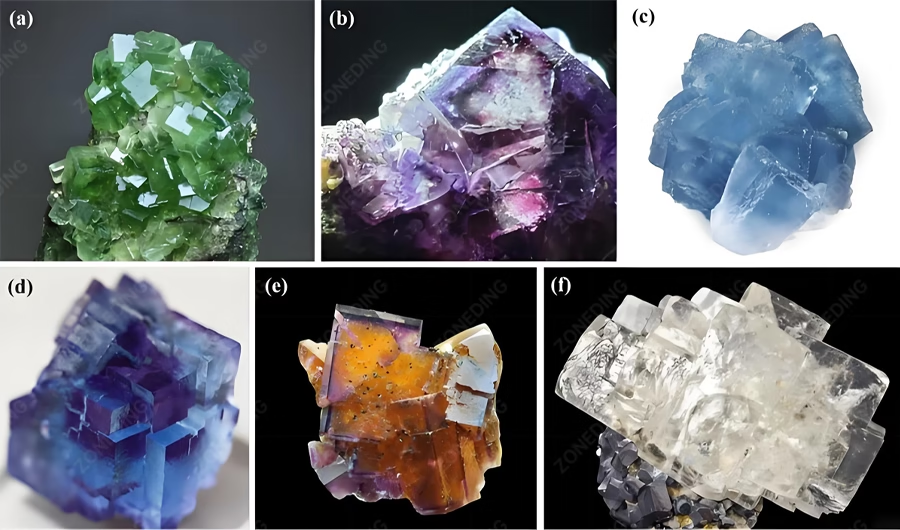
Different types of fluorite
The process begins with your raw material. It includes what you want to sell. Your budget, and environmental rules also factor in. These points together form your equipment strategy. Skipping any step can lead to a poor setup. It can lower plant efficiency. It might even cause project failure. Let’s explore these key areas. This will start you on the right path for effective fluorite beneficiation equipment.
Mineral Composition and Preliminary Processing?
Your ore’s specific minerals are crucial. They define how you process it. Fluorite ore characteristics analysis must identify all minerals. This includes fluorite (CaF2). It also includes associated gangue minerals. Common ones are calcite (CaCO3), quartz (SiO2), barite (BaSO4), and sulfides. Understanding them guides your entire fluorite beneficiation process.
Challenges: Fluorite and calcite are difficult to separate. Their densities are similar. Hardness is alike. Chemical properties also overlap. Calcite is often the toughest impurity in fluorite flotation. You need specific reagents to suppress calcite.
Other Minerals: Quartz is common. Its density differs more from fluorite. This allows for gravity separation if particles are coarse. Sulfides can consume reagents. They can also degrade product quality. Pre-flotation or magnetic separation might be necessary.
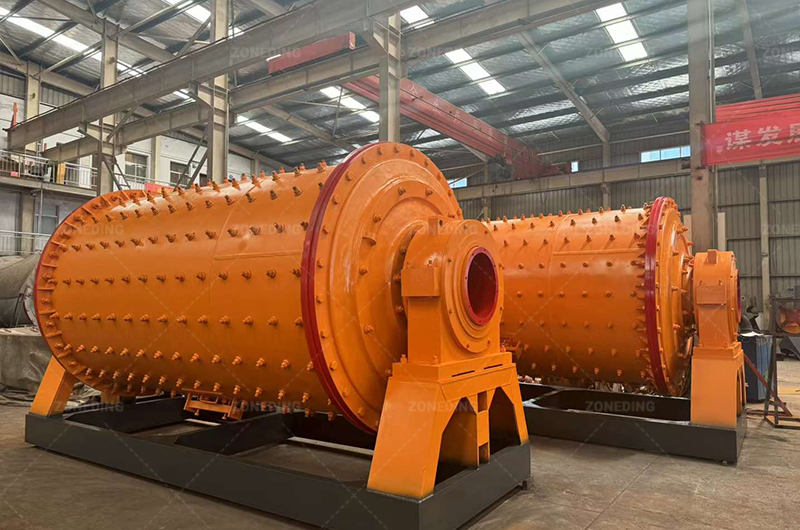
Liberation Size: This is how finely you must grind the ore. It frees fluorite from impurities. Knowing this guides your fluorite grinding equipment selection. It determines its power. It also decides the grinding media type.
Surface Properties: Associated minerals’ surface chemistry impacts reagent choice for flotation. For example, calcite activation can consume fluorite collectors.
Target Grade and Recovery: Equipment Performance Needs?
Your desired final product drives your process flow. It shapes your fluorite processing equipment configuration. Different industries require different fluorite qualities. This means varying levels of fineness and purity. You must define these clearly. This sets strict demands for your equipment.
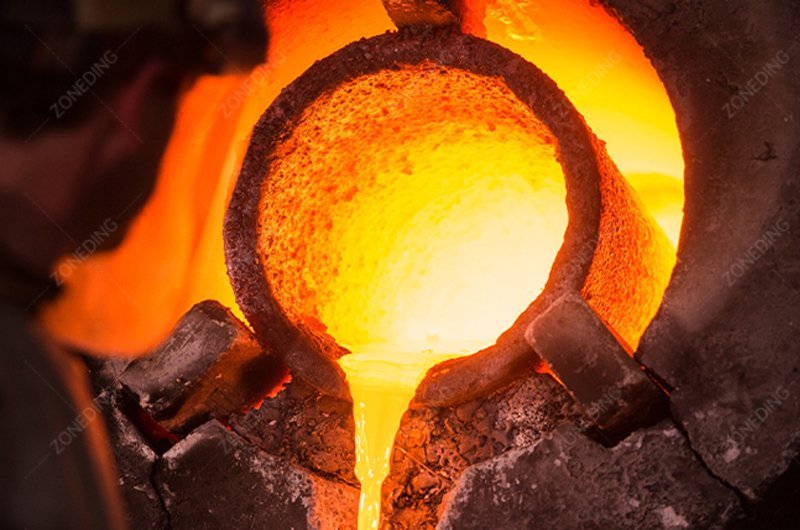
Fluorite is used in metallurgy
Fluorite used in ceramics
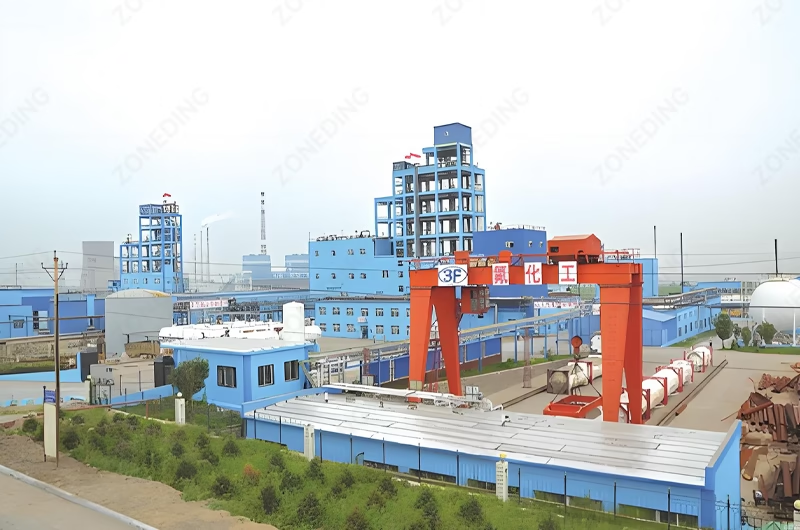
Fluorite is used in fluorochemicals
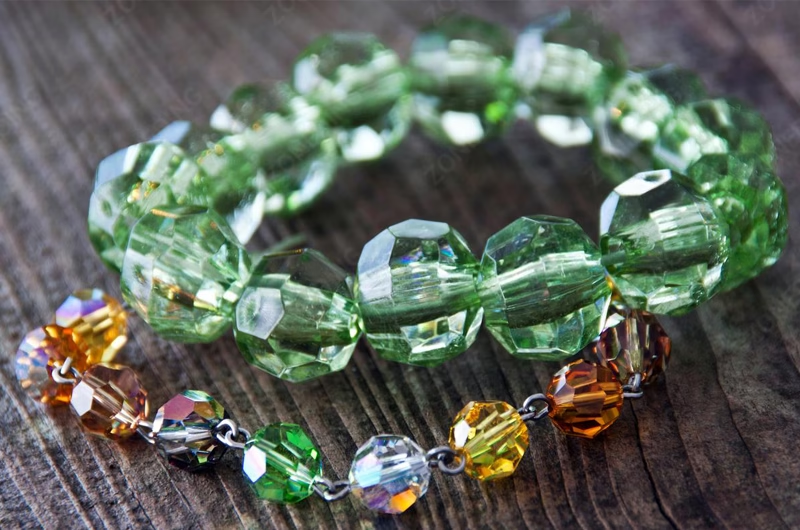
Fluorite is used in jewelry making
Metallurgical Grade: This typically needs 65-85% CaF2. It has limits on sulfides, silica, and calcium carbonate. It is used in steelmaking. Gravity separation often produces this grade. This is if the ore is suitable.
Ceramic Grade: This needs 90-95% CaF2. It strictly controls sulfides and iron oxides. Whiteness and specific particle size are key. Flotation is usually needed for this grade.
Acid Grade: This demands very high purity, over 97% CaF2. It has extremely low limits for silica, calcium carbonate, and sulfides (below 0.1-0.5%). This is for hydrofluoric acid production. This grade needs complex fluorite flotation machine circuits. It requires highly selective reagents. This leads to specialized acid-grade fluorite production lines.
Capacity and Budget: Balancing Scale and Economics?
Your target production capacity sets the size of your fluorite beneficiation equipment. This is a major investment factor. Balancing equipment scale with your budget is crucial. You want optimal throughput without overspending.
Throughput: How many tons per hour do you need to process? This directly sizes your crushers, mills, and flotation cells. Undersizing creates bottlenecks. Oversizing wastes capital.
Costs: Lower initial equipment cost can lead to higher long-term operating costs. This means more energy use. It means more wear and tear. It can also mean lower recovery. Higher initial investment in efficient machines can lower operating costs. This brings energy savings. It means less maintenance. It also leads to higher recovery. Always evaluate the Total Cost of Ownership (TCO).
Scalability: Consider future growth. Can your initial fluorite beneficiation equipment be easily upgraded? Can you add more units later? This allows for growth without complete re-investment.
Environmental and Safety Rules: Equipment Compliance?
Environmental rules are getting stricter. Your fluorite processing equipment must meet these standards. This is not just about avoiding fines. It is about sustainable operation. It protects your brand image. Modern fluorite beneficiation equipment must consider the environment from the start.
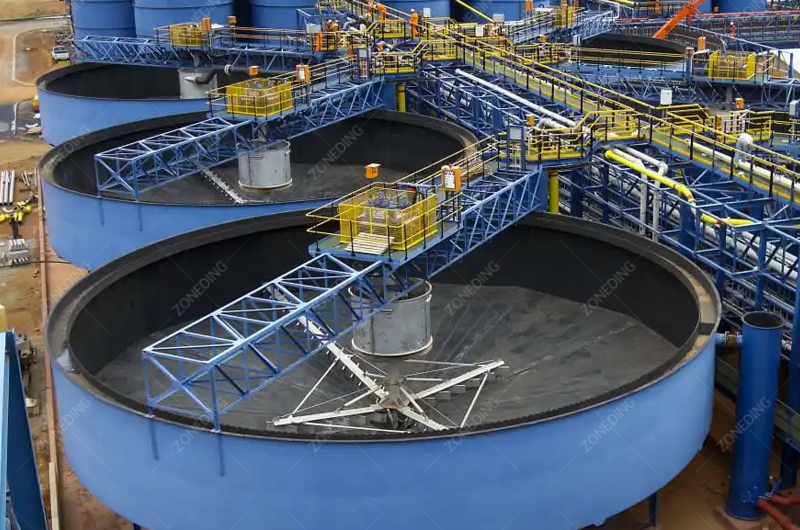
Water Management: Fluorite flotation is a wet process. It uses a lot of water. Use thickeners and water recycling systems. This minimizes fresh water use. It manages process water discharge. ZONEDING’s High Efficiency Concentrators help here.
Tailings Treatment: Flotation tailings contain reagents. They need proper treatment and disposal. Effective tailings treatment equipment and methods are essential.
Dust Control: Crushing and drying create dust. Install dust collection systems. Use water sprays. This improves air quality. It protects workers’ health. It meets emission standards.
Reagent Safety: Flotation reagents can be hazardous. Equipment for storage, preparation, and dosing must be safe. It must meet strict standards. This ensures worker safety.
Fluorite Processing: Key Equipment for Each Step?
After understanding your ore and product goals, you map your fluorite beneficiation process. This involves a sequence of steps. Each step has specific mineral processing equipment. This section details the core machinery. It supports each stage of your fluorite production. I find that a well-integrated system is more effective. It is better than just many individual machines.
Each machine plays a crucial role. It helps overall efficiency. It affects final product quality. Proper selection and setup are vital. They ensure a smooth, profitable operation. This structured approach helps you reach your desired concentrate grade and recovery rate.
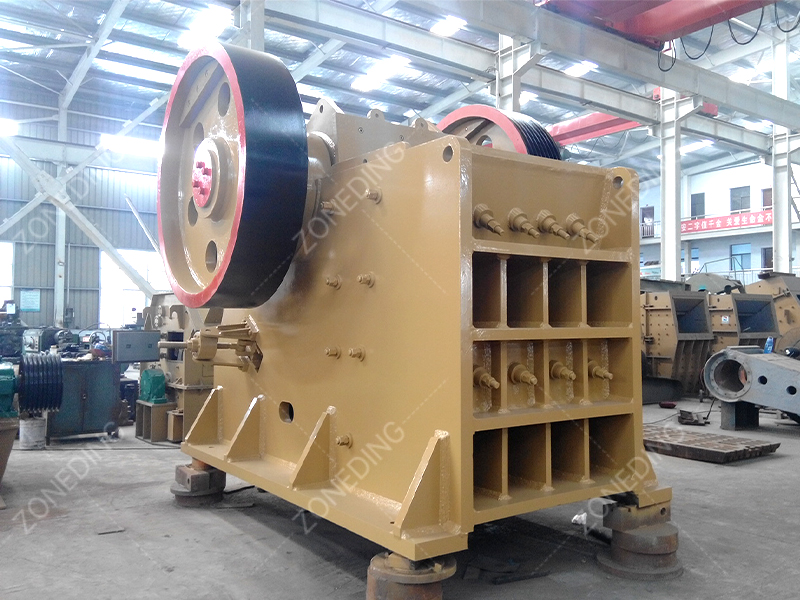
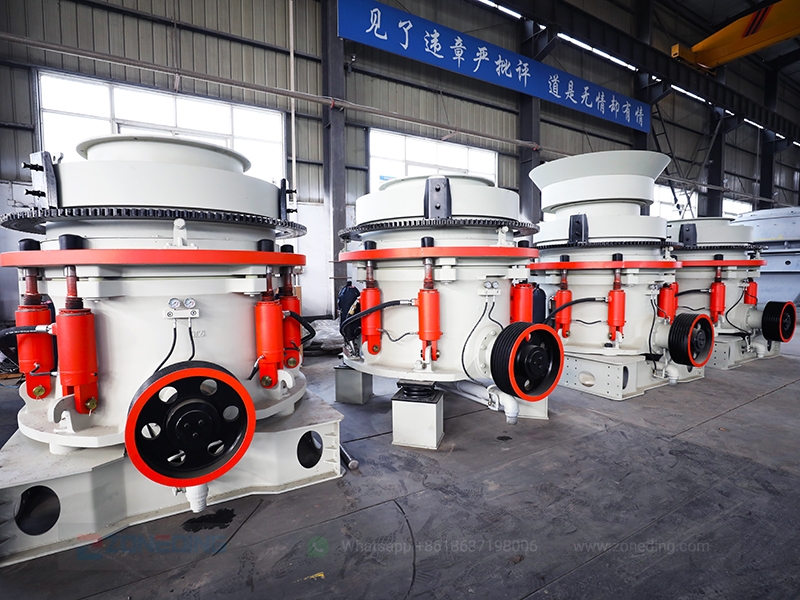
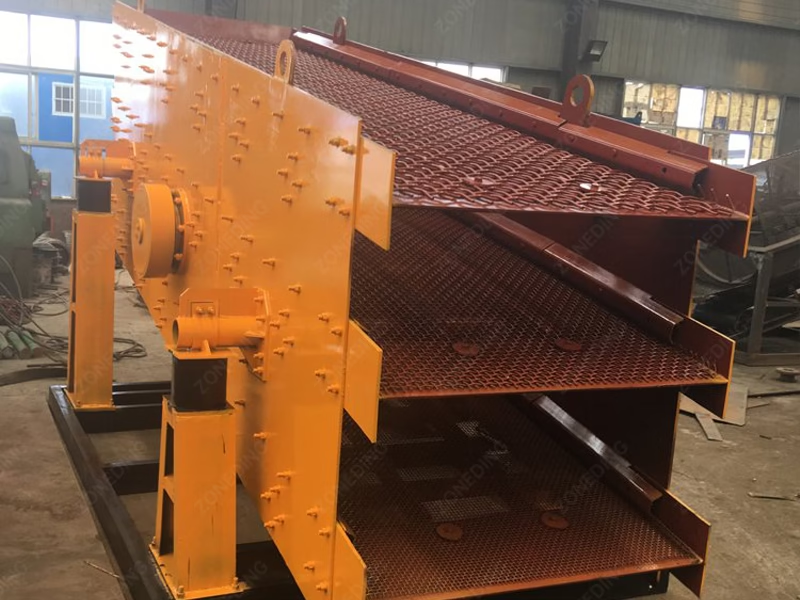
Crushing and Screening for Grinding Feed?
Crushing and screening are the first physical steps. They reduce raw ore size. They prepare it for grinding. Proper sizing significantly impacts later efficiency.
Grinding Fineness: Metallurgical grade might need P80 around 0.5-1mm. Ceramic and acid grades often need P80 below 74 microns. This is especially true for tightly intergrown fluorite and calcite.
Fluorite Flotation for High-Grade Concentrate?
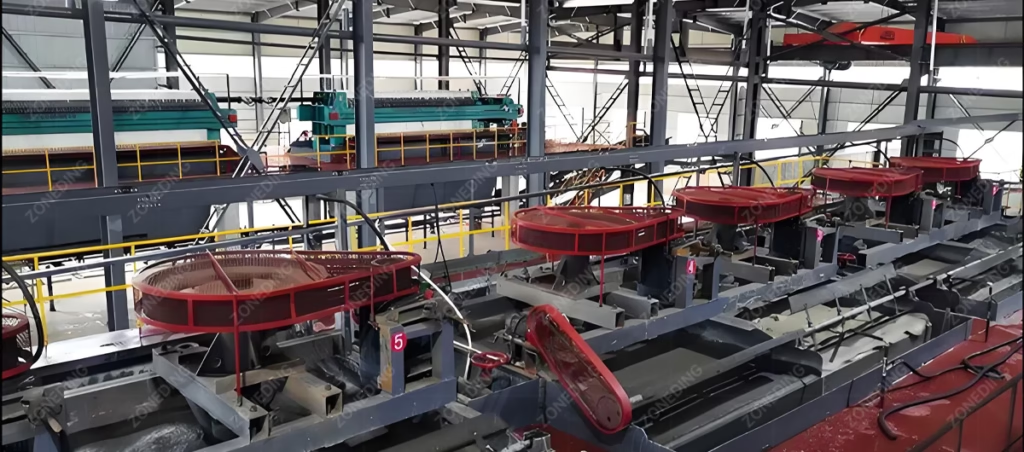
Flotation is the core of fluorite beneficiation. It is essential for producing high-grade ceramic and acid fluorite. It separates fluorite from impurities like calcite and quartz.
Benefit: Optimal reagent use. High selectivity. Maximized recovery and grade.
Flotation Stages: Most plants use multiple stages. This includes roughing, cleaning, and scavenging cells. This maximizes recovery and upgrades concentrate.
Gravity and Magnetic Pre-enrichment: When to Use?
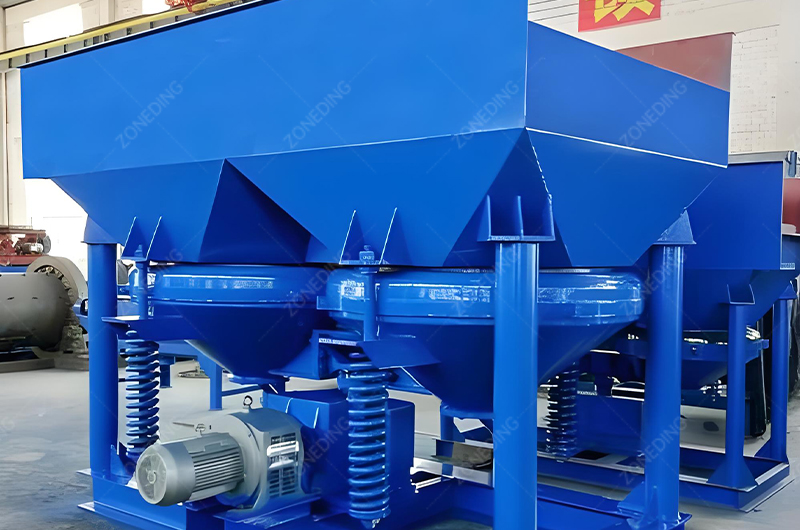
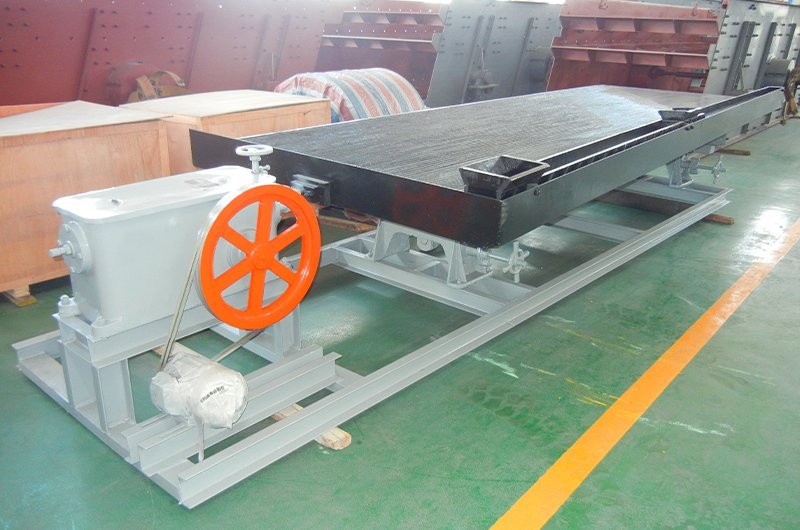
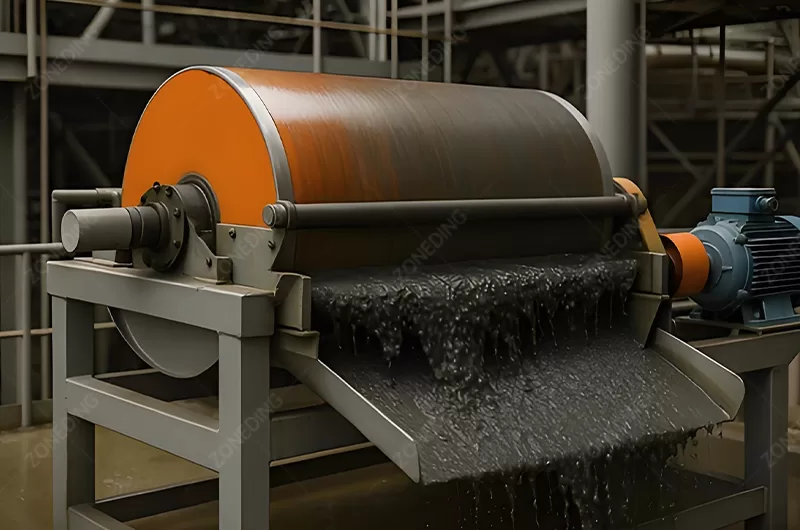
Flotation can be costly. Pre-enrichment steps reduce the load on flotation. This lowers overall production costs.
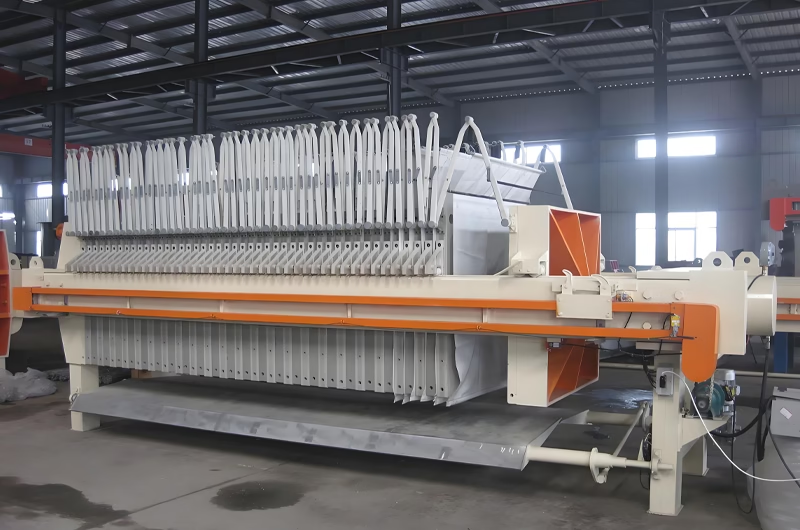
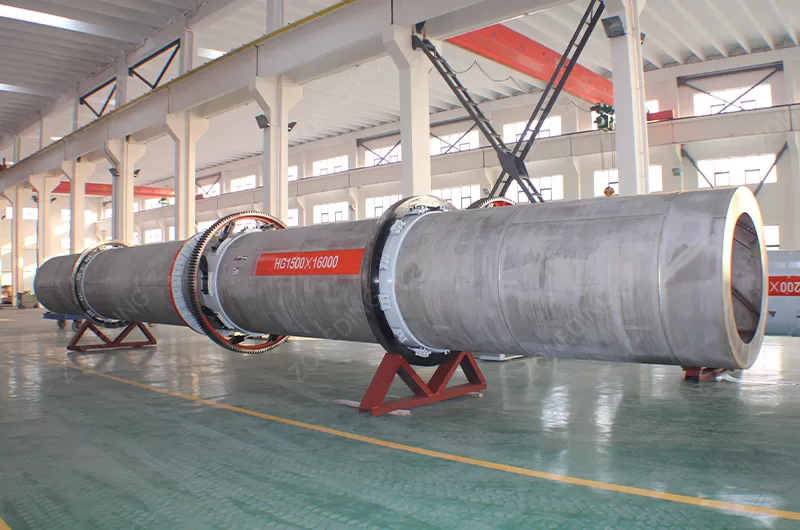
After flotation, fluorite concentrate is a slurry. It needs dewatering. Sometimes, it needs drying. This improves product quality. It also reduces transport costs.
Smart Control and Tailings Treatment for Modern Plants?
Modern fluorite plants use smart control. They prioritize environmental protection. This ensures efficient operation. It also ensures compliance with strict rules. This approach makes your fluorite processing equipment sustainable. It reduces your environmental footprint.
These systems are crucial. They protect the environment. They optimize resource use. They also enhance safety. Building an environmentally friendly beneficiation equipment line means considering these factors from the start.
Intelligent tailings monitoring
Tailings treatment
Smart Control Systems for Efficiency and Safety?
Automation boosts efficiency. It improves safety. It ensures consistent operation.
DCS/SCADA:
Function: Centralized monitoring and control of the entire fluorite beneficiation process.
Benefit: Reduces human error. Ensures stable operation. Increases throughput.
Benefit: Prevents unplanned downtime. Extends equipment life. Lowers maintenance costs.
Tailings Treatment for Environment Protection?
Managing flotation tailings responsibly is crucial. It protects the environment. It meets regulations.
Tailings Thickeners:
Function: Recover process water from tailings.
Benefit: Reduces fresh water use. Minimizes tailings volume.
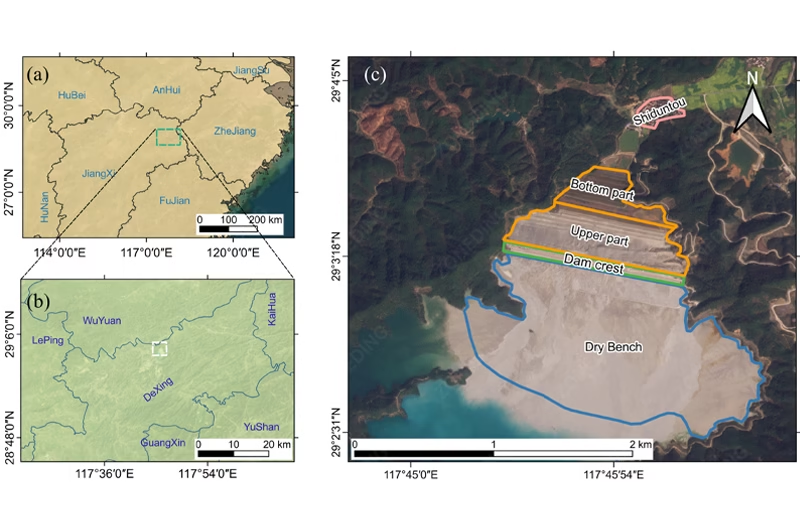
Tailings Dry Stacking:
Function: Dewater tailings to a high degree. Stack them as dry material.
Benefit: Reduces environmental risks of wet tailings. Recovers more water.
Wastewater Treatment:
Function: Treat process water before discharge or reuse.
Benefit: Ensures regulatory compliance. Protects local ecosystems.
How to Choose a Reliable Supplier?
Choosing the right fluorite beneficiation equipment is important. Choosing the right supplier is equally important. A reliable partner ensures your project succeeds. I always tell clients that equipment quality and supplier support matter. You need a company that understands the complexities of the fluorite beneficiation process.
A good supplier offers more than machines. They provide expertise. They give full services. This includes design, installation, and after-sales support. This partnership is crucial for managing risks. It ensures timely delivery. It guarantees optimal performance of your fluorite processing equipment. Look for a company with a strong track record. Find one that offers complete support.
Expertise: Look for expert consultation and technical support.
Testing: Ensure they can test your ore.
Solutions: Choose a full solution provider.
Quality: Demand high-quality manufacturing.
Support: Expect installation, commissioning, and after-sales service.
Experience: Prefer a supplier with global experience.
Conclusion: Customized Fluorite Equipment for Maximum Profit?
Choosing the optimal fluorite beneficiation equipment is a strategic decision. It needs deep understanding. It requires careful planning. It goes beyond selecting individual machines. You must consider your unique fluorite ore characteristics analysis. You must align with your product goals. You must also balance budget constraints with high recovery and environmental standards. A customized approach is key. It maximizes your efficiency and profitability.
I recommend a complete evaluation. This covers crushing, grinding, flotation, and dewatering. Integrate smart controls. Implement robust tailings management. Partner with a reliable supplier like ZONEDING. We offer tailored fluorite processing equipment solutions. These solutions ensure high yields. They ensure sustained success.
About ZONEDING
Since 2004, ZONEDING has been a leader in providing Mineral Processing Equipment and solutions for the global mining industry. We specialize in customized fluorite beneficiation equipment. Our machines are designed for reliability, efficiency, and optimal performance. We offer full-process solutions. This goes from initial design to installation and after-sales support. We help you achieve superior fluorite processing equipment results. We ensure your investment is a success.
Contact us today. Let our experts help you design or optimize your fluorite beneficiation equipment solution. Maximize your fluorite value with ZONEDING’s proven technology and experience.
The cost of a stone crusher plant in 2026 can range from $50,000 to more than $1.5 million depending on capacity, rock type, equipment configuration, automation level, and mobility requirements. Many first-time buyers only compare crusher prices, ...
Chrome gravity separation represents the most cost-effective method to produce high-grade chrome in 2026. Experience in South Africa and Turkey proves that mineral density remains the strongest profit driver. This process uses the natural weight o...
The magnetic separation method is a crucial technique to improve mineral purity and recover valuable metals. This process uses the physical property of magnetism to divide iron-bearing minerals from waste rocks. A high-efficiency ensures that a mi...
We use cookies to ensure that we give you the best experience on our website. If you continue to use this site we will assume that you are happy with it.
Privacy Policy
Send us a message
We would love to hear from you
Submit your question and our team will respond to the email provided as soon as possible.
 Zoneding Machine