Gold cyanidation is a key process. It recovers gold from ore. This method combines chemistry and mechanics. It has been used for over a century. I have spent my career designing and optimizing these plants. I have seen many successful operations. It is not just about the machines. It is about how they work together. They must handle a complex chemical process. They must also minimize environmental impact. This ensures maximum gold recovery equipment efficiency. This guide will list the essential equipment. It will give you practical knowledge for your gold cyanidation equipment.
Why Accurate Equipment Selection Is the Cornerstone of Successful Gold Cyanidation?
Choosing the right gold cyanidation equipment is fundamental. It determines whether your operation succeeds. This complex process extracts gold from ore. It needs precise machines. Each machine must work perfectly with the others. If any part fails, the whole process suffers. I have seen projects thrive or fail. The reason often lies in the initial equipment choices.
Incorrect selection can lead to serious problems. You might get low gold recovery. You could have high operating costs. Your plant might not meet product purity standards. This wastes money. It can cause environmental issues. In contrast, smart equipment choices ensure smooth operations. They guarantee high efficiency. They deliver consistent, high-purity gold. This makes your investment valuable. Therefore, making informed decisions about your gold cyanidation equipment is essential. It ensures the long-term success of your gold mining venture.
Cyanidation Gold Extraction Equipment Selection: Key Considerations Before Starting?
Before choosing any gold cyanidation equipment, you must understand your project. This involves several critical steps. These steps guide every decision. They help avoid costly mistakes. They ensure your gold cyanidation production line fits your specific needs. I always advise my clients to gather all facts first. This groundwork is crucial for optimal results.
It starts with your gold ore itself. It also includes your goals for gold recovery. Your budget and safety rules also play a big part. These points together form your equipment strategy. Ignoring any of these steps can lead to problems. Your plant might run poorly. It could affect gold recovery. It could even cause project failure. So, let’s look at these key areas. This will start you on the right path for selecting your gold beneficiation equipment.
Gold Ore Characteristics: How Do They Influence Equipment Selection and Process Flow?
Your gold ore has unique properties. These are the most important factor for selecting gold cyanidation equipment. Each ore body varies in composition. It has different hardness, mineralogy, and impurities. Understanding these traits helps you choose the right machines. This ensures efficient gold recovery equipment.
Gold Mineralogy: Is the gold coarse or fine? Is it free or locked within other minerals? Is it associated with sulfides (refractory gold)? This dictates grinding fineness. It also dictates if pre-treatment (like flotation or roasting) is needed.
Hardness and Abrasiveness: The ore’s hardness affects gold ore crushing equipment and gold ore grinding equipment. Harder, abrasive ores need more robust machines. They need specialized wear parts.
Impurities: Are there cyanide-consuming minerals (e.g., copper, pyrrhotite)? Are there preg-robbing minerals (e.g., carbonaceous matter)? These can reduce gold recovery. They can also increase reagent costs. This might require specific pre-treatment or alternative flowsheets.
Clay Content: High clay content can cause problems. It can lead to poor solid-liquid separation. It can also cause high reagent consumption. This might need washing or specific thickening equipment.
Target Recovery Rate and Product Purity: What Are the Equipment Performance Requirements?
Your desired gold recovery rate and product purity drive equipment choices. Different projects have different goals. These goals impact the required performance of your gold recovery equipment.
High Recovery (e.g., >90%): Achieving high recovery means carefully designing each stage. It requires efficient grinding for liberation. It needs optimized leach conditions. It also needs effective carbon adsorption equipment or Merrill-Crowe systems.
High Purity (e.g., >99.9% Gold Dore): High purity needs precise elution electrowinning equipment and careful refining. It requires strict control over impurities throughout the process.
Equipment Design: Achieving these targets means selecting machines with specific capabilities. This includes efficient mixing in leach tanks. It involves effective solid-liquid separation in thickeners and filters. It needs advanced control systems.
Economic Trade-offs: Pushing for the last few percentage points of recovery or purity often comes at a higher cost. You must balance the economic benefits with the investment.
Capacity and Investment Budget: How to Plan for Appropriate Equipment Scale?
Your production capacity determines the size of your cyanidation plant equipment. This is a major factor in your gold mine equipment selection budget. Balancing equipment scale with your budget is crucial. You want to achieve optimal throughput without overspending.
Throughput Requirements: How many tons of ore per hour do you need to process? This directly sizes your crushers, mills, leach tanks, and adsorption circuits. Undersizing causes bottlenecks. Oversizing wastes capital.
CAPEX (Capital Expenditure) vs. OPEX (Operating Expenditure):
Lower upfront cost equipment might have higher long-term operating costs. This means more energy use. It means more wear and tear. It also means lower gold recovery.
Conversely, higher CAPEX for more efficient machines can mean lower OPEX. This brings energy savings. It means less maintenance. It also leads to higher gold recovery.
Always evaluate the Total Cost of Ownership (TCO). This considers initial cost, energy, wear parts, labor, maintenance, and water usage over the equipment’s lifespan.
Scalability: Consider future expansion. Can your initial gold cyanidation equipment setup be easily upgraded? Can you add more units later? This allows for growth without complete re-investment.
Environmental and Safety Standards: How Does Equipment Meet Regulatory Requirements?
Environmental protection and safety are paramount in gold cyanidation. Your gold cyanidation equipment choices must meet strict regulations. This is not just about avoiding fines. It is about responsible operation. It protects your reputation. It ensures the safety of your workers and the community.
Cyanide Handling: Cyanide is toxic. Equipment must ensure safe storage, preparation, and dosing of cyanide. This includes proper ventilation and spill containment.
Tailings Treatment: The waste slurry contains residual cyanide. You must have effective tailings treatment equipment. This includes cyanide destruction systems. It ensures safe discharge or disposal.
Water Management: Gold cyanidation uses water. Implement water recycling systems. This minimizes fresh water consumption. It also manages effluent discharge.
Dust Control: Crushing and grinding generate dust. Install dust collection systems. This improves air quality for workers. It meets emission standards.
Worker Safety: All equipment must have safety features. This includes guarding. It includes emergency stops. It also includes proper access for maintenance.
Gold Ore Crushing and Grinding: Equipment for Leaching Preparation?
The first physical steps in gold cyanidation are crushing and grinding. These steps reduce the raw ore’s size. They prepare it for leaching. Optimizing these stages is crucial. It directly impacts downstream efficiency. It also affects overall equipment energy consumption. I have seen many plants waste energy and money here. This is often due to poor equipment choices.
Effective crushing and grinding ensure gold minerals are properly liberated. They ensure the right particle size for efficient leaching. This sets the stage for high gold recovery. Making smart choices at this early stage saves significant costs later. It also leads to a more efficient and profitable gold cyanidation production line.
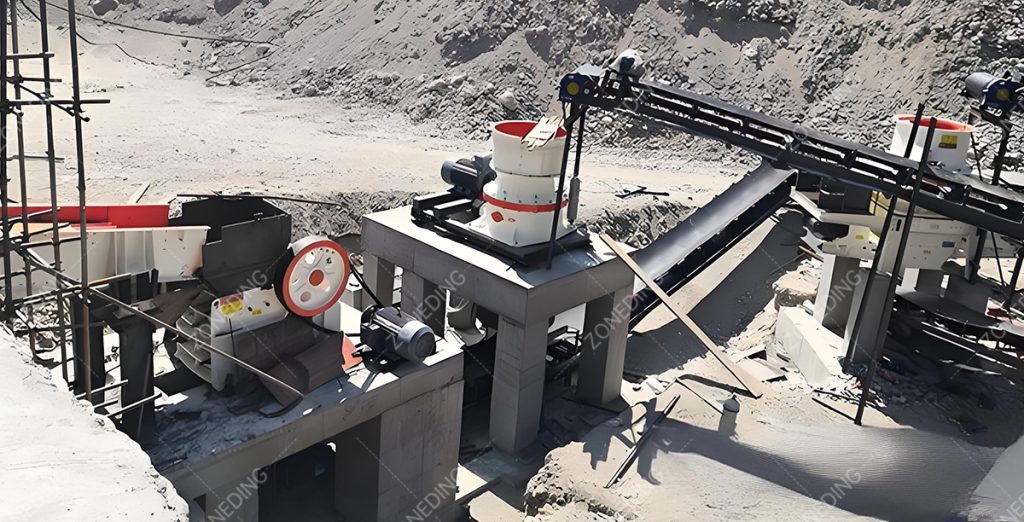
Crushing Equipment: Coarse and Fine Crushing Solutions for Different Ore Hardness?
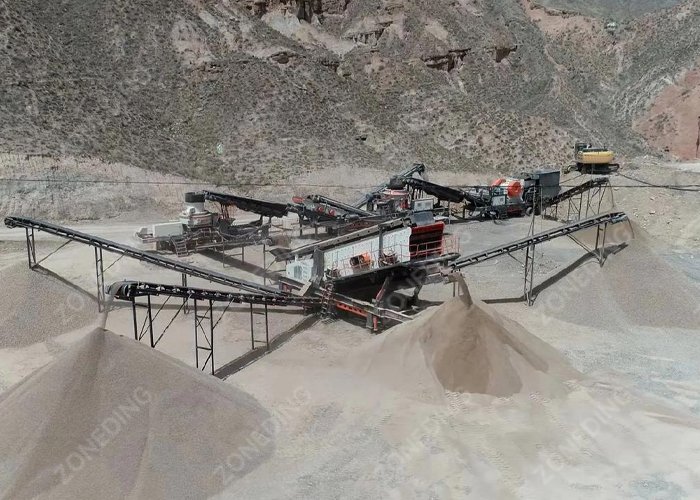
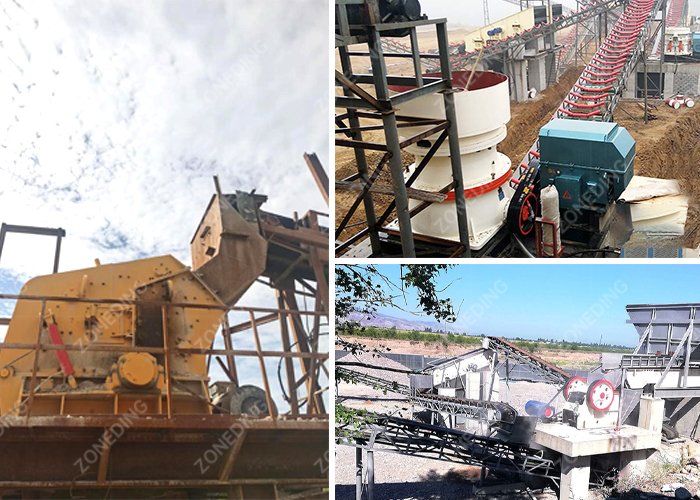
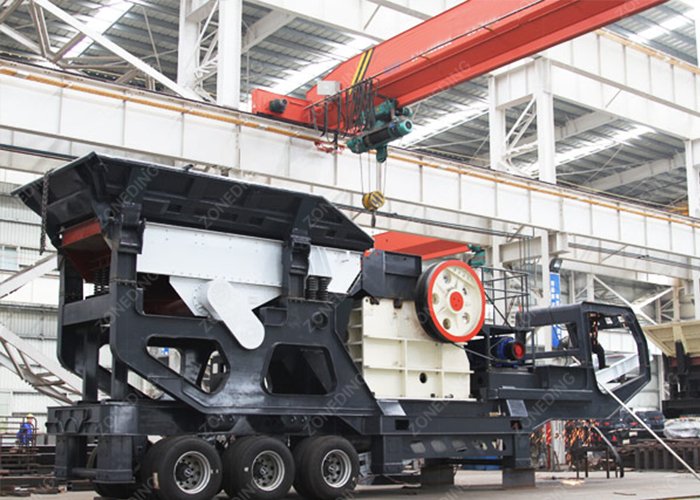
Vibrating Feeder+Jaw crusher + Cone crusher
Crushing is the initial size reduction. It prepares the ore for finer grinding. The choice of gold ore crushing equipment depends on your ore’s hardness and size.
Function: Deliver a steady flow of ore to crushers.
How they work: Vibrating mechanism moves material.
Your benefit: Ensures consistent crusher operation. Prevents choking.
Considerations: Harder ores will require more powerful crushers. They will need more stages of crushing. Abrasive ores will increase wear on crusher liners.
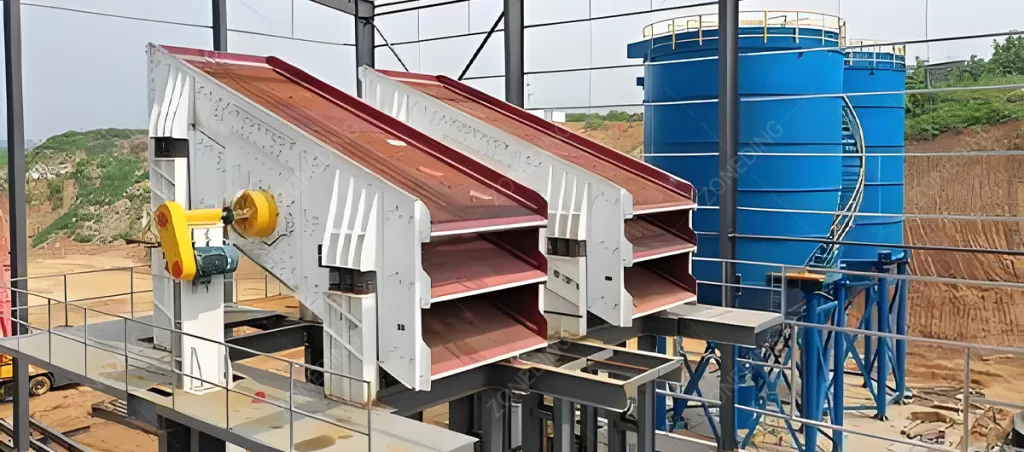
Screening Equipment: How to Ensure Uniform Particle Size Before Grinding?
Screens are used to separate material by size. They play a vital role in quality control. They ensure that only appropriately sized material proceeds to grinding.
Function: Separate crushed gold ore into different size fractions.
How they work: Vibrating motion moves material across a mesh screen. Particles smaller than the mesh pass through. Larger particles are retained.
Best for: Ensuring feed to grinding mills has a controlled top size. Scalping fines before crushing.
Your benefit: Prevents over-crushing of fines. Increases crusher efficiency. Reduces load on grinding equipment.
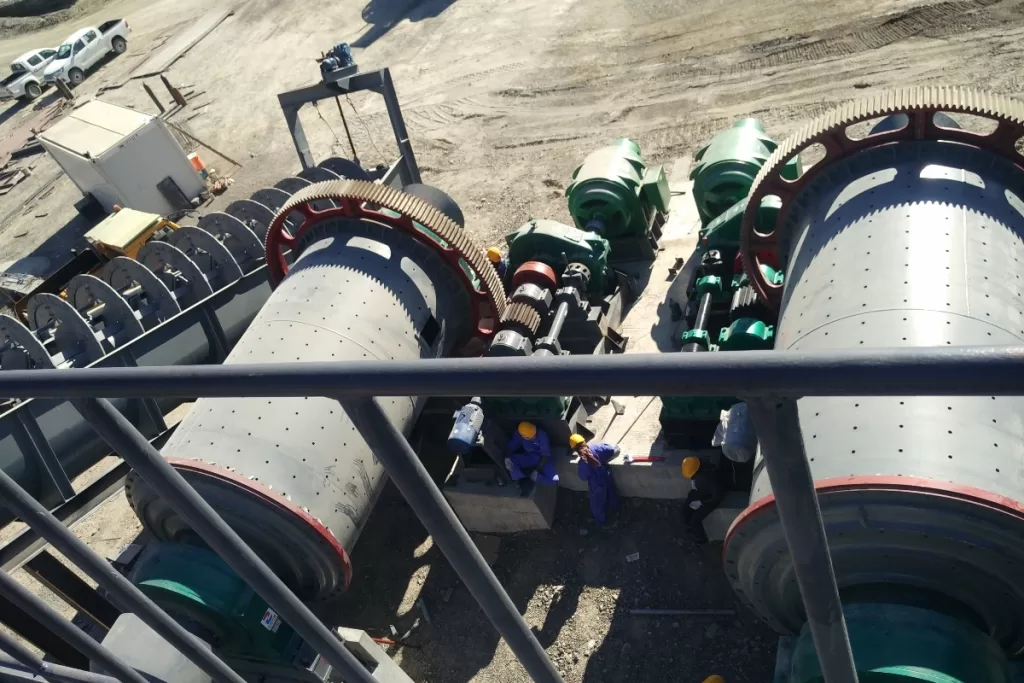
Grinding Equipment: Core Mill Selection for Optimal Leach Particle Size?
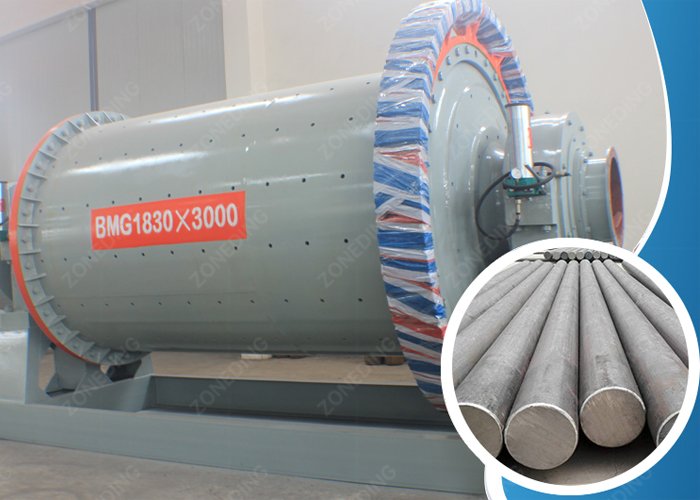
Gold ore grinding equipment is crucial. It frees the gold from impurities. It achieves the desired fineness for efficient leaching. This stage often consumes the most energy. Optimal selection here is vital.
Function: Fine grinding. They reduce gold ore to very fine particles. This liberates the gold.
How they work: Use steel balls as grinding media. The mill rotates. This causes balls to cascade and impact.
Best for: Most gold cyanidation applications. They achieve a wide range of fine particle sizes.
Your benefit: High efficiency for producing fine, consistent slurry for leaching.
SAG Mills (Semi-Autogenous Grinding Mills):
Function: Large-scale primary and secondary grinding. They use ore itself and some steel balls.
How they work: Large diameter mills rotate slowly. Ore tumbles and grinds itself.
Best for: High tonnage operations. They can take larger feed directly from primary crushing.
Your benefit: Reduces need for extensive crushing. Lower overall footprint.
Considerations: The grind size is a delicate balance. Too coarse means gold is not liberated. Too fine wastes energy. It can also cause solid-liquid separation issues.
Classification Equipment: How to Improve Grinding Efficiency and Avoid Over/Under Grinding?
Classification equipment works with grinding mills. It ensures that only properly sized material moves on. Oversized particles return for more grinding. This boosts both grinding and leaching efficiency.
Function: Separate fine particles from coarser ones in a slurry.
How they work: Slurry is pumped tangentially into a conical vessel. This creates a centrifugal force. Finer particles overflow. Coarser particles are discharged from the underflow.
Best for: Closed-circuit wet grinding. They return oversized material to the mill.
Your benefit: High efficiency for fine particle separation. Prevents over-grinding. Maximizes mill capacity.
Function: Separate particles by size using settling velocity.
How they work: A spiral screw moves coarse particles up and out of a pool of slurry. Finer particles overflow with water.
Best for: Coarser classification. Often used with older grinding circuits.
Your benefit: Simple and robust. Low operating cost.
Impact on Efficiency: Precise classification prevents fine particles from being over-ground. This saves energy. It ensures the leaching circuit receives consistent material. This makes leaching more effective.
Pre-treatment and Enhanced Recovery: What Is the Role of Other Beneficiation Equipment?
Sometimes, direct cyanidation is not enough. Some gold ore is refractory. This means gold is locked inside sulfide minerals. Or, the ore contains impurities that consume cyanide. In these cases, pre-treatment is needed. Other gold beneficiation equipment can enhance gold recovery. This makes the overall cyanidation gold extraction process more efficient.
These pre-treatment steps can increase the amount of gold recovered. They can also reduce cyanide consumption. They prepare the ore for optimal leaching. They are part of a comprehensive gold recovery equipment strategy. They add to the complexity of the cyanidation plant equipment. However, they are vital for maximizing profitability from challenging ores.
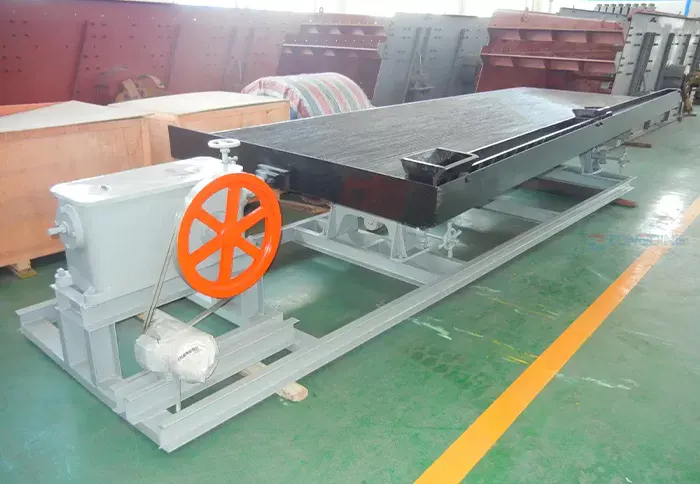
Gravity Separation Equipment: How to Pre-concentrate Coarse Gold Before Cyanidation?
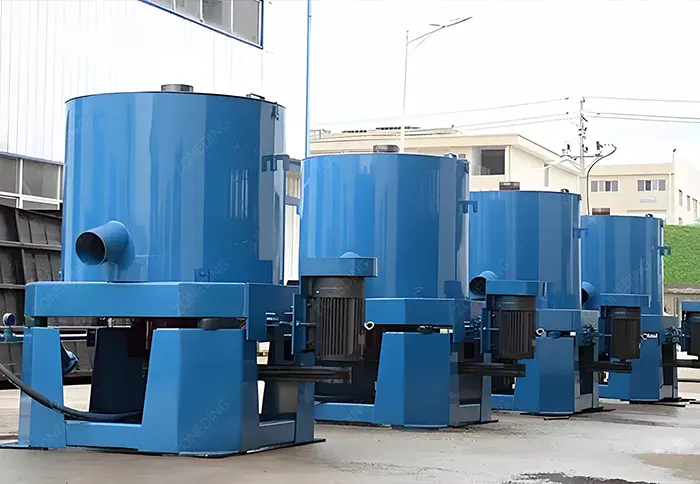
Gravity separation gold equipment is often used before cyanidation. It recovers coarse gold particles. Coarse gold leaches slowly in cyanide.
Function: Rapidly concentrate fine gold particles using centrifugal force.
How they work: Slurry spins inside a rotating cone. Heavy gold particles are trapped by ripples. Lighter gangue washes out.
Best for: Recovering very fine free gold. High recovery rates.
Your benefit: Captures gold that might otherwise be lost. Boosts overall gold recovery equipment efficiency.
Overall Benefit: Gravity separation reduces the load on the cyanidation circuit. It provides a quick recovery of some gold.
Flotation Equipment: How to Assist Cyanidation for Refractory Gold Ores?
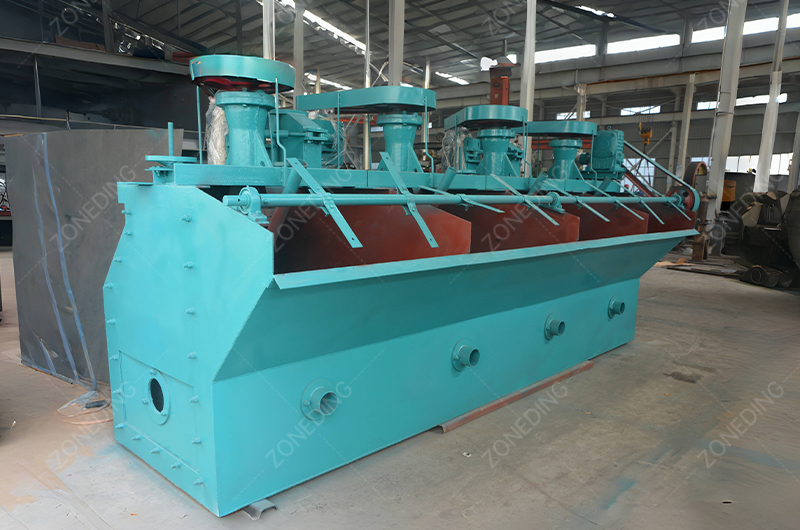
Flotation gold equipment is used for refractory gold ores. These ores have gold locked in sulfide minerals. Or, they contain preg-robbing materials. Flotation helps to concentrate these minerals.
Function: Separates sulfide minerals (which contain gold) from gangue.
How they work: Chemicals are added. They make sulfide minerals hydrophobic. Air bubbles attach to these minerals. They float to the surface as froth.
Best for: Refractory gold ores. Flotation produces a gold-bearing sulfide concentrate. This concentrate is then reground and leached. Or, it undergoes oxidation treatment.
Your benefit: Improves gold recovery from complex ores. Reduces cyanide consumption for the main ore body.
Magnetic Separation Equipment: How to Remove Iron Impurities and Improve Cyanidation Efficiency?
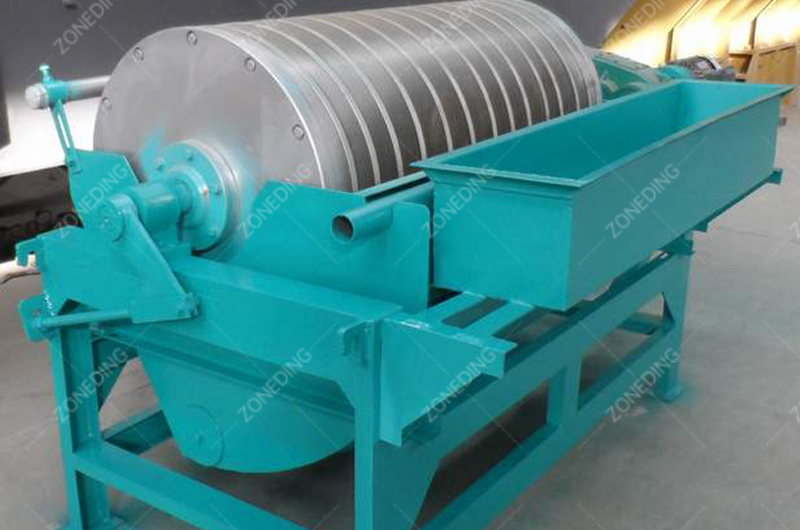
Magnetic separation gold equipment removes iron-bearing minerals. These minerals can consume cyanide. They can also interfere with gold recovery.
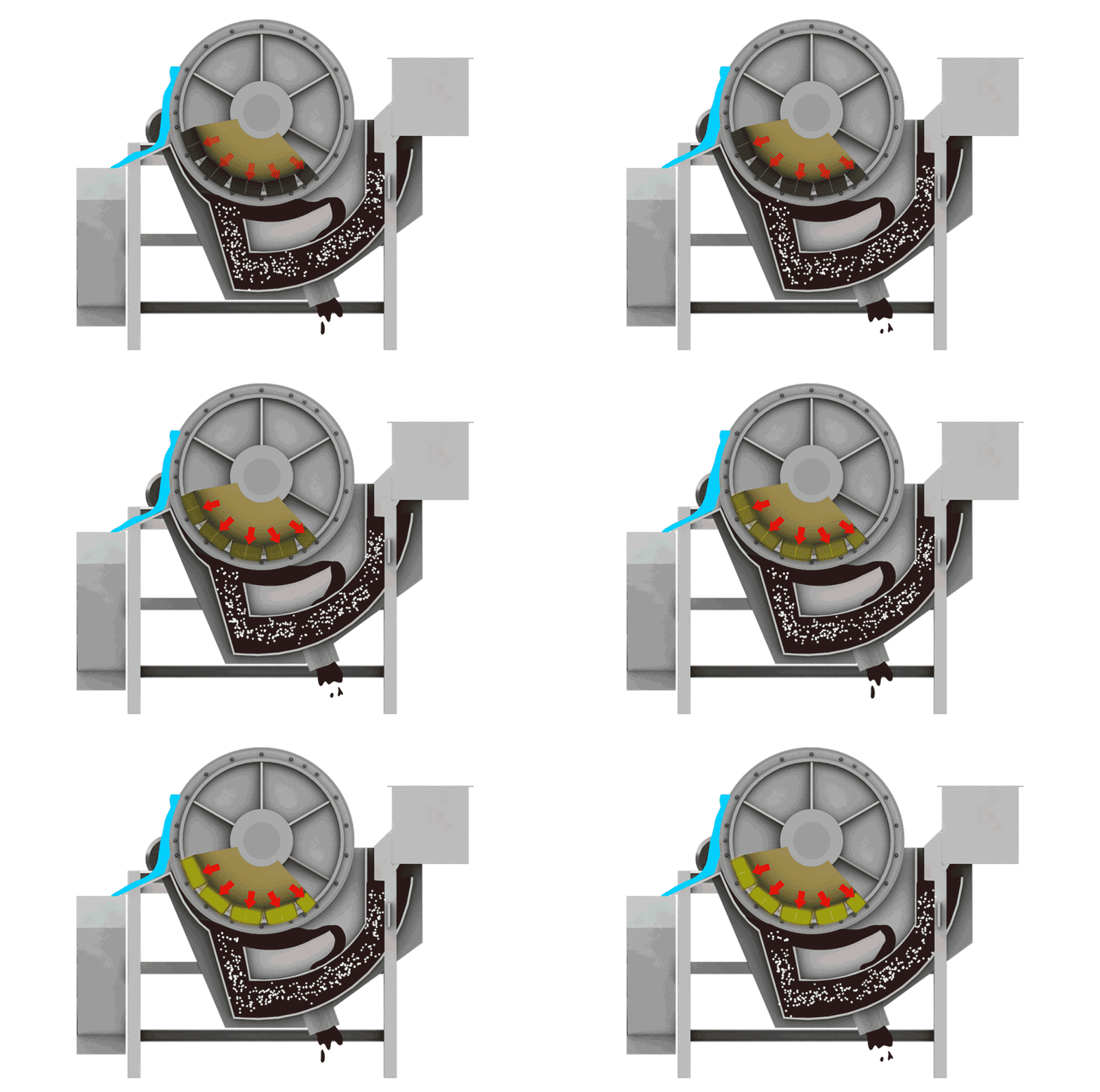
Function: Remove magnetic impurities from gold ore.
How they work: Ore passes through a strong magnetic field. Magnetic particles are attracted. Non-magnetic gold-bearing material passes through.
Best for: Ores with high content of magnetic iron minerals (e.g., magnetite, pyrrhotite).
Your benefit: Reduces cyanide consumption. Prevents fouling of activated carbon. Improves overall cyanidation gold extraction process efficiency.
Cyanide Leaching: Gold Dissolution and Solid-Liquid Separation Core Equipment?
Cyanide leaching is where gold dissolves. This is the central part of the gold cyanidation process. The finely ground ore slurry mixes with a cyanide solution. This forms a gold-cyanide complex. This stage needs precise control. It requires specific equipment to ensure efficient gold dissolution. After dissolution, the gold-rich solution must be separated from the solid waste. This solid-liquid separation is critical. It allows for the recovery of gold.
This stage’s efficiency directly impacts your overall gold recovery equipment performance. Poor mixing, insufficient residence time, or ineffective separation can lead to significant gold losses. My experience shows that proper design and operation of these core components are paramount. They ensure you capture as much dissolved gold as possible.
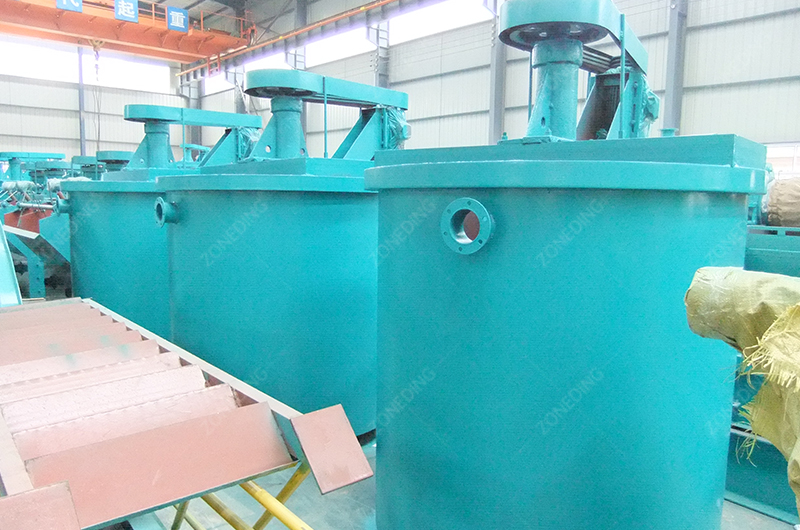
Leaching tanks
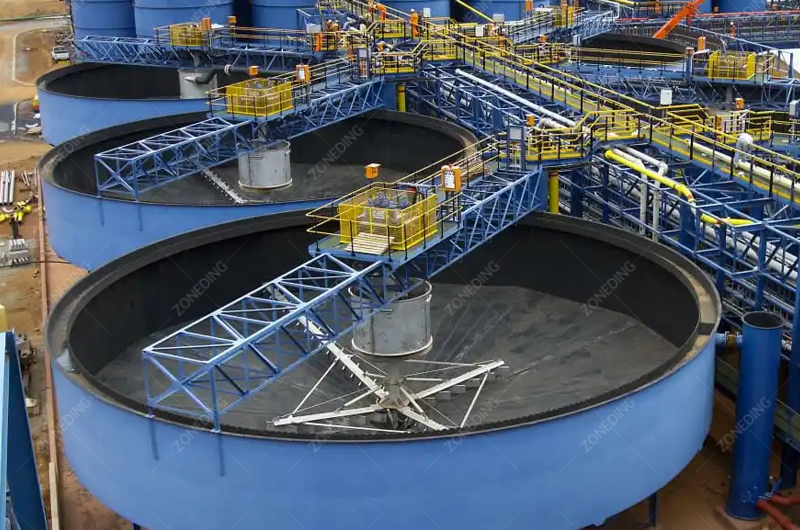
Thickeners
Desorption Electrolysis System
Leach Tanks: How Do Different Types of Leach Tanks Achieve Efficient Gold Dissolution?
Gold leach tanks are the vessels where gold dissolves into the cyanide solution. Their design impacts efficiency.
Mechanically Agitated Tanks:
Function: Provide thorough mixing of ore slurry, cyanide solution, and oxygen.
How they work: Large tanks equipped with powerful agitators. They keep solids suspended. They ensure good contact.
Best for: Most gold cyanidation operations. They offer flexibility in residence time.
Your benefit: Efficient gold dissolution. Uniform pulp conditions.
Air Agitated Tanks (Pachuca Tanks):
Function: Mix slurry using compressed air.
How they work: Compressed air is introduced at the bottom. It creates an airlift effect. This circulates the slurry.
Best for: Some specific ore types. Lower mechanical complexity.
Your benefit: Simpler design. Less moving parts.
Series of Tanks: Most plants use multiple tanks in a series. This ensures adequate residence time. It allows for counter-current flow of carbon in CIL/CIP.
Agitators: How to Ensure Mineral Slurry and Cyanide Make Full Contact?
Agitators are vital for gold leach tanks. They ensure thorough mixing.
Function: Keep solid particles suspended. Distribute cyanide and oxygen evenly.
How they work: Large impellers or propellers rotate. They create turbulence. They circulate the slurry throughout the tank.
Best for: Ensuring optimal contact between gold particles, cyanide solution, and dissolved oxygen. This is critical for gold dissolution.
Your benefit: Maximizes gold dissolution rate. Prevents short-circuiting of slurry.
Thickeners: Key Equipment for Solid-Liquid Separation After Leaching?
Function: Separate the gold-rich solution from the leached solid residue.
How they work: Large tanks. Solids settle by gravity. Clear solution (overflow) is collected. Thickened solids (underflow) are pumped out. Flocculants are often added.
Best for: Counter-Current Decantation (CCD) circuits in Merrill-Crowe. Also used for recovering water from CIL/CIP tailings.
Your benefit: Recovers the gold-rich solution efficiently. Maximizes water recovery. Reduces the volume of solids.
Filters: Deep Solid-Liquid Separation, Improving Gold Liquor Purity?
Filters provide a more complete solid-liquid separation. This happens after thickening. They ensure high purity of the gold-rich solution.
Function: Remove very fine suspended solids from the gold-rich solution.
How they work: Pressure filters or vacuum filters. They pass the solution through a filter medium. This traps fine particles.
Best for: Merrill-Crowe processes. They clarify the pregnant solution before gold precipitation.
Your benefit: Improves the purity of the gold liquor. Prevents interference in subsequent gold recovery steps.
Gold Adsorption, Elution, and Electrowinning: Equipment for Gold Extraction?
After gold dissolves, it needs to be extracted from the solution. This typically involves several stages. These stages concentrate and purify the gold. The most common method uses activated carbon. This is known as Carbon-in-Pulp (CIP) or Carbon-in-Leach (CIL). Alternatively, Merrill-Crowe precipitation is used. Each stage requires specific gold recovery equipment. This ensures efficient separation and high-purity gold production.
This sequence of steps is crucial. It converts the dissolved gold into a solid form. Then it purifies it further. From loading gold onto carbon to producing a final gold leaf. My experience shows that robust and well-maintained elution electrowinning equipment is essential. It prevents gold losses. It ensures a high-quality final product.
Carbon Adsorption Tanks: How to Efficiently Adsorb Gold-Cyanide Complex?
Carbon adsorption equipment (CIL/CIP tanks) is central to modern gold recovery.
Function: Activated carbon adsorbs dissolved gold from the gold-bearing slurry.
How they work: These tanks are like leach tanks. They have agitators. Activated carbon is added. The carbon moves counter-current to the slurry flow. This maximizes gold loading.
Best for: Efficiently capturing gold directly from leached pulp. CIL combines leaching and adsorption in one circuit. CIP adsorbs from already leached pulp.
Your benefit: High gold recovery rates. Simplified solid-liquid separation compared to Merrill-Crowe.
Elution Columns: Principle of Equipment for Gold Stripping from Loaded Carbon?
Elution electrowinning equipment includes elution columns. These columns strip gold from loaded carbon.
Function: Remove gold from the loaded activated carbon.
How they work: Loaded carbon is placed in a high-pressure, high-temperature column. A hot, alkaline cyanide solution passes through. This strips the gold into solution. This creates a pregnant eluate.
Best for: Regenerating activated carbon for reuse. Producing a concentrated gold solution for electrowinning.
Your benefit: Efficient gold recovery from carbon. Reusable carbon.
Electrowinning Cells: How to Electrodeposit High-Purity Gold from Pregnant Solution?
Electrowinning cells are part of the elution electrowinning equipment. They extract gold from the pregnant eluate.
Function: Electrodeposit gold from the pregnant eluate solution onto cathodes.
How they work: The gold-rich eluate flows through cells. Electricity is applied. Gold ions in the solution plate onto steel wool cathodes.
Best for: Producing a gold-rich sludge or “gold mud.” This is then refined into gold doré.
Your benefit: Direct production of a gold-rich material. High purity potential.
Smelting Furnaces: Equipment for Producing Qualified Gold Doré?
Smelting furnaces are the final step. They produce gold doré.
Function: Melt the gold sludge from electrowinning (or zinc precipitate from Merrill-Crowe). This forms gold doré bars.
How they work: The gold-rich material is mixed with fluxes. It is heated to very high temperatures in a furnace. Impurities separate. Molten gold is poured into molds.
Best for: Producing a high-purity gold alloy (typically 85-95% gold).
Your benefit: Final product suitable for sale or further refining.
Reagent Preparation and Tailings Treatment: Auxiliary Equipment for Stable Cyanide System Operation?
Beyond the main gold recovery steps, auxiliary equipment is vital. It ensures the entire cyanidation plant equipment operates safely and stably. This includes preparing and adding reagents. It also includes managing the waste stream. Proper tailings treatment equipment is crucial. It protects the environment. It meets regulatory standards.
These systems might not directly recover gold. However, they are essential. They prevent hazards. They manage environmental risks. They ensure the continuous operation of your gold cyanidation production line. My experience shows that neglecting these auxiliary systems can lead to serious operational and compliance issues. They are part of a responsible and efficient cyanidation gold extraction process.
Reagent Preparation Equipment: How to Safely and Accurately Add Cyanide and Other Reagents?
Handling cyanide and other chemicals needs specialized equipment. It must ensure safety and accuracy.
Cyanide Dissolution and Dosing Systems:
Function: Safely dissolve solid cyanide. Accurately dose the solution into the leach circuit.
How they work: Tanks with agitators dissolve cyanide. Pumps deliver precise amounts. They include safety interlocks.
Your benefit: Safe and controlled addition of a critical reagent. Maintains optimal cyanide concentration.
Lime Slurry Preparation and Dosing Systems:
Function: Prepare lime slurry. Dose it to maintain high pH in the leach circuit.
How they work: Slurry tanks, agitators, and pumps. They automatically adjust pH.
Your benefit: Prevents formation of toxic hydrogen cyanide gas. Optimizes gold dissolution.
Oxygen/Air Compressors and Spargers:
Function: Supply dissolved oxygen to the leach slurry.
How they work: Compressors provide air. Spargers introduce air bubbles into the tanks.
Your benefit: Enhances gold dissolution kinetics. Oxygen is often the rate-limiting factor.
Tailings Treatment Equipment: How to Achieve Cyanide Degradation and Safe Tailings Discharge?
Tailings treatment equipment is crucial for environmental protection. It detoxifies residual cyanide.
Tailings Thickeners:
Function: Recover process water from leached solids.
How they work: Large thickeners settle solids. Water is recycled.
Your benefit: Reduces fresh water consumption. Minimizes volume for treatment.
Cyanide Detoxification Plant:
Function: Destroy residual free and weakly complexed cyanide.
How they work: Uses chemical methods (e.g., SO2/Air, Caro’s Acid). They convert cyanide to less toxic forms.
Best for: Meeting strict environmental regulations for cyanide discharge.
Your benefit: Ensures safe discharge to the tailings storage facility (TSF). Avoids environmental pollution.
Tailings Storage Facility (TSF) Infrastructure:
Function: Safe containment for detoxified solid waste and residual water.
How it works: Engineered dams and liners. They prevent leakage.
Your benefit: Long-term safe storage of waste.
Automation and Control: How to Improve Efficiency and Safety of Gold Cyanidation Production Line?
Modern gold cyanidation production lines rely heavily on automation. This boosts efficiency. It improves safety. It ensures consistent operation. Automation reduces human error. It also allows for precise adjustments. This maximizes gold recovery equipment performance.
Distributed Control System (DCS) / SCADA:
Function: The “brain” of the plant. It integrates all sensors, motors, and valves.
How it works: Gathers data from all equipment. Allows operators to monitor and control processes from a central room. It can implement complex control logic.
Your benefit: Reduces human error. Ensures stable operating conditions. Increases throughput.
Online Analyzers:
Function: Measure key parameters in real-time. This includes pH, dissolved oxygen, and free cyanide.
How they work: Sensors continuously monitor process streams. They feed data to the DCS.
Your benefit: Allows for automated reagent dosing adjustments. Optimizes leach conditions.
Advanced Process Control (APC):
Function: Uses mathematical models and algorithms. It optimizes specific process loops.
How it works: Predicts process behavior. Makes proactive adjustments.
Your benefit: Achieves even higher levels of efficiency and stability. Maximizes gold recovery.
Conclusion: How to Choose the Most Suitable Overall Solution for Your Gold Cyanidation Equipment?
Choosing the right gold cyanidation equipment is a complex but vital task. It determines your project’s success. There is no single solution. Every gold ore is unique. Every project has specific goals. You must consider everything. This includes ore characteristics, target recovery, budget, and environmental rules. My experience shows that a holistic approach is key.
You need to optimize every stage. This starts with gold ore crushing equipment. It goes through gold ore grinding equipment, leaching, adsorption, and final gold refining. Do not forget auxiliary systems and tailings treatment equipment. They are crucial for safety and environmental compliance. ZONEDING can help you navigate these choices. We ensure your gold cyanidation equipment setup is efficient, safe, and profitable.
About ZONEDING
Since 2004, ZONEDING has been a leader in providing Beneficiation Equipment and solutions for the global mining industry. We specialize in comprehensive cyanidation plant equipment. Our machines are designed for reliability, efficiency, and optimal performance. We offer full-process solutions. This goes from initial design to installation and after-sales support. We help you achieve superior gold recovery equipment rates. We ensure your gold beneficiation equipment investment is a success.
Contact us today. Let our experts help you design or optimize your Gold Processing Plant. Maximize your gold value with ZONEDING’s proven technology and experience.
What is a concrete crusher and how to select the best model? This industrial manual covers technical parameters, types, and maintenance for recycling projects. Effective debris management requires precise machine choice to ensure high-quality aggr...
A rod mill working principle differs from other grinding tools because it uses long steel rods instead of balls. This machine is the best choice for preventing "over-grinding," which ruins fragile minerals. Many plants lose profit becaus...
Understanding the mechanical logic of crushing equipment is vital for project profitability. Selecting a machine based solely on capacity ignores the reality of wear and energy costs. Different stones require different mechanical principles—either...
We use cookies to ensure that we give you the best experience on our website. If you continue to use this site we will assume that you are happy with it.
Privacy Policy
Send us a message
We would love to hear from you
Submit your question and our team will respond to the email provided as soon as possible.
 Zoneding Machine