Transforming raw quartz into high-purity silica sand is a very smart business move in 2026. Many investors focus only on crushing rocks into smaller pieces, but true profit comes from high purity and perfect grain shape. A specialized quartz sand making process is essential to meet strict industry standards. This guide details how to turn hard quartz into a high-value product, outlining the exact steps and machines required for a winning silica sand production line.
Why is the Silica Sand Market Growing so Fast in 2026?
The demand for high-purity quartz sand is hitting record highs because of green energy and high-tech chips. Traditional construction sand is no longer the main profit driver for many miners. Instead, the world needs silica for solar panels, high-end glass, and semiconductors. These industries do not just want “sand.” They want a chemical-grade material with 99.5% to 99.9% silica content. Producing this level of purity can lead to significantly higher profit margins than selling raw ore. The solar industry alone is pushing the growth of the silica sand production line market globally. Solar glass requires ultra-low iron content to ensure maximum light transparency. Also, the foundry industry needs high-quality silica for precision casting. More mining companies are moving away from selling raw rocks and investing in their own processing plants. This allows for better control over quality and captures the full value of the mineral. In 2026, being a “sand manufacturer” means being a high-tech material supplier to the world.
Silica Sand Market Value Comparison
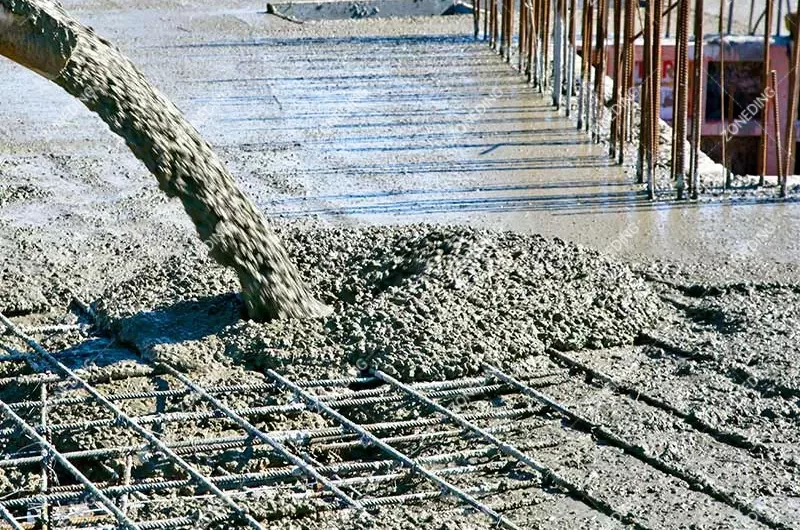
Concrete and Mortar
Silica Sand Application Glass Making
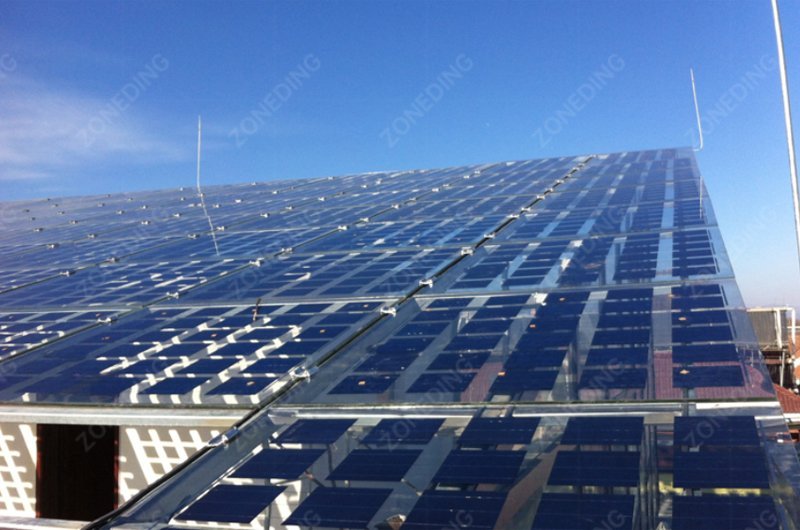
Solar Panel Glass
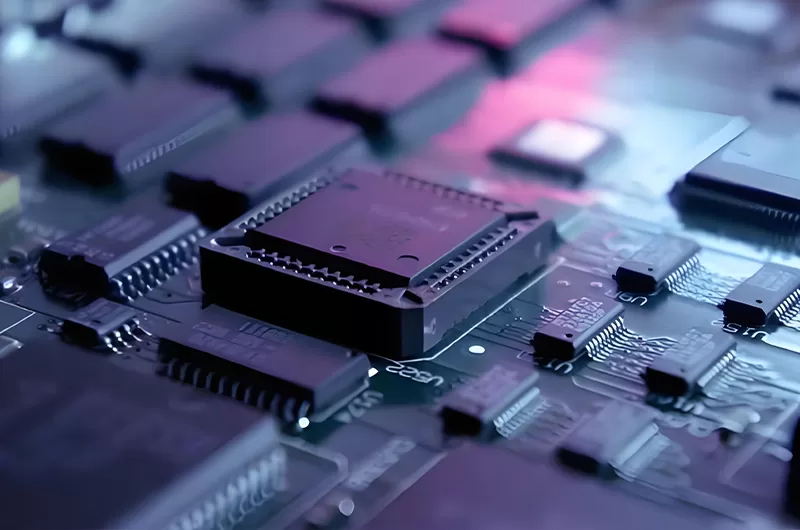
Semiconductors
Industry Grade
Silica Purity (SiO2)
Iron Limit (Fe2O3)
Practical Application
Construction
95.0%
No strict limit
Concrete and Mortar
Standard Glass
99.3%
< 0.03%
Bottles and Windows
Solar/Photovoltaic
99.9%
< 0.01%
Solar Panel Glass
Semiconductor
99.99%+
< 0.0001%
Computer Chips
Key Considerations for Plant Design
Ore Analysis: A chemical analysis of the raw quartz is essential before purchasing any equipment.
Buyer Identification: The target market should be identified, whether it’s local glass factories or international tech companies.
Purity Planning: The plant design should aim for the highest achievable grade to maximize future profits.
The Step-by-Step Process: How to Transform Hard Quartz into Sand?
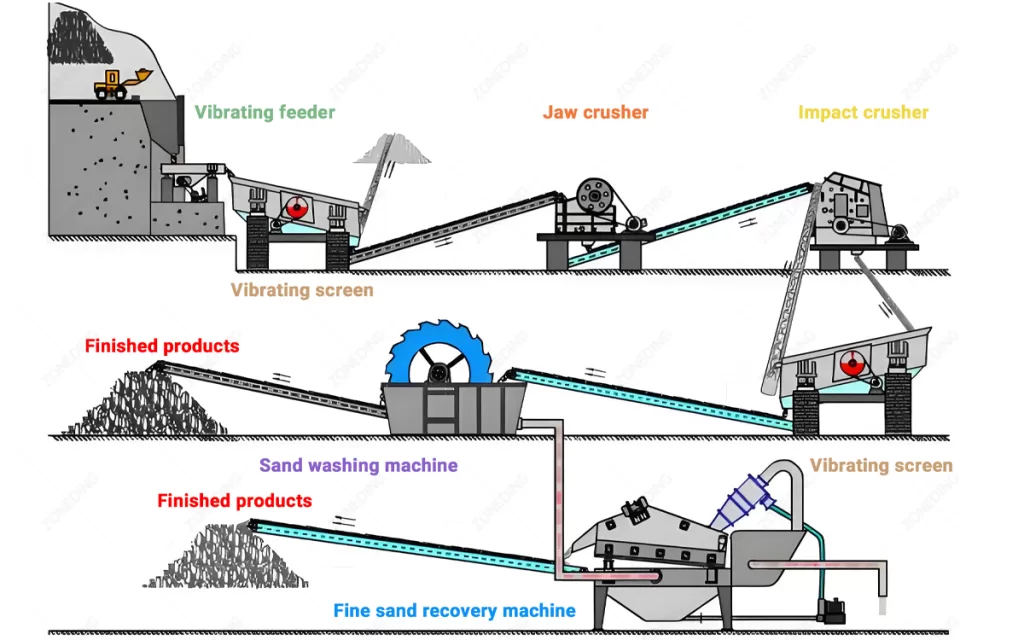
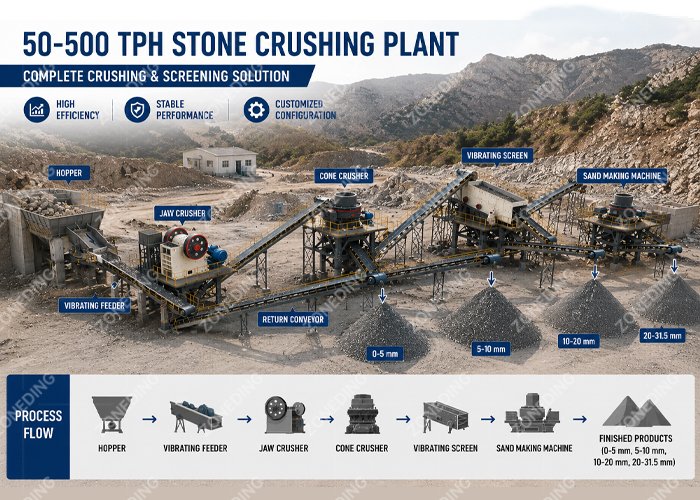
A successful silica sand production line follows a strict path from crushing to final purification. The process is divided into four main stages: crushing, grinding, washing, and iron removal. Quartz is very hard, usually ranking as a 7 on the Mohs scale. This means it can easily damage standard machines. It is crucial to use equipment that handles abrasion well. The process starts with a Jaw Crusher to break large boulders. Then, a cone crusher reduces it further before it enters the sand-making stage. The next stage is the “fine” work, which uses a sand maker or a grinding mill. This step is not just about size; it is about creating the right grain shape. After the sand is formed, it must be washed to remove clay and silt. Finally, magnetic separation is used to pull out iron particles. For high-purity quartz, flotation or acid washing might also be added at the end. Every step is designed to increase the SiO2 percentage while decreasing unwanted minerals like iron and aluminum.
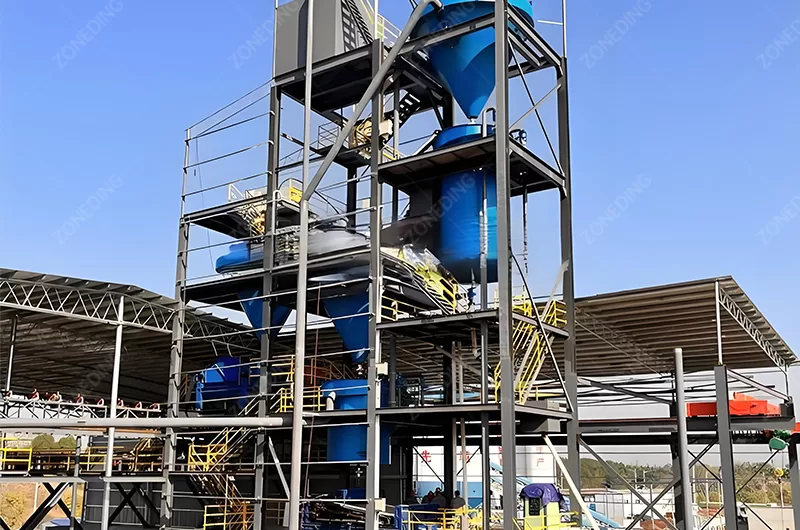
silica sand production process
Detailed Process Breakdown
Primary Crushing: Using a heavy-duty Jaw Crusher for rocks up to 500mm.
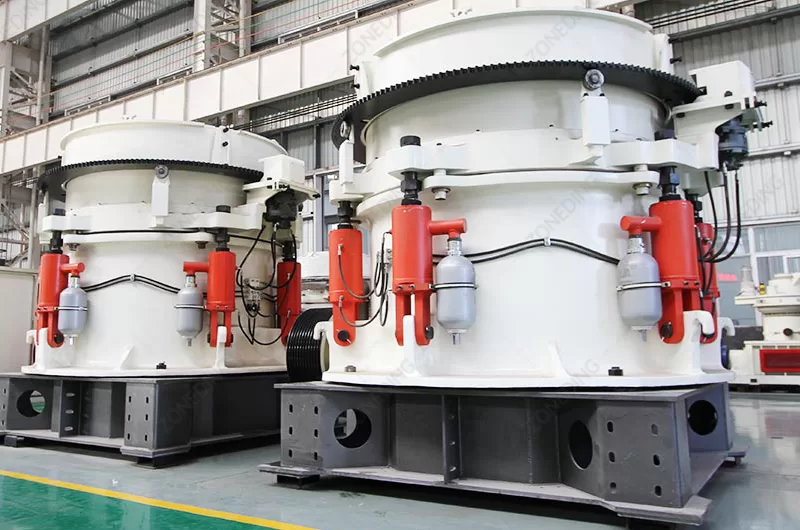
Secondary Crushing: A cone crusher is best for hard quartz to reach 20-40mm.
Grinding/Sand Making: A Rod Mill or VSI maker turns stones into 0.1-0.6mm sand.
Washing & Classification: Removing mud and sizing the sand grains.
Purification: Using high-intensity magnets to remove iron oxides.
Crushing Stage: Breaking the Hardest Rocks without High Wear Costs?
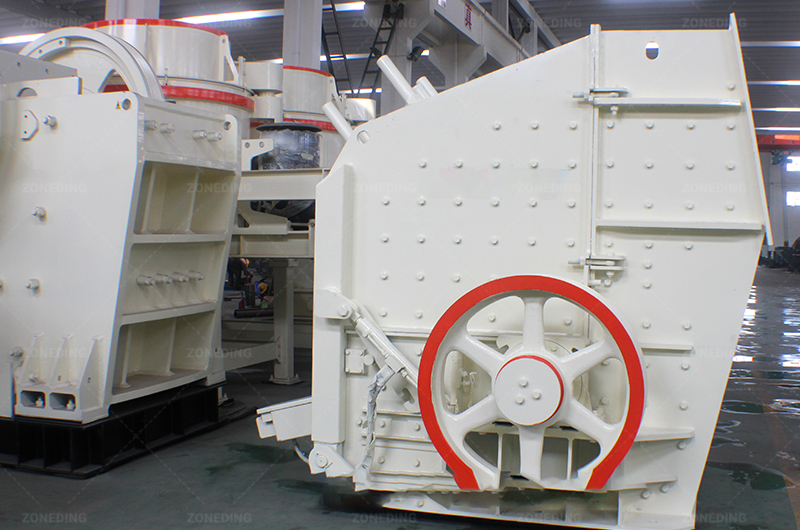
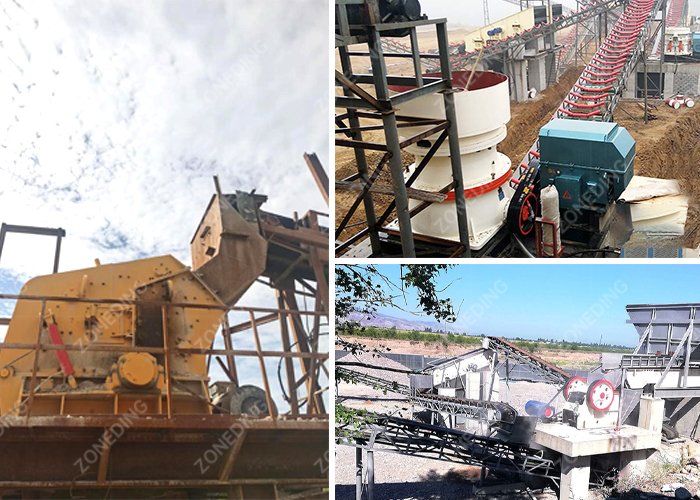
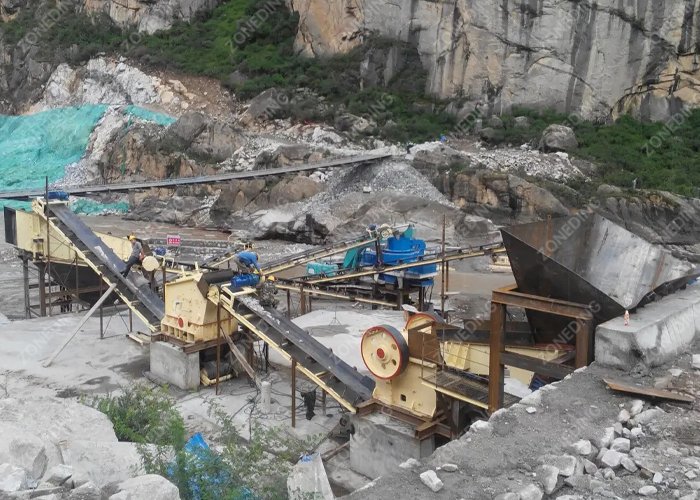
Crushing quartz can be expensive because it wears down metal parts very quickly. Choosing the wrong crusher will diminish profits through maintenance costs. For the first stage, a Jaw Crusher is the workhorse, using high pressure to break the rock. However, for the second stage, impact crushers should be avoided. Impact crushers use high-speed hammers that wear out in days when hitting hard quartz. A cone crusher is much better because it uses a “squeezing” motion. A cone crusher has much lower wear-part costs for hard materials like silica and produces a more consistent feed for the next stage. With the right liners, it can run for months without stopping for repairs. It is suggested to look for manganese steel parts with high chromium content to protect the machine from the abrasive nature of silica. The goal of this stage is to get the rock down to a size that the grinding mill can handle efficiently, which is usually under 25mm.
The Core Secret: Should a VSI Sand Maker or a Rod Mill Be Used?
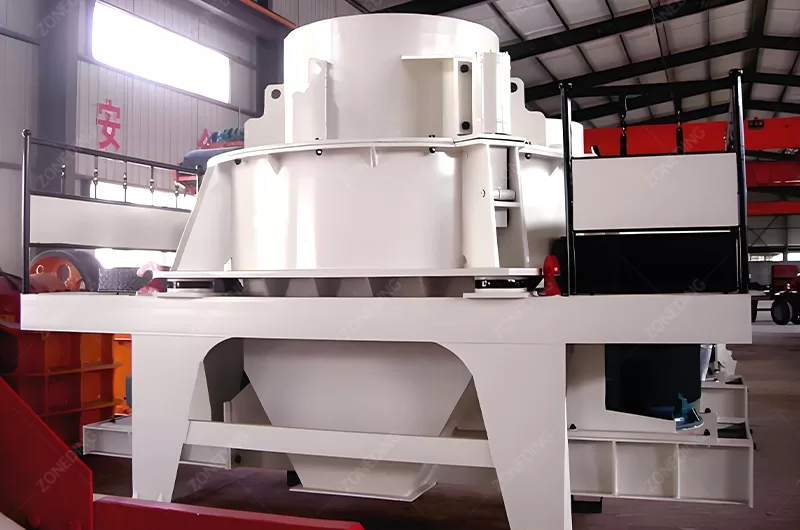
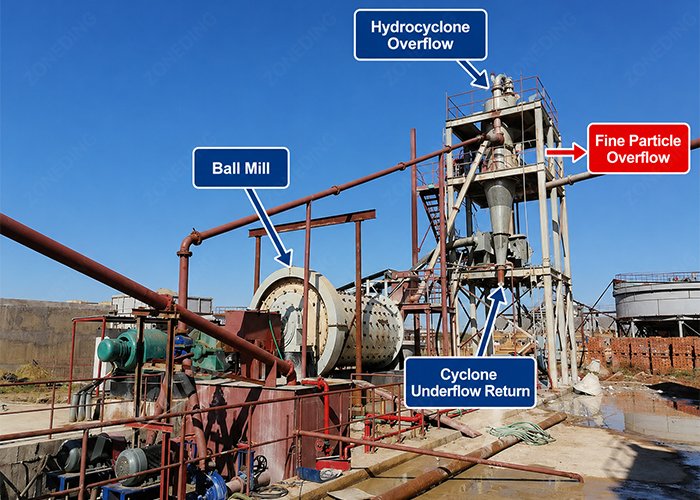
The choice between a VSI sand maker and a rod mill is a critical decision for the plant’s success. A VSI sand making machine is great for building sand, using a “rock-on-rock” method to create a good shape. However, for high-purity industrial sand, a Rod Mill is often superior. A rod mill uses long steel rods to grind the quartz. This process is slower but provides much better control over the particle size distribution. It also produces fewer “fines,” or useless dust. The glass industry requires a specific grain size, usually between 0.1mm and 0.6mm. A rod mill is perfect for this, as it grinds the large pieces but leaves the small pieces alone, preventing over-grinding. Also, wet grinding in a rod mill helps wash away some impurities during the process. For a high-capacity line for construction, the VSI is suitable. For high-value industrial silica, the rod mill is the top recommendation for 2026.
Rod mill
VSI Sand Making Machine
Comparison: Rod Mill vs VSI Sand Maker
Rod Mill Benefits: Precision sizing, less dust, ideal for industrial grades.
VSI Sand Maker Benefits: High output, excellent cubical shape, lower initial cost.
Hybrid Approach: Some plants use a VSI first and then a rod mill for final refining.
Purity is Profit: How to Remove Iron and Increase SiO2 Content?
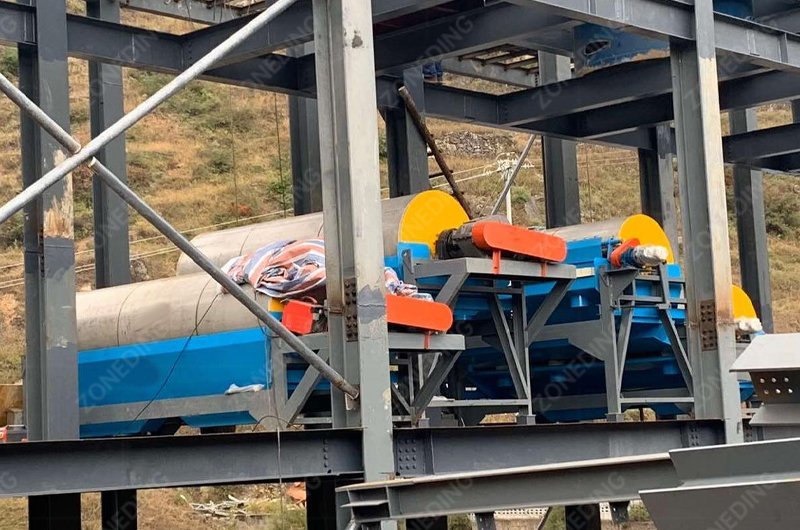
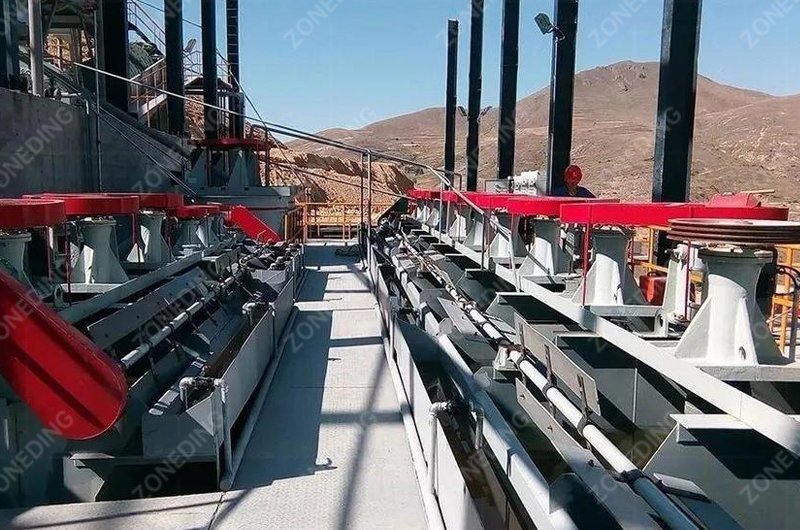
Iron is the enemy of high-quality silica sand, and its removal is essential for success. Even a tiny amount of iron can ruin a batch of high-end glass. A combination of methods can be used to clean the sand. First, a sand washing machine removes surface clay and mud. But the most important tool is the magnetic separator. Since quartz is non-magnetic and many iron minerals are magnetic, the iron can be pulled out easily. High-intensity magnets are necessary because some iron minerals have very weak magnetism. For the highest grades, wet magnetic separators are used. The sand flows in a water slurry through a magnetic drum. The iron sticks to the drum, and the clean sand flows through. If the iron is inside the quartz crystal, flotation may be needed. Flotation machines use chemicals and air bubbles to lift impurities away from the silica. In 2026, these purification steps are what separate the profitable plants from the struggling ones. Every 0.1% increase in purity can add significant value to the final product.
Purification Technology Checklist
Magnetic Separation
Quartz sand flotation
Acid Washing
Scrubbing: Uses high-speed friction to peel off iron stains from grains.
Magnetic Separation: Essential for removing magnetite and hematite.
Flotation: Best for removing mica, feldspar, and other unwanted silicates.
Acid Washing: The final step for ultra-high purity above 99.9%.
Environmental Solutions: Managing Water and Tailings for Success?
Water management is no longer optional due to strict environmental laws in 2026. Many plants face shutdowns because they pollute local rivers with silty water. A modern silica sand production line must include a water recycling system. A thickener or a high-efficiency concentrator can be used to clean the water. This machine separates the mud from the water so it can be used again. This saves money on water bills and keeps the environment clean. Also, tailings or waste must be handled correctly. Instead of a large and messy pond, using a filter press is recommended. This machine squeezes the water out of the mud to create dry “cakes” that are easy to move. They can even be sold to brick-making factories. A clean, “zero-discharge” factory is much easier to get permits for and creates a better image when dealing with international buyers who care about sustainability.
Sustainability Features
Feature
Equipment
Benefit
Water Recycling
Concentrator
Reduces fresh water use by 90%
Waste Handling
Filter Press
Creates dry waste for easy transport
Dust Control
Wet Processing
Eliminates airborne silica dust
2026 Latest Silica Sand Technology Trends
New technology is making it easier to produce ultra-high purity sand at lower costs. A big shift toward automation is happening in 2026. Smart sensors can now detect the iron levels in the sand as it moves through the line, allowing machines to adjust themselves to maintain quality without a human operator. Also, ceramic-lined ball mills are becoming popular for high-end silica, as the ceramic lining prevents any iron from the mill itself from contaminating the sand.
Latest Progress in Quartz Processing
Intelligent Sorting: Using AI cameras to sort quartz grains by color and clarity.
Modular Plants: Pre-built modules that allow a plant to be set up in weeks instead of months.
Low-Energy Grinding: New rod mill designs that use 20% less power than older models.
Common Questions (FAQ)
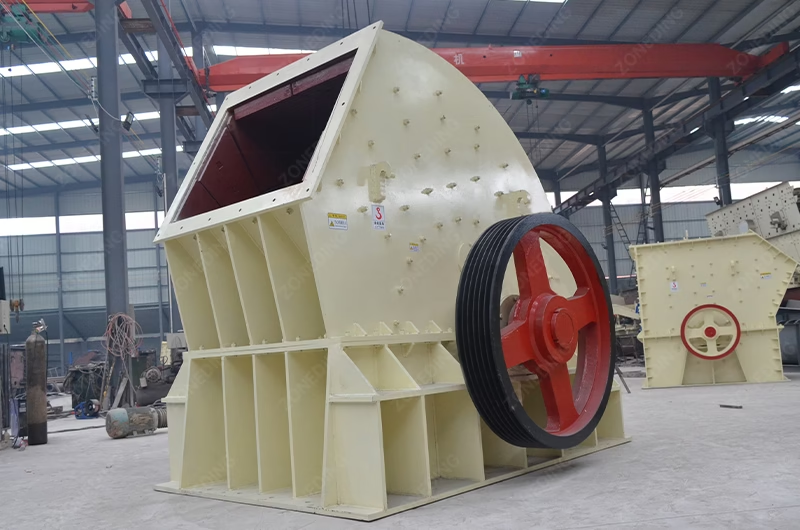
Question 1: Can a hammer crusher be used for quartz sand making? Using a hammer crusher is strongly advised against. Quartz is too hard and abrasive. The hammers will wear out in a very short time, leading to high maintenance costs and frequent downtime. A Jaw Crusher and a cone crusher are built for hard rock and are the correct choices. Question 2: What is the best way to remove iron from silica sand? The most effective way for most industrial uses is a high-intensity wet magnetic separator. It pulls out both strong and weak magnetic iron particles. For surface iron stains, a sand washing machine and a scrubber machine should also be included before the magnetic step. Question 3: How much water does a silica sand plant need? A typical wet plant uses about 3 to 5 tons of water for every ton of sand produced. However, with a high-efficiency concentrator, over 90% of that water can be recycled. This makes the actual water consumption very low and affordable. Question 4: What is the ideal grain size for glass sand? Most glass factories require sand between 0.1mm and 0.6mm. If the sand is too coarse, it won’t melt properly in the furnace. If it is too fine, it can cause bubbles or fly away. A Rod Mill is the best tool to achieve this specific range. Question 5: Is a silica sand production line a good investment in 2026? Yes. The demand for solar panels and electronics is growing every year. These industries need high-purity silica sand, and there are not many suppliers who can meet the quality standards. Focusing on purity will create a very strong market position and lead to high profits.
Summary and Recommendations
Building a silica sand production line is a journey from raw rock to high-purity material. The focus should be on three main things. First, choose the right crushers to handle rock hardness. Second, use a Rod Mill for precise sizing. Third, invest in high-quality magnetic separators. Environmental rules should not be ignored; water recycling will keep the plant running smoothly and avoid fines. Building the line with quality and purity in mind will attract many high-paying buyers in the glass and solar industries.
About ZONEDING
ZONEDING is a leading Chinese manufacturer of high-quality mineral processing equipment. Since 2004, the company has helped mining companies and aggregate producers in over 120 countries build profitable production lines. ZONEDING owns an 8000-square-meter factory and produces over 500 units every year. Its team of 15 expert engineers can customize a complete silica sand production line for specific ore and market needs. The company offers factory-direct sales and full-service support, which includes design, installation, and training. Contact ZONEDING today for a free consultation and a customized project proposal for any mining site.
Understanding the mechanical logic of crushing equipment is vital for project profitability. Selecting a machine based solely on capacity ignores the reality of wear and energy costs. Different stones require different mechanical principles—either...
The cost of a stone crusher plant in 2026 can range from $50,000 to more than $1.5 million depending on capacity, rock type, equipment configuration, automation level, and mobility requirements. Many first-time buyers only compare crusher prices, ...
The performance of a crusher plant acts as the heart of every modern infrastructure project. High-quality aggregate production for construction determines if a bridge stands for a century or fails in a decade. Choosing the right machinery helps co...
We use cookies to ensure that we give you the best experience on our website. If you continue to use this site we will assume that you are happy with it.
Privacy Policy
Send us a message
We would love to hear from you
Submit your question and our team will respond to the email provided as soon as possible.
 Zoneding Machine