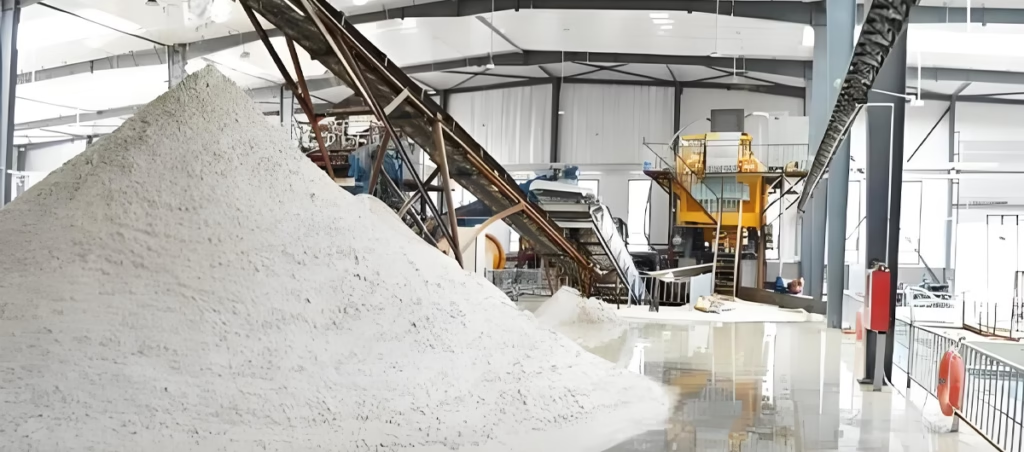
Quartz sand is essential. Poor processing means wasted resources. Discover how proven equipment builds efficient production lines.
An efficient quartz sand production line needs crushers, mills, washers, screens, and separators. These machines purify and size sand. They meet diverse industry demands directly, from construction to high-tech applications.
Many operations try to cut corners. They use inadequate equipment. This leads to costly errors. Experience shows that the right equipment is key. It ensures purity and profit.
Quartz Sand Types and Uses: Why Do Different Processes Need Different Equipment?
Quartz sand is versatile. But its uses are varied. The need for specific processing is essential. What drives this need for different equipment?
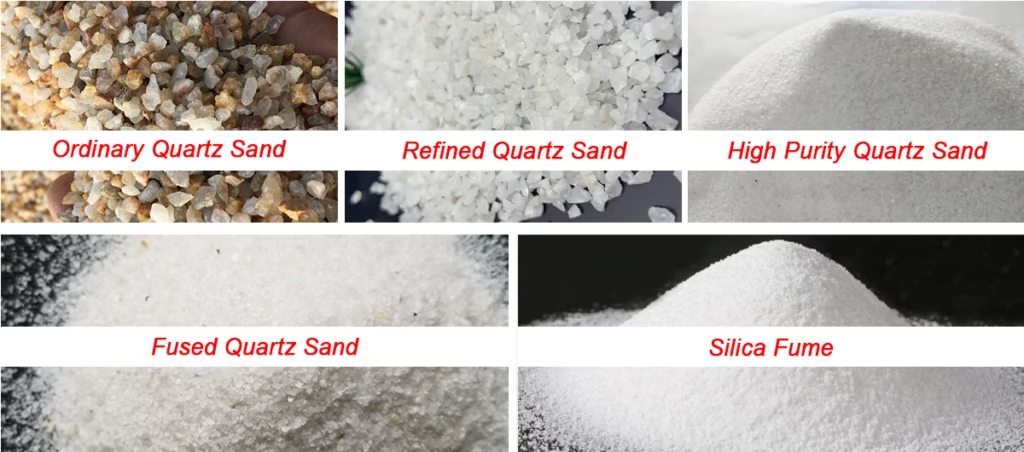
Quartz sand types range from construction to high-tech uses. Each type demands different purity and size. This requires specialized processing. Different equipment ensures the sand meets exact specifications.
Quartz sand types
Quartz sand has many uses. It ranges from basic construction to high-tech applications. These high-tech uses include semiconductors and solar panels. Each application has strict requirements. For example, construction sand needs less purity. Glass production needs higher purity. Ultra-high purity quartz sand is essential for optics and electronics. These varying demands shape the processing methods. They also dictate the type of beneficiation equipment used. Understanding the final product’s specification is the first step. It guides all equipment choices.
What are the eight core processing steps for quartz sand?
A clear overview helps. What are the main stages involved in transforming raw quartz into usable sand?
Quartz sand processing involves eight core steps. These are crushing, grinding, screening, washing, scrubbing, magnetic separation, flotation, and dewatering/drying. Each step purifies and refines the sand for specific uses.
The journey from raw quartz ore to finished sand is complex. It involves several stages. Each stage refines the material. It removes impurities. It also adjusts particle size.
Quartz-Beneficiation-Process-Flow
Crushing: Reduces large ore pieces.
Grinding: Further reduces size and liberates minerals.
Screening: Separates particles by size.
Washing: Removes surface dirt and clay.
Scrubbing: Cleans particle surfaces more aggressively.
Magnetic Separation: Removes iron-bearing minerals.
Flotation: Removes non-magnetic impurities like feldspar.
Dewatering & Drying: Reduces moisture content. These steps work together. They transform raw quartz into high-quality sand. The specific combination and intensity of these steps depend on the desired final product purity.
Coarse and Fine Crushing Stages: What Crushing Equipment Does Quartz Sand Processing Need?
Large quartz rocks need size reduction. What specific crushers are best for quartz sand production?
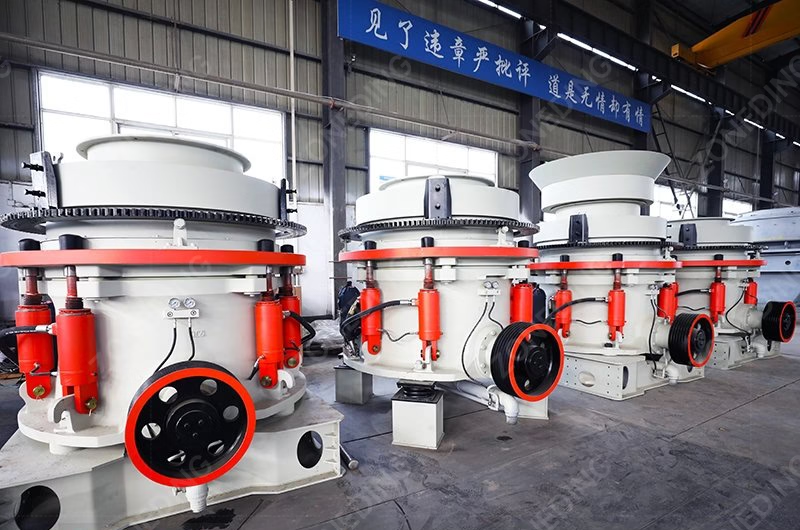
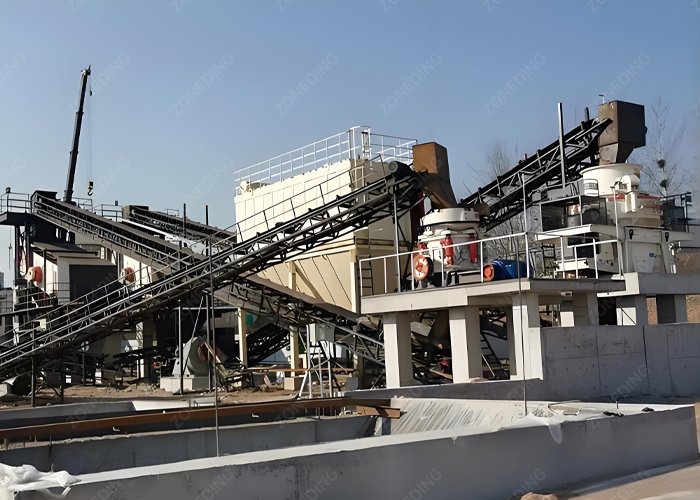
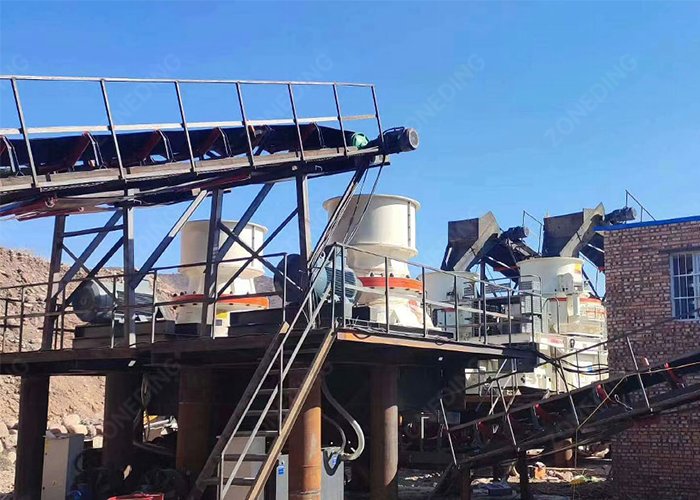
Quartz sand processing needs jaw crushers for primary crushing. Then, cone crushers handle secondary and tertiary crushing. These reduce large ore to manageable sizes. They prepare it for further processing.
Jaw Crusher
Cone Crusher
Selecting the right crusher is crucial for quartz. Quartz is hard. It is abrasive. Jaw crushers are for primary crushing. They handle large feed sizes. Cone crushers then perform secondary and tertiary crushing. They achieve finer particle sizes. The wear parts on both crushers need careful material selection. High manganese steel is common. But for highly abrasive quartz, higher chromium content alloys might be suggested. Many clients focus only on high output. They ignore control over particle shape and over-crushing. Over-crushing increases grinding load. It also causes loss of valuable minerals.
Controlling Particle Shape
Cone crushers use a lamination crushing principle. This reduces flaky or needle-shaped particles. This improves particle shape. It positively impacts subsequent screening and flotation efficiency. It also lowers steel ball consumption in grinding. Energy consumption and wear part costs are major operational expenses. Choosing equipment with the right crushing ratio and high efficiency is vital. It controls costs from the start.
Grinding and Ultrafine Grinding Stages: How to Select Grinding Equipment for Different Particle Sizes of Quartz Sand?
Finer quartz particles are often needed. Some even need to be ultra-fine. What grinding solutions best meet these diverse size requirements?
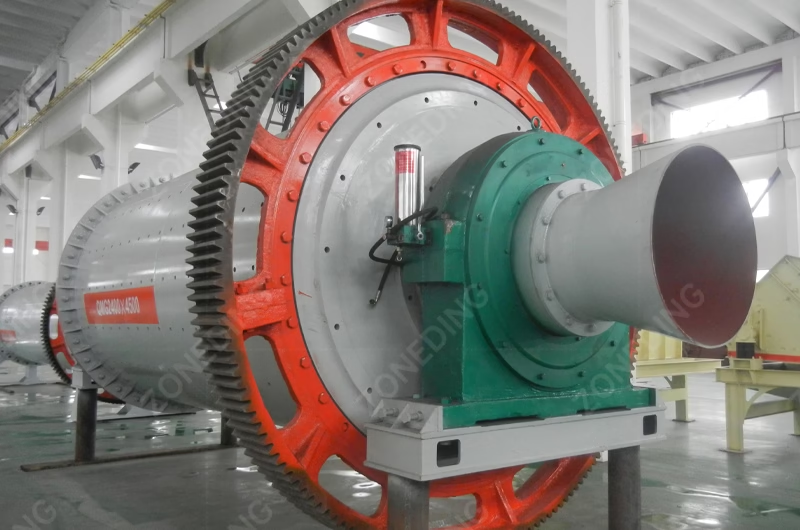
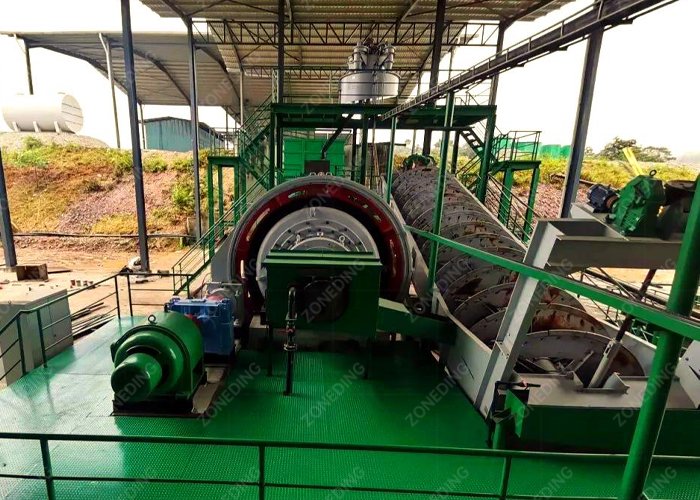
Ball mill
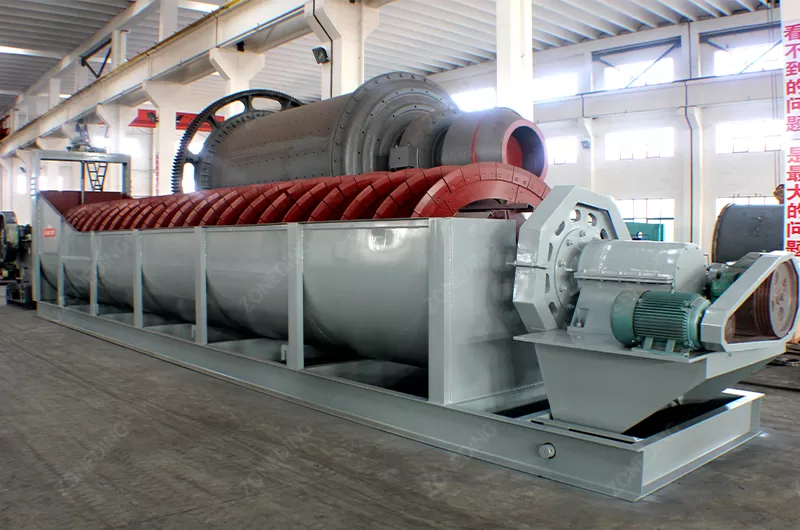
Spiral classifier
Hydrocyclones
For quartz sand, rod mills are ideal for grinding. They minimize over-grinding. For finer products, closed-circuit grinding with spiral classifiers or hydrocyclones controls particle size. This ensures precise output.
Rod mills are recommended for quartz sand. Quartz is hard and brittle. Rod mills are superior to ball mills for this material. Rod mills use “line contact” grinding. This reduces over-grinding. It better preserves the quartz particle shape. This is crucial for industries like glass and foundry. These industries have strict particle shape requirements. Misusing ball mills leads to severe over-grinding. It creates excessive fines. This harms subsequent separation and product quality.
Optimizing Grinding Performance
The rod filling rate and rotation speed of a rod mill are key. They control grinding efficiency and particle size distribution. Too high a filling rate or speed can cause rod tangling. This reduces efficiency. Grinding often uses a closed circuit. This involves spiral classifiers or hydrocyclones for classification. This ensures “more crushing, less grinding.” It improves grinding efficiency. Hydrocyclones are increasingly used for high-purity quartz sand. They offer high classification efficiency. They also have a small footprint. This is especially true for desliming and fine particle classification.
Screening and Classification Stages: How to Control Quartz Sand Product Quality with Screening Equipment?
Precise sand particle sizes are needed. Product quality depends on this. What screening equipment ensures accurate classification and quality control?
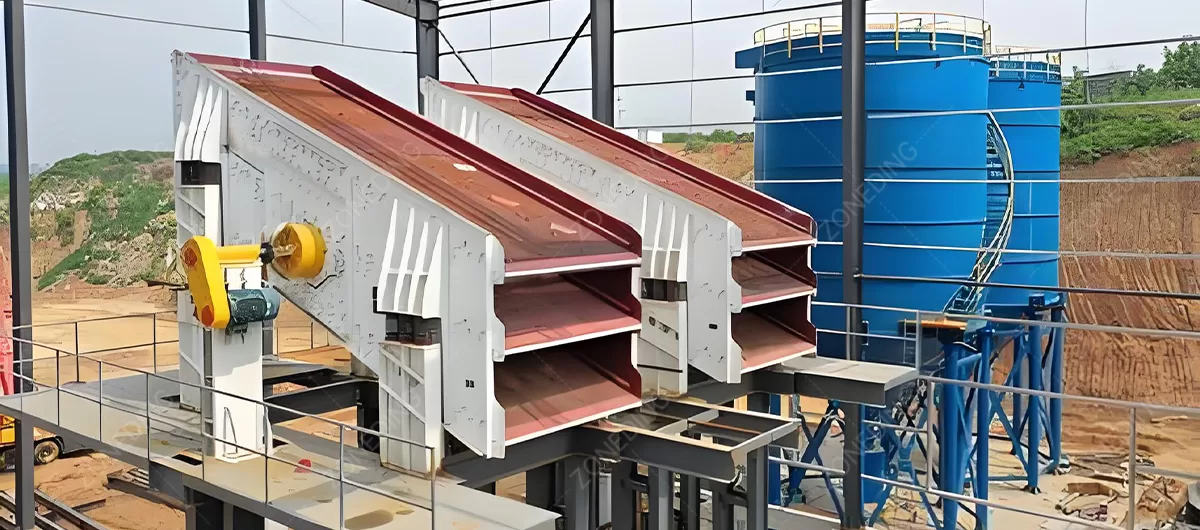
High-frequency vibrating screens precisely classify washed quartz sand. They produce different particle size specifications. Polyurethane screen meshes are preferred for their durability. They ensure accurate sizing and minimal clogging. This is vital for quality control.
The importance of precise screening is stressed. Quartz sand demands high screening accuracy. Wet screening is particularly challenging. High-frequency vibrating screens excel at this task. Polyurethane screen meshes are better than steel wire meshes. They are more wear-resistant. They have fewer clogging issues. They last longer. Their screening efficiency is higher. Maintaining the vibrator, screen tension, and regular cleaning are vital. These measures ensure screening efficiency and equipment lifespan. This directly impacts final product quality.
Washing and Desliming Stages: What are the Key Cleaning Equipment for Improving Quartz Sand Purity?
Raw quartz sand contains dirt and impurities. These need to be removed effectively. What cleaning equipment will enhance purity?
Screw washers and wheel washers clean quartz sand. They remove attached clay, impurities, and organic matter. Multi-stage washing and scrubbing machines combine for better desliming. This is crucial for higher purity.
Multi-stage washing is suggested. It is effective for improving quartz sand purity. For raw ore with high clay content, a combination might be suggested. This includes multi-stage washing and scrubbing for desliming. Only simple, single-stage washing is insufficient. It cannot completely remove fine impurities and clay. This affects subsequent refining. Water consumption and recycling are also key. They reduce production costs. They ensure sustainable production.
Enhancing Purity with Scrubbing
Scrubbing machines powerfully scrub fine quartz sand. They use particle friction and collision. This removes surface film iron, clay minerals, and other impurities. Control of impeller linear speed and scrubbing time is critical. Too low a linear speed means incomplete scrubbing. Too high a speed can cause over-grinding. Scrubbing is a vital physical purification step. It effectively removes secondary surface impurities. It reduces the load on subsequent chemical beneficiation.
Magnetic and Flotation Stages: How can High-Purity Quartz Sand Production Achieve This with Beneficiation Equipment?
Very high purity quartz sand is needed. Standard methods are not enough. How do magnetic separation and flotation achieve extreme purity?
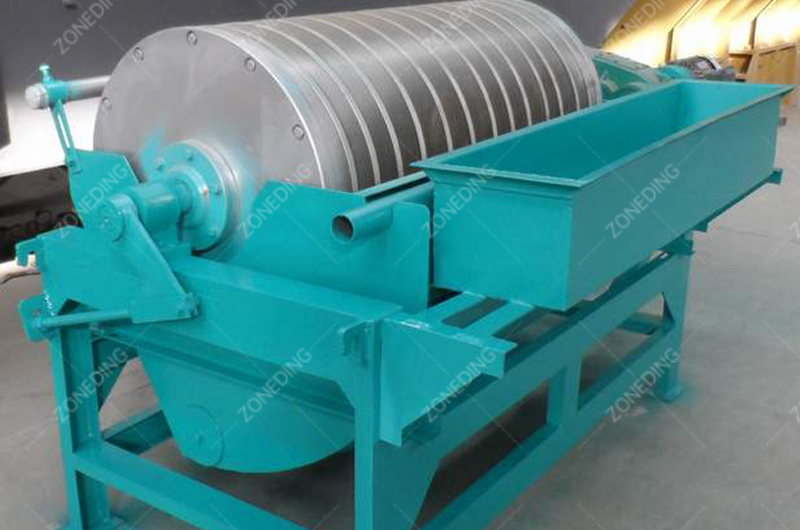
Magnetic Separator
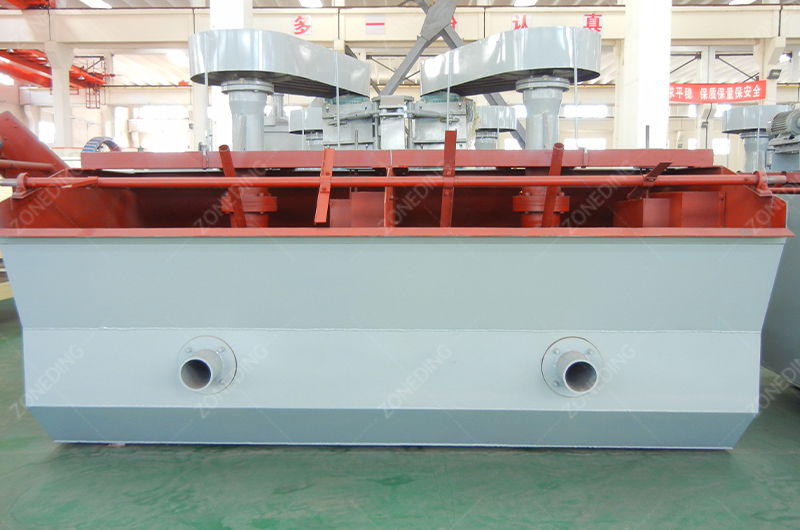
Flotation Machine
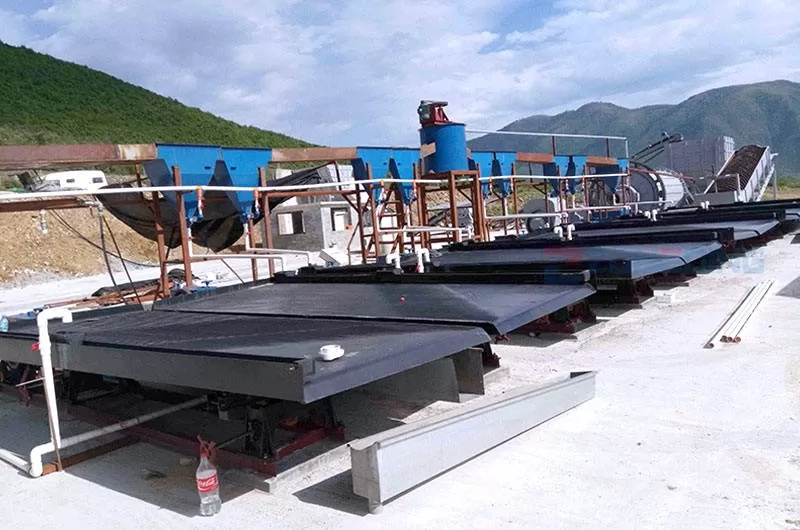
Shaking Tables
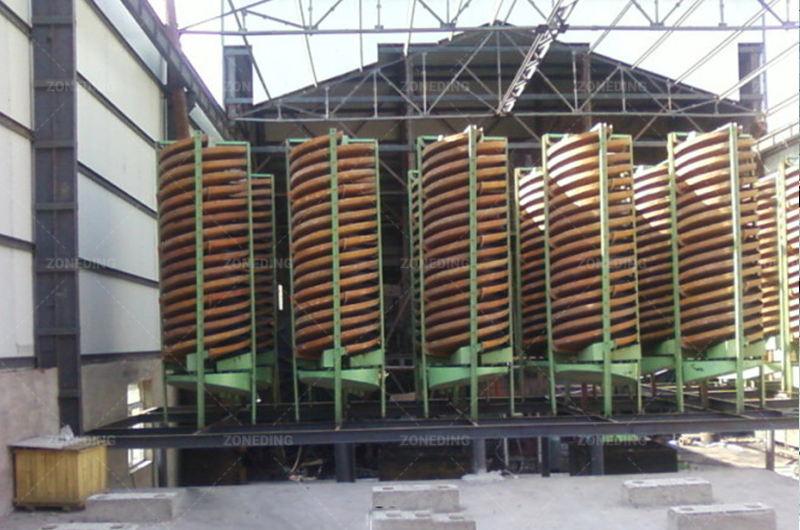
Spiral Chutes
High-intensity magnetic separators remove weak magnetic impurities like iron. Flotation machines remove non-magnetic ones, such as feldspar and mica. These are essential beneficiation equipment for high-purity quartz sand production.
This is where the true purity journey begins. This stage is core to refining quartz sand. Equipment selection and process design directly determine final product purity. For high-purity quartz sand, wet high-intensity magnetic separators (WHIMS) are insisted upon. The magnetic field strength must be at least 10,000 Gauss. Dry magnetic separation is much less effective. This is especially true for micro-fine particles. Multi-stage series magnetic separation significantly improves iron removal. Many clients mistakenly believe ordinary magnetic separators are enough. This leads to product iron content exceeding standards. For “film iron” removal, magnetic separation alone is not enough. It needs scrubbing and acid leaching too.
Flotation for Non-Magnetic Impurities
Flotation machines remove non-magnetic impurities. These include feldspar, mica, and other heavy minerals. They are difficult to remove by magnetic separation. Quartz sand flotation typically uses forward flotation (floating feldspar, mica) or reverse flotation (floating iron minerals, heavy minerals). Selecting the right collectors (e.g., amine collectors for quartz, fatty acids for heavy minerals), frothers, and regulators (e.g., hydrofluoric acid for activating feldspar) is crucial for success. Flotation is vital for high-purity quartz sand. It removes feldspar and mica. No other physical method matches its effectiveness. Flotation process design is complex. It needs fine-tuning based on raw ore composition. It also needs target product requirements.
Gravity Separation for Specific Cases
When raw ore has many heavy minerals, shaking tables or spiral chutes can be used. These remove minerals like zircon, rutile, and monazite. Gravity separation is not as widely used as magnetic separation and flotation. But it is an effective pre-selection method. It reduces the load on subsequent refining. This improves overall economics for certain deposits. Gravity separation uses mineral density differences. Equipment is simple. Operating costs are low. Environmental pollution is minimal.
Acid Leaching for Ultra-High Purity
Acid leaching equipment is the final step for ultra-high purity quartz sand. It removes trace iron, aluminum, and titanium. These are difficult to remove by physical methods. This includes stubborn film impurities inside or on the surface of quartz crystals. Acid leaching is the ultimate means to achieve extreme purity. But it is high-cost. Environmental requirements are strict. Safety risks are significant. Immersion temperature, acid type (sulfuric, hydrochloric, hydrofluoric acid mixtures are common), acid concentration, and immersion time are critical parameters. Many companies shy away due to environmental pressures and high costs. But for electronic and photovoltaic grade quartz sand, acid leaching is indispensable. Before investing in acid leaching, detailed economic and environmental assessments are crucial. Strict adherence to local environmental regulations is also a must. Wastewater treatment after acid washing is the most costly and technically challenging part.
Dewatering and Drying Stages: How to Select High-Efficiency Quartz Sand Dewatering and Drying Equipment?
Refined quartz sand is wet. It needs to be dry for storage and transport. What equipment ensures efficient dewatering and drying?
Dewatering screens or filter presses perform initial dewatering. Then, rotary dryers or fluidized bed dryers dry the sand further. This reaches the required moisture content. Efficient dewatering reduces drying energy costs significantly.
Dewatering screen
Rotary Dryer
Effective dewatering is prioritized. It significantly reduces energy consumption for subsequent drying. This is especially true in areas with high energy costs. Drying costs are a major operating expense for quartz sand production lines. The efficiency of the dewatering stage directly impacts overall costs. Dewatering screens are good for preliminary dewatering. Filter presses work well for fine-grained materials. They reduce moisture content to very low levels.
Selecting the Right Dryer
The choice of dryer depends on particle size, output, and required moisture content. Fluidized bed dryers are efficient. They suit fine-grained materials. Rotary dryers are better for high output and coarser materials. The thermal efficiency of the dryer is key. Fuel selection (natural gas, coal, biomass) also directly impacts operating costs and environmental emissions. Drying equipment can handle various materials. This includes sand, sludge, and ore powder.
Conveying and Storage Stages: What Auxiliary Equipment Ensures Smooth Operation of a Quartz Sand Production Line?
Main equipment is in place. But material movement is critical. What auxiliary equipment ensures seamless flow and storage in a production line?
Various conveyors transport quartz sand. This ensures continuous material flow. Storage hoppers hold raw, intermediate, and finished products. These regulate material supply and demand.
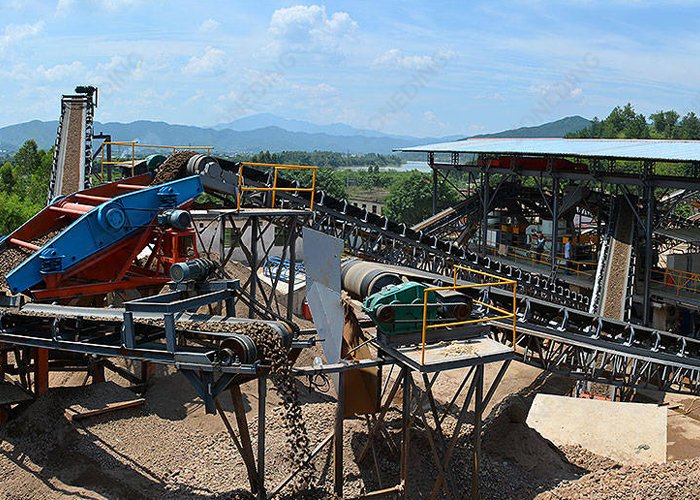
A smooth production line needs efficient material handling. This means reliable auxiliary equipment. Conveyors are essential. They move material continuously. Belt conveyors and screw conveyors are common. The material and width of conveyor belts must match. This depends on material abrasiveness, particle size, and conveying capacity. Regular checks for belt deviation and idler wear are important. Storage hoppers and silos are also vital. They store raw ore, intermediate products, and final products. They provide buffer capacity. They help regulate supply.
Essential Support Systems
Pumps and piping systems transport slurry and clean water. They ensure water circulation and smooth process flow. For abrasive quartz sand slurry, wear-resistant slurry pumps are recommended. Regular checks of impellers and pump casings are crucial. Pipe bends need special design or rubber lining. An automation control system monitors, controls, and optimizes the entire production line. This includes sensors, PLCs, and DCS systems. High automation reduces labor costs. More importantly, it precisely controls process parameters. This includes grinding concentration, flotation reagent dosage, and magnetic separation current. It ensures stable product quality. It identifies potential problems promptly. It is key to improving production efficiency and product consistency.
How to Optimize Quartz Sand Processing Equipment Configuration Based on Quartz Ore Characteristics and Product Requirements?
A quartz deposit is unique. Product needs are specific. How can equipment be tailored to achieve optimal results?
Optimizing equipment needs detailed ore analysis. This includes mineralogy and impurity content. Then, a customized process flow is designed. It integrates crushers, mills, washers, separators, and dryers. This meets specific product quality and capacity goals.
Fifty years of experience show something. A successful high-purity quartz sand project is not just about stacking equipment. It is about comprehensive raw ore analysis. It is about precise process flow design. It is about accurate selection of key equipment. It also involves effective integration of automation and environmental measures. Conducting detailed mineralogical studies and pilot tests early on is the “golden rule.” It avoids huge investment risks. It ensures project success. Remember, in mining machinery, the most expensive mistakes often happen at the very beginning of project decisions.
Conclusion
Building an efficient quartz sand production line requires careful planning and the right equipment. By understanding each process step and choosing optimized machinery, high-quality output and profitability are ensured.
Designing an is fundamentally different from designing an aggregate plant. Iron ore has a very high specific gravity, often between 4.5 and 5.2, and extreme abrasiveness. If you use standard design formulas for limestone, your structures might col...
A rock quarry can be very profitable if you control production costs, transportation distance, and equipment efficiency. In many regions, aggregate demand keeps growing because of roads, housing, and infrastructure projects. But quarry profit does...
Optimizing the gold ore dressing process is the most direct way to increase profit in a mine. A high gold recovery rate depends on how well the equipment works together. Many plants lose gold because the flow is not right. I ha...
One of the first questions buyers ask before purchasing a cone crusher is: How many tons per hour can a cone crusher produce? The answer is not as simple as reading a specification sheet. Many operators discover that actual production differs sign...
We use cookies to ensure that we give you the best experience on our website. If you continue to use this site we will assume that you are happy with it.
Privacy Policy
Send us a message
We would love to hear from you
Submit your question and our team will respond to the email provided as soon as possible.
 Zoneding Machine