You are standing at a crossroads. The decision between a dry sand making and a wet sand making process is one of the most significant you will make for your project investment. This choice will impact your initial budget, long-term operating costs, product quality, and your ability to meet environmental regulations.
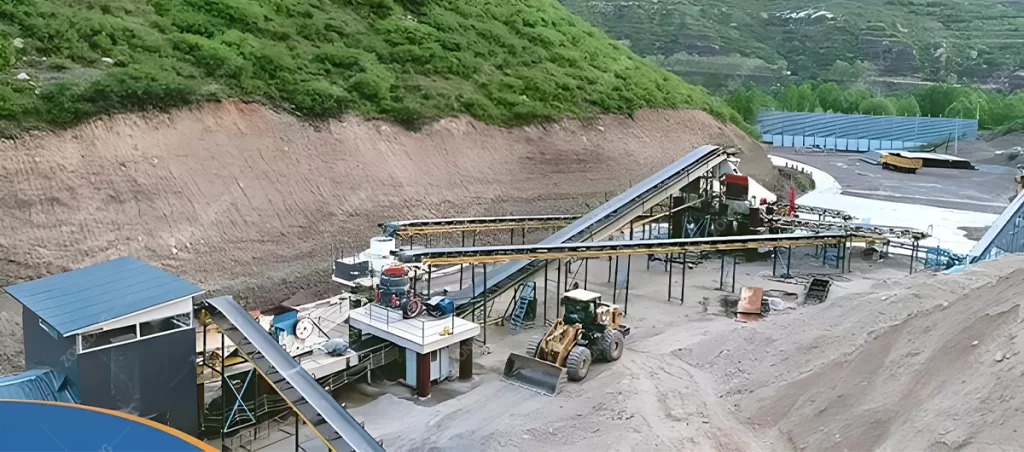
Dry Sand Making
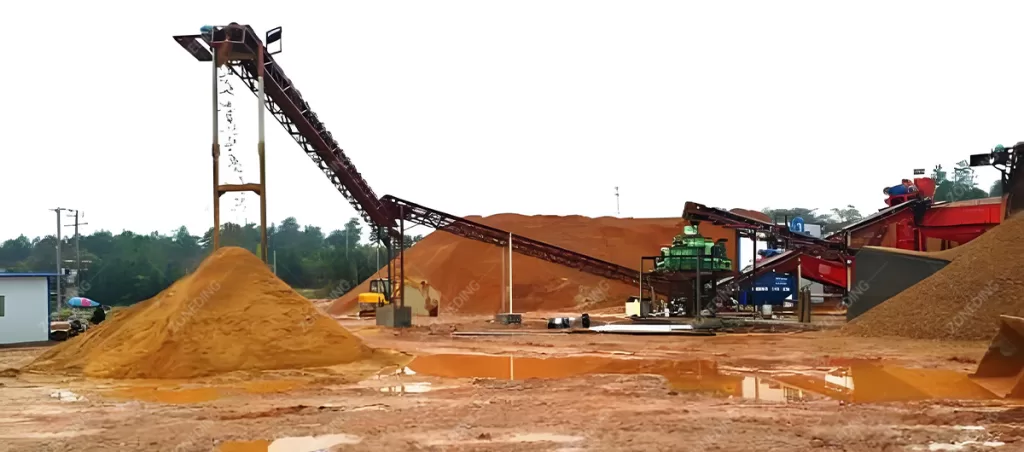
Wet Sand Making
The choice between a dry and wet sand making process is not a simple “pro and con” list. It is a strategic decision based on your site’s water resources, local environmental laws, raw material characteristics, and your goal to produce either a basic commodity or a high-spec engineered product.
I have seen producers make fortunes and I have seen them create massive liabilities based on this single decision. This is not just about equipment; it is about choosing the entire manufacturing philosophy for your business. Let’s break down the critical questions you need to answer to make the right choice.
Before comparing, must I first assess my project’s water resources and environmental policies?
Yes, absolutely. These two factors are non-negotiable and can make the decision for you before you even look at a single machine.
Your site’s water availability and local environmental regulations are the most critical starting points. Water scarcity or strict dust emission standards can immediately rule out one process, making these your primary decision filters.
These are the immovable constraints that your entire project must be built around.
The Two Go/No-Go Factors
Water Resources: This is the most straightforward question. Do you have access to a sufficient, reliable, and affordable source of water? If you are in an arid region, a water-scarce area, or a place where water usage is heavily taxed or regulated, the high consumption of a wet process can make it economically unviable from day one. In cold climates, a wet plant can also be shut down for months due to freezing.
Environmental Approval: What are the local rules? Some regions are extremely sensitive to airborne dust, which would require a significant investment in a high-efficiency dust collector for a dry plant. Other regions are more concerned with water pollution and the management of slurry and tailings ponds, making the environmental approval for a wet plant’s large settling ponds difficult or impossible to obtain. Your local environmental agency’s priorities are a major guide.
From an initial investment view, how different are the equipment and costs of dry vs. wet lines?
This is where many people get a false sense of security. The initial price tags of the main machines do not tell the whole story.
A wet manufactured sand production line may seem cheaper in terms of core machinery, but it requires massive investment in water management systems and civil works for ponds. A dry line has a higher initial equipment cost due to the air classification and dust collection systems.
You must compare the total installed cost, not just the equipment list.
Massive Cost: Large concrete settling ponds, dam construction, land clearing for ponds.
Lower Cost: Concrete foundations for equipment and silos.
The hidden killer in the wet process CAPEX is the earthmoving and concrete work for the ponds, which often costs more than the washing equipment itself.
Which process produces sand with better gradation and more controllable stone powder content?
This is the most important question for product quality and profitability. Are you making a simple product or an engineered material?
The dry process offers far superior control over gradation and stone powder content. The air classifier acts as a precision tool to create an engineered sand, while the wet process indiscriminately washes away all fines, both good and bad.
The wet process “cleans” sand, but the dry process “designs” it.
The Quality Difference
Wet Sand Making: A sand washer removes silt and clay, but it also washes away the valuable mineral fines (stone powder) below 75 microns. This creates a “gap” in the gradation, resulting in a product that may be clean but requires more cement to produce strong concrete. You solve the mud problem but create a quality problem.
Dry Sand Making: The air classifier is not just a cleaner; it is a finishing tool. By precisely controlling the airflow, you can dial in the exact percentage of stone powder to leave in the final sand. This allows you to produce a perfect gradation curve that meets the tightest specifications for high-performance concrete. You give the commercial concrete plant exactly what they need.
From a long-term operational view, which process has lower costs for water, power, and wear parts?
Your production cost per ton will determine your profitability for years to come.
While a dry process has higher electricity consumption from its large fans, a wet process often has higher overall operating costs. This is due to the continuous expense of water, slurry pump maintenance, and the massive, ongoing cost of managing settling ponds.
Let’s look at the ongoing expenses (OPEX).
OPEX Breakdown
Wet Process Costs:
Water: A constant, significant cost.
Power: High-power pumps for fresh water and for moving abrasive slurry.
Wear Parts: Slurry pumps and pipelines wear out extremely fast and require constant maintenance.
Pond Management: This is a huge hidden cost. It requires machinery to periodically dredge the ponds, and the land is a non-productive asset.
Dry Process Costs:
Power: The main cost is electricity for the large fans in the dust collection and air classification system.
Wear Parts: Primarily the replacement of filter bags in the dust collector every few years.
Water: No cost.
Pond Management: No cost.
Dust pollution and sludge disposal: what are the environmental challenges of each process, and how are they solved?
Each process has its own environmental challenge that must be managed correctly to ensure compliance and avoid shutdowns.
The primary environmental challenge for the dry process is fugitive dust, solved by a high-efficiency dust collector. The wet process’s main challenge is slurry and wastewater management, which requires extensive settling ponds and water treatment systems.
The key difference is that the “waste” from a dry process can be sold, while the waste from a wet process is a liability.
Managing Environmental Impact
Dry Process Solution: The solution to dust is a modern, properly sized baghouse dust collector. This system captures virtually all airborne particles. The crucial point is that this collected “dust” is valuable stone powder. It is not a waste product; it is a second revenue stream that can be sold as mineral filler.
Wet Process Solution: The sludge produced must be pumped to settling ponds. These ponds take up a huge amount of land. The water must be clarified before being reused or discharged, and the settled mud eventually needs to be excavated and disposed of. This entire process is a significant cost center and an environmental liability.
If my raw material has a high clay content, does that mean I can only choose the wet process?
This is a very common and important question. High clay content presents a unique challenge.
Yes, if your raw material has a high percentage of plastic, sticky clay, a wet process is often the only effective way to scrub the aggregates clean. A dry process cannot effectively remove clay that is physically stuck to the surface of the rock.
Clay is the kryptonite of a dry sand making system.
Dealing with Difficult Feed
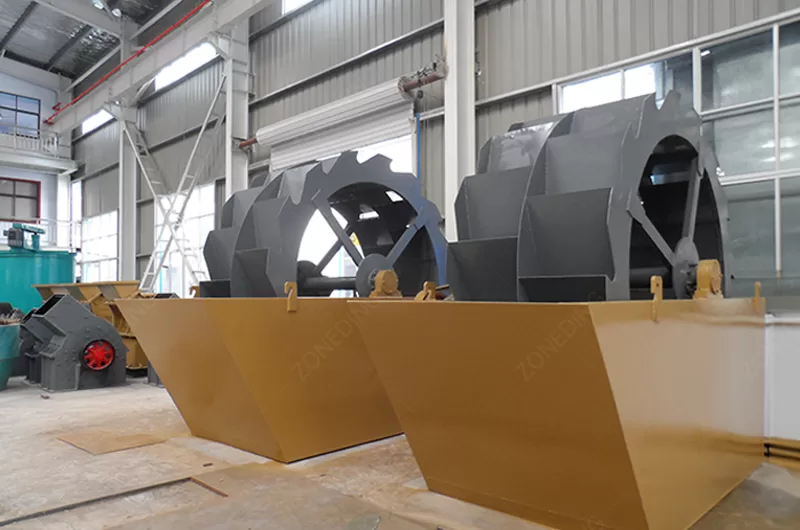
Sand washing machine
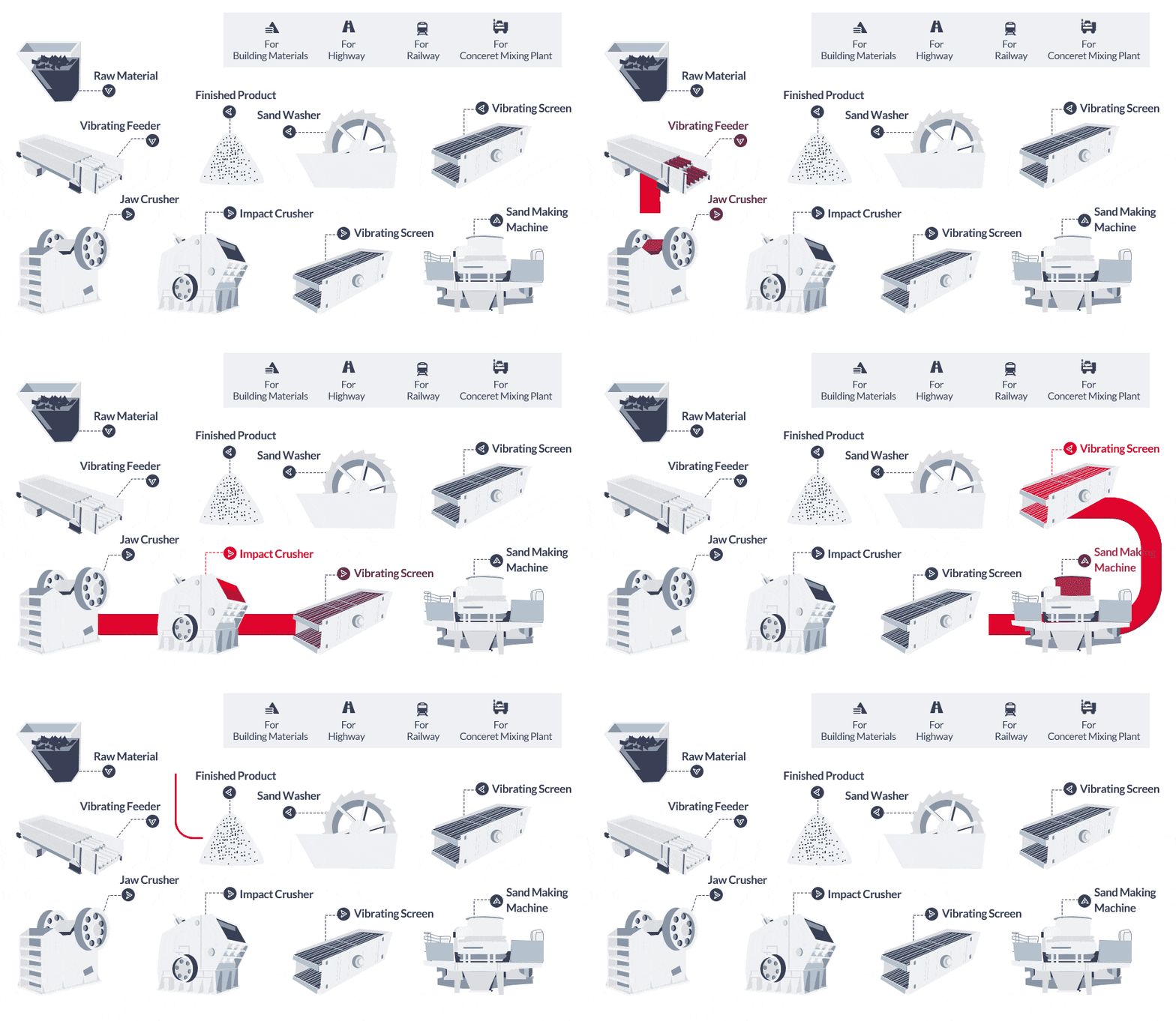
Sand making machine
When Wet is Necessary: If your stone is coated in sticky mud or clay, you need the aggressive scrubbing action of a log washer or a screw sand washer to produce a clean aggregate. In this scenario, a wet process is unavoidable for the initial cleaning stage.
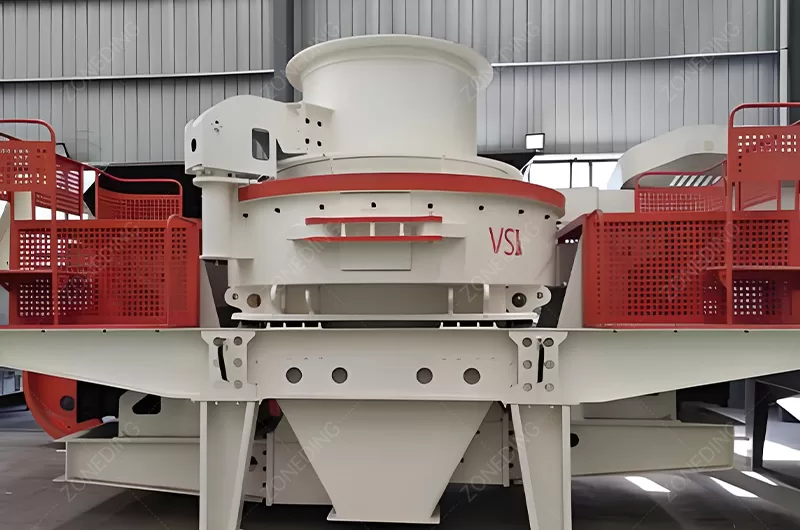
Hybrid Solutions: For some operations, a hybrid process can be the best solution. This involves a wet pre-screening and scrubbing stage to remove the clay and mud. The cleaned aggregate is then dewatered and fed into a dry VSI sand making machine and air classification system to produce high-quality, engineered sand. This gives you the cleaning power of the wet process and the finishing precision of the dry process.
Is there a clear checklist to help me make a quick decision based on my situation?
Yes. Answering these questions will point you toward the most logical and profitable solution for your specific project.
This table provides a clear decision-making framework. Evaluate your project against these factors to determine whether a dry or wet sand making process is the more strategic choice for your business.
Use this as your guide.
Final Decision Checklist
Factor
Choose WET Sand Making If…
Choose DRY Sand Making If…
Water
You have abundant, cheap, and reliable water.
Water is scarce, expensive, or unreliable.
Climate
Your region is warm year-round.
Your region experiences freezing temperatures.
Raw Material
Your feed has high plastic clay content.
Your feed is relatively clean with low clay.
Product Goal
You aim to produce a basic, clean commodity sand.
You aim to produce a premium, engineered sand.
Fines (0-75μm)
You consider fine powder a waste product.
You want to sell fine powder as a valuable co-product.
Land Area
You have a large area available for settling ponds.
Your site has a limited footprint.
Environmental Focus
The main concern is dust control.
The main concern is water conservation and slurry.
Investment Profile
You prioritize the lowest possible initial equipment cost.
You prioritize a higher long-term ROI and lower OPEX.
Conclusion
The choice is not simply “wet vs. dry.” It is a choice between a basic washing operation and a sophisticated manufacturing plant. For producers focused on the future, creating high-value, engineered products with minimal environmental liability, the dry sand making process is the clear path forward.
Jaw crusher prices can vary from a few thousand dollars to more than one million dollars depending on capacity, feed size, mobility, automation, and material hardness. In real quarry and mining projects, the cheapest machine is often not the most ...
One of the first questions buyers ask before purchasing a cone crusher is: How many tons per hour can a cone crusher produce? The answer is not as simple as reading a specification sheet. Many operators discover that actual production differs sign...
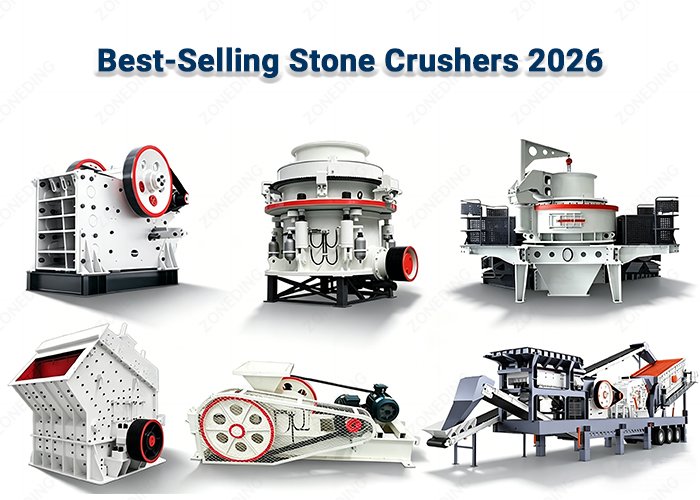
As an expert with decades in the mineral processing industry, I have seen "best-sellers" change many times. In the past, it was all about raw power. In the 2000s, it was about high throughput. But in 2026, the "best-selling" machines are different...
When a client asks about the , they usually expect a simple price for tanks, pumps, and conveyors. However, the equipment quote is only the tip of the iceberg. In my experience, the equipment represents only 30% to 40% of the total investment. The...
We use cookies to ensure that we give you the best experience on our website. If you continue to use this site we will assume that you are happy with it.
Privacy Policy
Send us a message
We would love to hear from you
Submit your question and our team will respond to the email provided as soon as possible.
 Zoneding Machine