 Zoneding Machine












Overflow vs Grate Ball Mill: Which Should You Choose?
541Compare overflow and grate ball mills by discharge design, throughput, product size, energy use, maintenance, and grinding applications.
View detailsSearch the whole station Crushing Equipment
Hard rock crushing presents significant operational challenges. It demands efficient and cost-effective solutions. Traditional crushing methods often struggle with energy consumption and wear. Modern offers better alternatives. High-Pressure Grinding Rolls (HPGR) stand out as a premier technology. This equipment provides superior crushing efficiency improvement and energy savings. Understanding HPGR’s benefits helps operators optimize hard rock processing.
The crushing of hard rock is a fundamental process. It is vital in both mining and aggregate production. This process reduces large rocks into smaller, manageable sizes. However, it comes with several persistent challenges. These issues impact operational costs, efficiency, and environmental footprint. Addressing these challenges requires advanced technological solutions and strategic planning.
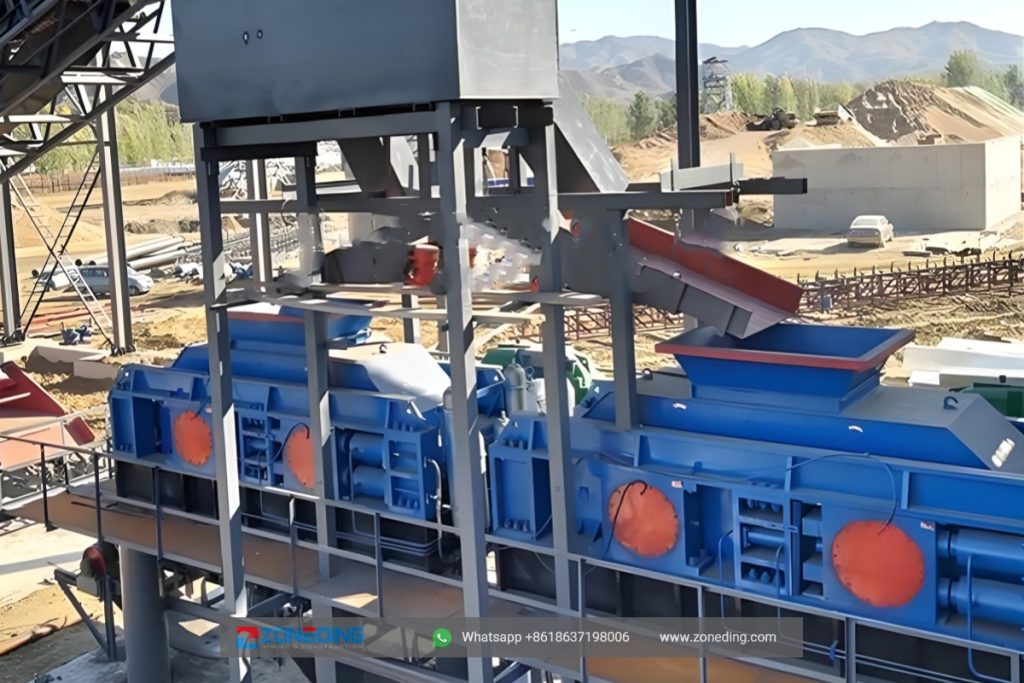
Crushing very hard materials demands substantial energy. Traditional crushers, like jaw and cone crushers, consume significant power. This leads to high electricity bills. The abrasive nature of hard rocks causes rapid wear on crushing components. This includes jaw plates, mantle, and concave liners. Frequent replacement of these wear parts increases maintenance costs. It also causes downtime. Additionally, traditional methods sometimes produce an undesirable product shape. For example, flaky or elongated particles are not ideal for aggregates. These shapes can affect concrete strength. Managing the dust and noise generated during crushing is another concern. Strict environmental regulations require careful control. These factors combine to make hard rock crushing a complex operation. Continuous innovation is essential for overcoming these hurdles.
Wear part consumption is a critical factor in hard rock crushing. High wear rates mean frequent replacements. This directly increases mining operation cost. Hard, abrasive rocks cause accelerated wear on crushing chamber components. This includes liners, plates, and grinding media. Each replacement cycle involves material costs. It also includes labor costs for installation. Furthermore, unscheduled downtime for part replacement reduces productivity. It disrupts the entire production chain. Optimizing wear part lifespan is therefore crucial. It maintains operational efficiency. It also controls overall expenditure. Innovative solutions, like advanced materials and optimized crushing technologies, help mitigate this impact.
Energy consumption is a major concern in hard rock crushing. Crushing and grinding processes are energy-intensive. This is especially true for hard ores and aggregates. The cost of electricity forms a significant portion of operating expenses. Rising energy prices further pressure margins. Reducing energy consumption is thus a priority. It impacts profitability directly. It also aligns with global sustainability goals. Energy-saving crushing technologies are actively sought. These help plants remain competitive. They also reduce their environmental footprint. Improving crushing efficiency improvement through new methods is key.
High-Pressure Grinding Rolls (HPGR) represent a significant advance. It moves beyond conventional crushing techniques. Its operating principle differs fundamentally. This leads to unique advantages. HPGR technology has redefined how hard and abrasive materials are processed. It offers a more efficient and effective size reduction method.
HPGR technology uses inter-particle comminution. This is also called inter-particle crushing. Material passes through two counter-rotating rollers. These rollers apply extreme pressure. Particles are crushed against each other within a compressed bed. This action differs from traditional crushers. Traditional crushers use impact or compression between machine parts and rock. The layer crushing within HPGR creates micro-cracks inside mineral particles. This significantly enhances subsequent grinding. It reduces the energy needed for further size reduction. This method produces a product with a more uniform particle size distribution. It also reduces fine content. This is a key differentiator in crushing technology innovation.
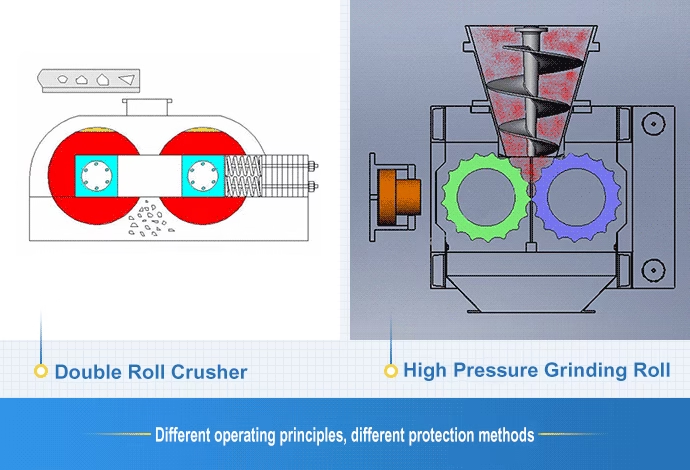
HPGR’s true value extends beyond simple size reduction. It generates extensive micro-cracks within mineral particles. These micro-cracks are invisible to the naked eye. Under immense pressure, ore particles are forced into a compact bed. They experience high shear and compressive stresses. This layer crushing causes selective breakage along grain boundaries. It also exploits internal flaws. This process creates many new, tiny cracks. These micro-cracks significantly reduce the rock’s hardness. This improves its grindability in downstream processes. It exposes more valuable mineral surfaces. This makes chemical reagents more accessible during flotation or leaching. HPGR acts as a key step in mineral surface activation and structural optimization. This leads to improved recovery rates.
Traditional crushers, such as jaw, cone, and impact crushers, rely on direct force. They use impact or compression. Jaw crushers apply force between a fixed and a moving plate. Cone crushers use a gyrating mantle within a concave. Impact crushers use high-speed hammers or rotors. These methods primarily cause brittle fracture. This creates particles of varied shapes and sizes. HPGR, in contrast, applies high pressure to a bed of particles. This promotes particle-on-particle breakage. This leads to a more uniform product. HPGR typically uses less energy per ton. It also generates fewer ultra-fine particles. This distinguishes its performance in hard rock crushing applications.
| Feature | Traditional Crushers (Jaw, Cone, Impact) | High-Pressure Grinding Rolls (HPGR) | Significance for Operations |
|---|---|---|---|
| Crushing Mechanism | Impact, direct compression between surfaces | Inter-particle crushing, extreme pressure | Less wear, more efficient size reduction |
| Energy Consumption | High, especially for fine grinding | Lower specific energy consumption | Reduced operating costs |
| Product Particle Shape | Often irregular, can be flaky | More uniform, cubic, fewer fines | Better aggregate quality, enhanced downstream processing |
| Wear Parts Lifespan | Moderate to high wear | Longer roller wear life | Lower maintenance, less downtime |
| Micro-cracks Generation | Limited | Extensive internal micro-cracks | Improved grindability, better mineral liberation |
HPGR technology delivers significant advantages. These include high efficiency, substantial energy savings, and improved overall economics. These benefits stem from its unique crushing mechanism. Its design principles optimize particle size reduction. This makes HPGR a preferred choice for modern mineral processing equipment.
HPGR operates on the principle of inter-particle crushing. Ore particles are compressed between two rollers. They are also compressed against each other. This inter-particle crushing is more efficient than direct impact. It reduces energy waste. It creates more micro-cracks. These cracks weaken the ore. This makes it easier to grind further. The resulting product is more uniform. It has fewer undesirable fine particles. This reduces the load on downstream grinding equipment. It leads to lower power consumption in the entire comminution circuit. HPGR also has a longer lifespan for its wear parts. This directly translates into reduced maintenance costs and less downtime. These combined factors contribute to substantial mining operation cost savings.
Energy consumption is a major concern for crushing operations. HPGR offers significant improvements here. Its unique comminution mechanism reduces specific energy consumption. Compared to traditional ball mills or SAG mills, HPGR can achieve energy savings of 20% to 40%. This is due to its efficient utilization of applied force. It converts kinetic energy into breaking energy more effectively. The creation of micro-cracks also plays a role. It prepares the material for subsequent grinding. This makes the later stages less energy-intensive. These savings translate directly to lower electricity bills. They improve the overall profitability of a mining or aggregate plant.
The economic benefits of HPGR extend beyond energy savings. A reduced wear part consumption is a major factor. The rollers typically have a longer lifespan compared to conventional crusher liners. This cuts down on replacement costs. It also reduces maintenance labor. The improved grindability of HPGR-treated material impacts downstream processes. It can increase throughput in ball mills. It may even allow for smaller, less expensive grinding mills. This reduces capital expenditure. The production of a more favorable product particle shape optimization also adds value. It makes aggregates more desirable. This can command better market prices. These combined factors lead to a lower total cost of ownership. It boosts the long-term economic viability of the operation.
HPGR technology excels in specific applications. These are characterized by hard, abrasive materials. It performs well where energy efficiency and product quality are paramount. Its unique capabilities provide distinct benefits. These benefits are not easily matched by traditional crushing equipment.

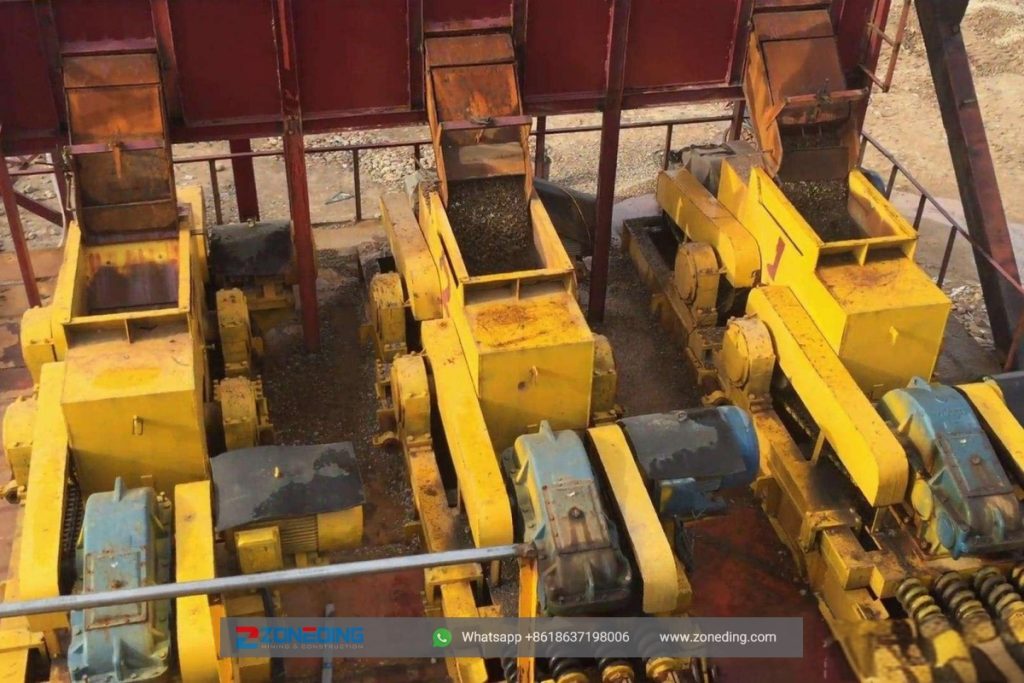
HPGR shows significant advantages in several key areas. These include ore pre-grinding in mining. It also benefits the aggregate production line. Cement raw material preparation is another strong application. In mining, HPGR effectively pre-treats hard ores. This includes iron ore, copper ore, and gold ore. It generates micro-cracks. This improves the performance of subsequent ball mills. It can even reduce or replace SAG mill usage. For aggregates, HPGR produces a cubical product. This is ideal for high-quality construction materials. In cement, it prepares raw meal. This improves grinding efficiency for the clinker. These applications highlight HPGR’s versatility. They also show its ability to deliver superior results.
HPGR is a game-changer for ore pre-grinding applications. It excels in pre-concentration/pre-treatment in mineral processing. By introducing micro-cracks, HPGR weakens the ore structure. This significantly reduces the energy required for final comminution. It can replace energy-intensive SAG mills in many circuits. This results in substantial savings. It reduces total power consumption by 20-40%. It also lowers grinding media (steel ball) consumption by 30-50%. The HPGR-ball mill circuit is becoming a preferred option. It replaces traditional SAG-ball mill circuits. This leads to reduced equipment footprint. It also lowers civil construction costs. It increases the throughput of existing ball mills.
In the aggregate production line, HPGR helps produce high-quality products. It generates a more cubical particle shape. This is preferred for concrete and asphalt mixes. Cubical particles improve aggregate packing density. They enhance workability. They also increase the strength of the final product. Traditional crushers often produce flaky or elongated particles. These shapes are less desirable. They can negatively impact material performance. HPGR contributes to product particle shape optimization. This ensures a superior end product. This helps aggregate producers meet stringent quality standards. It also improves market competitiveness.
Deploying HPGR technology requires careful planning. It involves evaluating specific site conditions. It also needs understanding material characteristics. This ensures optimal performance. Overlooking key factors can lead to operational issues. It can also reduce expected benefits.
Several critical factors must be considered. First, material characteristics are paramount. This includes hardness, abrasiveness, and moisture content. HPGR can be sensitive to wet, sticky materials. These materials can cause roller surface build-up. An analysis of the ore’s clay content and particle size distribution is vital. This determines suitability. Second, an effective feed system design is crucial. It ensures uniform material distribution across the roller width. Uneven feeding leads to localized wear. It also reduces crushing efficiency. Third, wear part consumption and maintenance planning are important. While HPGR typically has lower overall wear, roller surface maintenance is specialized. Fourth, vibration management is necessary. HPGR generates significant low-frequency vibrations. Strong foundations and vibration isolation are essential. This protects plant structures and nearby equipment.
Roller surface wear is a primary concern. It affects operational costs and stability. The main cause of wear is often inconsistent feeding. Uneven material distribution creates concentrated wear spots. This forms grooves on the roller surface. Grooves lead to inefficient crushing. They also increase equipment vibration. Precision in the feed system design is critical. It must ensure the material is spread evenly across the entire roller width. Regular monitoring of roller surface condition is also vital. This includes using wear detection systems. Timely maintenance, such as hard-facing repairs, extends roller life. Advanced roller surface materials and welding techniques significantly improve durability.
HPGR can be sensitive to wet and sticky materials. High clay content with specific moisture levels (typically 5% to 12%) can cause issues. Clay becomes viscous. It forms “mud cakes” on roller surfaces. This blocks the gap. It can even stop the machine. This is not just about moisture content. It is about the clay content and particle size. If fine particles are abundant and sticky, even low total moisture can cause severe blockages. Solutions include precise moisture control before HPGR. Pre-drying or homogenization of material is effective. Special roller surface designs, like those with teeth or grooves, improve material grip. They also offer self-cleaning effects. Bypass chutes and washing systems are also crucial. They quickly divert material or clean rollers.
Investing in HPGR technology brings substantial long-term value. It enhances market competitiveness. These benefits go beyond immediate operational savings. They impact the entire life cycle of a mining or aggregate project. HPGR positions businesses for sustainable growth. It supports modern industry demands.
HPGR’s long-term value lies in its ability to drive efficiency. It also promotes sustainability. The significant energy savings reduce operating costs over years. This makes operations more resilient to fluctuating energy prices. The improved product particle shape optimization enhances material quality. This secures a competitive edge in markets. HPGR’s role in ore pre-grinding often allows for smaller downstream mills. This reduces capital expenditure. It frees up investment for other areas. Moreover, HPGR supports sustainable development in mining. Its lower energy consumption and reduced grinding media needs lessen the environmental impact. This aligns with stricter regulations. It also improves the public perception of mining operations. These factors collectively boost market competitiveness. They ensure long-term viability for resource processing businesses.
HPGR plays a crucial role in sustainable development in mining. Its high energy efficiency directly reduces carbon emissions. It consumes less electricity than conventional grinding mills. This lessens the environmental footprint of comminution processes. The reduced wear part consumption means less steel is used and disposed of. This contributes to resource conservation. The technology also allows for better utilization of valuable minerals. It prepares them for more efficient extraction. This minimizes waste generation. By adopting HPGR, mining operations can meet stricter environmental standards. They can also enhance their commitment to responsible resource management.
Market competitiveness is vital for business growth. HPGR technology helps achieve this in several ways. The lower mining operation cost (due to energy and wear part savings) improves profit margins. This allows for more competitive pricing. The superior product particle shape optimization creates higher-value products. For aggregates, this means better quality and market demand. For mining, it means higher recovery rates. This also leads to better concentrate grades. This leads to increased revenue. These combined advantages enhance a company’s position in the market. They attract more clients. They secure long-term contracts. This strategic adoption of HPGR leads to sustainable business expansion.
Question 1: What is the main advantage of HPGR over traditional crushers?
The main advantage of HPGR is its energy-saving crushing capability. It uses inter-particle crushing to reduce energy consumption significantly. It also produces micro-cracks.
Question 2: Can HPGR replace SAG mills in a mining circuit?
HPGR can often replace or significantly reduce the size of SAG mills. It acts as an efficient ore pre-grinding stage. This helps lower both capital and operating costs for the entire grinding circuit.
Question 3: How does HPGR improve product quality for aggregates?
HPGR helps improve product quality by creating a more cubical and uniform particle shape. This is ideal for construction applications. It enhances properties like concrete strength and workability.
Question 4: What is the typical lifespan of HPGR roller wear parts?
HPGR roller wear part lifespan varies. It depends on material abrasiveness and operational practices. However, they generally have a longer life than traditional crusher liners. This results in reduced wear part consumption and lower maintenance.
Question 5: Is HPGR suitable for all types of hard rock?
HPGR is highly suitable for most hard and abrasive rocks. However, careful consideration of moisture content and clay content is needed. Wet, sticky materials may require pre-treatment. This prevents operational issues.
High-pressure grinding rolls technology offers a robust solution. It addresses the challenges of hard rock crushing. Its unique inter-particle crushing mechanism leads to significant crushing efficiency improvement. It also provides substantial energy-saving crushing. These benefits directly reduce mining operation cost and enhance profitability.
Implementing HPGR brings long-term value. It includes improved product quality. It also promotes sustainable development in mining. Critical considerations for deployment include material properties. It also involves feed system design, wear management, and vibration control. Careful planning ensures successful integration. It maximizes the benefits of this advanced mineral processing equipment.
ZONEDING MACHINE is a leading Chinese mineral processing equipment manufacturer. It specializes in B2B solutions. ZONEDING has provided reliable equipment since 2004. The factory covers 8,000 square meters. It produces over 500 units annually. The product range is comprehensive. It covers crushing, grinding, beneficiation, screening, and drying. ZONEDING offers full-service support. This includes design, manufacturing, installation, training, and after-sales service. Products export to over 120 countries. ZONEDING commits to delivering high-quality, customized, and efficient solutions. These help operations achieve their goals.
Contact ZONEDING today to discuss hard rock crushing solutions.
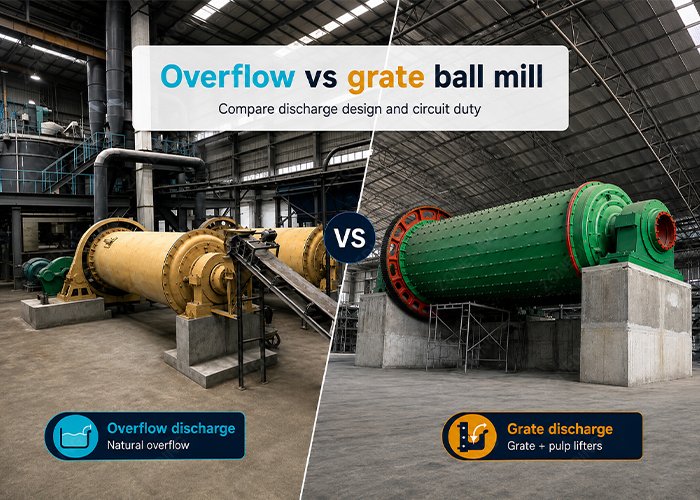
Compare overflow and grate ball mills by discharge design, throughput, product size, energy use, maintenance, and grinding applications.
View details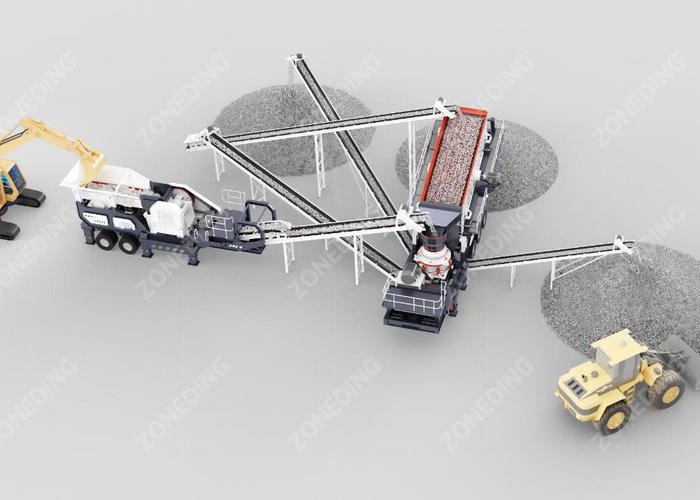
In a large-scale mining project, selecting a is not just about comparing tonnage. While mobility reduces material handling costs, the compact nature of these machines introduces risks in stability, maintenance, and product quality. Success require...
View details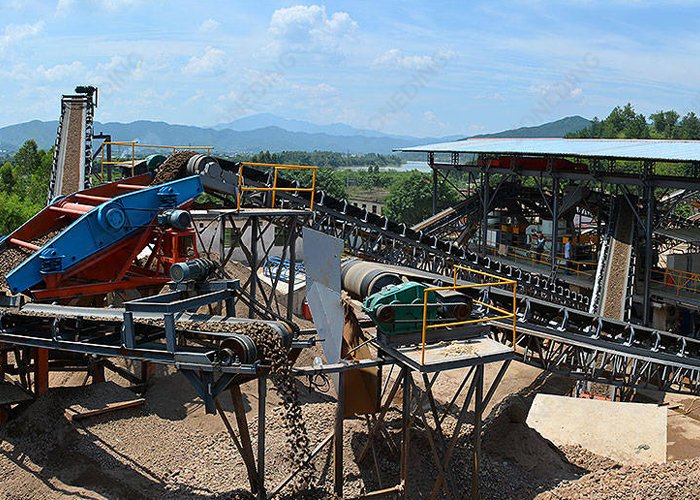
A rock quarry can be very profitable if you control production costs, transportation distance, and equipment efficiency. In many regions, aggregate demand keeps growing because of roads, housing, and infrastructure projects. But quarry profit does...
View details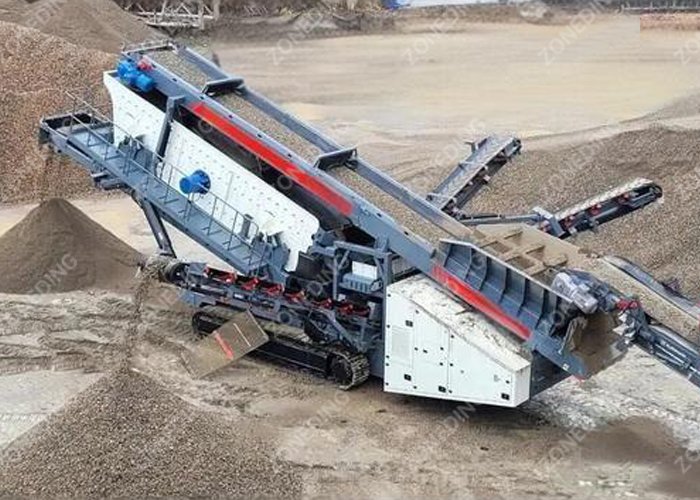
Many mobile screening plants fail to reach their real production potential because of poor feeding, screen blockage, unstable material flow, and incorrect equipment setup. In most quarry and recycling operations, improving screening efficiency doe...
View details