 Zoneding Machine












Brazil Stone Crusher Plant for Quarry and Aggregate Projects
536Brazil stone crusher plant solutions for granite, basalt, limestone, and river stone. Compare 50–500 TPH circuits, plant types, and site needs.
View detailsSearch the whole station Crushing Equipment
A successful Lead-zinc ore processing solution requires a custom-designed flowsheet based on detailed metallurgical testing. The core of this is multi-stage crushing, closed-circuit grinding, and a precise, two-stage differential flotation process to separate the lead and zinc.
This guide is for investors and operators who need to understand the realities of designing a lead-zinc processing line. We will walk through the entire process, from crushing to the final product, highlighting the critical decisions that impact your bottom line.
Unlike simple ores, lead (from the mineral galena) and zinc (from sphalerite) are almost always found intimately mixed together. The goal of lead-zinc ore processing is not just to separate these valuable minerals from the worthless rock (gangue), but to precisely separate them from each other.
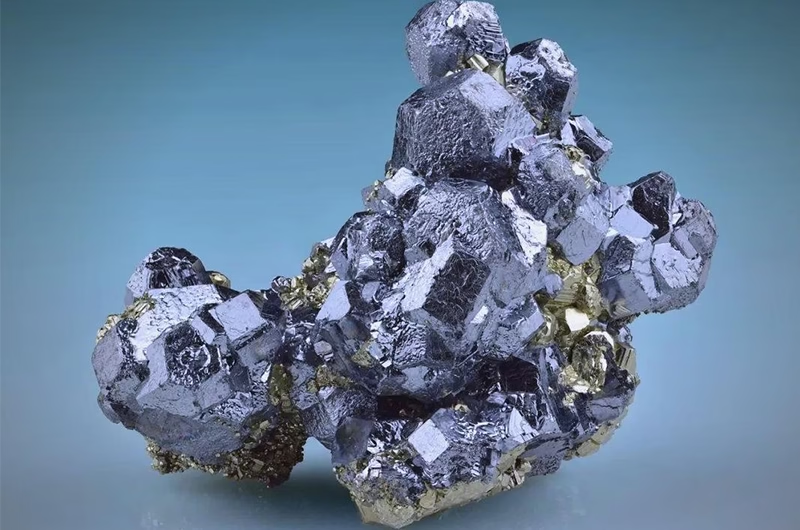
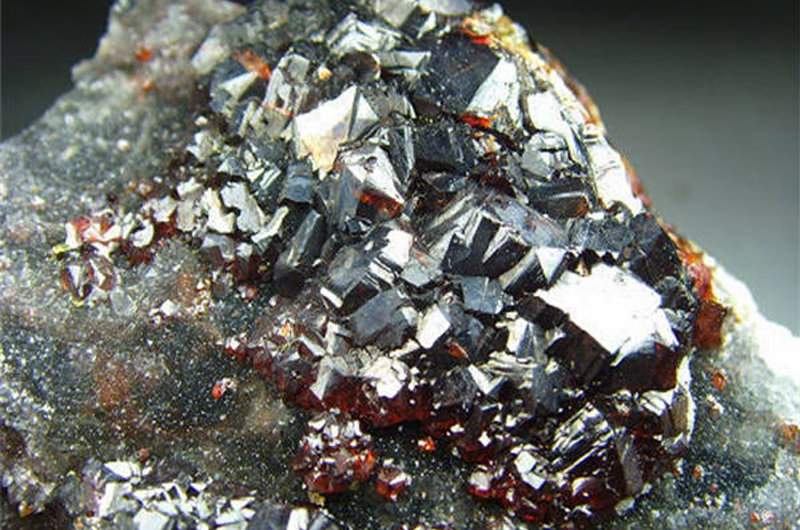
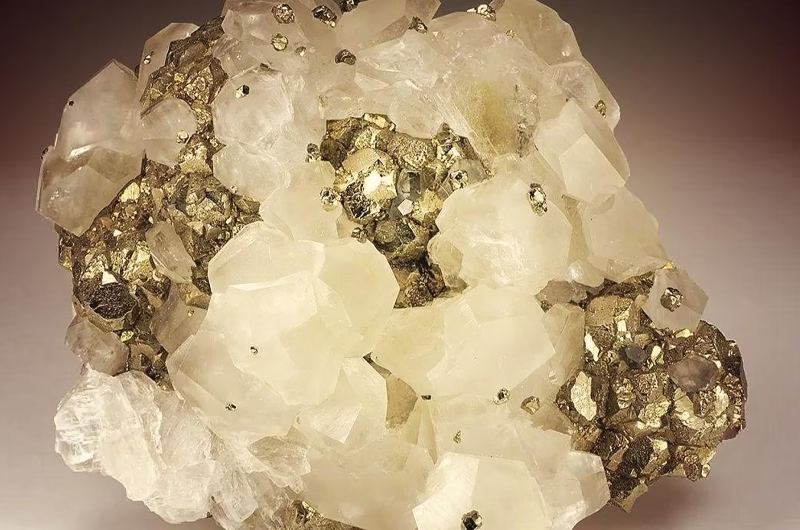
| Mineral | Chemical Formula | Key Challenge |
|---|---|---|
| Galena (Lead) | PbS | Soft and friable; easily creates slimes if crushed improperly. |
| Sphalerite (Zinc) | ZnS | Does not float easily; must be “activated” with chemicals. |
| Pyrite (Iron) | FeS₂ | Floats easily; must be “depressed” to avoid contaminating concentrates. |
This requires a technique called preferential flotation. In simple terms:
This two-step chemical magic trick is the heart of every lead-zinc processing plant design. Getting it wrong means producing a low-grade, mixed concentrate that smelters will heavily penalize or even reject, destroying your profitability.
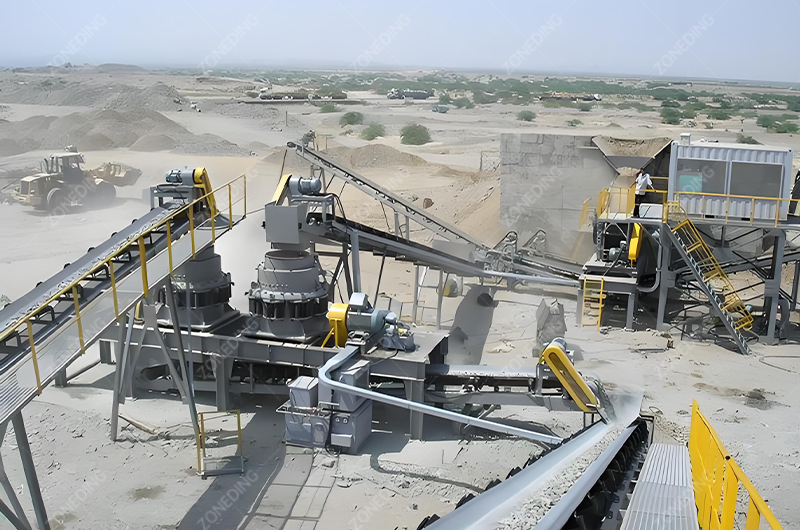
A profitable lead-zinc processing line is designed around a core process: multi-stage crushing, closed-circuit grinding, and multi-stage flotation. Every piece of equipment is selected and sized based on a mandatory mineral processing test of your ore.
The Rookie’s Mistake: Focusing only on the big machines like the ball mill and flotation cells, and guessing the process parameters.
The Veteran’s Insight: Profitability is determined before a single piece of equipment is purchased. It begins with a detailed mineral processing test on your specific ore. This analysis tells you everything: the optimal grind size, the right chemical recipe, and the potential recovery rates. Designing a plant without this data is like building a house without a blueprint.
The entire Lead Zinc Processing Plant must be designed as one integrated system.
The core of the process is the lead-zinc separation in the flotation circuit. The order is critical: you must float the lead first.
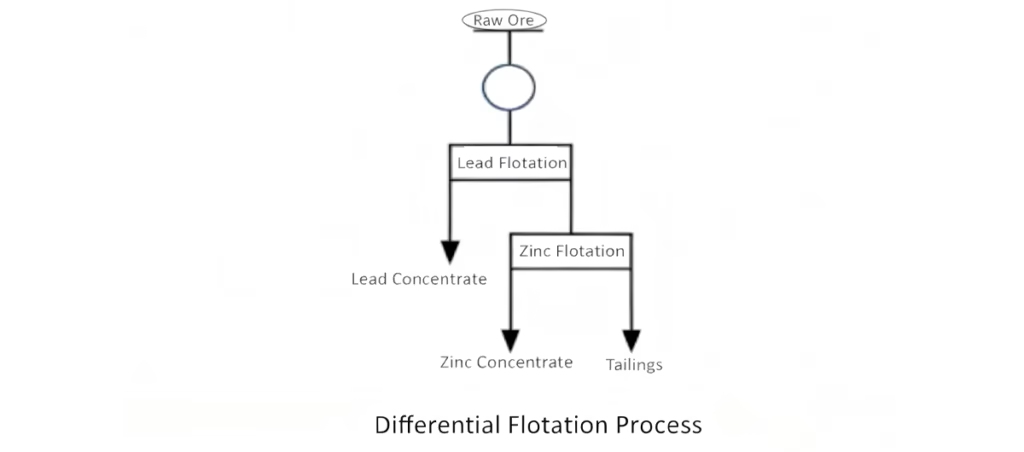
Here, we make lead float and zinc sink.
The galena particles ride the bubbles to the surface, forming a froth that is skimmed off as lead concentrate.
Now, we “wake up” the zinc we just put to sleep.
Reversing this order is chemically impractical and would result in very poor separation and massive value loss.
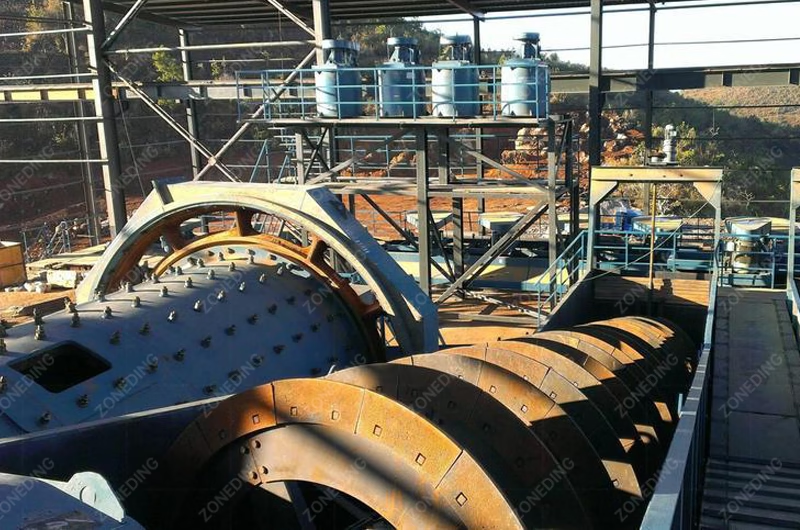
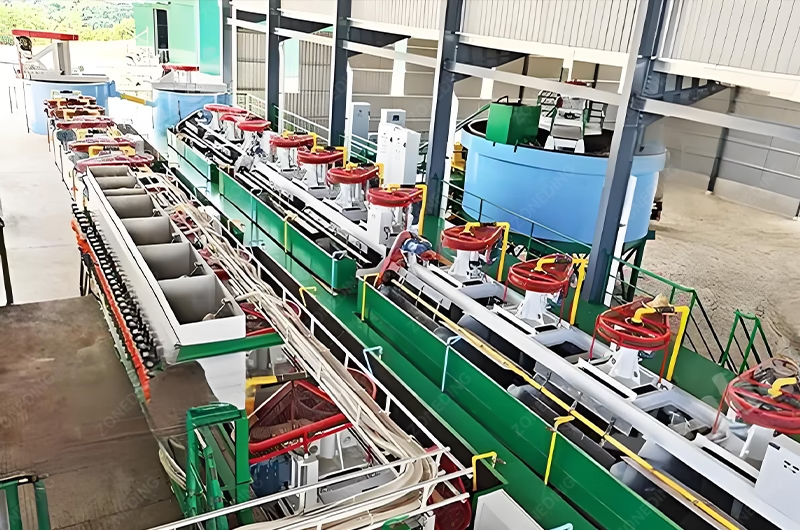
While the Flotation Machine and Ball Mills are stars of the show, several other pieces of equipment are critical for achieving a high recovery rate.
Not all lead-zinc ores are created equal. Certain characteristics require special adjustments to the lead-zinc ore processing flowsheet.
| Ore Challenge | Description | Process & Equipment Adjustments |
|---|---|---|
| Low Head Grade | The concentration of lead and zinc in the raw ore is very low. | Requires a higher throughput to be profitable. This means larger capacity crushers, ball mills, and flotation cells. The goal is to lower the cost-per-ton. |
| High Oxidation Rate | The surface of the sulfide minerals has oxidized, making them difficult to float with standard reagents. | Requires a special sulfidizing agent (like sodium sulfide) to be added before flotation to “clean” the mineral surfaces. May also require a longer conditioning time. |
| Associated Silver | The ore contains valuable silver, usually associated with the galena. | No major change is needed for the main process. The silver will naturally follow the lead into the lead concentrate. The focus is on maximizing lead recovery to maximize associated silver recovery. |
| High Pyrite Content | High levels of iron sulfide (pyrite) can float unintentionally, contaminating both concentrates. | Requires a higher pH in the flotation circuit (using more lime) to depress the pyrite. A specific pyrite depressant may also be needed. |
Estimating the cost of a lead-zinc processing line requires a detailed engineering study. The budget depends heavily on:
As a very rough preliminary estimate, a small-to-medium-sized plant (500-1500 tons per day) could range from a few million to over ten million USD for the equipment alone. A complete EPC (Engineering, Procurement, Construction) contract would be significantly more.
The most critical first step in any mining project is to understand your ore. Guesswork leads to financial disaster.
At ZONEDING, we believe in a data-driven approach. We offer a complimentary mineral processing testing and analysis service. Here is how it works:
This service is free and carries no obligation. It is our way of ensuring that your project is built on a solid technical foundation, giving you the best possible chance of success.
Since 2004, ZONEDING has been a world leader in providing complete processing equipment and turnkey solutions for the mining industry. We are not just equipment sellers; we are process engineers. We specialize in designing and building complete lead-zinc processing plants tailored to the unique challenges of each ore body. As a factory-direct manufacturer, we control quality at every step and provide our clients with robust, reliable systems that deliver maximum recovery and profitability.
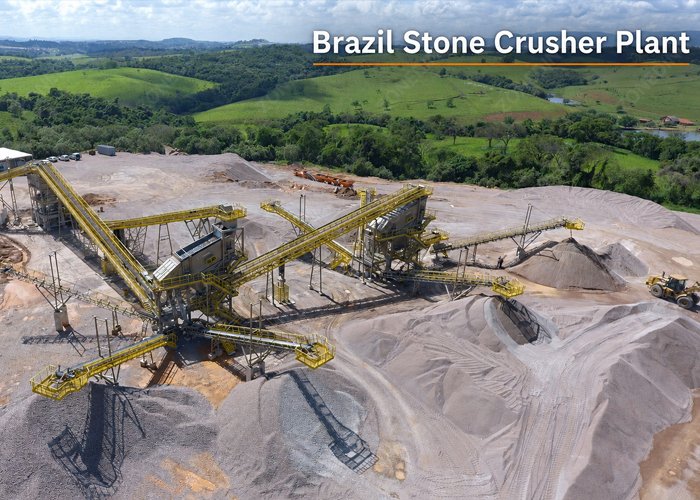
Brazil stone crusher plant solutions for granite, basalt, limestone, and river stone. Compare 50–500 TPH circuits, plant types, and site needs.
View details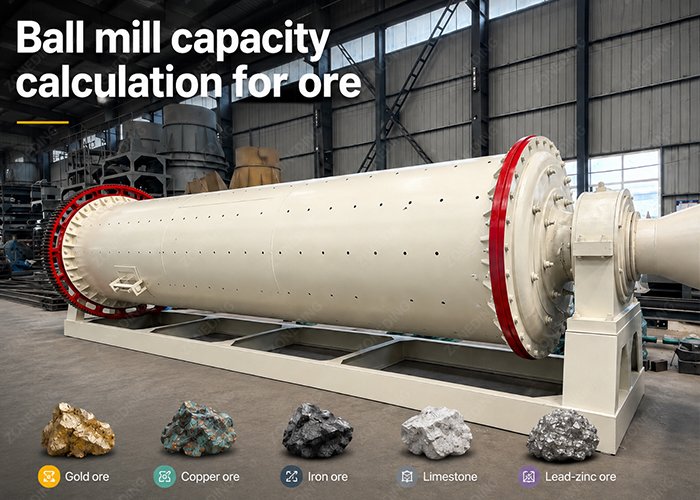
Calculate ball mill capacity from ore hardness, feed size, grind size, motor power, circuit design, and efficiency factors.
View details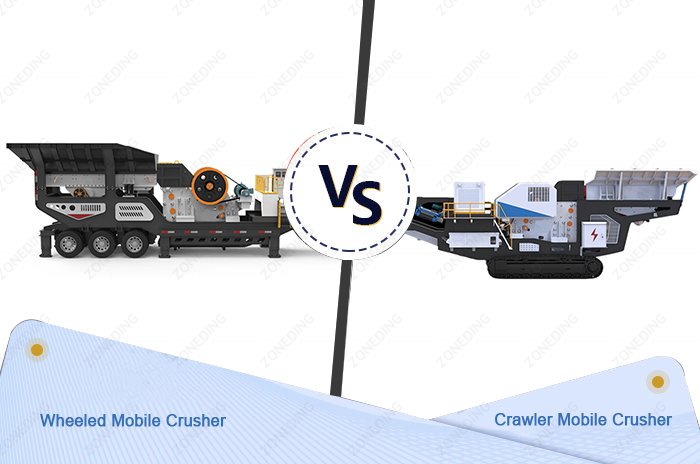
Choosing mobile crushing equipment determines project setup speed and long-term operating costs. Many buyers only look at the transport method. They ignore the hidden costs of site preparation and energy consumption. This guide shows the real diff...
View details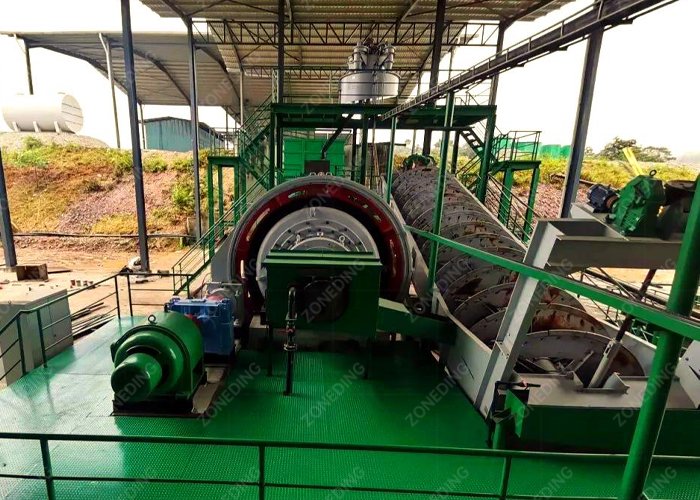
Optimizing the gold ore dressing process is the most direct way to increase profit in a mine. A high gold recovery rate depends on how well the equipment works together. Many plants lose gold because the flow is not right. I ha...
View details